SIMGOT SuperMix 5 Review

SIMGOT SuperMix 5 Review
Introduction:
SIMGOT has spent more than a decade establishing itself as one of the more disciplined voices in the Chi-Fi IEM market. After the runaway success of the EA500 and EA1000 single dynamic driver IEMs, the brand turned its attention to more complex hybrid configurations with the SuperMix series. The SuperMix 5 is the brand’s latest statement in this lineup, and it arrives with an unusually ambitious five-driver configuration: one 8mm DLC dynamic driver, two custom balanced armature drivers, one micro planar magnetic driver, and one 10mm custom coil bone conduction driver. Rather than pursuing the aggressively energetic character that defined some of SIMGOT’s earlier designs, the SuperMix 5 shifts toward something more measured, more organic, and considerably more livable across extended listening sessions.
The SuperMix 5 targets the competitive mid-tier IEM segment with a five-driver configuration consisting of one 8mm DLC dynamic driver, two custom balanced armature drivers, one micro planar magnetic driver, and one 10mm custom coil bone conduction driver. The bone conduction element is the defining technical feature of this IEM, operating across a broad frequency range of approximately 200Hz to 7kHz and adding a tactile, physical dimension to bass and lower midrange reproduction that conventional air conduction drivers cannot replicate. How well that ambition translates into a coherent and enjoyable listening experience is what this review sets out to examine.
Disclaimer:
I would like to thank SIMGOT for providing the SuperMix 5 for review purposes. I am not affiliated with SIMGOT beyond this review, and these words reflect my true and unaltered opinions about the product.
Price & Availability:
The SIMGOT SuperMix 5 is priced at $219.99 USD. It is available through authorized dealers and online retailers worldwide. More information’s can be found under the links below;
Package & Accessories:
The SuperMix 5 arrives in packaging that is immediately recognizable as SIMGOT ‘s house style. The outer holochrome slip case features the brand name, an X-ray view of the IEM showing its internal driver arrangement, and technical specification text on the reverse side. Beneath the slip case is a flip-sleeve box embossed with the SIMGOT logo in gold, which opens to reveal the IEMs seated in a shaped cardboard holder alongside the documentation. The presentation is clean and considered, appropriate for an IEM at this price point.
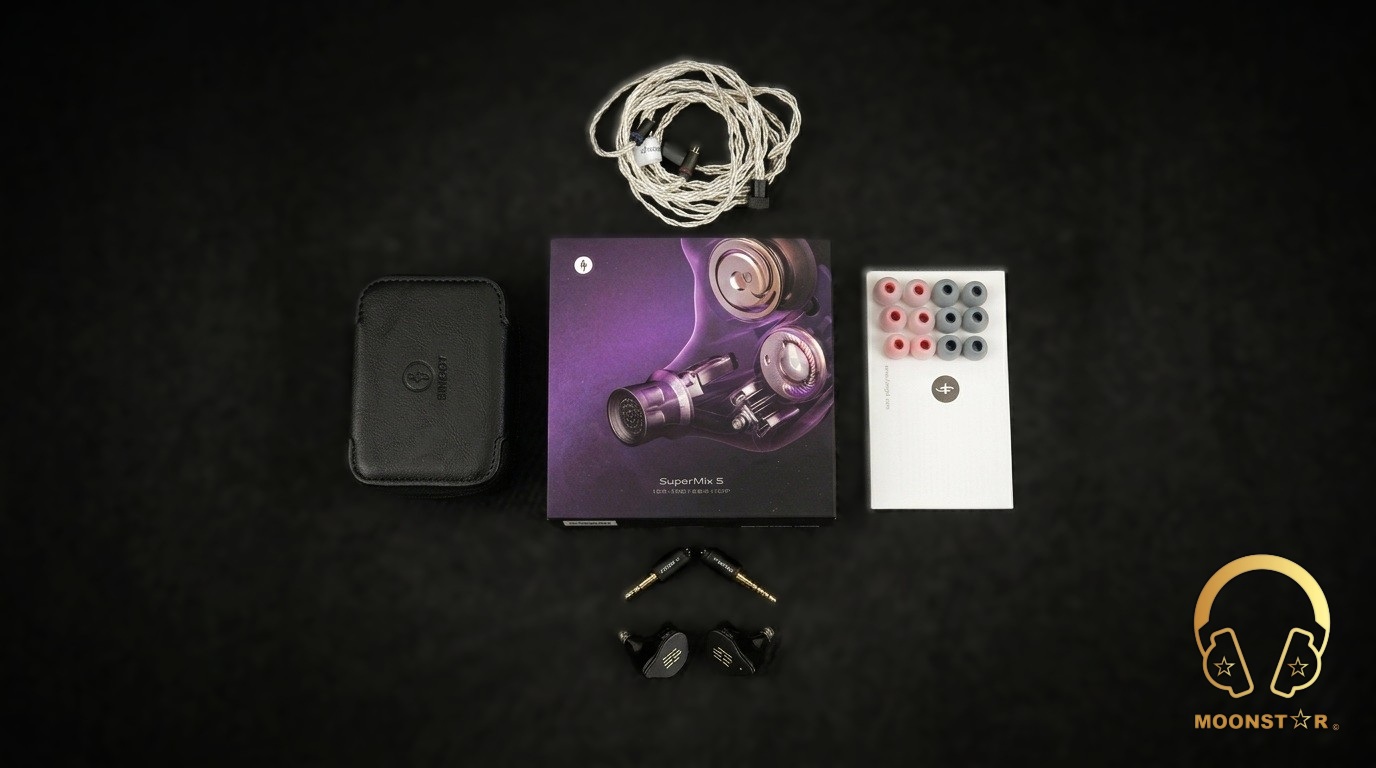
The full package includes:
- 1 pair x SIMGOT SuperMix 5 In-Ear Monitors
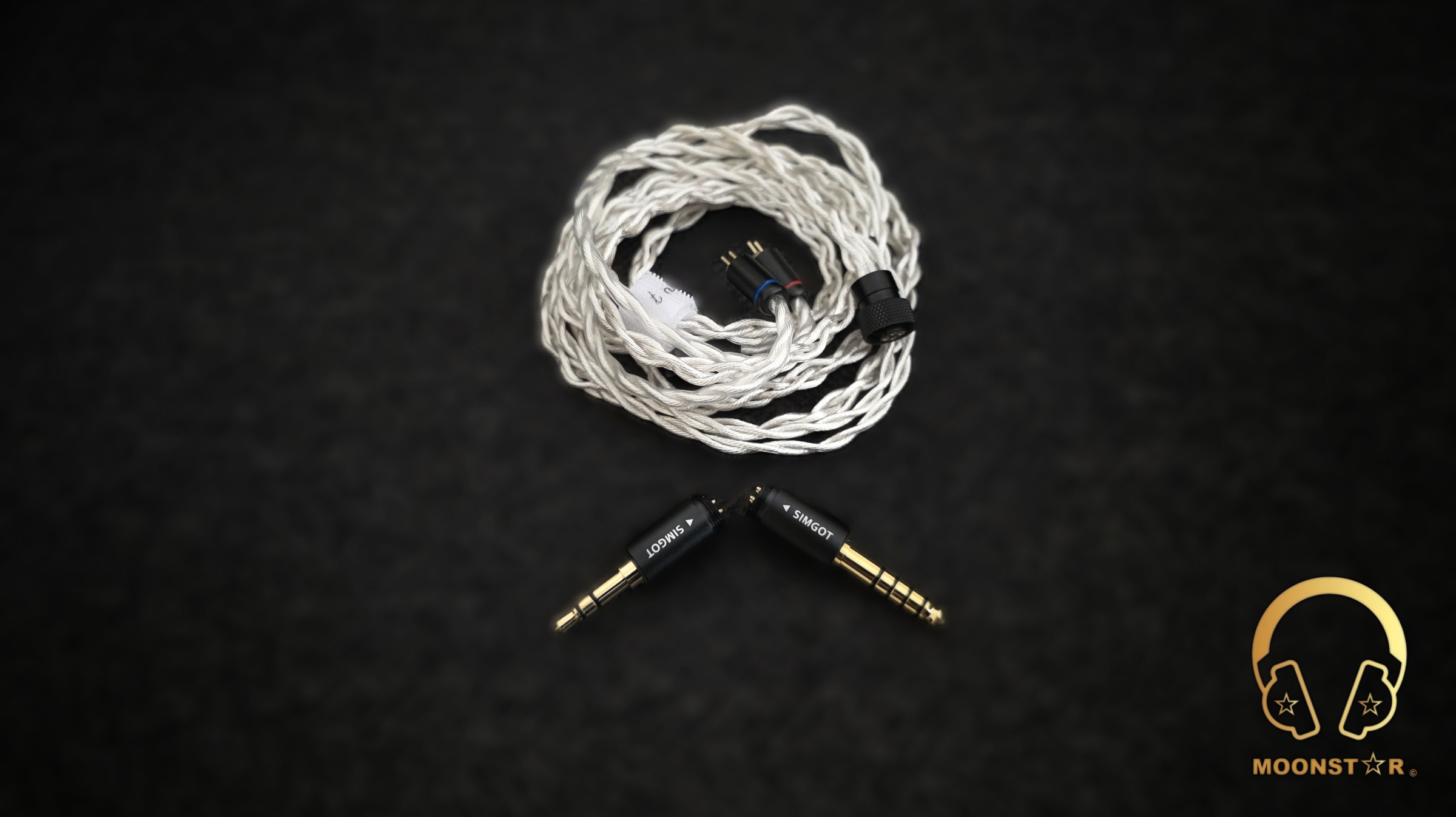
- 1 x Litz-Structured Silver-Plated Single-Crystal Copper Cable with Modular 3.5mm and 4.4mm Plugs
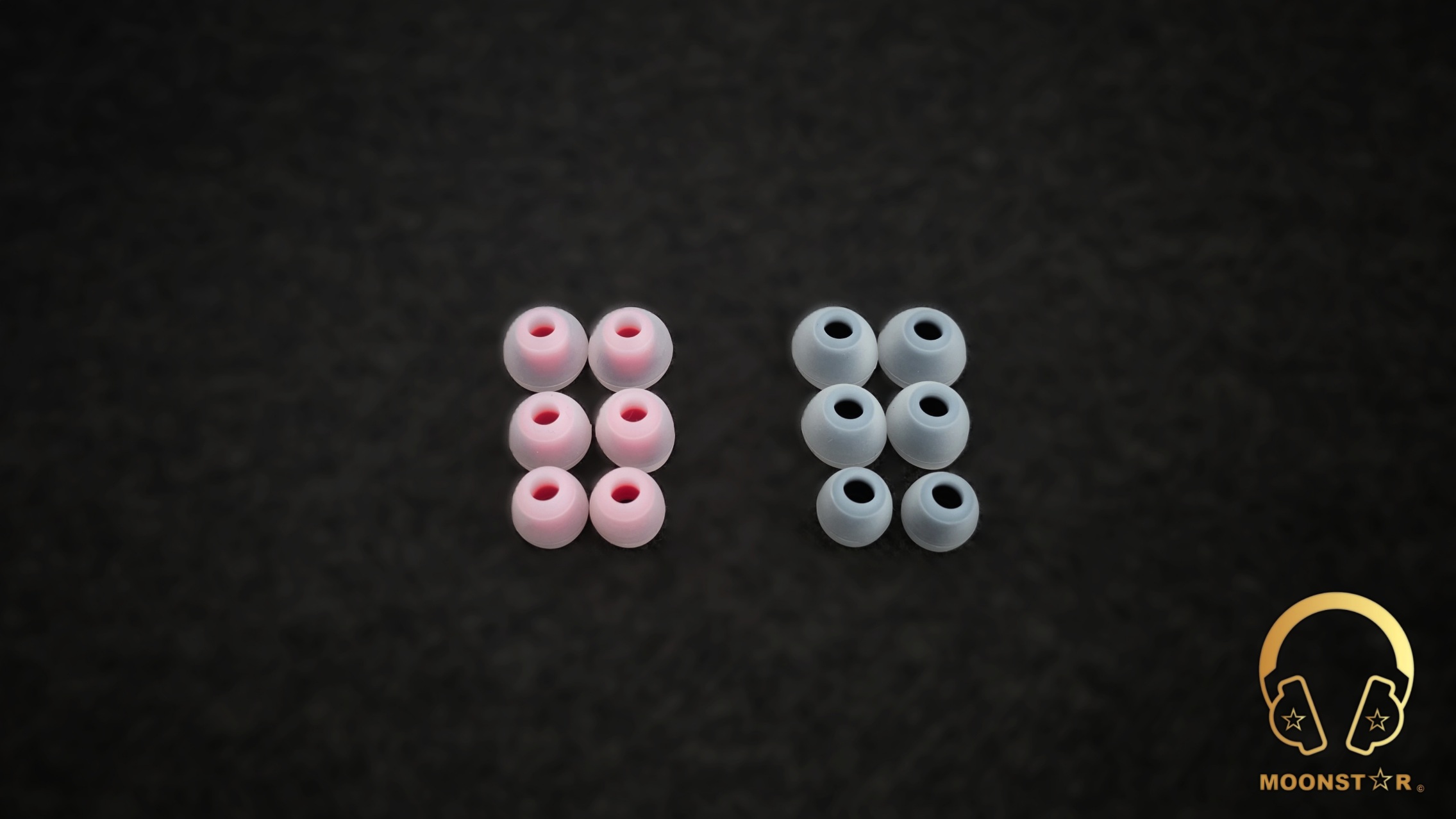
- 3 pairs x Wide Bore Silicone Ear Tips (S, M, L)
- 3 pairs x Narrow Bore Silicone Ear Tips (S, M, L)
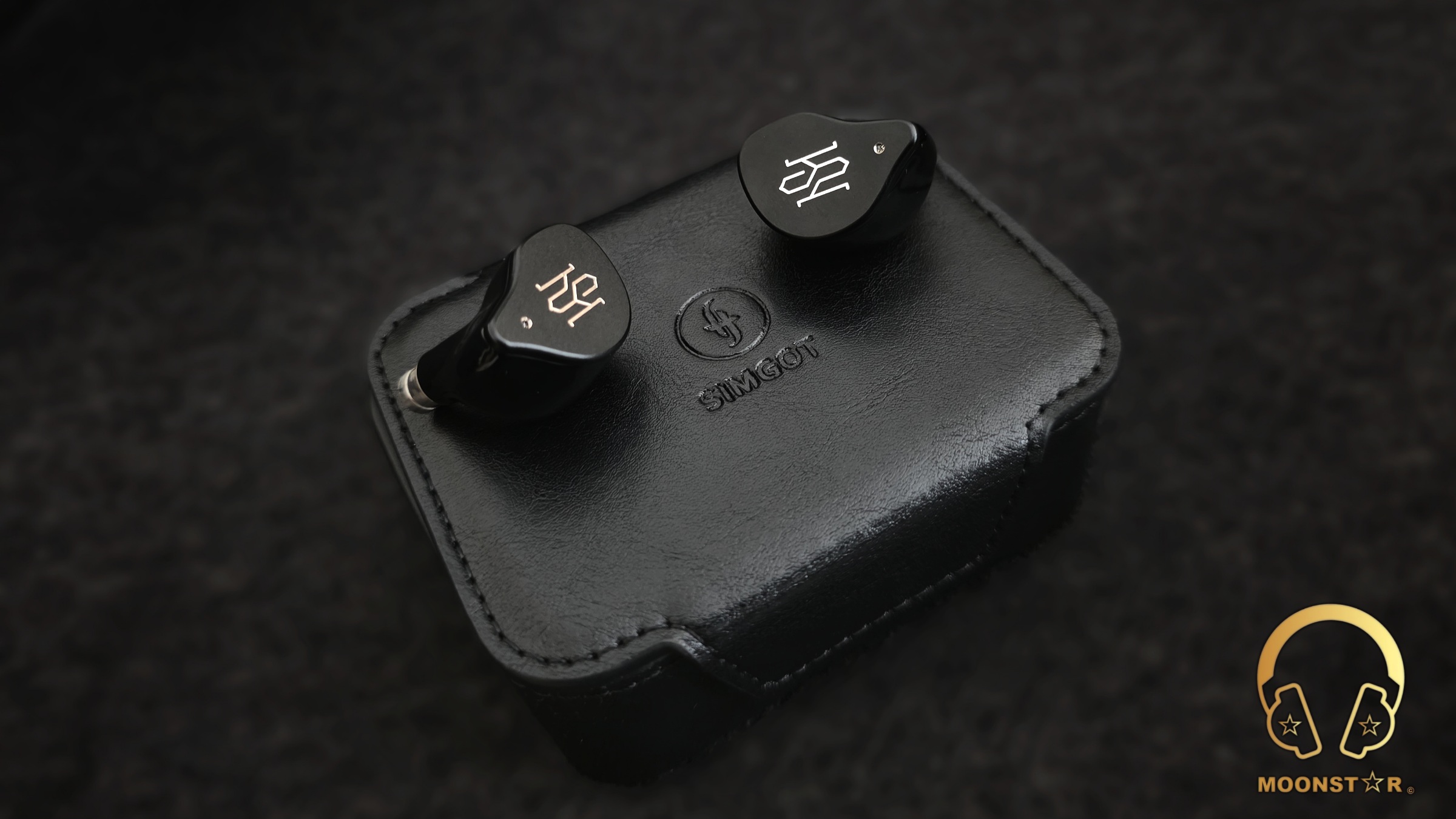
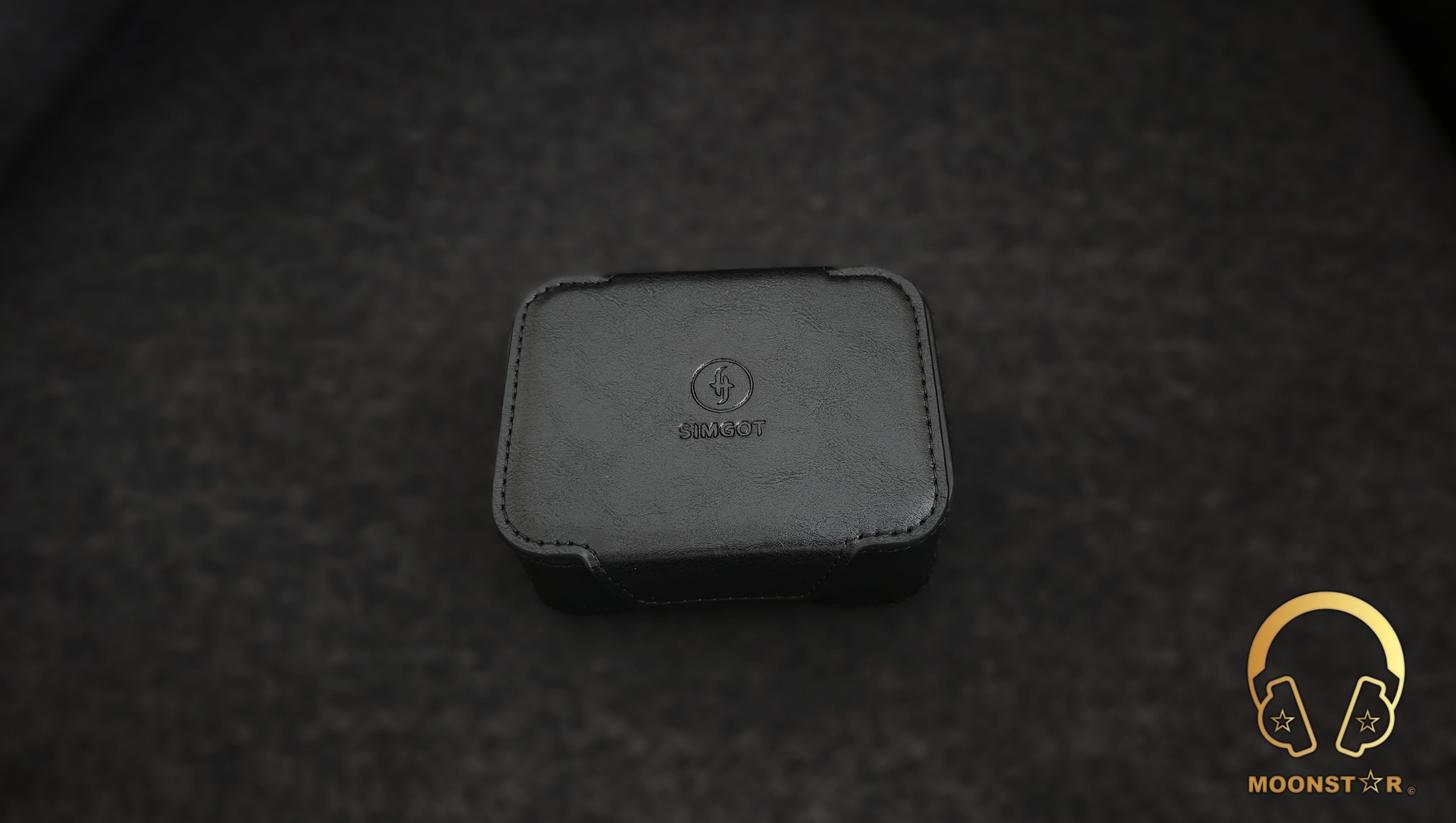
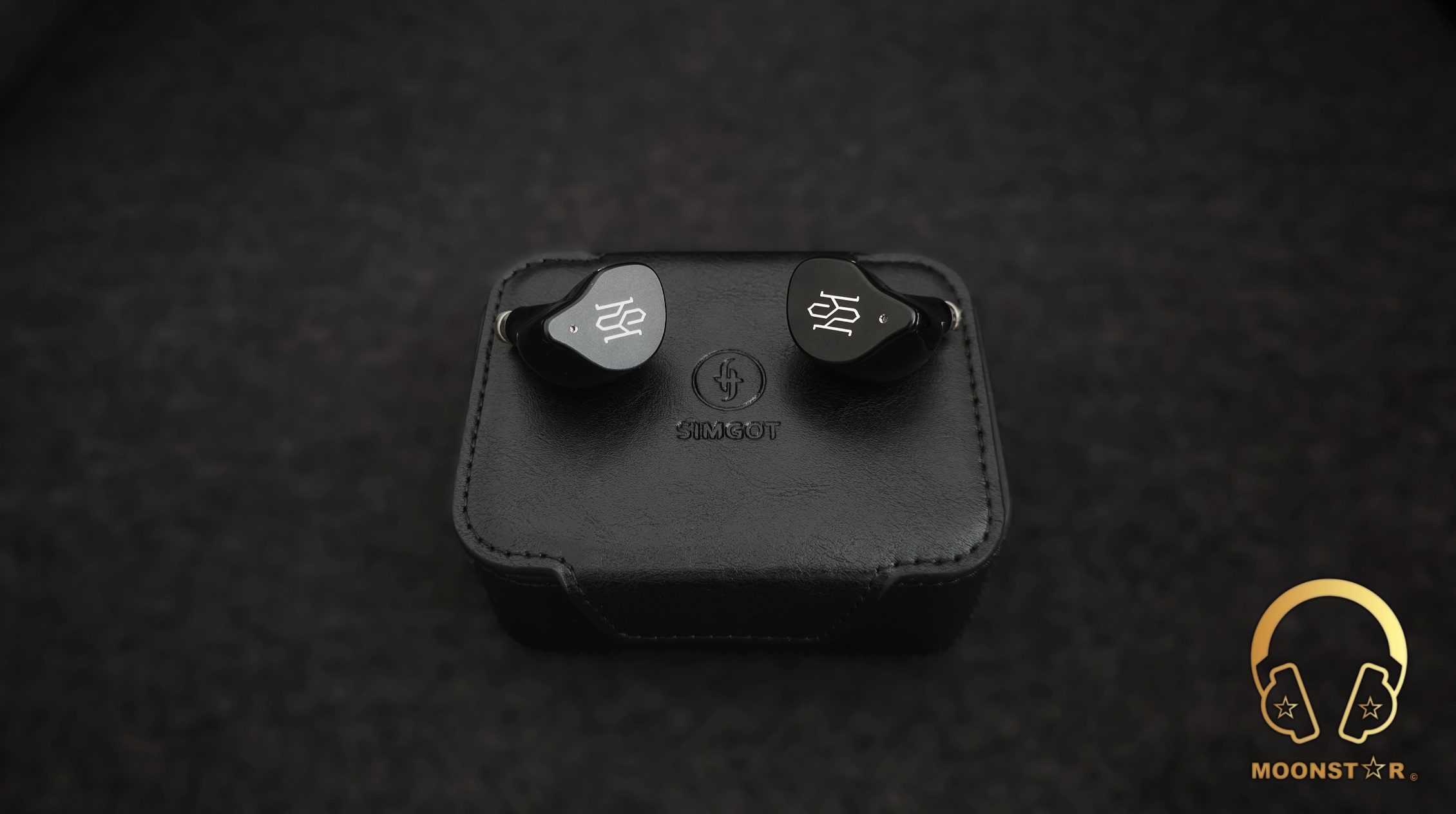
- 1 x Magnetic Vegan Leather Carrying Case
- 1 x Warranty Card and Documentation
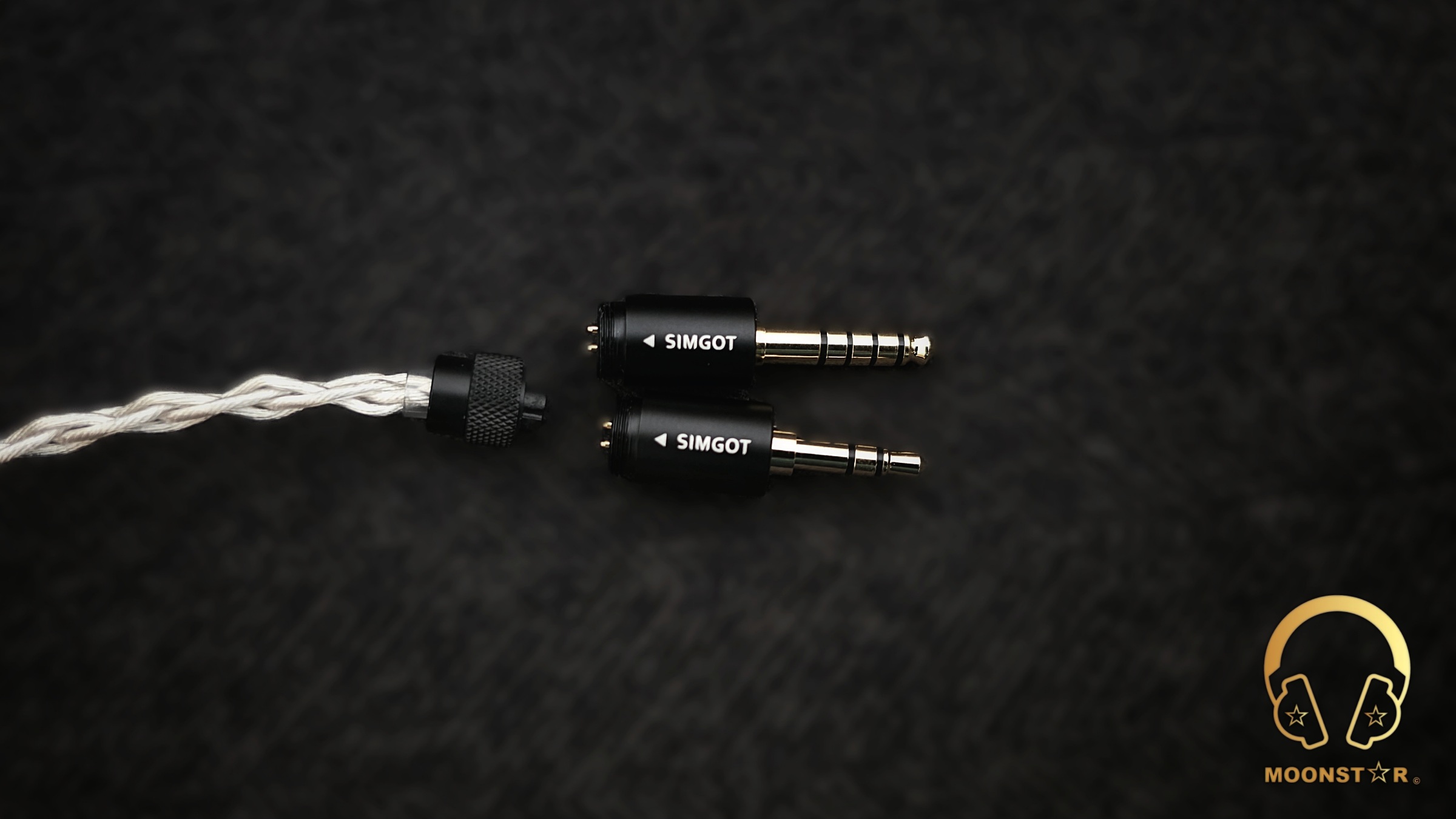
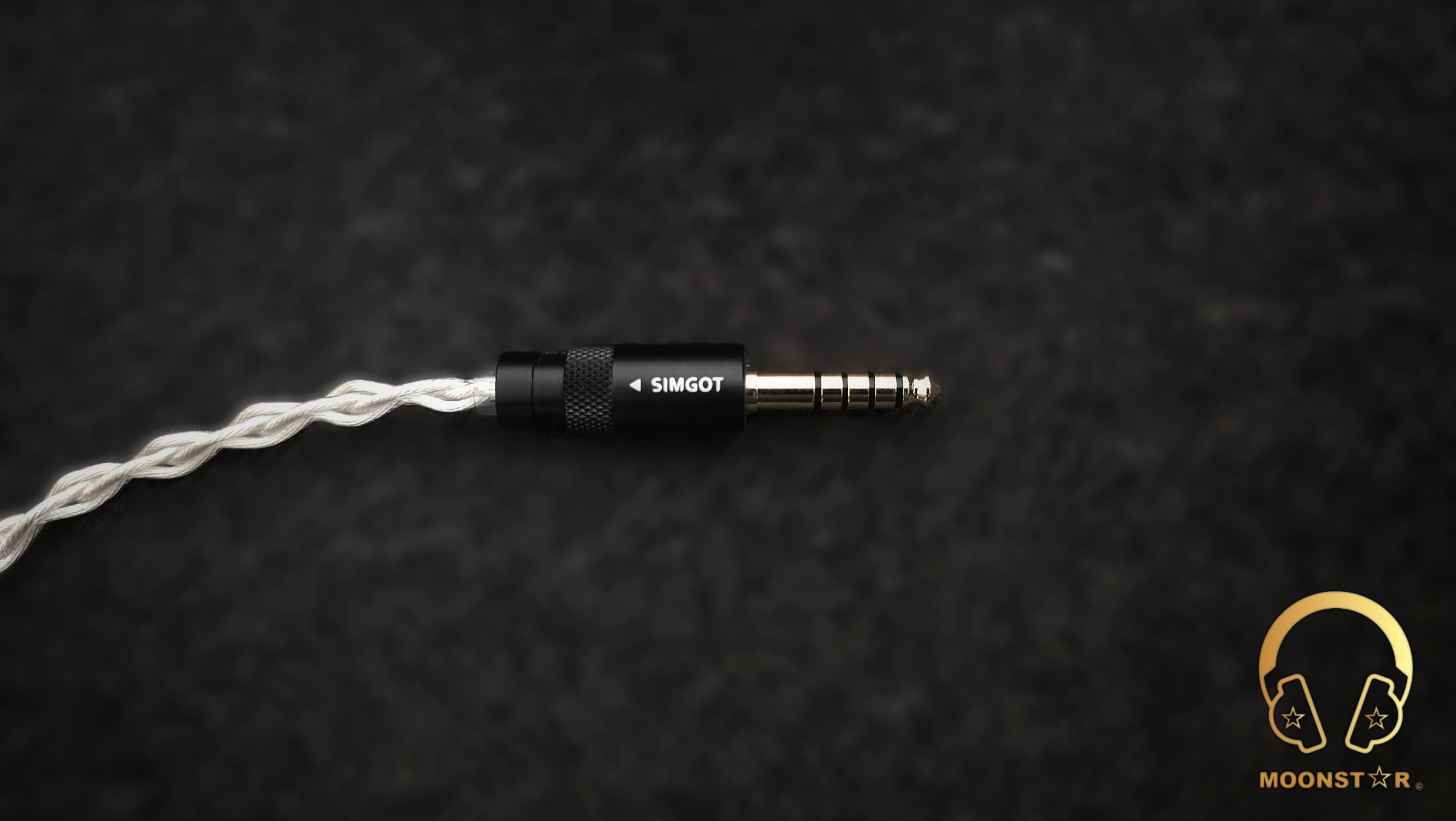
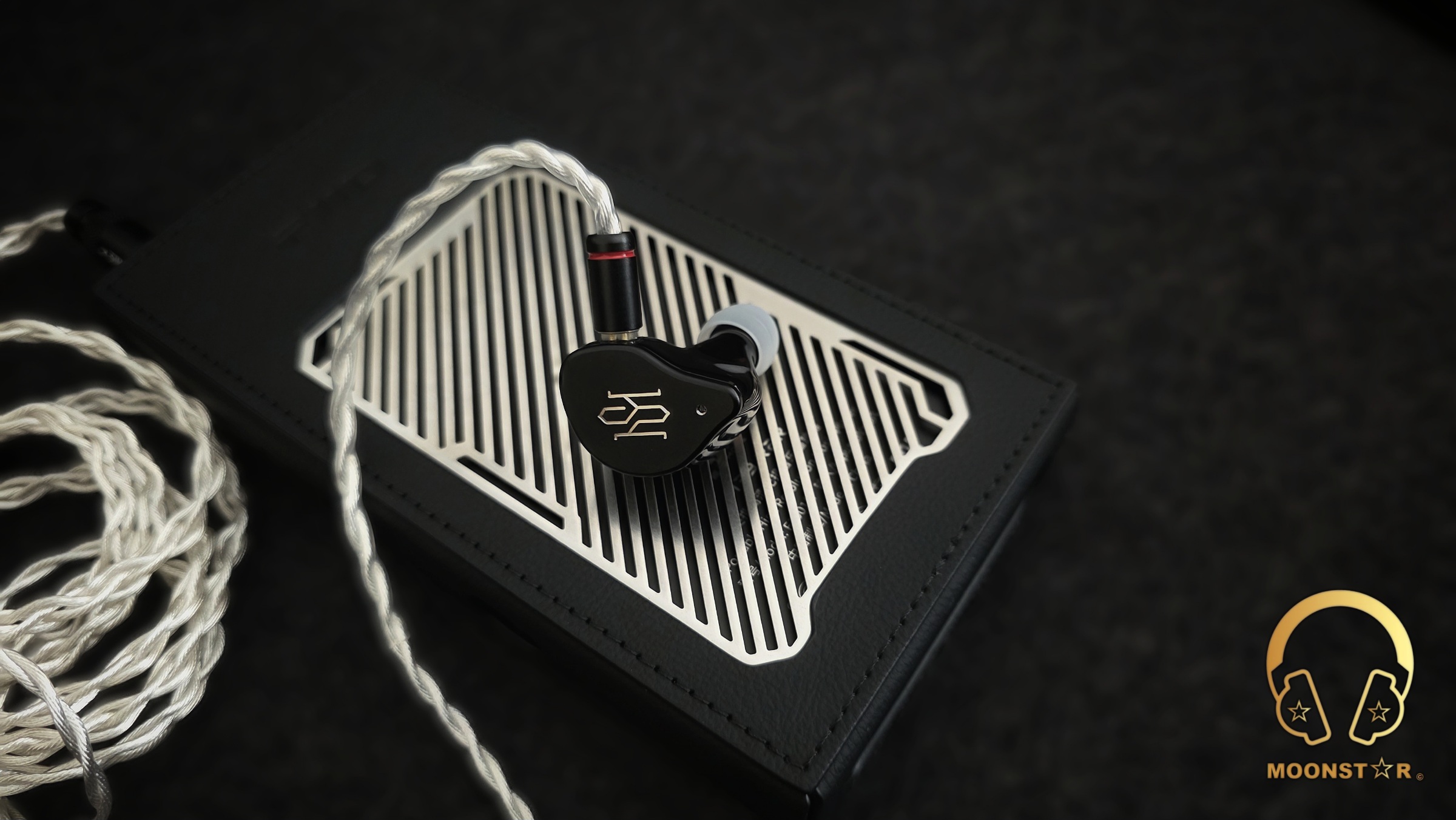
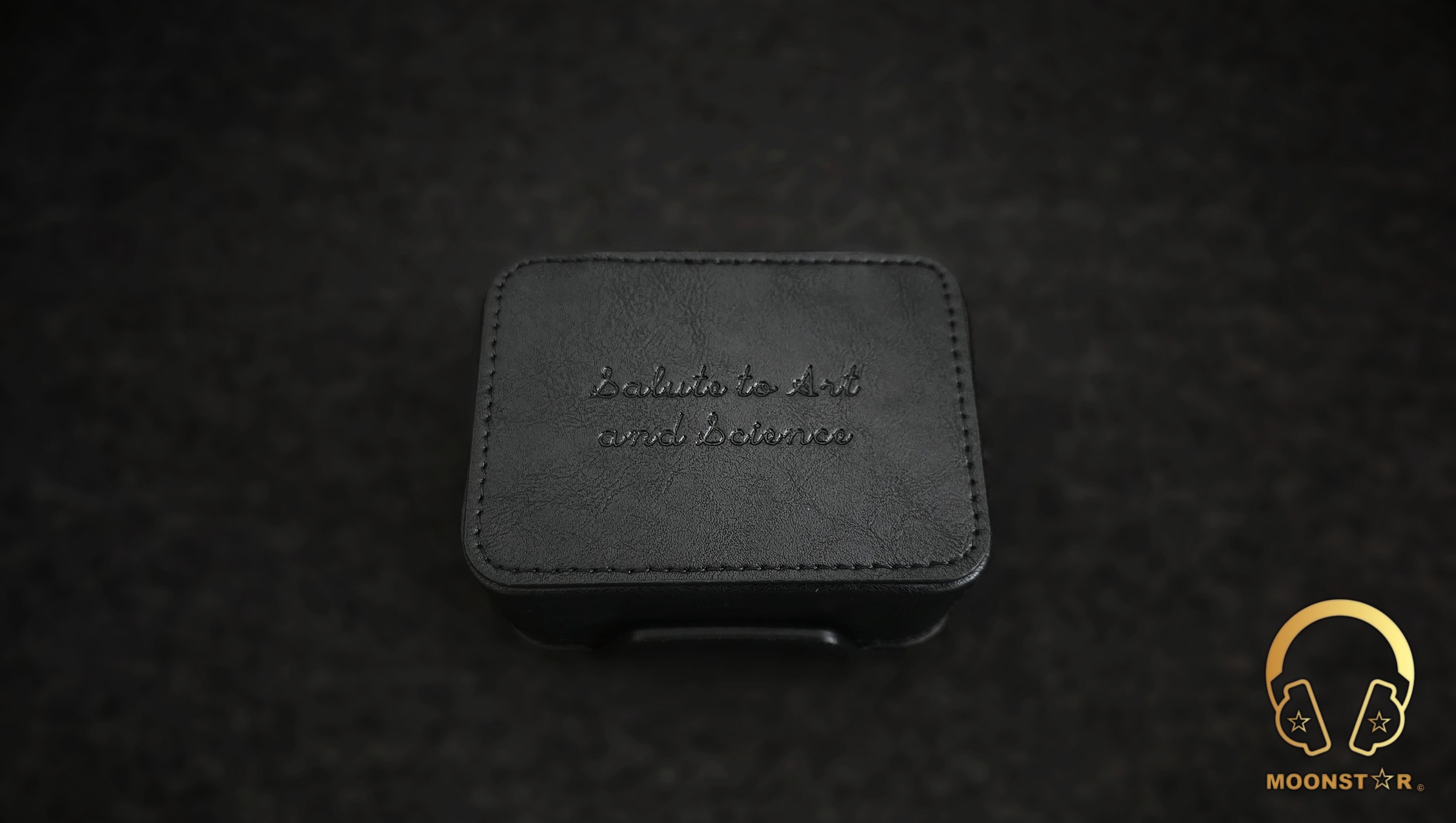
The accessory selection is well-considered for the price. The carrying case, finished in sleek black faux leather with a magnetic closure, is compact and functional, fitting the IEMs and cable without the bulk of a larger rigid case. The cable ships with interchangeable modular terminations, allowing the listener to switch between 3.5mm single-ended and 4.4mm balanced configurations by unscrewing the plug rather than replacing the cable. This is a genuinely useful inclusion at this price, even if the screw-thread modular system requires careful alignment to avoid cross-threading. The cable itself is thinner than many reviewers would prefer given the price of the IEM, and its feel is somewhat plastic rather than the supple, premium character one might hope for from a silver-plated Litz construction. The absence of foam tip options is notable; for an IEM where ear canal contact is critical to the bone conduction driver’s performance, a foam tip set would have been a worthwhile addition.
Design & Build Quality:
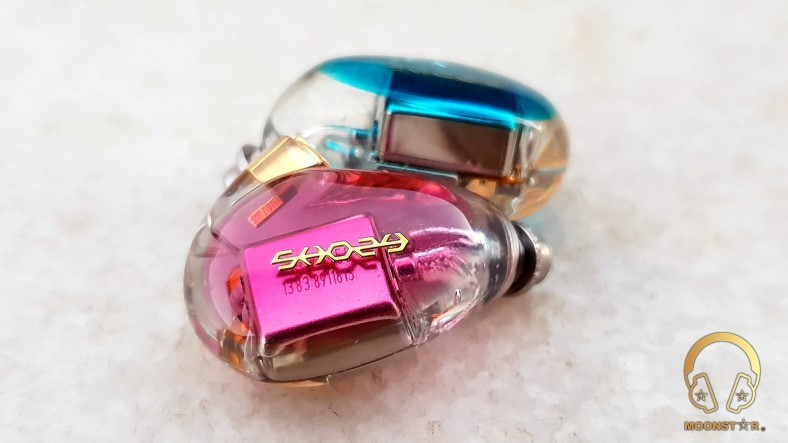
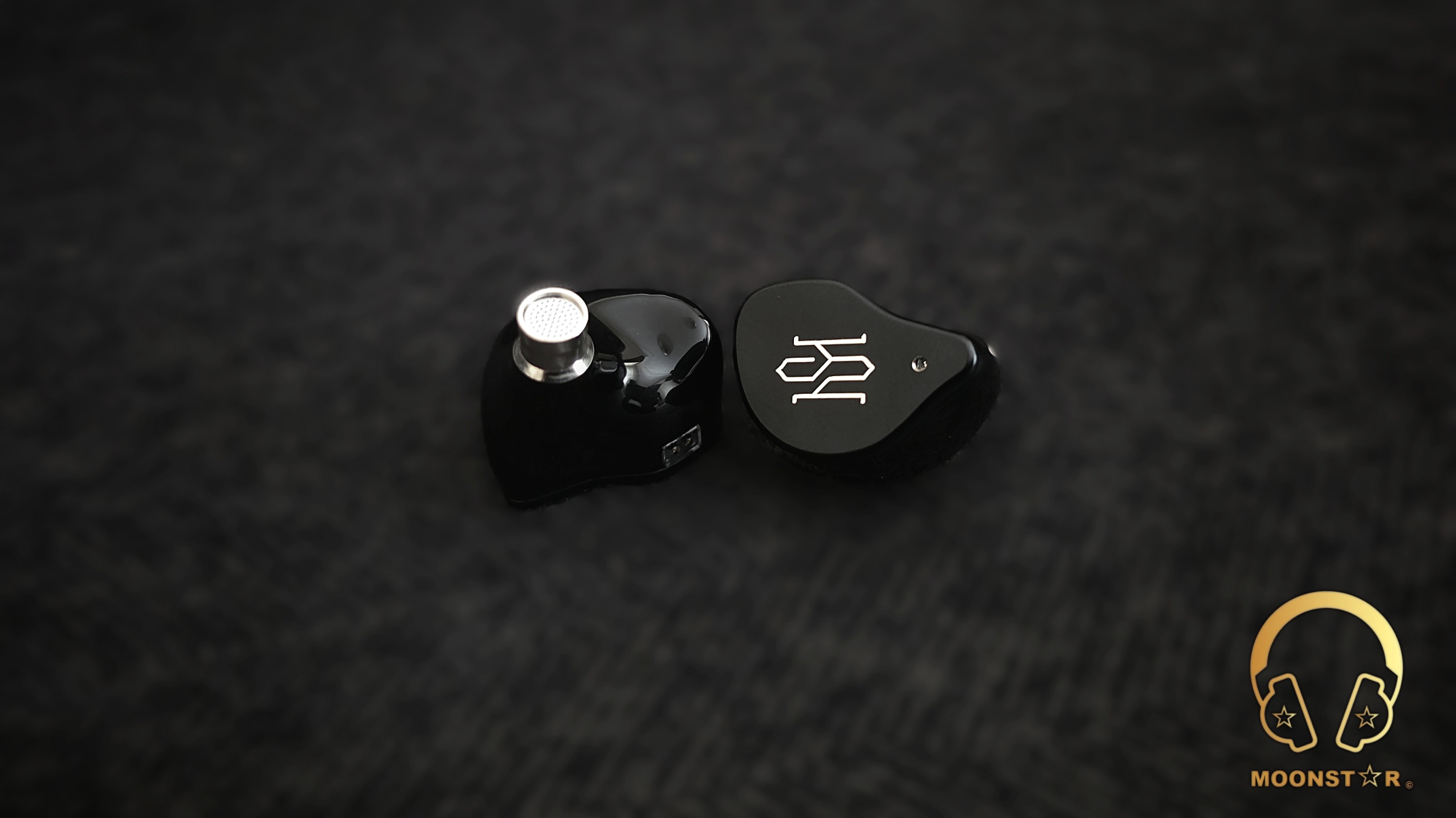
The SIMGOT SuperMix 5 is a physically imposing IEM by the standards of its price class, and potential buyers should be aware of this before committing. The shell is notably larger and thicker than comparable IEMs in the sub-$250 market, a consequence of accommodating five drivers of four different types, including the 10mm bone conduction driver that adds meaningful depth to the housing. Despite this, the weight remains surprisingly low thanks to the combination of 3D-printed resin and aluminum alloy construction, which keeps the shells comfortable during extended sessions for users whose ears can accommodate the size.
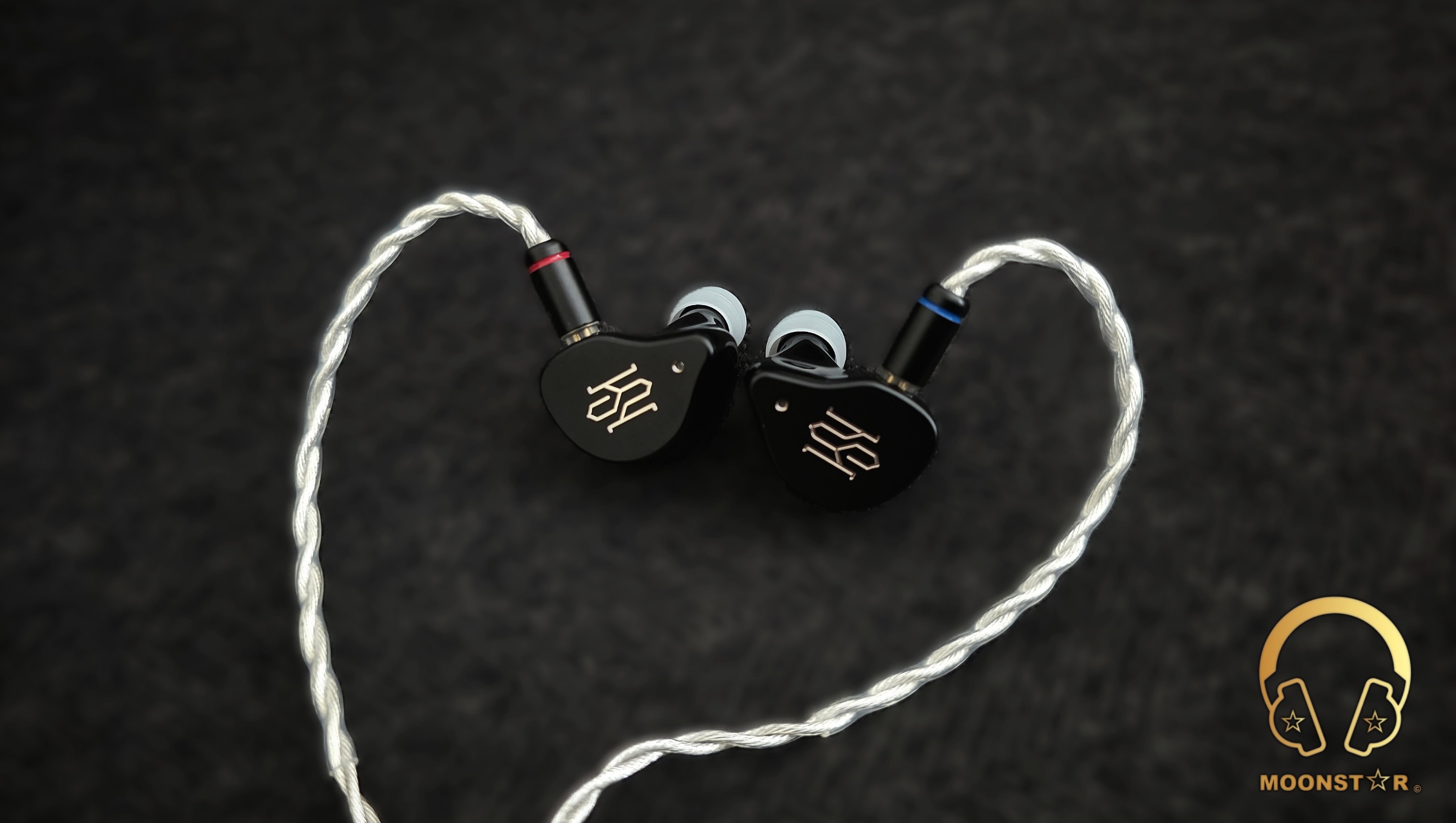
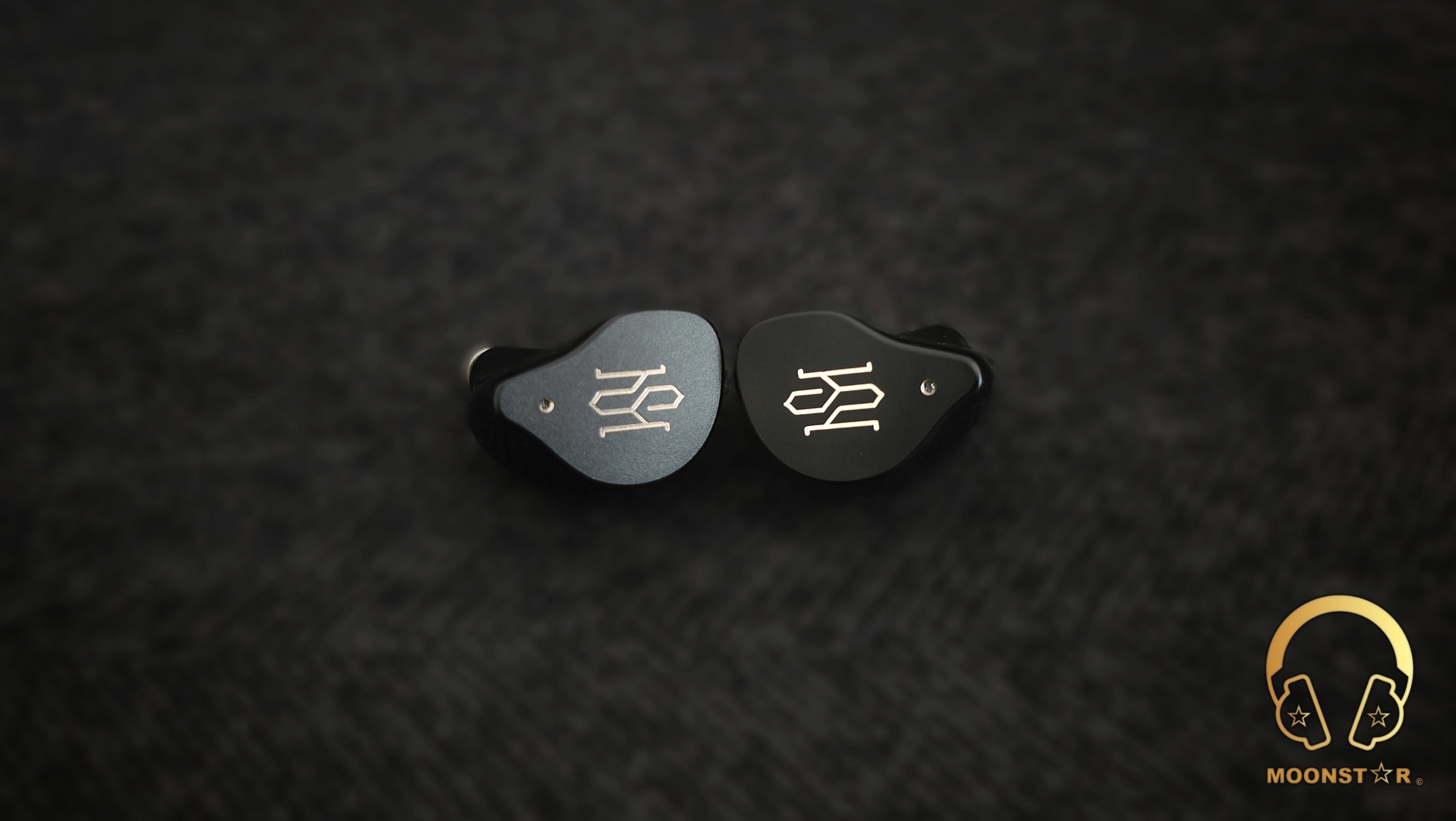
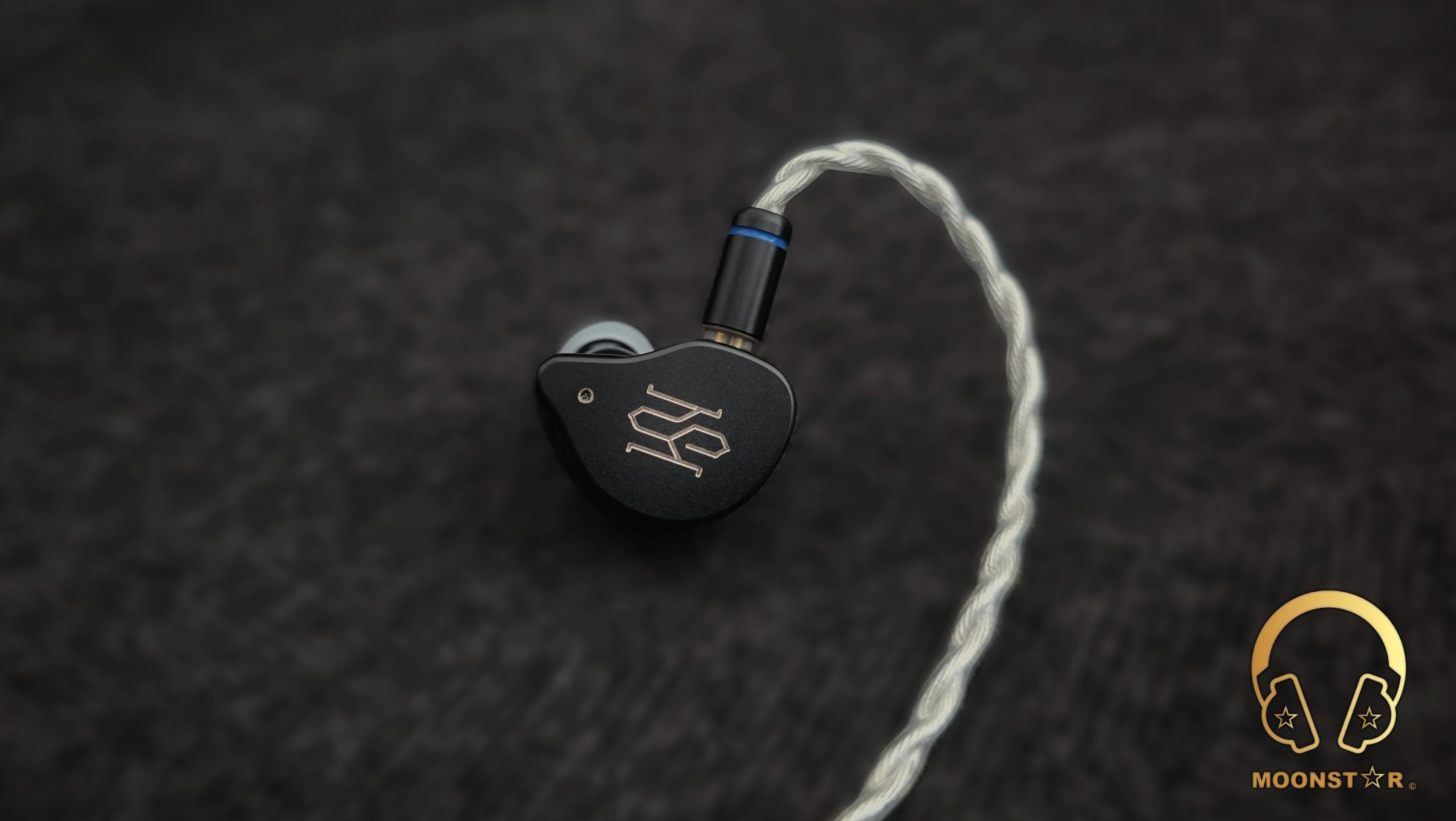
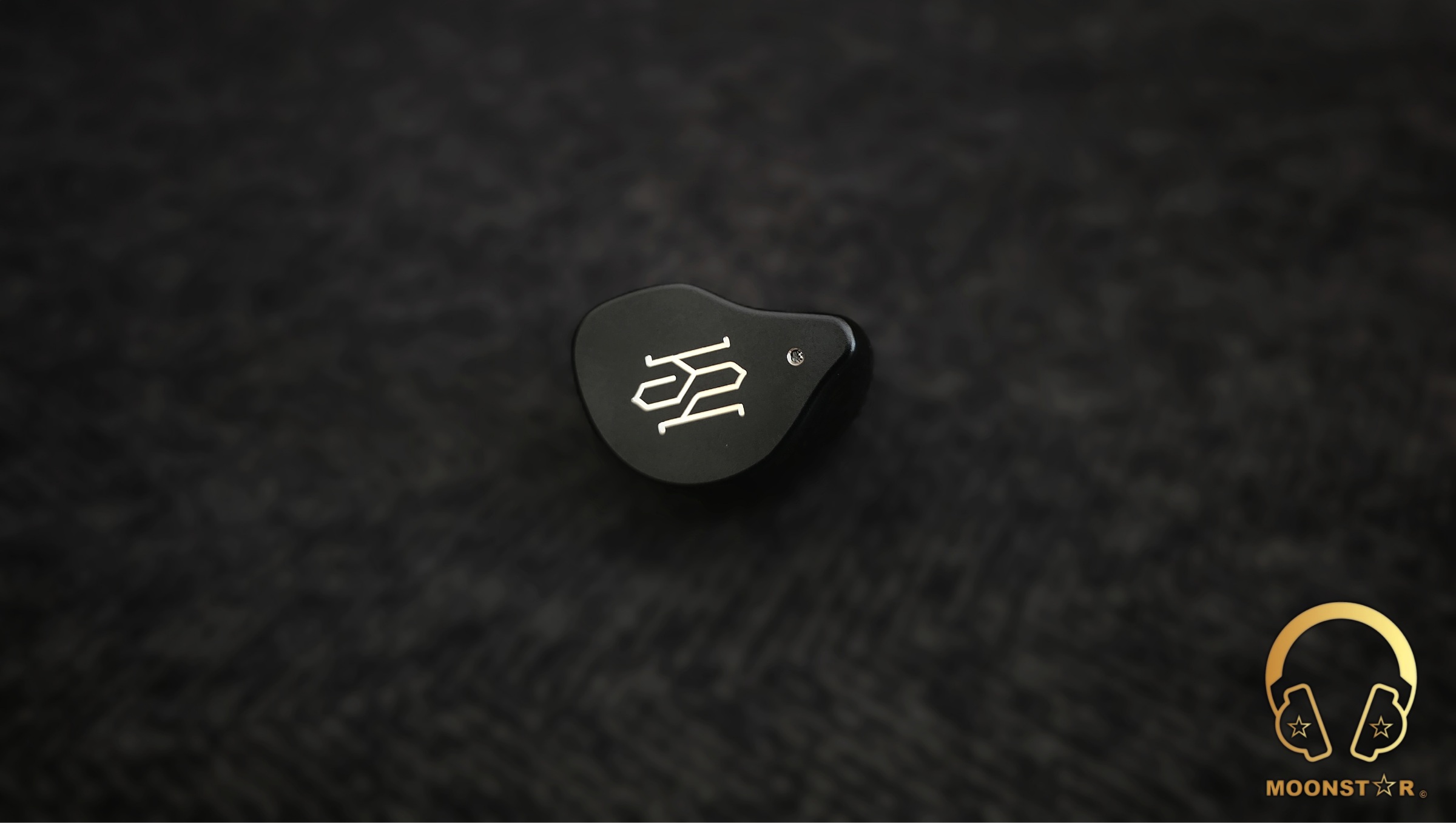
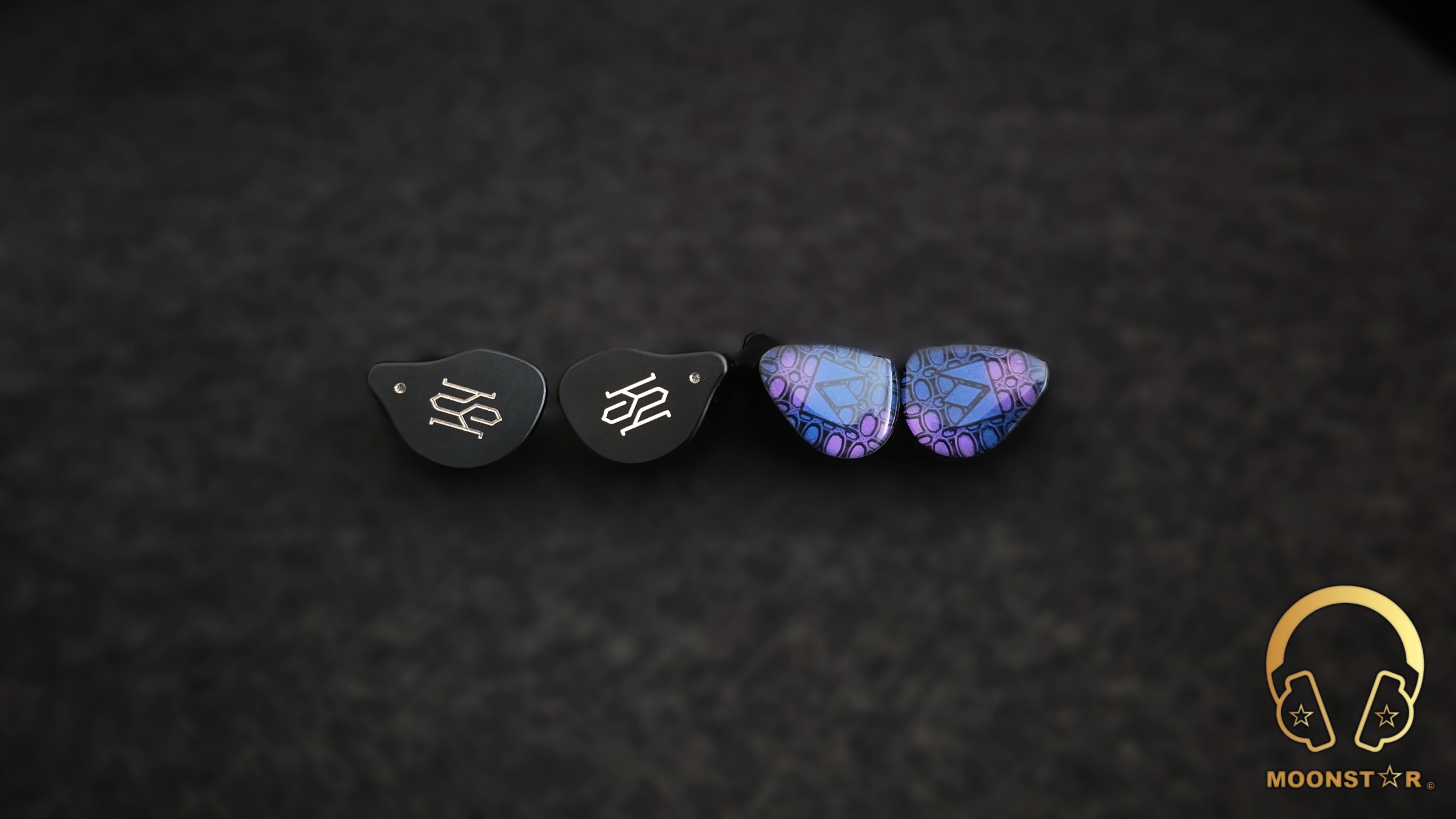
The faceplate is the SuperMix 5’s most visually distinctive element. It is CNC-machined from aviation-grade aluminum alloy and finished with a subtle satin texture that gives it a refined, matte character without being dull. The SIMGOT logo sits at the center of each faceplate in a clean, circular embossed design that reads as understated and confident rather than decorative. The all-black color language is consistent throughout: the aluminum faceplate, the resin shell body, and the cable all maintain the same monochromatic identity, which gives the SuperMix 5 a cohesive and purposeful aesthetic. A single ventilation port is present on the metal faceplate, serving both pressure equalization and acoustic function for the internal driver assembly. It sits flush with the faceplate surface without disrupting the visual flow.
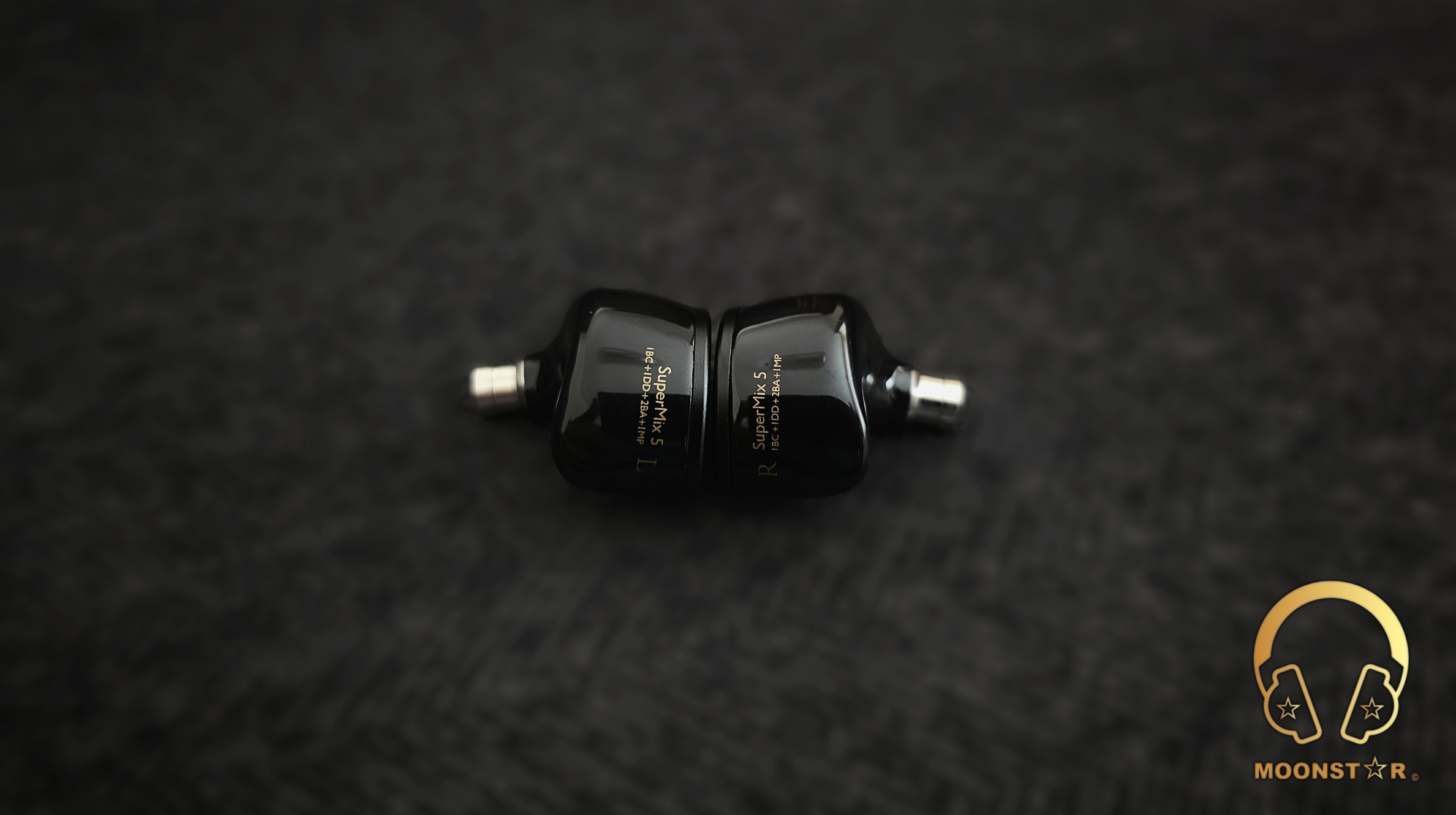
The main body of each shell is manufactured using high-precision resin 3D printing in a deep, translucent black. Under direct light the translucency reveals the internal architecture in a faint silhouette, a subtle visual quality that rewards close examination. The resin material is described as medical-grade by SIMGOT, offering hypoallergenic properties and a surface that resists micro-scratches and fingerprints reasonably well. The shells follow SIMGOT ‘s established pseudo-custom contouring approach, shaped using extensive 3D ear canal data to approximate the ergonomic benefits of a custom-fit IEM within a universal form. The inner face of each shell curves to conform to the concha bowl, and in practice this ergonomic work pays off: the SuperMix 5 settles into the ear with a natural fit that stabilizes itself without requiring the kind of active repositioning that more aggressively shaped shells sometimes demand. On the rear face of each shell, in small yellow print, the model designation, driver configuration, and L/R channel marking are clearly listed, a practical touch that avoids the ambiguity of purely visual side identification. A distinctive quirk of the bone conduction driver is immediately perceptible when handling the shells: tapping them lightly produces a noticeable springy, resonant vibration that is unlike anything felt from conventional IEM housings. This is the BC driver responding to mechanical contact and is entirely normal behavior for this driver type, though it can take some adjustment if one is not expecting it.
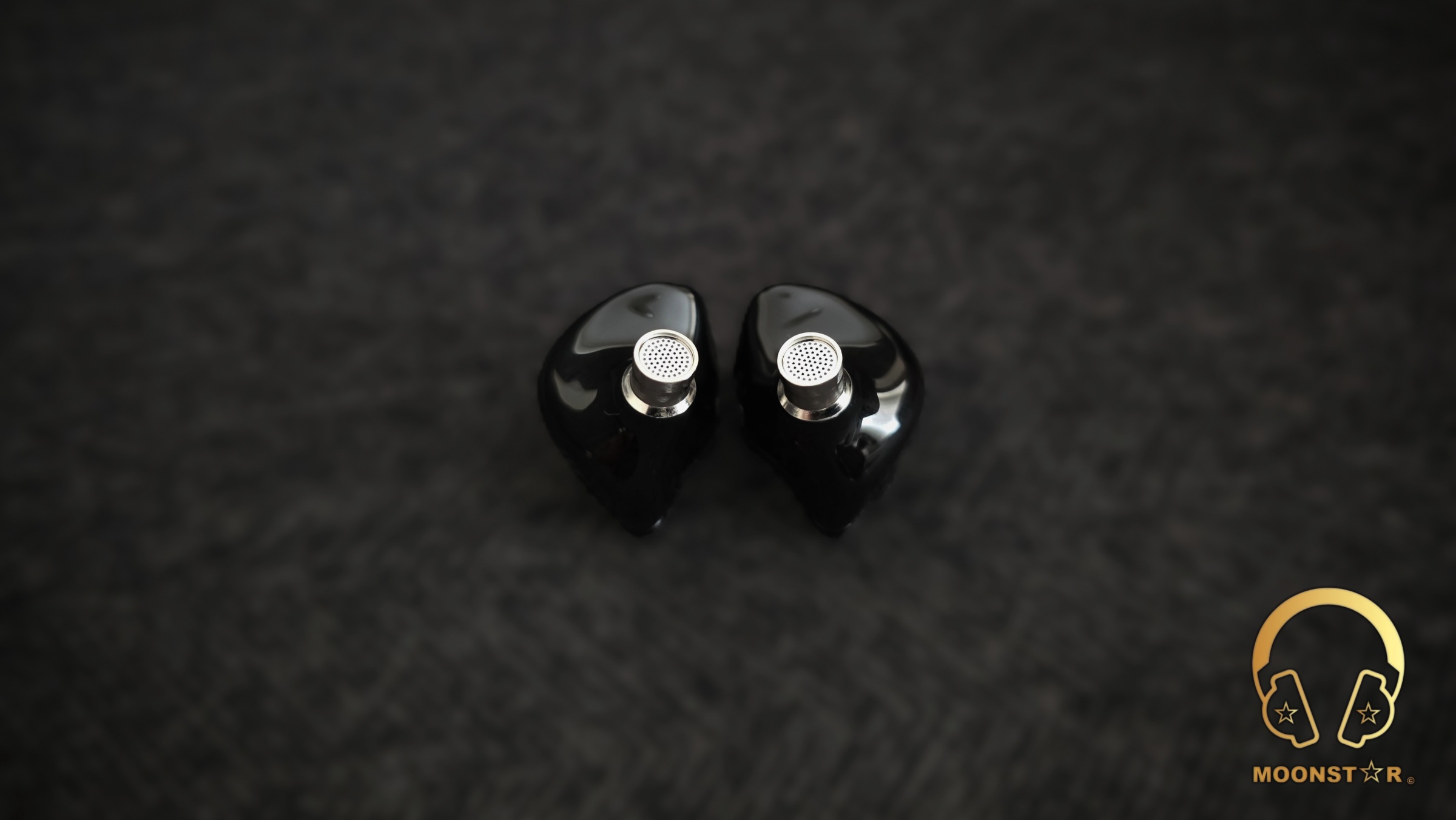
The nozzle on the SuperMix 5 is constructed from metal alloy rather than resin, which improves the stability of ear tip retention and resists wear more effectively over time. The nozzle diameter is approximately 5.9mm to 6mm at its widest point, which is on the larger side and may require ear tip size adjustment for listeners who typically use medium or smaller tips. The nozzle length is moderately extended, making the SuperMix 5 amenable to deeper insertion for listeners who prefer that fit style. Third-party ear tips in smaller sizes than the included stock options can meaningfully improve the seal and sonic character, and several reviewers have noted specific compatibility with premium foam and silicone alternatives from brands such as Dunu.
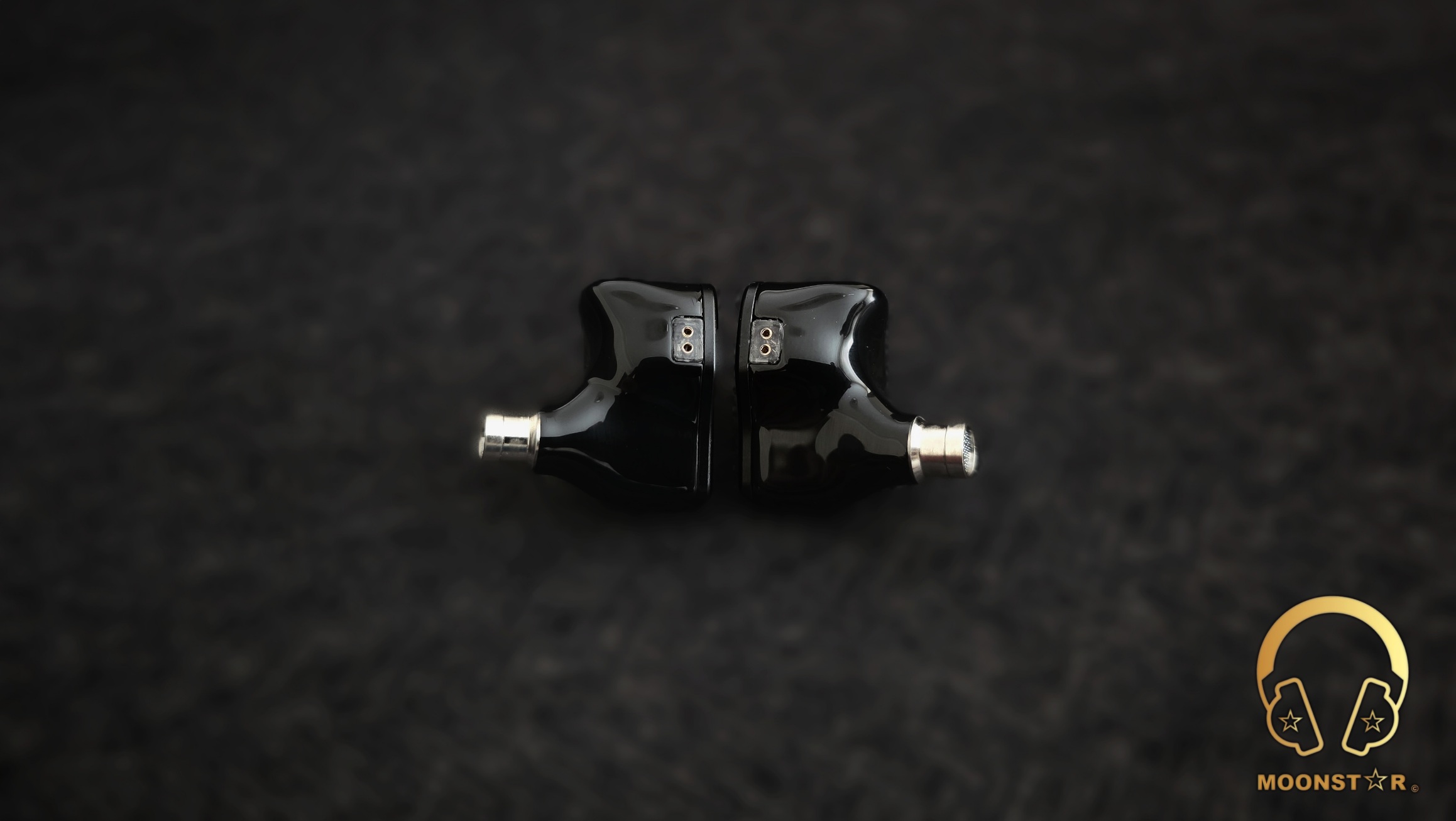
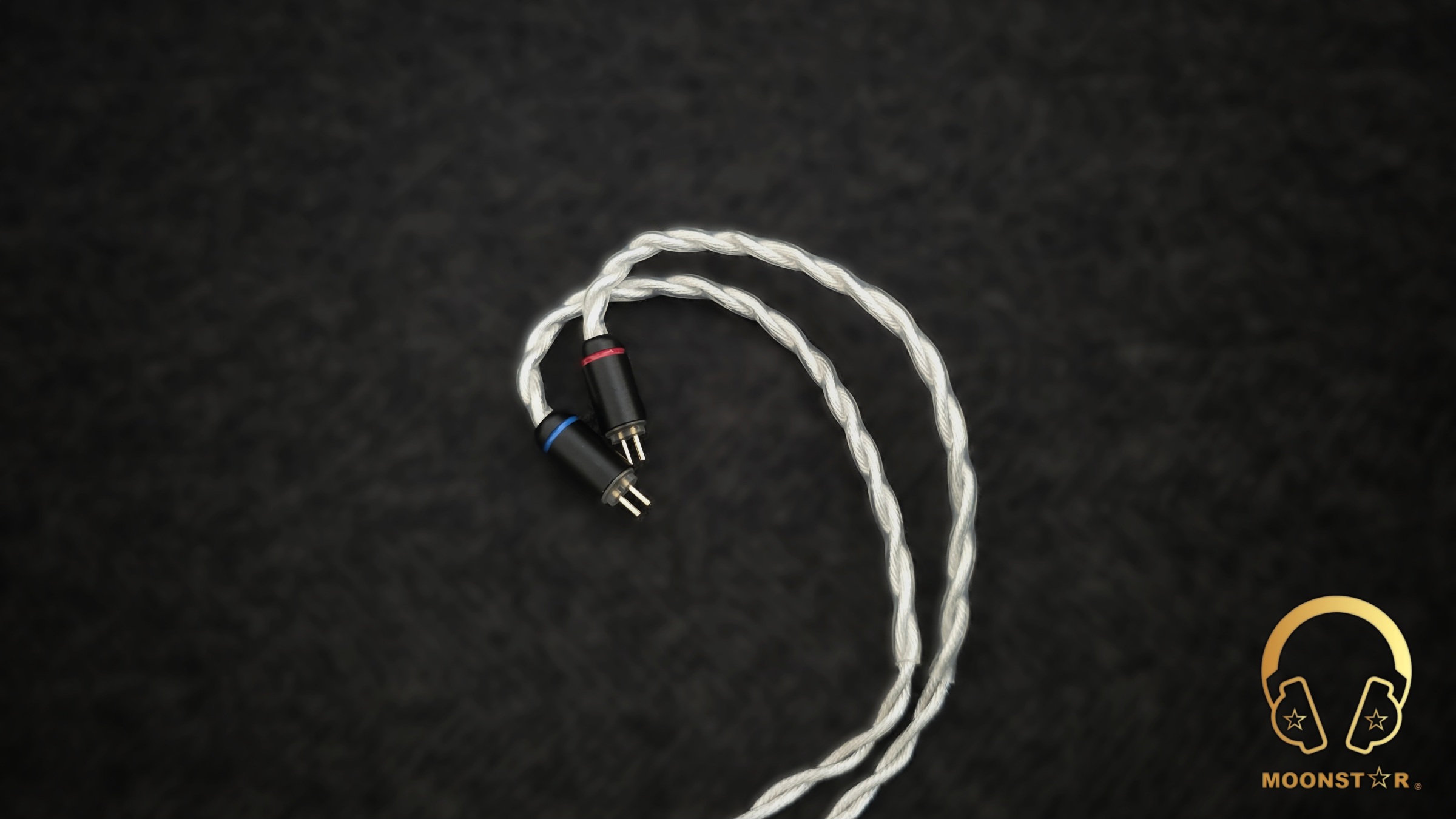
The cable connection on the SuperMix 5 uses a standard 0.78mm 2-pin socket, positioned on the rear face of each shell. Unlike the recessed implementation found on the Noble Knight, the SuperMix 5 uses a flush-mount socket that accepts a broader range of aftermarket cable connectors without compatibility concerns. L and R channel markings are present on both the shells and the cable connectors, clearly differentiating the two sides at a glance. No pressure relief vent is visible adjacent to the connector, as the single faceplate vent appears to handle the dynamic driver’s equalization requirements. The connector fit with the stock cable is secure and free from the cable-wobble that can affect lower-quality 2-pin implementations, though aftermarket cable compatibility should be verified per connector type given the flush socket geometry.
The stock cable uses a Litz-structured single-crystal silver-plated copper construction with four cores in a braided configuration. The silver plating is intended to improve conductivity and reduce signal loss compared to standard OFC, and the Litz structure wraps each individual conductor with its own insulation layer to minimize skin effect at audio frequencies. The practical handling characteristics of the cable are where opinions diverge. The braid is reasonably flexible and does not tangle easily, and the microphonic noise during movement is controlled adequately. However, the cable feels thinner and less supple than the included hardware of similarly priced competitors, and some reviewers note a slightly stiff, plastic quality to the jacket material.
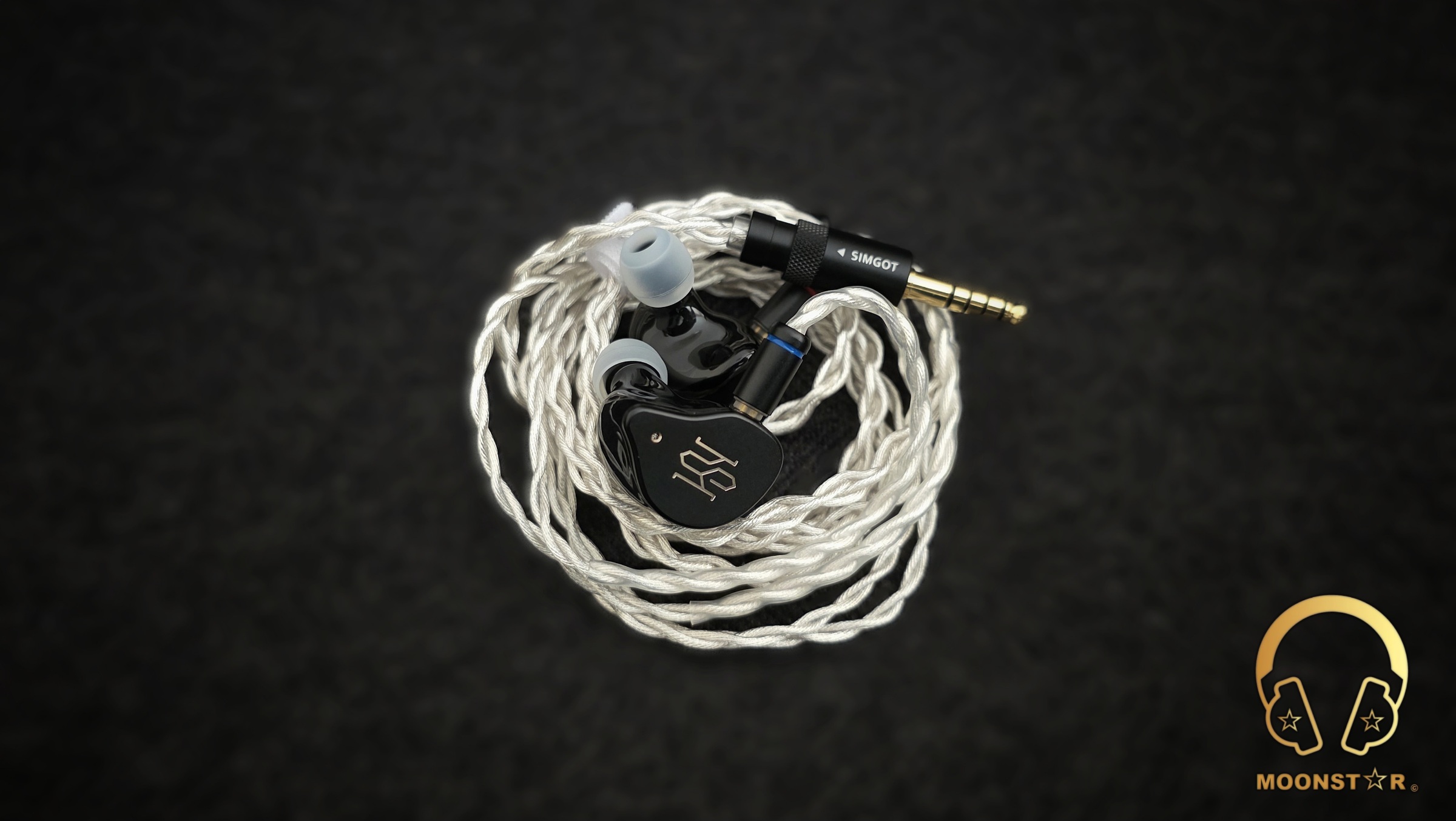
The modular termination system at the plug end uses screw-thread aluminum connectors for both the 3.5mm and 4.4mm options, which is a genuinely useful feature but requires careful thread alignment to engage properly.
The 2-pin connectors at the IEM end are color-coded with a red dot on the right side connector, and the over-ear preformed hook maintains its shape well enough during use without becoming rigid or uncomfortable around the ear.
Fit, Comfort & Isolation:
Fit and comfort on the SuperMix 5 are closely tied to ear size and tip selection, and honest assessment requires acknowledging that the shell size will be a limiting factor for some potential buyers. For listeners with average to larger ear canals, the pseudo-custom contour and low weight deliver a settled and secure fit that remains comfortable across several hours of continuous wear. The resin construction eliminates the thermal mass of a metal shell, which means the SuperMix 5 does not conduct body temperature in the same way as aluminum housings and remains neutral in sensation throughout an extended session. For listeners with smaller ears, the housing depth and the nozzle length may combine to create a fit that places the outer shell in contact with the ear at uncomfortable angles. This is worth evaluating with physical trial before purchase if possible.
Passive isolation is genuinely good once a proper seal is achieved. The combination of the pseudo-custom shell contour and the nozzle depth provides effective attenuation of typical ambient noise. One practical consideration specific to the bone conduction driver is that environmental vibrations, including handling noise and low-frequency ambient sound transmitted through surfaces, can in some circumstances be picked up by the BC driver and conducted directly to the inner ear, creating a subtle hum or buzz that is audible in very quiet environments or when the cable comes into contact with clothing. This is a known characteristic of bone conduction technology rather than a defect specific to this unit, and it is not perceptible during music playback at reasonable listening levels.
Technical Specifications:
- Model: SuperMix 5
- Driver Configuration: Quadbrid (1 x 8mm DLC Flexible Surround Dynamic Driver + 2 x Custom Balanced Armature Drivers + 1 x Micro Planar Magnetic Driver + 1 x 10mm Custom Coil Bone Conduction Driver)
- Bone Conduction Driver Effective Frequency Response: 200Hz to 7kHz
- Crossover: Four-Way RC Crossover Circuit with Independent 3D-Printed Acoustic Filter Ducts
- Frequency Response: 8Hz to 40kHz (Effective: 20Hz to 20kHz)
- Impedance: 19 Ohms (plus or minus 15% at 1kHz)
- Sensitivity: 120 dB/Vrms at 1kHz
- Shell Material: High-Precision Medical-Grade Resin 3D Printing with CNC-Machined Aviation-Grade Aluminum Alloy Faceplate
- Nozzle Material: Metal Alloy, approx. 5.9mm to 6mm diameter
- Cable: Litz-Structured High-Purity Single-Crystal Silver-Plated Copper, 4-Core Braid
- Connector: Standard 0.78mm 2-Pin (Flush Mount)
- Termination: Modular 3.5mm Single-Ended and 4.4mm Balanced (Screw-Thread Interchangeable)
- Tuning Reference: Harman 2019 Target
Drivability & Pairing:
At 19 ohms impedance and 120dB sensitivity, the SuperMix 5 is extremely easy to drive and reaches satisfying volume from virtually any source, including smartphone outputs, entry-level dongles, and basic portable amplifiers. There is no background hiss with typical portable sources. However, the multi-driver configuration, and the micro planar and balanced armature drivers in particular, respond meaningfully to source quality and output power, showing improved dynamics and a more fully realized sense of presence as upstream equipment improves. The bone conduction driver also appears to benefit from a cleaner, more controlled power delivery: with higher-quality sources its contribution to bass tactility becomes more clearly defined, whereas with weaker sources its effect can feel less precisely differentiated from the dynamic driver’s output.
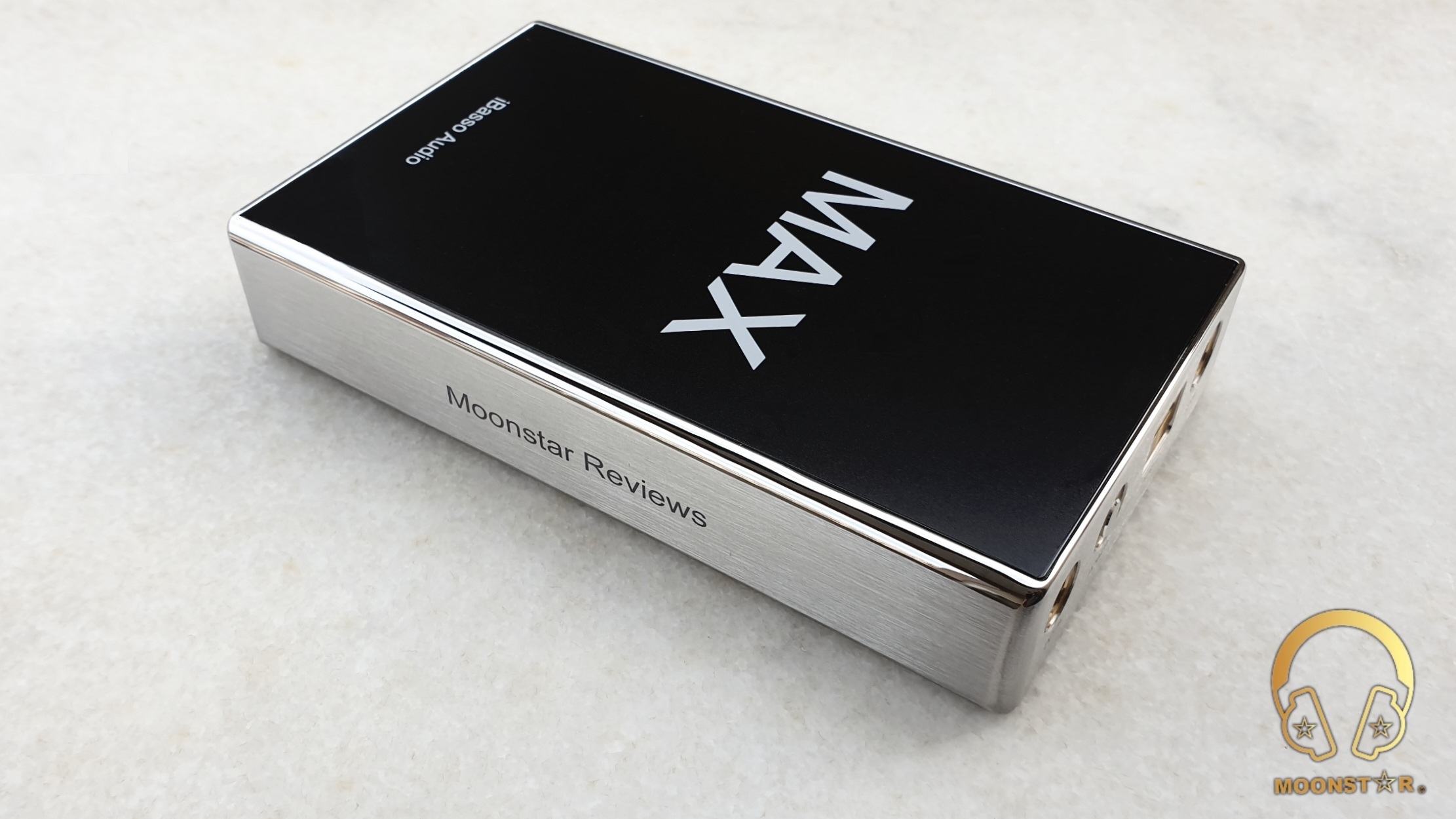
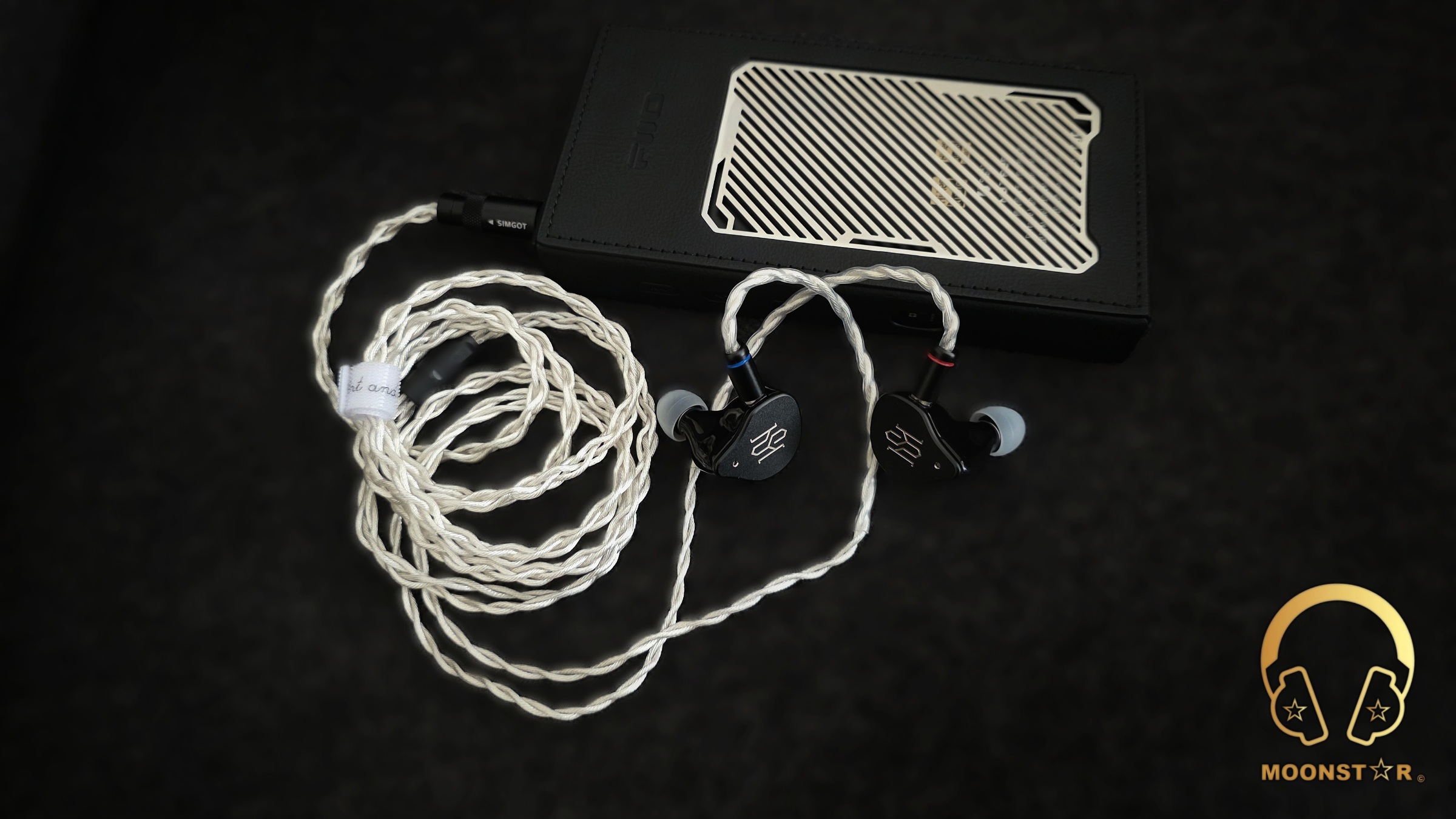
For this review, the primary sources used were the iBasso DX270 R2R Ultra and the FiiO M33 R2R. The DX270’s proprietary R2R Ultra DAC and FPGA-Master 3.0 controller delivered a tonally rich, organically textured signal that paired particularly well with the SuperMix 5’s warm, vocal-forward midrange character. The R2R architecture’s controlled warmth added density and tonal body to the lower midrange without tipping the already forward vocal presentation into congestion, and the DX270’s clean, quiet background was well-matched to the SuperMix 5’s 120dB sensitivity. The FiiO M33 R2R, with its fully differential 24-bit R2R architecture and TI multi-stage amplifier, delivered a similarly musical presentation with slightly more mid-bass weight, which added further physicality to the bone conduction driver’s contribution in the lower midrange. Both sources demonstrated that the SuperMix 5 scales meaningfully with source quality beyond the basics of volume delivery.
Equipment Used for This Review:
- IEMs: SIMGOT SuperMix 5, PUNCH Audio Portazo, Noble Audio Knight
- DAPs/DACs: iBasso DX270 R2R Ultra, FiiO M33 R2R
Albums & Tracks Used for this Review:
Vocal Jazz / Smooth Jazz
- Norah Jones – Come Away With Me (Flac 24bit/96kHz)
- Diana Krall – So Wonderful (DSF)
- Barry White – Just The Way You Are (Flac 24bit/48kHz)
- Isaac Hayes – Walk On By (Flac 16bit/44.1kHz)
- Sting – Englishman in New York (Flac 24bit/48kHz)
- Otto Liebert & Luna Negra – The River (Flac 24bit/192kHz)
- Ferit Odman – Look, Stop & Listen (Flac 24bit/192kHz)
- Charly Antolini – Duwadjuwandadu (Flac 24bit/192kHz)
Soul / R&B
- Aretha Franklin – I Say A Little Prayer (Flac 24bit/96kHz)
- Adele – My Little Love (Apple Lossless)
- George Michael – Don’t Let the Sun Go Down on Me (Flac 24bit/192kHz)
- Eric Clapton – Wonderful Tonight (Flac 24bit/96kHz)
Pop / Rock Classics
- Michael Jackson – Billie Jean (Flac 24bit/96kHz)
- Elton John – Rocket Man (Flac 24bit/96kHz)
- David Bowie – Heroes (Flac 24bit/192kHz)
- U2 – Sunday Bloody Sunday (Flac 16bit/44.1kHz)
- Lorde – Royals (Flac 24bit/48kHz)
- Dave Gahan – Kingdom (Apple Lossless)
Electronic / Experimental
- Daft Punk – Instant Crush (Flac 24bit/96kHz)
- Daft Punk – Doin’ it Right (Flac 24bit/96kHz)
- Bro Safari, UFO! – Drama (Apple Lossless)
- Armin Van Buuren – Vini Vici (Flac 16bit/44.1kHz)
- Yosi Horikawa – Bubbles (Apple Lossless)
- Toutant – Rebirth (Apple Lossless)
Alternative / Indie / Art Rock
- Radiohead – Live in Berlin “Album” (Apple Lossless)
- Radiohead – Pyramid Song (Apple Lossless)
- Muse – Hysteria (Flac 24bit/96kHz)
- Red Hot Chili Peppers – Nobody Weird Like Me (Flac 24bit/48kHz)
- Lunatic Soul – The Passage (Flac 16bit/44.1kHz)
- Portishead – It Could Be Sweet (Apple Lossless)
- Gogo Penguin – Raven (Flac 24bit/192kHz)
- Gogo Penguin – Murmuration (Flac 24bit/192kHz)
- Massive Attack – Angel (Flac 24bit/48kHz)
- Bear McCreary – Valkyries (Apple Lossless)
Classical / Orchestral
- Max Richter – On the Nature of Daylight (Flac 24bit/96kHz)
- Chopin – Nocturne No. 20 in C-Sharp Minor (Flac 16bit/44.1kHz)
- Clair de Lune – Claude Debussy (Apple Lossless)
- Tchaikovsky – Symphony No. 5 (Flac 16bit/44.1kHz)
- Vivaldi – Le Quattro Stagioni “The Four Seasons” (Apple Lossless)
- Fazıl Say – Nazım Oratoryosu (Live) (Flac 16bit/44.1kHz)
Jazz / Instrumental
- Miles Davis – So What (Apple Lossless)
World / Traditional
- Sertap Erener – Aşk (Flac 16bit/44.1kHz)
- Edith Piaf – Non Je Ne Regrette Rien (Flac 16bit/44.1kHz)
Metal / Progressive Rock
- Metallica – Dyers Eve (Flac 24bit/96kHz)
- Metallica – Sad but True (Flac 24bit/96kHz)
- Megadeth – Sweating Bullets (Apple Lossless)
- Opeth – Windowpane (Flac 16bit/44.1kHz)
- Deftones – My Own Summer (Shove It) (Flac 16bit/44.1kHz)
- Rush – Tom Sawyer (Flac 16bit/44.1kHz)
- Slayer – Angel of Death (Apple Lossless)
The Sound:
Sound impressions were formed after approximately 50 hours of burn-in, primarily using the stock cable with 4.4mm balanced termination and the wide bore silicone ear tips, with additional testing using the narrow bore tips for comparison. The iBasso DX270 R2R Ultra served as the primary source, with the FiiO M33 R2R used for cross-referencing and comparison. The SuperMix 5’s overall tonal balance follows a warm, Harman-inspired U-shaped profile with a sub-bass lift, a forward and full lower midrange, and a smooth, restrained treble. The bone conduction driver operates across the critical 200Hz to 7kHz range and contributes a tactile density and physical texture to the lower midrange and upper bass that distinguishes the SuperMix 5 from IEMs relying solely on air-conducted drivers in this region.
Bass:
The low-frequency presentation is the product of a deliberate synergy between two fundamentally different driver technologies. The DLC dynamic driver handles conventional air-conducted reproduction, providing deep sub-bass extension and mid-bass punch. Simultaneously, the bone conduction driver contributes mechanical vibrations transmitted directly through the ear canal walls. This creates a bass character where notes possess both familiar acoustic impact and an additional physical presence, evoking a sensation of visceral engagement that purely acoustic drivers struggle to produce. The result is a bass response that feels deep, multi-layered, and immediately distinctive.
Sub-bass extension is arguably the strongest attribute of the low end. On Massive Attack’s Angel, the sustained low-frequency foundation gains a quality of physical resonance that enhances its atmospheric weight, communicating deep pressure through a mix of acoustic depth and bone-conducted density. The sub-bass does not simply roll off at the limits; it maintains its authority and communicates the full pressure of heavy electronic material. Mid-bass behavior is equally refined; the dynamic driver ensures a controlled response with fast decay, avoiding any bloated or slow character that poorly damped drivers can produce. Kick drums on Metallica’s Sad but True land with defined attack and mechanical authority, landing with impact without the loose residual ring that can obscure subsequent transients. On tracks by Isaac Hayes and Barry White, bass guitars maintain their physical weight and string definition without dissolving into generalized warmth. Crucially, this tactile engagement depends heavily on a high-quality ear canal seal to maintain the necessary mechanical coupling to the inner ear.
Midrange:
The midrange is where the bone conduction driver makes its most consequential and sophisticated contribution. Because it remains active throughout the vocal and instrumental regions, it provides a physical density that sits perfectly between the organic naturalness of a dynamic driver and the technical clarity of a balanced armature. This integration results in a midrange presentation that feels exceptionally grounded, textured, and present, avoiding the thin or “recessed” feel often found in standard U-shaped signatures.
Vocals are the SuperMix 5’s most consistently engaging characteristic. The lower midrange is intentionally full and present, giving male vocals like Isaac Hayes’s the resonance and authority they require. Barry White’s baritone is delivered with a richness that conveys the voice’s physical depth without thickening into muddiness or obscuring clarity. David Bowie on Heroes is rendered with a forward, immediate quality that suits the recording well, where the midrange energy adds a sense of urgency that draws the listener directly into the performance.
Female vocals in the upper midrange sit forward and focused, offering a captivating presence. Norah Jones on Come Away With Me is rendered with warmth and intimacy, while Sarah McLachlan’s performance benefits from the added midrange density provided by the BC driver, capturing the emotional weight and natural breath quality of her voice. Even with the projecting, resonant style of Edith Piaf in Non Je Ne Regrette Rien, the SuperMix 5 maintains tonal accuracy without crossing into harshness or stridency. Instrumental reproduction is equally strong; acoustic guitars on Eric Clapton’s Wonderful Tonight carry natural resonance and pick attack, while pianos in classical material retain their appropriate harmonic weight, depth, and character, conveying the true essence of the instrument without artificial coloration.
Treble:
The treble takes a measured and smooth approach, prioritizing long-term listenability and a fatigue-free presentation over the kind of treble energy that can become tiring over extended sessions. A micro planar magnetic driver handles the upper frequencies with speed and transient precision, delivering a clean and well-controlled response without the metallic artifacts or “zing” often found in other planar implementations. This makes the treble feel refined and polished, suitable for both critical listening and casual enjoyment.
Cymbal transients on Charly Antolini’s recordings arrive with a defined leading edge and a natural decay, providing detail and shimmer without the aggressive forward energy that causes listener fatigue. High-hat patterns in jazz and electronic material retain their rhythmic precision and textural character, as the planar driver’s speed ensures that fast transient sequences remain clearly differentiated. The extension is politely voiced rather than sparkly, providing enough air for an open presentation without demanding the listener’s attention or feeling artificially boosted. Sibilance is excellently controlled across all vocal recordings, including those known for close-mic’d potential, making it a reliable choice for daily use and sensitive listeners.
Even in complex orchestral passages, such as Vivaldi’s The Four Seasons, the treble keeps upper strings in a natural, slightly warm register, allowing the brightness of the solo passages to project with presence and detail without becoming grating or strident. The treble character is best described as mature and considered, representing a clear evolution toward a more refined tuning philosophy compared to earlier, more aggressive designs.
Soundstage and Imaging:
The SuperMix 5 offers a soundstage that is wider than average for its price point, with a notable sense of height likely aided by the spatial contribution of the bone conduction driver. Instrument separation is strong, allowing individual elements in complex arrangements to occupy clearly defined positions that do not blend into each other during busy passages.
Imaging precision is stable and well-anchored, though the presentation focuses more on creating a spacious and comfortable environment than on absolute pinpoint analytical positioning. This spatial character gives the IEM a natural sense of atmosphere that suits its musical and fatigue-free identity. The background is clean and quiet, ensuring that low-level spatial information and the ambient character of a recording environment are rendered with convincing accuracy and depth.
Comparisons:
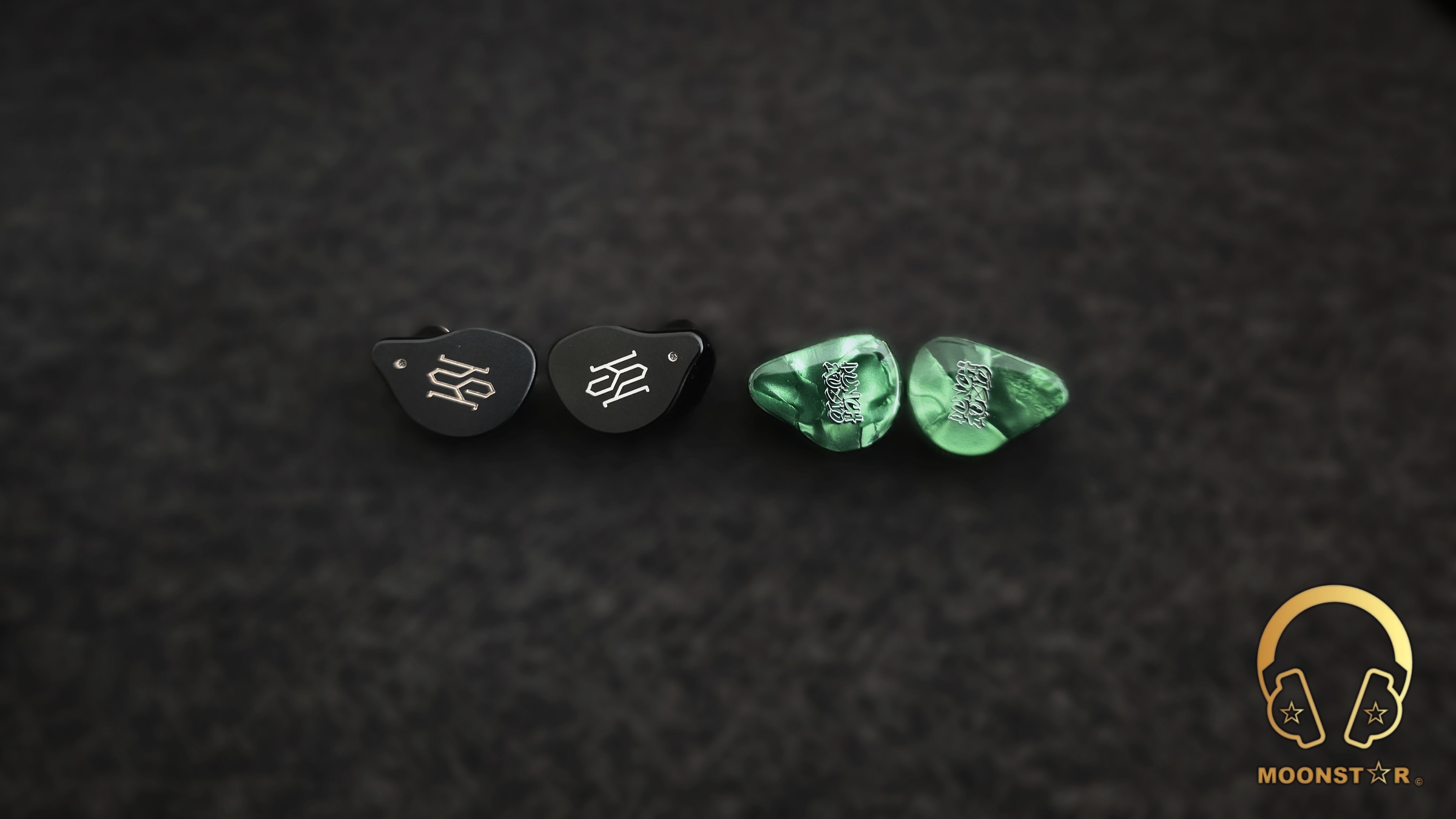
SIMGOT SuperMix 5 vs. PUNCH Audio Portazo:
The PUNCH Audio Portazo at $189 is built around maximum energy and visceral impact, combining a large dynamic driver with dual micro-planar tweeters in a V-shaped tuning that prioritizes sub-bass slam and treble sparkle. The SuperMix 5 and Portazo represent genuinely different philosophies about what an IEM in this price range should achieve, and the comparison between them is one of character rather than quality hierarchy.
In the bass region, the Portazo delivers more outright sub-bass impact and physical slam, while the SuperMix 5’s combination of DLC dynamic driver and bone conduction produces a bass that is more textured, more physically differentiated in its various layers, and more naturally voiced. The Portazo’s sub-bass hits harder and with more visceral force; the SuperMix 5’s low end is more nuanced and more tonally complex at comparable listening levels.
In the midrange, the SuperMix 5 is the stronger performer. The Portazo’s V-shaped tuning places the midrange in a relatively relaxed position, prioritizing bass impact and treble energy over midrange presence. Vocals on the SuperMix 5 have more body, more tonal weight, and more natural presence than on the Portazo, where the vocal performance sits further back in the mix and occasionally gets overshadowed by the more energetic surrounding frequencies. For listeners who prioritize vocal fidelity and midrange accuracy, the SuperMix 5 is clearly the more accomplished choice. For those who want maximum bass impact and a lively, energetic presentation as the primary experience, the Portazo at a lower price makes a compelling case.
Treble differs significantly between the two. The Portazo’s micro-planar tweeters deliver a brighter, more sparkly top end with greater upper-treble energy, which suits bass-heavy and electronic genres well but can become fatiguing over extended sessions. The SuperMix 5’s more restrained treble is smoother and more forgiving, better suited to long listening and to genres that require tonal balance across the full frequency range. Overall, the SuperMix 5 is the more mature and versatile IEM, while the Portazo offers a more immediately exciting, genre-specific experience at a slightly lower price.
SIMGOT SuperMix 5 vs. Noble Audio Knight:
The Noble Audio Knight at $289 is a tribrid combining a 10mm dual-magnet dynamic driver, a Sonion 23 Series balanced armature, and a piezoelectric super tweeter in a CNC-machined aluminum shell with a distinctive acrylic faceplate. The comparison with the SuperMix 5 illustrates two different approaches to the sub-$300 tribrid and quadbrid market: the Knight prioritizes driver quality, build material, and coherent, natural tonal balance, while the SuperMix 5 prioritizes driver diversity, tactile innovation through bone conduction, and a broader, more holographic spatial presentation.
In the bass region, the two IEMs are broadly comparable in overall quantity but meaningfully different in character. The Knight’s dynamic driver delivers a more organic, naturally voiced bass with good texture and transient definition. The SuperMix 5’s bass has more tactile physicality from the bone conduction contribution, producing a low end that feels more physically present in the room even at similar volume levels. Sub-bass extension favors the SuperMix 5 slightly, while mid-bass recovery and natural decay favor the Knight.
In the midrange, the Knight’s Sonion BA driver produces a level of clarity, transparency, and vocal accuracy that is difficult to match in the sub-$300 category. The Knight’s midrange is cleaner, more precisely resolved, and more analytically faithful to the recording than the SuperMix 5’s more muscular, tonally fuller midrange presentation. The SuperMix 5 is warmer and more physically engaging in the midrange; the Knight is more transparent and technically accurate. Male and female vocals on the Knight have a natural tonal honesty that the SuperMix 5, with its BC driver contributing additional density across the midrange region, does not quite replicate in terms of pure transparency.
Treble is a clear advantage for the Knight in terms of smoothness and precision, while the SuperMix 5 offers comparable extension with a slightly darker character. The Knight’s piezo tweeter is refined and fatigue-free; the SuperMix 5’s micro planar is fast and clean but slightly more relaxed in upper-treble energy. Soundstage favors the SuperMix 5 in terms of width and height; the Knight leads in imaging precision and background blackness. Build quality is the Knight’s clearest advantage: the CNC-machined aluminum shell, the Sonion BA driver, and the premium stock cable represent a higher tier of material investment at $289 than the SuperMix 5’s resin and aluminum construction at $219. The Knight is the more technically accomplished IEM; the SuperMix 5 is the more spatially engaging and tactilely distinctive one.
Conclusion:
The SIMGOT SuperMix 5 represents a mature shift toward a warmer and more vocal forward signature, offering a significantly more refined experience than the brand’s earlier, more energetic designs. Its most distinctive attribute is the bone conduction driver, which provides a tactile bass quality and midrange density that sets it apart from conventional hybrids when a proper seal is achieved. The result is a physically engaging low end, a persuasive and bodied midrange, and a smooth, fatigue free treble that excels during extended listening sessions.
While there are considerations such as the shell size being more suited for average to larger ears and a stock cable that is functional but perhaps basic for an IEM of this ambition, these do not overshadow the technical achievement. The occasional dryness in the upper midrange or the sensitivity of the bone conduction driver to external vibrations are minor nuances that vary by source pairing and environment. Even in the highly competitive 219 USD price point, the SuperMix 5 remains a genuinely unique and differentiated product. For those seeking a warm, textured, and tactile listening experience, it is a well executed evolution that rightfully earns its place in any collection.
Pros & Cons:
- + Warm Harman tuning is smooth and fatigue free for all genres
- + Bone conduction driver adds unique tactile physicality to bass and midrange
- + Deep sub bass extension with natural texture and decay
- + Forward and naturally voiced midrange with strong vocal presence
- + Smooth treble without sibilance during long sessions
- + Spacious soundstage with impressive height and separation
- + Micro planar driver provides fast and clean transients
- + Modular cable system offers easy switching between balanced and single ended
- + Premium leather carrying case improves over previous versions
- – The generous shell design is optimized for average to larger ears
- – Stock cable feel is thinner and less supple than expected at this price point
- – Sensitivity of the bone conduction driver can be noticed in very quiet settings
- – BC driver contact requirement means fit quality directly determines how effective the low-end character is
Thank you for the Read!