HiBy Zeta II Review
HiBy Zeta II Review
Introduction:
HiBy has built a solid reputation as one of the more engineering-forward brands in the digital audio player space, and when it turned its attention to earphones, the expectation was that it would approach the challenge with the same methodical, technically ambitious mindset that defines its best DAPs. The original Zeta, released in 2023, was a credible first flagship attempt: titanium construction, nine drivers per side, and an impressively sensitive configuration that suited the brand’s own lower-powered player lineup. It was an IEM that generated genuine enthusiasm without quite delivering the level of technical refinement some listeners hoped for at its price point.
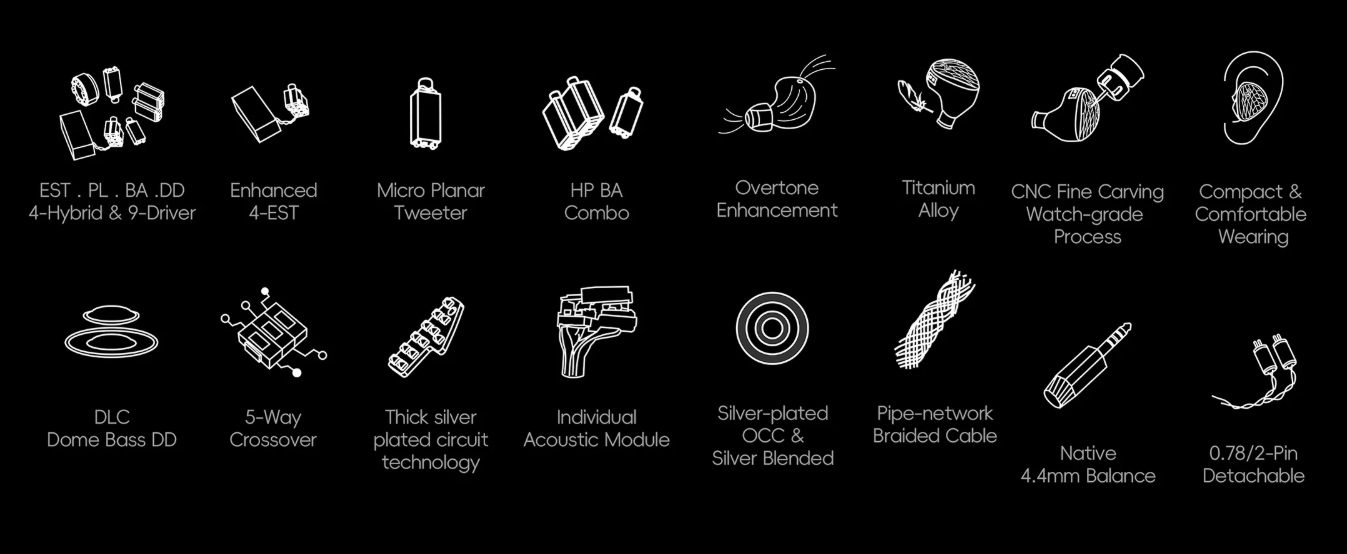
The Zeta II, released in early 2026, is HiBy’s response to that shortcoming. The driver count remains at nine per side but the configuration has been substantially revised. Where the original relied on a tribrid of dynamic, balanced armature, and electrostatic drivers, the Zeta II adds a micro planar magnetic driver to the mix, making it a true quadbrid. The dynamic driver now uses a DLC dome with HCCAW coil for improved resolution in the sub-bass region. Three Knowles balanced armatures cover the midrange and upper frequencies. One micro planar handles enhanced treble penetration and control. Four next-generation Sonion electrostatic tweeters extend the frequency ceiling to 70kHz. All nine drivers operate through a true five-way passive crossover with independent 3D-printed acoustic chambers, each one optimized for the specific driver it serves. A silver-plated crossover circuit, a redesigned harmonic enhancement structure, and a vacuum ionic magnetron sputtering titanium surface treatment complete a specification list that is genuinely comprehensive rather than inflated for marketing purposes.

Disclaimer:
I would like to thank HiBy for providing the Zeta II as a review sample. I am not affiliated with HiBy beyond this review, and these words reflect my true and unaltered opinions about the product.
Price & Availability:
The HiBy Zeta II is priced at $1,399 USD. It is available through the official HiBy store and authorized dealers worldwide. For more details or to purchase:
Package & Accessories:
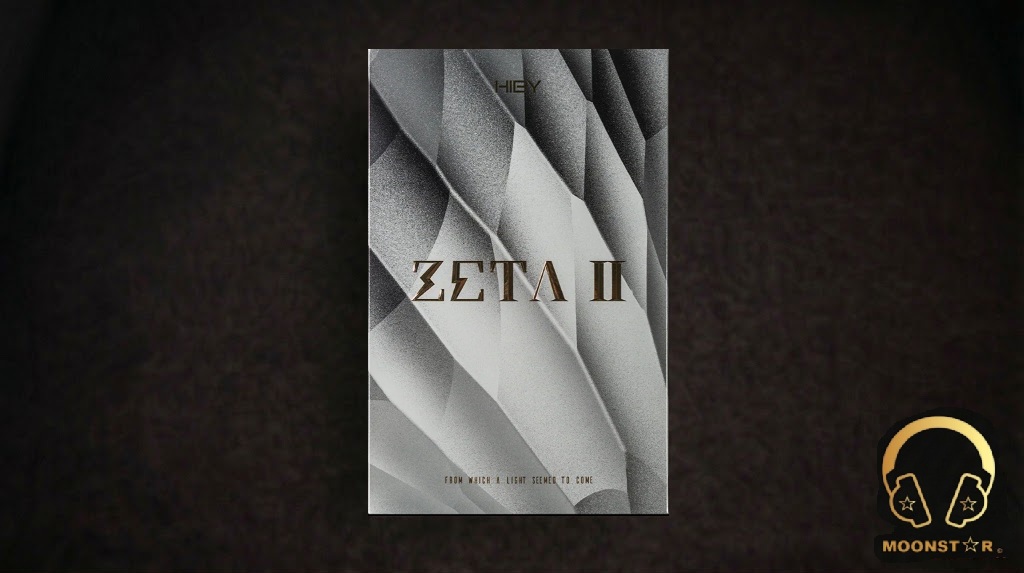
The Zeta II ships in packaging that reflects the brand’s philosophy of restraint over extravagance. The outer box is clean and purposeful, with the product image and key technical information presented without unnecessary embellishment. This is a meaningful posture for a $1,399 product: rather than spending the cost of the package itself on elaborate unboxing theatre, HiBy has directed its budget toward the IEM and the accessories that actually affect the listening experience.
The full package includes:
- 1 pair x HiBy Zeta II Quadbrid IEM
- 1 x 8-Core Litz OCC Copper 4.4mm Balanced Cable with Magnetic Cable Organizer
- 3 pairs x WG01 Ear Tips (Wide Bore, Liquid Silicone with Horn-Shaped Waveguide, S/M/L)
- 3 pairs x WG02 Ear Tips (Wide Bore, Forward Midrange Focus, S/M/L)
- 3 pairs x Standard Silicone Ear Tips (S/M/L)
- 1 x Faux Leather Carrying Case with Felt-Lined Interior
- 1 x User Manual and Documentation

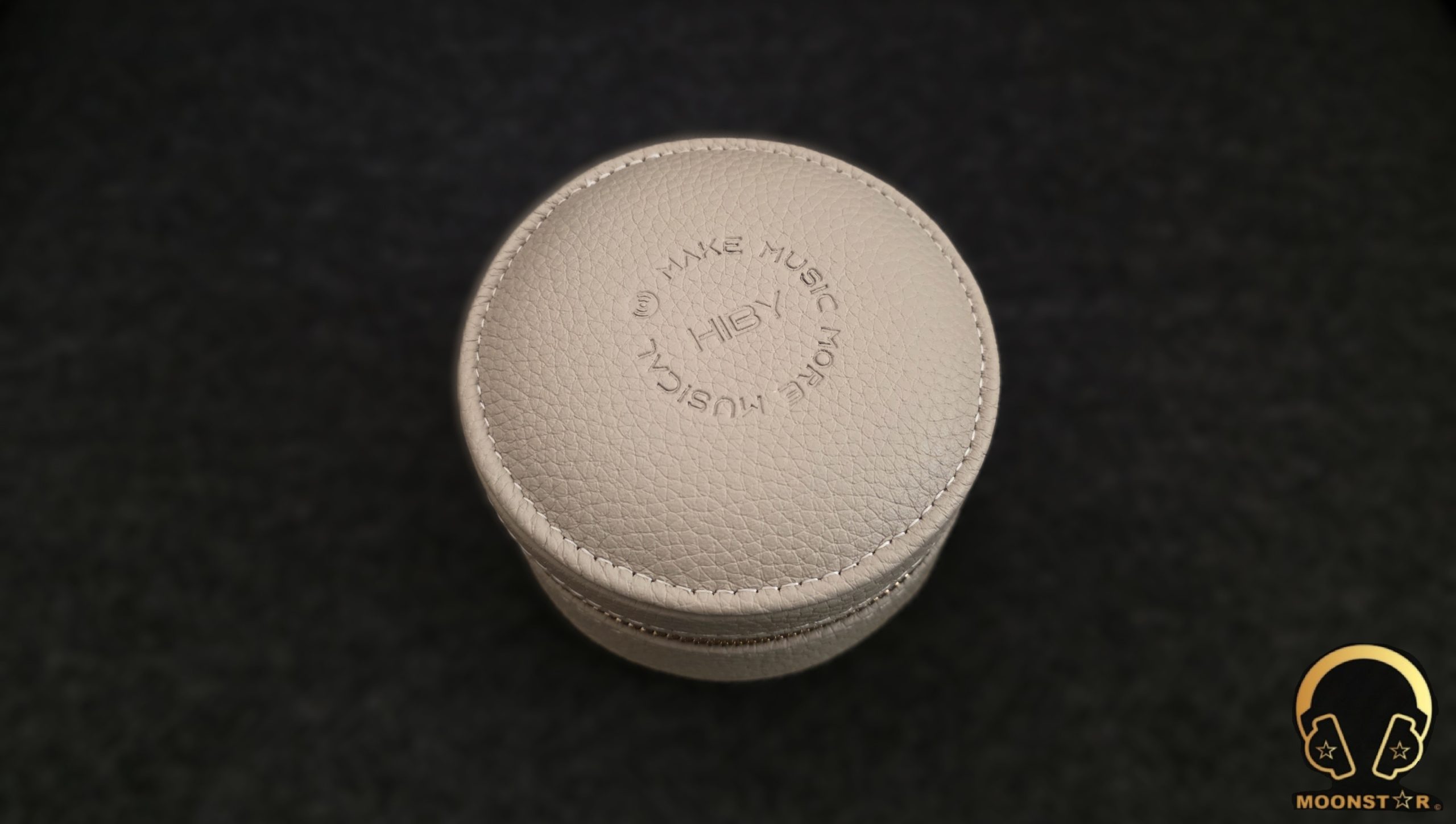
The carrying case is compact and well-constructed, with a faux leather exterior and a felt-lined interior that holds both the IEMs and the cable without risk of contact scratches.
The three distinct ear tip types deserve attention beyond their role as fit accessories: the WG01 tips with their horn-shaped waveguide produce a noticeably more airy and open presentation with greater extension, the WG02 tips bring the midrange forward for a more cohesive tonal balance, and the standard silicone tips deliver a fuller, warmer character with additional bass body. Selecting between these three configurations meaningfully changes the listening experience, and spending time with each across different genres is worthwhile rather than optional.


Design & Build Quality:
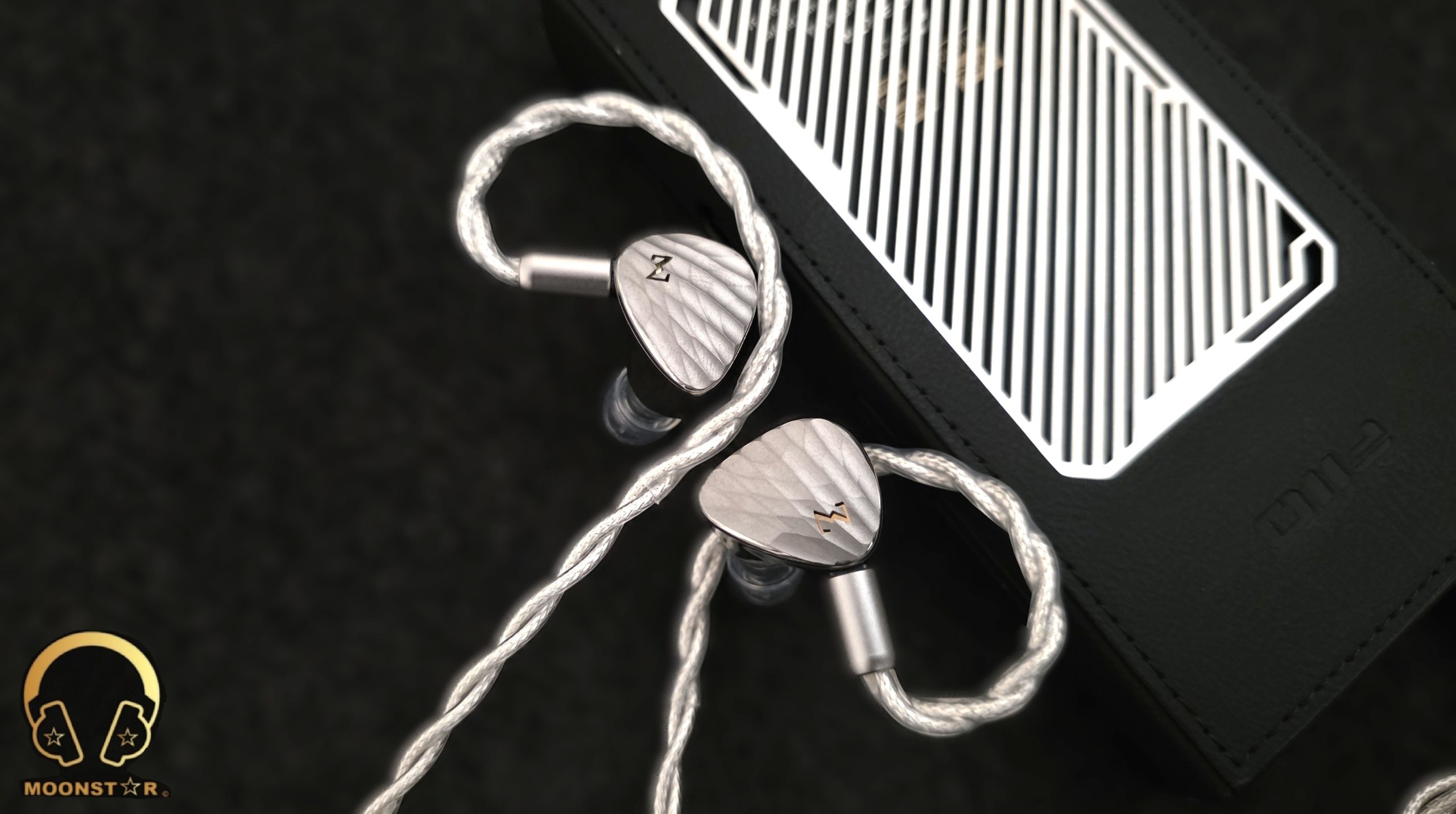
The Zeta II carries forward the titanium alloy shell that defined the original Zeta, and the decision to retain this material at this price point is entirely appropriate. Titanium offers a combination of structural rigidity, resonance control, and surface hardness that no polymer or standard aluminum alloy can replicate in an IEM context, and the Zeta II’s shell communicates these properties clearly the moment it is handled. There is no give, no flex, and no surface softness anywhere on the housing. It is a piece of precision engineering that is built to remain in that condition for years of regular use.

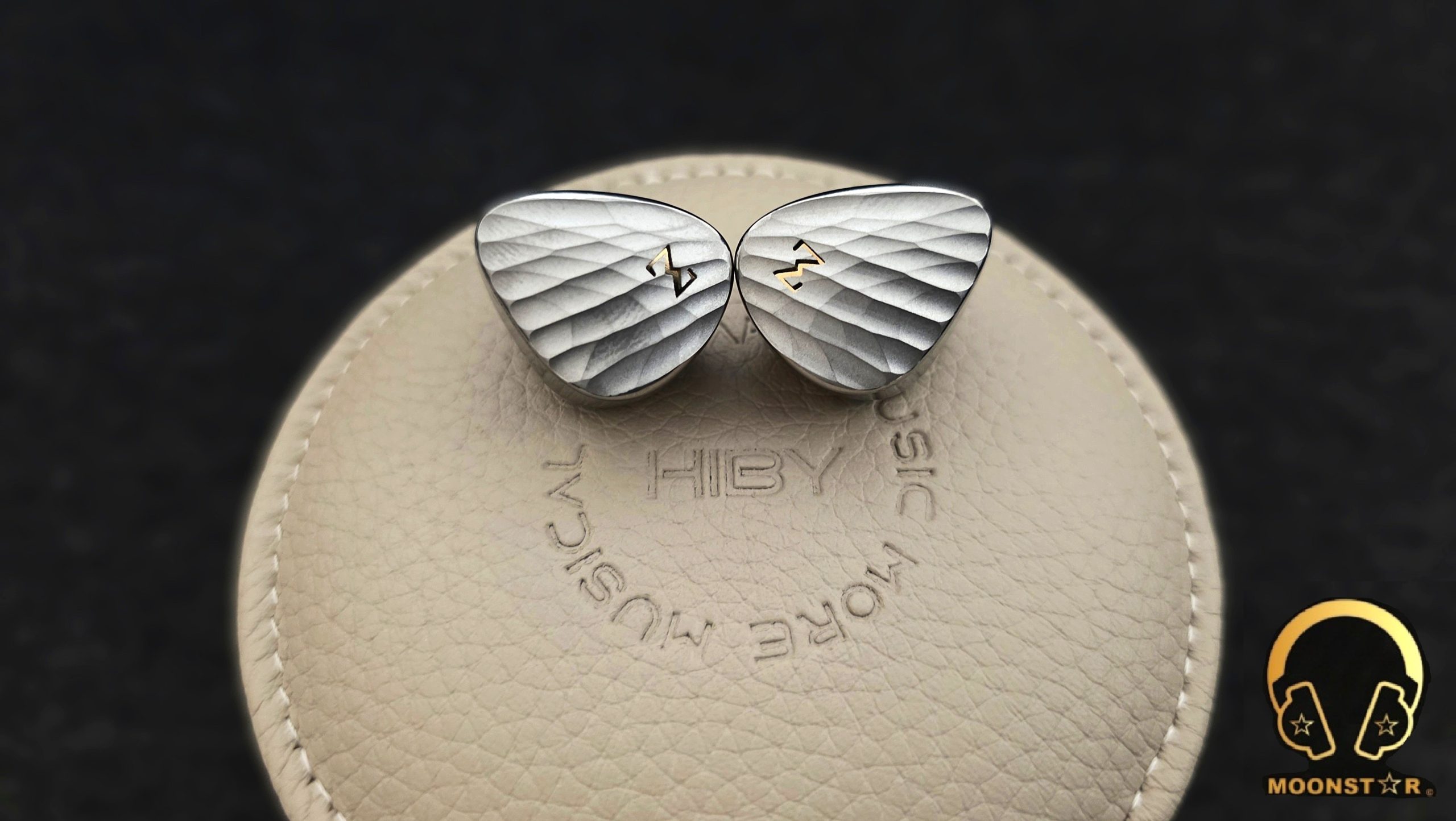
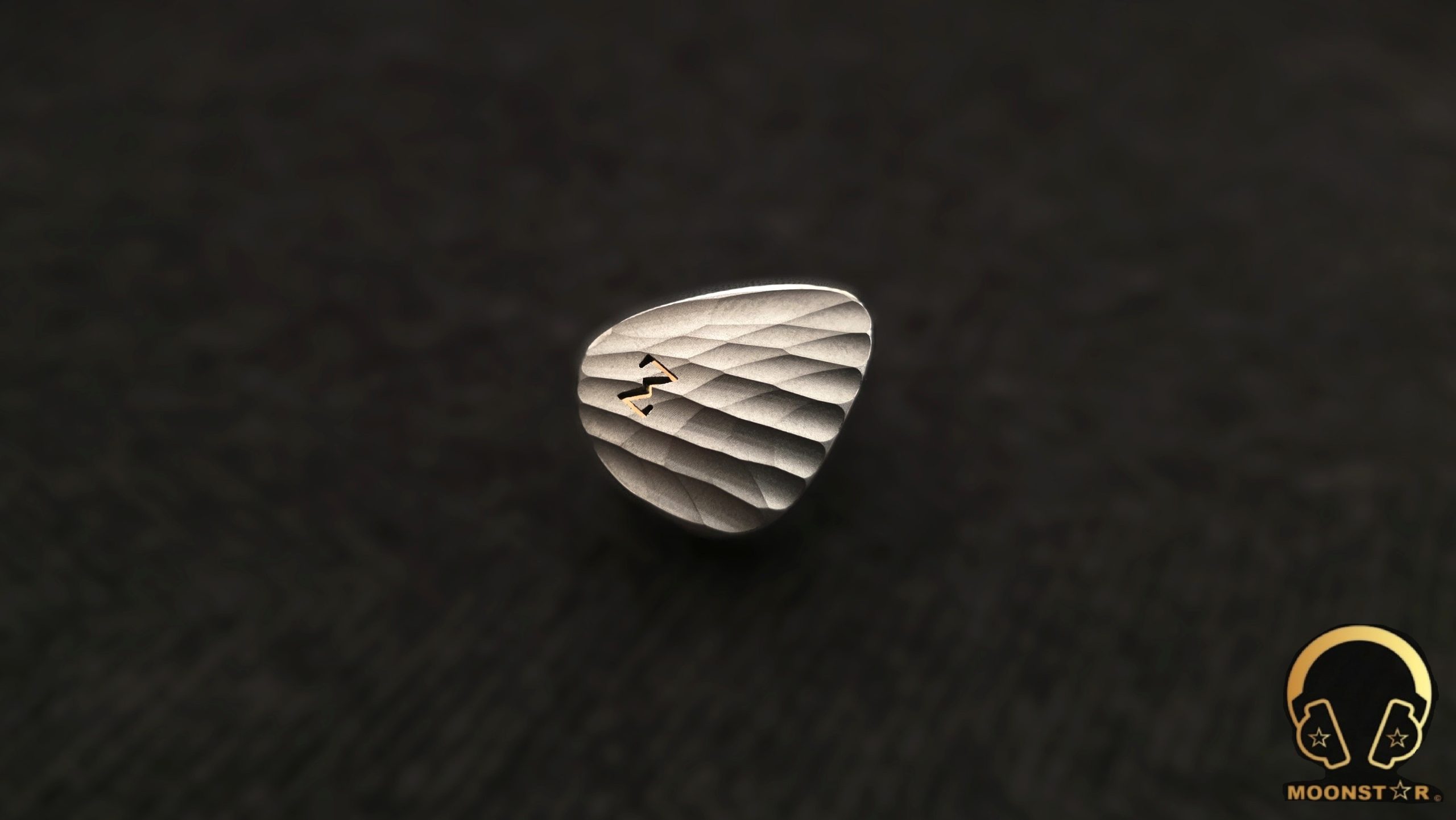
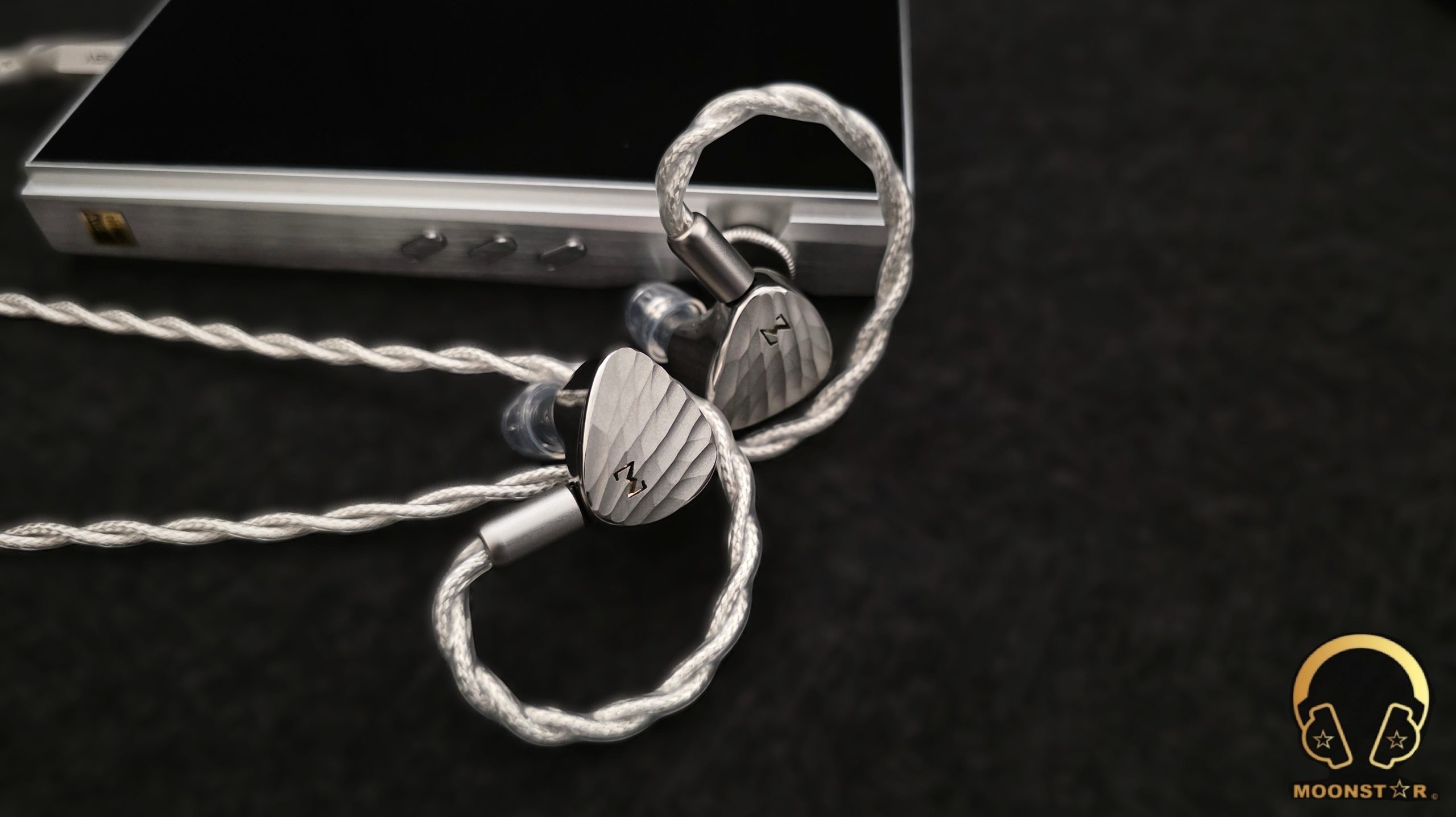
The Zeta II’s faceplate is the most substantial visual departure from its predecessor, and the improvement in design maturity is immediately apparent. Where the original Zeta used a thicker, more directly mechanical-feeling decorative pattern, the Zeta II adopts a multi-faceted feather-like structure of layered ridges machined into the titanium surface. The geometry is more intricate and requires considerably more machining time to execute than the original’s design, which is visible in the quality of the result: the ridges are clean, their intersections precise, and the overall pattern creates a depth and sense of movement in the surface that photographs do not fully capture.

The Z motif from the original Zeta is retained on the faceplate, positioned within the layered pattern rather than isolated against a flat field. HiBy has applied a vacuum ionic magnetron sputtering coating to the titanium surface, a thin-film deposition technique borrowed from precision watchmaking that improves wear resistance without adding visible thickness or altering the tactile character of the metal. The polished sections of the shell, particularly the side panels and the areas adjacent to the faceplate, are finished to a high standard that feels premium to the touch and reads as carefully considered rather than incidentally included.
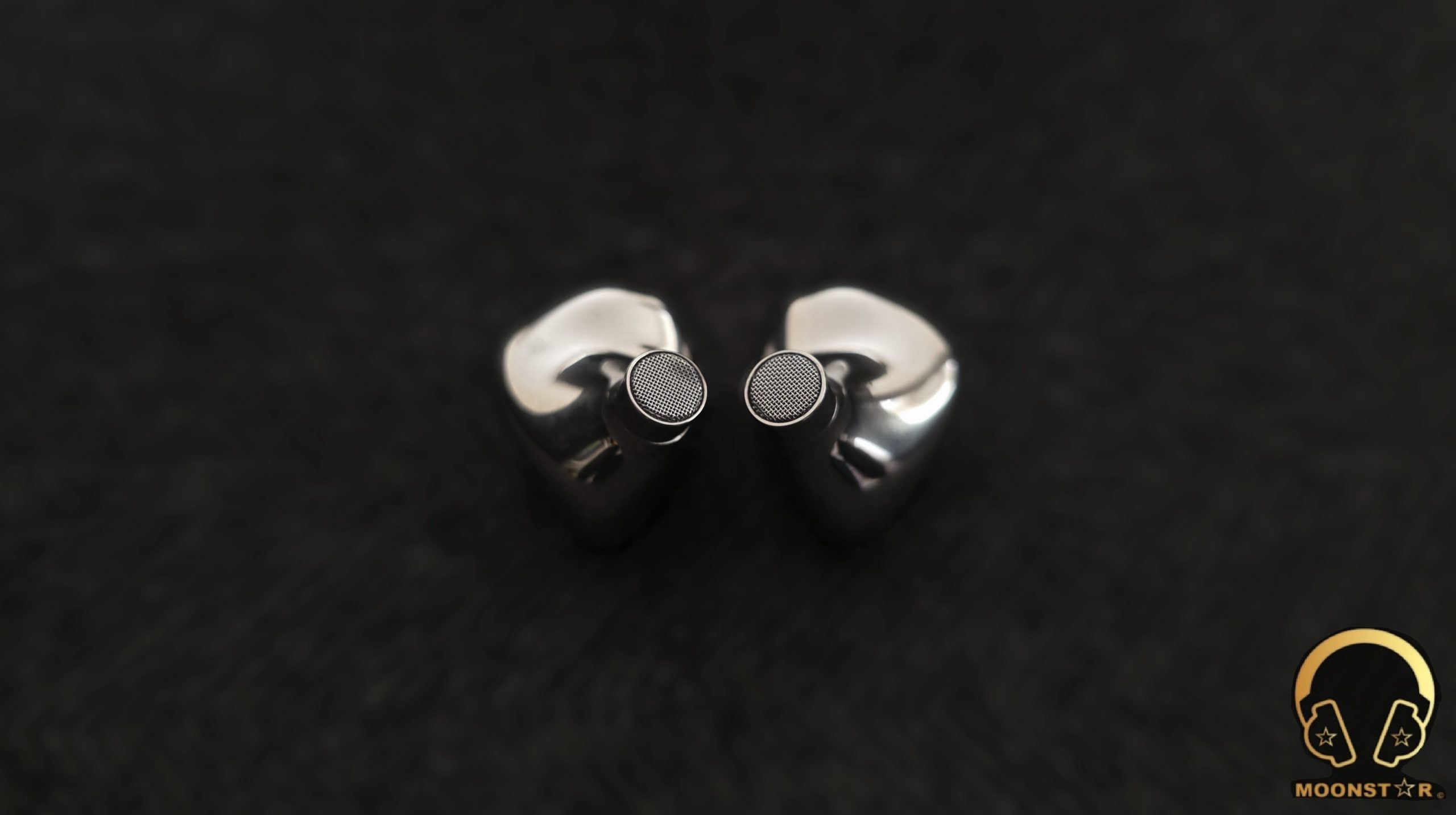
The shell body maintains the compact, ergonomic form factor that the original Zeta introduced and that distinguished it from the oversized housings common among flagship multi-driver IEMs. At approximately 10.6 grams per earpiece, the Zeta II is noticeably lighter than its specification and material would suggest, which translates directly into wearing comfort during extended sessions. The inner face of the shell follows a contoured profile designed from ear canal data analysis, and in practice this results in a fit that settles naturally into the concha without requiring repeated repositioning. The nozzle extends at a moderate length and angle that suits a range of ear canal depths without forcing a choice between deep insertion and shallow fit. A stainless steel wax guard is fitted at the nozzle tip. The nozzle diameter is well-suited to the three included ear tip types and is compatible with a range of standard third-party tip sizes, which is a practical advantage given how meaningfully tip selection affects the Zeta II’s sonic character.
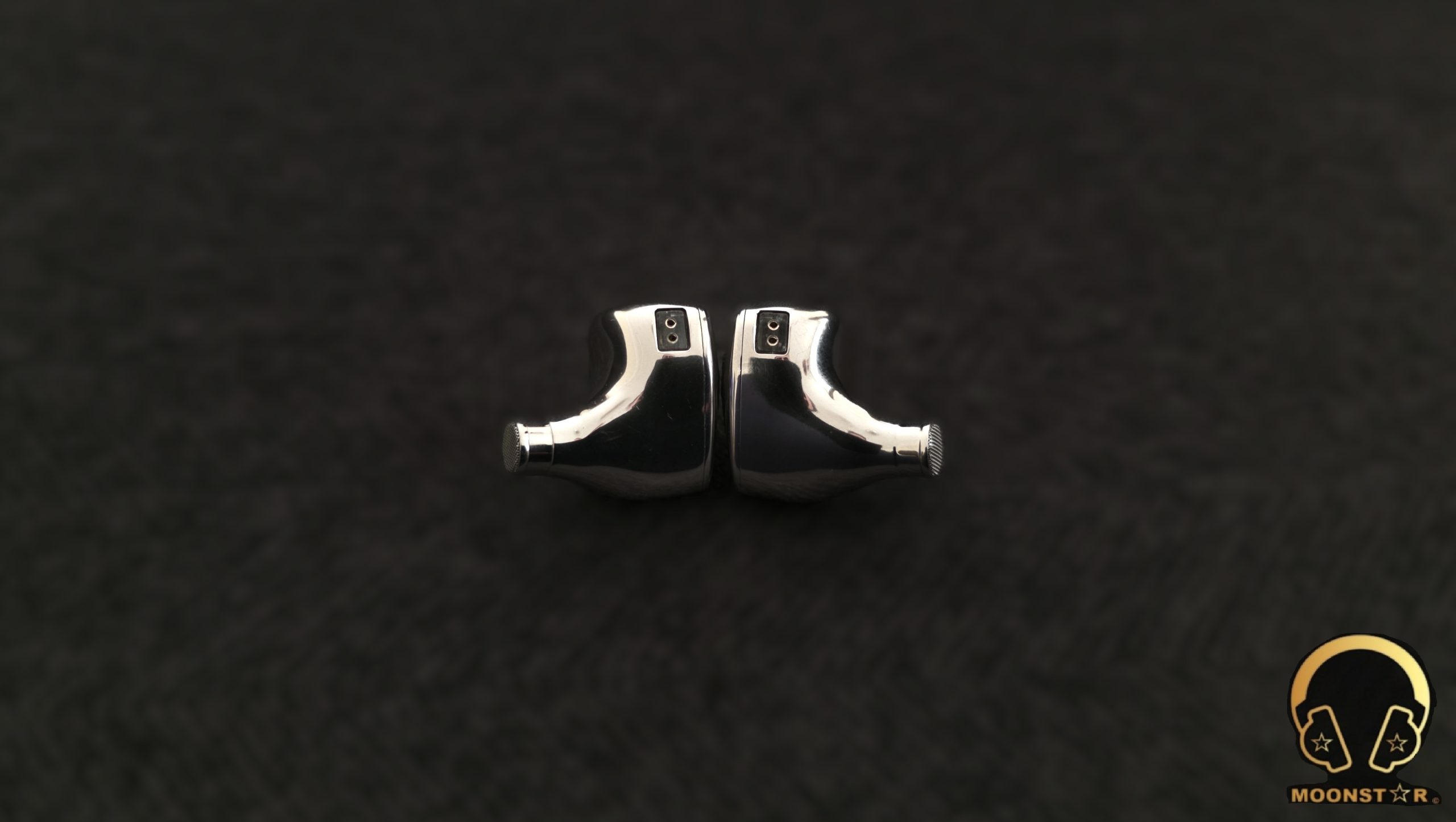
A small pressure vent is positioned on the body to equalize driver pressure during sustained listening.

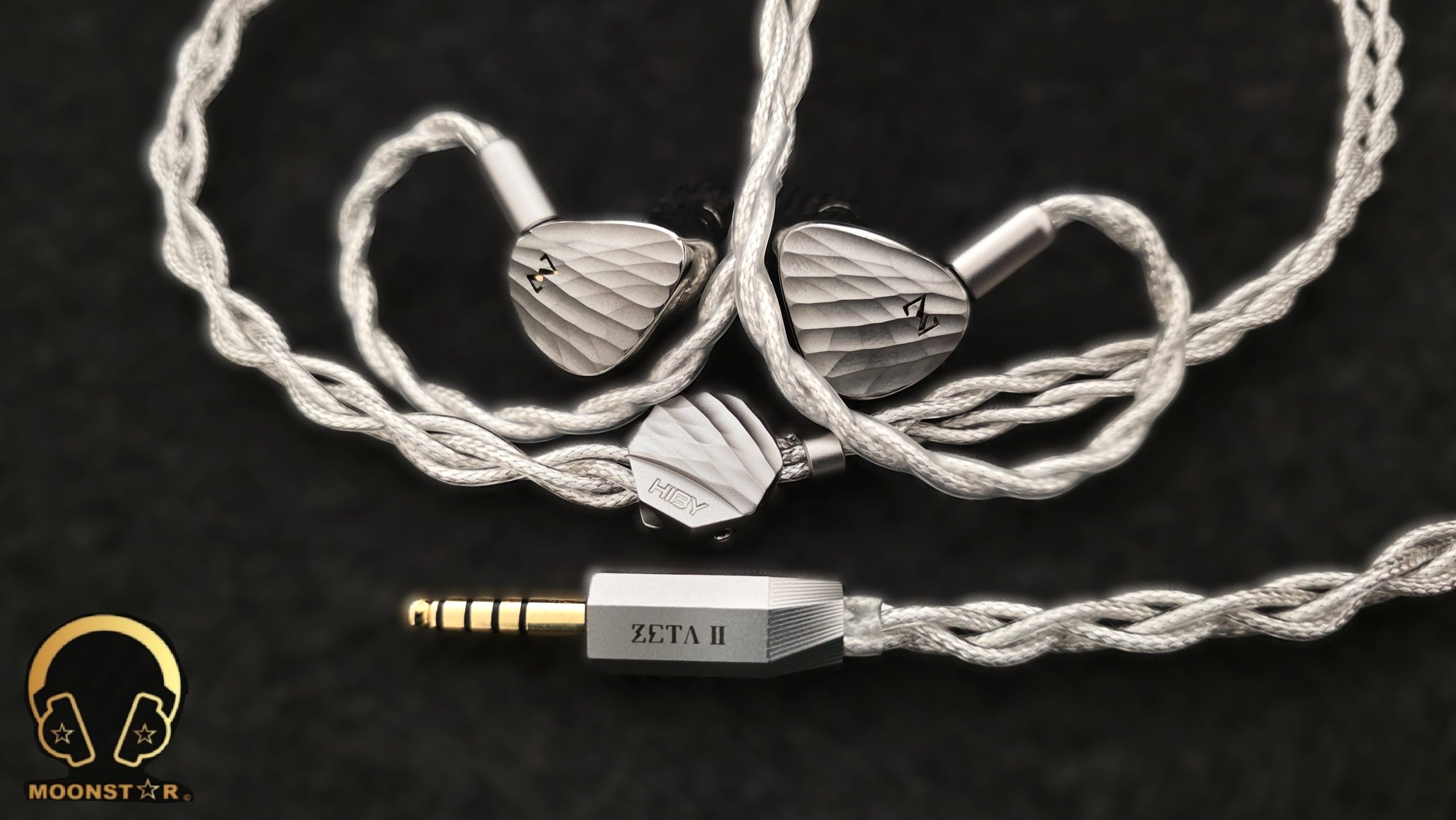
At the top of each monitor shell is a 0.78mm diameter 2-pin connector, which offers a tight and secure fit.
The stock cable is an 8-core Litz-structured OCC copper design terminated in a 4.4mm balanced plug. The cable is on the thicker side, which gives it a supple drape and a premium feel in hand but introduces a degree of stiffness at the over-ear hook section that may take some adjustment for users accustomed to lighter cables.
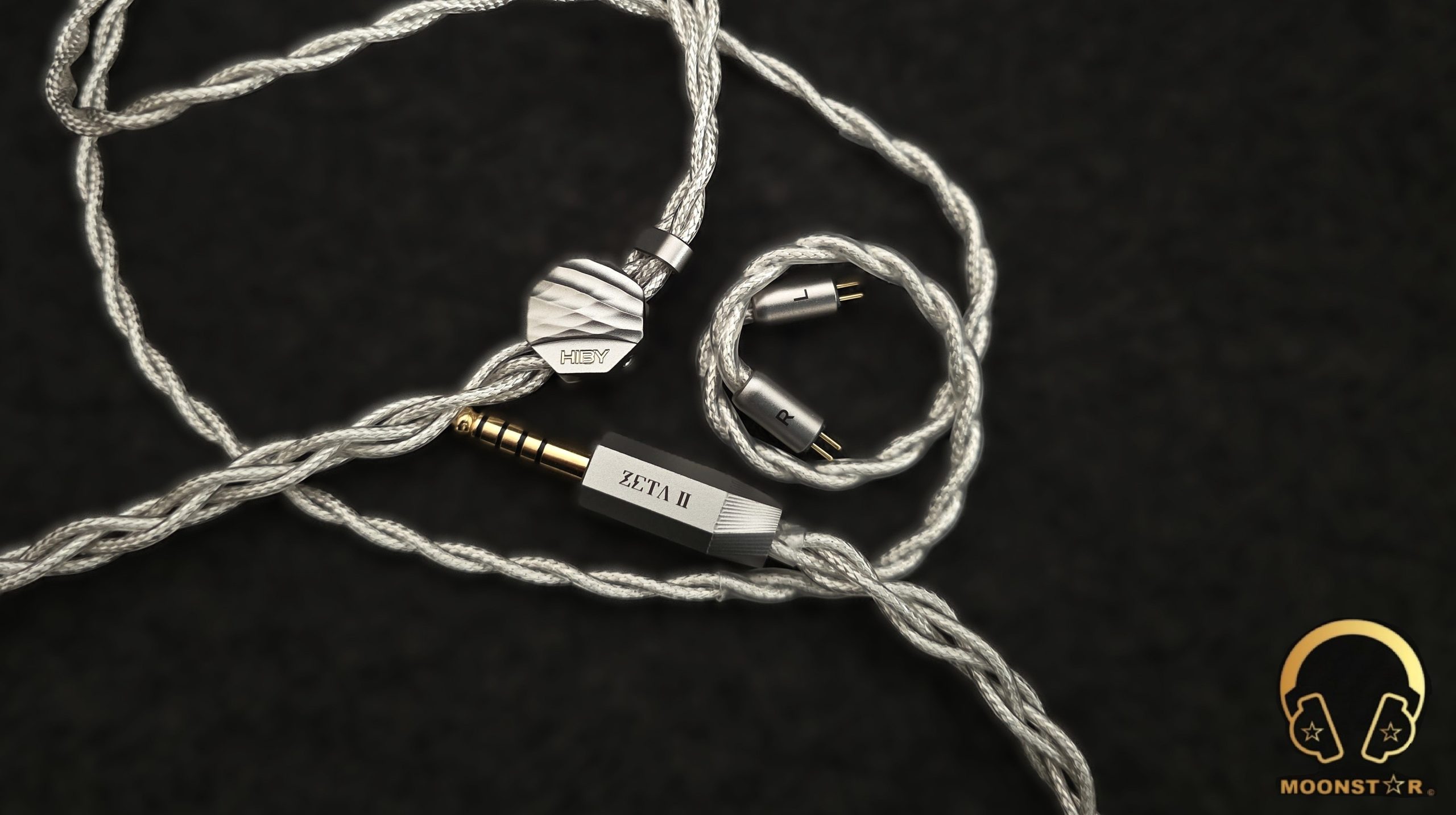
Microphonic transmission from cable movement is low and does not intrude on listening during activity.

The 0.78mm 2-pin connectors attach to the IEM sockets with a secure, rattle-free engagement.

The Y-splitter, with its octagonal shape and HiBy branding on the top edge, looks very stylish.

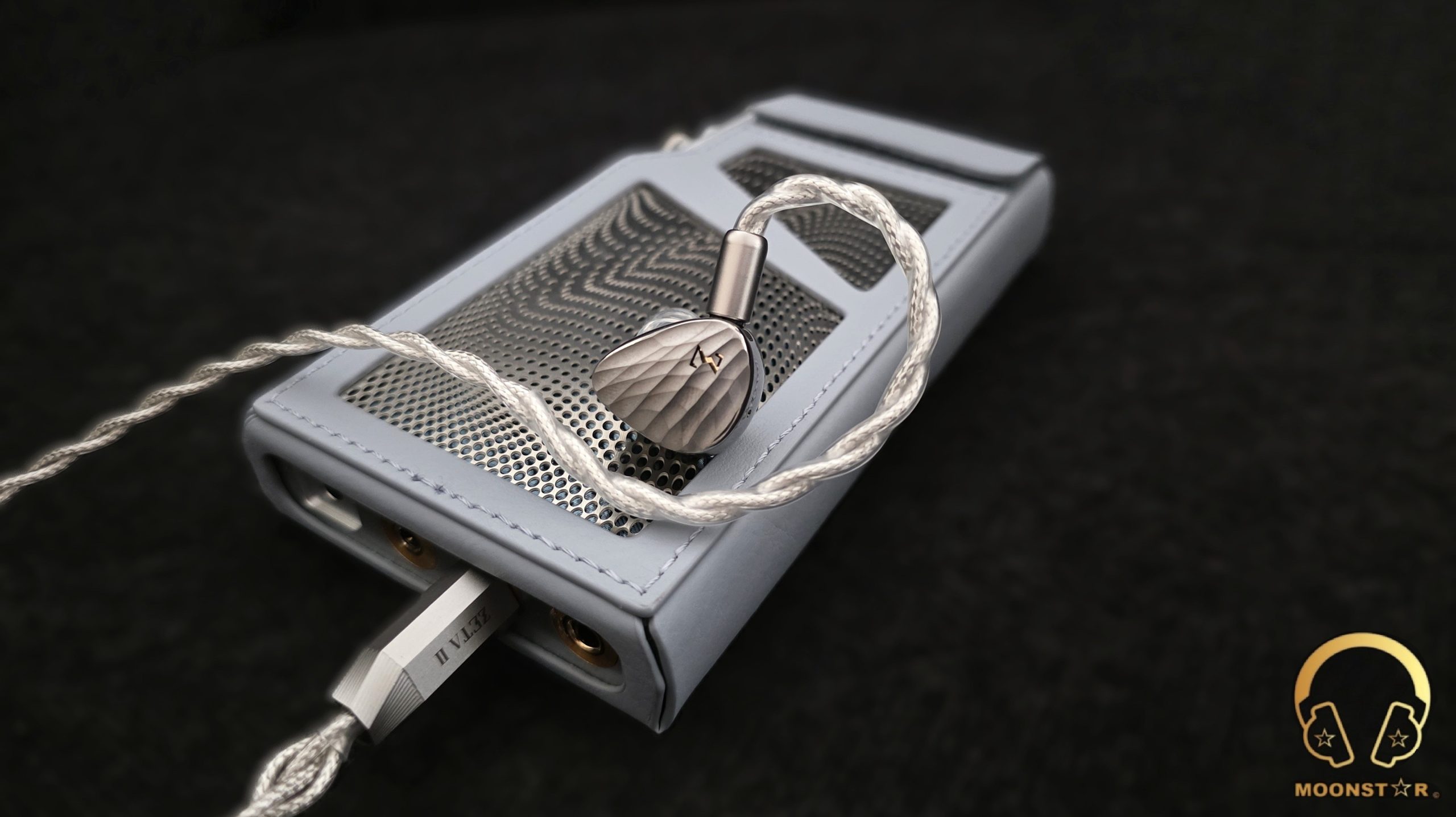
No 3.5mm adapter or 3.5mm single-ended alternative cable is included in the package, which requires attention from users whose primary source has only a single-ended output.

Fit, Comfort & Isolation:
The Zeta II fits more comfortably than its nine-driver-per-side specification might suggest. The compact shell geometry, the lightweight titanium construction, and the ergonomic contour of the inner face combine to produce an IEM that settles into the ear with minimal adjustment and remains stable across movement and extended sessions. For users with average to larger ear canals, the fit is settled and secure from the first insertion. For those with smaller ears, the moderate nozzle length and the relatively flush shell profile reduce the risk of contact pressure that affects larger flagship IEMs with more voluminous housings. Wearing the Zeta II for four to five consecutive hours produces no meaningful fatigue in the ear or at the point of canal contact, which reflects well on the ergonomic work behind the shell design.
Ear tip selection is a meaningful part of the Zeta II’s experience, both for fit quality and for the sonic character it produces. The WG01 tips, with their wide bore and horn-shaped waveguide, provide a comfortable fit for most ear shapes and are the author’s preferred configuration for both comfort and sound. The WG02 tips have a slightly firmer material character that creates a more secure seal for listeners who find the WG01 silicone sits less securely in their canal shape. Standard silicone tips offer the most conventional insertion feel and suit listeners who prefer familiar tip behavior over the enhanced acoustic designs of the WG series. Passive isolation is good once a proper seal is achieved, providing effective attenuation of ambient noise at commuting and office environments. The IEM does not offer the deep-insertion isolation of a thin-nozzle all-BA design, but its sealing performance is appropriate for its intended use context.

Technical Specifications:
- Model: Zeta II
- Driver Configuration: Quadbrid, 9 Drivers Per Side
- Sub-Bass: 1 x 8mm DLC Dynamic Driver with HCCAW Coil
- Midrange: 1 x HiFi Composite Knowles BA + 1 x HiFi Composite Knowles BA
- Mid-High: 1 x High-Performance Knowles BA
- Treble: 1 x Micro Planar Magnetic Driver
- Super Tweeter: 4 x Next-Generation Sonion Electrostatic Drivers (extending to 70kHz)
- Crossover: True 5-Way Passive Crossover with Silver-Plated Circuit (exceeding 380 micrometers thickness)
- Acoustic Architecture: Independent 3D-Printed Acoustic Chambers per Driver Group, Spatial Harmonic Enhancement Structure
- Frequency Response: 20Hz to 40kHz (driver extension up to 70kHz)
- Impedance: 15 Ohms at 1kHz
- Sensitivity: 109 dB SPL / 180mV at 1kHz
- Maximum Input Power: 100mW
- Shell Material: Aviation-Grade Titanium Alloy, CNC-Machined, Vacuum Ionic Magnetron Sputtering Surface Coating
- Connector: Standard 0.78mm 2-Pin
- Cable: 8-Core Litz OCC Copper, approx. 1.2m
- Termination: 4.4mm Balanced (Gold-Plated)
Drivability & Pairing:
At 15 ohms and 109dB sensitivity, the Zeta II is on the lower-impedance, higher-sensitivity end of the flagship IEM spectrum, which means it reaches adequate volume from compact sources including dongle DACs and entry-level portable players. However, the Zeta II is meaningfully source-dependent in a way that becomes increasingly audible as upstream quality improves. The precision of its five-way crossover and the speed of its electrostatic and micro planar drivers are both more fully expressed through sources that offer genuine output cleanliness, low noise floors, and controlled power delivery. On weaker or particularly high-output-impedance sources, the bass control can soften and the crossover transitions can feel slightly less articulate, which affects the overall sense of coherence.
Three sources were used across this review. The iBasso DX270 R2R Ultra, with its fully differential R2R DAC and FPGA-Master 3.0 controller, paired exceptionally well with the Zeta II. The R2R architecture’s tonal warmth and organic character complemented the Zeta II’s smooth, warm-balanced signature without adding excess weight to the already-present low end, and the DX270’s clean background allowed the micro planar and EST drivers to express their speed and extension fully.
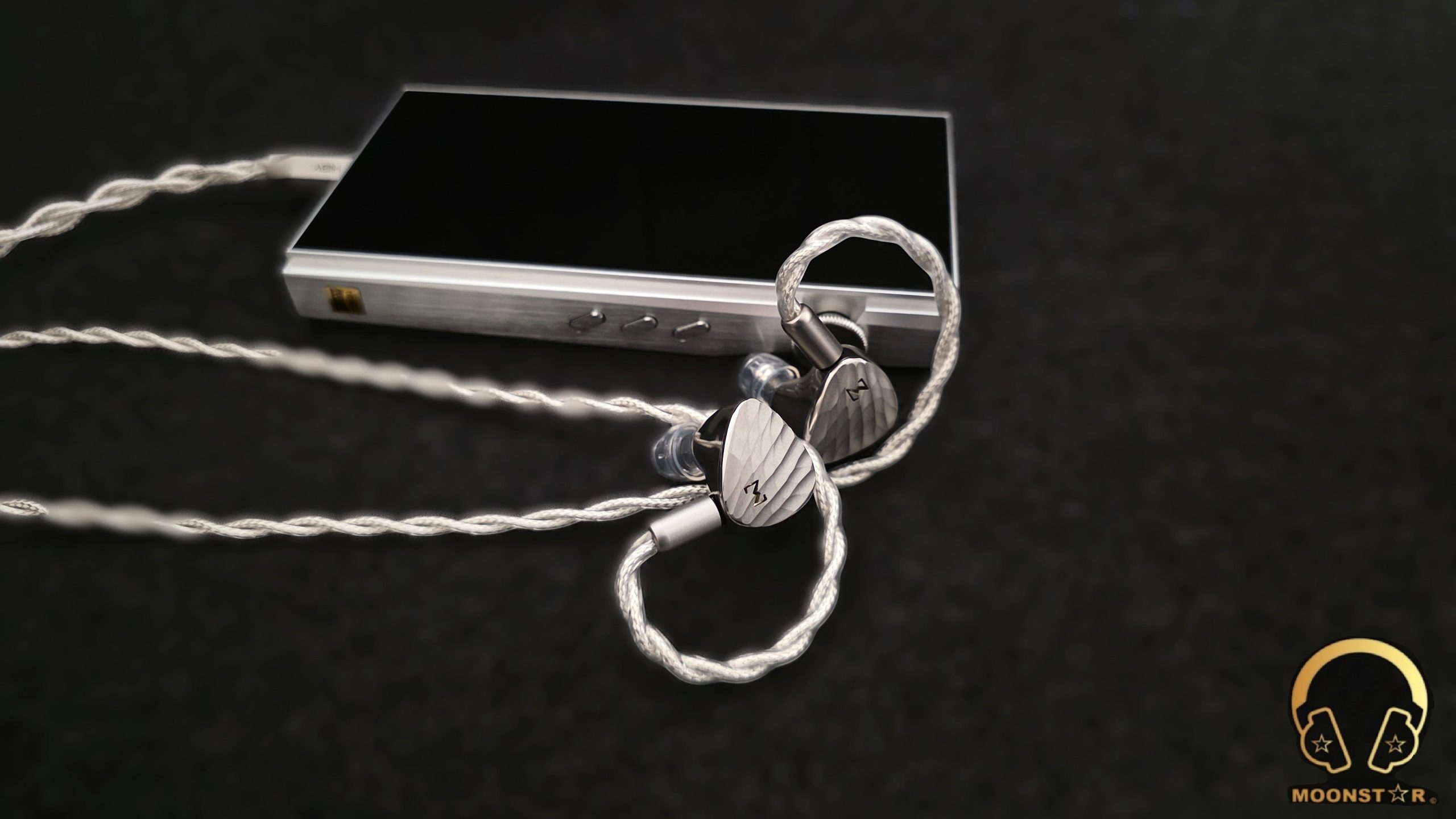
The HiBy R6 Pro II, a natural brand pairing, delivered a warm, engaging presentation with MSEB customization available for listeners who want to adjust the tonal balance. The R6 Pro II’s Class A mode added a degree of harmonic richness to the midrange that worked particularly well with the Zeta II on jazz and acoustic material.
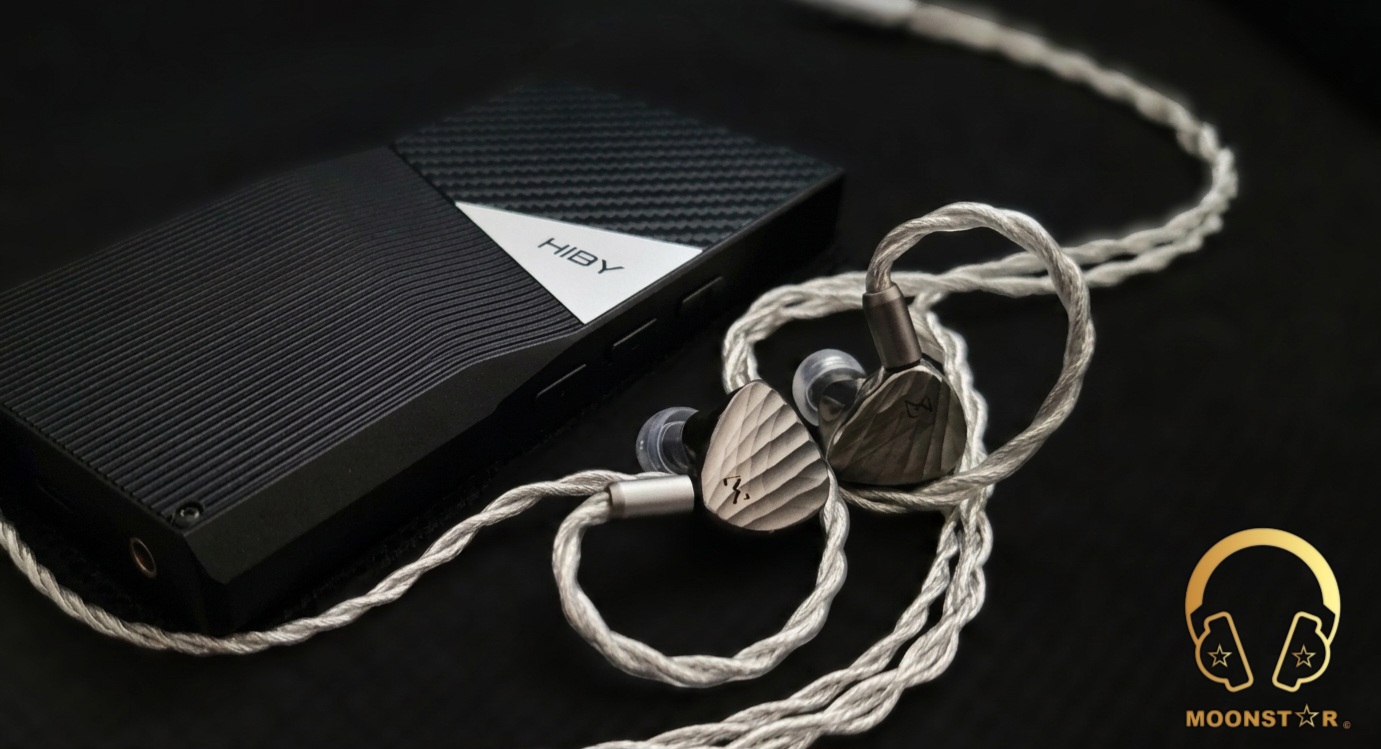
The FiiO M33 R2R brought its fully differential 24-bit resistor array to bear on the Zeta II with similarly strong results: the midrange gained additional tonal body and the bass felt well-anchored without crossing into excess. All three sources revealed the Zeta II as a transducer that scales meaningfully with source quality, making it a worthwhile investment only for listeners with sources capable of doing it justice.
Equipment Used for This Review:
- IEMs: HiBy Zeta II, Westone MACH 80, Campfire Audio Fathom
- Sources: iBasso DX270 R2R Ultra, HiBy R6 Pro II, FiiO M33 R2R
Albums & Tracks Used for this Review:
Vocal Jazz / Smooth Jazz
- Norah Jones – Come Away With Me (Flac 24bit/96kHz)
- Diana Krall – So Wonderful (DSF)
- Barry White – Just The Way You Are (Flac 24bit/48kHz)
- Isaac Hayes – Walk On By (Flac 16bit/44.1kHz)
- Sting – Englishman in New York (Flac 24bit/48kHz)
- Otto Liebert & Luna Negra – The River (Flac 24bit/192kHz)
- Ferit Odman – Look, Stop & Listen (Flac 24bit/192kHz)
- Charly Antolini – Duwadjuwandadu (Flac 24bit/192kHz)
Soul / R&B
- Aretha Franklin – I Say A Little Prayer (Flac 24bit/96kHz)
- Adele – My Little Love (Apple Lossless)
- George Michael – Don’t Let the Sun Go Down on Me (Flac 24bit/192kHz)
- Eric Clapton – Wonderful Tonight (Flac 24bit/96kHz)
Pop / Rock Classics
- Michael Jackson – Billie Jean (Flac 24bit/96kHz)
- Elton John – Rocket Man (Flac 24bit/96kHz)
- David Bowie – Heroes (Flac 24bit/192kHz)
- U2 – Sunday Bloody Sunday (Flac 16bit/44.1kHz)
- Lorde – Royals (Flac 24bit/48kHz)
- Dave Gahan – Kingdom (Apple Lossless)
Electronic / Experimental
- Daft Punk – Instant Crush (Flac 24bit/96kHz)
- Daft Punk – Doin’ it Right (Flac 24bit/96kHz)
- Bro Safari, UFO! – Drama (Apple Lossless)
- Armin Van Buuren – Vini Vici (Flac 16bit/44.1kHz)
- Yosi Horikawa – Bubbles (Apple Lossless)
- Toutant – Rebirth (Apple Lossless)
Alternative / Indie / Art Rock
- Radiohead – Live in Berlin “Album” (Apple Lossless)
- Radiohead – Pyramid Song (Apple Lossless)
- Muse – Hysteria (Flac 24bit/96kHz)
- Red Hot Chili Peppers – Nobody Weird Like Me (Flac 24bit/48kHz)
- Lunatic Soul – The Passage (Flac 16bit/44.1kHz)
- Portishead – It Could Be Sweet (Apple Lossless)
- Gogo Penguin – Raven (Flac 24bit/192kHz)
- Gogo Penguin – Murmuration (Flac 24bit/192kHz)
- Massive Attack – Angel (Flac 24bit/48kHz)
- Bear McCreary – Valkyries (Apple Lossless)
Classical / Orchestral
- Max Richter – On the Nature of Daylight (Flac 24bit/96kHz)
- Chopin – Nocturne No. 20 in C-Sharp Minor (Flac 16bit/44.1kHz)
- Clair de Lune – Claude Debussy (Apple Lossless)
- Tchaikovsky – Symphony No. 5 (Flac 16bit/44.1kHz)
- Vivaldi – Le Quattro Stagioni “The Four Seasons” (Apple Lossless)
- Fazıl Say – Nazım Oratoryosu (Live) (Flac 16bit/44.1kHz)
Jazz / Instrumental
- Miles Davis – So What (Apple Lossless)
World / Traditional
- Sertap Erener – Aşk (Flac 16bit/44.1kHz)
- Edith Piaf – Non Je Ne Regrette Rien (Flac 16bit/44.1kHz)
Metal / Progressive Rock
- Metallica – Dyers Eve (Flac 24bit/96kHz)
- Metallica – Sad but True (Flac 24bit/96kHz)
- Megadeth – Sweating Bullets (Apple Lossless)
- Opeth – Windowpane (Flac 16bit/44.1kHz)
- Deftones – My Own Summer (Shove It) (Flac 16bit/44.1kHz)
- Rush – Tom Sawyer (Flac 16bit/44.1kHz)
- Slayer – Angel of Death (Apple Lossless)
The Sound:
Sound impressions were formed after approximately 100 hours of burn-in, with the iBasso DX270 R2R Ultra as the primary source and the WG01 ear tips as the primary configuration unless otherwise noted. Additional listening sessions used the HiBy R6 Pro II and FiiO M33 R2R for cross-referencing, and WG02 and standard silicone tips were evaluated for their sonic contributions alongside each source. The Zeta II’s overall signature is warm-balanced, with a sub-bass lift, a full and smooth midrange, and a treble presentation that extends meaningfully through the micro planar and into the EST range without the peaks or grain that multi-driver treble regions can introduce when crossover integration is imprecise. The character is organic and musical rather than analytical, which places it on the same side of the sound philosophy spectrum as HiBy’s own R2R-equipped DAPs, making those source pairings particularly synergistic.

Bass:
The 8mm DLC dynamic driver handles the Zeta II’s sub-bass exclusively, and the decision to use a single dynamic driver for this duty rather than sharing the low-frequency load with a balanced armature is central to the character of the low end. Dynamic drivers have an inherent capacity for tonal body, natural decay, and physical pressure in bass reproduction that balanced armature drivers in the same frequency region do not replicate with the same sense of organic weight. The DLC dome and HCCAW coil improve on the liquid silicone driver of the original Zeta in terms of resolution and transient precision while preserving the natural, rounded character that makes the bass feel convincing rather than synthesized.
Sub-bass extension is one of the Zeta II’s more immediately impressive attributes. On recordings with sustained deep bass content, the low end communicates genuine physical depth rather than a filtered approximation of it. The sense of resonance and air movement in the lower registers is present and convincing, giving electronic bass lines, orchestral double bass, and deep male vocal chest resonance the weight they need to feel fully rendered. Gogo Penguin’s Raven, a composition built around complex low-frequency texture and timing, demonstrates the Zeta II’s ability to separate sub-bass layers with the DLC driver’s controlled precision while retaining the sense of physical density that makes the track’s low-end architecture so spatially distinctive. The sub-bass sits at a quantity that is clearly above neutral but does not crowd the mid-bass region above it.
Mid-bass punch is well-controlled, rounded, and satisfying on a wide range of material. Kick drums land with a full, natural impact that communicates the physical character of the drum rather than a processed substitute. The attack of each hit is defined without being sharp, and the decay resolves cleanly without excessive bloom. On uptempo rock and hard rock material, the bass keeps pace with demanding percussion without congesting the lower midrange above it. On jazz and acoustic recordings, upright bass has the woody resonance and string character that makes it sound like a physical instrument in a room. The mid-bass warmth does carry a degree of additional presence relative to a neutral target, which suits most popular music genres well but means that listeners who require precise, analytical bass reproduction for monitoring purposes will want to evaluate the Zeta II carefully against their professional requirements before committing.
Tip selection has a clear influence on the bass character. Standard silicone tips add further bass body and warmth, deepening the already-present low-end presentation in a way that suits bass-heavy genres and late-night listening at lower volumes. The WG01 tips produce a cleaner, tighter bass with more space above the mid-bass region, which is the preferred configuration for complex orchestral and jazz material where bass clarity benefits the overall presentation. The WG02 tips sit between these two extremes with a slightly forward midrange emphasis that pulls relative attention away from the bass somewhat, making it the most balanced of the three configurations for vocal-centric and acoustic music.

Midrange:
The midrange of the Zeta II is its most consistently compelling quality and the region where the multi-driver architecture achieves its most coherent result. Three Knowles balanced armature drivers share the midrange duties across a three-way internal division: a HiFi Composite BA handles the lower midrange, a second HiFi Composite BA manages the core midrange, and a High-Performance BA takes the upper midrange transition toward the micro planar. This division within the midrange itself, rather than a single BA covering the entire range, contributes to the tonal evenness and lack of the characteristic hardness or glare that a single BA handling too broad a frequency span can introduce. The result is a midrange that feels unified and natural despite its multi-driver origin.
Female vocals are rendered with warmth, presence, and a degree of openness that was clearly refined from the original Zeta. Soprano and mezzo-soprano voices sit at a natural, forward position in the soundfield without being artificially pushed into the listener’s space. The tonal body of a warm female voice, the chest resonance in the lower portion of the register and the clear, bright projection at the top, is communicated with a fidelity that makes extended vocal listening genuinely pleasurable. Upper-midrange presence is handled with particular care: the region around 3 to 5kHz, where female voice clarity is concentrated and where poorly tuned IEMs introduce harshness or sibilance, is smooth and even on the Zeta II. There is sufficient energy here to give voices a sense of live projection without the fatigue that a forward or peaky upper-mid response causes. Listening to mezzo-soprano vocal recordings on the Zeta II, one is conscious of hearing the breath and tonal color of the performance rather than a technically accurate frequency reproduction of it.
Male vocals from bass-baritone through tenor are handled with equal competence. Deep male voices have the tonal body and lower-midrange weight that gives them genuine physical presence in a mix. The fundamental pitch and the resonant overtones above it are both communicated, which is what distinguishes a convincing rendering of a deep male voice from one that captures the fundamental pitch alone. Mid-baritone and tenor voices sit clearly in the midrange with good intelligibility and tonal definition, and the Zeta II makes no attempt to push them back into the mix behind the warm bass layer below. The separation between bass content and vocal fundamentals is clean, which means complex arrangements with both prominent bass lines and prominent male vocals remain clearly readable rather than collapsing into each other.
Instrumental midrange reproduction is equally strong. Acoustic guitar body resonance has natural warmth and string texture. Piano in solo classical contexts carries appropriate key weight and the harmonic complexity of each note is preserved as it decays into the following silence. Strings in orchestral settings sit in a realistic, slightly warm tonal register with a bowed character that sounds physical and honest. The Zeta II does not pursue the last degree of midrange analytical precision that a reference-tuned all-BA IEM would provide. What it delivers instead is a midrange that communicates recordings with tonal honesty and emotional engagement, which for most listening contexts and most musical genres is the more rewarding outcome.
Treble:
Treble on the Zeta II is the product of two distinct drivers operating in sequence: the micro planar magnetic driver handles the primary treble band with its characteristic speed and controlled transient precision, and the four Sonion electrostatic tweeters extend the frequency range into the ultra-high territory above 10kHz and through to the 70kHz ceiling. The integration between these two driver types across the crossover transition is one of the Zeta II’s most important engineering achievements, and HiBy has managed it with notable success: there is no audible crossover artifact, no tonal discontinuity, and no grain introduced at the transition point.
The micro planar driver contributes a treble character that is fast, clean, and texturally detailed without the metallic edge that planar drivers in cheaper implementations can produce. Cymbal transients arrive with defined leading edges and a natural metallic shimmer in the decay that sounds physically accurate rather than processed. Charly Antolini’s percussion recordings, which are demanding tests for any transducer’s ability to track fast and complex high-frequency events, are handled by the Zeta II with good articulation and a sense of rhythmic precision that keeps complex hi-hat and ride patterns individually legible. The micro planar does not add artificial brightness to the treble: it contributes speed and detail without asserting a forward or aggressive top-end character.
The electrostatic tweeters extend the presentation into the upper air frequencies with a sense of genuine openness that gives recordings spatial breath and dimension. The decay of orchestral string passages in their highest registers trails off into the background with a natural, well-defined quality. High-frequency harmonic content in acoustic guitar, piano upper registers, and brass instruments is communicated with a clarity and tonal precision that reflects the EST drivers’ characteristic strength in the ultra-high frequency domain. The air and space around instruments in complex ensemble recordings is more clearly defined on the Zeta II than on IEMs without EST extension, and this quality contributes meaningfully to the sense of a real acoustic environment in recordings that capture one.
Sibilance is not a concern on the Zeta II across standard ear tip configurations. The upper midrange to treble transition is managed smoothly enough that close-mic’d vocal recordings and bright recording environments do not produce uncomfortable sibilance peaks. With the WG01 tips and on recordings with inherent brightness, there is a marginal increase in upper-frequency presence that some sensitive listeners may note, but it remains within the range of what attentive critical listening demands rather than constituting a genuine fatigue risk. The standard silicone tips produce the most forgiving and comfortable treble character and are the recommended configuration for bright source pairings or particularly bright recordings.
Soundstage and Imaging:
The Zeta II delivers a soundstage that is wide and well-developed in depth, with a convincing sense of height that the EST drivers’ ultra-high-frequency extension contributes to. The spatial presentation feels proportionate and natural rather than artificially expanded, which reflects well on the acoustic chamber architecture’s role in separating and directing the output of each driver group before they combine at the ear canal. Instruments in complex orchestral recordings are placed with clear lateral definition and a sense of physical distance from the listener that gives ensemble performances a genuine sense of scale.
Imaging precision is one of the Zeta II’s stronger technical attributes. Instrument positions are stable, clearly defined, and maintain their placement through demanding multi-layered passages without blurring or drifting. Ferit Odman’s Look, Stop & Listen, a recording with wide stereo placement and complex spatial cueing, is communicated with the positional accuracy that its production deserves. Radiohead’s Live in Berlin, a spatially demanding concert recording, conveys the scale and acoustic character of the venue with a sense of physical breadth that makes the recording feel genuinely immersive. The background is clean and quiet with all three sources used in this review, which allows low-level spatial information, the ambient decay of notes in a concert hall, the reverb character of a recording studio, to emerge clearly rather than being masked by noise floor.
Comparisons:
HiBy Zeta II vs. Westone MACH 80:
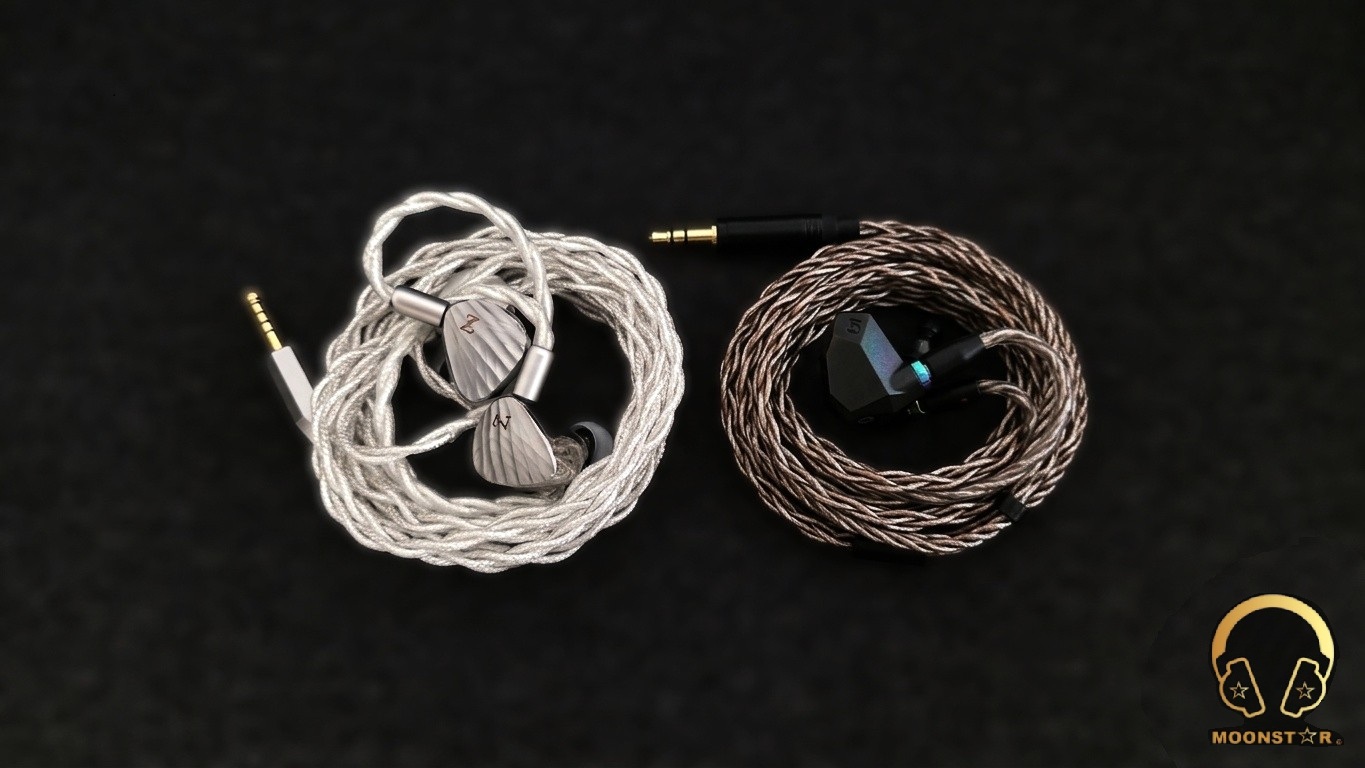
The Westone MACH 80 at $1,399 to $1,759 USD (depending on market and retailer) is an eight-driver, all-balanced-armature IEM built around dual low, dual mid, and quad high drivers under a three-way passive crossover. Its polycarbonate shell is far smaller and lighter than the Zeta II’s titanium housing, and its thin-nozzle design prioritizes a comfortable deep fit over acoustic versatility. The MACH 80 represents Westone’s professional monitor heritage applied to the audiophile consumer market, with a tuning that prioritizes tonal accuracy, flat frequency response, and high impedance characteristics that suit professional stage and studio applications as well as critical listening.
The bass region is where the two IEMs differ most fundamentally. The MACH 80’s all-BA bass is linear, agile, and tonally accurate, but it lacks the physical weight and sub-bass resonance of the Zeta II’s dynamic driver. Bass lines on the MACH 80 are reproduced with precision and speed, and their note definition is arguably more analytically precise than the Zeta II’s warmer presentation. But they do not communicate physical bass weight or the sense of acoustic resonance that a well-implemented dynamic driver provides in the lower registers. Listeners who primarily engage with acoustic music, classical, jazz, and vocal material where bass weight matters less than bass accuracy will find the MACH 80’s presentation more appropriate. Those who listen across a wider range of genres, including electronic, rock, and cinematic material where sub-bass depth is part of the intended experience, will find the Zeta II more satisfying.
The midrange comparison reveals more nuance. The MACH 80’s all-BA midrange is detailed, linear, and tonally accurate in a way that reflects Westone’s decades of professional IEM development. It resolves fine vocal and instrumental detail with a clarity and evenhandedness that suits monitoring and critical listening. The Zeta II’s midrange is warmer, more tonally full, and more emotionally engaging, with a tonal character that suits musical enjoyment over analytical evaluation. Both approaches are valid; the choice between them depends on whether the listener’s primary use case is critical monitoring or pleasurable musical engagement. In the treble, the Zeta II’s micro planar and EST drivers extend further and with more air than the MACH 80’s quad BA tweeters, giving the Zeta II a clearer advantage in high-frequency resolution and soundstage height. Build quality favors the Zeta II’s titanium construction over the MACH 80’s polycarbonate shell, though the MACH 80’s smaller, lighter form factor and deep-fit comfort remain genuine practical advantages for listeners who wear IEMs for long professional sessions.

HiBy Zeta II vs. Campfire Audio Fathom:
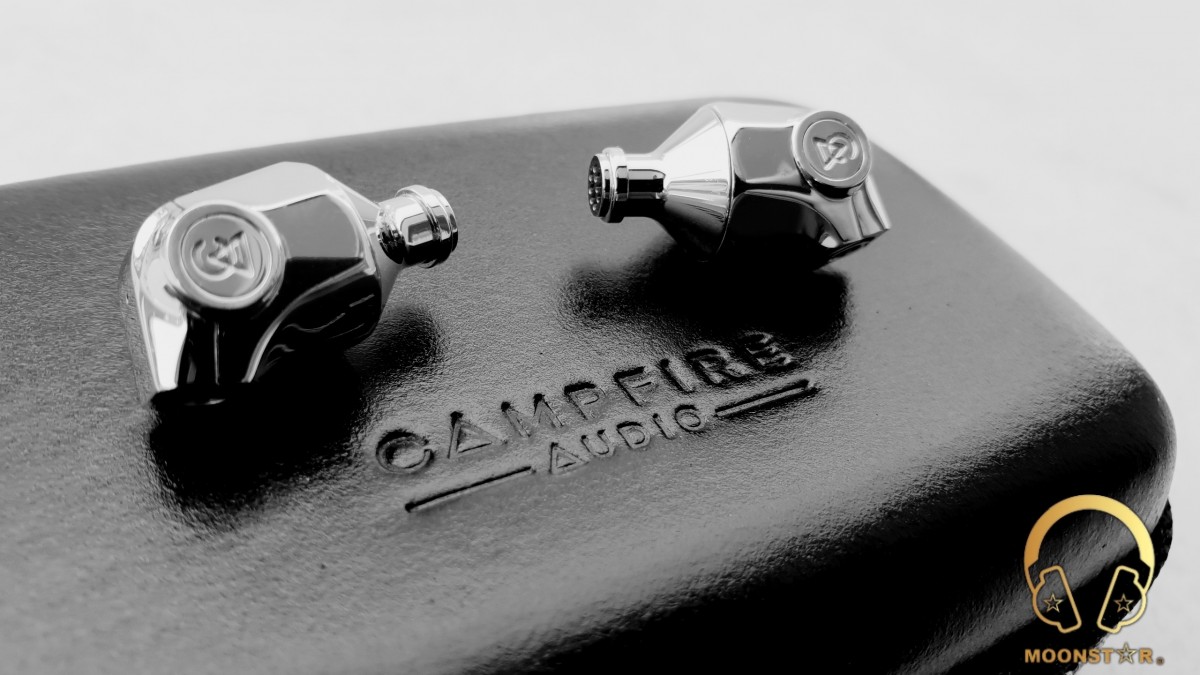
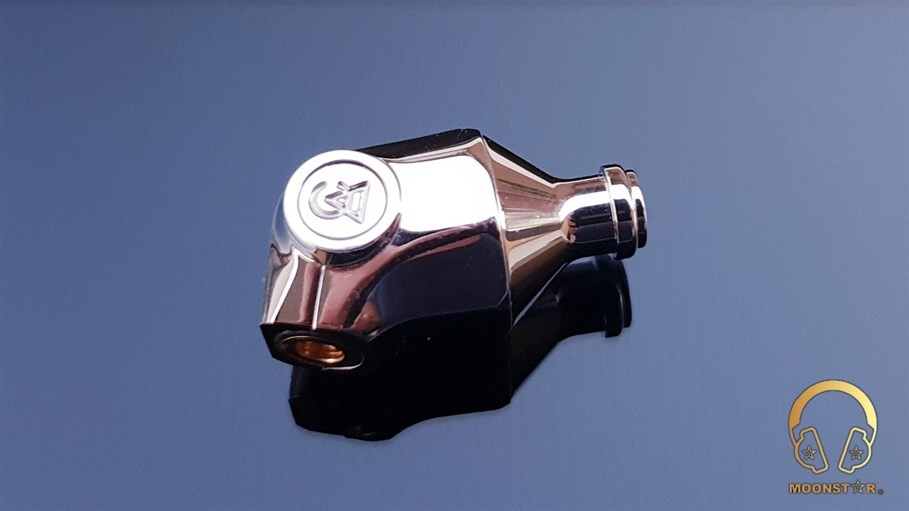
The Campfire Audio Fathom at $1,049 USD is a six-driver, all-balanced-armature IEM using Phase Harmony Engineering in a compact CNC-machined aluminum shell with black bright-dip anodizing. It is positioned as a purist, audiophile-tuned IEM that prioritizes tonal balance, vocal presence, and natural musicality, sharing some of the Zeta II’s musical philosophy while operating at a more accessible price point and with a simpler driver configuration. The Fathom’s six BA drivers cover the frequency range through a three-way scheme, with dual woofers, dual mids, and dual super-tweeters handling their respective bands.
In the bass region, the Fathom’s all-BA bass is its acknowledged limitation relative to a dynamic driver flagship. The bass is balanced and controlled, contributing to the Fathom’s overall tonal coherence without dominating the presentation, but it lacks the physical sub-bass extension and mid-bass weight of the Zeta II’s 8mm DLC driver. Listeners who find the Fathom compelling will likely do so for its midrange and treble character rather than its low-end performance, which is adequate for acoustic genres but less satisfying on material where bass physicality matters.
The Fathom’s midrange is one of its strongest attributes: balanced, natural, and centered on excellent vocal presence and imaging precision for both male and female voices. In direct comparison with the Zeta II, the Fathom is more neutral and less warm, with a cleaner lower midrange and a slightly more analytical presentation that resolves vocal detail with good clarity. The Zeta II’s midrange is fuller and more tonally rich, which suits listeners who prefer a warm, organic character over a clean, neutral one. Treble on the Fathom is extended and smooth without harshness, comparable to the Zeta II in fatigue-free character but with less upper-frequency air and extension given the absence of micro planar and EST drivers. The Zeta II’s soundstage is wider and has more convincing depth; the Fathom’s imaging is precise and its stage well-organized, particularly for a multi-BA IEM. At its lower price, the Fathom is an excellent alternative for listeners who do not need the Zeta II’s bass weight, EST extension, or titanium build quality. For those who do, the Zeta II justifies its higher price through the tangible sonic and material advantages its quadbrid architecture and premium construction provide.
Conclusion:
The HiBy Zeta II stands as a compelling flagship at $1,399, offering a sophisticated technical performance. Its quadbrid configuration, featuring a micro planar driver, 3D printed acoustic chambers, and an upgraded DLC dynamic driver, achieves a refined level of coherence. These engineering choices result in smooth transitions and a natural tonal balance that fully supports its ambitious design.
In terms of performance, the Zeta II offers a warm and musically engaging experience while maintaining high technical standards. The DLC driver delivers deep and well controlled bass, while the midrange remains organic and full across various vocal styles. The treble is smooth and extended, avoiding the sharpness sometimes found in complex multi driver systems. A wide soundstage, precise imaging, and the premium titanium build further enhance its status as a high end performer.
There are a few characteristics to consider for the best experience. The Zeta II shines brightest when paired with a capable source and is designed for those who prefer a rich, musical signature over a strictly clinical reference. While the 4.4mm stock cable is robust, the ear hook section is somewhat firm, and users with single ended equipment will simply need an adapter. For listeners who value organic timbre and exceptional construction, the Zeta II stands as a very rewarding flagship choice.

Pros & Cons:
- + Genuine quadbrid architecture with coherent integration across DD, BA, micro planar, and EST driver types
- + DLC dynamic driver delivers convincing sub-bass depth and natural mid-bass body without congesting the midrange
- + Full, warm, organically textured midrange that renders both male and female vocals with tonal conviction
- + Smooth, extended treble with excellent micro planar speed and convincing EST air and upper-frequency resolution
- + Wide, deep soundstage with stable, precise imaging and a clean background
- + Five-way independent acoustic chamber architecture minimizes inter-driver interference at the acoustic level
- + Silver-plated crossover circuit with thoughtful physical and electronic frequency separation
- + Excellent titanium alloy construction with vacuum ionic magnetron sputtering wear-resistant surface coating
- + Compact, ergonomic shell design provides good comfort for extended listening sessions
- + Scales well with source quality; pairs particularly effectively with R2R-based sources
- – Source-dependent: requires capable upstream equipment to deliver full technical performance
- – Stock cable is thick and stiff at the over-ear hook section; may require aftermarket alternatives for glasses wearers
- – No 3.5mm adapter or 3.5mm single-ended cable alternative included; 4.4mm balanced only in the package
- – 15-ohm impedance with 109dB sensitivity makes the Zeta II mildly sensitive to output impedance mismatch on older equipment
Thank you for the Read!