BQEYZ Winter II Review

BQEYZ Winter II Review
Introduction:
BQEYZ has built a solid name in the Chi-Fi world for making affordable, well-tuned in-ear monitors like the Spring, Summer, and Autumn. The Winter II, their newest flagship, steps it up with a hybrid driver setup. The setup includes a 12mm Dual-Cavity Dynamic Driver for robust lows and mids, paired with an 11.6mm PZT Bone Conduction Driver for crisp treble. It promises a versatile, refined sound and comes in a sleek, CNC-machined aluminum shell that feels both classy and tough. This review digs into its design, build, sound, and value, giving you a straight-up, no-nonsense look.
Disclaimer:
I would like to thank BQEYZ for providing me the Winter II sample for review purposes. I am not affiliated with BQEYZ beyond this review and these words reflect my true and unaltered opinions about the product.
Price & Availability:
The BQEYZ Winter II sits at around $319.00 USD, fitting nicely into the premium mid-range IEM category. More information’s can be found under the links below;
Package & Accessories:
The Winter II arrives in a stylish, eco-friendly box that strikes a balance between looking good and being practical. The packaging is thoughtfully put together, offering a nice unboxing moment without extra waste.
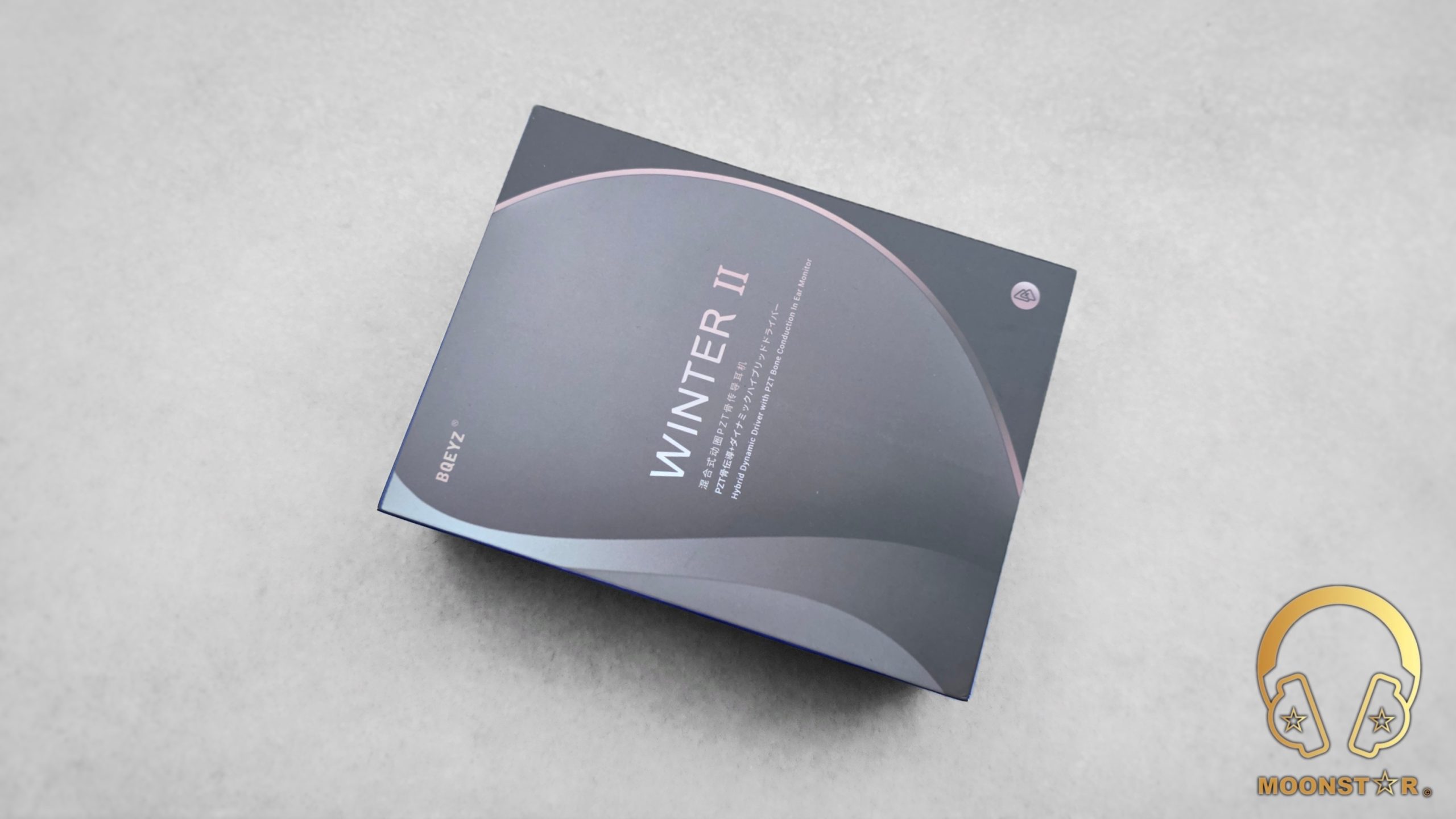
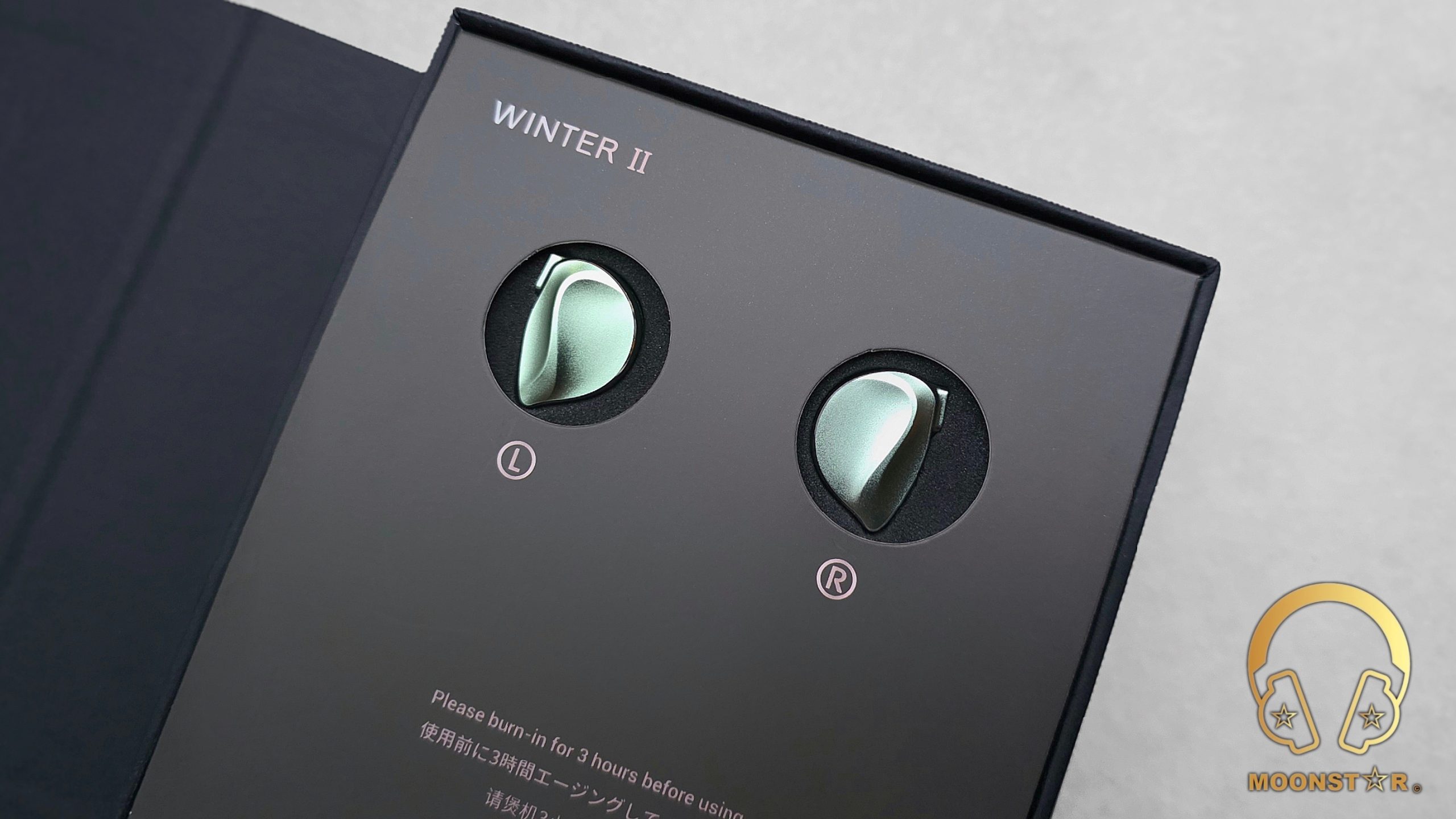
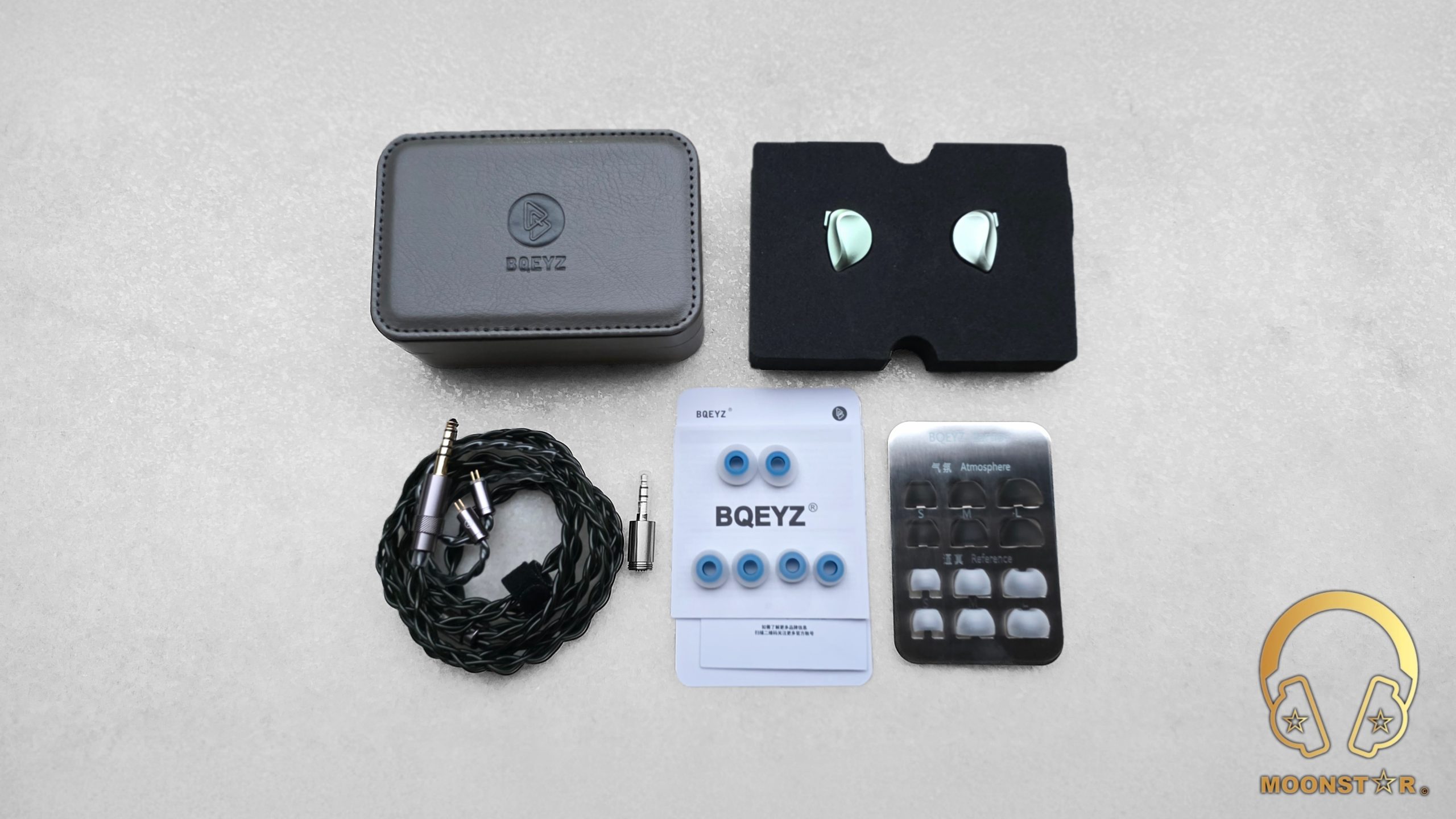
Inside the box the are following items & accessories;
- 1 x BQEYZ Winter II In-Ear Monitor
- 1 x 4-core Single-Crystal Coaxial Copper Cable with 0.78mm 2-Pin connectors and modular 3.5mm/4.4mm plugs
- 3 x pairs of “Atmosphere” Silicone Ear Tips
- 3 x pairs of “Reference” Silicone Ear Tips
- 3 x pairs of Regular Silicone Ear Tips
- 1 x pair of Foam Ear Tips
- 1 x Leather Storage Case with magnetic closure
- 1 x Cleaning Brush
- 1 x User Manual and Warranty Card
The modular cable and range of ear tips give you flexibility, letting you tweak it to match your listening style or device.
Design & Build Quality:
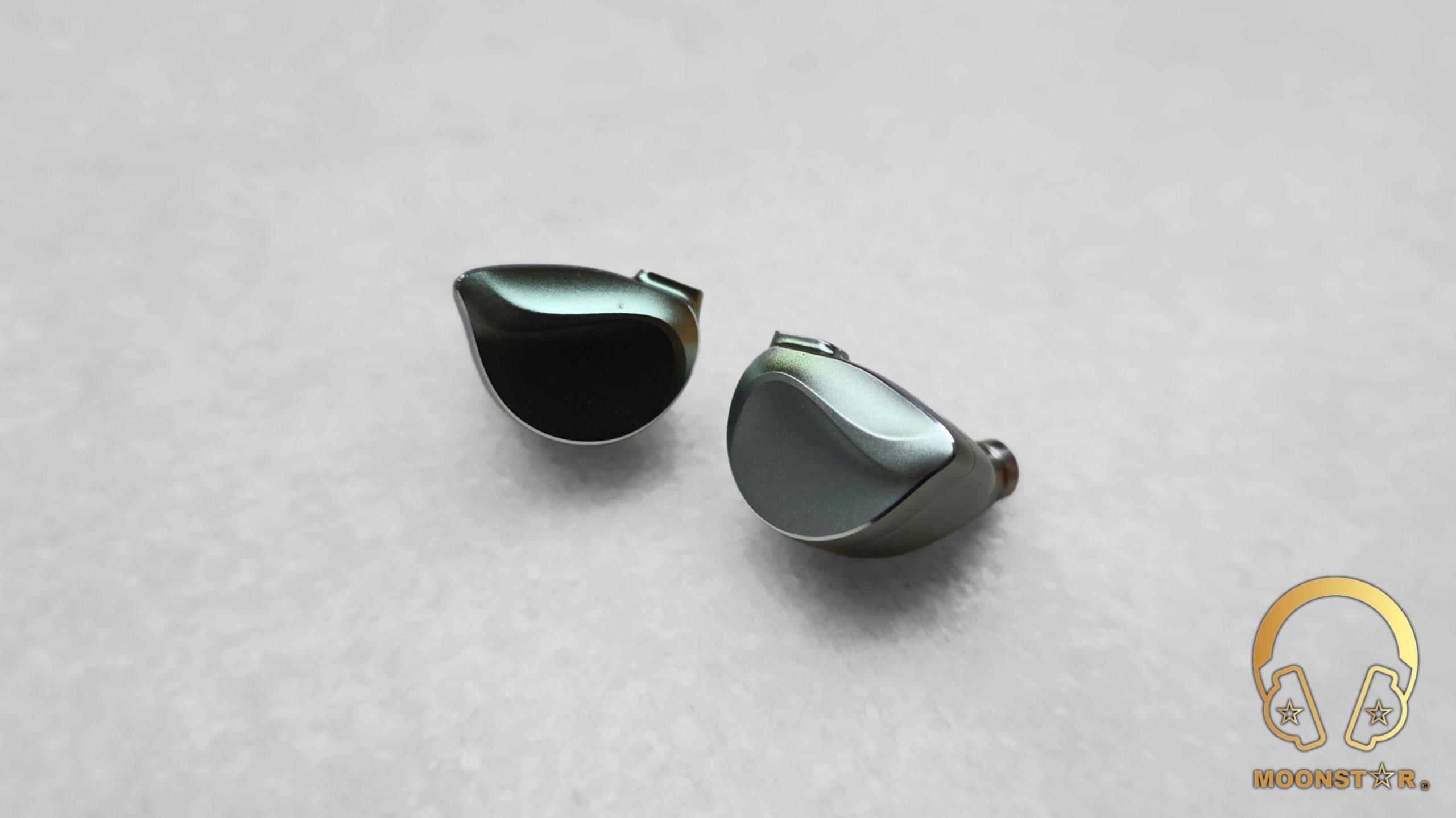
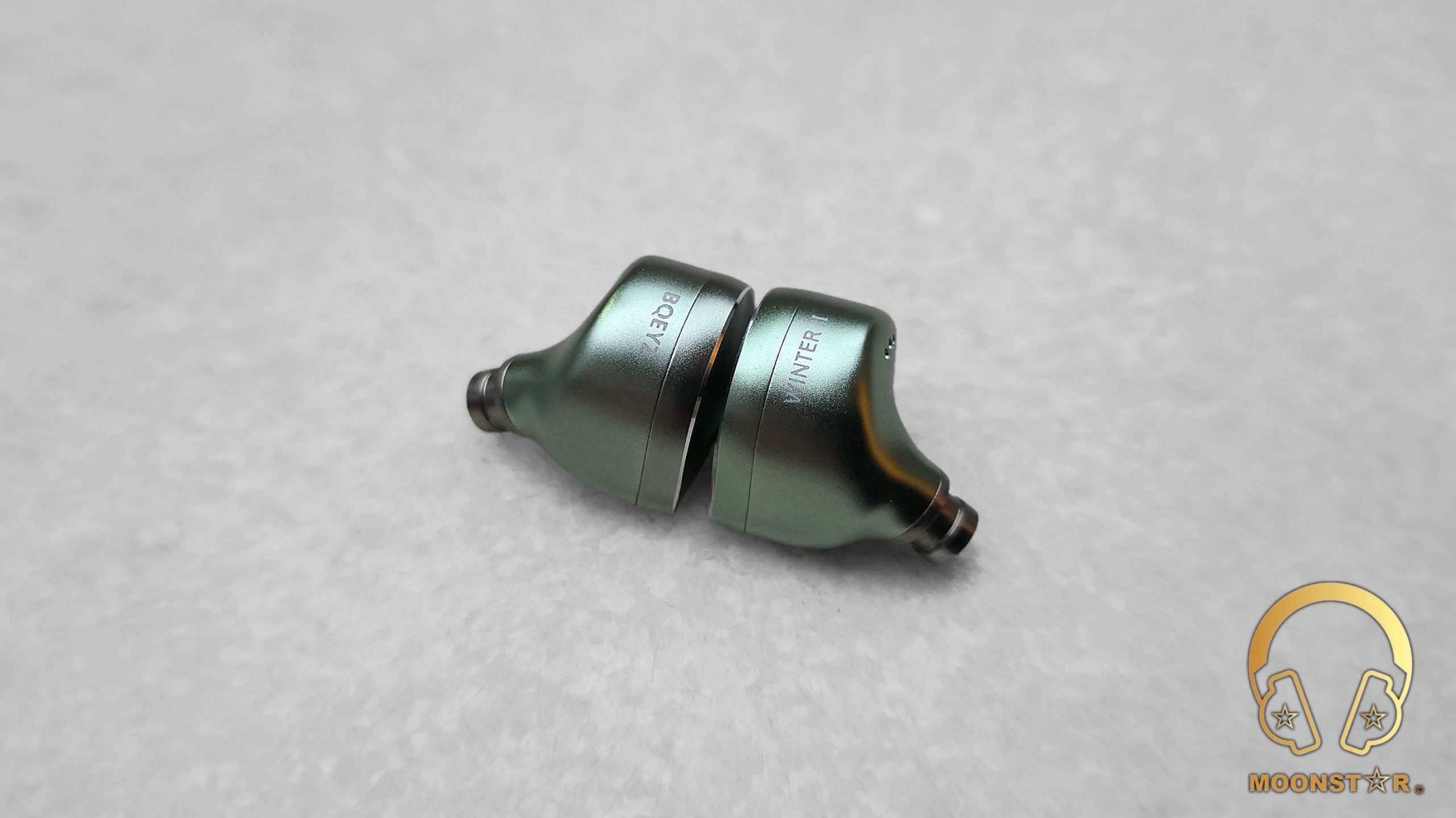
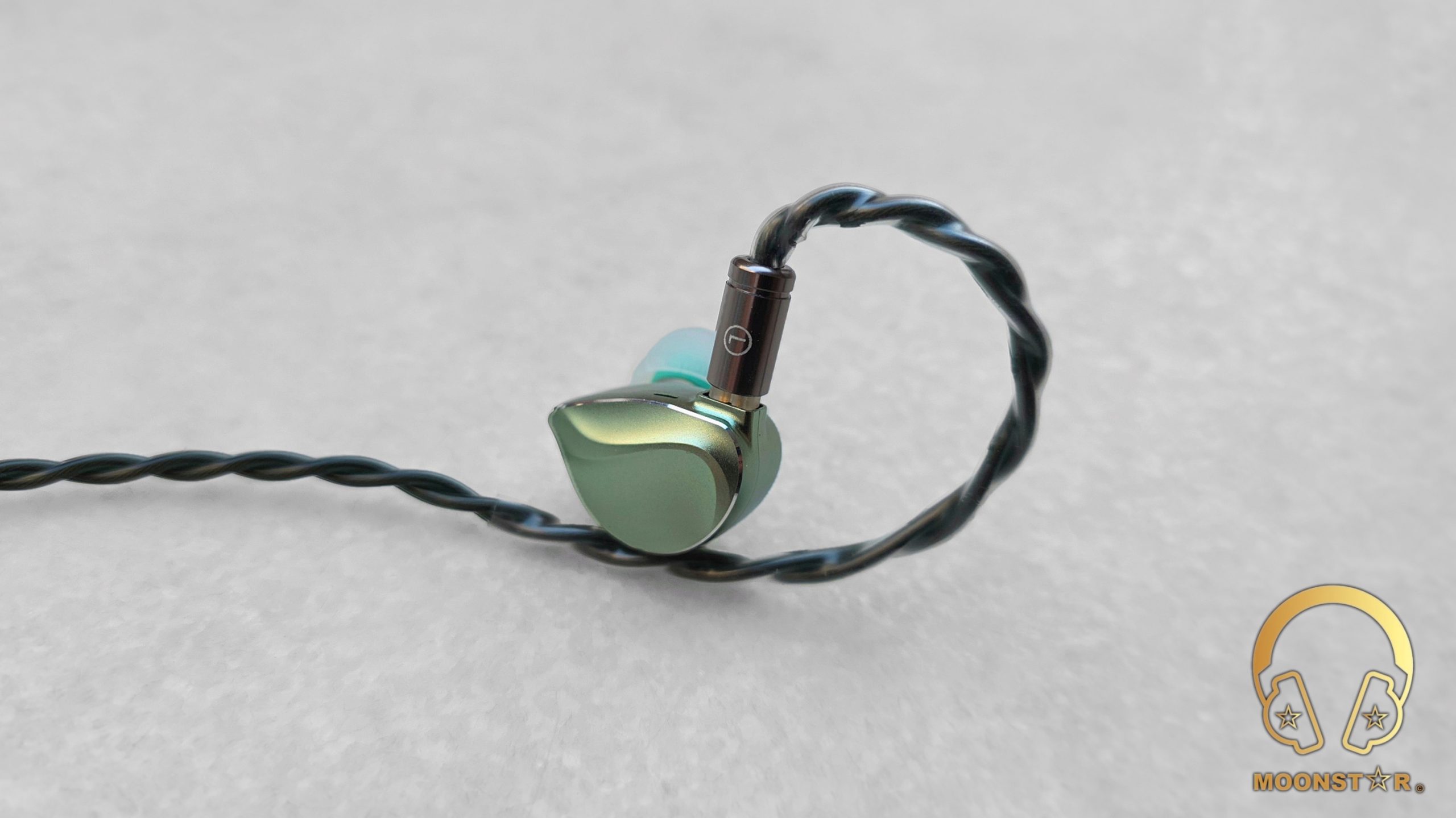
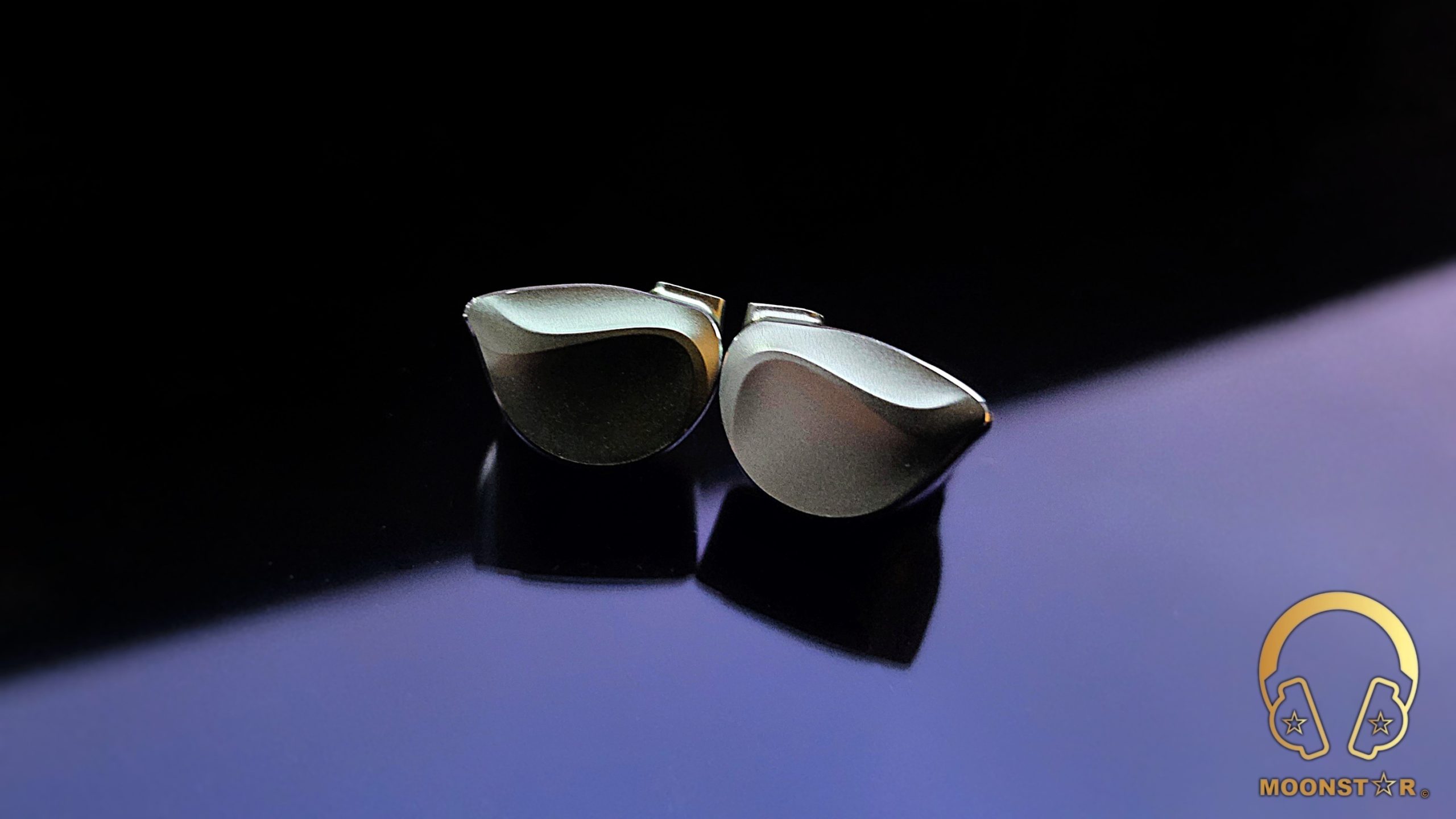
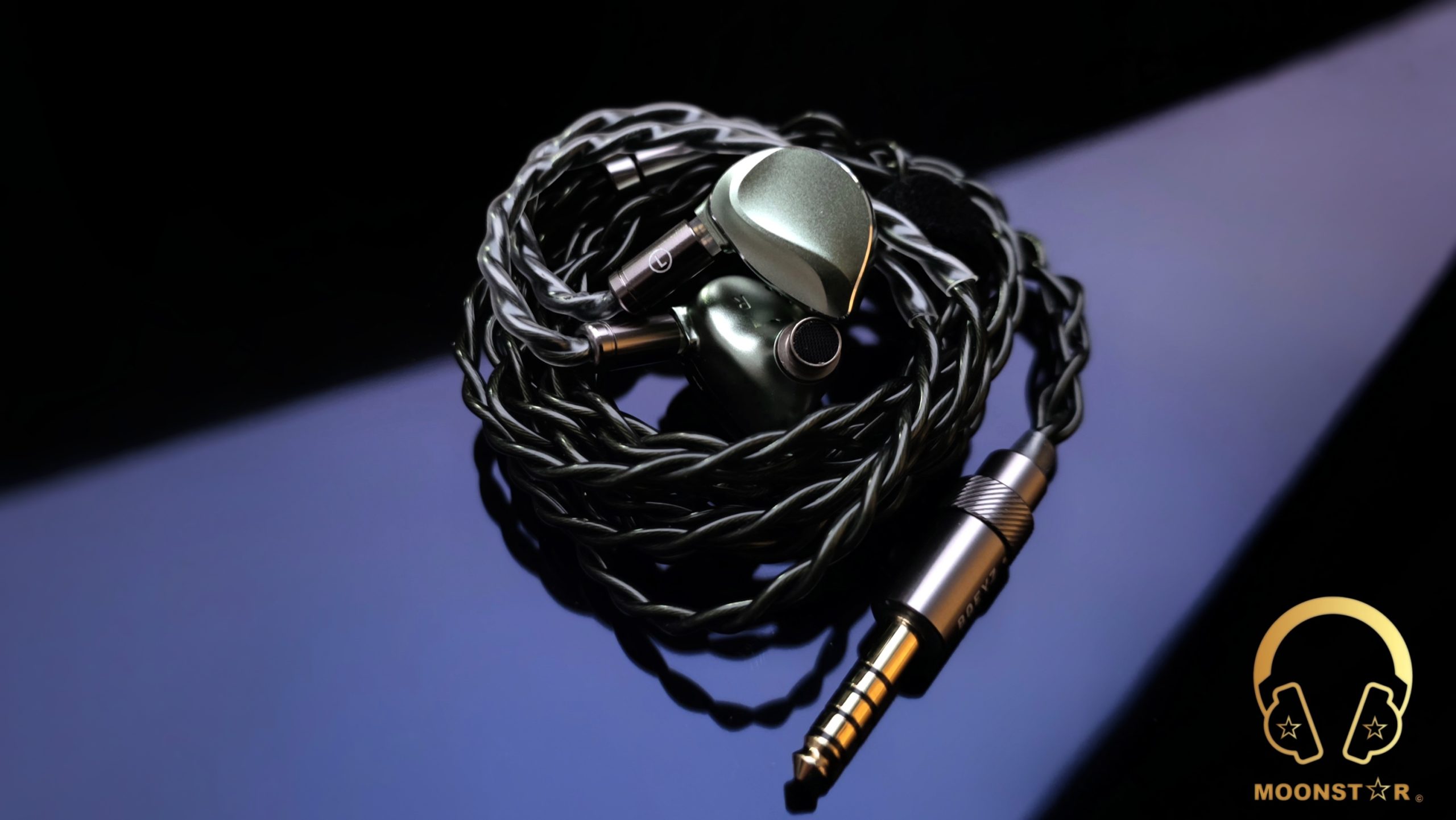
The Winter II stands out with its design inspired by the “Year of the Snake,” blending the original model’s lines with a smooth and sleek shape. The shell is made from precision-machined aluminum alloy and features a shiny, anodized finish. This surface is treated with anodic oxidation for resistance against corrosion and wear. The material’s structural stability reduces unwanted vibrations, contributing to cleaner audio quality.
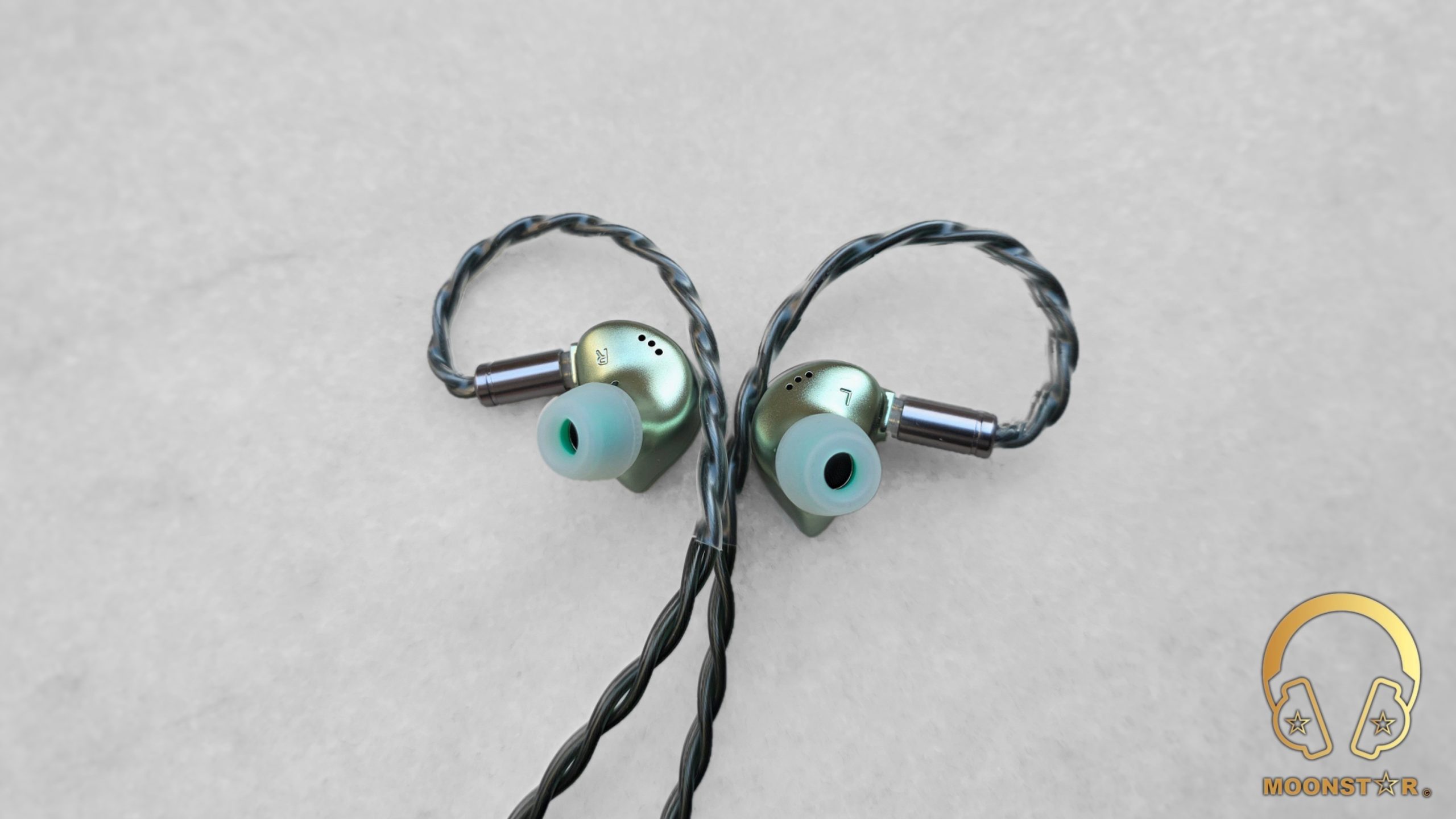
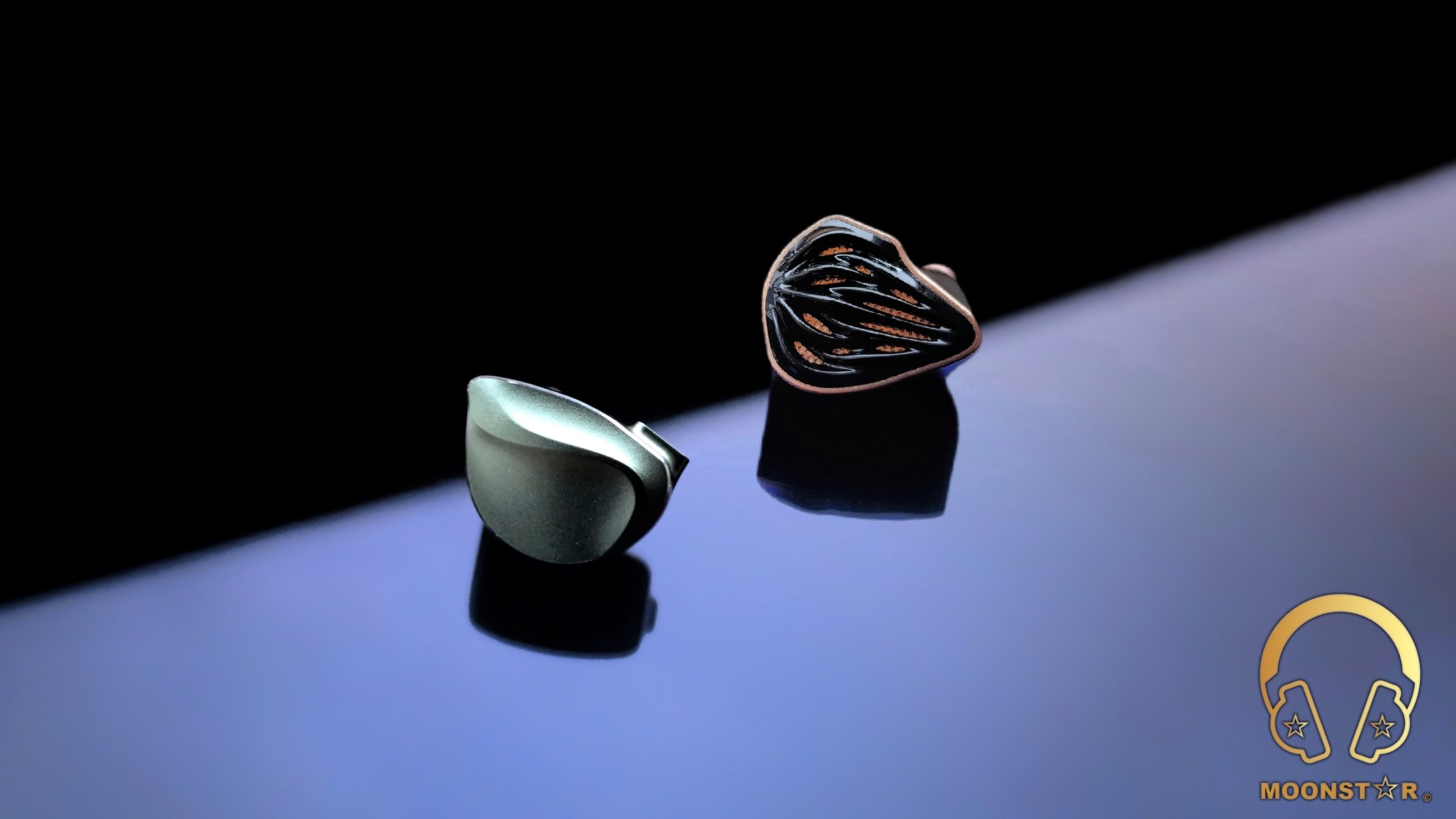
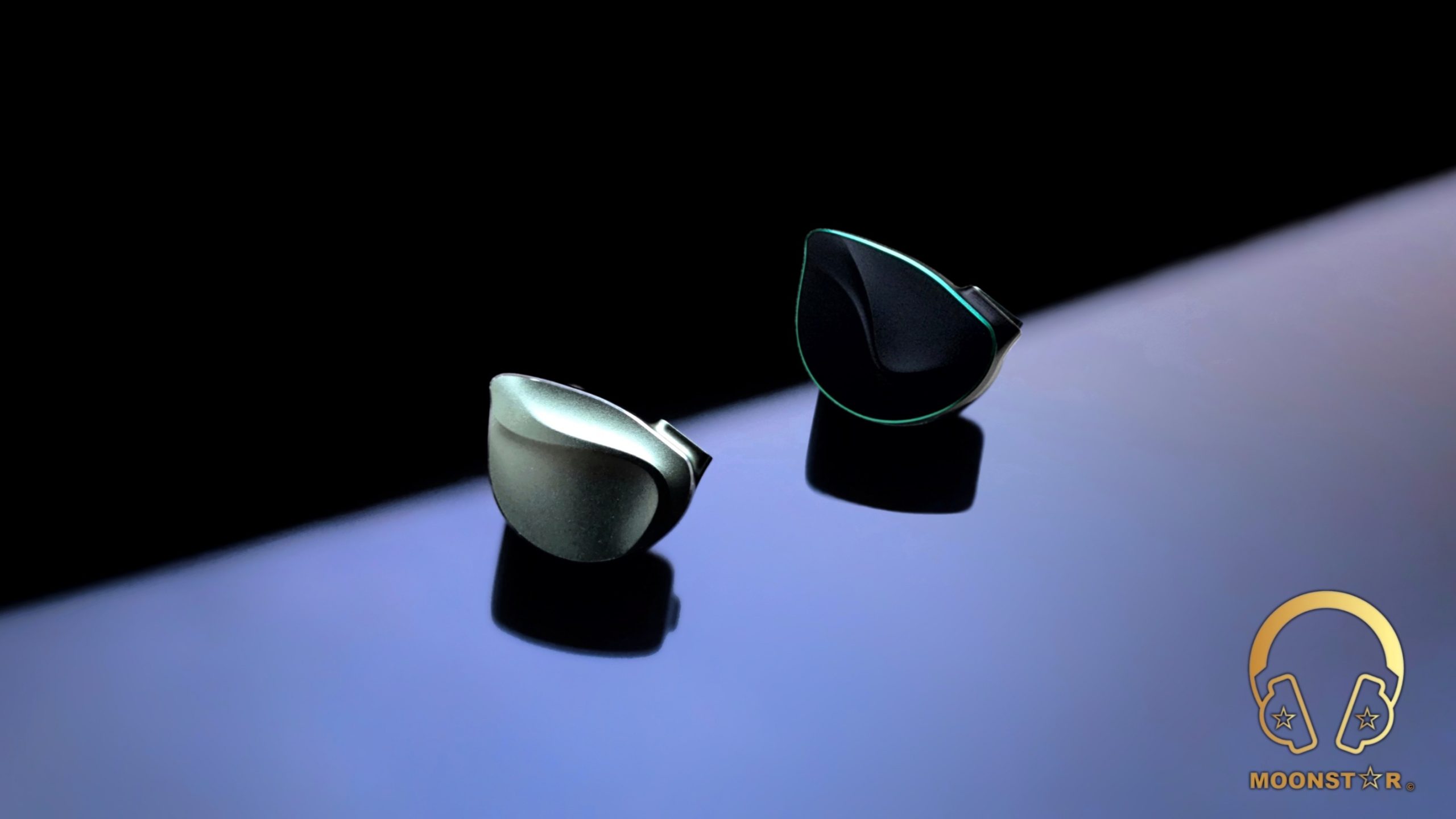
My green review unit has a subtle metallic sheen with metallic silver edges, offering a clean and premium look. The grey version features rose gold edges, but the green keeps it sleek and understated. The faceplates sport a wave pattern that adds a touch of elegance and motion. At just 6.1 grams per monitor, the compact metal build feels durable yet light.

Compared to the original Winter, the Winter II fits the ear canal better, boosting comfort and bone conduction efficiency. The dual-cavity driver is slimmer, and the optimized bone conduction bracket makes it easy to wear for hours.
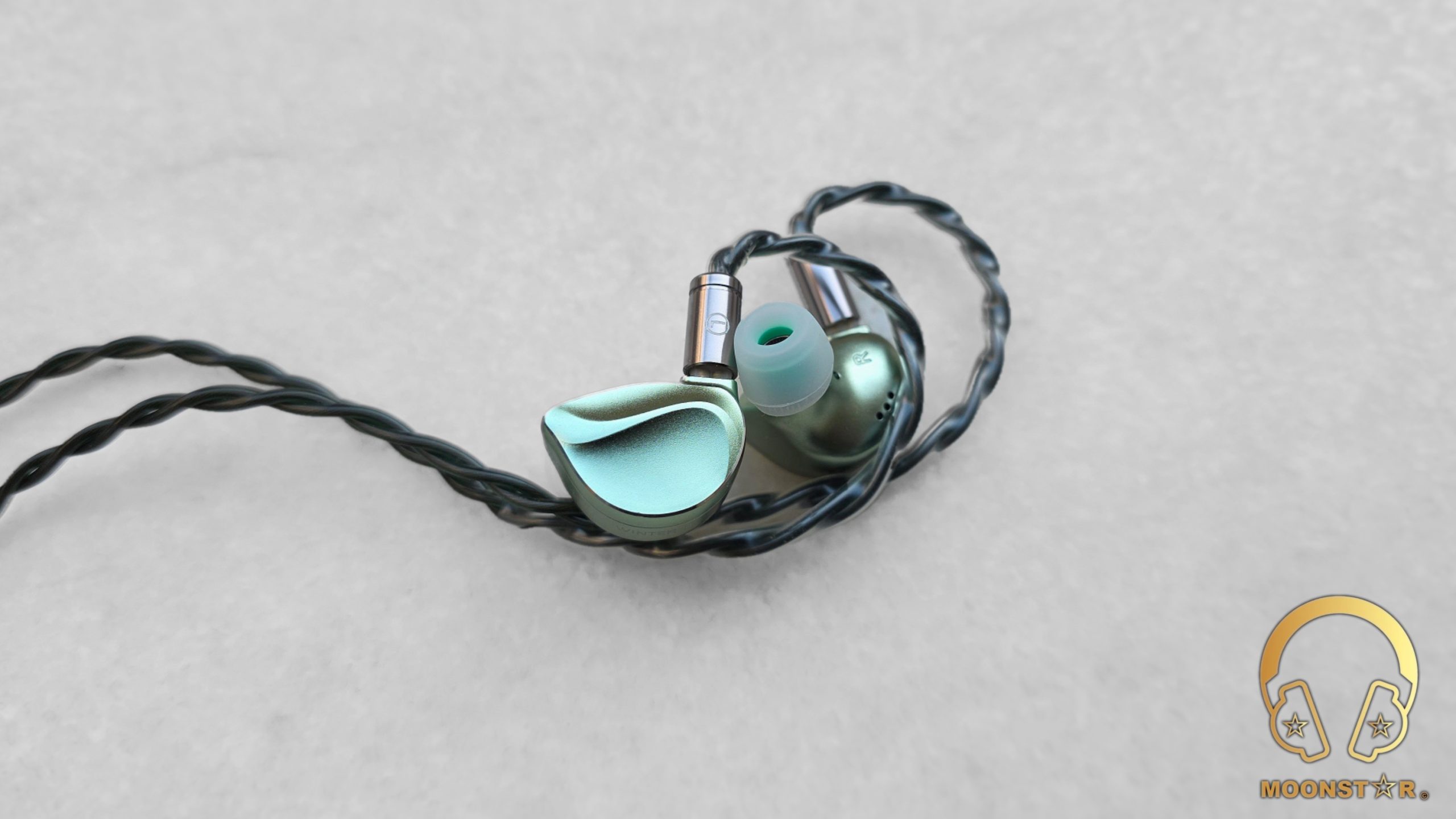
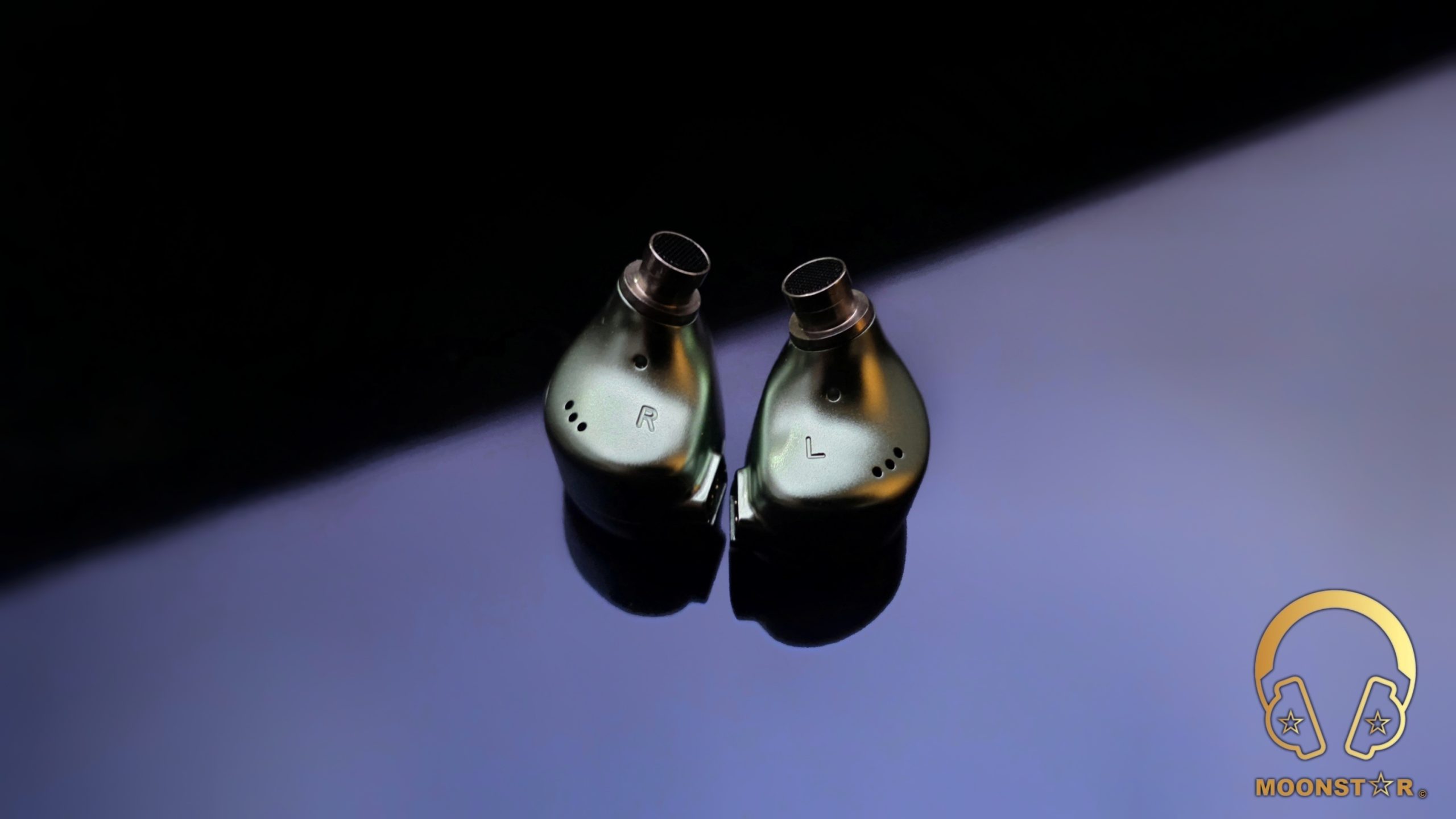
The metal nozzle has a protective black metal mesh to keep debris out. Vents include a round one near the nozzle, three by the edge, and a slot near the 2-pin connector.

They include a pressure relief system to ease ear canal pressure. This setup improves comfort and airflow for better sound. Clear left and right markings are etched inside for quick ID, and the 0.78mm 2-pin connectors hold up well with frequent swaps.

The Winter II comes equipped with a hand-woven single-crystal copper cable, chosen for its soft texture and pure transmission quality.Its Litz T2 construction splits high-purity copper into insulated strands to dodge high-frequency skin effects, ensuring efficient signal flow. The ultra-pure copper and precise winding reduce resistance and heat, boosting clarity. The cable is designed with an interchangeable headphone plug system, providing both 3.5mm Single-Ended and 4.4mm Balanced terminations. The construction includes a braided exterior and all-metal hardware.
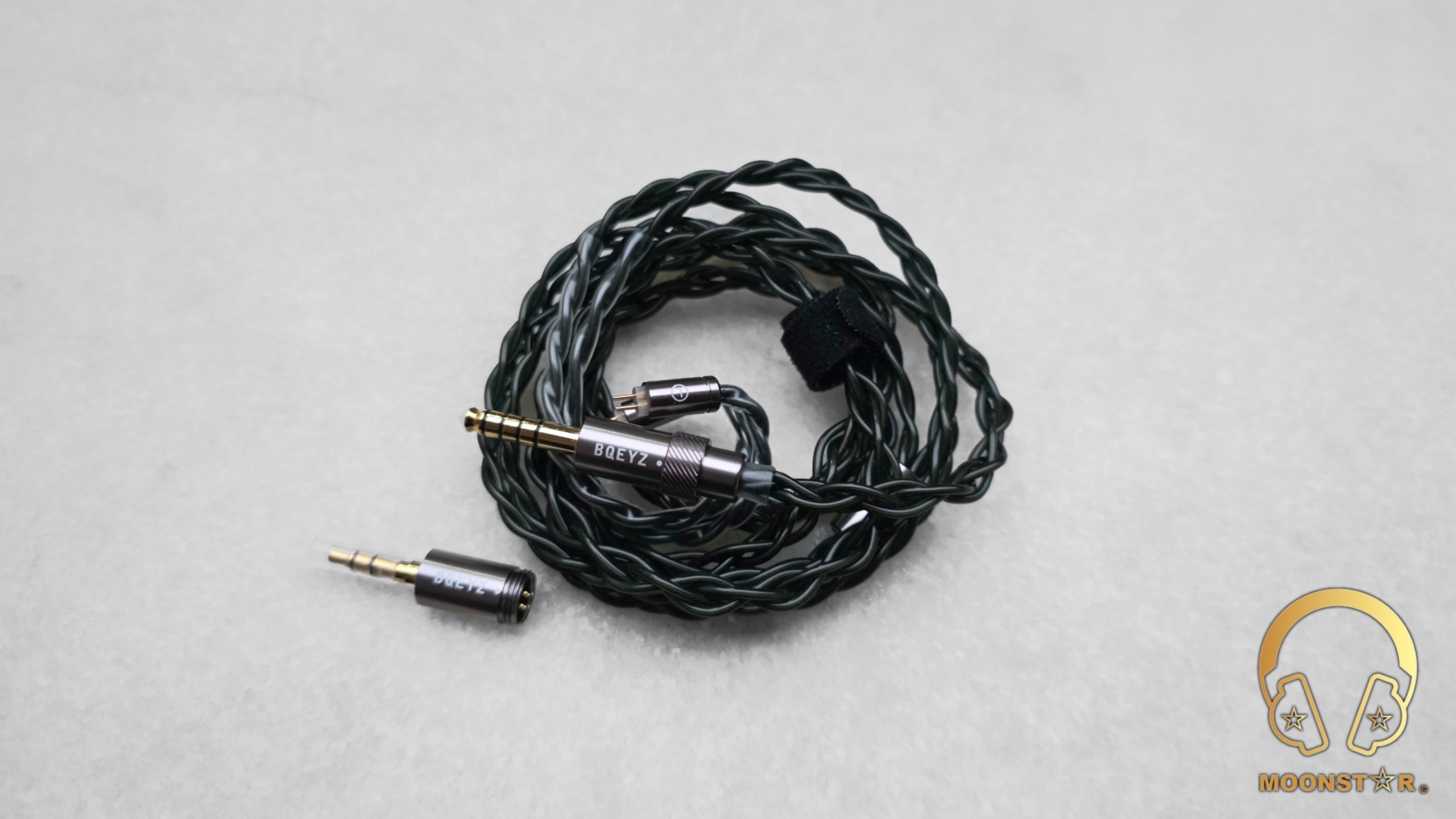
Overall, the Winter II combines robust engineering with aesthetic design, offering a durable, comfortable In-Ear Monitor.
Driver Technology:
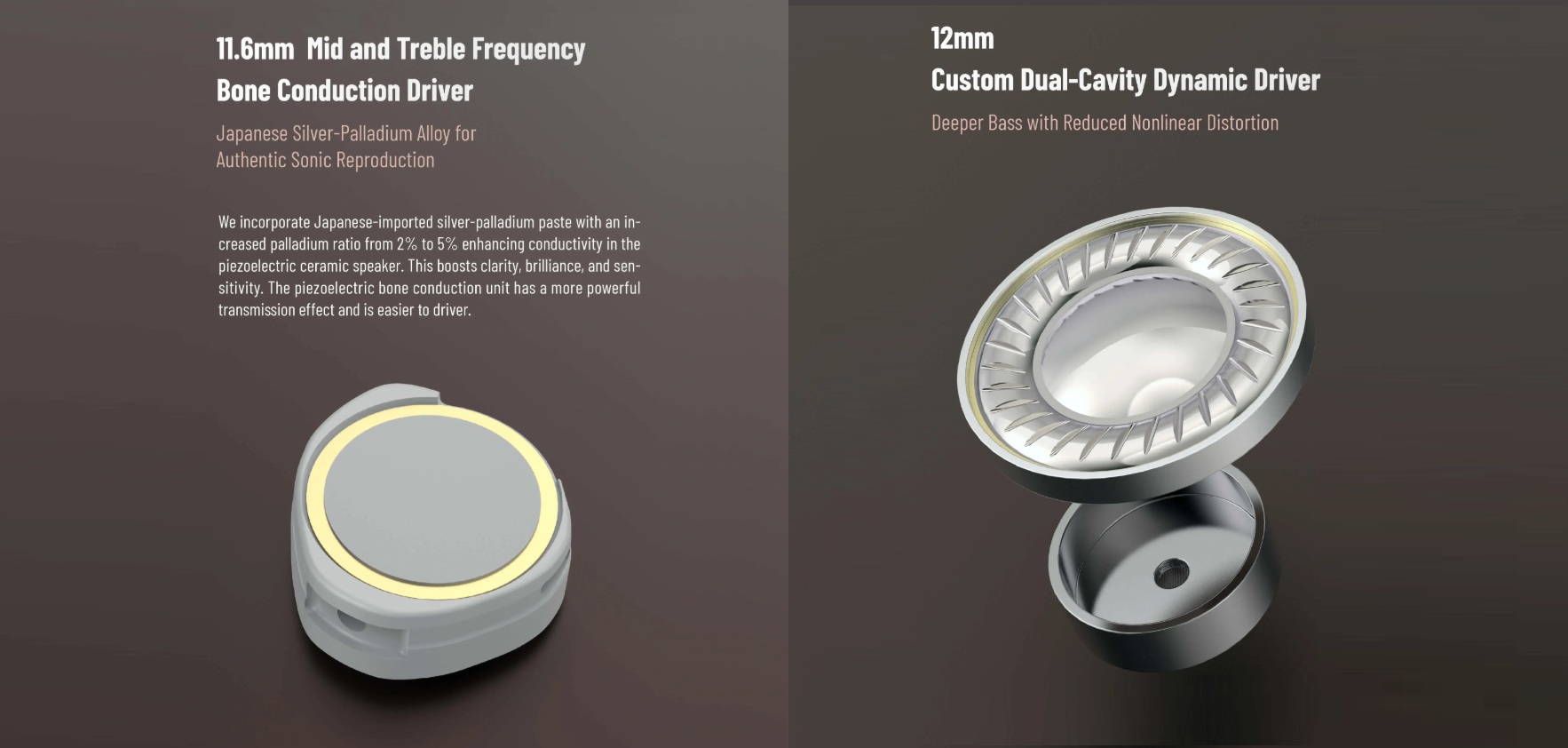
The Winter II has a hybrid driver setup. The heart of it is a 12mm Dual-Cavity Dynamic Driver, built to dig deep into bass while keeping distortion low. It uses a tuned magnetic circuit with neodymium motors for better flux density, upping efficiency and linearity. Paired with a high-power DCCA (Daikoku copper-clad aluminum) voice coil, it handles current changes smoothly in a strong magnetic field, sharpening mid-to-high frequency separation and resolution. Fine-tuning the circuit extends low-end reach without bulking up the design, leading to faster response, tighter control, and a livelier sound.
The dynamic driver teams up with an 11.6mm Mid and Treble Frequency Bone Conduction Driver, made with Japanese silver-palladium alloy for true-to-life sound. It includes Japanese-imported paste with a palladium ratio bumped from 2% to 5%, improving conductivity in the piezoelectric ceramic speaker for clearer, brighter, and more sensitive output. The piezoelectric bone conduction unit delivers stronger transmission and easier drivability. Using PZT tech, it vibrates the housing to send mechanical energy directly, while the rigid aluminum shell raises resonance frequency and lowers amplitude, cutting unwanted vibrations for purer, quieter sound.
The upgraded housing refines comfort, and the precision-machined aluminum shell maximizes bone conduction. This combo widens dynamic range and amps up impact, making the Winter II a tech-forward IEM with polished audio quality.
Fit, Comfort & Passive Isolation:
The Winter II has a semi-custom ergonomic shape that fits snugly and feels good, even during long sessions. Its lightweight build, paired with a pressure relief system, keeps discomfort and fatigue at bay, perfect for all-day wear. The stock “Reference” silicone ear tips seal well, boosting both comfort and sound.
Passive noise isolation works well in moderately noisy spots like public transport, but it struggles a bit in louder places like concerts due to the vented design. Still, the comfort factor makes it a solid pick for daily use or deep listening.
Pairing & Drivability:
Featuring a 40Ω impedance and 113dB sensitivity, the Winter II presents a manageable load, ensuring high drive efficiency. However, optimal performance is achieved when paired with a quality amplifier. My evaluation included pairings with the ONYX Beta XI2 DAC and the FiiO M21 DAP, using the standard “Reference” ear tips and the interchangeable cable.
Both source components yielded a consistently clean and dynamic acoustic signature, confirming its broad compatibility across portable and desktop ecosystems. The headphone’s notable ability to improve with higher-tier source gear highlights its value for discerning listeners prioritizing sound quality progression.

Technical Specifications:
- Model: Winter II
- Driver: 12mm Dual-Cavity Dynamic Driver + 11.6mm PZT Bone Conduction Driver
- Frequency Range: 5 Hz – 40 kHz
- Impedance: 40Ω
- Sensitivity: 113dB
- Connector:78mm 2-Pin
- Cable Specs: 4-core Single-Crystal Coaxial Copper wire
- Cable Length: 1.2m
- Plug Type: Modular 3.5mm & 4.4mm
- Weight:1g per monitor
Equipment’s used for this review:
- IEMs: BQEYZ Winter II, BQEYZ Winter, HIDIZS MS5
- Sources: ONYX Beta XI2 DAC, FiiO M21 DAP
- Ear Tips: Stock “Reference” Silicone Ear Tips
- Cable: Stock 4-core Single-Crystal Coaxial Copper Cable
Albums & Tracks Used for this Review:
Vocal Jazz / Smooth Jazz
- Norah Jones – Come Away With Me (Flac 24bit/96kHz)
- Diana Krall – So Wonderful (DSF)
- Barry White – Just The Way You Are (Flac 24bit/48kHz)
- Isaac Hayes – Walk On By (Flac 16bit/44.1kHz)
- Sting – Englishman in New York (Flac 24bit/48kHz)
- Otto Liebert & Luna Negra – The River (Flac 24bit/192kHz)
- Ferit Odman – Look, Stop & Listen (Flac 24bit/192kHz)
- Charly Antolini – Duwadjuwandadu (Flac 24bit/192kHz)
Soul / R&B
- Aretha Franklin – I Say A Little Prayer (Flac 24bit/96kHz)
- Adele – My Little Love (Apple Lossless)
- George Michael – Don’t Let the Sun Go Down on Me (Flac 24bit/192kHz)
- Eric Clapton – Wonderful Tonight (Flac 24bit/96kHz)
Pop / Rock Classics
- Michael Jackson – Billie Jean (Flac 24bit/96kHz)
- Elton John – Rocket Man (Flac 24bit/96kHz)
- David Bowie – Heroes (Flac 24bit/192kHz)
- U2 – Sunday Bloody Sunday (Flac 16bit/44.1kHz)
- Lorde – Royals (Flac 24bit/48kHz)
- Dave Gahan – Kingdom (Apple Lossless)
Electronic / Experimental
- Daft Punk – Instant Crush (Flac 24bit/96kHz)
- Daft Punk – Doin’ it Right (Flac 24bit/96kHz)
- Bro Safari, UFO! – Drama (Apple Lossless)
- Armin Van Buuren – Vini Vici (Flac 16bit/44.1kHz)
- Yosi Horikawa – Bubbles (Apple Lossless)
- Toutant – Rebirth (Apple Lossless)
Alternative / Indie / Art Rock
- Radiohead – Live in Berlin “Album” (Apple Lossless)
- Radiohead – Pyramid Song (Apple Lossless)
- Muse – Hysteria (Flac 24bit/96kHz)
- Red Hot Chili Peppers – Nobody Weird Like Me (Flac 24bit/48kHz)
- Lunatic Soul – The Passage (Flac 16bit/44.1kHz)
- Portishead – It Could Be Sweet (Apple Lossless)
- Gogo Penguin – Raven (Flac 24bit/192kHz)
- Gogo Penguin – Murmuration (Flac 24bit/192kHz)
- Massive Attack – Angel (Flac 24bit/48kHz)
- Bear McCreary – Valkyries (Apple Lossless)
Classical / Orchestral
- Max Richter – On the Nature of Daylight (Flac 24bit/96kHz)
- Chopin – Nocturne No. 20 in C-Sharp Minor (Flac 16bit/44.1kHz)
- Clair de Lune – Claude Debussy (Apple Lossless)
- Tchaikovsky – Symphony No. 5 (Flac 16bit/44.1kHz)
- Vivaldi – Le Quattro Stagioni “The Four Seasons” (Apple Lossless)
- Fazıl Say – Nazım Oratoryosu (Live) (Flac 16bit/44.1kHz)
Jazz / Instrumental
- Miles Davis – So What (Apple Lossless)
World / Traditional
- Sertap Erener – Aşk (Flac 16bit/44.1kHz)
- Edith Piaf – Non Je Ne Regrette Rien (Flac 16bit/44.1kHz)
Metal / Progressive Rock
- Metallica – Dyers Eve (Flac 24bit/96kHz)
- Metallica – Sad but True (Flac 24bit/96kHz)
- Megadeth – Sweating Bullets (Apple Lossless)
- Opeth – Windowpane (Flac 16bit/44.1kHz)
- Deftones – My Own Summer (Shove It) (Flac 16bit/44.1kHz)
- Rush – Tom Sawyer (Flac 16bit/44.1kHz)
- Slayer – Angel of Death (Apple Lossless)
The Sound:
The BQEYZ Winter II delivers a balanced sound signature with a neutral base and a hint of treble lift that brings out clarity and vibrancy. Its hybrid setup, a 12mm Dual-Cavity Dynamic Driver and an 11.6mm PZT Bone Conduction Driver, creates a cohesive, dynamic listen across all kinds of genres. After about 80 hours of burn-in, the treble smooths out and the bass tightens up, showing off its potential. I tested it with the stock “Reference” tips and modular cable, paired with the ONYX Beta XI2 DAC and FiiO M21 DAP, keeping settings default without any EQ tweaks.
The sound feels engaging yet refined, with a natural vibe and a sprinkle of sparkle that doesn’t tire you out. It handles complex tracks with clear detail and precision, which is why I find myself recommending it frequently to audiophiles. The bone conduction driver adds a unique edge to the treble, while the dynamic driver lays down a solid base for bass and mids, giving you a lively yet controlled experience. It shines with orchestral layers or rock and electronic beats, delivering a polished, immersive feel. That said, no IEM is flawless, and there are trade-offs, which I’ll cover in the details below.
Bass:
The BQEYZ Winter II’s bass sounds articulated, controlled, and well-integrated, offering good sense of balance between neutrality and impact that works for a wide range of music generes. The 12mm Dual-Cavity Dynamic Driver shows a tight, precise low-end that holds up across genres like jazz, rock, and electronic. The subbass delivers a deep, resonant rumble that adds weight to electronic beats, keeping the mix clear without drowning it out, a clear win from its smart design. It offers a smooth extension that gives you a visceral kick, though it might not hit the deep, booming levels some bass heads crave.
The midbass brings a natural, detailed punch, with the bass guitar driving hard and each note standing out, even in busy tracks. The kick drum hits with speed and clarity, adding a crisp rhythm, while complex basslines flow effortlessly, staying separate in crowded passages. It doesn’t go overboard, focusing on precision and control, which suits jazz and rock where clarity matters most. A touch of warmth in the lower mids adds richness to the texture without muddying details. This balanced low-end is a highlight, though it can feel a bit light for those who love bass-heavy tunes, showing it’s not perfect for every taste.
Midrange:
The Winter II’s midrange is transparent, slightly forward, and warmed up just enough to bring out vocal and instrumental realism, making it a real treat for close listening. Female vocals come through with emotional depth, catching every nuance of a breathy delivery, while male vocals get a nice boost from the lower mids’ fullness, giving the voice and acoustic guitar a rich, natural tone. It’s the kind of sound that pulls you in, especially on vocal tracks.
Instrumentals really shine here, with piano chords and string plucks coming through crisp and distinct, letting each element breathe. Electric guitar riffs cut clean, and backing vocals hold their harmonic depth, building a layered soundstage.
The upper mids have a slight lift that livens up flutes and mandolins without turning harsh, which is great for long listens. It picks up fine details like finger snaps or guitar decay, keeping things cohesive and versatile for vocals or instrumentals. That said, vocals can sometimes take a back seat to the treble, a small flaw that reminds us even this standout has room to grow.

Treble:
The treble, powered by the 11.6mm PZT Bone Conduction Driver, is a big plus for the Winter II, offering crisp detail and a gentle forward push that lifts clarity without getting bright, a clever balance from its tech. Cymbals and hi-hats shimmer with natural sparkle, their decay staying clean and controlled, which keeps the rhythm tight. Drum fills hold up even in dense mixes, and the slight treble boost adds airiness that opens up the sound. Violin harmonics feel delicate yet clear, showing off the driver’s high-frequency skill, though the upper treble pulls back a bit, missing the extra zing some want in classical or metal.
This tuning keeps fatigue at bay, perfect for long sessions, with smooth, detailed high notes that stay true. Cymbal work has a refined shimmer without sharpness, and the bone conduction driver sharpens treble resolution, making piano notes crisp and defined. But there’s a roll-off in the upper treble that might leave sparkle lovers wanting more, especially in genres needing extended highs. It’s a minor hiccup, proving that while the Winter II is impressive, it doesn’t nail every aspect for everyone.

Soundstage & Imaging:
The Winter II offers a spacious, airy soundstage with excellent width and depth, creating an immersive experience. Instrument separation is good, with clear positioning for piano and double bass, boosting dynamics. String sections layer naturally, adding a sense of space ideal for orchestral works. The bone conduction driver subtly enhances the 3D presentation, especially for violins and cellos. Imaging is spot on, placing vocals centrally and separating lead instruments clearly. Accurate panning ensures precise guitar riffs and drum fills. Though not holographic like top tier IEMs, the imaging is reliable, managing complex tracks with clear separation. This airy characteristic makes it a fun listen for jazz, classical, and prog rock.
Comparisons:
BQEYZ Winter II vs. Hidizs MS5:
The Winter II leans toward a neutral sound with a touch of treble lift, while the Hidizs MS5 goes for a warmer, U-shaped profile with punched-up bass and treble and a laid-back midrange. The Winter II’s bass is tighter and more controlled, with balanced subbass and midbass that favor precision over power. The MS5 delivers a fuller, punchier bass with quicker dynamics and rumble, but it can get a bit boomy next to the Winter II’s cleaner low-end.
The Winter II’s midrange is transparent and slightly forward with natural warmth, keeping vocals and instruments real without extra color. The MS5’s mids are leaner and pulled back, with a smooth but somewhat unnatural and nasal tone that focuses on cohesion over presence, which might not appeal to those seeking a natural vocal presentation compared to the Winter II.
Treble-wise, the Winter II’s bone conduction driver gives crisp, detailed highs with good air, though it holds back a bit up top to avoid fatigue. The MS5 cranks the treble with energy and sparkle, but it can turn messy or harsh, especially in the highs, where the Winter II stays smoother and steadier.
The Winter II’s soundstage is wider and airier, great for complex tracks, while the MS5 feels more intimate with similar depth but less width. Imaging is precise in the Winter II with clear separation, while the MS5 is cohesive but less open. The Winter II edges out on tech, though the MS5’s warmer tone might click for bass and treble fans.
BQEYZ Winter II vs. Winter (First Gen):
The Winter II builds on the Winter (First Gen) with some clear upgrades across the board. The Winter has a brighter, more neutral sound with leaner macro dynamics but sharper micro details. Its bass is more textured and lean, less punchy with thinner weight, offering a clean attack and release. The subbass is less thick, less rumbly, and more rolled off, with a drier, less warm timbre, and the kick and bass line sit smaller and recessed.
The Winter’s mids are sharper and brighter, with upper mids boosting presence to a shouty, potentially tiring level. Note weight is lighter across piano, violin, and vocals, with a compressed mid-stage that’s cleaner but colder and more textured. The attack bites harder on violin, sax, and guitar, and vocals can get sibilant, feeling less layered and flatter dynamically.
The Winter (First Gen)’s highs are crisper, more detailed, extended, and sparkly, with percussions staying clear and air around instruments feeling transparent. The Winter II is darker and less resolved overall. Its soundstage is wider and taller with deeper space, while the Winter feels more compressed and centered. Imaging is slightly better with the Winter, suiting monitor use.
The Winter II feels more musical, mid-focused, and smoother with bassier punch, though its treble extension and resolution lag behind. The Winter stays technical, leaner, and neutral with less dynamic pop. The price jump makes you wonder if the tech boost fully justifies it, as the Winter II shifts toward a lush, punchy tone.
Conclusion:
The BQEYZ Winter II is a seriously impressive IEM that mixes innovative tech with a polished sound, and I find myself recommending it frequently to audiophiles. The hybrid driver setup delivers a balanced, slightly treble-leaning sound that handles everything from jazz and classical to rock and electronic with ease. The lightweight CNC aluminum build and handy modular cable add practicality and style. The smooth, detailed sound keeps fatigue away, though the upper treble could use a bit more sparkle, and the bass might not satisfy bass lovers. The vented design also means isolation isn’t top-notch. Still, it’s comfy, versatile, and a joy to listen to, making it a solid pick in the mid-range for anyone after refinement and fun.
Pros & Cons:
- + Neutral, slightly treble-forward sound with excellent clarity
- + Tight and articulate bass response
- + Transparent and vibrant midrange
- + Crisp, fatigue-free treble with good extension
- + Spacious and airy soundstage with precise imaging
- + Premium CNC aluminum build, lightweight and durable
- + Comfortable fit with pressure relief system
- + Solid modular cable and generous accessories
- – Upper treble slightly restrained, lacking sparkle for some
- – Bass understated for bass-heavy genre enthusiasts
- – Isolation moderate due to vented design
Thank you for the Read!