HiBy Digital M500 x Hatsune Miku Review
HiBy Digital M500 x Hatsune Miku Review
Introduction:
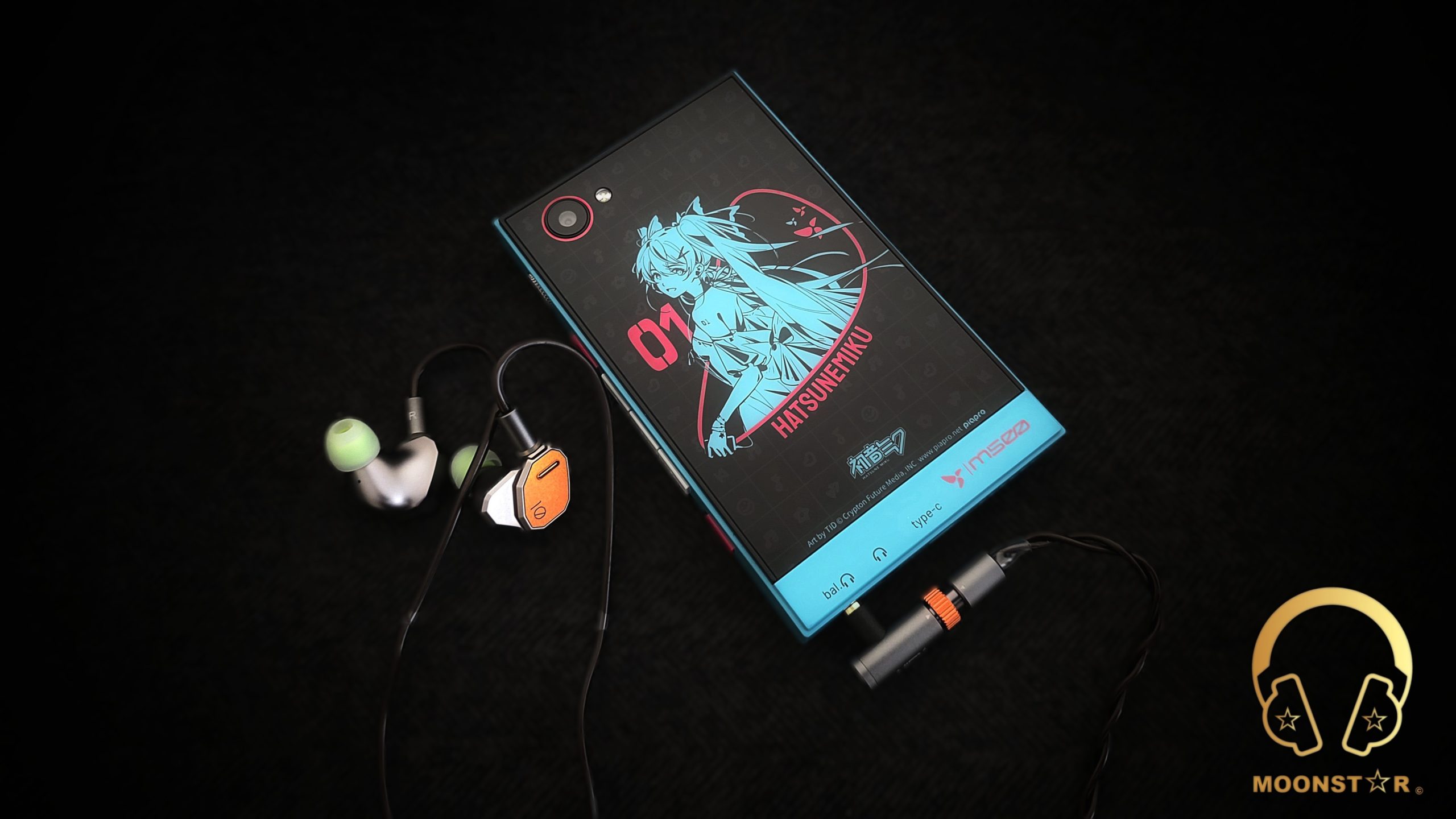
The HiBy Digital M500 Hatsune Miku Edition is a mid‑range digital audio player (DAP) that reflects the continued evolution of HiBy’s lifestyle‑oriented “Digital” sub‑brand. Positioned as a middle‑ground solution, it balances modern software fluidity with the hardware requirements of high‑fidelity audio. In a market often divided between high‑priced flagship players and entry‑level dongles, the M500 aims to deliver a complete standalone multimedia experience. HiBy Music recently introduced its new sub‑brand, HiBy Digital, to cater to the newest generation of listeners, while HiBy Music itself continues to focus on medium‑ to high‑end products. The M500 Hatsune Miku Edition is the second major release under this sub‑brand, designed to set a new standard for theme‑integrated, modern digital audio players. Unlike traditional purist DAPs, the M500 emphasizes entertainment, multimedia versatility, and a deep aesthetic collaboration with the Hatsune Miku franchise, making it a specialized project rather than a simple cosmetic variation. Two versions of the device are available: a 4G LTE model for independent cellular streaming and a WiFi‑only model aimed at users who primarily rely on local libraries or stable networks. Running on a customized Android 14 system and powered by the efficient Snapdragon 680 chipset alongside a Dual Cirrus Logic CS43198 DAC configuration, the M500 delivers a fluid experience with a balanced approach to usability and audio quality.

Disclaimer:
I would like to thank HiBy for providing me the M500 Digital Audio Player. I am not affiliated with HiBy beyond this review and these words reflect my true and unaltered, opinions about the product.
Price & Availability:
As of late 2025, the HiBy Digital M500 x Hatsune Miku Edition is positioned as a competitive mid-range contender. The WiFi version retails for approximately $269 USD, while the 4G version is $299 USD (including the device and all standard themed accessories). For dedicated fans, a Collector’s Bundle is available for $399 USD, which adds a matching pair of YUME x Hatsune Miku IEMs and an exclusive acrylic figurine to provide a complete, theme-matched audio chain. More information’s can be found under the link below;
Package & Accessories:
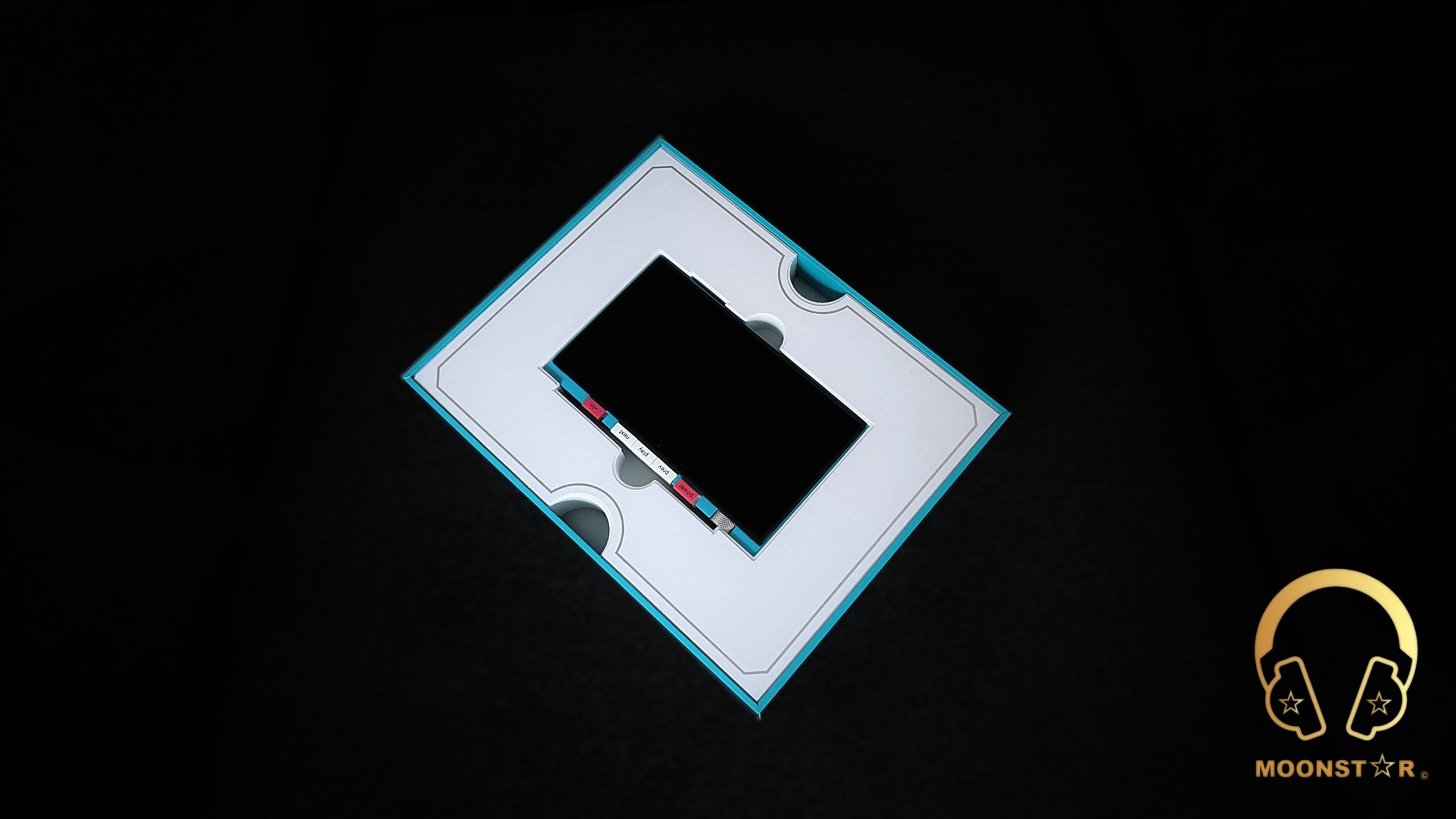
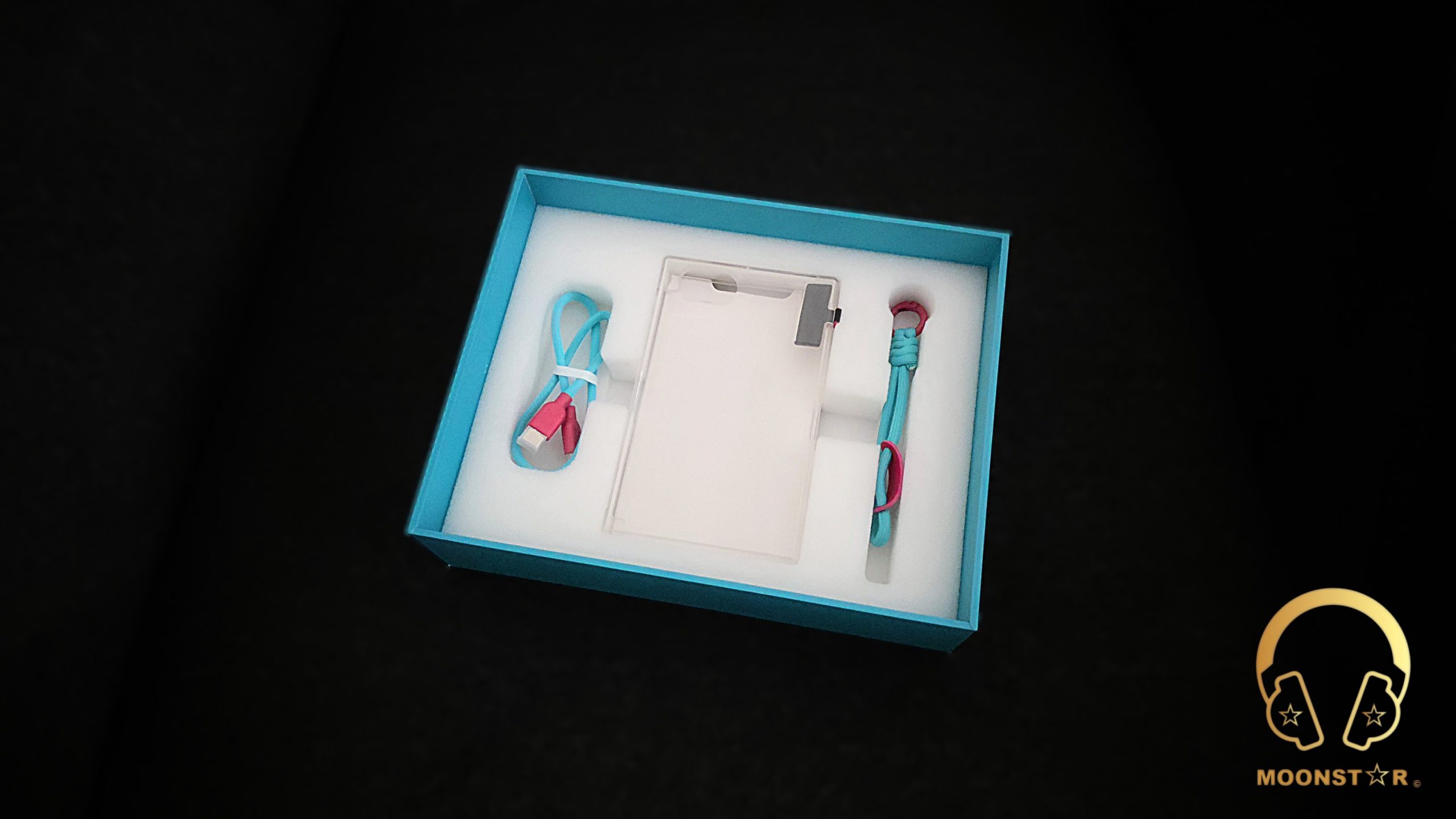
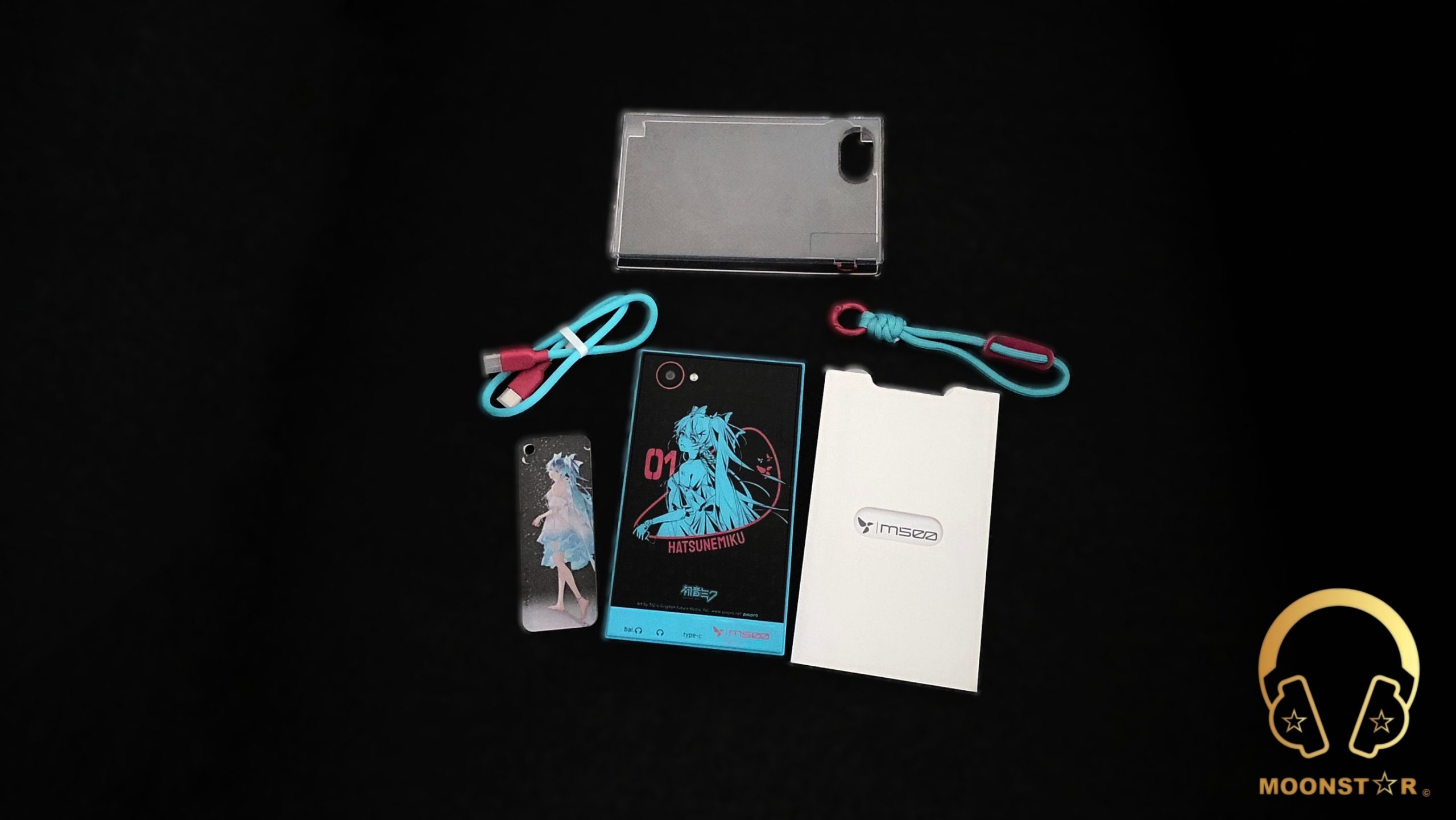
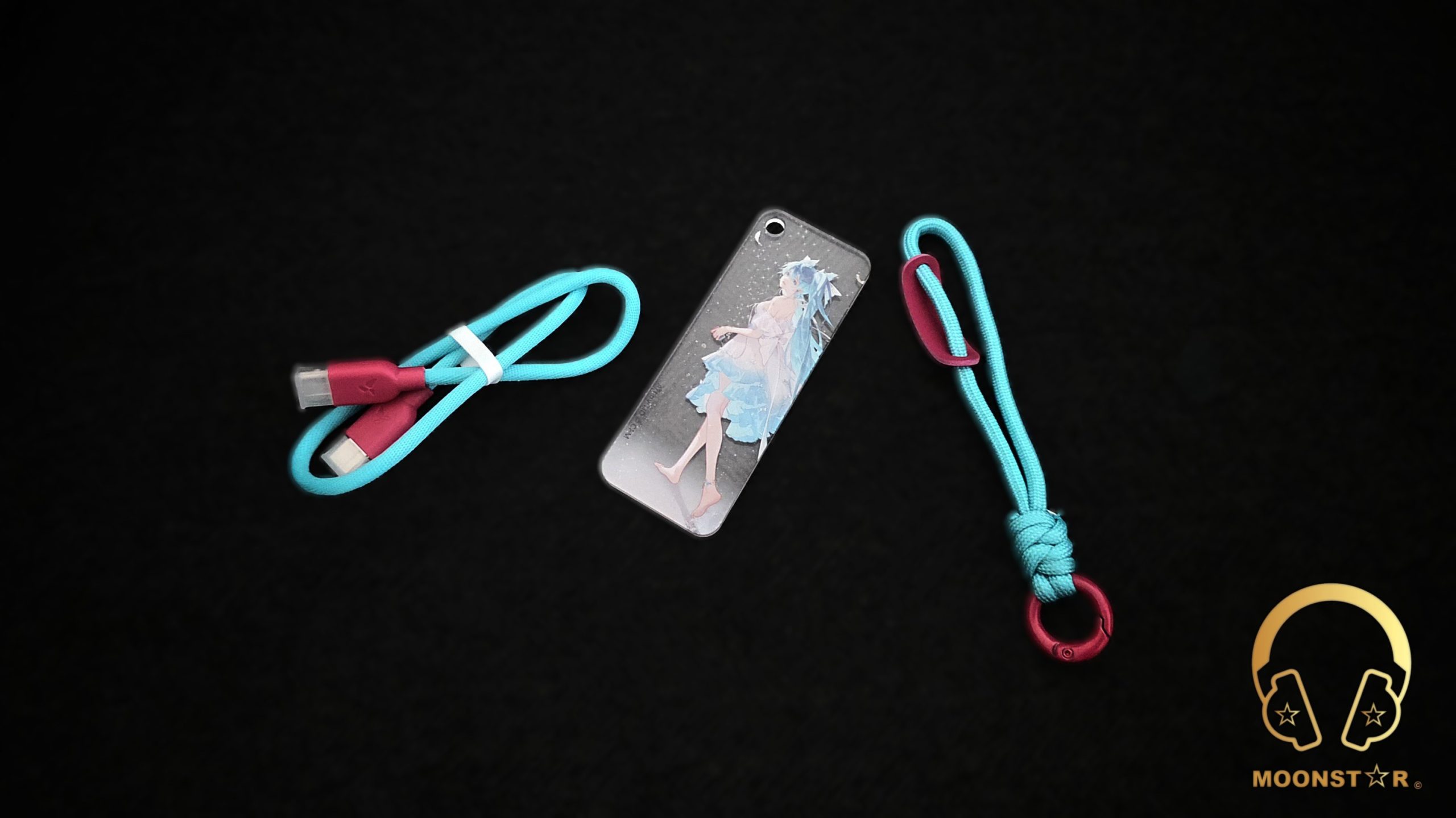
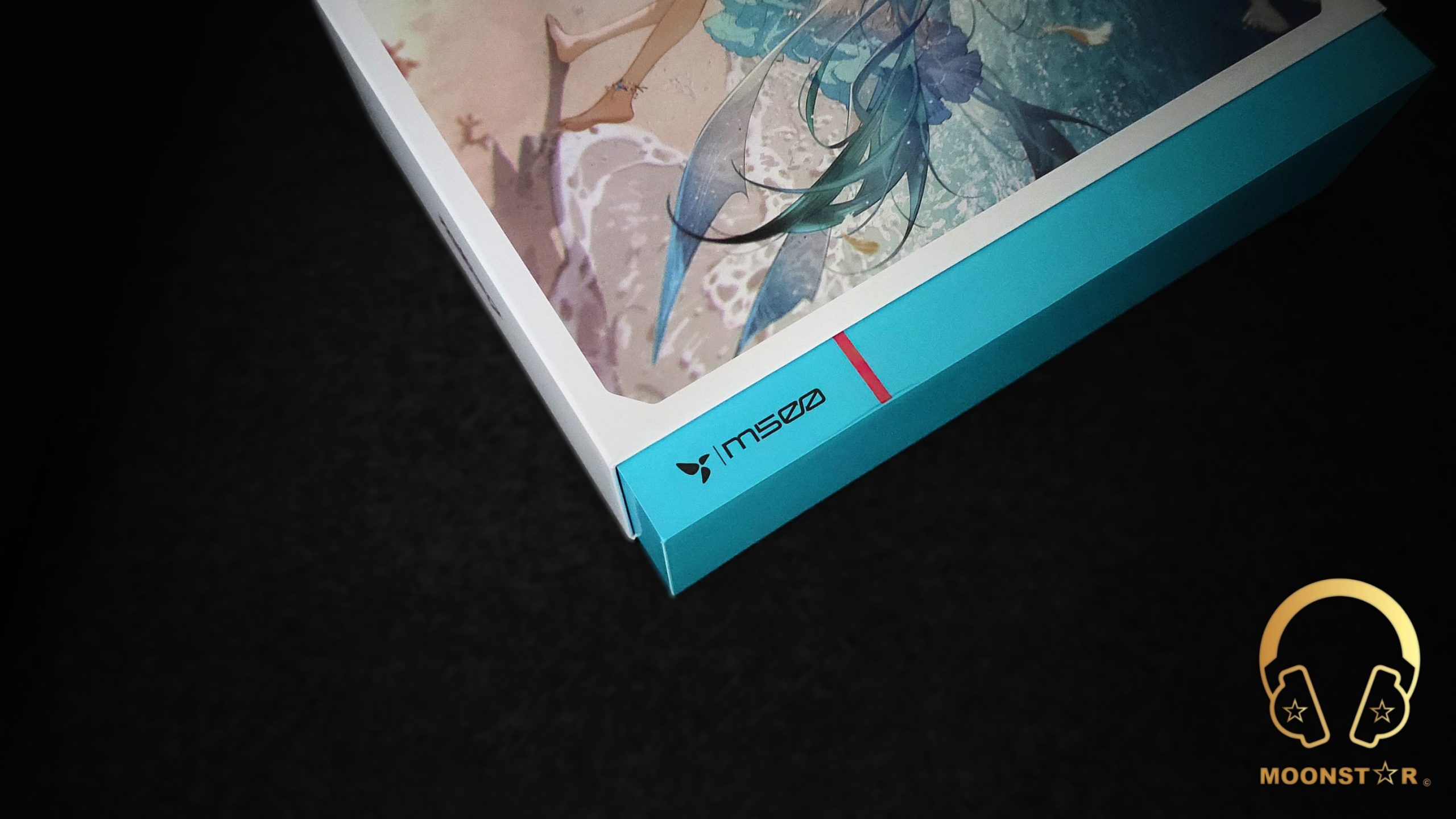
The HiBy Digital M500 comes in a beautifully themed rectangular box featuring high-quality Hatsune Miku artwork. Every component inside the box follows the material and color theme of the collaboration. The package includes the M500 player, a modular USB-C cable wrapped in a custom teal jacket, a high-clarity silicone “Bumper” case, a themed collectible metal badge, a custom lanyard, and the necessary documentation. The inclusion of the modular cable and the high-clarity bumper case are excellent additions, ensuring the intricate artwork on the rear glass remains fully visible while being protected.

- 1 x HiBy Digital M500 Digital Audio Player
- 1 x Modular USB-C cable wrapped in a custom teal, tangle-resistant jacket
- 1 x High-clarity silicone “Bumper” case
- 1 x Themed collectible metal badge
- 1 x Custom lanyard
- 1 x Screen Protector
- 1 x User Manual & Warranty card
Design & Build Quality:
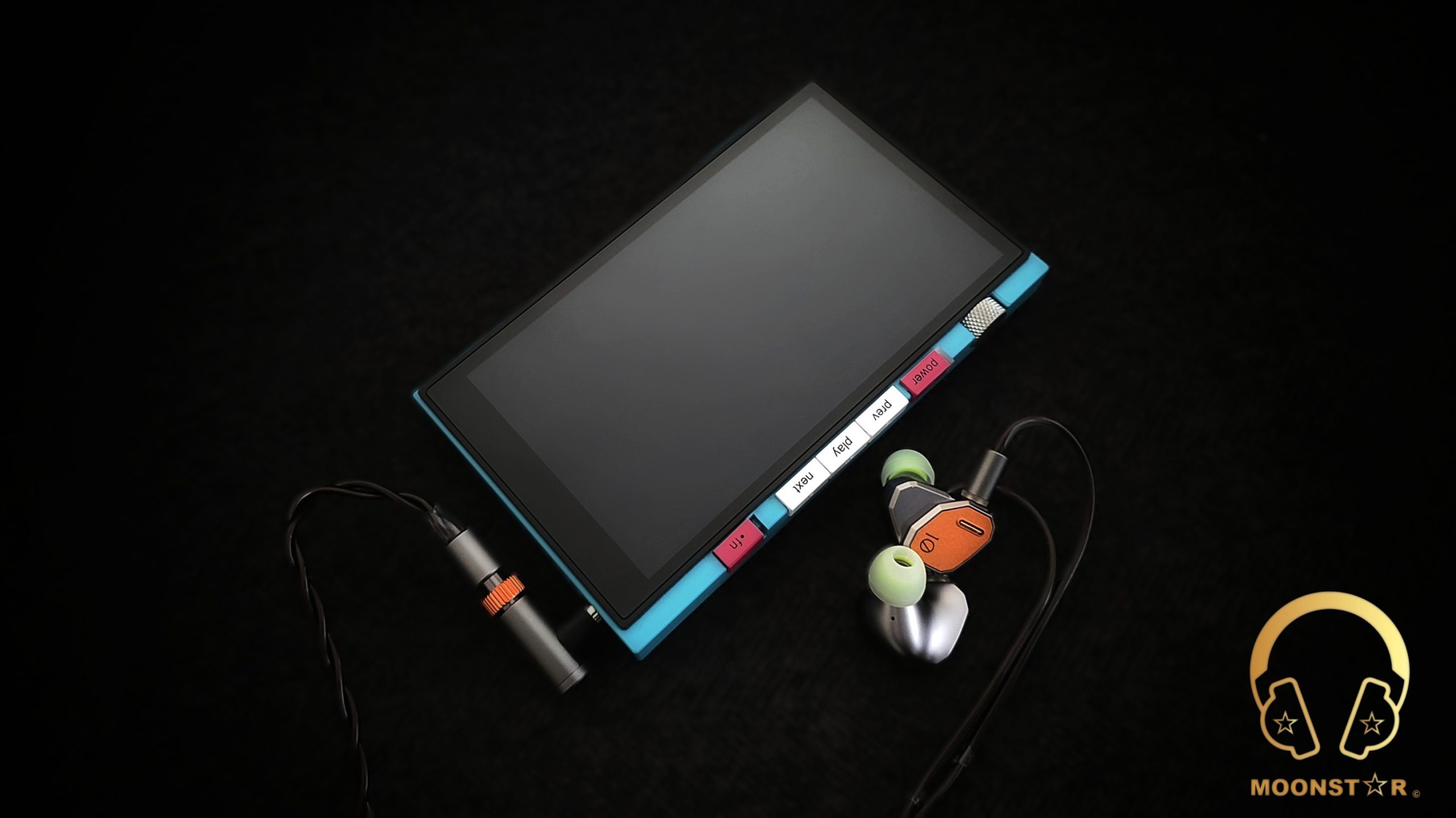
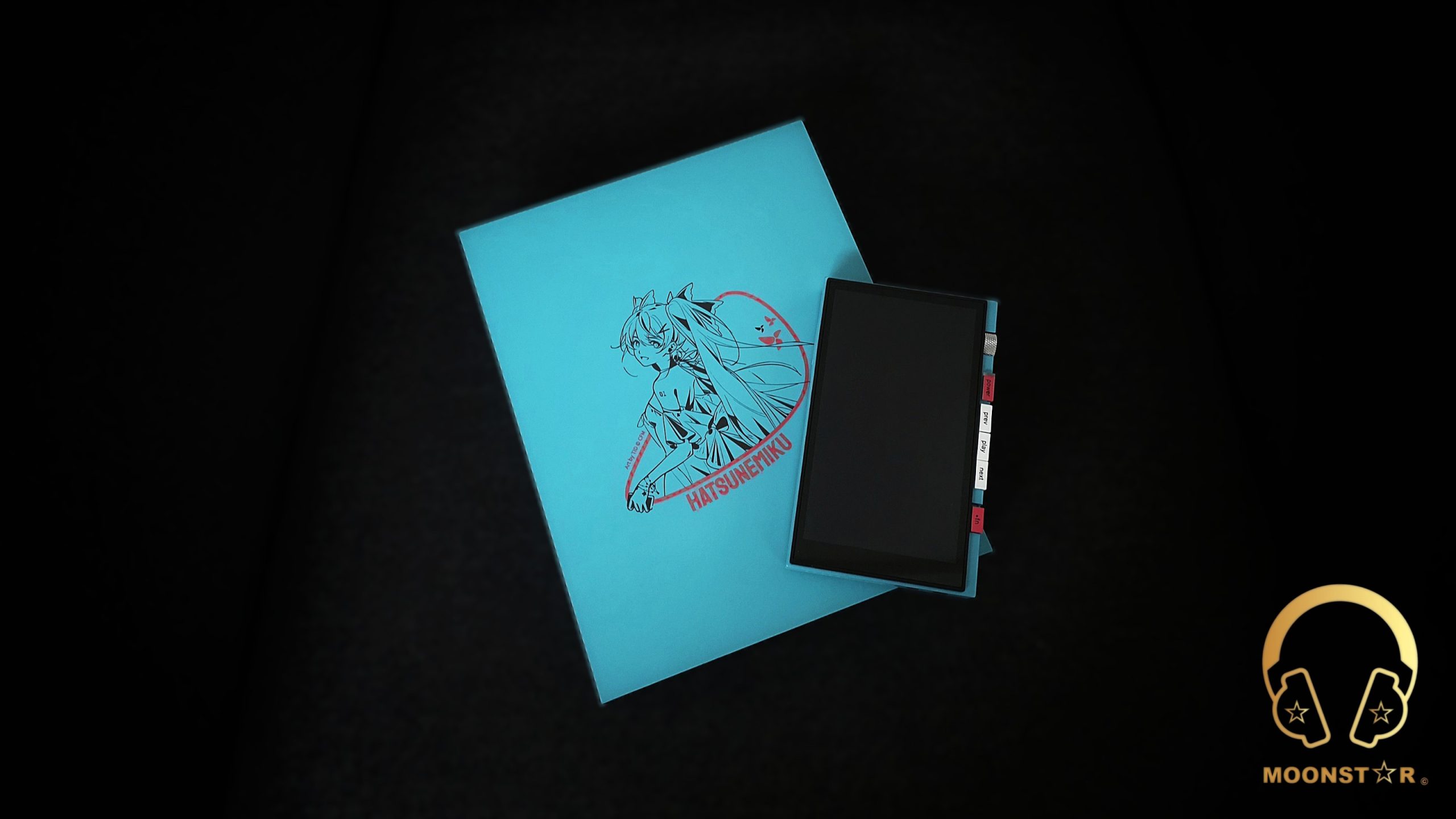
The HiBy Digital M500 is a robust device that feels substantial and premium in the hand, offering a significant step up in tactile quality compared to entry-level players. The main chassis is crafted from a polycarbonate material in a matte turquoise blue, matching Hatsune Miku’s signature teal. Its aesthetics are a deliberate nod to the “cassette player” era, characterized by bold lines and highly tactile physical controls.
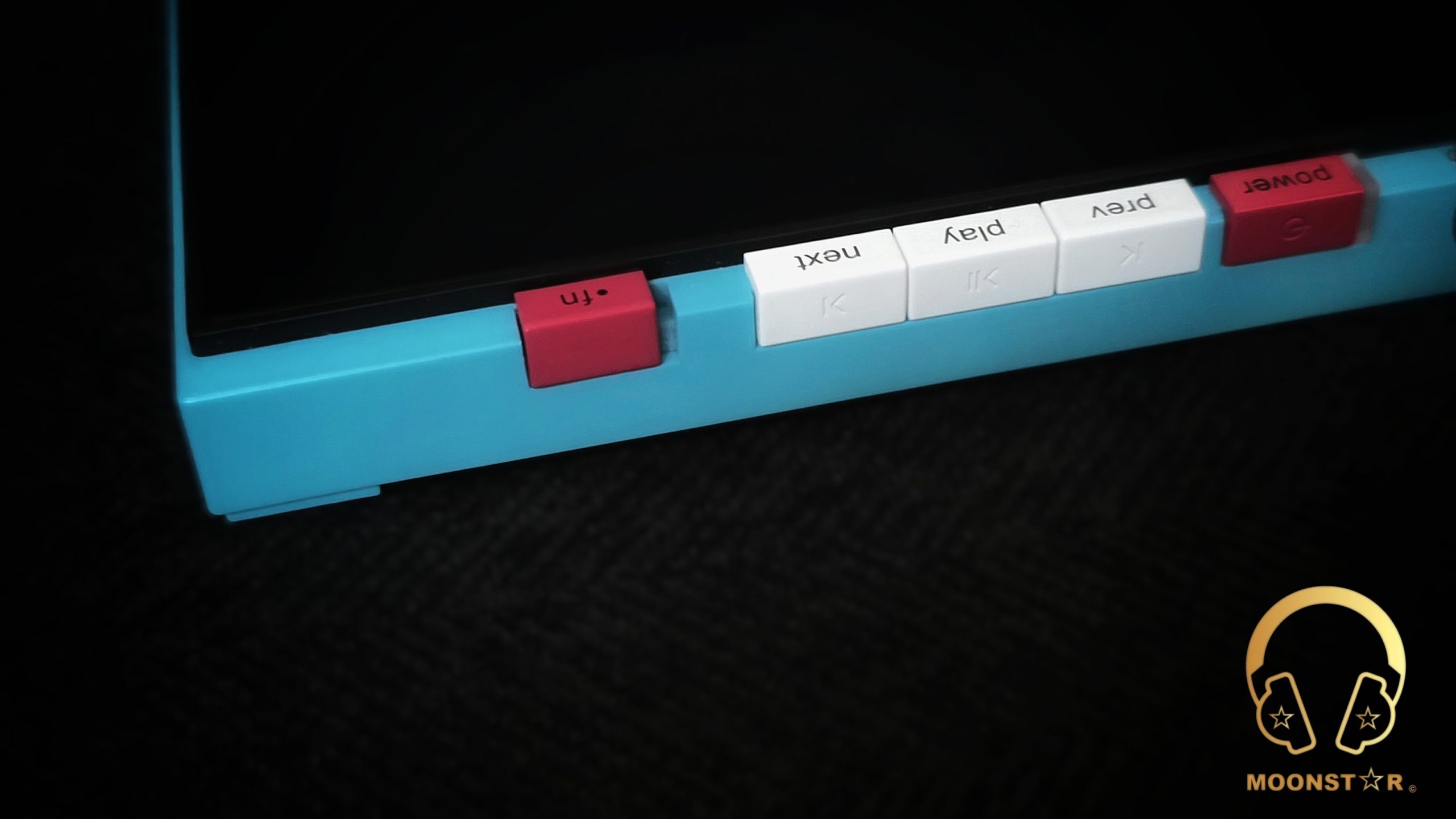
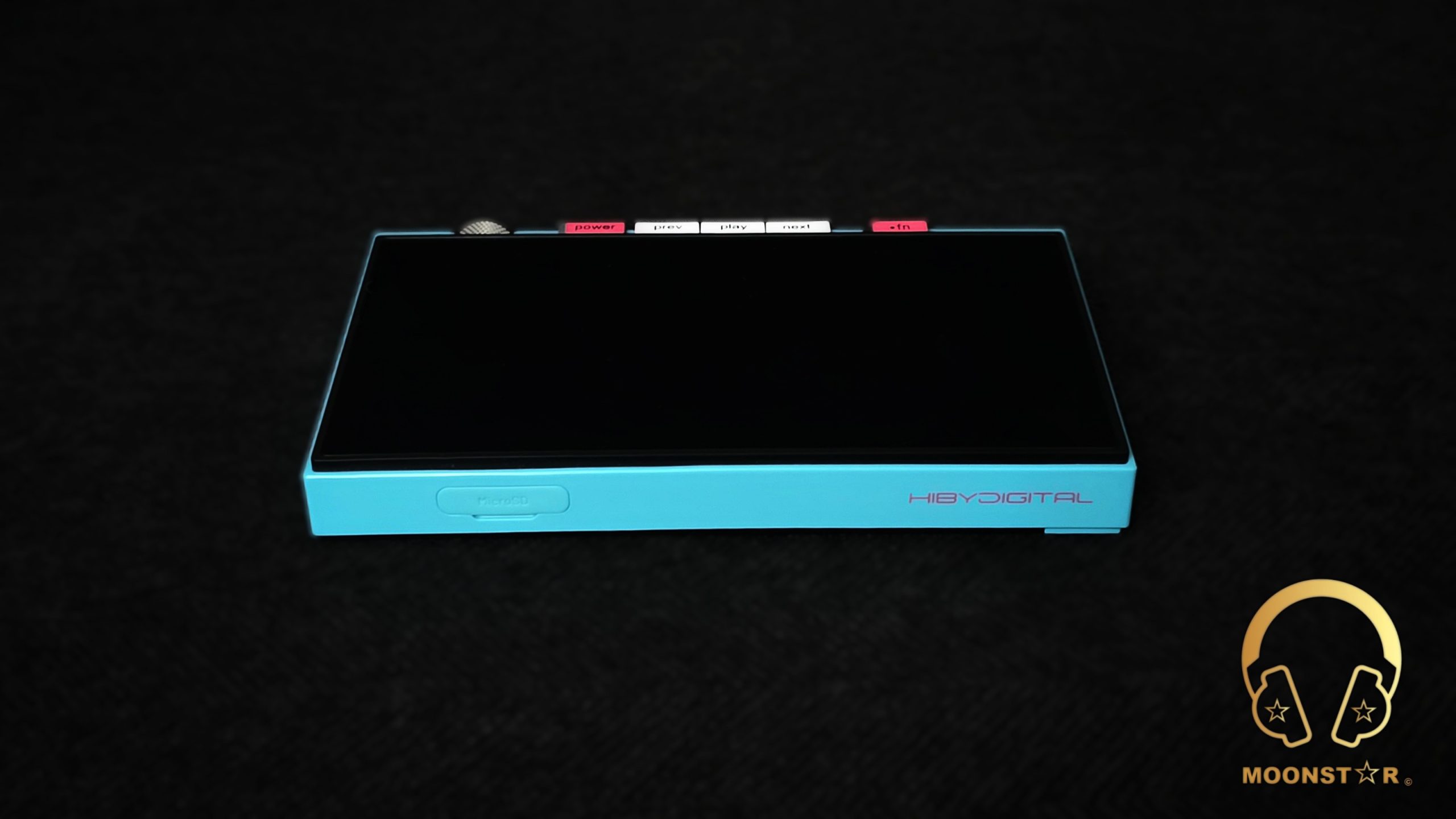
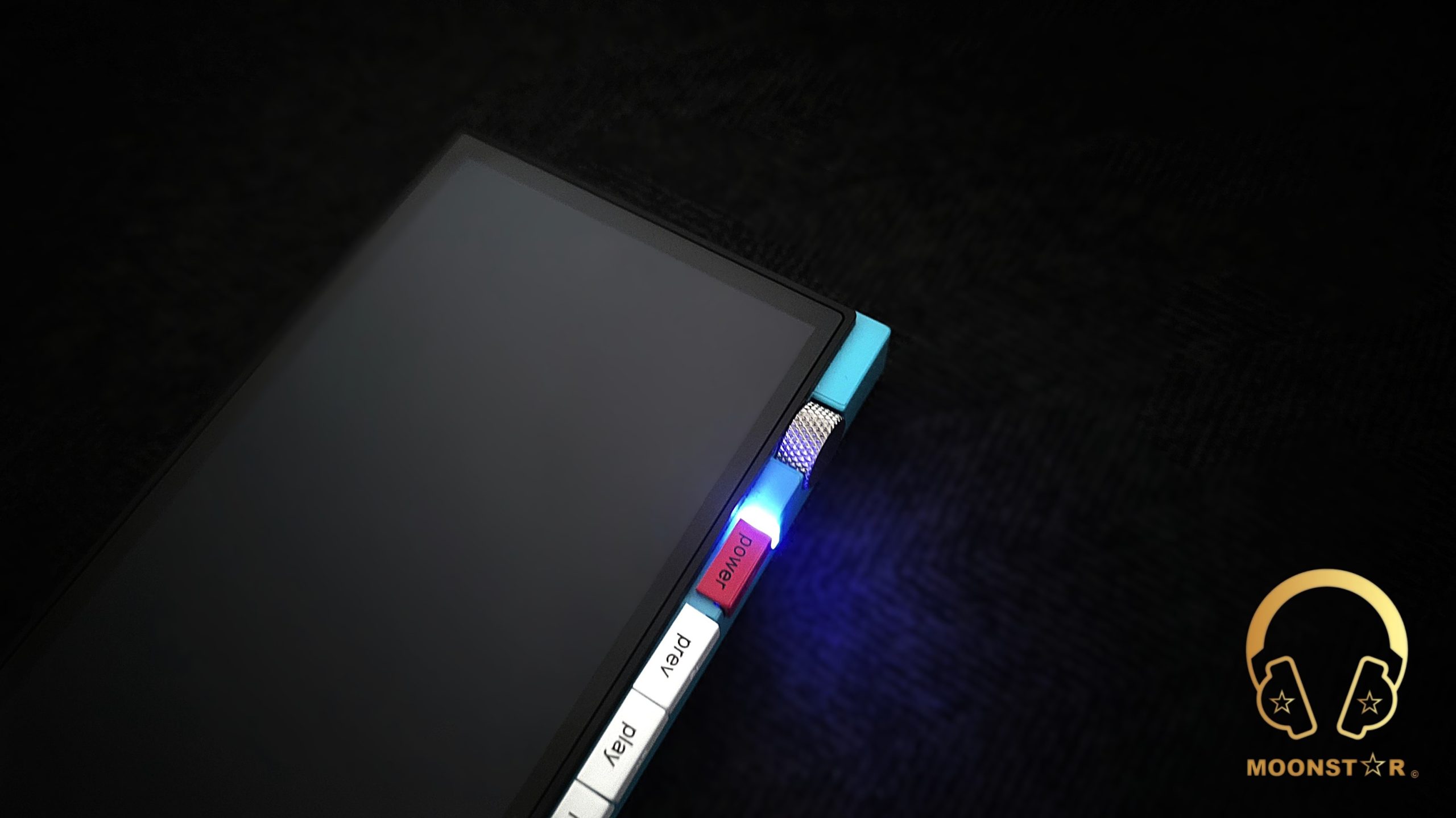
The right side of the device is the primary hub for physical interaction, featuring a meticulously organized button layout. At the top of this rail is a vibrant magenta-red power button, which serves as the primary wake/sleep control. Below it are the playback controls, consisting of a white “Play/Pause” button followed by a dedicated rocker for “Next” and “Previous” tracks. These buttons are not just functional but are designed with a mechanical, clicky feel that provides distinct tactile confirmation when pressed, allowing for easy operation while the device is in a pocket.
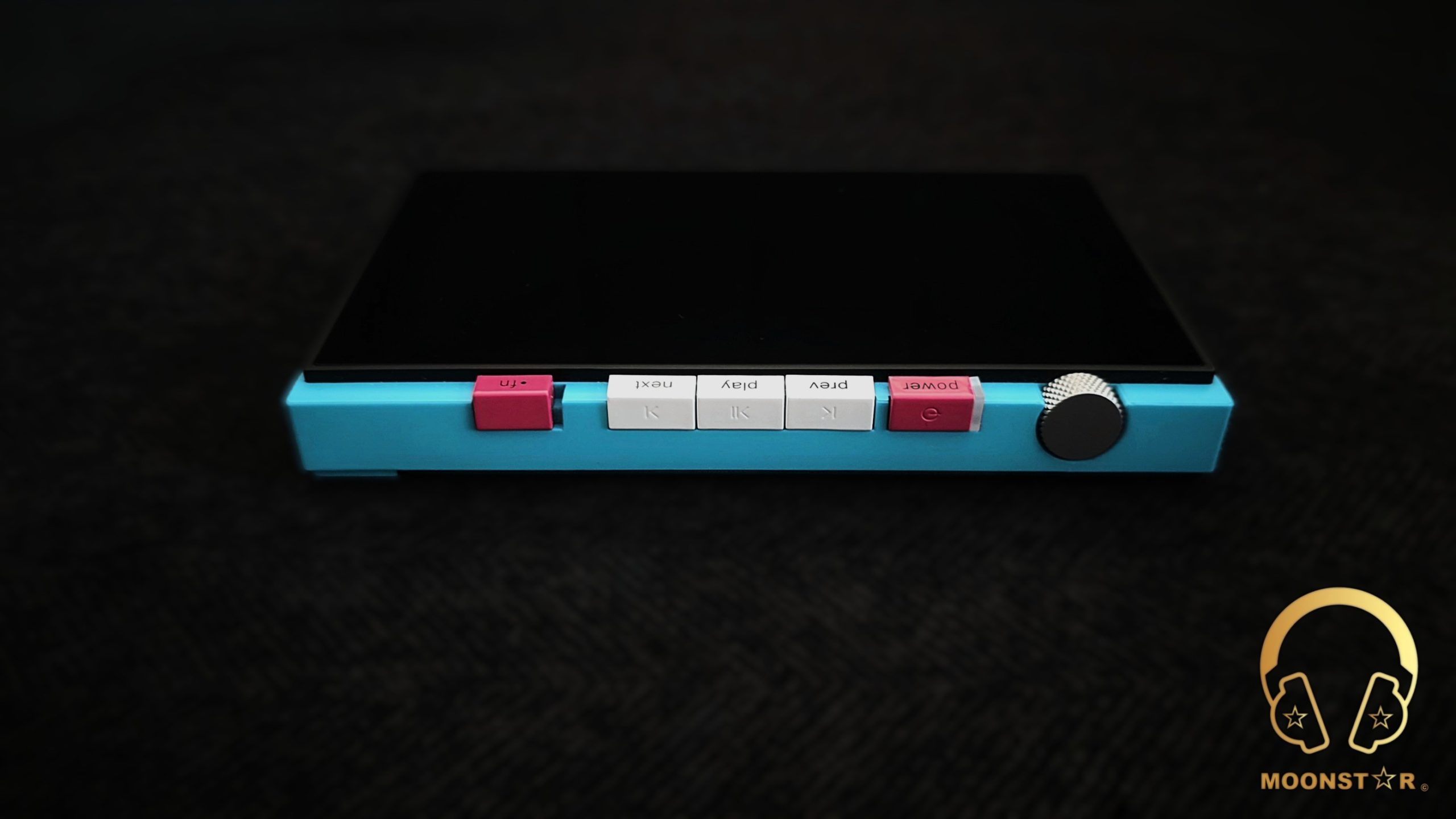
Further down the right rail is the specialized Fn switch, which is implemented as a physical slider (slider switch) rather than a traditional push-button. This adds a unique layer of utility, as users can toggle it to perform pre-assigned tasks such as locking the hardware buttons, triggering the high-quality voice recorder, or instantly muting the audio.
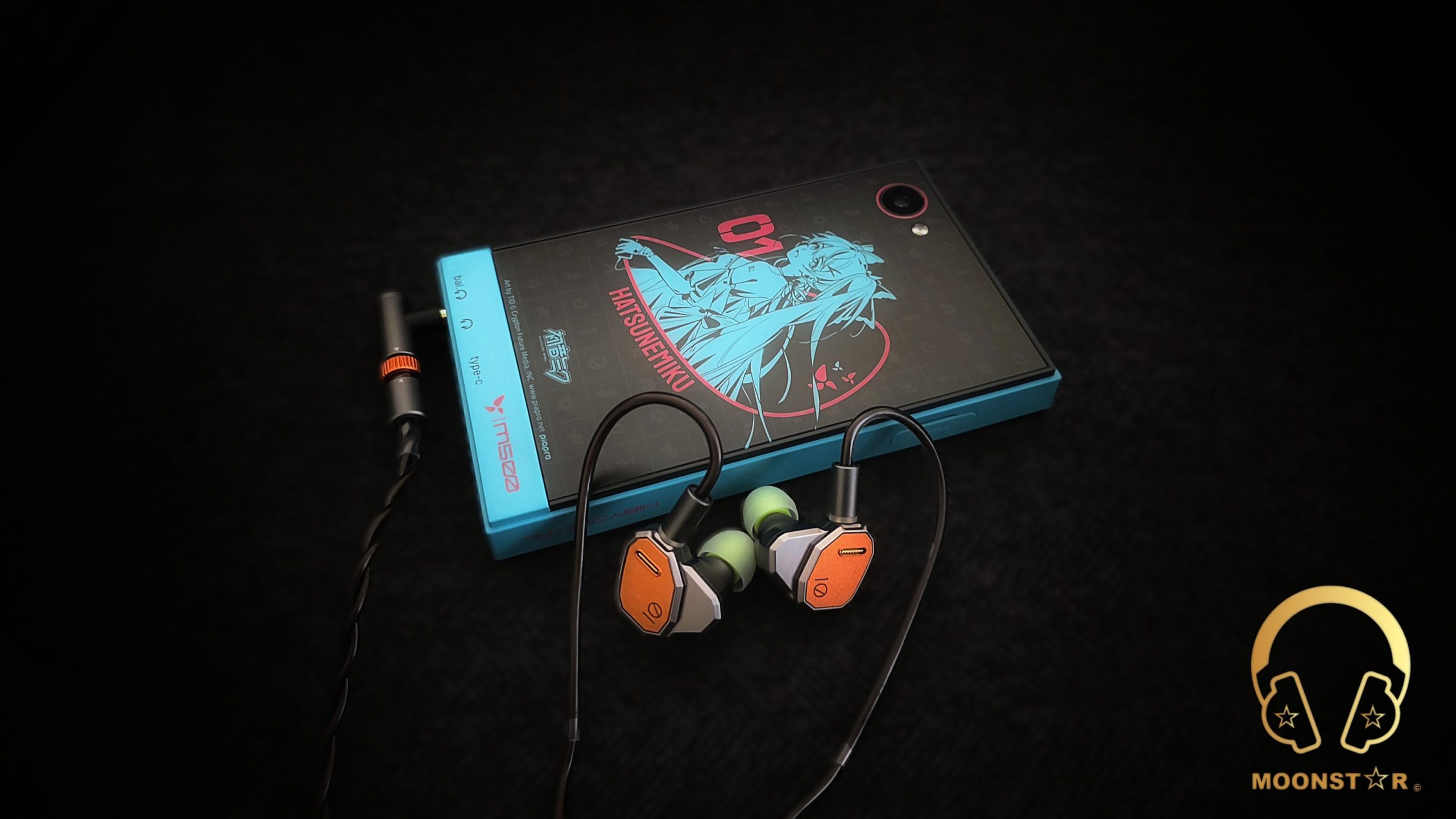
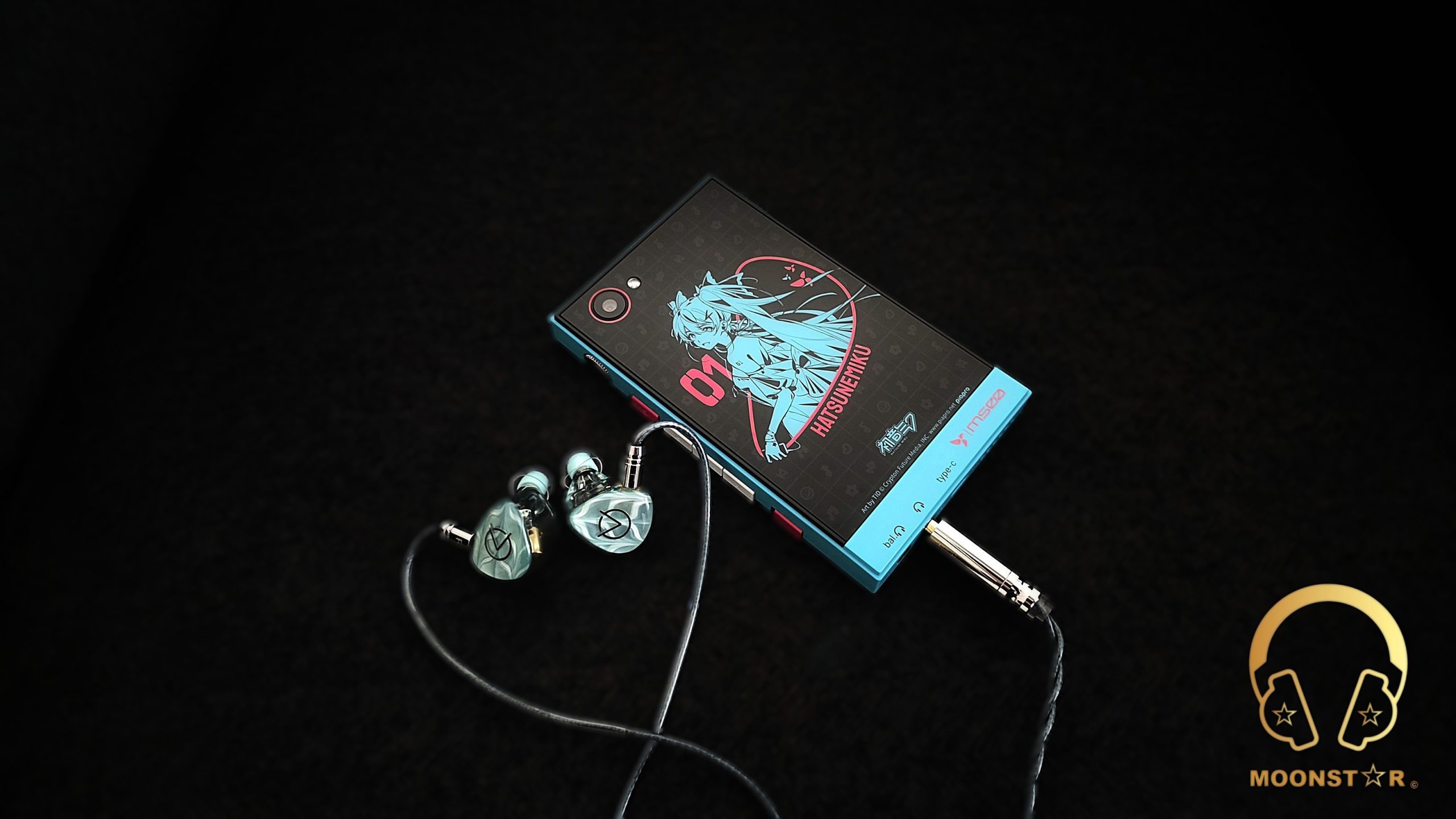
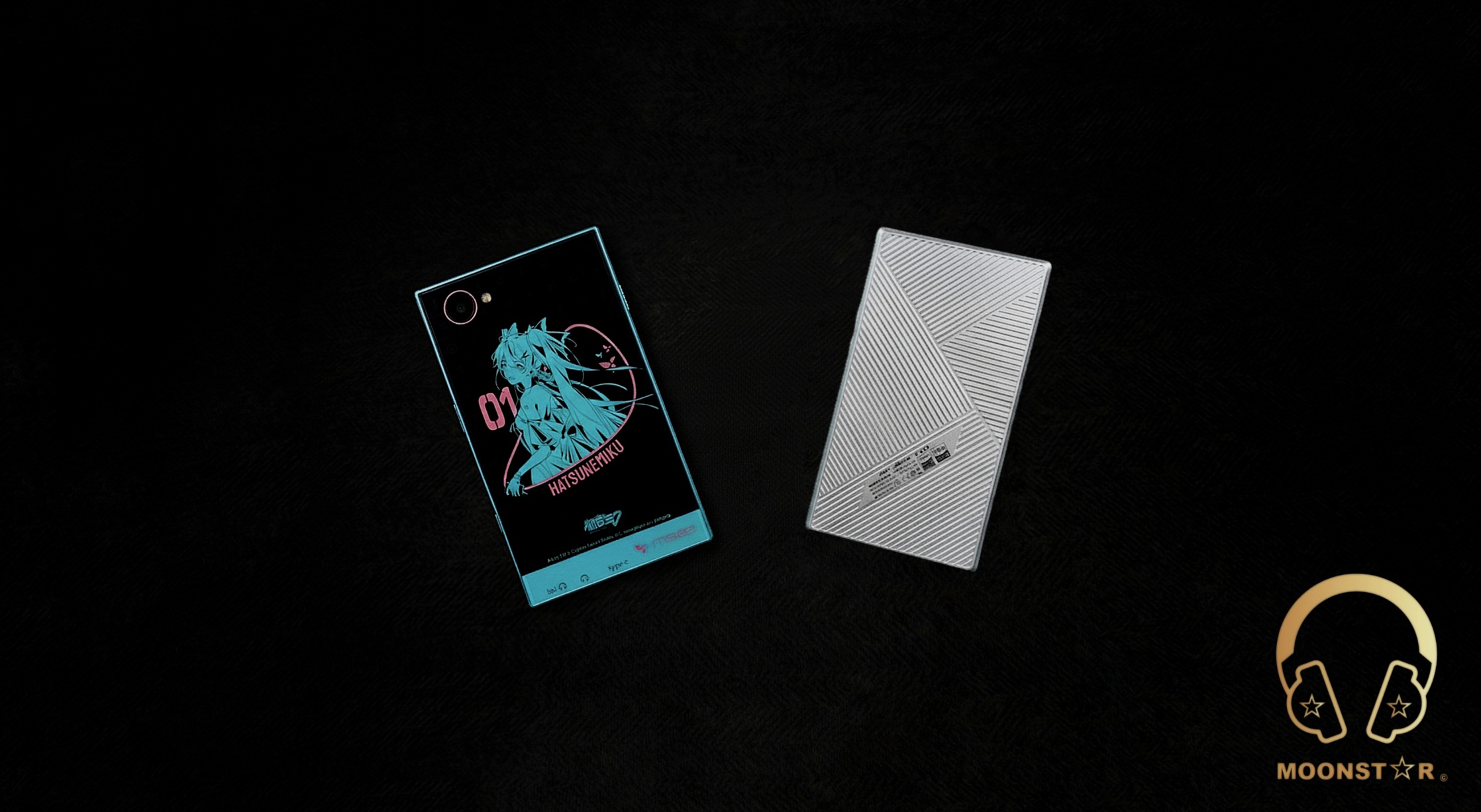
The rear panel is the highlight of the M500, showcasing intricate artwork by the artist TID, applied using a multi-layer printing process beneath the glass. This ensures the colors remain vibrant and completely protected from surface wear or fading.
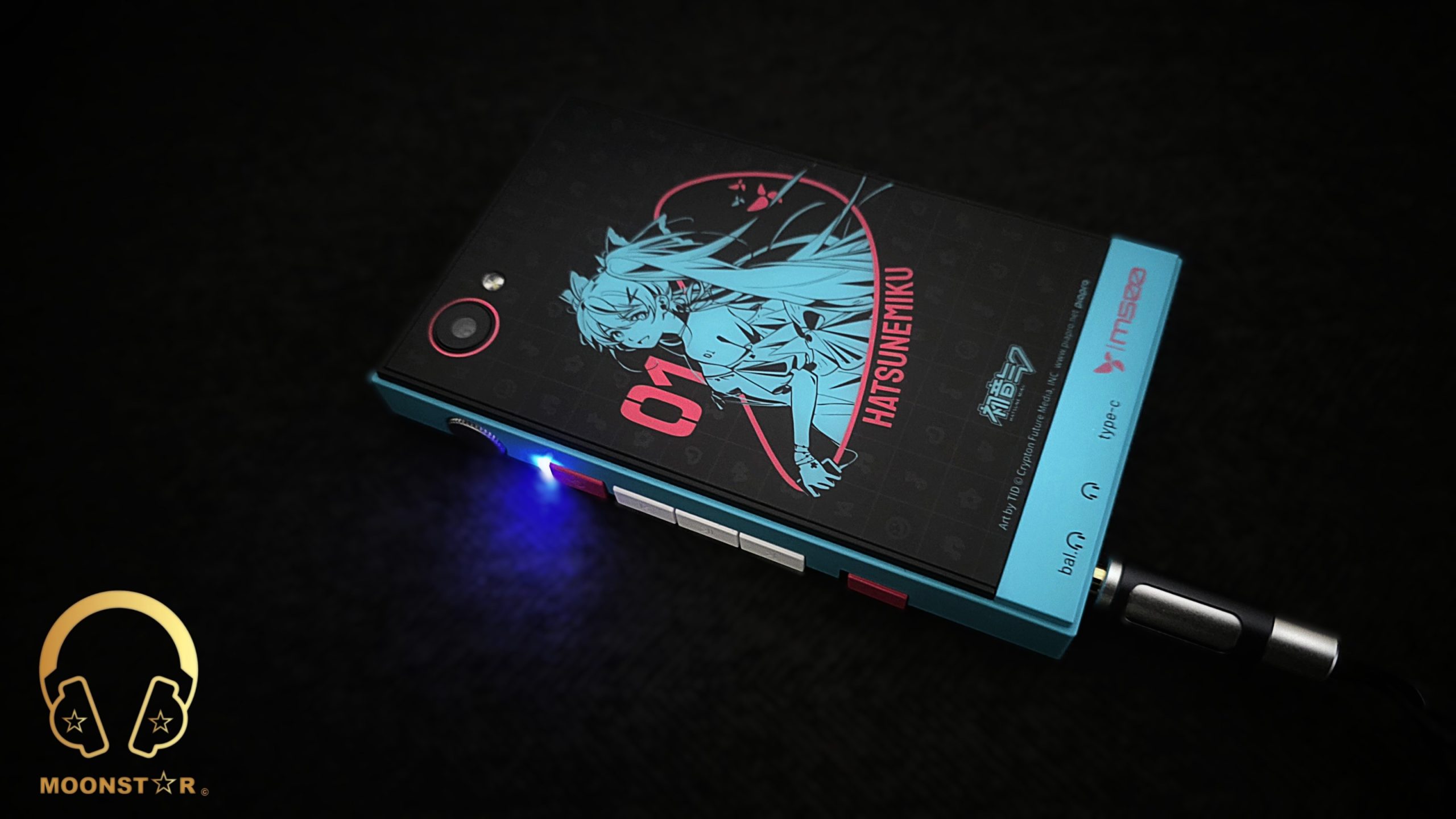
Here is aslo a camera and LED flash wh,ch is a nice additon.
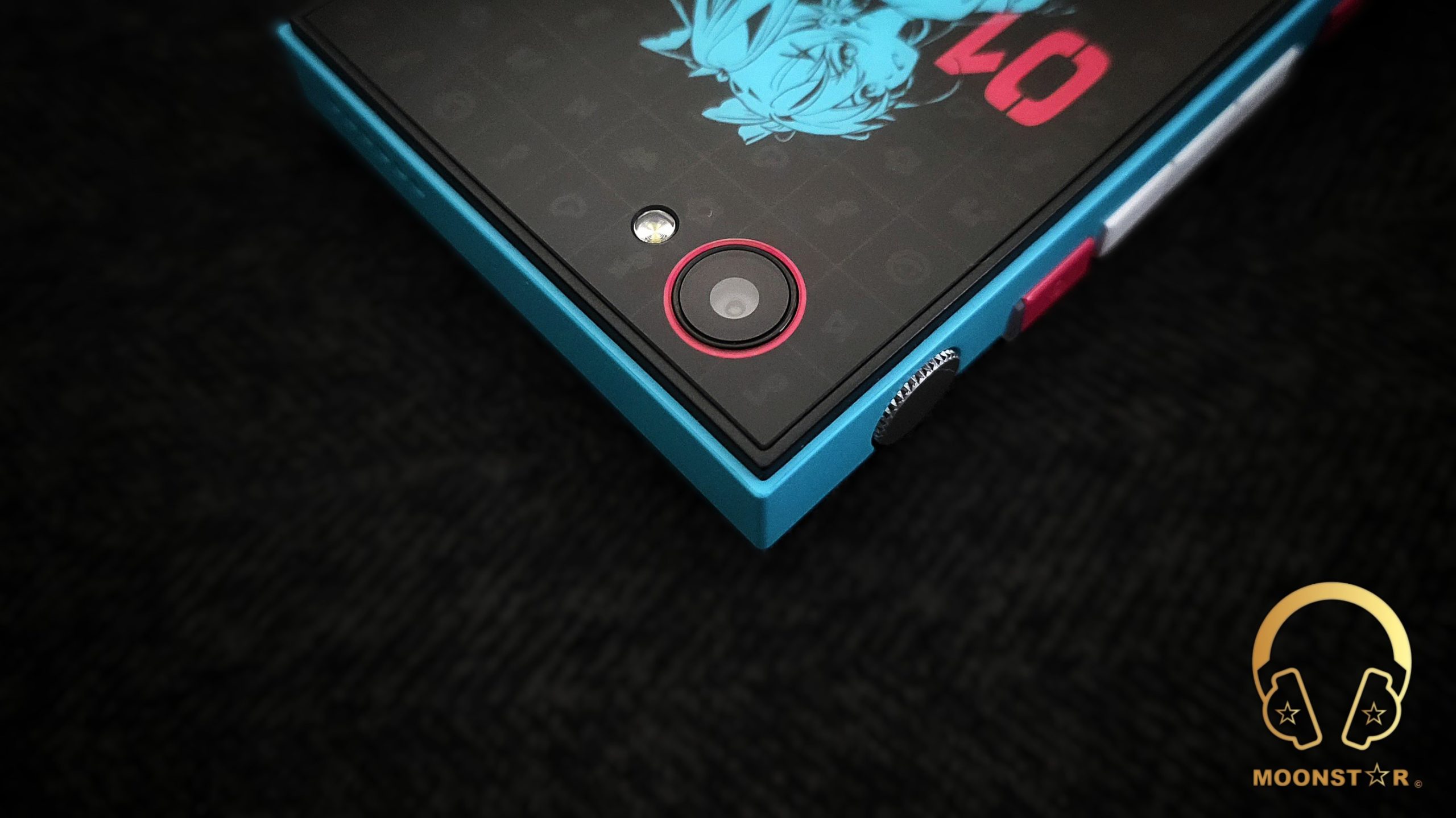
On the front, the M500 hosts a 5-inch IPS touch display with a resolution of 1280 x 720 pixels, offering a clear and responsive interface. A standout hardware element is the silver knurled volume wheel at the top-right. It is custom-engineered with a diamond-cut texture for high grip, offering smooth rotation with distinct tactile steps for precise volume control.

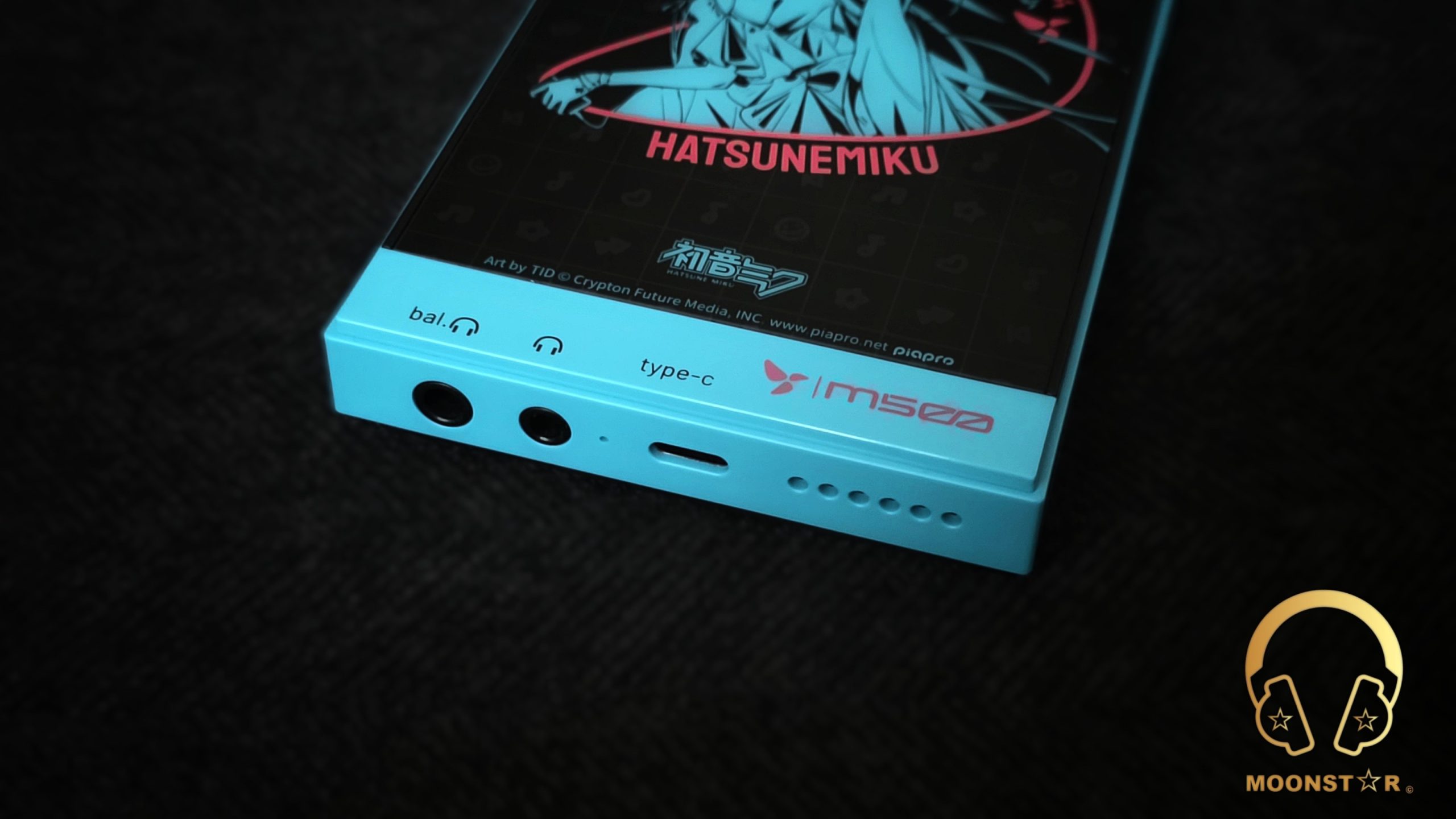
A unique aspect of the M500’s industrial design is the symmetrical placement of its multimedia hardware. The device features dual speakers and dual microphones, with one of each located on the top and the other on the bottom of the unit.

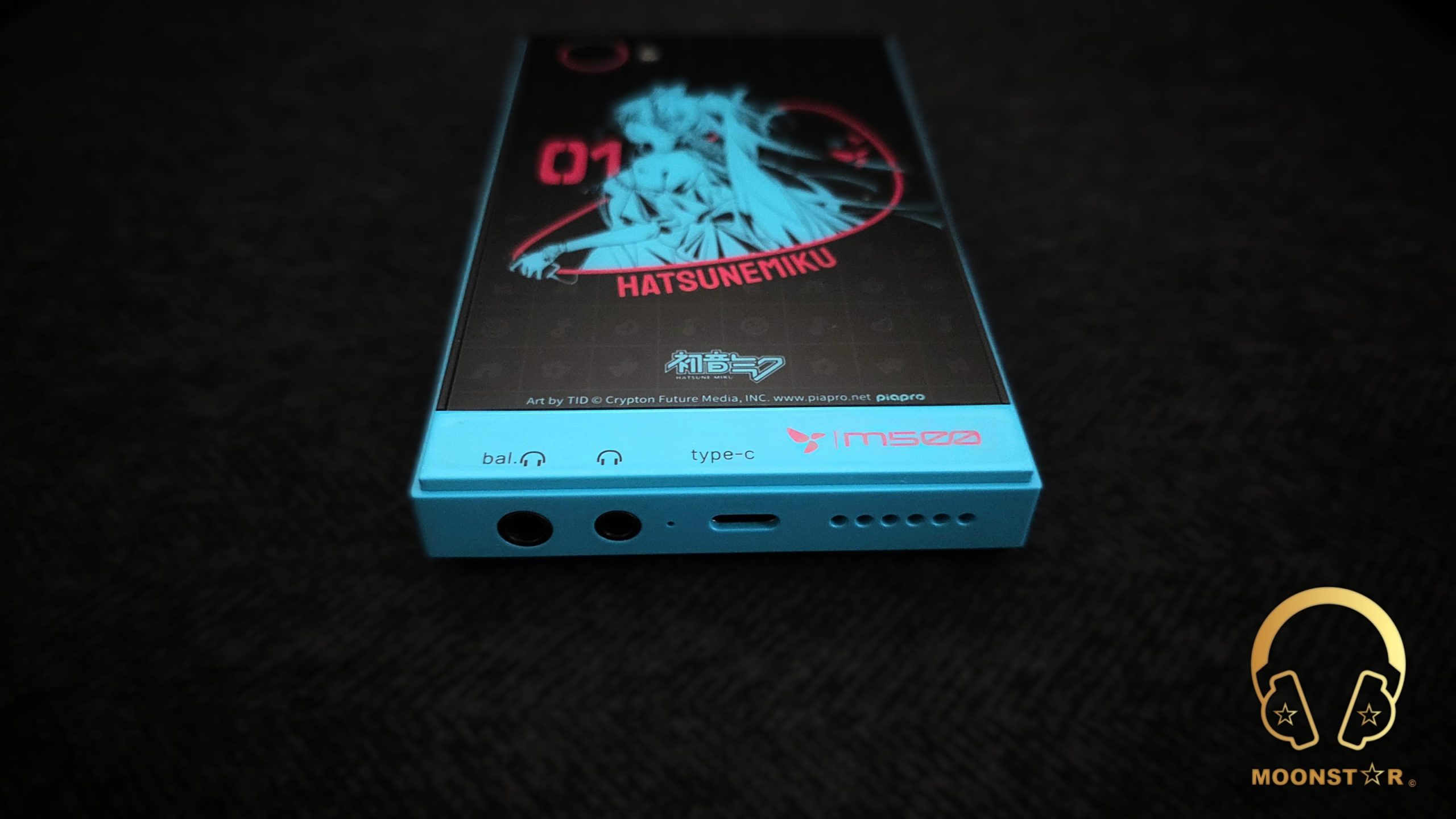
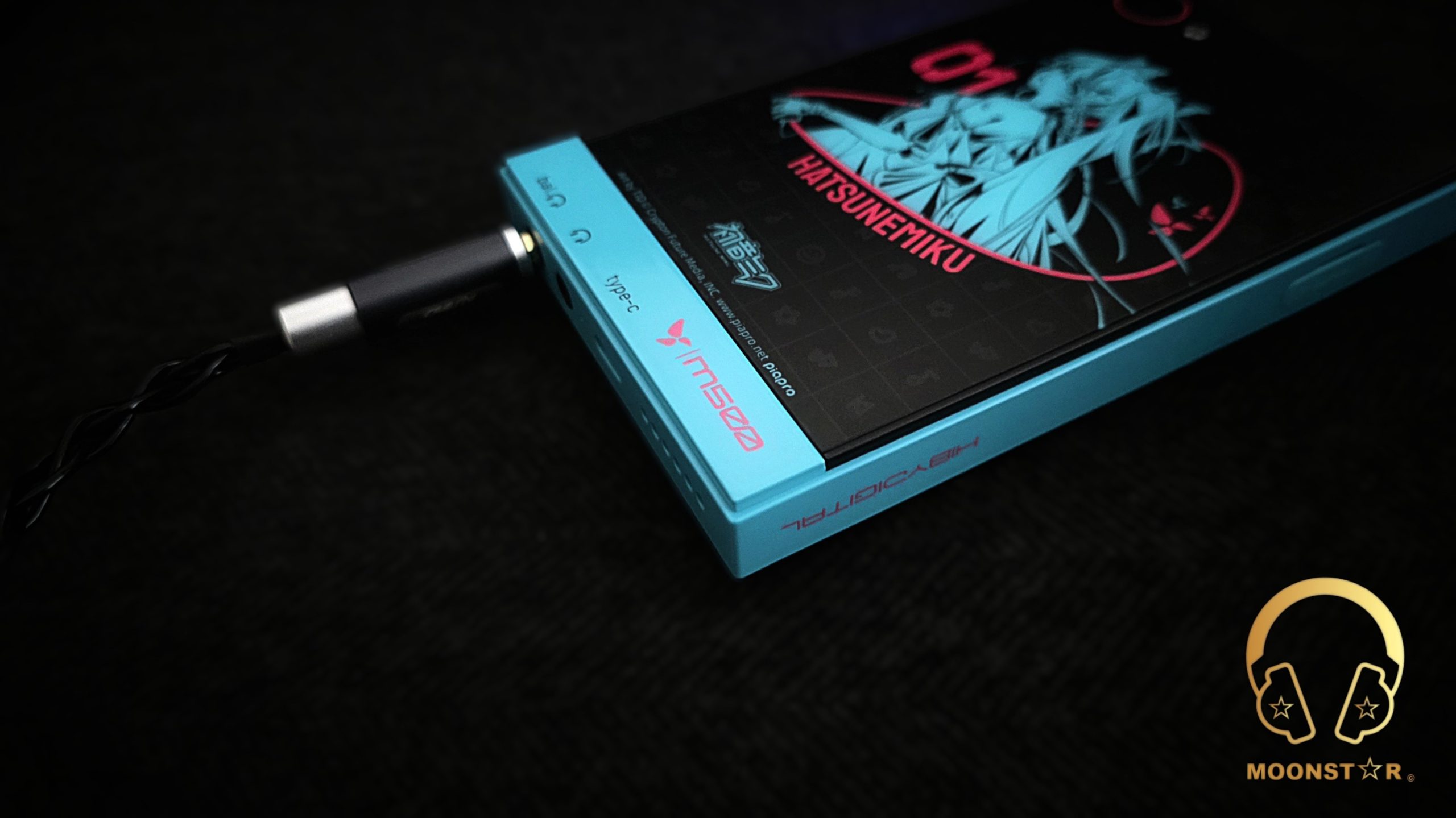
The top of the device houses the first microphone and speaker, while the bottom contains the reinforced 3.5mm and 4.4mm outputs, the USB Type-C port, and the second microphone and speaker unit. While the speakers are not particularly powerful and can sound a bit thin compared to a flagship smartphone, they are perfectly functional for quick previews or alarms. The dual-microphone setup, however, is quite effective, providing clear voice capture for memos by helping to reduce ambient noise.
The left side of the device features a microSD card slot with a protective cover. On the 4G version, this interface doubles as a SIM card slot.
Technical Specifications:
- Model: HiBy Digital M500 (WiFi Version)
- Operating System: Android 14 (Customized HiBy OS)
- SoC (Processor): Qualcomm Snapdragon 680 (6nm Process, Octa-Core)
- CPU: 4x Kryo 265 Gold (2.4 GHz) & 4x Kryo 265 Silver (1.9 GHz)
- GPU: Adreno 610
- RAM: 4GB LPDDR4X
- Internal Storage (ROM): 64GB eMMC
- Storage Expansion: 1x MicroSD Card Slot (Supports up to 2TB)
- Display: 5.0-inch IPS LCD, 720×1280 resolution, Multi-touch
- DAC Configuration: Dual Cirrus Logic CS43198 (Flagship grade)
- Amplification Stage: 4x SGM8261 Low-noise Operational Amplifiers
- Hi-Res Support: PCM up to 32-bit/768kHz, Native DSD up to DSD256
- Audio Optimization: Global SRC Bypass (All system audio resampled to 192kHz/24-bit)
- Analog Outputs: 3.5mm Single-Ended & 4.4mm Balanced
- Power Output (3.5mm SE): 121mW @32Ω
- Power Output (4.4mm Balanced): 480mW @32Ω
- Signal-to-Noise Ratio (SNR): 125dB (Balanced) / 122dB (Single-Ended)
- Dynamic Range: 124dB
- THD+N: 0.0004%
- Bluetooth Version: Bluetooth 5.0
- Bluetooth Codecs (Transmission): LDAC, aptX HD, aptX, AAC, SBC
- Wi-Fi: Dual-Band (2.4GHz / 5GHz), IEEE 802.11 a/b/g/n/ac
- Battery: 3100mAh / 3.8V Lithium Polymer
- Charging: USB Type-C (Supports 5V/2A charging)
- Camera: 13MP Rear-facing Auto-Focus Camera
- Microphone: Dual Silicon Microphones (Top & Bottom)
- Speakers: Dual Multimedia Speakers (Top & Bottom)
- FM Radio: Built-in application (Requires 3.5mm cable as antenna)
- Sensors: Accelerometer (G-sensor)
- Dimensions: 118.5 x 68.5 x 17 mm
- Weight: Approximately 220g
Hardware & Software Features:
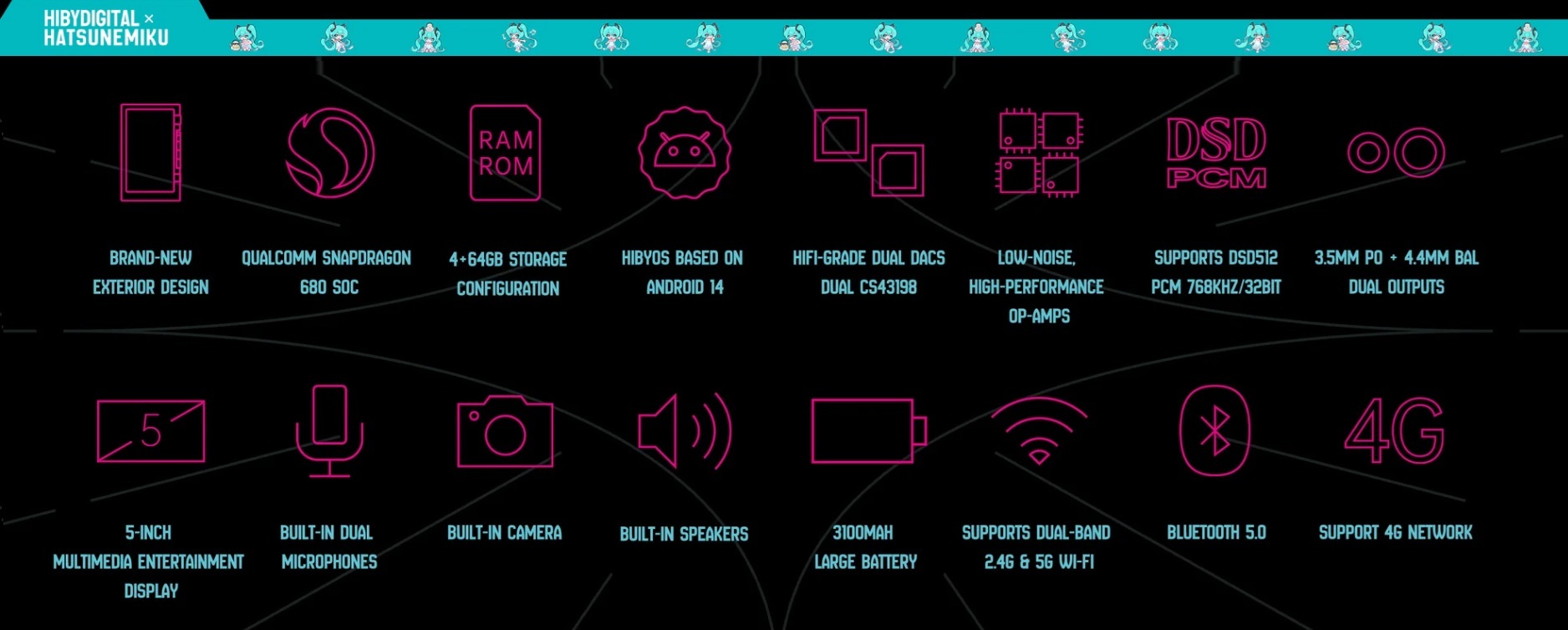
The HiBy Digital M500 is a multifunctional device with hardware and software specifications consistent with its mid-range classification. It is designed to function as both a dedicated audiophile player and a versatile multimedia device, featuring updates to its processing power and audio architecture compared to previous models in its line.
Snapdragon 680 SoC & Storage Architecture:
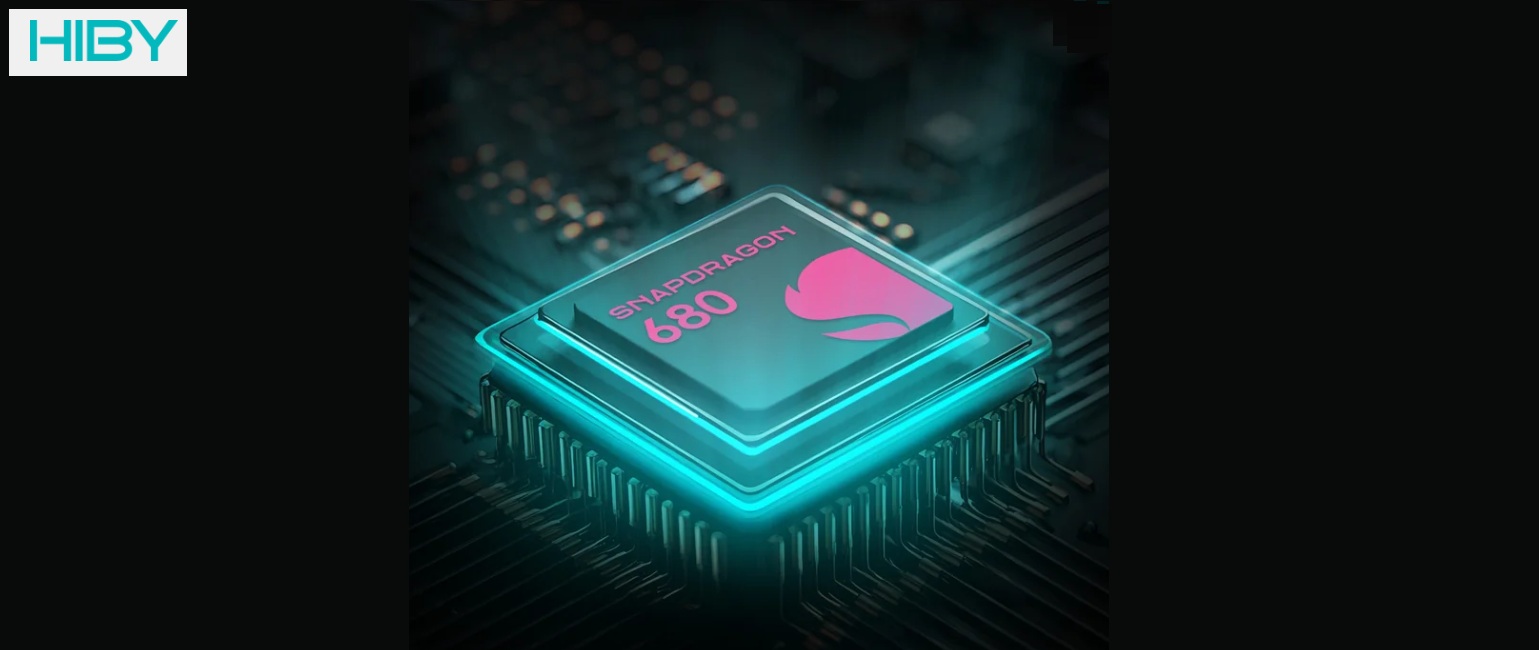
The M500 is powered by the Qualcomm Snapdragon 680 octa-core processor, manufactured on a 6nm process. This chip selection offers improvements in thermal management and energy efficiency over the Snapdragon 665 chips often utilized in this category. Supported by 4GB of LPDDR4X RAM and 64GB of internal storage, the system is designed to maintain responsiveness during multitasking. For users with large music libraries, the MicroSD card slot supports expansion up to a theoretical 2TB. The device is configured to index high-resolution DSD and FLAC files rapidly to ensure library management remains functional.
Dual DAC & Professional Audio Path:
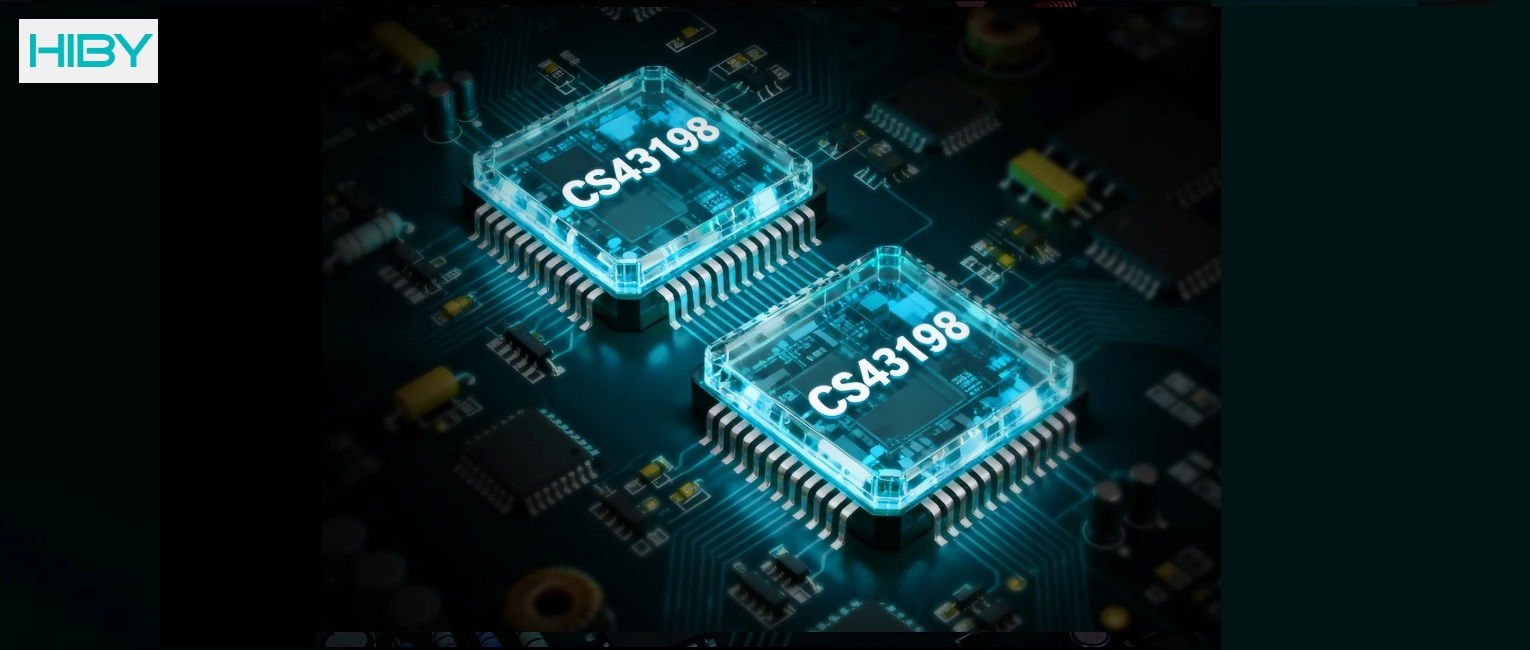
The audio architecture of the M500 utilizes a professional-grade Dual Cirrus Logic CS43198 DAC configuration. These chips are implemented to provide a transparent sound signature. The amplification stage incorporates four SGM8261 op-amps, engineered to deliver a specific current swing. This setup provides sufficient driving power for most In-Ear Monitors and power-efficient full-sized headphones. The dual output architecture includes a 3.5mm single-ended port with a power output of 121mW @32Ω for standard use, and a 4.4mm balanced output providing 480mW @32Ω. The balanced output is designed to offer increased channel separation and a wider soundstage compared to the single-ended connection.
Connectivity and Multimedia Versatility:
In addition to audio playback, the M500 includes hardware features that expand its utility as a multimedia device. It contains an FM Radio application that uses the 3.5mm earphone cable as an antenna for local broadcasts. The 13MP rear camera is included for tasks such as scanning QR codes or basic photography. The device also houses a built-in speaker and a dual-microphone setup for voice recording. Wireless connectivity includes Dual-band WiFi (2.4GHz and 5GHz) for streaming and Bluetooth 5.0, which supports LDAC, AAC, and SBC codecs. The proprietary MageSound 8-ball (MSEB) tuning engine is also included, allowing for digital signal processing adjustments to sound characteristics such as warmth, texture, and air.
Battery Life, Idle Drain & Efficiency:
The HiBy Digital M500 utilizes a 3100mAh lithium polymer battery, a capacity that is adequate for its compact frame but faces the challenge of powering a 5-inch display and an active Android OS. In real-world mixed usage involving WiFi streaming, moderate screen brightness, and regular UI navigation, the device typically provides between 10 to 12 hours of active use. While the manufacturer’s laboratory rating suggests up to 26 hours, it is important to note that this is achieved under highly specific conditions such as local playback with the screen off and low volume levels. For users relying on the high-power 4.4mm balanced output at higher volumes, the battery drain is naturally more pronounced.
One area where the M500 shows notable stability is its standby performance. Following recent firmware optimizations, the idle drain has become much more predictable, generally losing about 3% to 5% of charge over an eight-hour period. This ensures that the device does not deplete significantly when left unused overnight, though it remains advisable to utilize the automatic power-off settings for longer periods of inactivity to preserve the cell.
The efficiency of the Snapdragon 680 chipset, built on a 6nm process, plays a key role in thermal management. During extended listening sessions or while charging, the M500 remains relatively cool as the CNC-machined body effectively dissipates heat. Charging the 3100mAh cell via the USB Type-C port with a 5V/2A power source takes approximately 2 hours for a full cycle. While the device lacks the modern fast-charging standards found in high-end smartphones, the charging speed is consistent with other dedicated audio players in this price category.
Software Experience:
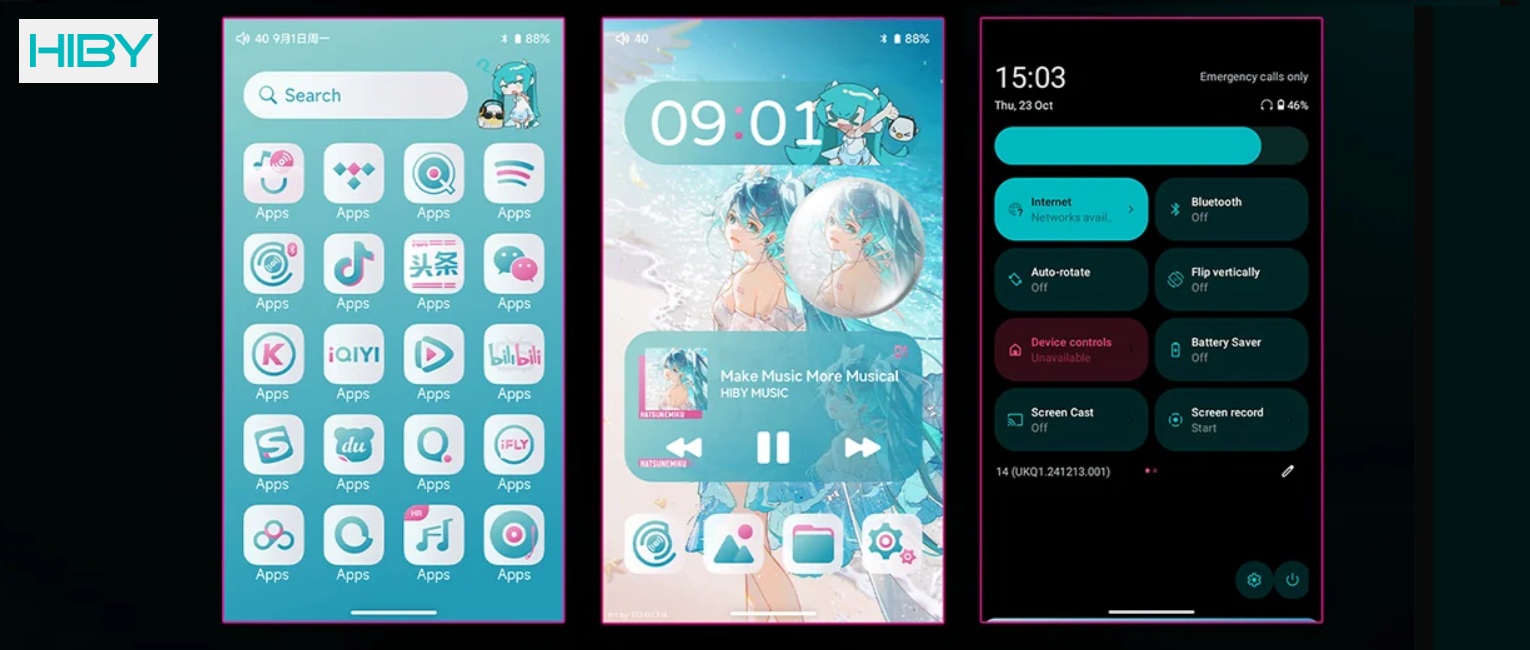
The software experience of the HiBy Digital M500 is built upon a modern Android 14 foundation, which is a significant update for a Digital Audio Player in this category. Unlike many competitors that still rely on aging versions of Android, the M500 benefits from the improved security, memory management, and app compatibility of the latest OS. On top of this, HiBy has implemented a deeply customized HiBy OS layer that seamlessly integrates the Hatsune Miku collaboration into the core user experience. This is not merely a cosmetic skin; the thematic elements extend to redesigned system icons, notification menus, custom boot animations, and even specific widgets that maintain a cohesive visual identity throughout the interface.
One of the most engaging features of the UI is the interactive Miku character residing on the home screen. This character is not a static wallpaper but a dynamic element that responds to various touch gestures with a range of specific animations, adding a layer of personality to the device. Complementing the visuals are three distinct sets of high-quality Japanese voice prompts. These vocal cues provide auditory feedback for system events such as power cycles, successful connections, or low battery warnings, further immersing the user in the Hatsune Miku ecosystem.
From a technical standpoint, the M500 addresses the long-standing “Android Sample Rate Conversion” (SRC) issue with a sophisticated internal solution. By default, the system resamples all global audio output to 192kHz/24-bit. This ensures that even third-party applications like YouTube, Spotify, or Tidal bypass the standard Android audio driver’s 48kHz limitation, which often degrades sound quality. By forcing a high-quality resampling at the system level, HiBy ensures that every bit of audio data utilizes the full potential of the Dual CS43198 DACs. The overall software environment is fluid, stable, and strikes a balance between being a dedicated high-fidelity player and a modern, versatile Android device.
Equipment’s used for this review:
DAP’s : HiBy Digital M500, FiiO JM21
IEM’s : HiBy Yacht10, OpenAudio Siren
Albums & tracks used for this review:
- Adele – My Little Love (Spotify)
- Randy Crawford – On Day I Will Fly Away (Flac 16bit/44.1kHz)
- Hayley Westenra – Odyssey Album (Dezzer HiFi)
- Dionne Warwick – Walk On By (Flac 16bit/44.1kHz)
- Sarah McLachlan – Angel (Flac 24bit/48kHz)
- Sertap Erener – Aşk (Flac 16bit/44.1kHz)
- Edith Piaf – Non Je Ne Regrette Rien (Flac 16bit/44.1kHz)
- Diana Krall – So Wonderful (DSF)
- Aretha Franklin – I Say A Little Payer (Flac 24bit/96kHz)
- Sonya Yoncheva – (Giuseppe Verdi) II Trovatore, ActI (Flac 24bit/96kHz)
- George Michael – Don’t Let the Sun Go Down on Me (Flac 24bit/192kHz)
- David Bowie – Heroes (Flac 24bit/192kHz)
- Elton John – Rocket Man ((Flac 24bit/96kHz)
- Barry White – Just The Way You Are (Flac 24bit/48kHz)
- Isaac Hayes – Walk On By (Flac 16bit/44.1kHz)
- Sting – Englishman in New York – (Flac 24bit/48kHz)
- Eric Clapton – Wonderful Tonight (Flac 24bit/96kHz)
- B. King – Riding With The King (Tidal Hi-Fi)
- Dave Gahan – Kingdom (Tidal Hi-Fi)
- U2 – Sunday Bloody Sunday (Flac 16bit/44.1kHz)
- Muse – Hysteria (Flac 24bit/96kHz)
- Rush – YYZ (Flac 16bit/44.1kHz)
- Red Hot Chili Peppers – Nobody Weird Like Me (Flac 24bit/48kHz)
- Bro Safari, UFO! – Drama (Deezer HiFi)
- Rok Nardin – Berserks (Spotify)
- Bear McCreary – Valkyries “God of War OST” (Deezer HiFi)
- Armin Van Buuren – Vini Vici (Flac 16bit/44.1kHz)
- Daft Punk – Doin’ it Right (Flac 24bit/96kHz)
- Jo Blankenburg – Meraki (Spotify)
- Lorde – Royals (Flac 24bit/48kHz)
- Massive Attack – Angel (Flac 24bit/48kHz)
- Toutant – Rebirth (Deezer HiFi)
- Gogo Penguin – Raven (Flac 24bit/192kHz)
- Gogo Penguin – Murmuration (Flac 24bit/192kHz)
- Alboran Trio’s – Cinque Lunghissimi Minuti (Flac 16bit/44.1kHz)
- Portishead – It Could Be Sweet (Spotify)
- Max Richter – On the Nature of Daylight (Flac 24bit/96kHz)
- Charly Antolini – Duwadjuwandadu (Flac 24bit/192kHz)
- Ferit Odman – Look, Stop & Listen (Flac 24bit/192kHz)
- Chopin – Nocturn No. 20 In C-Sharp Minor (Flac 16bit/44.1kHz)
- Fazıl Say – Nazım Oratoryosu (Live) (Flac 16bit/44.1kHz)
- Vivaldi – Le QuarttroStagioni “The Four Season” (Deezer HiFi)
- Otto Liebert& Luna Negra – The River (Flac 24bit/192kHz)
- Lunatic Soul – The Passage (Flac 16bit/44.1kHz)
- Deftones – My Own Summer (Shove it) (Flac 16bit/44.1kHz)
- Metallica – Sad but True (Flac 24bit/96kHz)
- Opeth – Windowpane (Flac 16bit/44.1kHz)
- Megadeth – Sweating Bullets (Tidal Hi-Fi)
- Rush’s – Leave That Thing Alone (Flac 16bit/44.1kHz)
- Slayer – Angel of Death (Spotify)
- Liquid Tension Experiment 2 – Acid Rain (Spotify)
- Yosi Horikawa – Bubbles (Spotify)
The Sound:
The audio performance of the HiBy Digital M500 is built around a Dual DAC architecture that utilizes two Cirrus Logic CS43198 chips alongside four SGM8261 professional grade op-amps. When evaluating a device in the $250 price bracket, it is important to set realistic expectations because this segment focuses on providing a solid entry into high fidelity audio rather than the absolute technical mastery found in flagship models. The M500 delivers a level of performance that is very competitive for its price by prioritizing a clean and neutral presentation that aims for transparency. A technical highlight of this implementation is the low noise floor as the background remains virtually pitch black even when using sensitive in ear monitors. This allows micro details to emerge without the distraction of electronic hiss which makes the M500 a very capable performer for those who prioritize a clean signal without the high cost of a premium player.

Bass:
The low end of the M500 is defined by its stability and textural accuracy which becomes clear when tested with the HiBy Yacht 10 and the Openaudio Sirene. Given the competitive price point, the M500 drives the 10mm dynamic driver of the Yacht 10 with enough precision to make the sub bass feel grounded rather than artificially boosted or loose. The decay is clean enough to ensure there is no bloating into the mid bass regions which is a significant achievement for a device in this specific price category. It provides a honest representation of the low frequencies that respects the original intent of the recording without adding unnecessary weight.
When moving to the Openaudio Sirene, the bass shows a more textured and layered response that highlights the strengths of the dual DAC setup. The mid bass punch is fast and tight enough to provide a satisfying impact for rhythmic tracks without losing control during complex segments. The M500 maintains a firm grip over these drivers to keep individual notes well separated even when the music becomes high energy. Evaluation against its mid range competition shows that the resolution in the low frequencies is good because it successfully tells the difference between various low frequency instruments with a level of fidelity that meets high fidelity standards for this tier.
Midrange:
The midrange is a refined part of the tuning on the M500 especially when paired with the HiBy Yacht 10 through the 4.4mm balanced output. This combination delivers an organic presentation that avoids the dry or sterile character often found in entry level neutral devices. Vocals are rendered with a realistic weight and presence which provides a performance that is consistent with the mid range positioning of the device. The midrange offers a reasonable sense of space that allows instruments to stay distinct within the mix even if it does not reach the expansive soundstage of much more expensive hardware.
The Openaudio Sirene provides a slightly more intimate vocal presentation through this setup which shows the versatility of the player. The lower midrange has just enough warmth to give male vocals a natural and convincing presence while the upper midrange is handled with enough care to provide energy for pianos and violins without becoming shouty or tiring. This balance provides a faithful representation of instrument sounds so that the M500 remains a capable device for vocal focused genres and jazz when compared to its mid range peers. It focuses on clarity and balance rather than trying to impress with exaggerated forwardness.
Treble:
The treble performance is smooth and well extended as it captures detail without crossing into harshness or becoming overly sharp. The transition from the upper midrange to the high frequencies is seamless which suggests a well made filter stage for a player at this level. There is a noticeable absence of digital glare which gives the high end a silky character that feels right for a well tuned player using the CS43198 chips. It provides enough air to make the music feel open without being so bright that it becomes distracting during long listening sessions.
The Openaudio Sirene uses its dual balanced armature drivers to pull detail from the signal and the M500 delivers this with a treble that is sparkly yet disciplined. Even in bright recordings the M500 remains relatively forgiving as it tends to smooth out potential sibilance while still keeping the necessary air. The magnesium aluminum dome of the Yacht 10 helps to prevent unwanted resonances from creeping in. For a device at this price point the detail retrieval is handled with enough speed to be engaging without becoming over analytical so the treble complements the neutral leaning amplification stage effectively.
Soundstage & Imaging:
The 4.4mm balanced port is the preferred output for experiencing the M500’s spatial potential. The soundstage width is noticeably wider than the single-ended output, creating an expansive listening field for a mid-tier DAP. Imaging is accurate for a device in this class, with coherent and stable instrument placement. While the stage depth is moderate, the overall separation is sufficient to prevent congestion during dense movements. The quiet background enhances the perception of imaging as there is no static to distract from the placement of sounds in the spatial field.
Comparison:
HiBy Digital M500 versus FiiO JM21:
In the competitive segment of digital audio players, the HiBy Digital M500 stands out as a versatile lifestyle companion, while the FiiO JM21 positions itself as a more compact, performance oriented alternative. Both devices are powered by the Qualcomm Snapdragon 680 chipset to ensure a smooth Android experience, but the M500 takes a significant lead in software longevity by shipping with Android 14, compared to the Android 13 found on the JM21. While the JM21 targets a lower price point around $199, the M500 justifies its $269 tag through a much broader feature set. Beyond pure audio, the M500 introduces unique lifestyle capabilities such as a built in camera, dual microphones, FM radio, and optional 4G connectivity, allowing it to function as a fully independent device without the need for a smartphone.
Physically, the FiiO JM21 focuses on extreme portability with an ultra thin 13mm body weighing only 156g. It also boasts a higher balanced output power of up to 700mW, making it well suited for those who need more driving authority for demanding headphones. However, the M500 counters this with a larger and more modern interface that feels better integrated into today’s app ecosystem, especially with its newer software version and independent connectivity options.
In a direct listening comparison, the differences in tuning reveal two very different philosophies. The HiBy M500 focuses on an organic and cohesive presentation where the music feels whole and natural. Its midrange is a particular highlight, providing a lifelike warmth to vocals that makes the listening experience feel more intimate and engaging. The M500 excels at delivering a smooth, fatigue free sound that prioritizes the correct timbre of instruments, making it the more musical device of the two. It offers a balanced and authentic sound that feels less processed, ideal for those who value an analog like experience on the go.
The FiiO JM21, on the other hand, takes a more clinical and aggressive approach to detail. While it aims for transparency, side by side testing shows that the JM21 can sound a bit too digital in its upper frequencies. This sharpness in the treble can sometimes feel artificial during long listening sessions, where the M500 remains silky and smooth. While the JM21 offers a tight mid bass punch and a sense of speed, it lacks the natural decay and weight that give the M500 its lifelike character.
Ultimately, the HiBy M500 offers greater overall appeal through its modern software, unique hardware features, and a listener friendly tuning that feels more organic for everyday scenarios. While the JM21 might catch your attention with its initial technical sharpness and slim design, the M500 delivers a more rewarding and well rounded mix of musical performance and future readiness.
Conclusion:
The HiBy Digital M500 x Hatsune Miku Edition successfully carves out a niche in the 2025 mid-range DAP market by balancing specialized aesthetics with modern hardware. While collaborations of this nature are often dismissed as simple cosmetic re-skins, HiBy has integrated the theme deeply into the software ecosystem. Utilizing Android 14, custom voice prompts, and interactive UI elements, the device provides a cohesive user experience that goes beyond mere visual appeal.
Technically, the device represents a significant step up from entry-level “dongle” DACs and budget players. The implementation of the Dual CS43198 DAC chips, combined with the Snapdragon 680 chipset, results in a device that is both sonically transparent and operationally fluid. While it may not match the raw driving power or the Quad-DAC technicalities of more expensive rivals, it counters with a more accessible price point, a large 5-inch display, and lifestyle features like the 13MP camera and FM radio.
Pros & Cons:
- + Dual CS43198 DACs deliver a pretty natural, organic, and transparent signature with smooth treble and textured bass
- + Android 14 based OS offers excellent app compatibility and smooth system performance
- + Extensive Hatsune Miku customization integrated into both hardware and software
- + Distinctive retro‑style design with premium tactile controls
- + Useful extras such as FM radio and a physical Fn slider
- + Responsive IPS display with solid clarity
- – No USB DAC function (may come with a future software update)
- – Dual speakers are a nice addition but lack depth and volume
- – The 13MP rear camera delivers basic image quality, suitable only for simple tasks
Thank you for the Read!