iBasso Epitome Review

iBasso Epitome Review
Introduction:
iBasso has firmly established itself as a consistent innovator in the portable audio field, often introducing designs that take a fresh approach compared to conventional models. Earlier monitors, such as the 3T 154, emphasized the impact and scale of large dynamic drivers, while the company’s previous flagship IEM, the IT07, showcased the potential of a hybrid driver configuration. With the Epitome, iBasso shifts its focus toward technical refinement and advanced multi-driver engineering. As the company’s current flagship In-Ear Monitor, it features an impressive 20-driver setup per side: 8 Sonion electrostatic (EST) drivers, 10 Sonion balanced armatures (BA), and 2 Knowles balanced armatures (BA). The innovation lies not simply in the number of drivers, but in the way they are seamlessly integrated into a carefully structured acoustic system. A sophisticated crossover network, combined with premium materials, ensures a presentation that is both transparent and coherent. The Epitome embodies iBasso’s vision of uniting technical precision with musicality, delivering a listening experience that remains natural, engaging, and immersive. Now that we’ve explored the technical foundation and philosophy behind the Epitome, it’s time to take a closer look at how these ideas translate into practice. In the following sections, we’ll examine the sound signature in detail, evaluate the design and ergonomics, and consider the overall user experience. This will allow us to understand not only the technical achievements of iBasso’s flagship, but also how it performs as a complete in-ear monitor for everyday listening.
Disclaimer:
I would like to thank iBasso for providing me the iBasso Epitome review sample. I am not affiliated with iBasso beyond this review and these words reflect my true, unaltered opinions about the product.
Price & Availability:
The iBasso Epitome is positioned as a premium flagship monitor, representing the pinnacle of the brand’s In-Ear Monitor engineering with a massive 20-driver hybrid array (8 EST + 12 BA). The suggested retail price for the iBasso Epitome is $3,499.00. Please keep in mind that actual pricing may vary from region to region due to local taxes, shipping costs, and distributor policies.
Unboxing Experience:
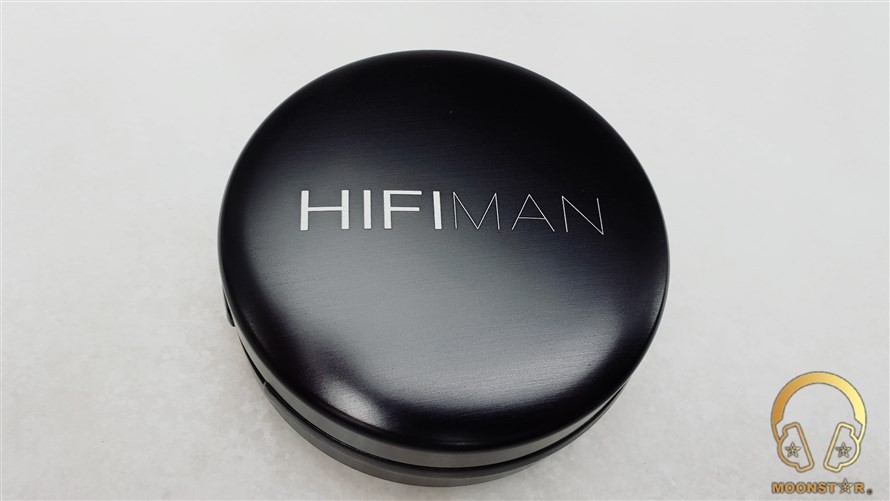
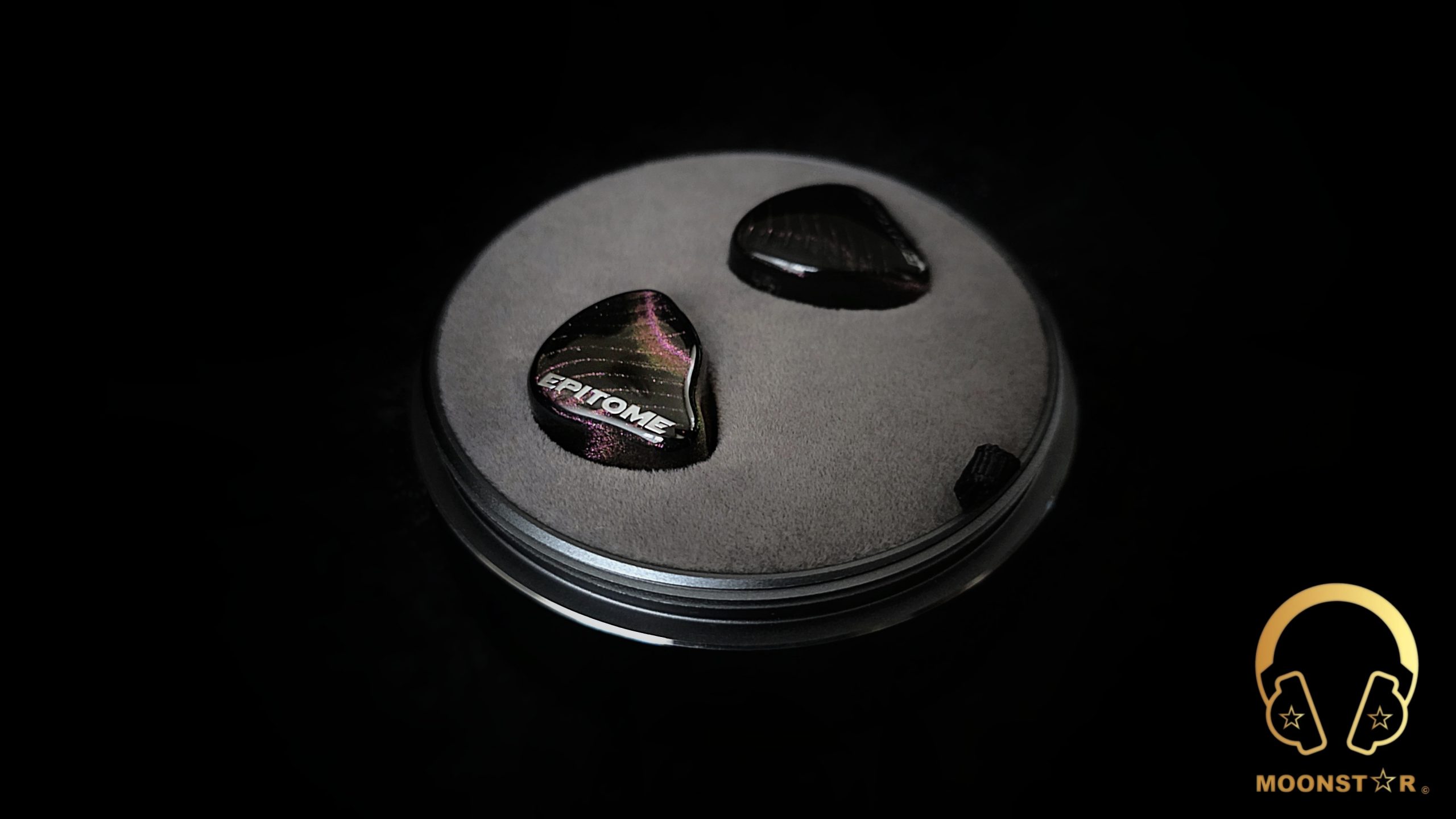
Upon opening the primary storage box, the interior is lined with a premium brown suede-like material that protects the contents and provides a high-end tactile feel. The internal layout is divided into specific compartments to house the various accessories. The monitors themselves are presented within a dedicated circular metal tin, which sits securely in a custom cutout. This metal case features a screw-on lid and a protective foam interior, ensuring the resin shells remain immobile during transit.
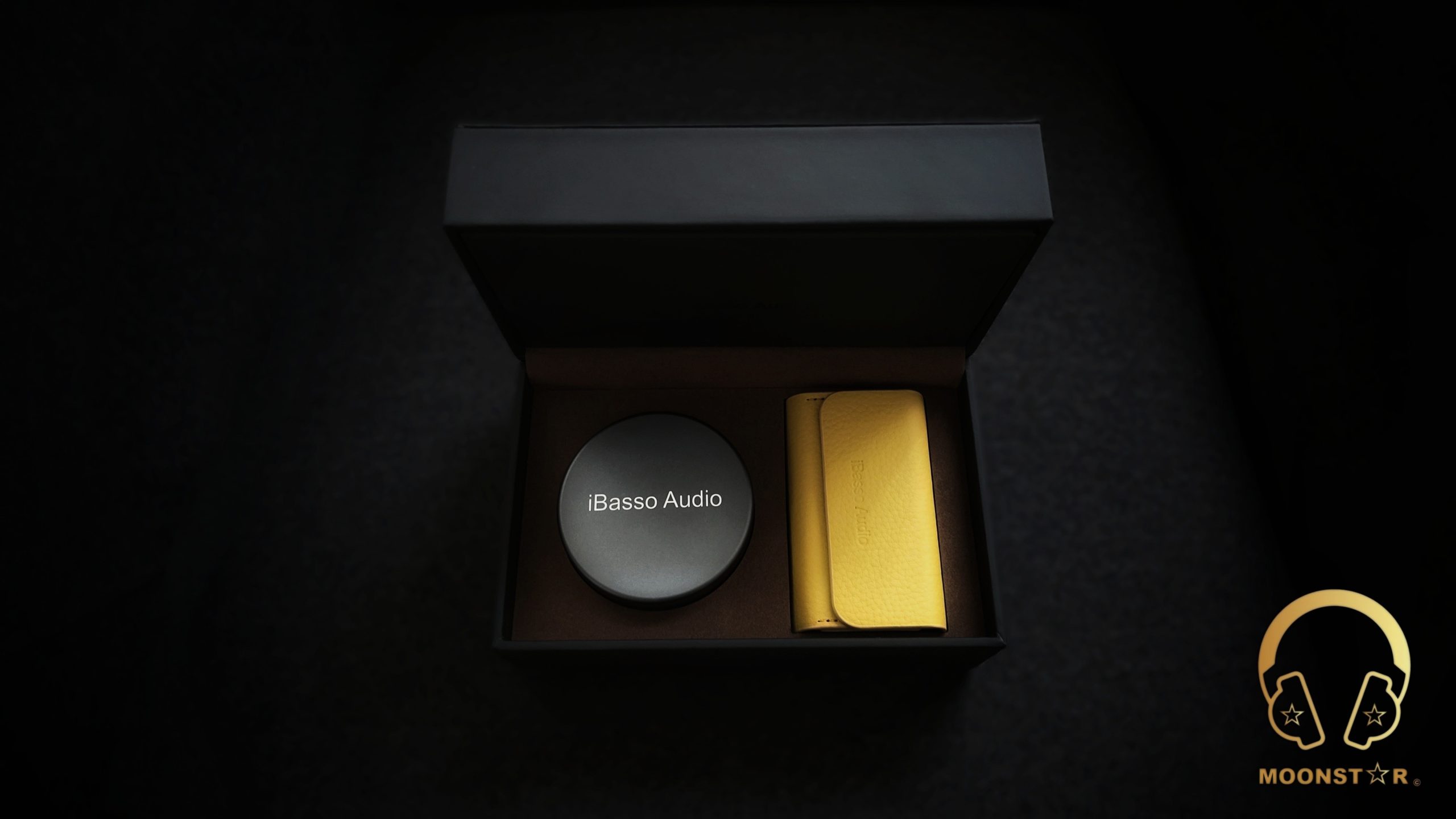
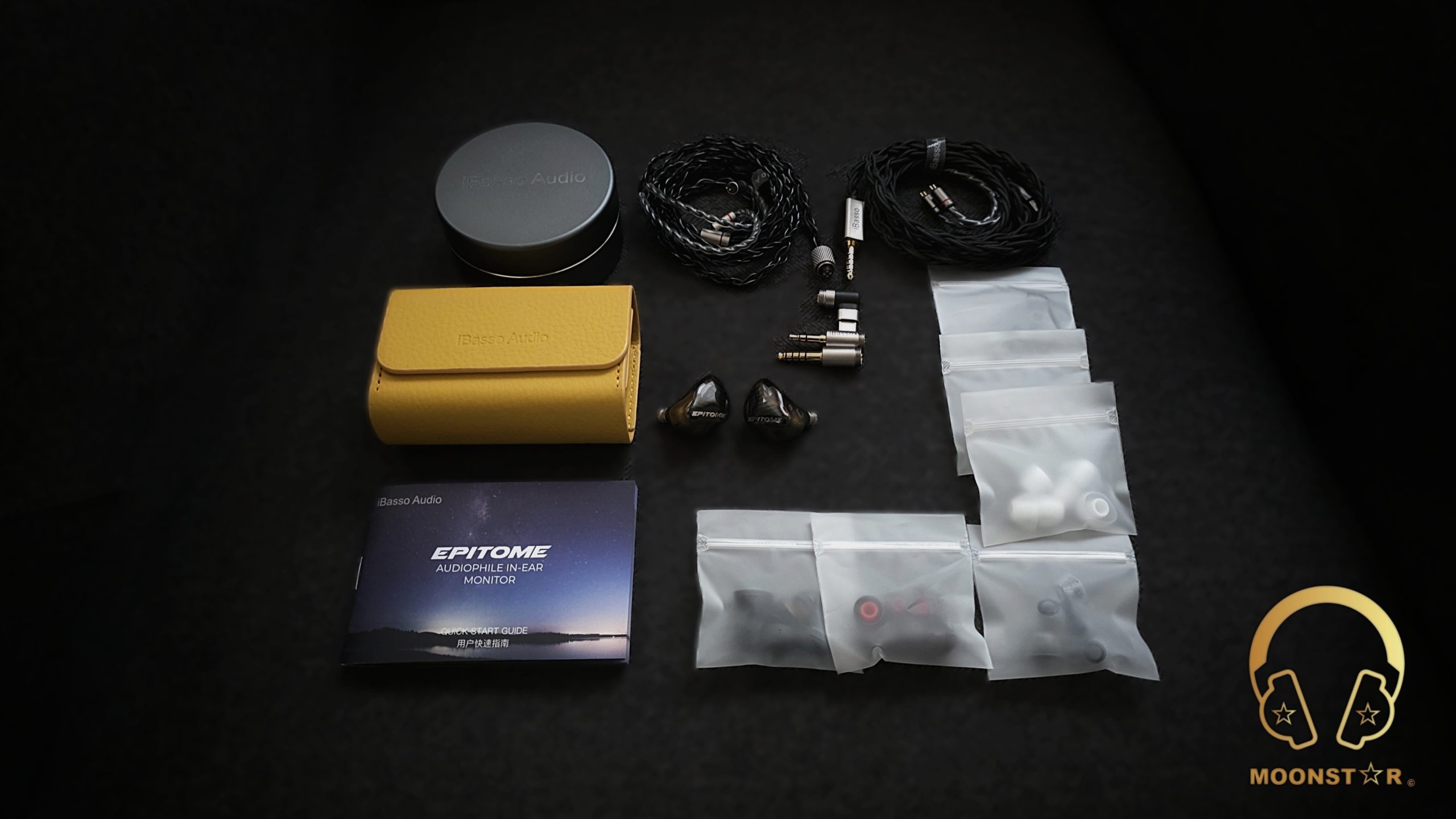
The box of the contains the following items;
- iBasso Epitome In-Ear Monitors·
- Standard cable
- New Alloy cable
- 4.4mm + 3.5mm + USB-C plugs
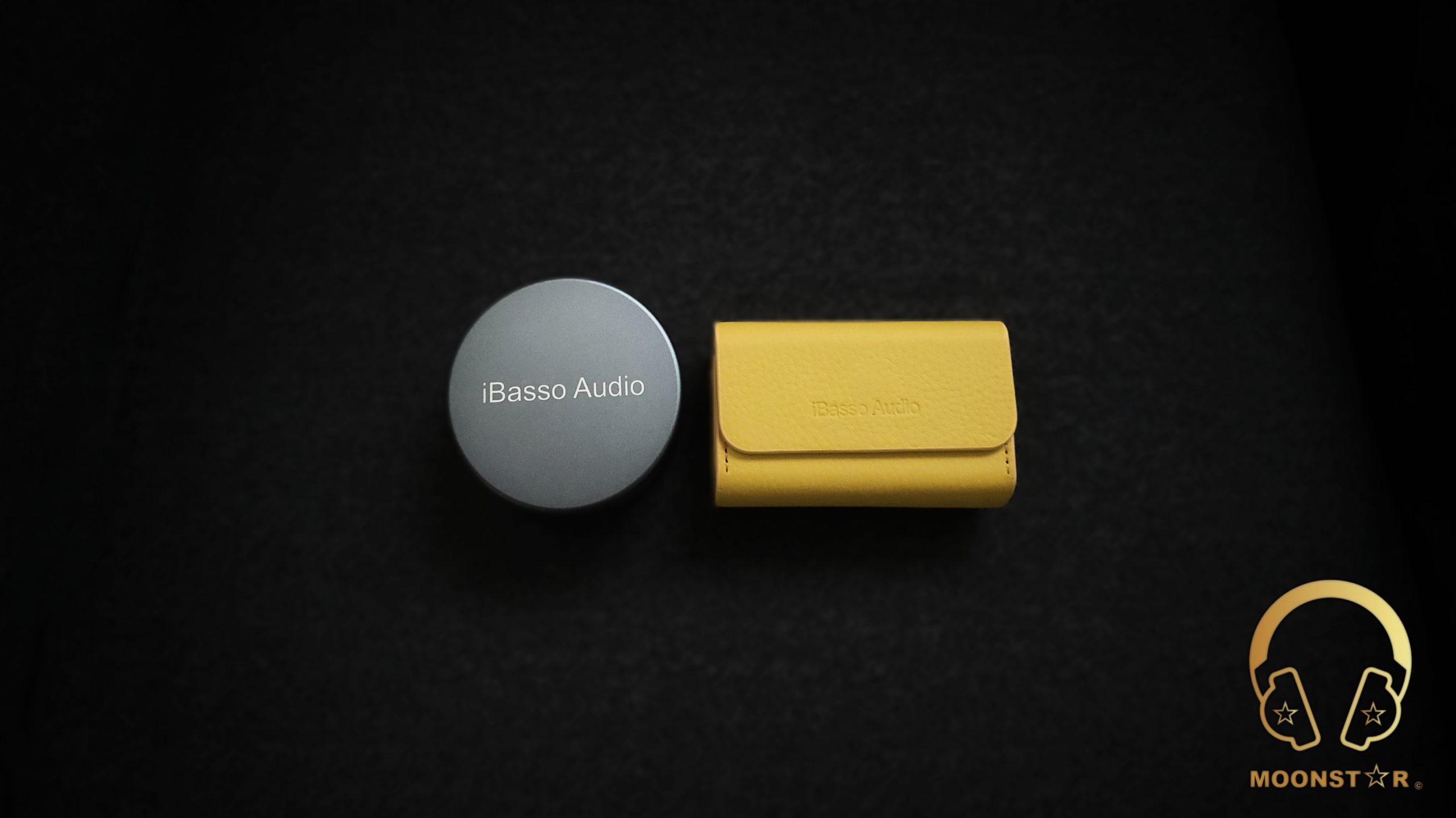
- Round metal case
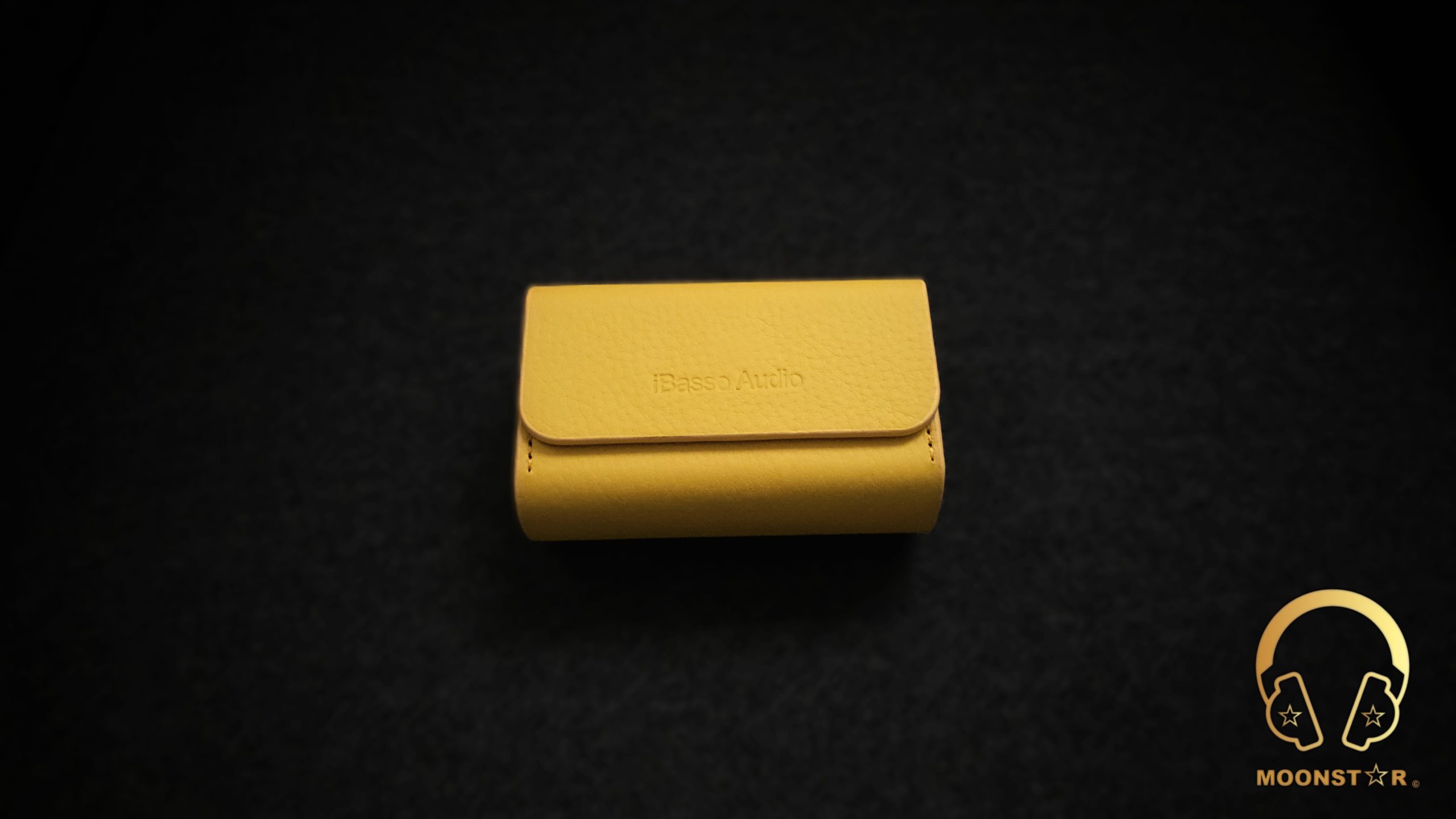
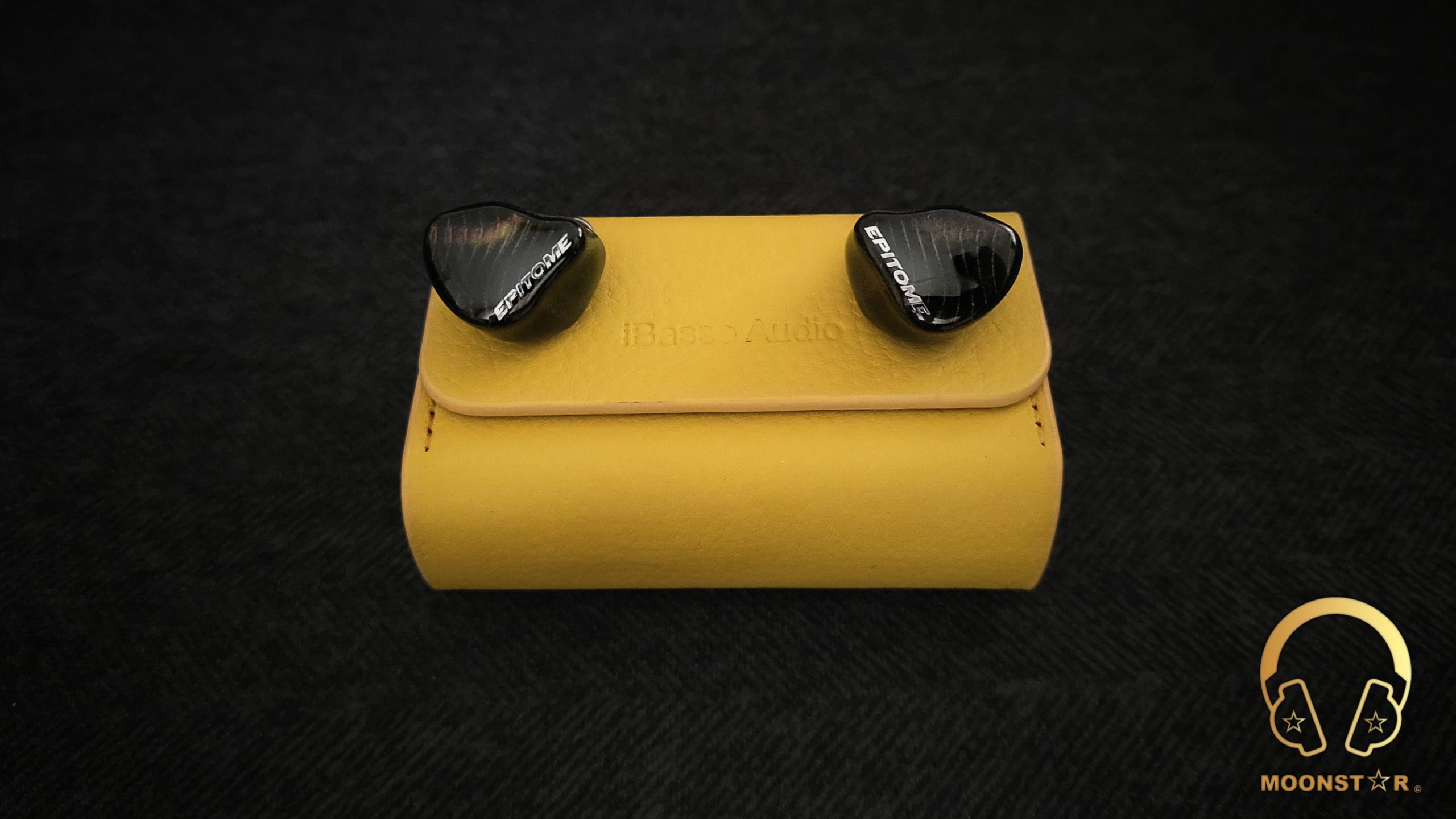
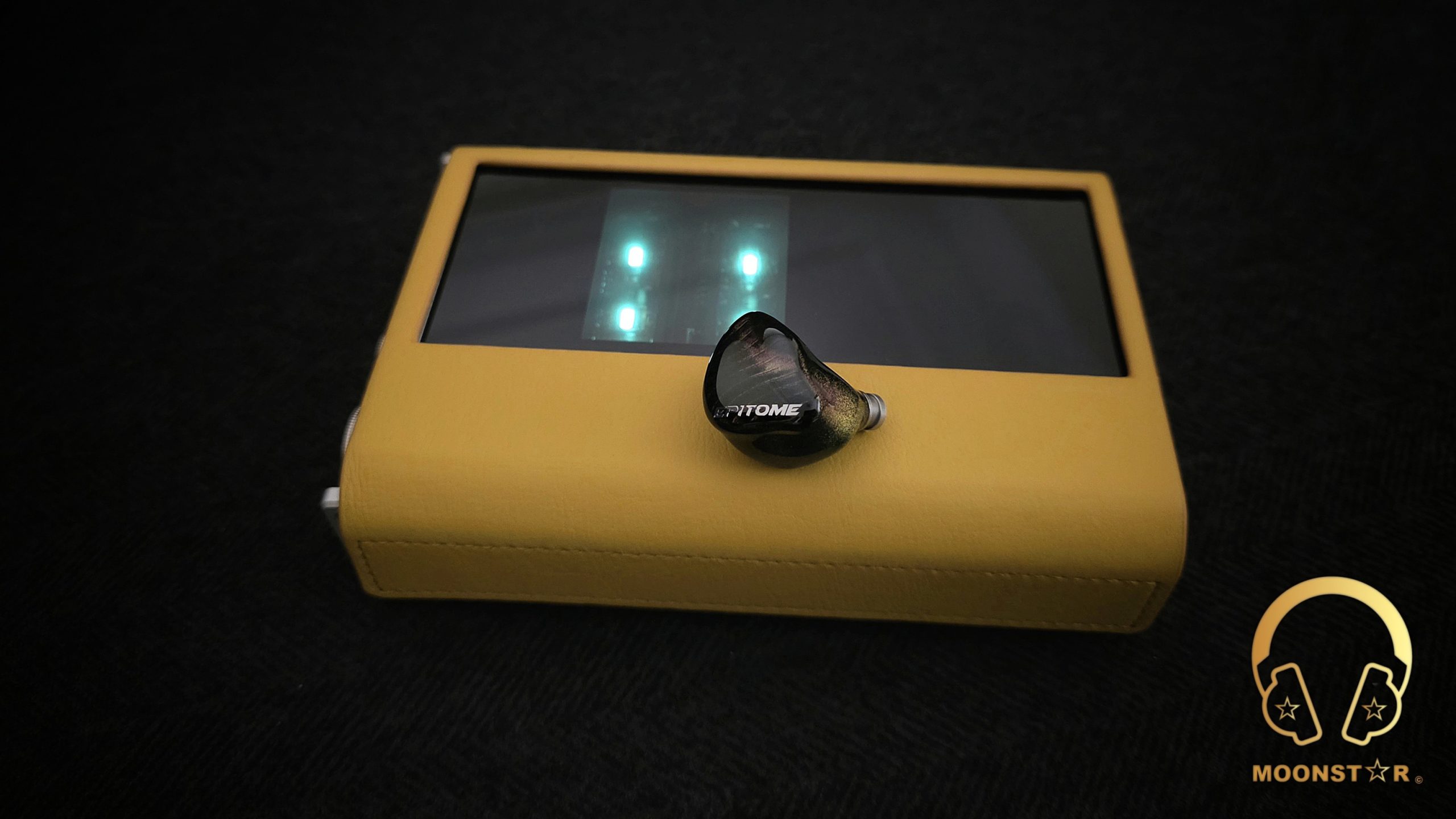
- Yellow magnetic closure case
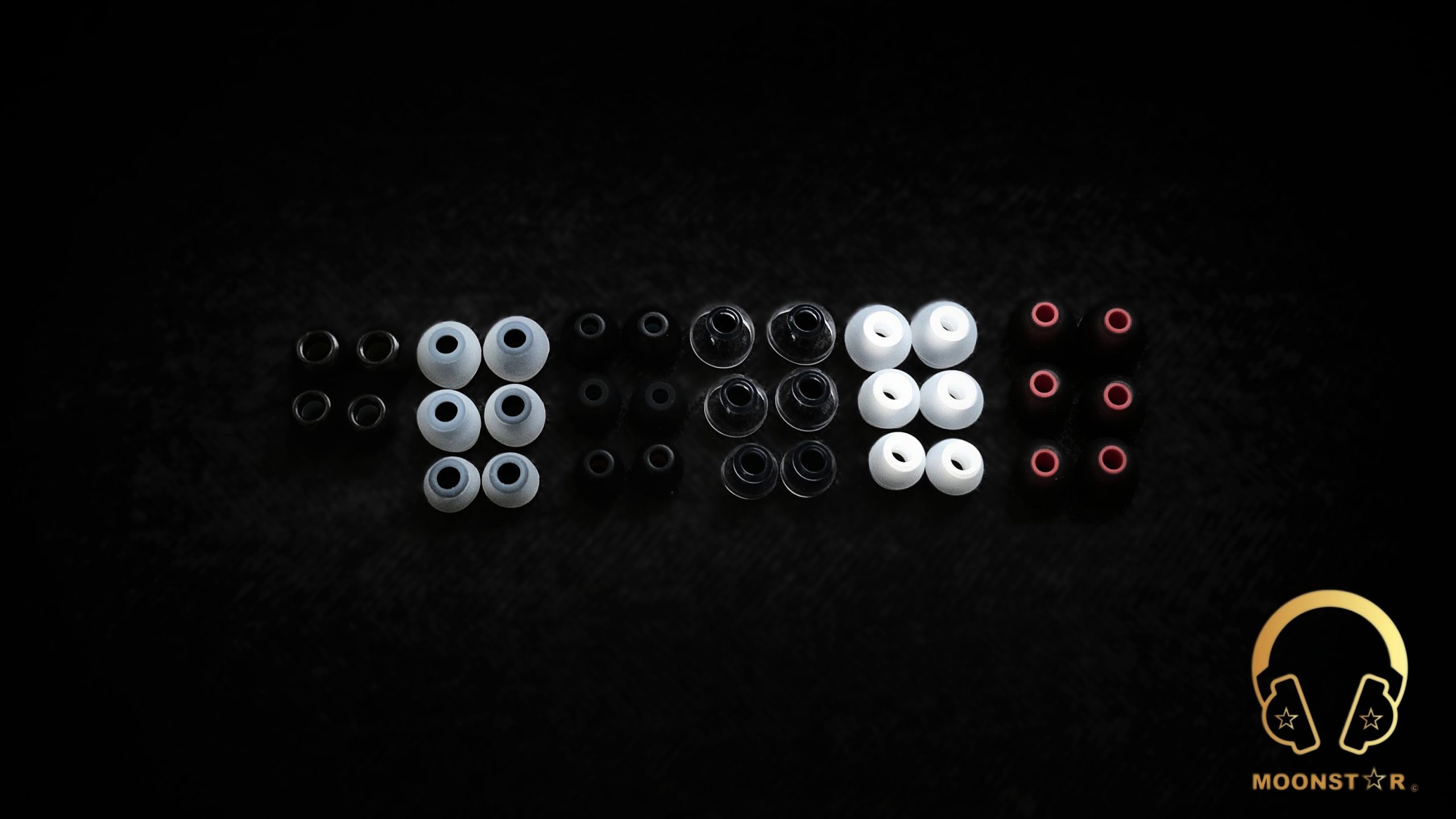
- Six types of ear tips
- Warranty card
- Warranty Card & Quick Start Guide
Design & Build Quality:
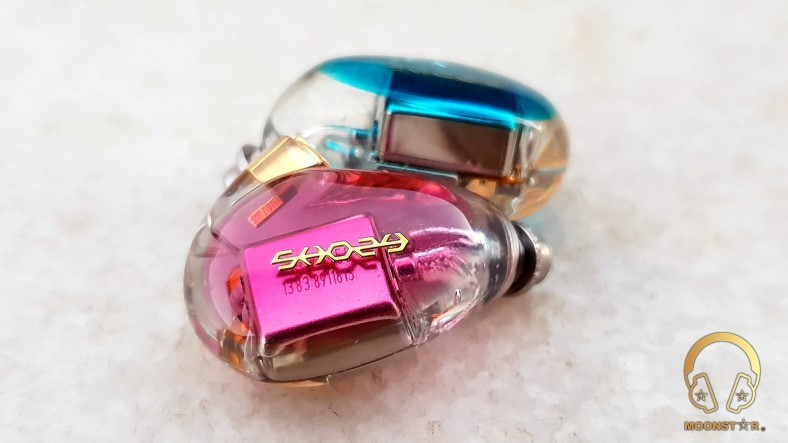
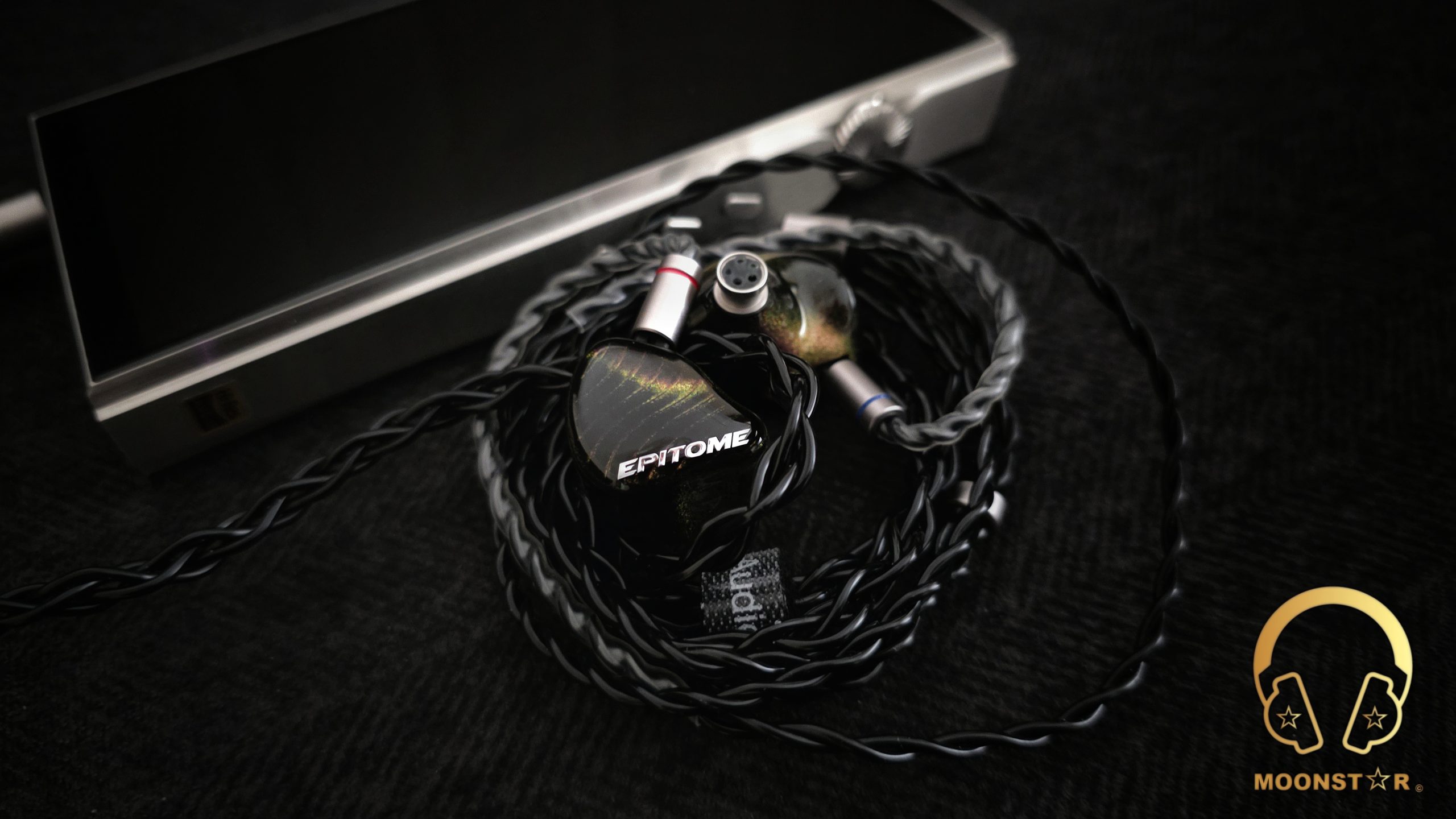
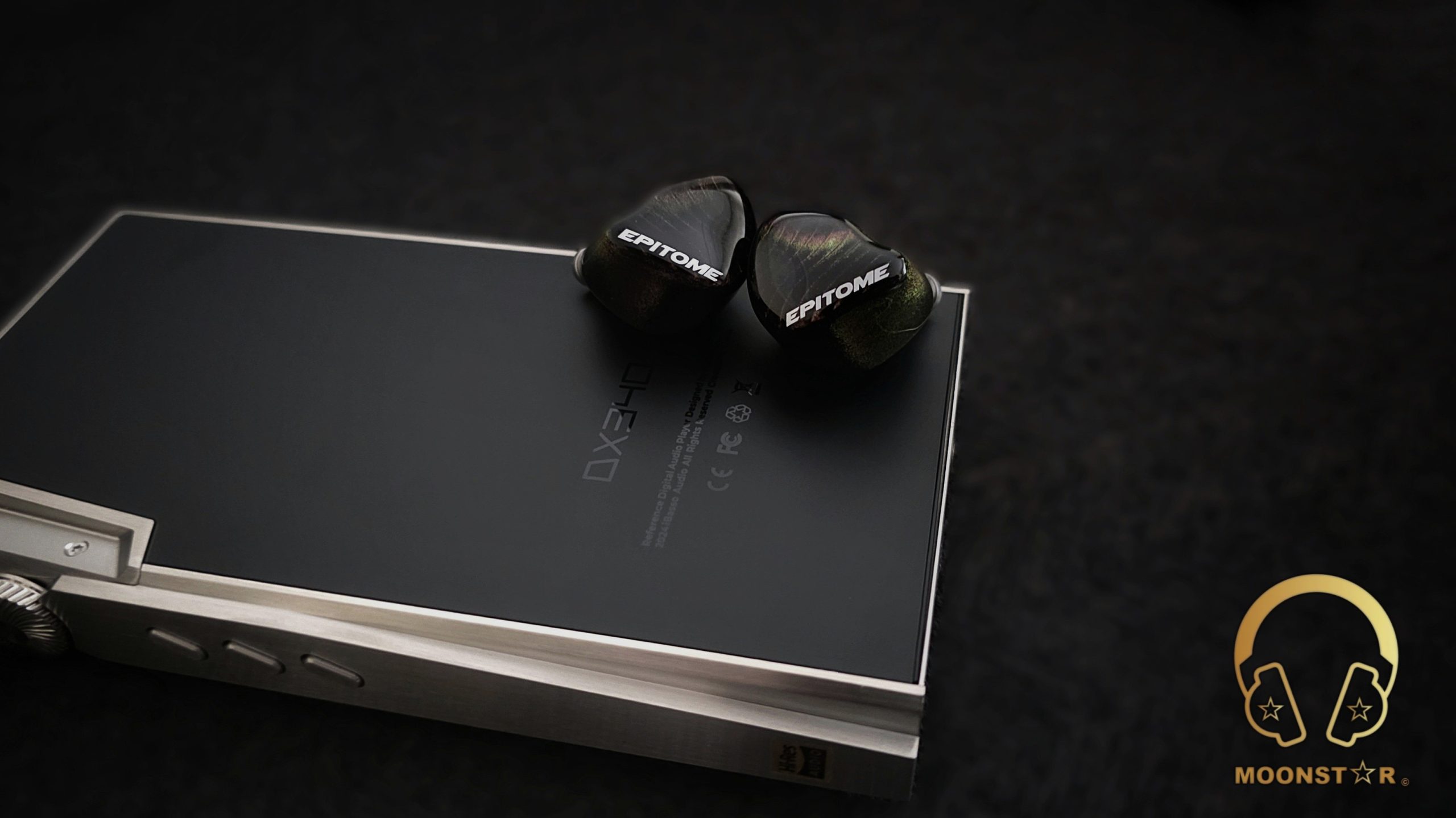
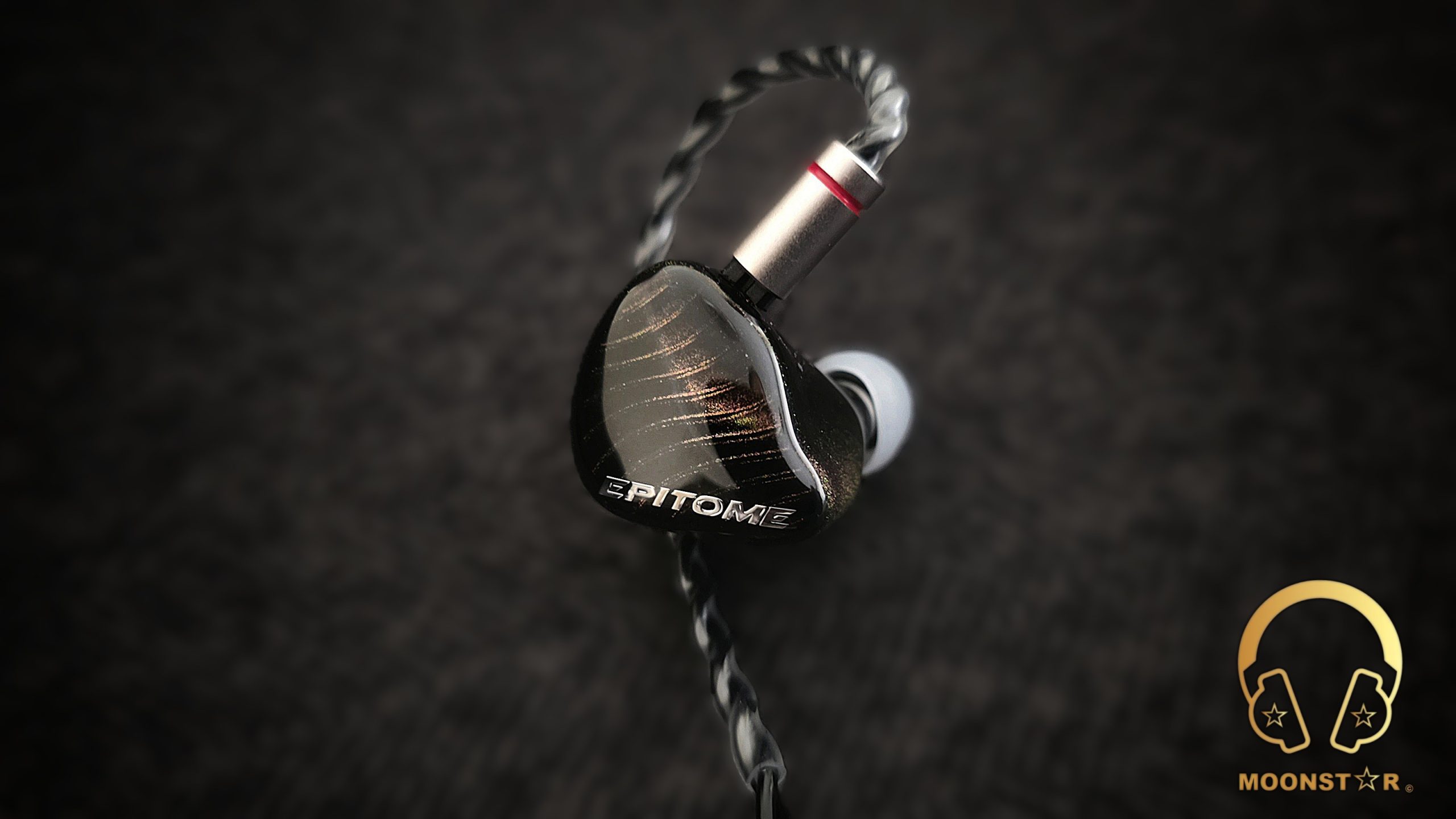
The design of the iBasso Epitome represents a notable change in the company’s approach to material engineering. Since the release of the IT07, iBasso’s flagship and mid‑tier monitors have largely relied on CNC‑machined metal housings. With the Epitome, the brand returns to high‑grade 3D‑printed hypoallergenic resin, primarily for functional reasons. The precision of 3D printing enables the creation of detailed internal acoustic chambers and driver supports that are difficult to achieve with traditional metal casting. This shift to resin is a practical solution for accommodating the large driver configuration of twenty units per side, combining electrostatic and balanced armature technologies within a structure designed to control resonance.
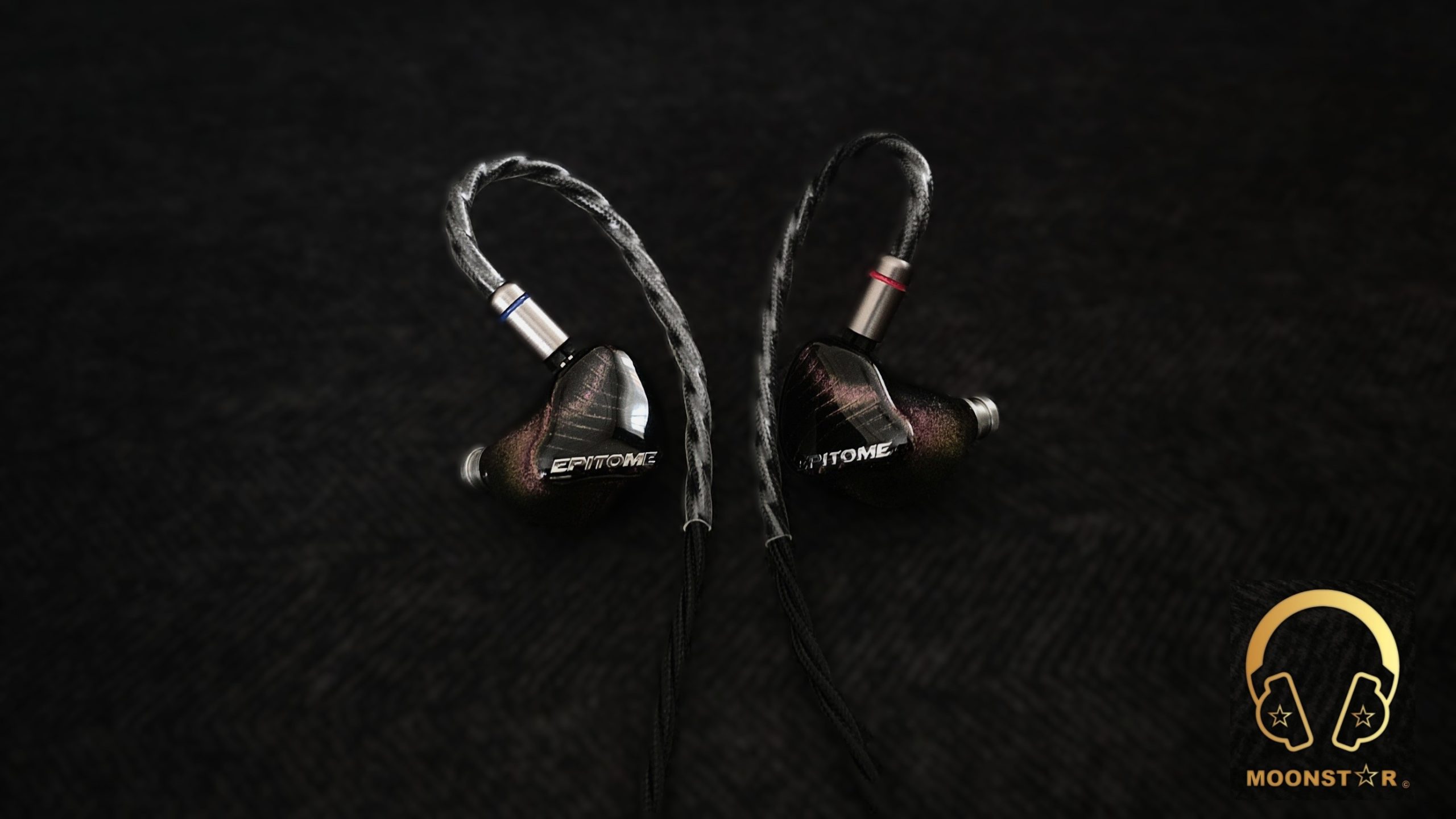
Despite the complex internal layout, each shell remains lightweight at 6.2 grams and is shaped for long‑term wearing comfort.
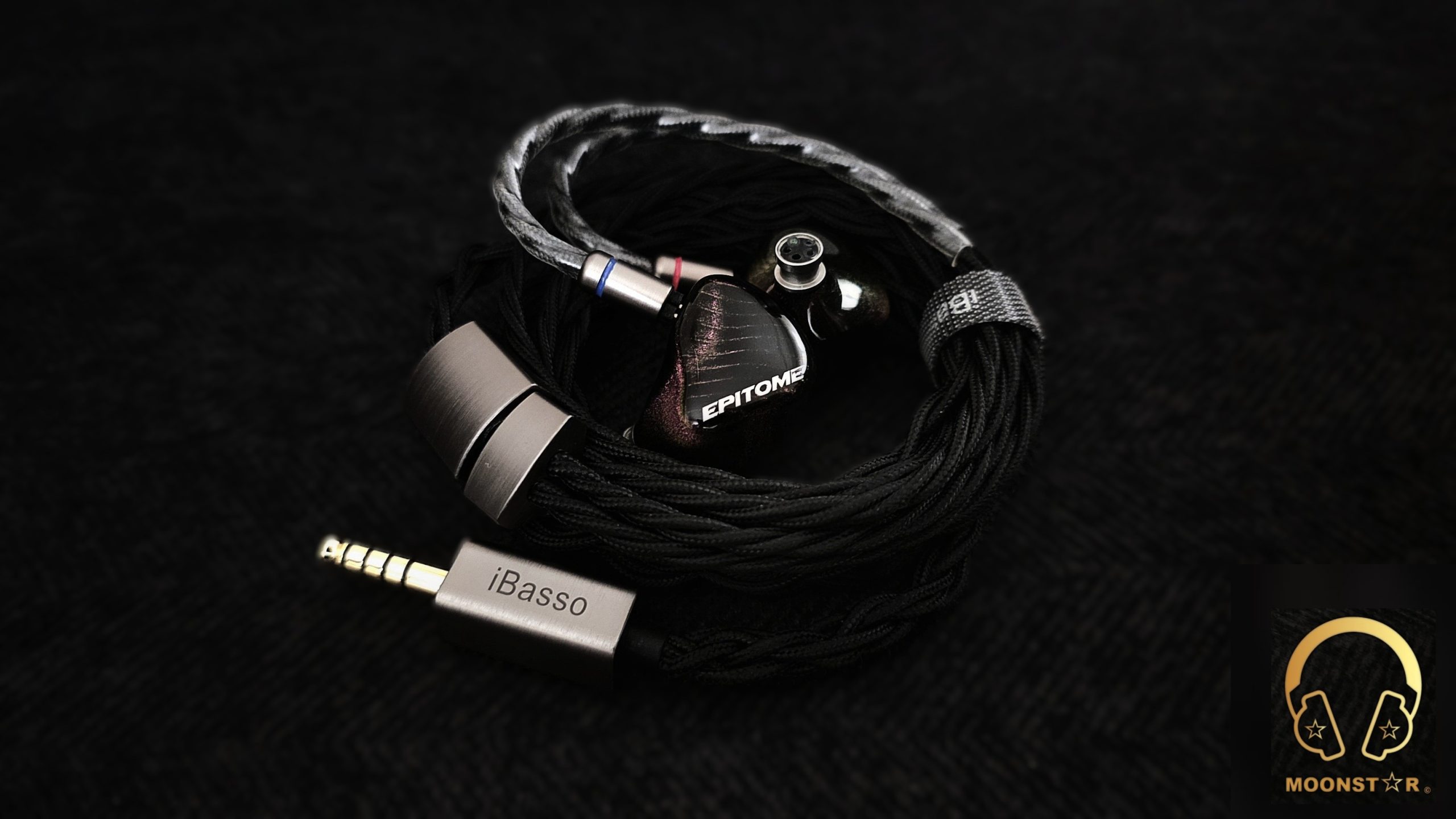
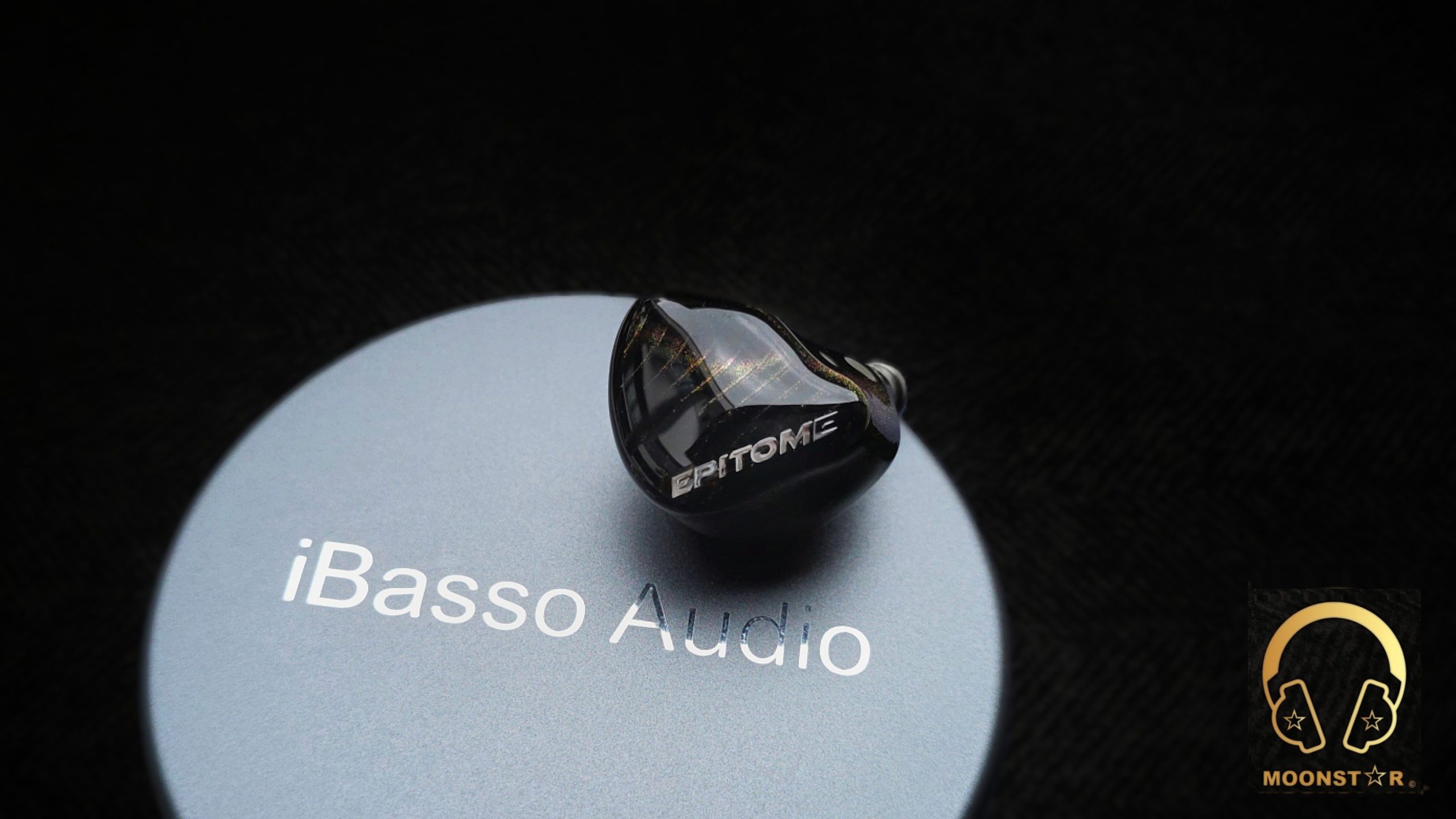
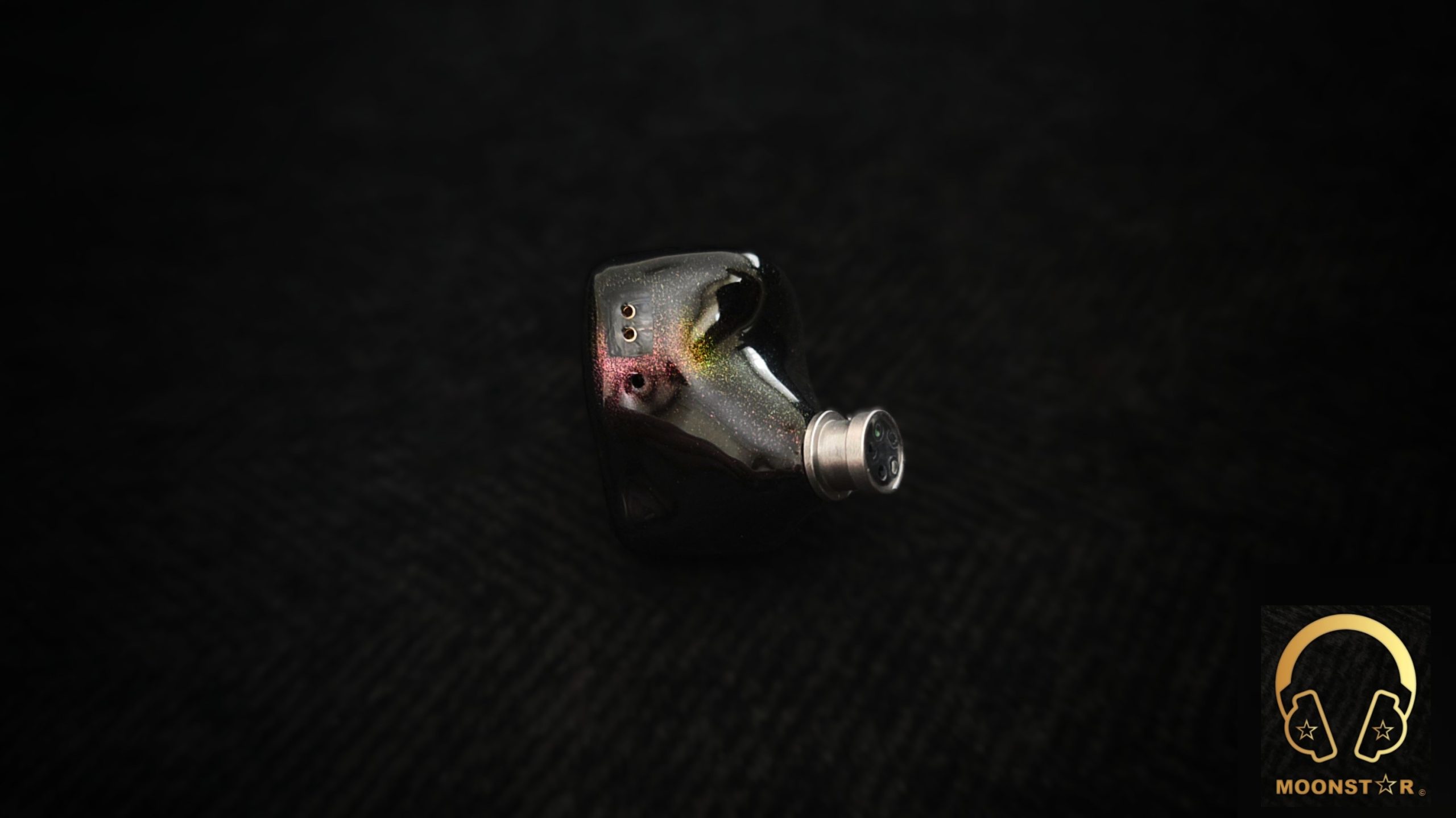
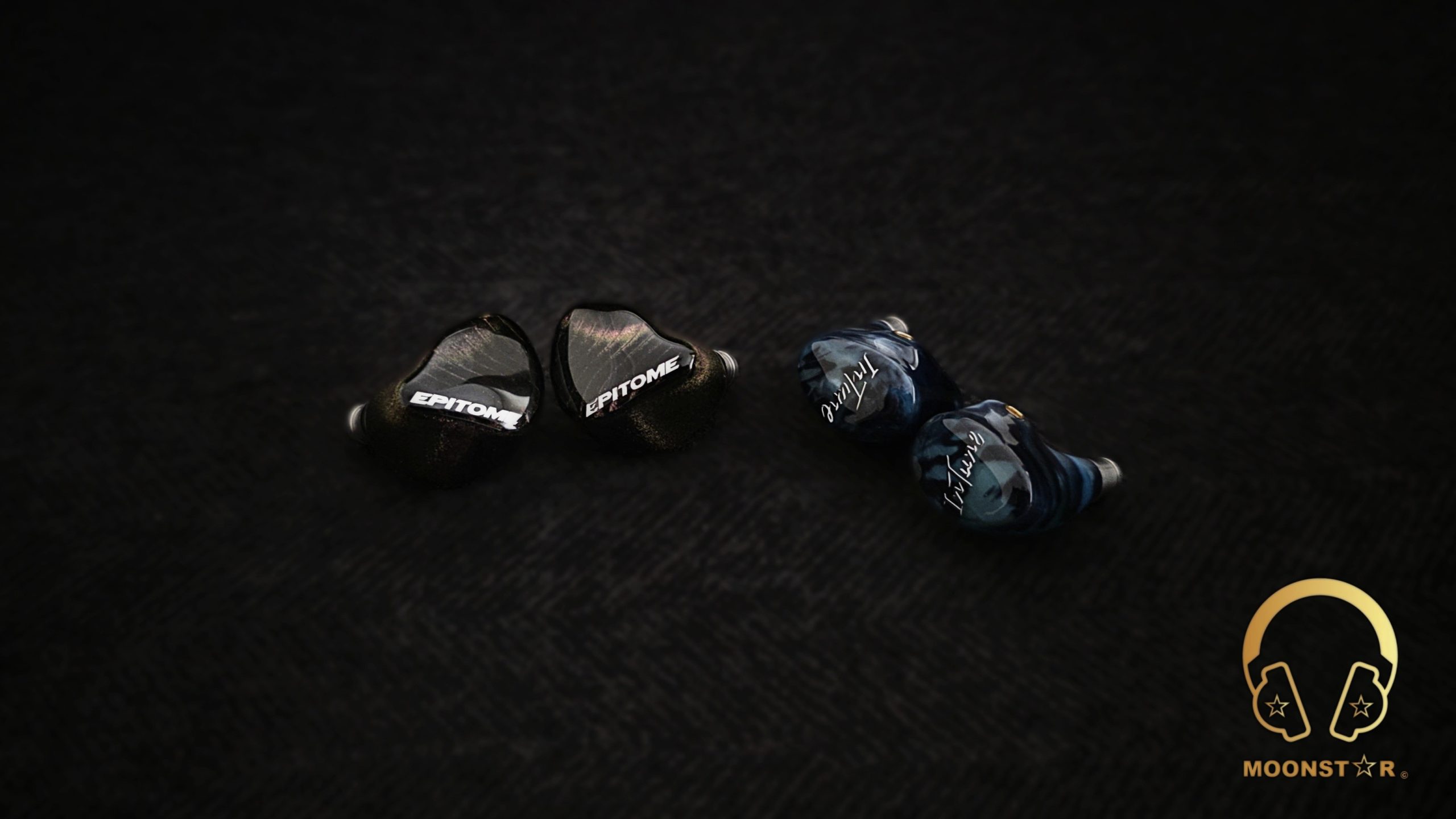
The external finish is produced through a process that embeds fine metallic particles directly into the resin layers. This results in a surface that reflects light with subtle depth beneath its polished exterior. Patterns of magenta, gold, and green are set against a black base, forming a beautiful unibody design.
Internally, the Epitome employs an acoustic architecture intended to coordinate the performance of its driver technologies. A five‑way crossover system, built with through‑hole resistors and specialized components, manages the transitions between frequency ranges to maintain coherence across lows, mids, and highs.
At the nozzle, five visible tubes correspond to the crossover design.
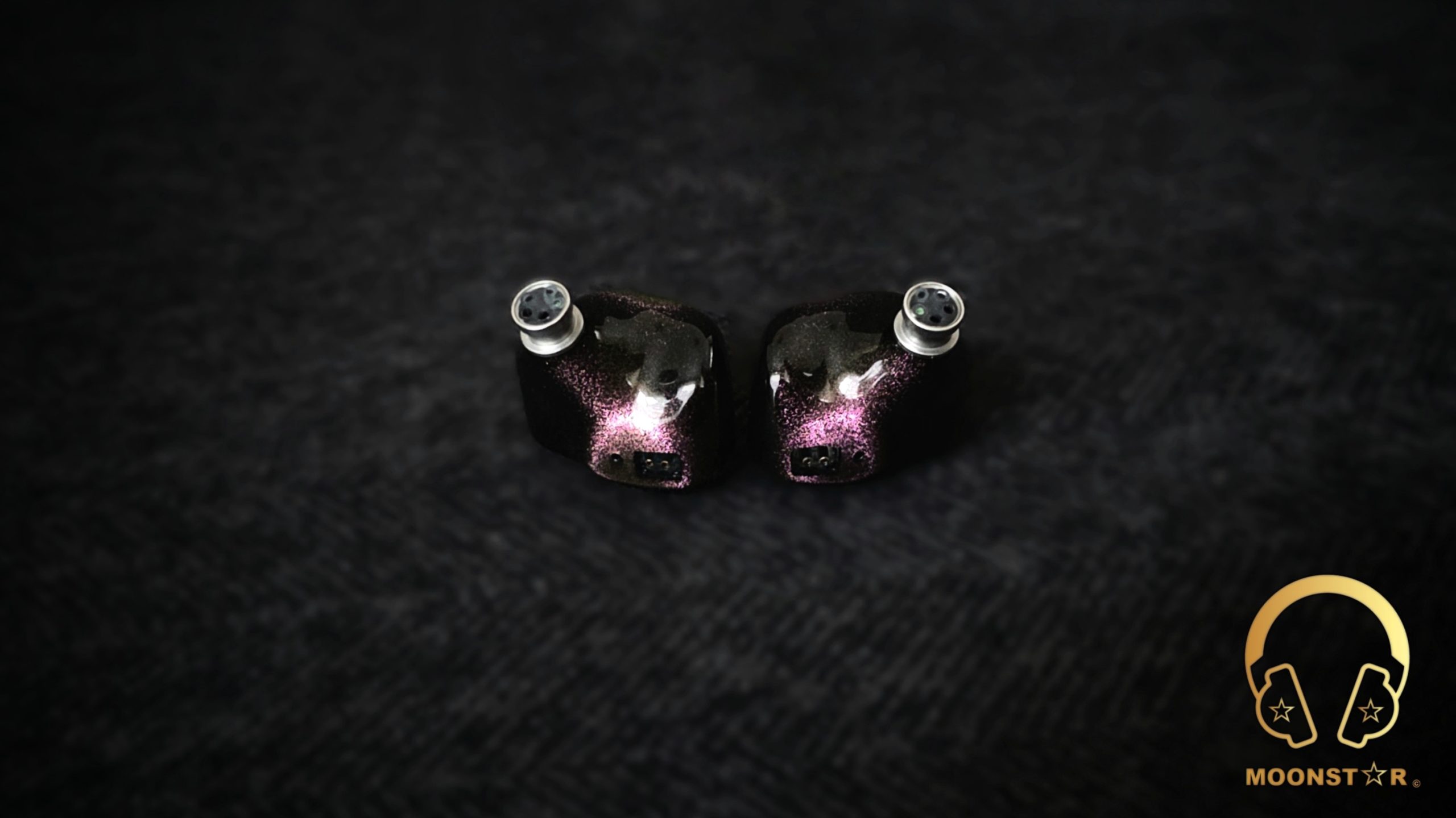
For connectivity, the Epitome uses the standard 0.78 mm 2‑Pin interface. This provides stable electrical contact and compatibility with a wide range of aftermarket cables, supporting both customization and long‑term usability.
Dual Cable:
The Epitome is supplied with two cables designed to meet different technical requirements and listening preferences.
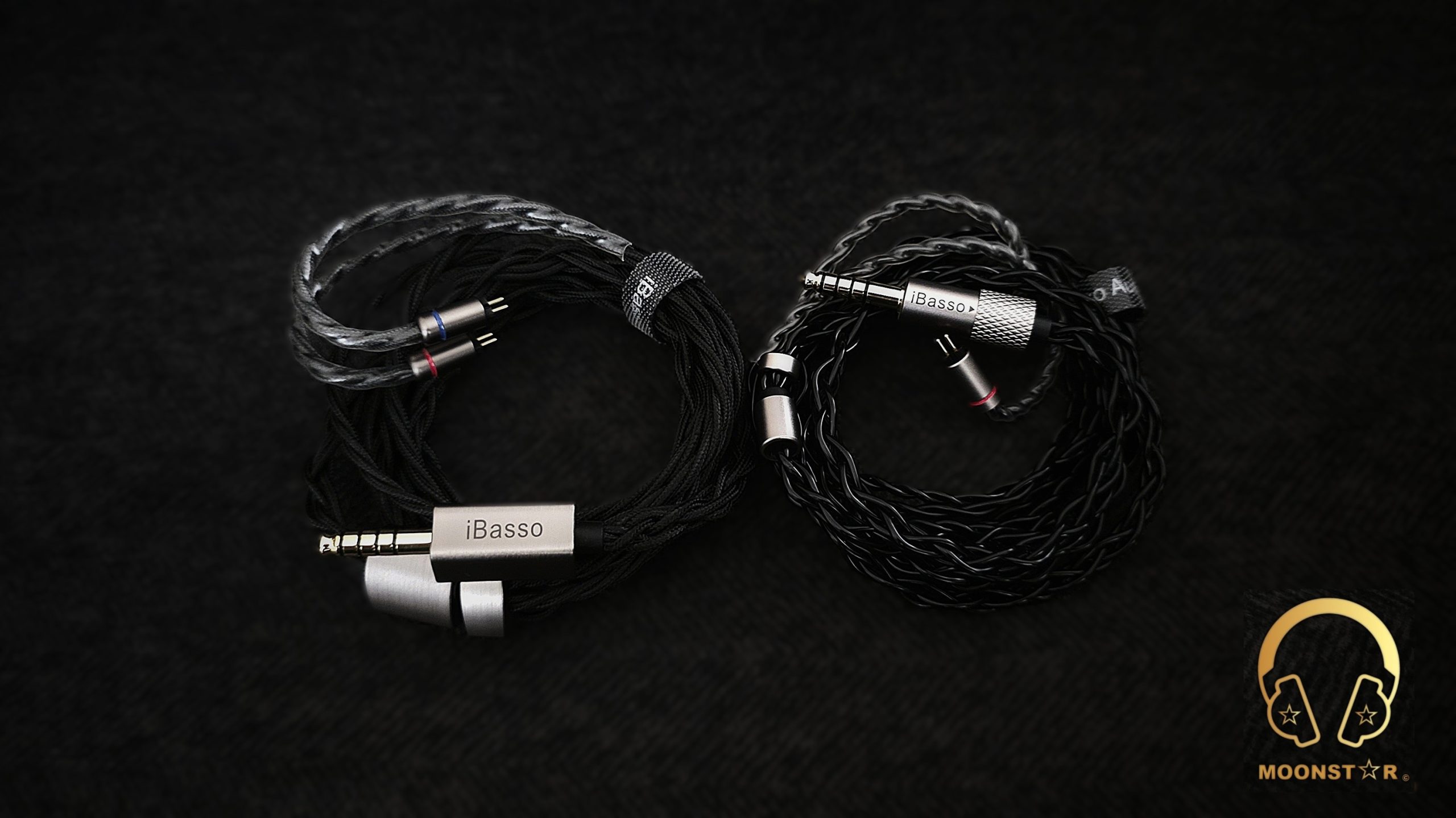
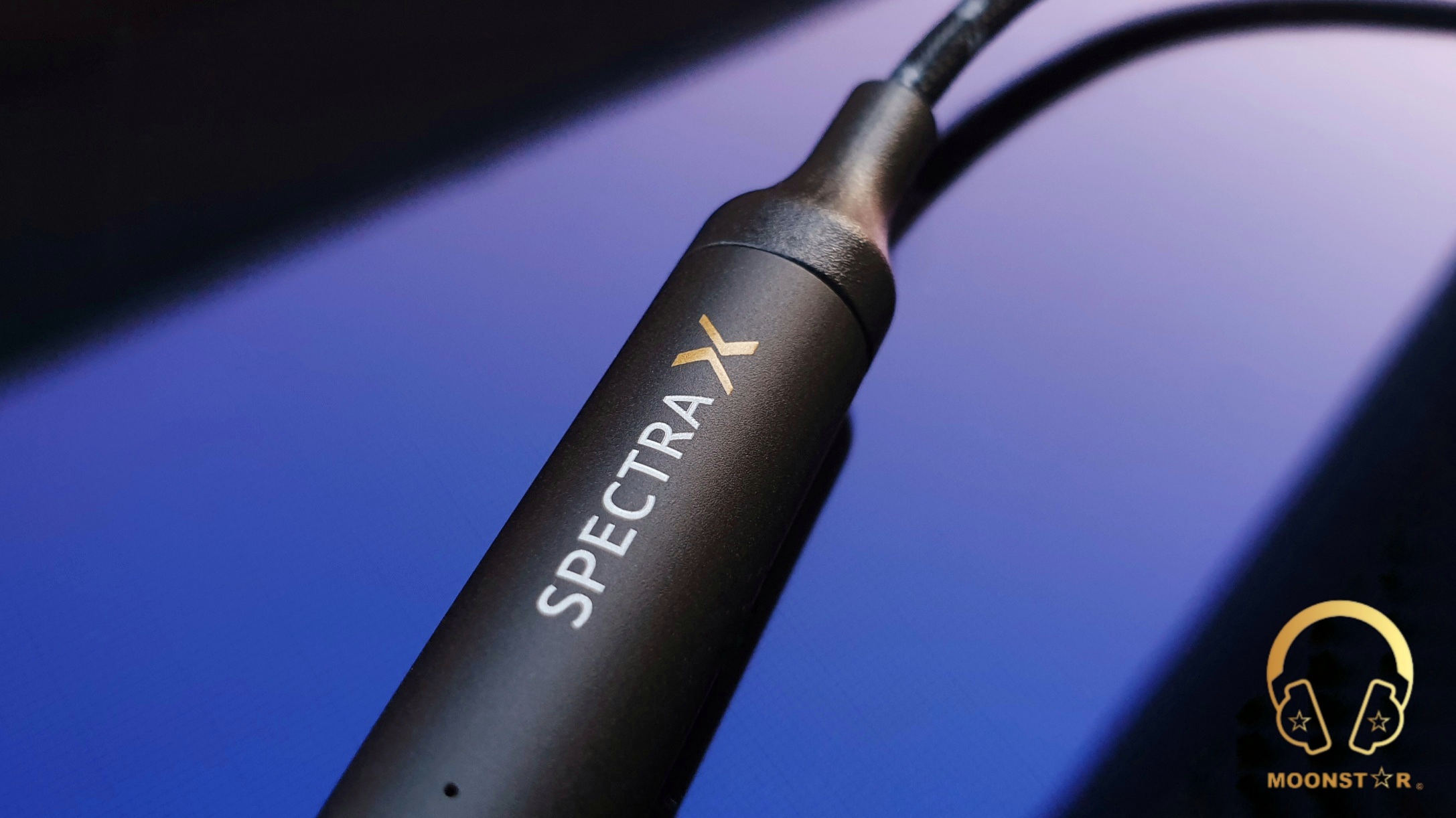
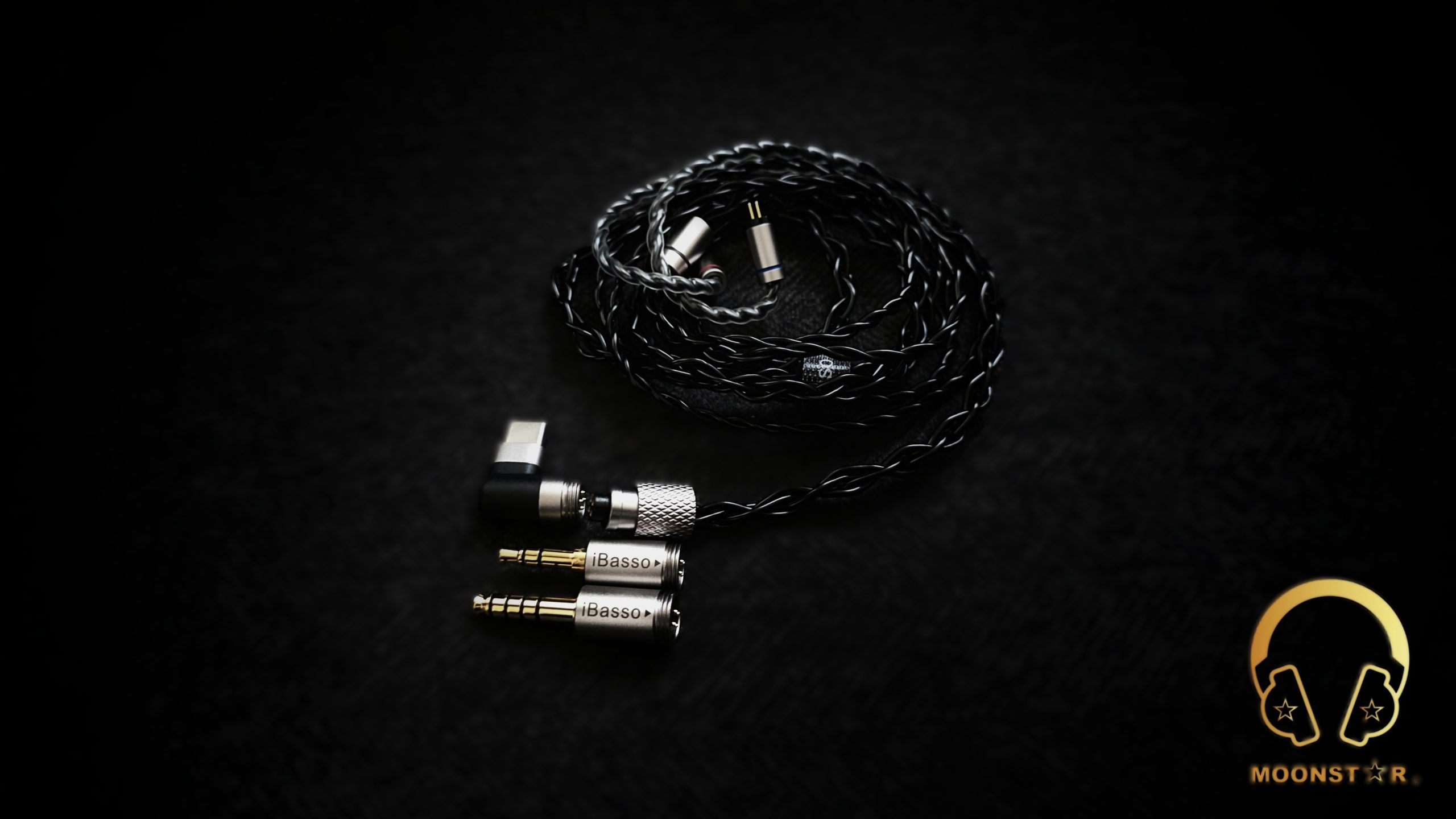
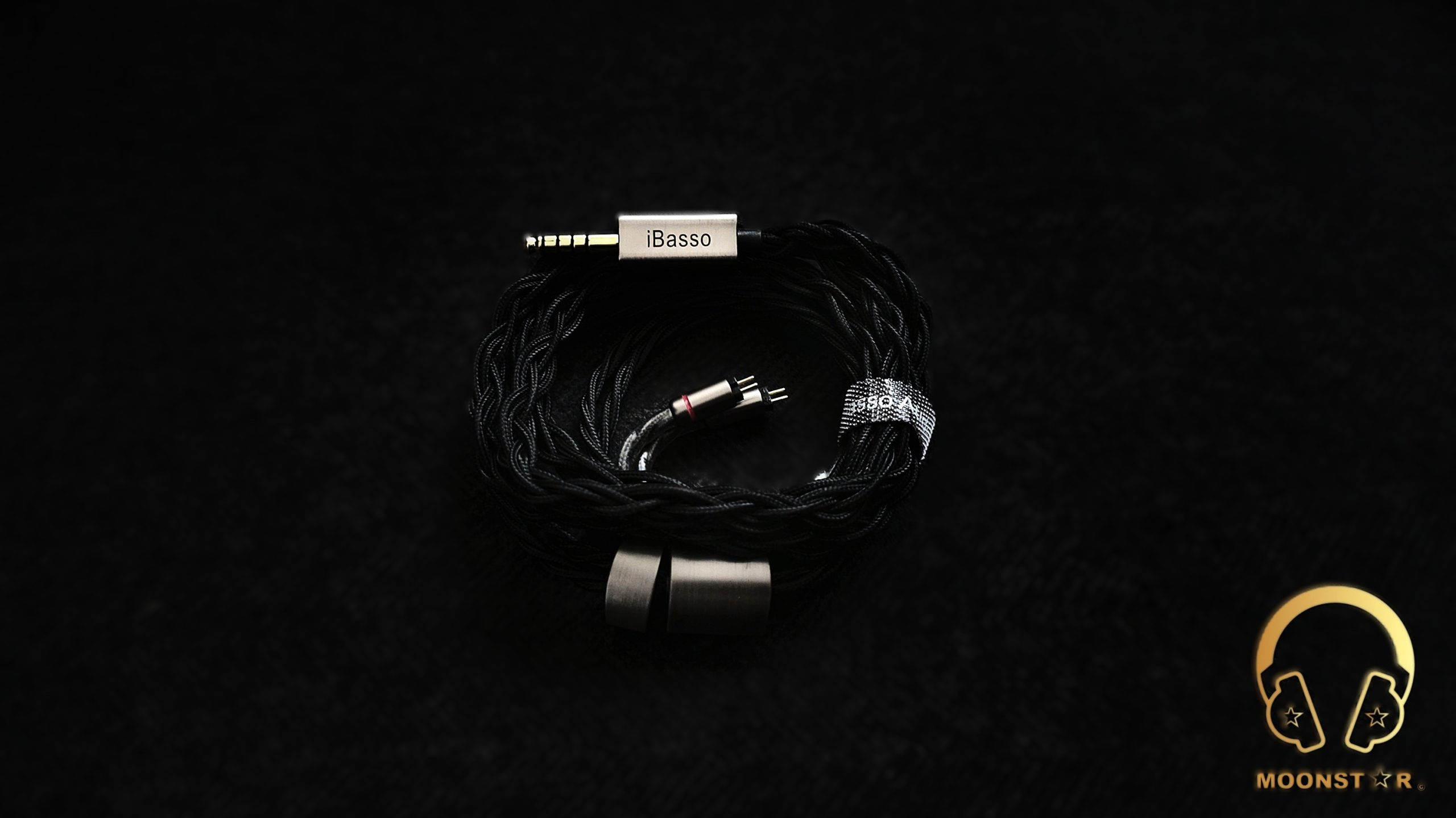
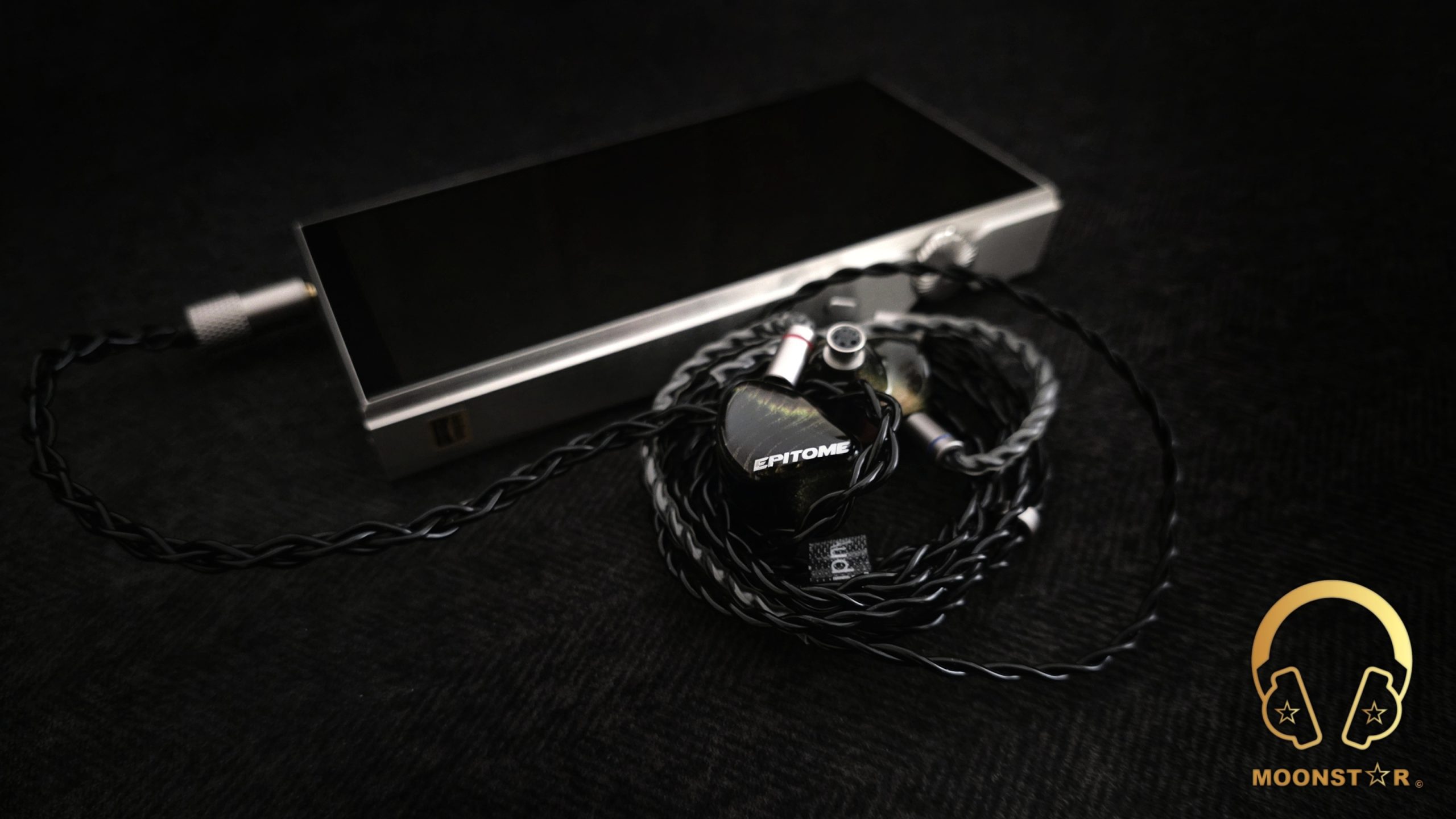
The primary cable is made from high‑purity 5N monocrystalline copper arranged in a Litz structure. The use of monocrystalline copper reduces signal loss at grain boundaries by providing a continuous path for electrical transmission. The Litz braiding further supports performance by insulating each strand individually, which helps minimize the skin effect and proximity effect. This design aims to deliver both high‑frequency information for the electrostatic drivers and low‑frequency energy for the balanced armatures with consistent efficiency. Physically, the cable is lightweight and flexible, with a soft jacket that reduces microphonic interference during movement. It incorporates a modular plug system that allows quick changes between 3.5 mm single‑ended, 4.4 mm balanced, and USB‑C terminations.
A second cable, made from an experimental silver‑plated alloy, is included as part of the flagship package. Developed specifically for the Epitome, it uses a different metallurgical composition and is finished with a fabric sheathing. This sheathing gives the cable a more substantial feel, though it can be more prone to microphonic noise when in contact with clothing compared to the thinner copper version. As this alloy cable has not yet undergone the same long‑term durability testing as the standard copper cable, iBasso provides it as a complimentary, non‑warranty accessory.
Technical Specifications:
- Model: Epitome
- Driver Type: 20 Driver Configuration (8 Electrostatic + 12 Balanced Armature)
- Frequency Response: 20Hz to 20kHz
- Sensitivity: 113dB SPL/mW
- Impedance: 17 ohm
- Housing Material: 3D Printed Hypoallergenic Resin
- Crossover: 5 Way Passive Crossover
- Cable Type: 5N Monocrystalline Copper (Reference) and New Alloy Silver Plated (Experimental)
- Plug Size: 3.5mm Single Ended, 4.4mm Balanced, and USB C (Swappable Plug Design)
- Cable Lengths: 120cm
- Weight: 6.2g per side without cable
Fit, Comfort & Isolation:
The engineering of the iBasso Epitome is particularly notable because the housing remains remarkably compact despite the high internal driver count. While it must accommodate a complex array of twenty drivers per side, the 3D printed resin shells maintain a small and manageable physical footprint. This architectural efficiency ensures that the monitors do not feel bulky or protrude excessively from the ear, which is a common challenge for flagship designs utilizing such a high number of components. The reduced shell size contributes directly to a stable and secure fit, allowing the housing to sit naturally within the concha. This compact form factor, combined with the lightweight profile of approximately 6.2 grams per side, allows for a comfortable experience that belies the technical density of the hardware inside. Furthermore, the passive noise isolation is above average for a non custom monitor. The high density resin and contoured shell design effectively block a significant portion of ambient noise, making the Epitome suitable for travel or use in busy environments. This level of attenuation ensures that the listener can focus on the intricate details of the music without excessive interference from the surrounding environment.
Pairing & Drivability:
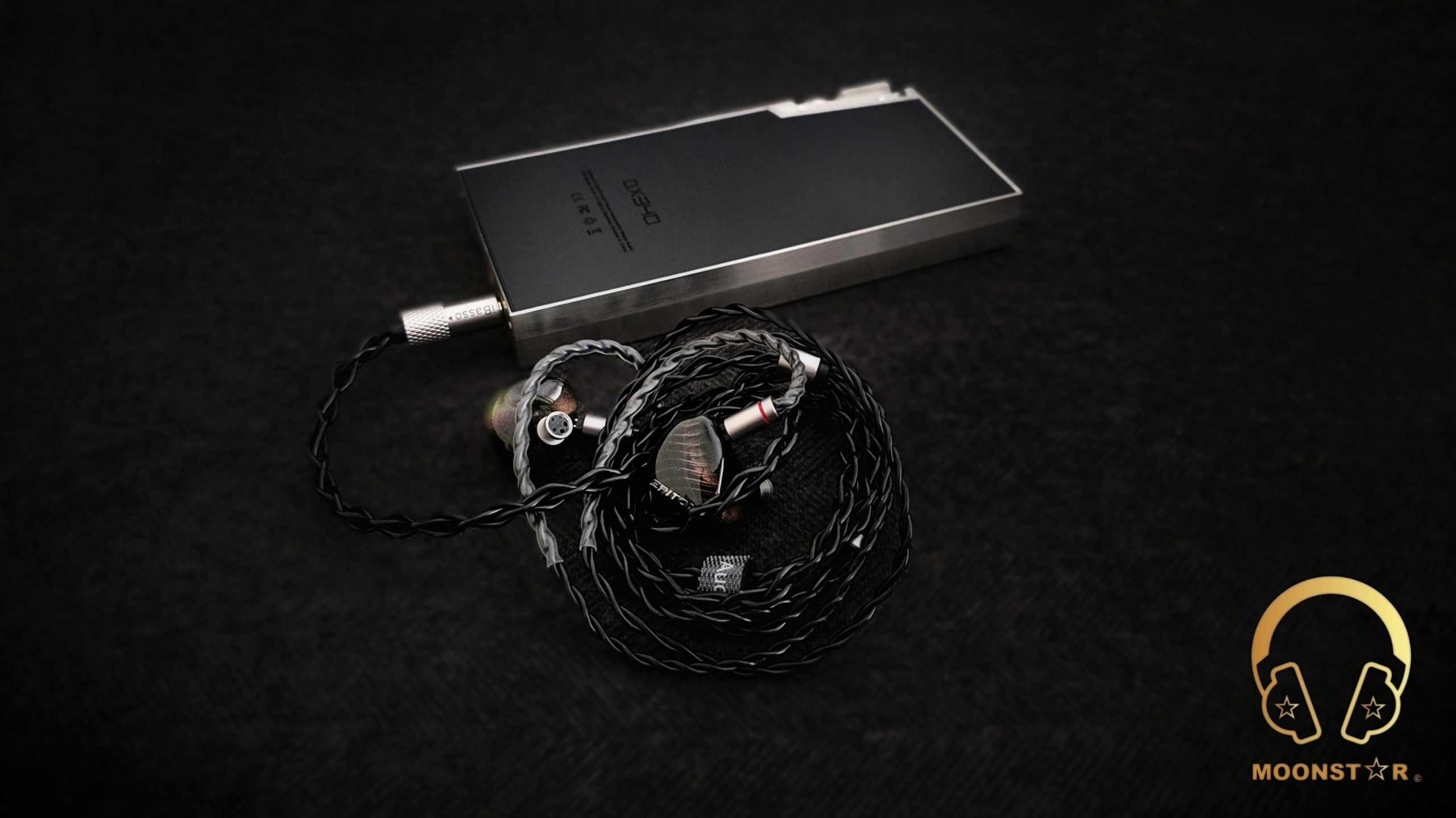
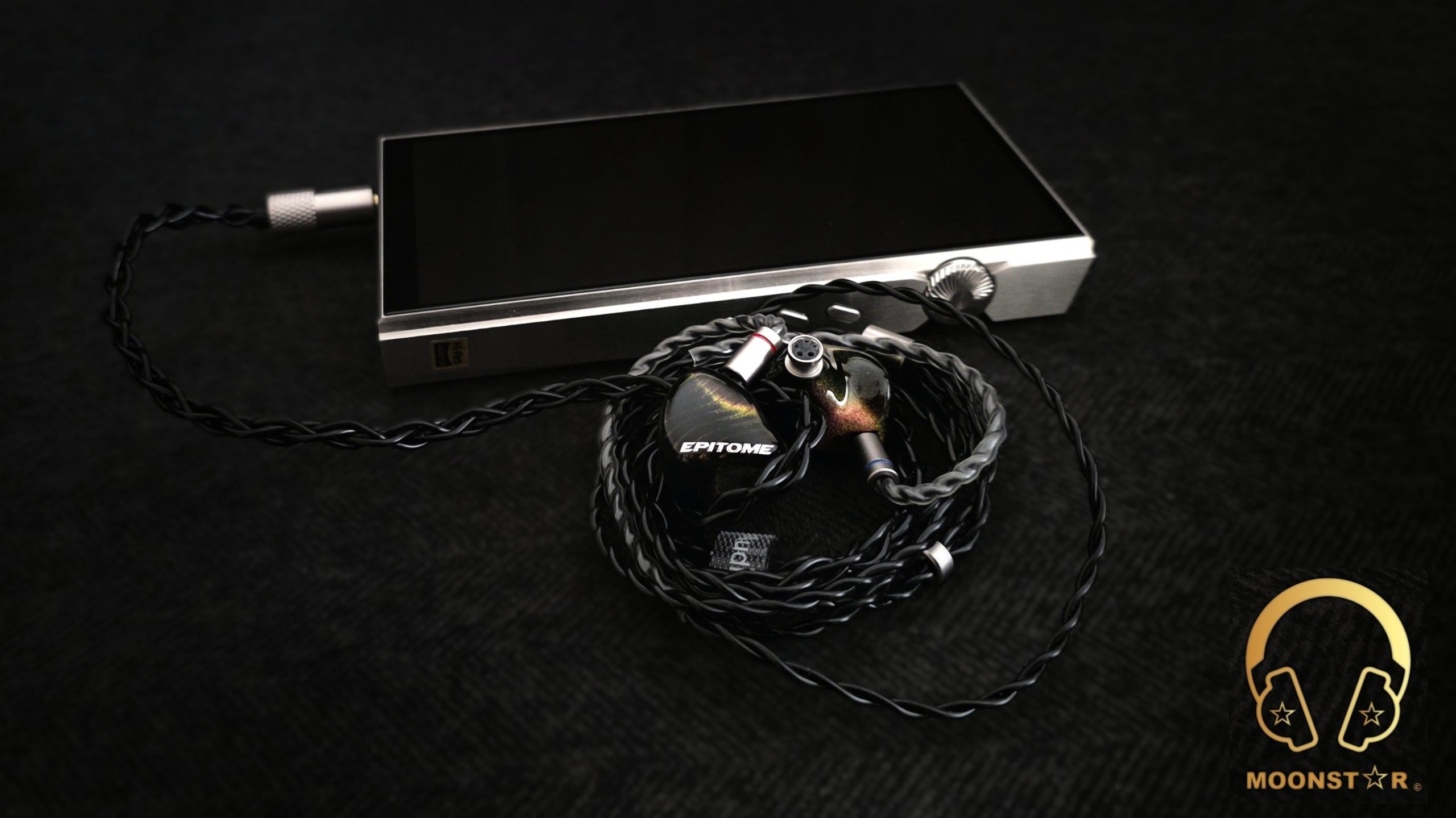
With a nominal impedance of 17 ohms and a sensitivity of 113dB SPL/mW, the iBasso Epitome is technically efficient enough to be driven by a wide variety of sources. However, these specifications only tell part of the story regarding the power requirements for a twenty driver system. While it can produce adequate volume levels from basic portable devices, the eight electrostatic drivers require more than just standard voltage to perform optimally.
To truly experience the technical capabilities of the electrostatic array, a source with high current delivery and a very low noise floor is recommended. The internal transformers for the electrostatic units demand a stable and clean power supply to reach their full potential in terms of transparency and high frequency extension. While the Epitome sounds competent when used with a standard dongle, it only achieves its intended flagship performance when paired with high quality sources that can properly energize the system.
It is important to note that the Epitome is a highly sensitive instrument. Because of this high sensitivity, it is prone to picking up the noise floor of the connected source. When paired with lower quality amplifiers or devices with a high output impedance, you may notice a faint background hiss or static noise.
Sources used for this review:
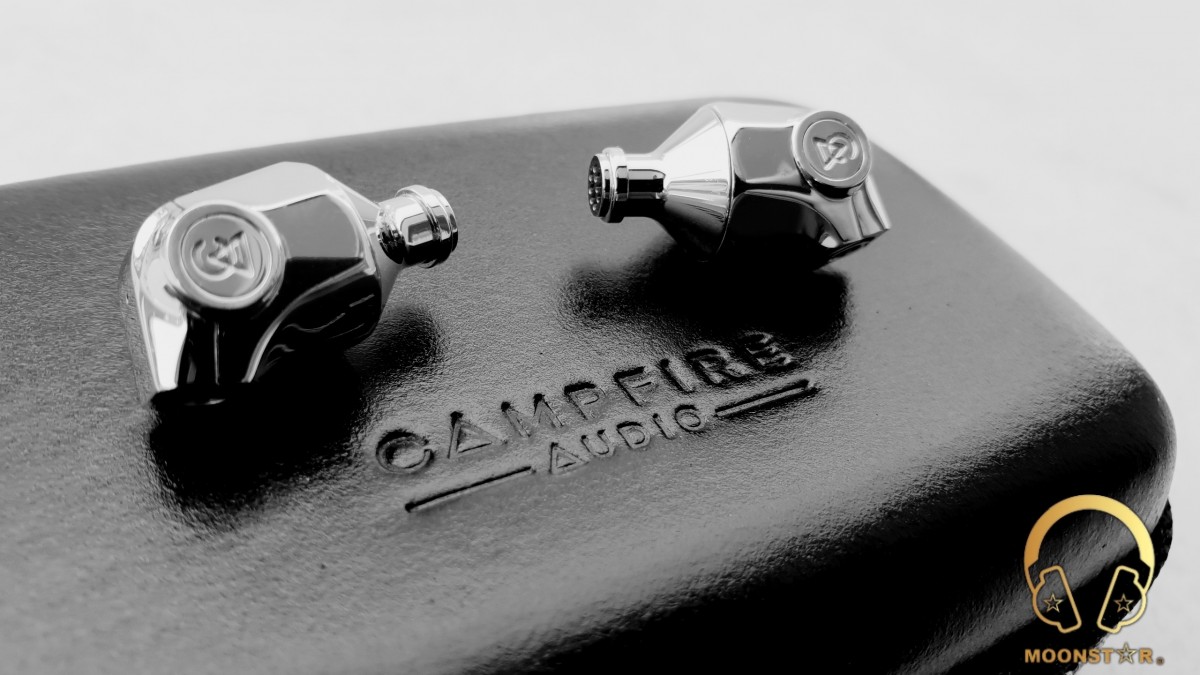
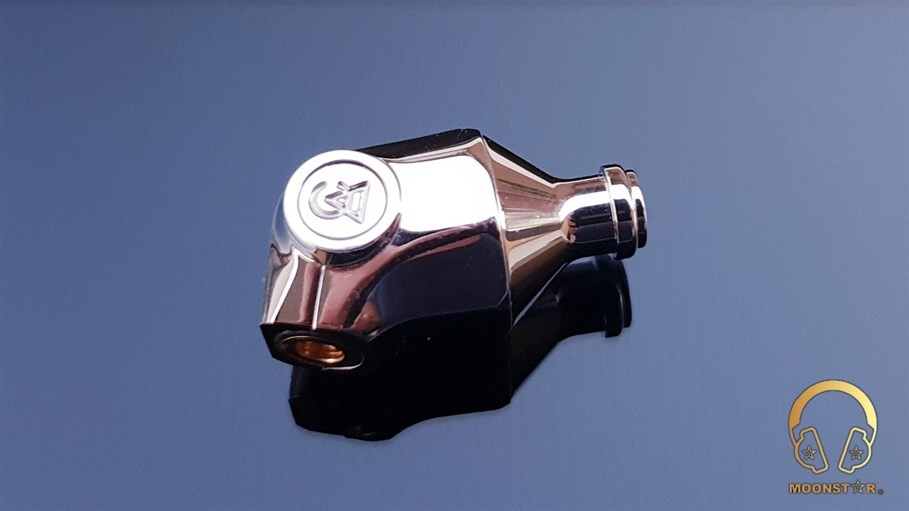
- IEM : iBasso Epitome, iBasso IT07, Campfire Audio Astral Plane
- DAP/DAC : iBasso DX340, iBasso DX260 MK2, iBasso D17 Atheris
Albums & Tracks Used for this Review:
Vocal Jazz / Smooth Jazz
- Norah Jones – Come Away With Me (Flac 24bit/96kHz)
- Diana Krall – So Wonderful (DSF)
- Barry White – Just The Way You Are (Flac 24bit/48kHz)
- Isaac Hayes – Walk On By (Flac 16bit/44.1kHz)
- Sting – Englishman in New York (Flac 24bit/48kHz)
- Otto Liebert & Luna Negra – The River (Flac 24bit/192kHz)
- Ferit Odman – Look, Stop & Listen (Flac 24bit/192kHz)
- Charly Antolini – Duwadjuwandadu (Flac 24bit/192kHz)
Soul / R&B
- Aretha Franklin – I Say A Little Prayer (Flac 24bit/96kHz)
- Adele – My Little Love (Apple Lossless)
- George Michael – Don’t Let the Sun Go Down on Me (Flac 24bit/192kHz)
- Eric Clapton – Wonderful Tonight (Flac 24bit/96kHz)
Pop / Rock Classics
- Michael Jackson – Billie Jean (Flac 24bit/96kHz)
- Elton John – Rocket Man (Flac 24bit/96kHz)
- David Bowie – Heroes (Flac 24bit/192kHz)
- U2 – Sunday Bloody Sunday (Flac 16bit/44.1kHz)
- Lorde – Royals (Flac 24bit/48kHz)
- Dave Gahan – Kingdom (Apple Lossless)
Electronic / Experimental
- Daft Punk – Instant Crush (Flac 24bit/96kHz)
- Daft Punk – Doin’ it Right (Flac 24bit/96kHz)
- Bro Safari, UFO! – Drama (Apple Lossless)
- Armin Van Buuren – Vini Vici (Flac 16bit/44.1kHz)
- Yosi Horikawa – Bubbles (Apple Lossless)
- Toutant – Rebirth (Apple Lossless)
Alternative / Indie / Art Rock
- Radiohead – Live in Berlin “Album” (Apple Lossless)
- Radiohead – Pyramid Song (Apple Lossless)
- Muse – Hysteria (Flac 24bit/96kHz)
- Red Hot Chili Peppers – Nobody Weird Like Me (Flac 24bit/48kHz)
- Lunatic Soul – The Passage (Flac 16bit/44.1kHz)
- Portishead – It Could Be Sweet (Apple Lossless)
- Gogo Penguin – Raven (Flac 24bit/192kHz)
- Gogo Penguin – Murmuration (Flac 24bit/192kHz)
- Massive Attack – Angel (Flac 24bit/48kHz)
- Bear McCreary – Valkyries (Apple Lossless)
Classical / Orchestral
- Max Richter – On the Nature of Daylight (Flac 24bit/96kHz)
- Chopin – Nocturne No. 20 in C-Sharp Minor (Flac 16bit/44.1kHz)
- Clair de Lune – Claude Debussy (Apple Lossless)
- Tchaikovsky – Symphony No. 5 (Flac 16bit/44.1kHz)
- Vivaldi – Le Quattro Stagioni “The Four Seasons” (Apple Lossless)
- Fazıl Say – Nazım Oratoryosu (Live) (Flac 16bit/44.1kHz)
Jazz / Instrumental
- Miles Davis – So What (Apple Lossless)
World / Traditional
- Sertap Erener – Aşk (Flac 16bit/44.1kHz)
- Edith Piaf – Non Je Ne Regrette Rien (Flac 16bit/44.1kHz)
Metal / Progressive Rock
- Metallica – Dyers Eve (Flac 24bit/96kHz)
- Metallica – Sad but True (Flac 24bit/96kHz)
- Megadeth – Sweating Bullets (Apple Lossless)
- Opeth – Windowpane (Flac 16bit/44.1kHz)
- Deftones – My Own Summer (Shove It) (Flac 16bit/44.1kHz)
- Rush – Tom Sawyer (Flac 16bit/44.1kHz)
- Slayer – Angel of Death (Apple Lossless)
The Sound:
The sonic profile of the iBasso Epitome is defined by a striking degree of transparency and a notable sense of spatial scale. Rather than chasing an overly fun or colored sound, its tuning leans toward a reference-standard presentation. It aims to strike a difficult balance: maintaining the clinical accuracy required for critical listening while retaining enough musical soul to remain engaging during long, late-night sessions. The primary achievement of this ambitious twenty-driver configuration is the seamless integration of the eight electrostatic drivers. These components provide a sense of openness and high-frequency extension that truly helps define the perceived boundaries of a recording space. The overall presentation feels expansive and composed, allowing for a clear, effortless distribution of sound where instruments occupy distinct coordinates within a wide, three-dimensional field.
Bass:
Low frequency reproduction in the Epitome is handled by a dedicated dual Sonion balanced armature setup that focuses on the architectural integrity of the sound. This choice indicates a clear design preference for speed and textural precision over the sheer, slow decaying volume typically associated with traditional dynamic drivers. For listeners accustomed to a heavy bass cannon style, the Epitome might feel restrained at first, but a deeper investigation reveals a sub bass performance defined by its ability to resolve incredibly granular textures.
This clean control is most evident when listening to acoustic double bass or cello performances. Rather than a singular, heavy rumble that obscures fine detail, the Epitome reveals the fine fluctuations of the strings and the subtle vibrations of the instrument wooden body. The decay is notably fast, which is a significant technical advantage in maintaining a transparent soundstage. It ensures that the background remains uncluttered and prevents low frequency energy from bleeding into or masking the lower midrange. In tracks featuring rapid fire kick drum patterns or complex electronic synthesizers, the separation between the rhythmic punch and the melodic bass remains absolute. This high definition approach suggests a system built for accuracy and the faithful reproduction of the recording original environment rather than artificial enhancement. The result is a bass response that feels physically present and impactful yet remains impressively separated from the rest of the frequency spectrum.
Midrange:
The midrange has a massive array of ten balanced armatures to create a presentation that is both detailed and highly transparent. This specific region is where the Epitome truly showcases its ability to deconstruct complex recordings while maintaining a sense of human intimacy and warmth. Vocal rendering is focused heavily on clarity, allowing the listener to detect the most subtle nuances such as a singer intake of breath or the delicate, almost imperceptible vibrations of piano strings in the background. Voices emerge from a clean, pitch black background, which contributes significantly to the holographic sense of being in the same room as the performer.
The tuning provides a disciplined and solid control over the upper midrange transitions. This allows for the delivery of brass instruments like trumpets or saxophones with significant clarity and bite, all while avoiding the sharpness or fatigue often found in monitors with less refined crossover systems. Male vocals are rendered with adequate chesty resonance and an authoritative presence, avoiding the artificial thinning that can occur in some balanced armature heavy designs. The sophisticated layering in this region makes it possible to follow individual elements within dense arrangements. Whether it is a specific voice within a large choir or the intricate plucking of a classical guitar, the Epitome provides enough resolution to navigate the music without losing its emotional thread. The midrange is neither recessed nor overly forward; it sits in a balanced pocket that provides a natural sense of depth and realism.
Treble:
The treble region is where the eight Sonion electrostatic drivers truly make their mark, offering an extension that feels largely unrestricted by physical boundaries. High frequency transients, such as the sharp clack of percussion or the metallic ring of a triangle, are reproduced with significant speed and clarity. These sounds have a weightless quality, appearing and disappearing within the soundstage with solid precision. The electrostatic drivers excel at capturing the micro details that define the texture of a recording, providing a level of airiness that standard drivers simply cannot match.
What makes this treble implementation stand out is the lack of metallic zing or artificial grain that often plagues high energy monitors. Instead, the delivery is pretty smooth and incredibly detailed, providing an airy shimmer to violins and acoustic guitars that extends far beyond the range of typical monitors. Even when dealing with aggressive recordings or cymbal heavy rock tracks, the Epitome maintains its composure with ease. It renders the decay of percussion with a natural, wet quality that avoids becoming harsh, sibilant, or sandy. This refinement allows the delicate high frequency nuances of flutes or piccolos to fade into a silent, expansive background. This is a testament to how well iBasso has tuned these electrostatic units to work in harmony with the mid high balanced armatures, resulting in a cohesive and brilliant high frequency response.
Soundstage & Imaging:
The soundstage and imaging are arguably the Epitome’s most impressive technical feats. It creates a wide, spherical area that feels significantly larger than what is typically expected from an in-ear monitor. The orchestral width is substantial, often feeling as though it stretches well beyond the physical boundaries of the resin shells. This provides a sense of scale that is particularly well-suited for cinematic soundtracks or large-scale symphonic works where spatial depth is part of the experience.
Imaging is highly accurate, allowing for the clear visualization of instrument placement within that stage. This accuracy ensures that the location of a grand piano or a drum kit is clearly defined relative to the vocals, never drifting or becoming blurry. The advanced layering ensures that even during chaotic musical segments featuring distorted electric guitars, every element remains isolated and easy to track. This spatial organization provides a coherent and stable image, allowing the listener to perceive the architectural depth of the recording without the sound ever feeling congested.
Dual Cable Configuration:
As mentioned before the iBasso Epitome is supplied with two cables designed to meet different technical requirements and listening preferences. This approach allows users to make adjustments to both ergonomics and acoustic performance. By including cables with distinct metallurgical compositions, iBasso acknowledges the role that cable design can play in the interaction with the twenty‑driver system. The dual configuration provides flexibility for users to select the option that best complements their source device and listening priorities.
Standard 5N Monocrystalline Copper Reference Cable:
The copper cable is designed with an emphasis on neutrality, aiming to transmit the characteristics of the driver array without introducing tonal coloration. Its construction supports fast transient response, which helps preserve the precision of the electrostatic drivers. The cable maintains clarity across complex passages, with instrument separation and spatial definition presented in a controlled manner. Decay and trailing notes are conveyed with consistency, contributing to a presentation that emphasizes accuracy. For users seeking a straightforward and reliable option, the copper cable serves as the primary reference choice.
“New Alloy” Silver‑Plated Cable:
The second cable, made from an experimental silver‑plated alloy, offers a different sonic profile. It produces a slightly fuller and warmer presentation, adding weight to notes compared to the copper version. While this design may reduce some of the spatial openness and transparency associated with the copper cable, it provides a more rounded and intimate character. The fabric sheathing gives it a distinct physical feel, though it can be more prone to microphonic noise during movement. As this alloy cable has not undergone the same long‑term durability testing, it is included as a complimentary accessory rather than a standard component.
Tips Rolling:
The iBasso Epitome shows a clear sensitivity to ear tip selection, with small changes in material or shape influencing the perceived frequency response of its twenty‑driver system. Among the included options, the Wide Bore Silicone Tips are particularly effective for this model. Their design provides a direct path for sound transmission, allowing the electrostatic drivers to deliver high‑frequency detail with clarity. This configuration helps maintain an open soundstage and preserves extension in the upper registers without introducing noticeable constriction. For listeners aiming to experience the monitor’s full technical capabilities and spatial imaging, the wide bore silicone tips offer a practical choice that supports the intended tuning.
Pairing of the Epitome Across Different Sources:
iBasso D17 Atheris:
When paired with the D17 Atheris, the Epitome emphasizes tonal density and the natural weight of acoustic instruments. This combination highlights fine details in performance, such as the subtle friction of a bow against cello strings or the gradual resonance that follows. The Nutube amplification stage contributes harmonic richness, giving brass instruments a warmer timbre with a rounded quality rather than a sharp or metallic edge.
The low noise floor of the D17 Atheris is an important factor in this presentation. With minimal background interference, delicate echoes, like the fading resonance of piano notes, remain audible until they naturally disappear. The R2R architecture further supports this realism by preserving the decay of cymbals and other sustained instruments with openness and texture. The result is a listening experience that conveys instruments with a sense of physical presence, making plucked strings or acoustic passages sound close, tactile, and well defined. This pairing is particularly suited for listeners who value warmth, harmonic saturation, and a presentation that emphasizes the organic qualities of live instruments.
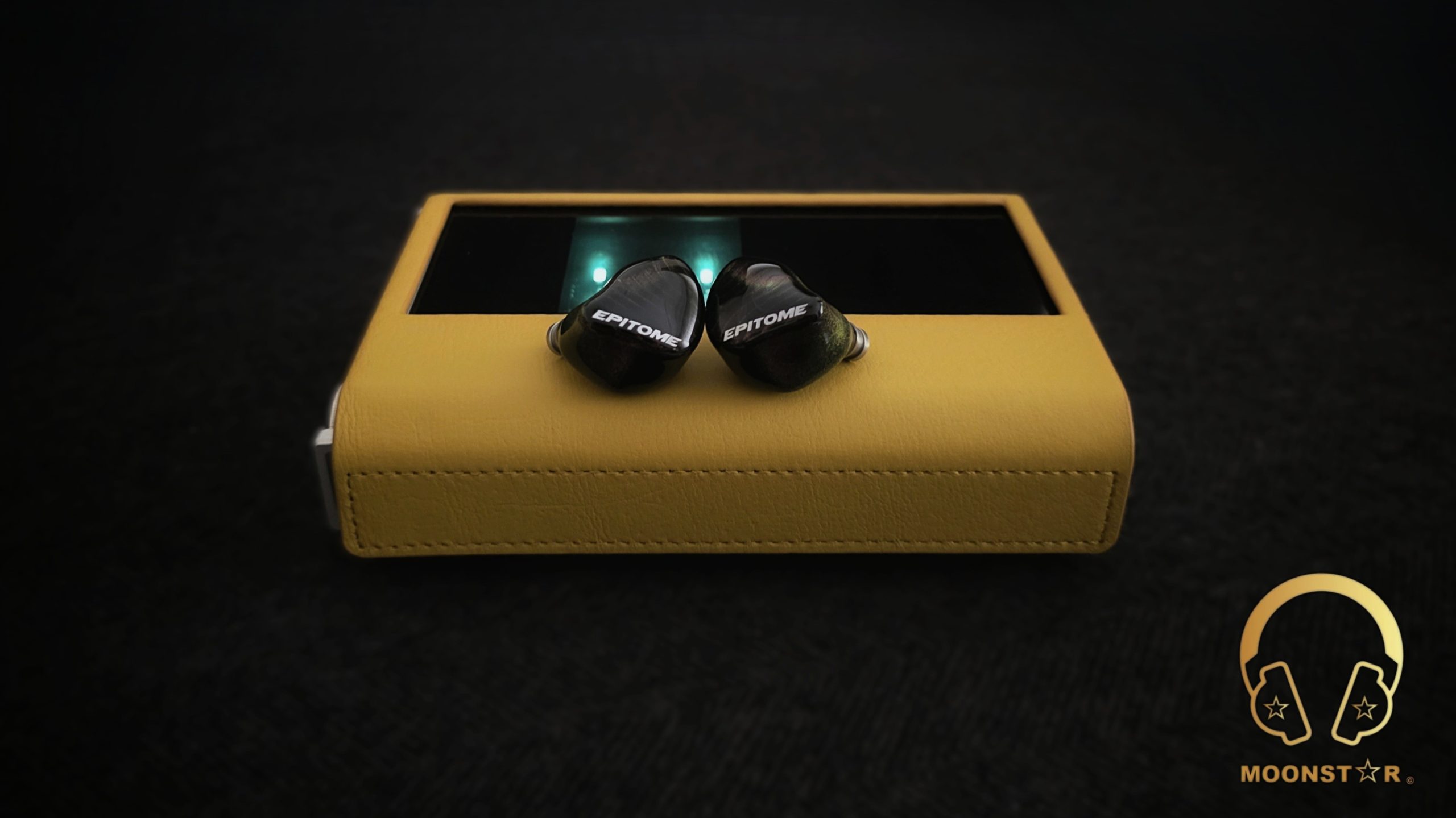
iBasso DX340 with AMP17:
When the DX340 is equipped with the AMP17 Gallium Nitride and Discrete Transistor card, the Epitome shifts toward a presentation defined by scale, power, and expansive imaging. The GaN FETs used in the AMP17 provide faster switching speeds and lower resistance compared to conventional silicon MOSFETs, enabling precise handling of complex passages. This technical advantage translates into clear separation between orchestral sections, with instruments positioned distinctly in three‑dimensional space.
The AMP17 delivers up to 1900 mW per channel in Super Gain mode, yet maintains silence during pauses, ensuring dynamic contrasts are preserved. This allows transitions from quiet passages to full orchestral crescendos to feel immediate and impactful. Percussion instruments benefit from this architecture, with strikes that carry depth and scale without excessive coloration. Kick drums and timpani, for example, are reproduced with weight and clarity, giving the impression of air displacement within the recording environment. This pairing emphasizes dynamic range, spatial width, and the ability to reproduce large ensembles with precision.
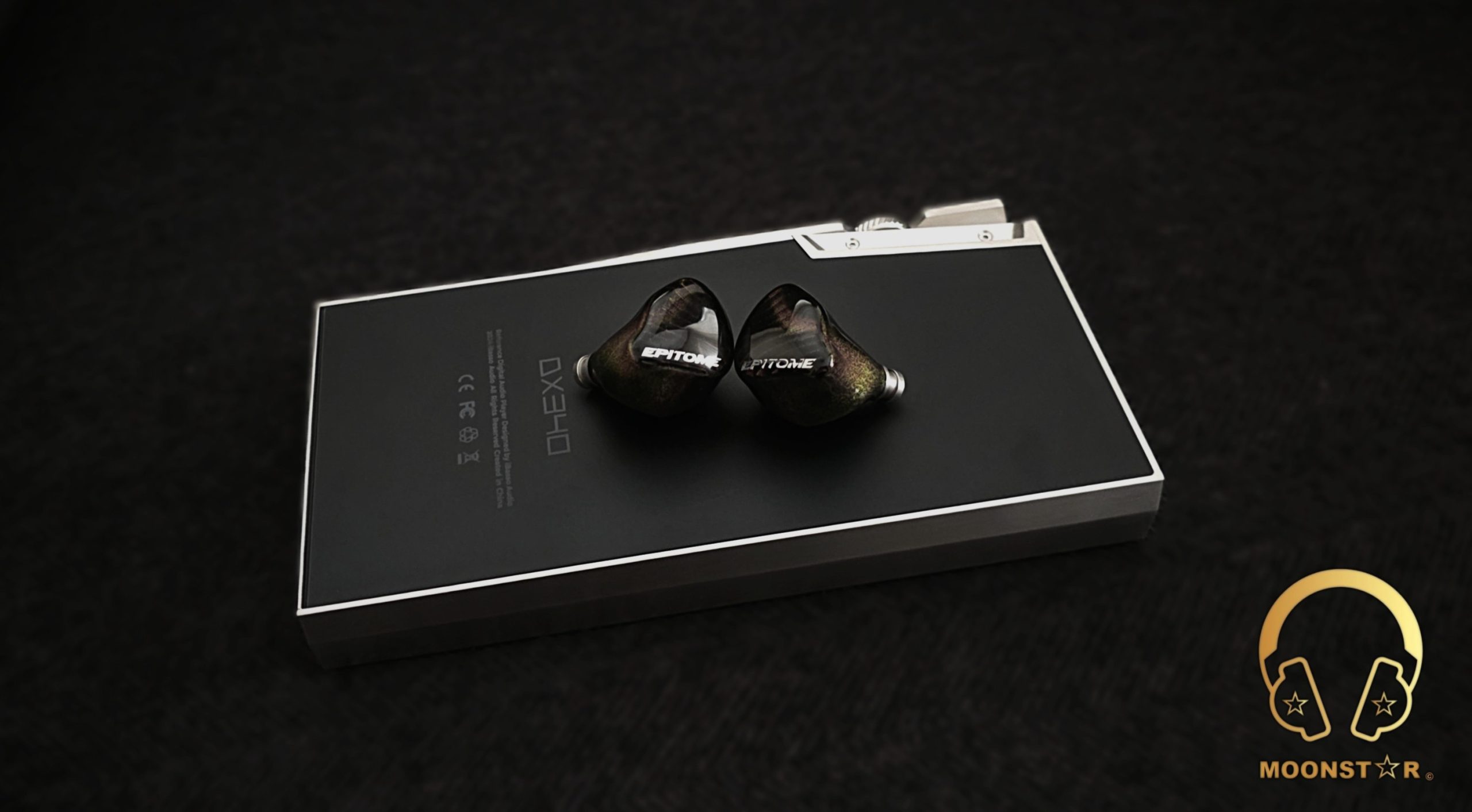
iBasso DX260 MK2:
With the DX260 MK2, the Epitome focuses on timing accuracy and transient detail. Percussive sounds such as snare hits are rendered with sharp definition, followed by controlled decay that leaves space for subsequent notes. The design avoids added warmth or smoothing, allowing instruments like hi‑hats or electric guitars to retain their natural edge and brightness.
The DAC implementation in the DX260 MK2 is engineered for low noise and high resolution, ensuring that even subtle mechanical details are preserved. Listeners can perceive fine textures such as the movement of woodwind keys or the slight vibration of a piano pedal. Stringed instruments benefit from this precision, with individual notes in fast passages remaining distinct and easy to follow. This pairing is well suited for those who want to analyze performance technique, offering a transparent view into the mechanics of instrumental execution. Rather than emphasizing warmth or scale, the DX260 MK2 prioritizes clarity, speed, and accuracy, making it a strong choice for listeners who value analytical detail.
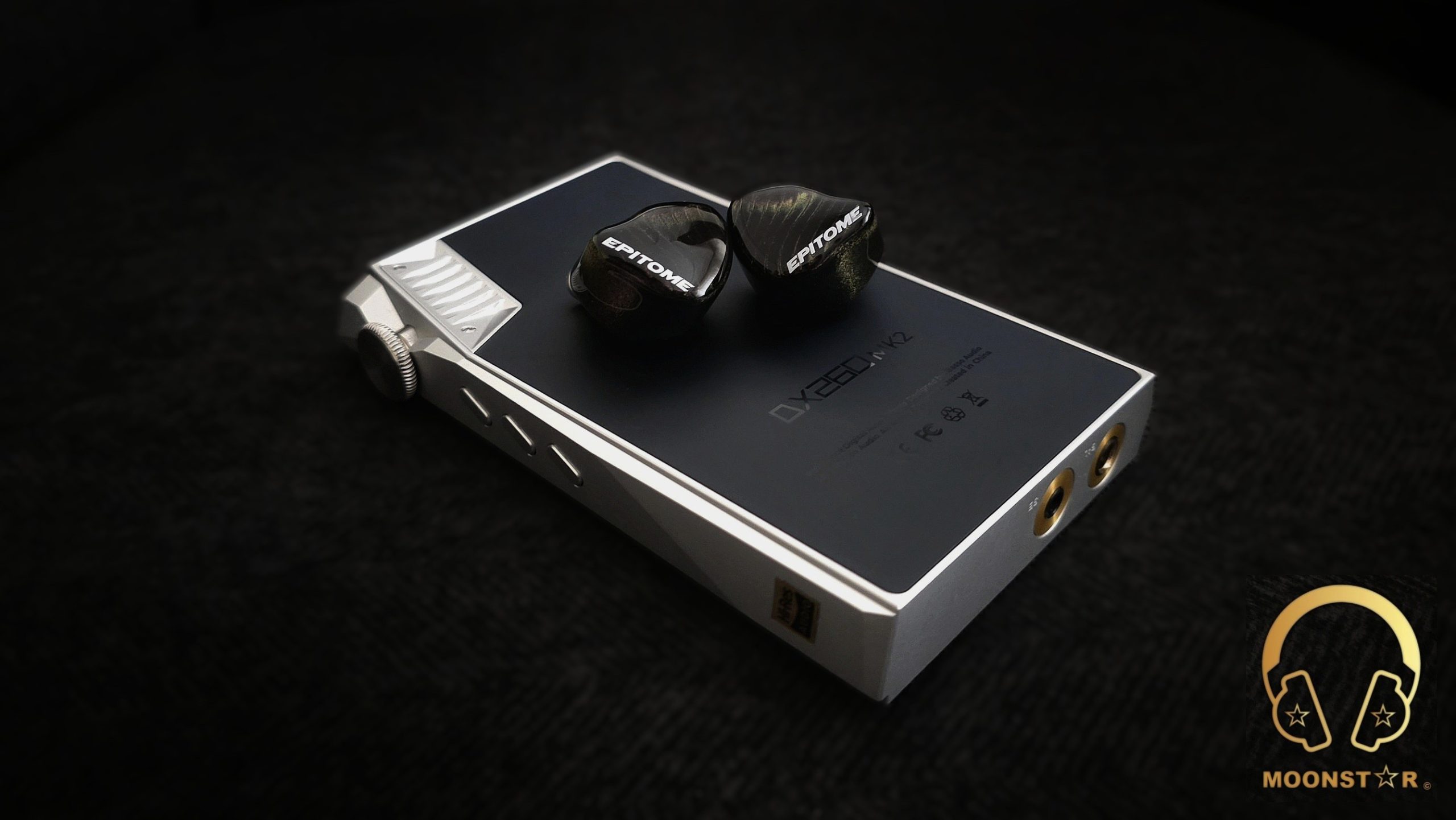
Comparison:
iBasso Epitome versus Campfire Audio Trifecta Astral Plane:
The iBasso Epitome and the Campfire Audio Trifecta Astral Plane represent two fundamentally different philosophies in flagship audio engineering. While the Trifecta utilizes a triple dynamic driver configuration to create a lush and visceral experience, the Epitome employs a 20-driver architecture (8 Sonion EST + 10 Sonion BA + 2 Knowles BA) to achieve technical resolution and transparency. In a direct comparison, the Epitome holds a technical advantage for those who prioritize detail retrieval and spatial accuracy.
The bass response of the iBasso Epitome is focused on speed and technical quality. Utilizing specialized Sonion low-frequency balanced armatures, it produces a neutral, linear extension that reaches down to 20Hz. The low end is characterized by rapid transients and a clean decay, which prevents any bleed into the midrange and allows for the perception of fine textures in the lower frequencies. The Trifecta Astral Plane, by contrast, offers a meatier and more enveloping bass. Its triple 10mm dynamic drivers move a significant volume of air, providing a “big” and visceral punch. While the Trifecta excels at the sheer physical feeling of the bass, the Epitome takes the lead for listeners who value precision and the ability to hear the intricate movements of a bassline in a complex mix.
In the midrange, the Epitome demonstrates superior resolution and transparency. Its dedicated balanced armature array is tuned to make vocals and acoustic instruments sound remarkably realistic, capturing subtle nuances in tone and breath. The presentation is holographic, emphasizing the space around each performer. The Trifecta takes a more emotive and “analog” approach, offering a midrange that is thick, rich, and liquid. While the Trifecta provides a cohesive and highly musical experience that is very forgiving, the Epitome provides a more transparent window into the recording, allowing for a level of micro-detail and instrument separation that is more suited for critical listening.
The treble regions highlight the most significant divergence between these two flagships. The Epitome’s eight electrostatic drivers achieve an airy, effortless extension that defines its technical superiority in this range. It produces a masterfully tuned high-frequency performance that is smooth yet reveals layers of shimmer and sparkle without fatigue. The Trifecta offers a more natural and lively treble that avoids analytical sharpness, resulting in a very smooth listen. However, it lacks the weightless “air” and the ultra-high frequency transparency that the Epitome’s electrostatic drivers provide. The inclusion of specialized Knowles BAs in the Epitome to bridge the gap between the mids and the ultra-highs ensures a more seamless and sophisticated top-end performance.
Both monitors offer expansive stages, but their characters are distinct. The Epitome provides a holographic and precisely imaged field where the priority is accurate location and the separation of sound sources. Its stage feels airy and open, allowing the listener to dive deep into the technicalities of a performance. The Trifecta offers a massive, cinematic scale that is immersive and grand. It prioritizes the overall “vibe” and weight of the music. For the listener who values the ability to analyze a stage with pinpoint accuracy and a sense of three-dimensional layering, the Epitome stands as the more technically refined and precise choice.
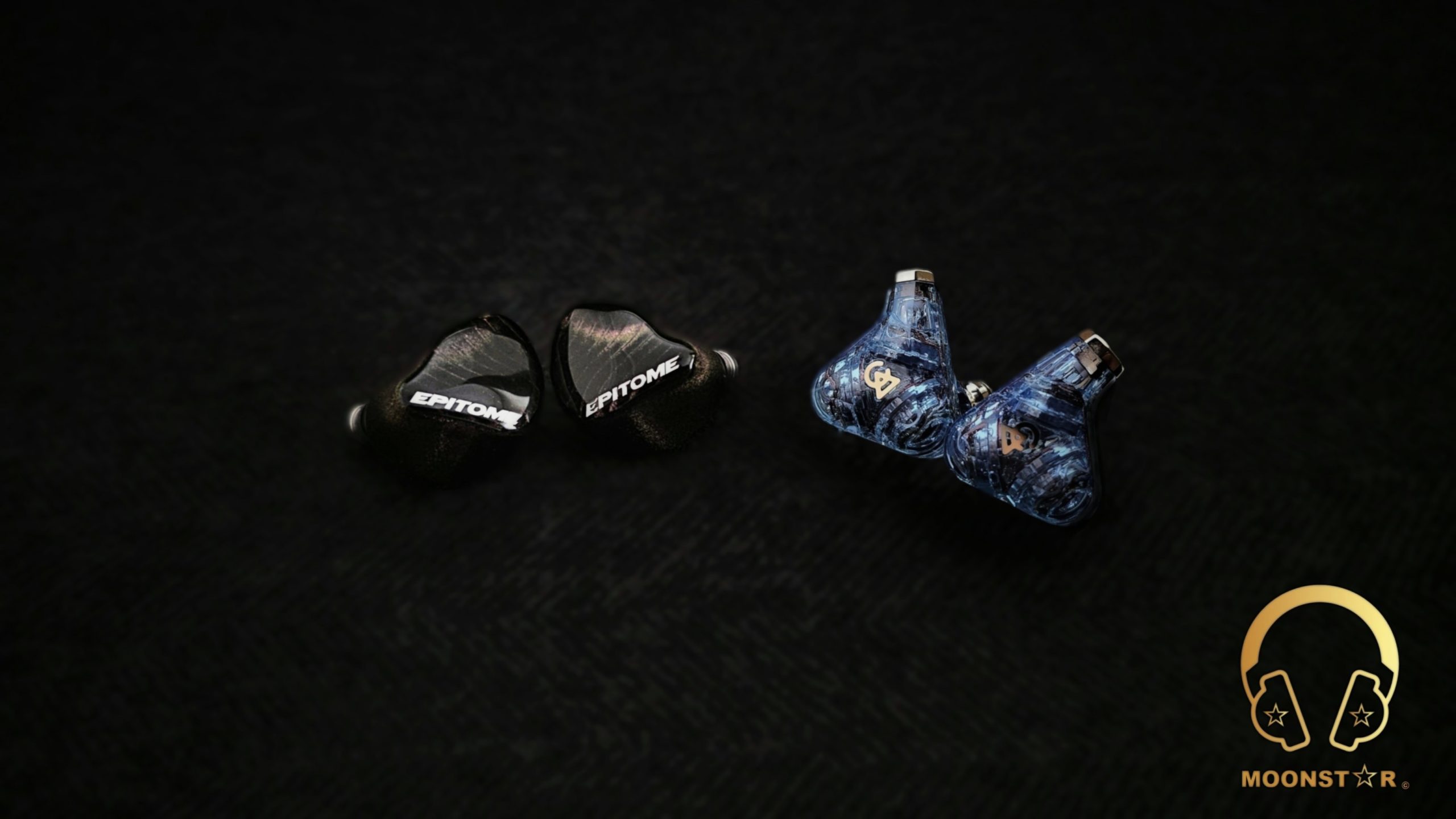
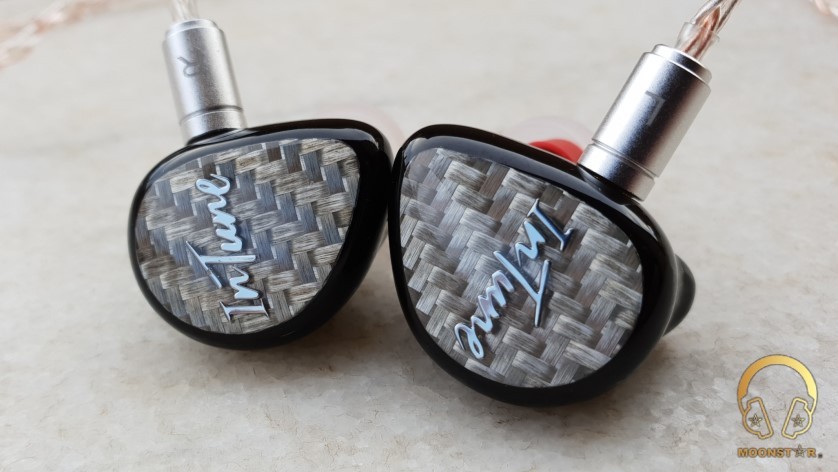
iBasso Epitome versus iBasso IT07:
The iBasso Epitome and the iBasso IT07 represent two different generations of flagship engineering from the same brand. The IT07 is a established hybrid utilizing a single Tesla magnetic dynamic driver alongside six Knowles balanced armatures. The Epitome represents a significant technological leap with a massive 20-driver configuration consisting of eight Sonion electrostatic drivers and twelve balanced armatures.
The bass performance of the IT07 relies on its large dynamic driver to produce a classic and punchy low end that emphasizes sub-bass rumble and physical air movement. It offers a visceral sensation that is very satisfying for casual listening. The Epitome moves toward a philosophy of surgical precision and speed by utilizing dedicated dual-Sonion balanced armatures for the low frequencies. This design choice results in a faster and more textured bass response that eliminates the slight “slowness” often associated with dynamic drivers. While the IT07 provides more organic weight, the Epitome offers far superior layering and clarity in the lower registers.
In the midrange, the IT07 is known for a slightly warm and “musical” tonality that presents vocals with a pleasant richness. It follows a gentle U-shaped signature that makes it versatile and forgiving across various genres. The Epitome shifts the focus toward absolute transparency and holographic realism. Its complex array of twelve balanced armatures captures micro-details such as the intake of a singer’s breath or the subtle vibration of instrument strings with startling clarity. The Epitome places the listener in a more intimate and realistic acoustic space whereas the IT07 maintains a more traditional and slightly more distant vocal presentation.
The most distinct technical upgrade is found in the high-frequency reproduction. The IT07 uses Knowles balanced armatures to provide a crisp and energetic treble that is well-extended but limited by traditional driver technology. The Epitome utilizes eight Sonion electrostatic drivers to achieve an airy and effortless extension that reaches into the ultra-high frequencies. This results in a shimmering and weightless treble quality that is remarkably smooth yet highly revealing. The Epitome provides a sense of transparency and “air” that the IT07 cannot replicate, as the electrostatic units allow for faster transients and a more refined top-end finish.
The IT07 offers a respectable and well-organized soundstage with good width and natural depth for its class. It provides a reliable sense of instrument placement within a standard stereo field. The Epitome creates a vast and spherical soundstage that significantly expands the boundaries of the listening experience. Because of the superior high-frequency extension and phase coherence of its 5-way crossover, the imaging becomes truly holographic. Every instrument is placed with pinpoint accuracy in a three-dimensional arena, allowing the listener to perceive height and depth with much greater intensity than the more contained presentation of the IT07.
Conclusion:
The iBasso Epitome stands as a technically sophisticated flagship that balances high-level resolution with a versatile sonic character. While its 20-driver configuration ensures exceptional clarity and imaging accuracy, the tuning remains cohesive enough to suit a wide variety of musical genres. Rather than focusing strictly on an analytical presentation, it provides a balanced soundstage where speed and separation coexist with a natural sense of musicality, making it an effective all-rounder for diverse listening libraries.
A key strength of the Epitome is its adaptability to different source pairings. Its transparent nature allows it to reflect the specific qualities of various DACs and amplifiers, whether the listener prefers a hint of warmth or a more precision-oriented edge. This flexibility allows the monitor to integrate well into different setups, scaling its performance based on the equipment used and offering a responsive experience that can be tailored to individual tastes.
Overall, the iBasso Epitome is a refined monitor that offers a clear and detailed window into any recording while remaining engaging for extended sessions. It successfully combines technical precision with enough versatility to satisfy both critical listeners and those seeking a high-fidelity experience across multiple genres. It stands as a well-rounded example of iBasso’s current design goals, prioritizing both technical refinement and wide-ranging musical compatibility in the flagship category.
Pros & Cons:
- + Top-of-the-line transparency and detail retrieval
- + Wide, precise soundstage
- + Strong imaging accuracy
- + Adaptable to different sources
- + Well implemented 20-driver design
- + Dual cable options (copper + alloy)
- + Modular plug system (3.5 / 4.4 / USB-C)
- + Beautiful, comfortable, and lightweight monitor design
- + Rich set of accessories
- – Premium price point (understandable given the use of high-end, expensive drivers)
- – Sensitive to the noise floor of your source
- – Ear tip choice strongly affects sonic presentation
Thank you for the Read!