ONIX Beta Xi2 Review
ONIX Beta Xi2 Review
Introduction:
The ONIX Beta Xi2 steps into the portable audio scene as a sophisticated USB DAC/Amplifier, distinguished by its clever fusion of vacuum tube warmth and solid-state precision. Equipped with dual JAN6418 tubes paired with dual Cirrus Logic CS43198 DAC chips, it promises a signature sound that’s both inviting and articulate. The unit supports switchable amplification modes, high-res formats reaching PCM 768kHz and DSD512, and versatile connectivity like USB-C input. With a crisp 0.87-inch monochromatic OLED display and three hardware multifunctional buttons in a sleek, pocket-friendly body, this review explores the Beta Xi2’s capabilities in depth, from sonic finesse and practical features to everyday usability, gauging its standing among top-tier portable DAC/Amps.
In this review, we will analyse every aspect of the device in detail, starting from its design and moving through technical specifications, ease of use, and sound performance.
Disclaimer:
I would like to thank ONIX and Shanling for providing me the Beta Xi2 USB DAC/Amplifier as review sample. I am not affiliated with ONIX and Shanling beyond this review and these words reflect my true and unaltered, opinions about the product.
Price & Availability:
Priced at $349 USD, the ONIX Beta Xi2 offers strong appeal for enthusiasts chasing that hybrid tube-solid-state vibe without excessive cost. More information’s can be found under the link below;
Package & Accessories:
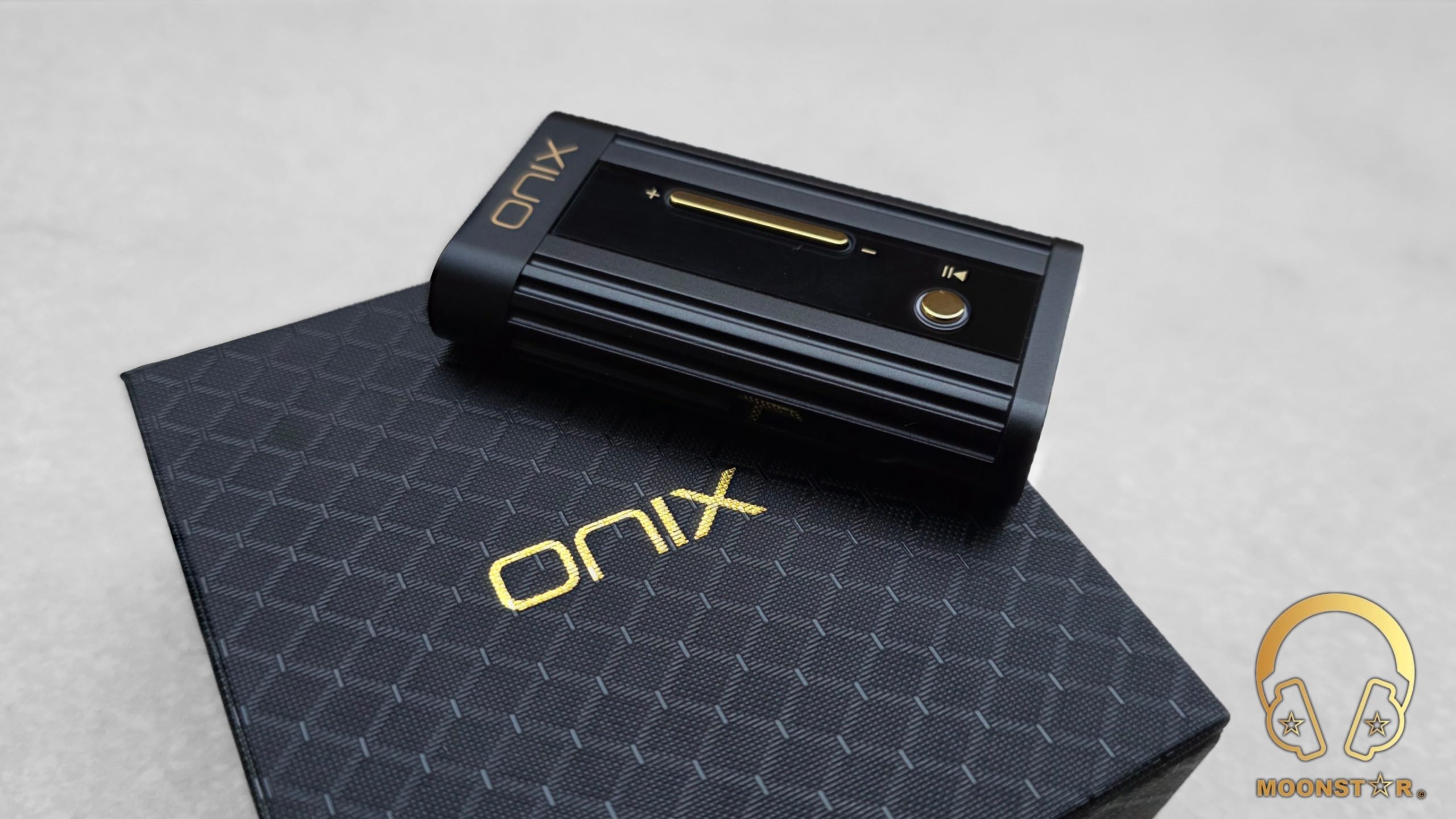
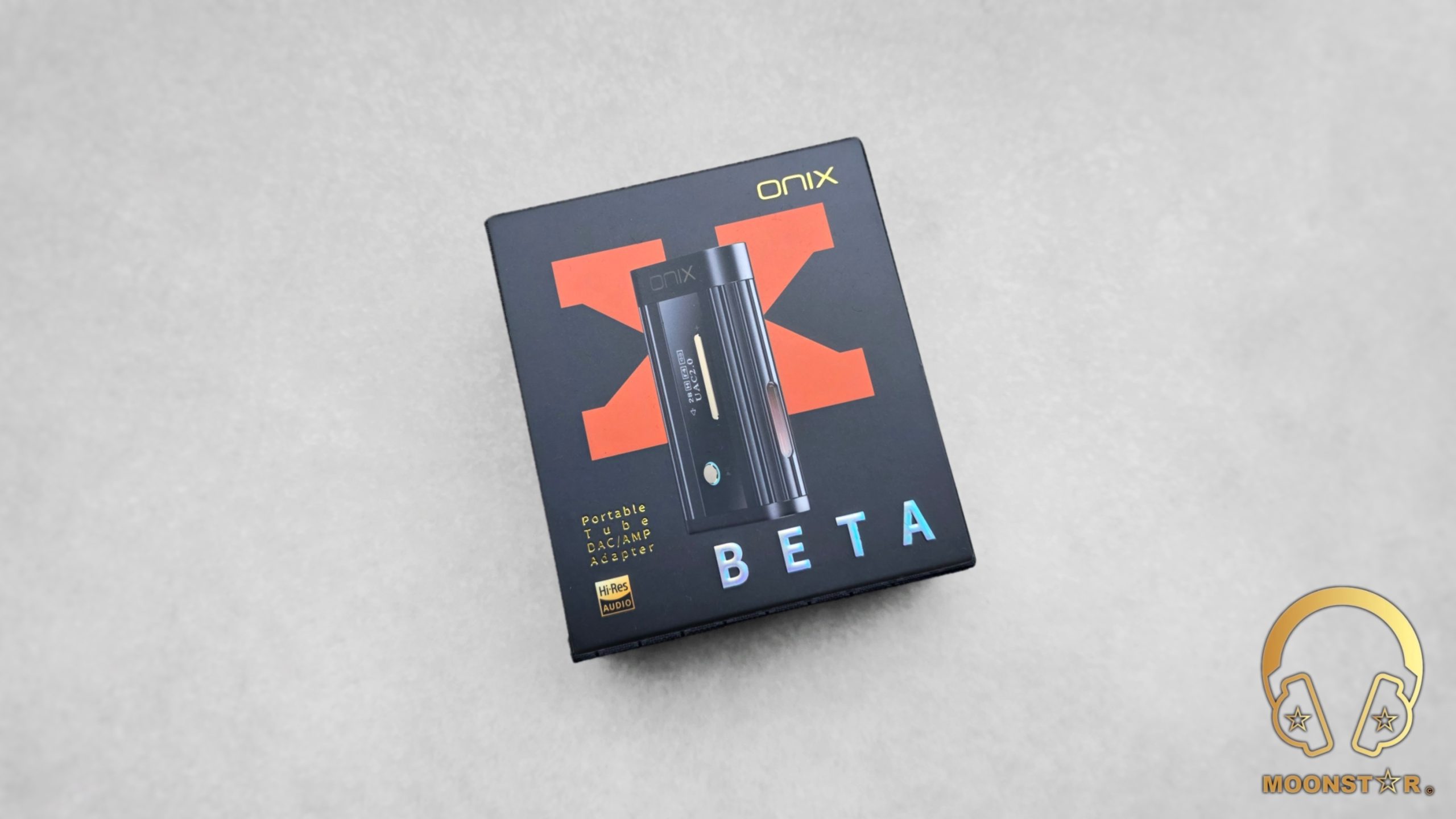
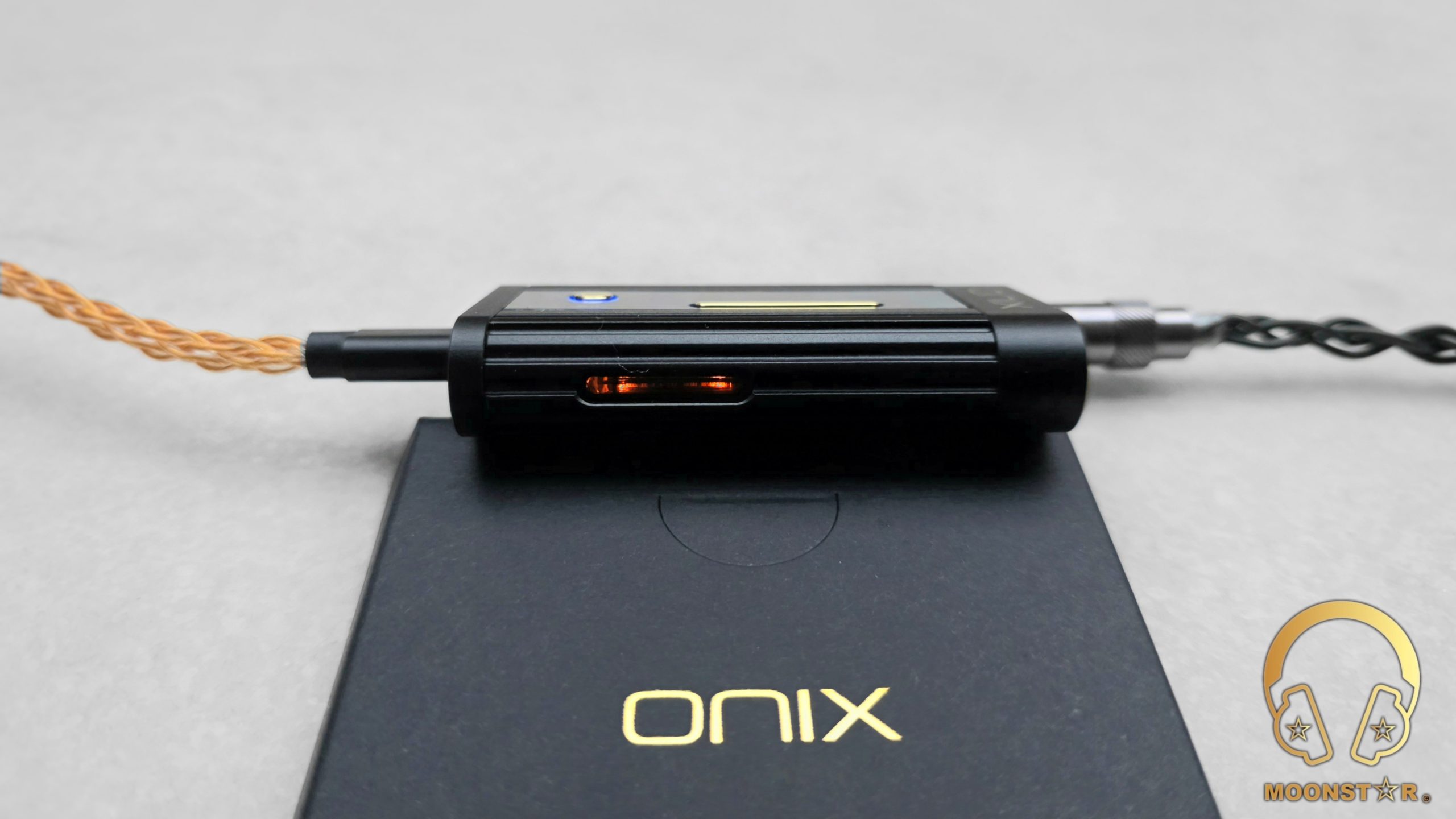
The ONIX Beta Xi2 arrives inside a square shaped black box with a cardboard sleave that has the illustration of the device and some brandings on its surface.
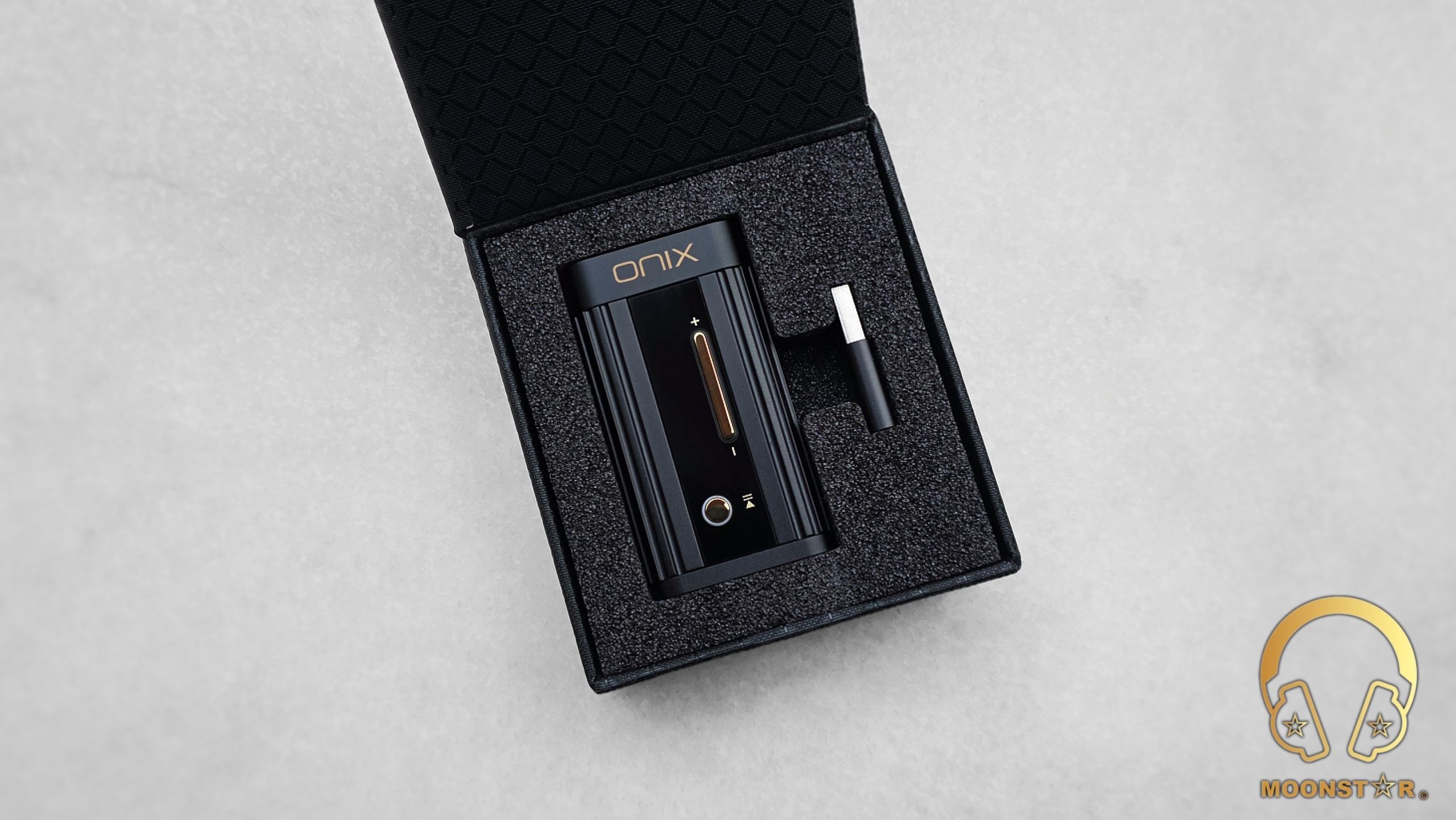
Inside the box of the Beta Xi2 are the following items:
- 1 x ONIX Beta Xi2 Portable USB DAC/Amplifier Dongle
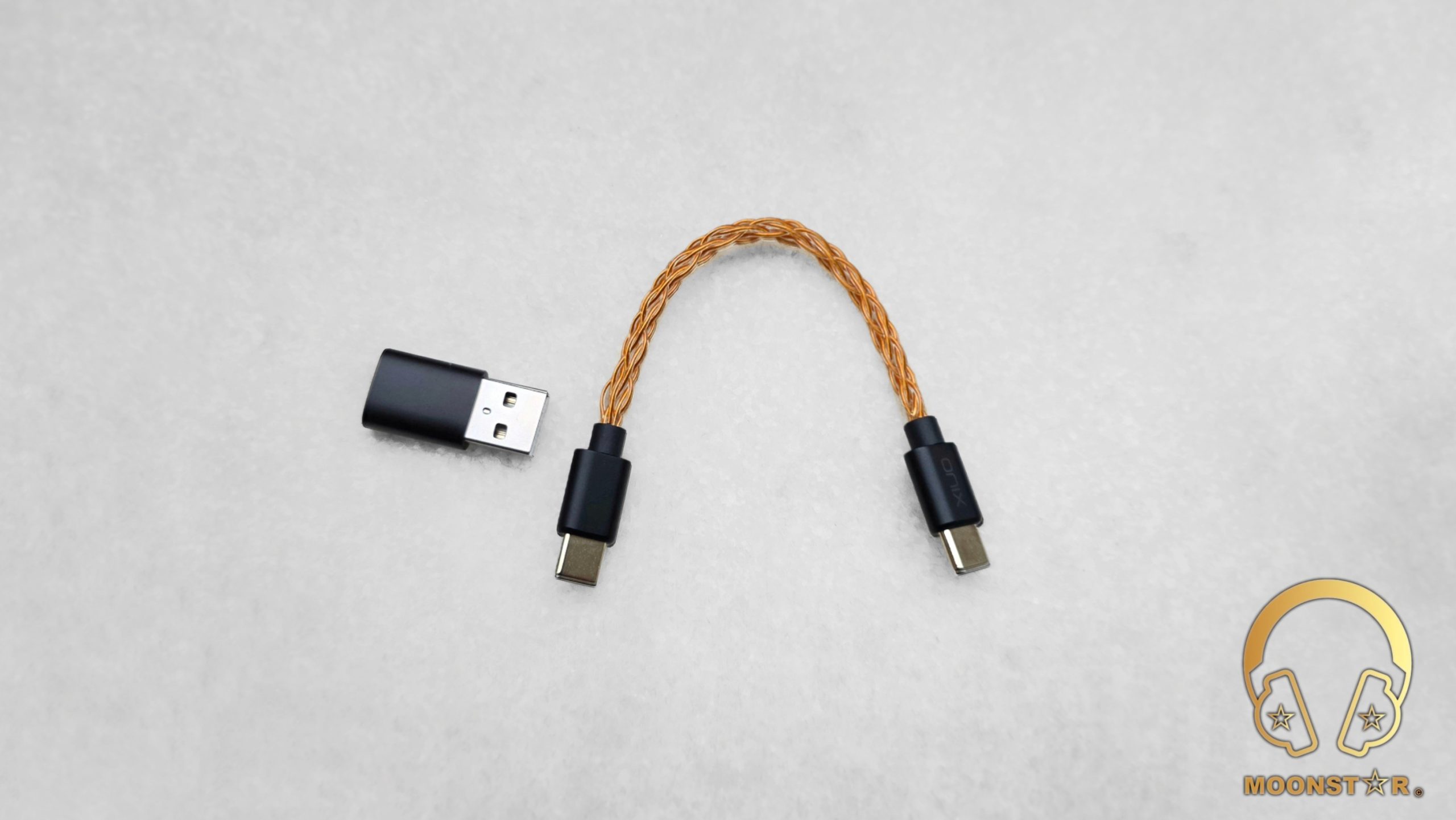
- 1 x ONIX OL1 USB Type-C to USB Type-C Cable (Silver-plated Copper)
- USB Type-C to USB A adapter
- 1 x Some Print material (User Manual, Warranty Card)

Design & Build Quality:
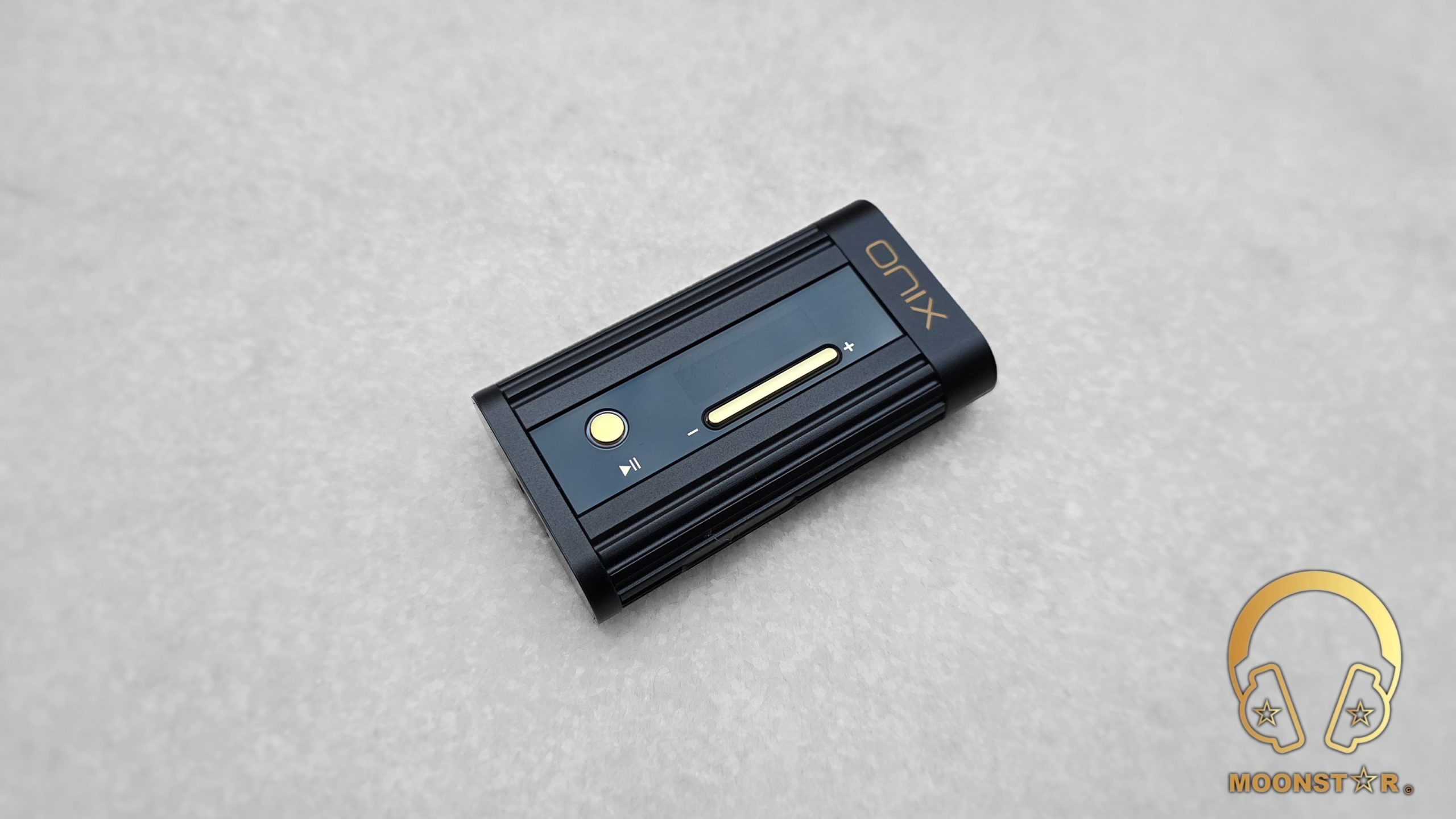
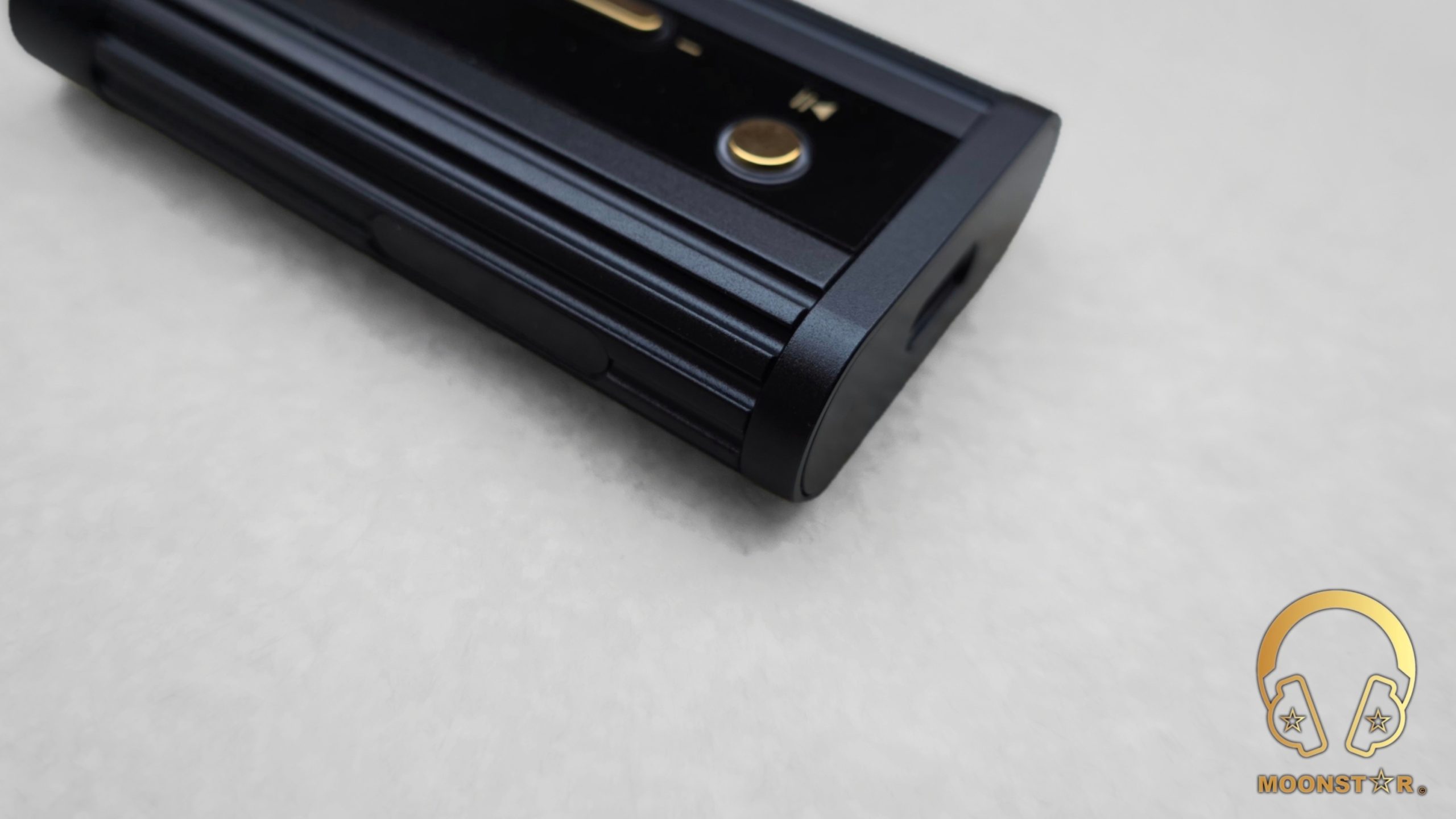
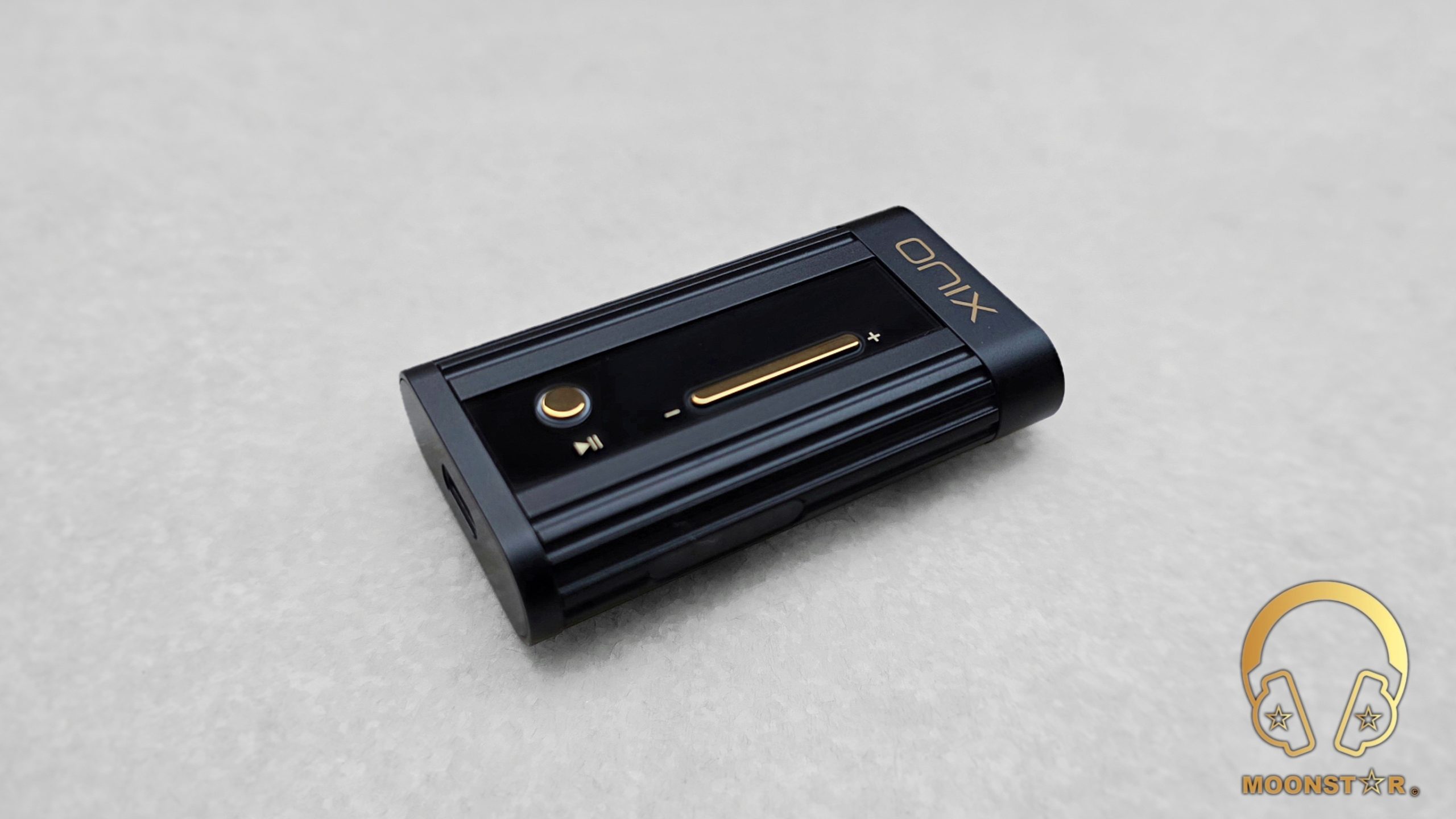
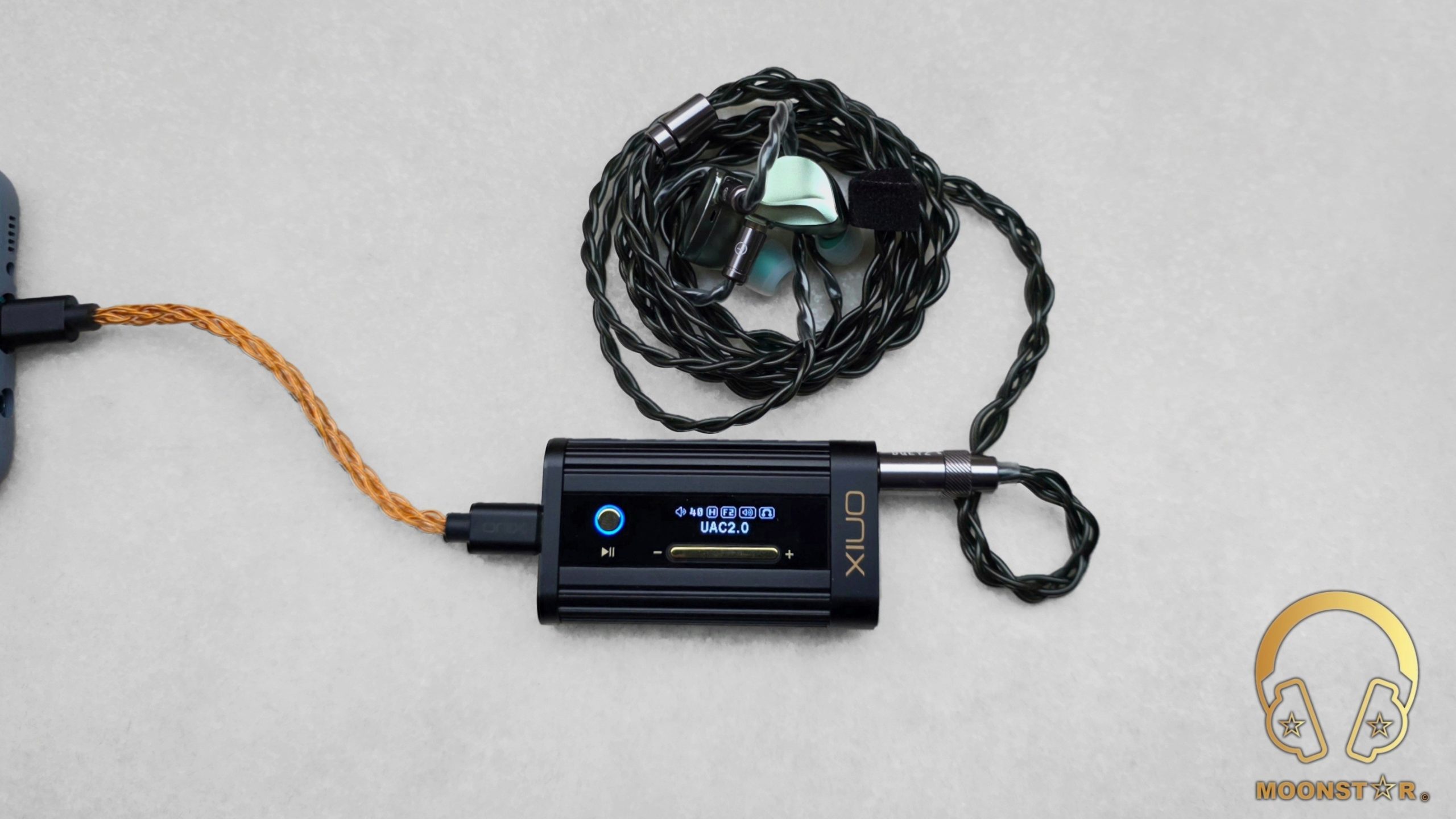
The ONIX Beta Xi2 commands attention with its bold, vertical stance and premium materials that feel substantial yet refined in hand. Crafted from highly durable CNC-machined aluminum with a deep matte-black anodized finish that resists fingerprints and scratches, it incorporates significant ONIX design elements, most notably the finely ribbed side panels that run the full height of the device.

These vertical ribs not only enhance structural rigidity and aid in passive heat dissipation during extended tube operation but also create a subtle play of light and shadow across the surface, giving the Beta Xi2 a dynamic, almost kinetic appearance even when stationary.
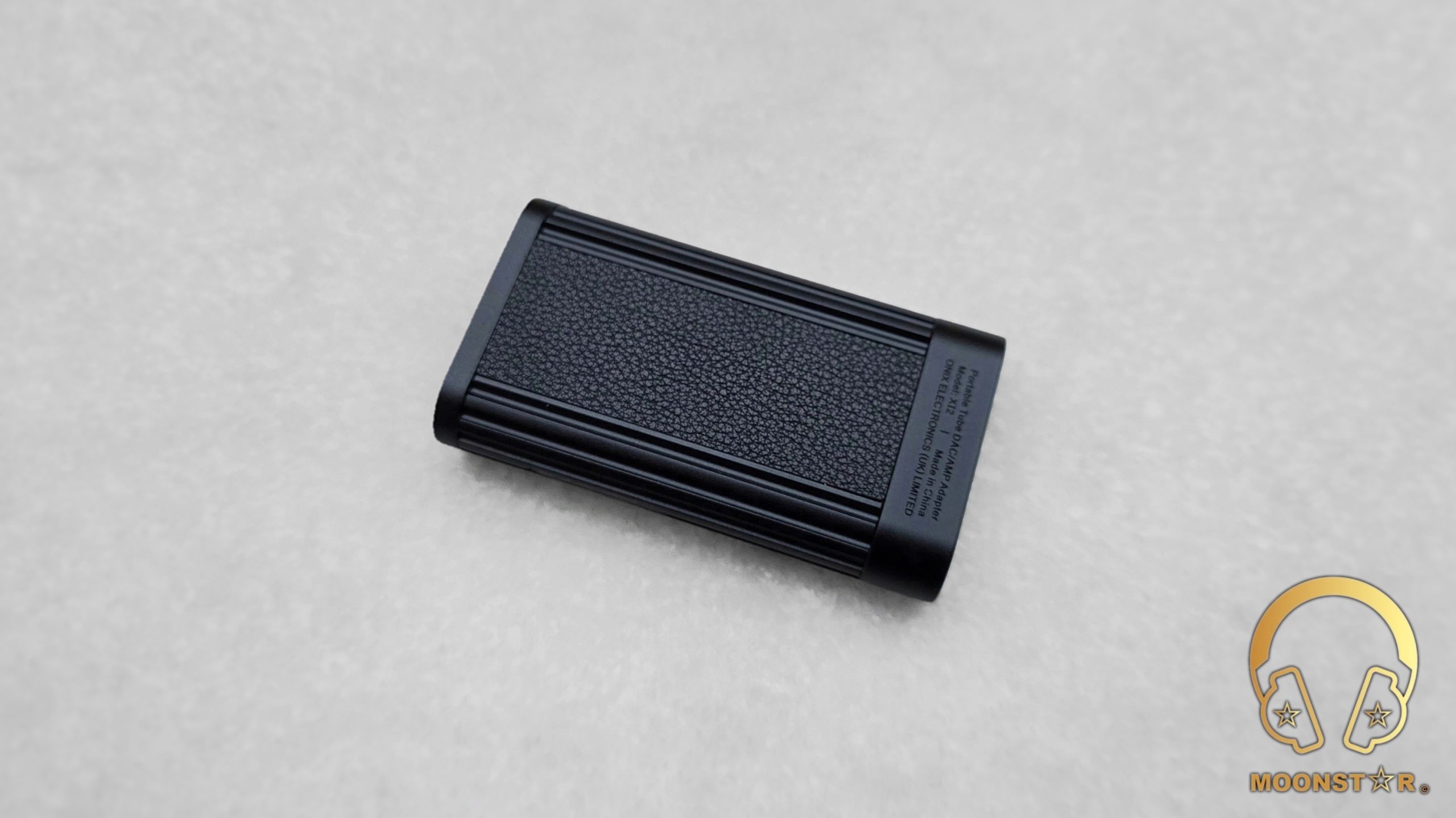
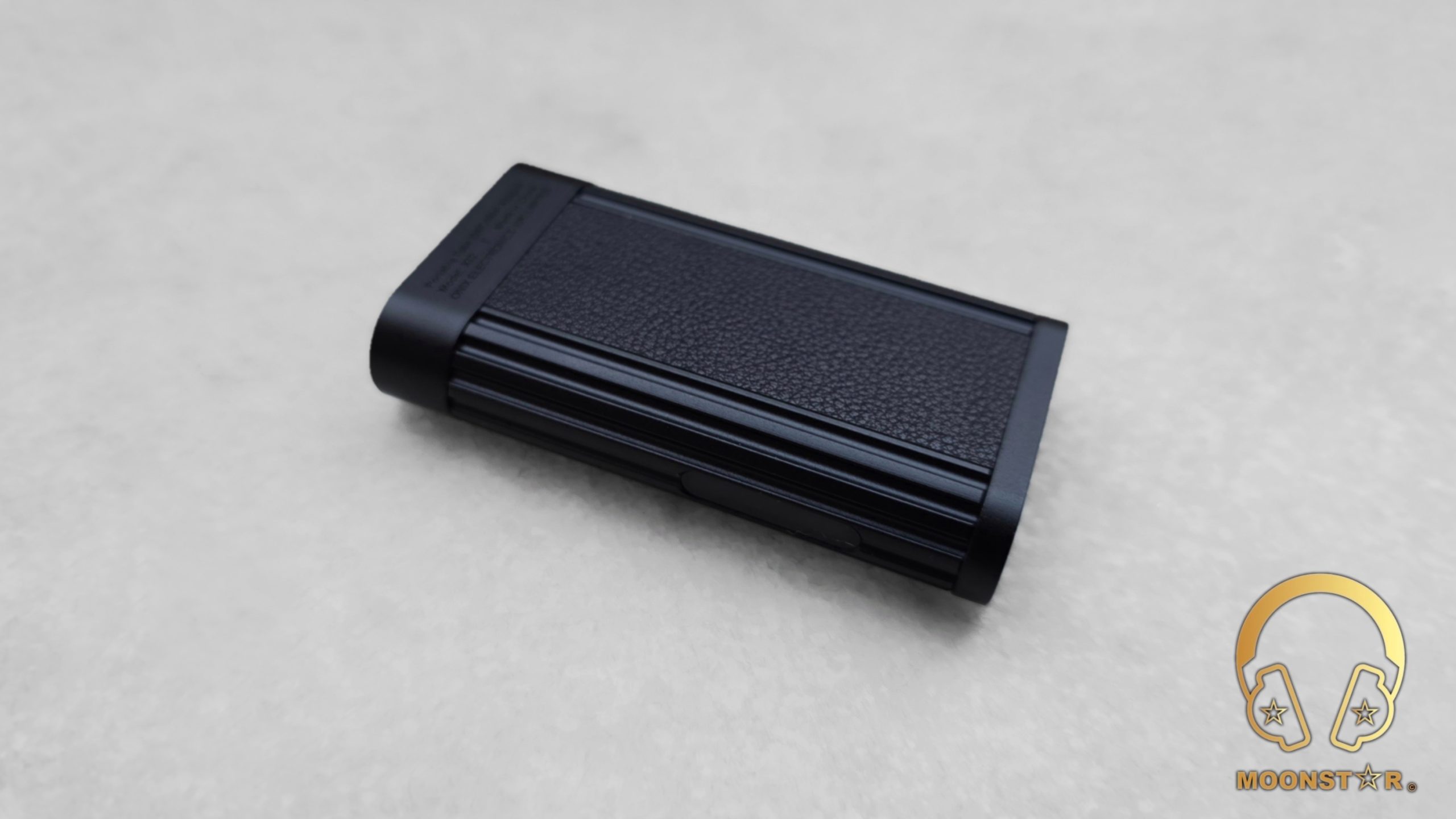
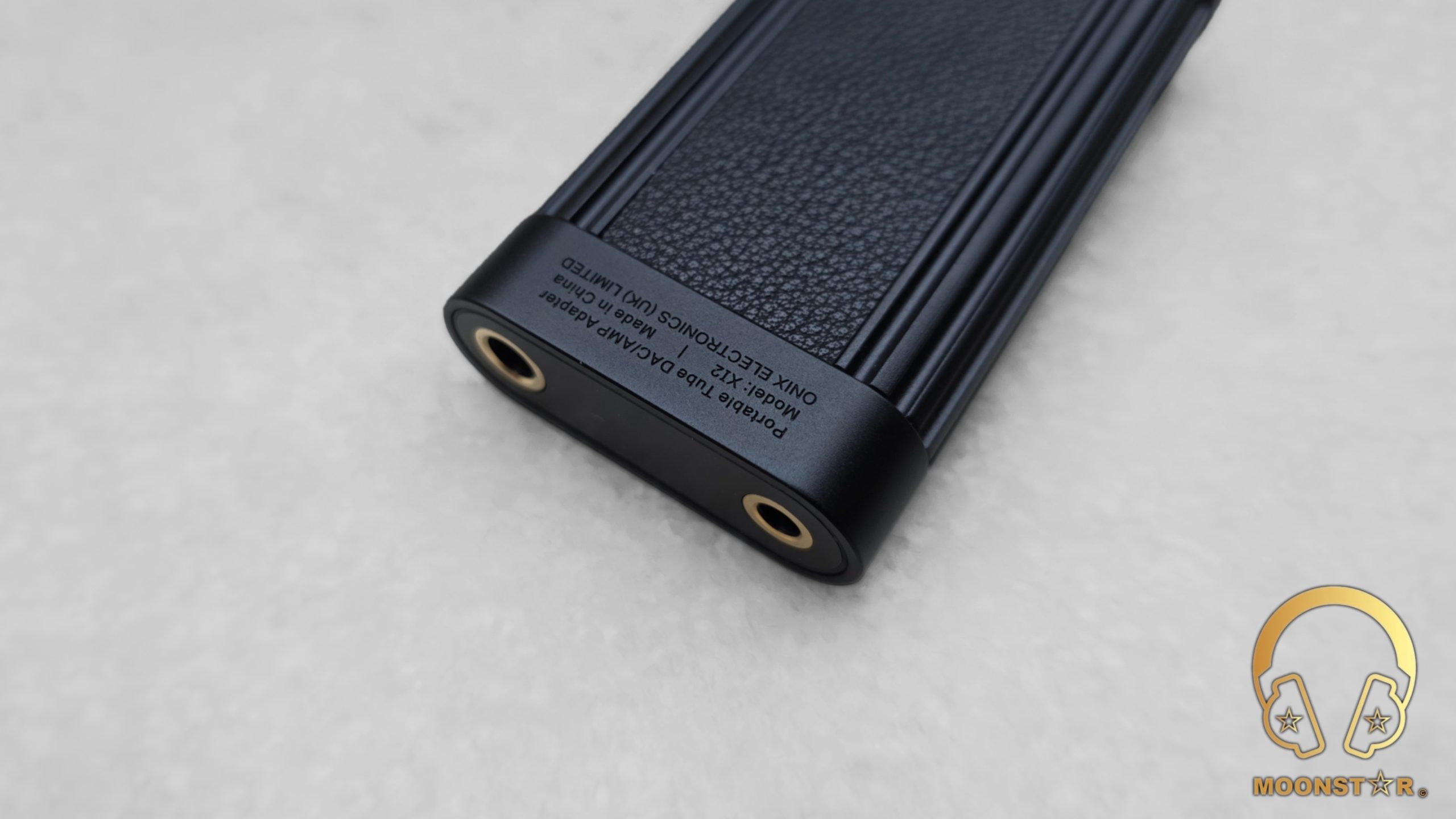
The rear panel is wrapped in luxuriously textured pleather, a soft, slightly pebbled black synthetic leather that provides exceptional grip without sacrificing elegance. This material wraps seamlessly around the curved edges, meeting the aluminum ribs in a clean, flush transition that feels intentional and premium under the fingers. The contrast between the cool, industrial metal and the warm, tactile pleather gives the device a dual-personality aesthetic: modern audiophile tool on the front, understated luxury object from behind.
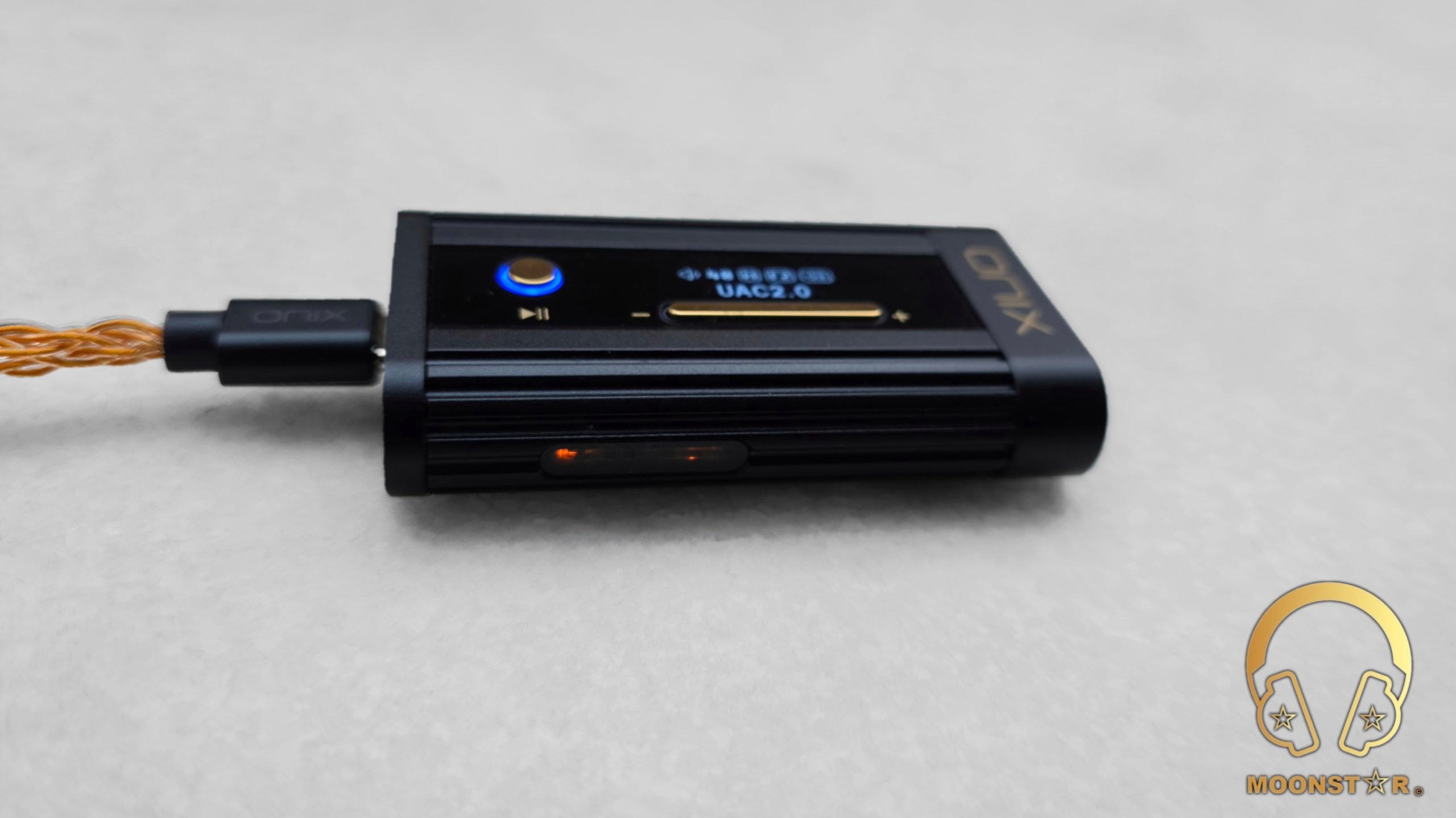
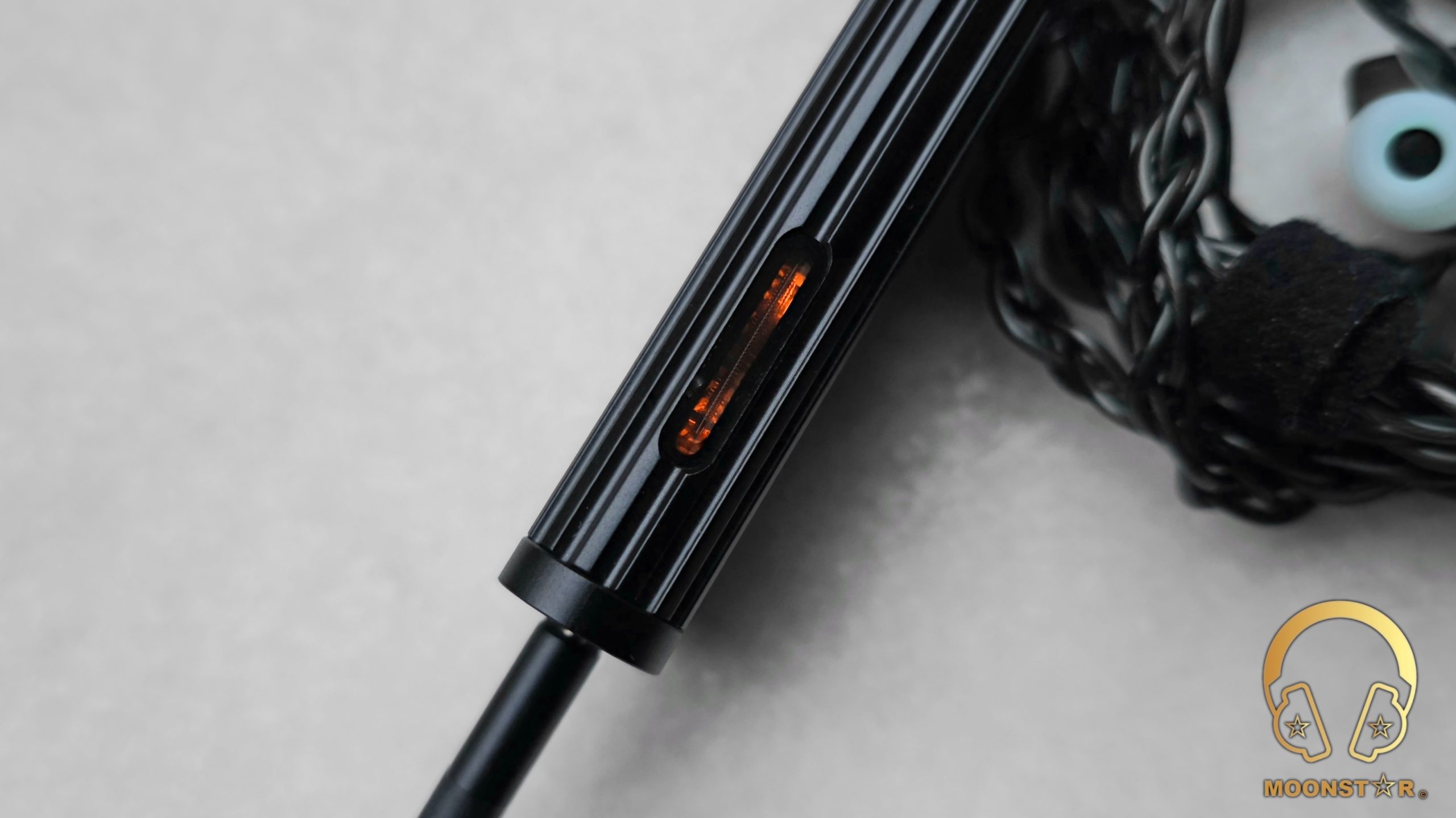
At the heart of its visual charm are the two narrow, elongated windows cut into the lower half of the front face, precisely positioned to reveal the glowing filaments of the dual JAN6418 pentode tubes. When tube mode is engaged, these windows come alive with a warm, amber-orange glow that pulses gently in sync with the audio signal. The light is diffused through frosted acrylic inserts, preventing harsh glare while allowing the tubes’ characteristic filament structure to remain visible, like tiny vintage bulbs suspended in a high-tech chassis. In a dark room, this glow casts a soft, retro-futuristic halo across the surrounding aluminum, making the Beta Xi2 feel alive, almost like a miniature tube amplifier from the golden age of hi-fi, reimagined for the pocket.

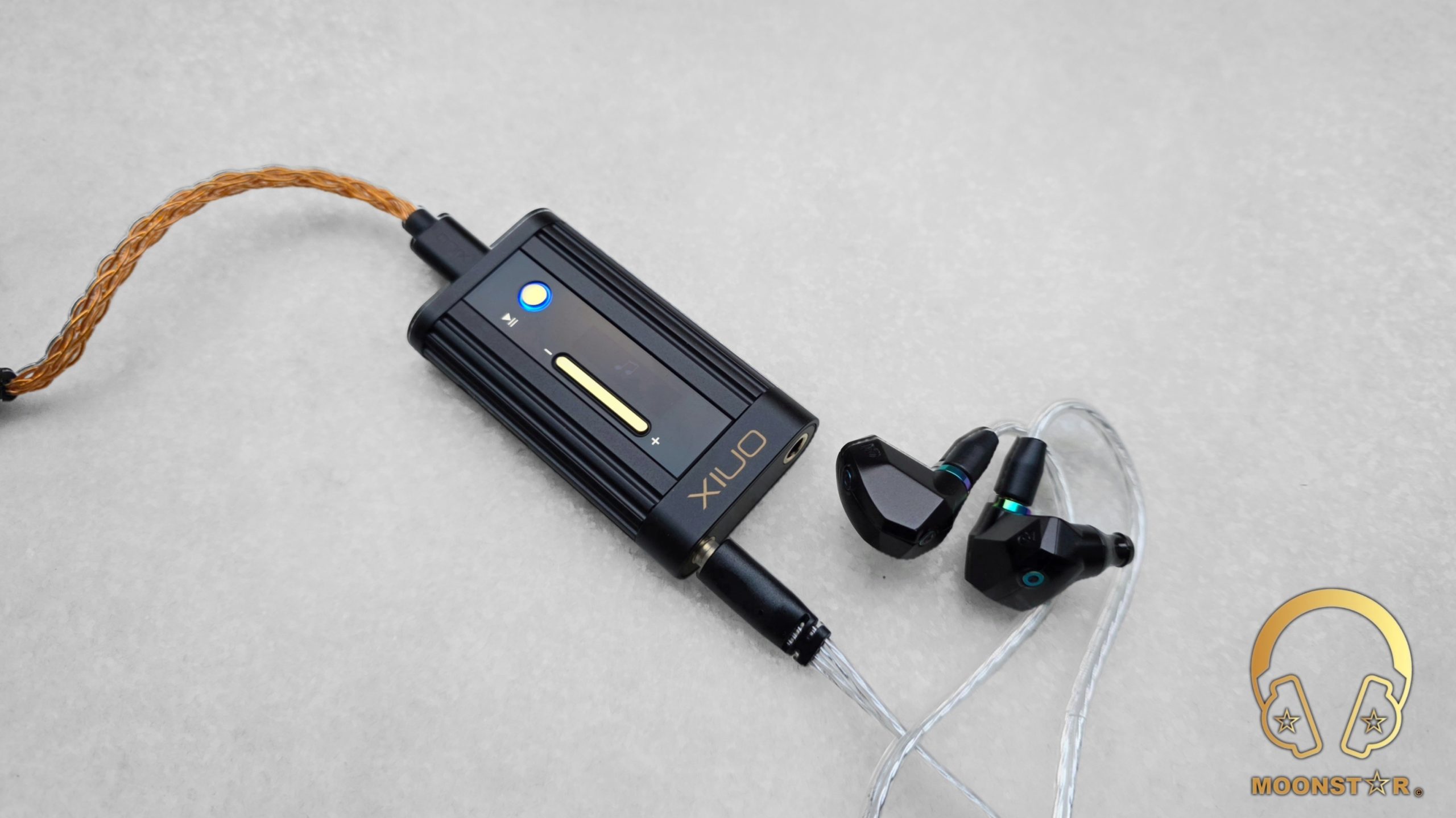
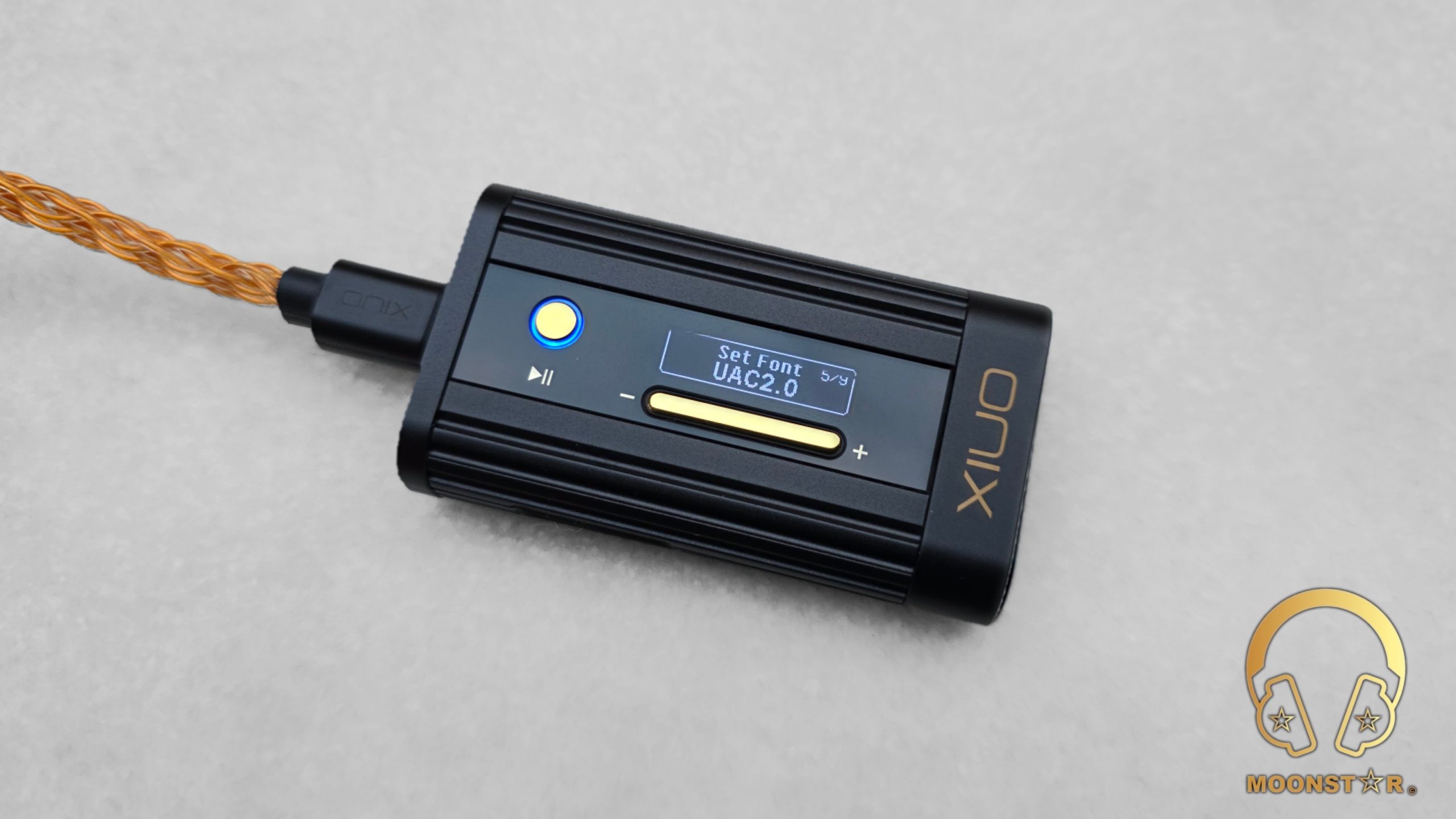
The front panel is dominated by the tall, narrow 0.87-inch monochromatic OLED screen, framed by a thin gold-accented bezel that matches the “ONIX” logo laser-etched at the top in elegant, minimalist typography. Below the screen sits the central multifunctional button, ringed by a soft cyan backlight that pulses during operation, serving as a power indicator, playback status light, and mode confirmation. Flanking the screen on the right is the vertical multicolour LED light bar, a thin strip that shifts seamlessly through blue, green, yellow, purple, white to indicate sampling rates, adding a layer of functional beauty and instant visual feedback.
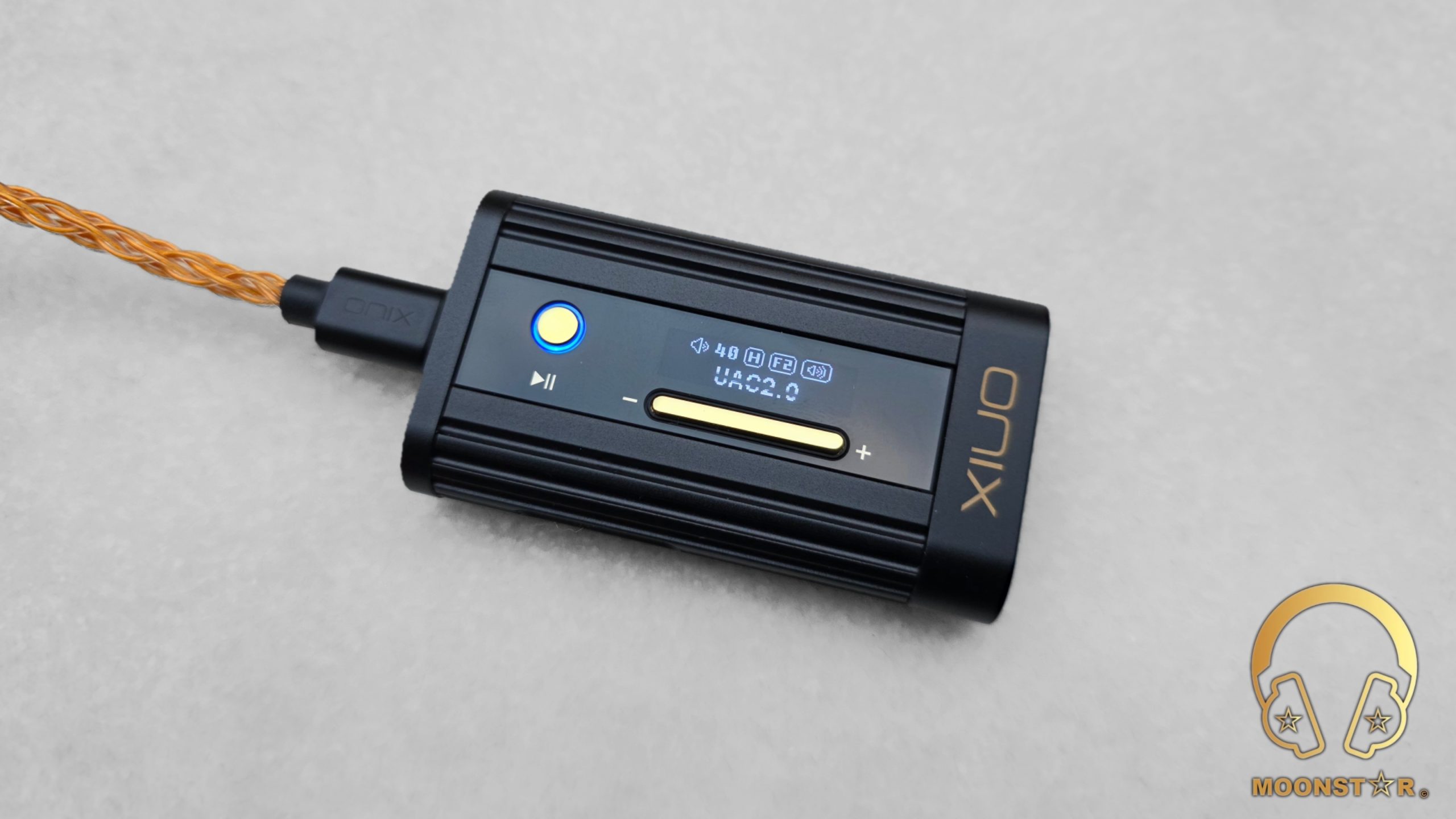
Three hardware multifunctional buttons, two volume rockers and a central control, protrude just enough for tactile feedback, finished in matching black with gold icons. Their placement allows full operation without ever needing to touch your phone, and the central button emits a soft click with each press, accompanied by a brief flash from the cyan ring.
The side profile reveals the device’s gently cylindrical form, with the aluminum ribs tapering slightly toward the top and bottom for ergonomic comfort. The pleather rear curves subtly inward, creating a natural cradle for the fingers when held vertically, like a premium vape mod or a high-end remote, but with far greater purpose.
On the top of the device are the 3.5mm Single-Ended and 4.4mm Balanced headphone outputs.
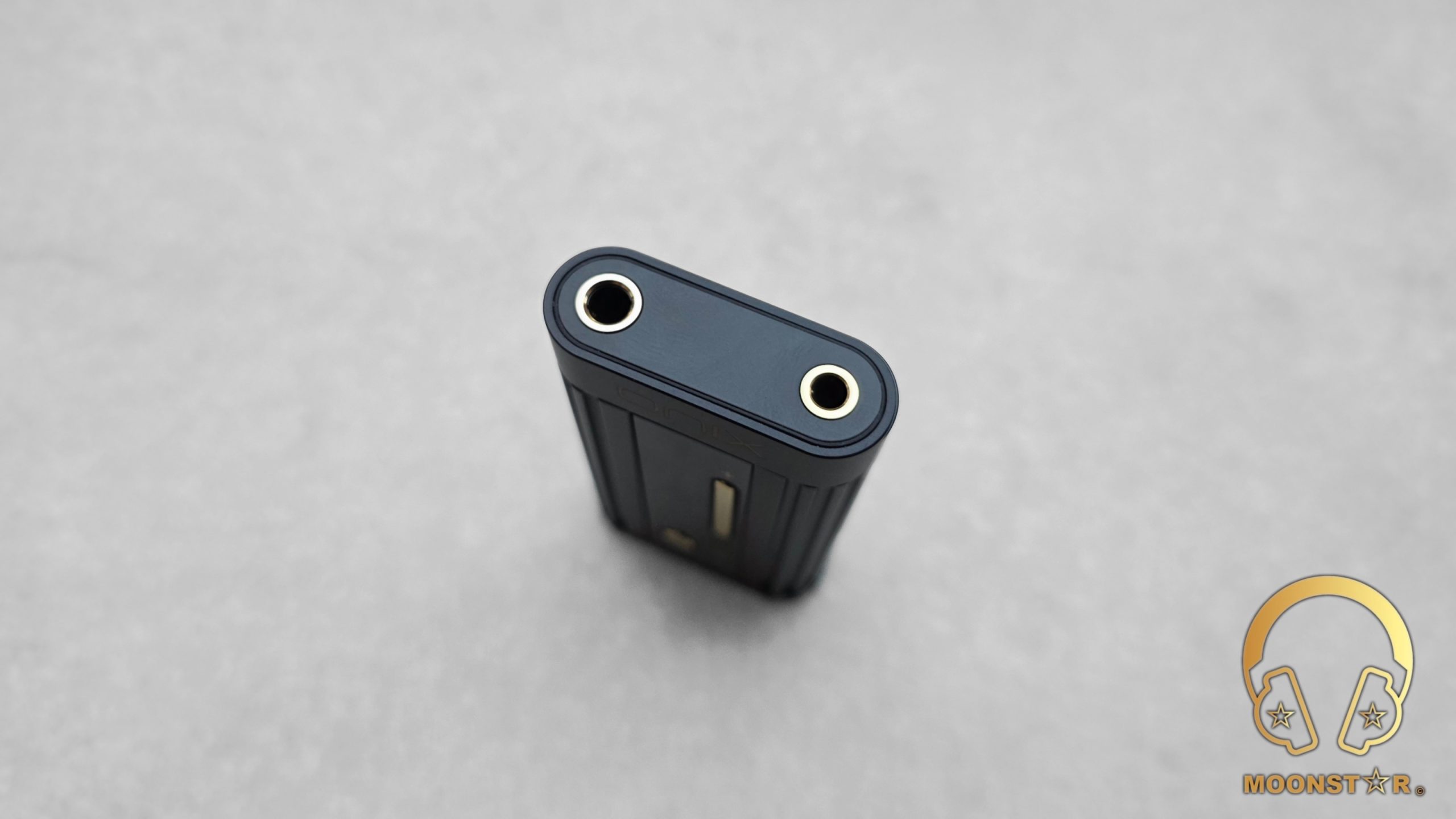
The bottom surface on the other hand is equipped with a USB Type-C interface.
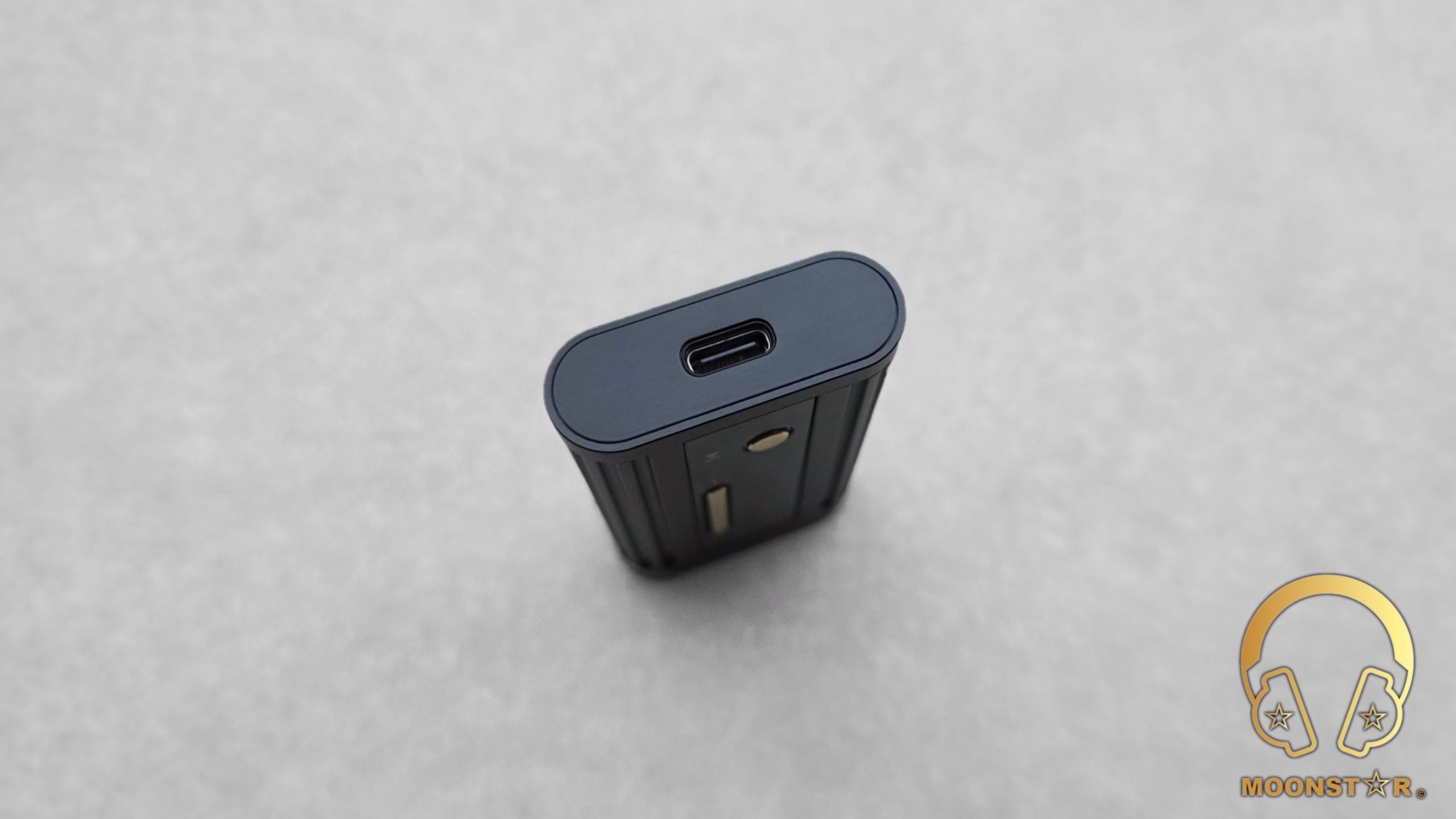
In hand, the Beta Xi2 feels dense yet balanced, with the weight concentrated toward the bottom for stability when plugged in. The ribbed sides prevent slipping, the pleather back warms to body temperature, and the tube glow through the windows serves as a constant reminder of the analog soul within. It’s a device that doesn’t just perform, it performs with presence, blending stealthy minimalism by day and subtle luminescence by night, a perfect fusion of form, function, and audiophile gadget
Technical Specifications:
- Model : Beta Xi2
- DAC Chips : Dual Cirrus Logic CS43198
- AMP : Dual OPA1662 + Quad BUF634A solid-state amp
- PCM : up to 32-Bit/786kHz
- DSD : Native DSD64, DSD128, DSD256, DSD512
- Digital Filters : 5 Different Options
- Gain Setting : Low & High
- Dimensions : 69.8 x 39 x14 mm
- Weight : 45.3g
4.4mm BAL Output (Transistor Mode)
- Output Power: 180mW@32Ω (Low Gain) / 550mW@32Ω (High Gain)
- THD+N: 0.0008% @32Ω (A-Weight)
- Dynamic Range: 128dB
- Channel Separation: 107dB
- S/N: 128dB
- Noise: 114dB
- Output Impedance: 0.6Ω
- Frequency Response: 20Hz-40kHz (±0.5dB)
4.4mm BAL Output (Tube Mode)
- Output Power: 152mW@32Ω (Low Gain) / 550mW@32Ω (High Gain)
- THD+N: 0.06% @32Ω (A-Weight)
- Dynamic Range: 127dB
- Channel Separation: 107dB
- S/N: 127dB
- Noise: 114dB
- Output Impedance: 0.6Ω
- Frequency Response: 20Hz-40kHz (±0.5dB)
3.5mm SE Output (Transistor Mode)
- Output Power: 45mW@32Ω (Low Gain) / 180mW@32Ω (High Gain)
- THD+N: 0.0006% @32Ω (A-Weight)
- Dynamic Range: 124dB
- Channel Separation: 73dB
- S/N: 124dB
- Noise: 116dB
- Output Impedance: 0.3Ω
- Frequency Response: 20Hz-40kHz (±0.5dB)
3.5mm SE Output (Tube Mode)
- Output Power: 37mW@32Ω (Low Gain) / 152mW@32Ω (High Gain)
- THD+N: 0.06% @32Ω (A-Weight)
- Dynamic Range: 122dB
- Channel Separation: 73dB
- S/N: 122dB
- Noise: 114dB
- Output Impedance: 0.3Ω
- Frequency Response: 20Hz-40kHz (±0.5dB)
Hardware & Software Features:
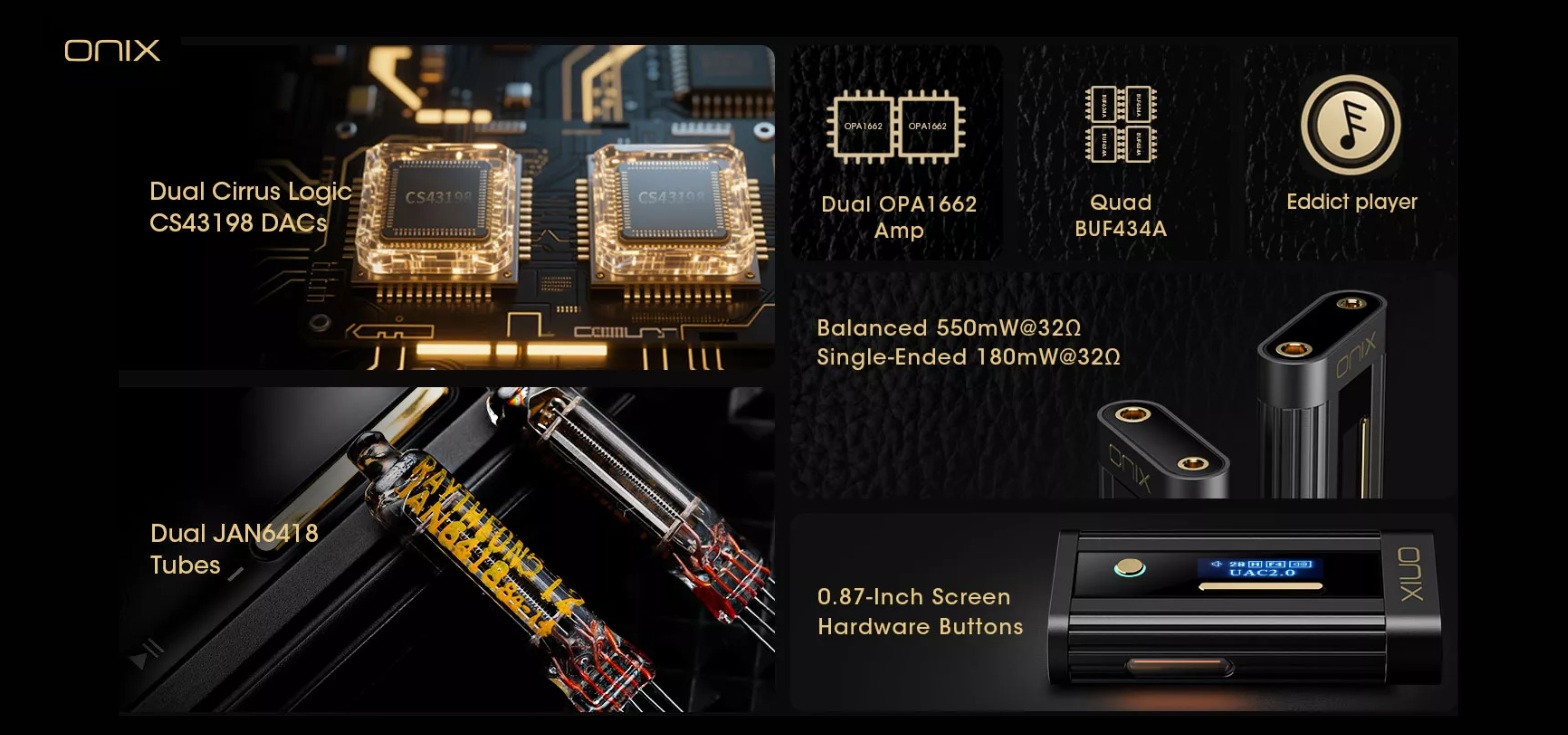
Unboxing the ONIX Beta Xi2, I was struck by the density of innovation squeezed into its tidy shell. Dual long-lasting, low-heat JAN6418 tubes, partnered with Shanling’s tube expertise, deliver that signature analog glow with quick on/off switching. Backed by twin Cirrus Logic CS43198 DACs and an upgraded OP + BUF architecture featuring dual OPA1662 op-amps plus quad BUF634A buffers for commanding drive. It masters PCM to 768kHz and native DSD512, turning any mobile rig into a hi-fi haven.
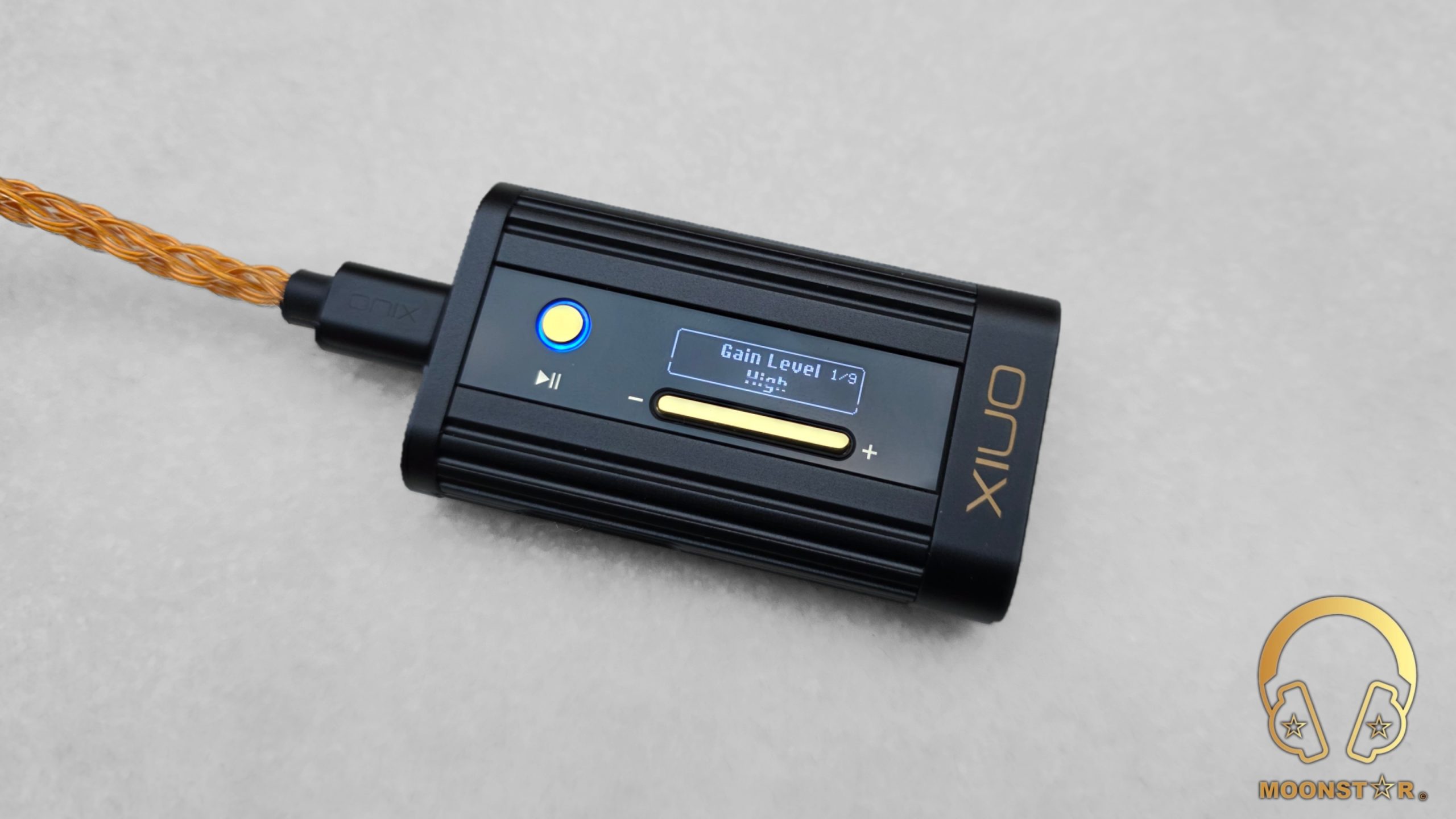
The Beta Xi2 integrates seamlessly with Shanling’s Eddict Player app, available for Android devices, which unlocks additional controls such as gain selection, digital filters, and channel balance adjustments. However, the device’s onboard hardware buttons already provide full access to these functions directly on the unit, making the app largely optional for day-to-day use. Future firmware updates may expand the app’s utility with new features or deeper integration.
Compatibility spans a broad ecosystem: it works plug-and-play with Android and iOS devices, Windows 10/11 systems, and Mac computers. Older Windows versions (8 or earlier) may require a separate driver, but modern setups operate driverless for instant recognition.
Digital to Analog Converter & Amplification:
Core to the Beta Xi2 are its dual Cirrus Logic CS43198 DACs, prized for their nuanced retrieval, expansive dynamics, and whisper-quiet backdrop. These feed into a hybrid amp that flips between tube and solid-state paths almost instantly. Tube mode engages the JAN6418 pair on a stable high-voltage rail with a special suspension system to minimize microphonics, yielding a velvety, immersive tone rich in harmonics. Solid-state mode counters with crisp, vigorous drive, boasting superior SNR and lower distortion.
The Beta Xi2 also lets you shape the profile via five digital filters, accessible through the hardware buttons.
This compact beast pushes up to 550mW per channel at 32Ω via balanced out, taming tough loads with ease. Single-ended reaches 180mW at 32Ω in transistor mode, ideal for finicky in-ears. Testing with Campfire Audio Fathom, the floor stayed dead silent on my MSI Vector GP68 HX laptop, free of hum. A faint buzz crept in with the Samsung S25 Ultra, though.
Supported Sampling Rates:
It embraces PCM from 16-bit/44.1kHz to 32-bit/768kHz, alongside native DSD to 512x, versatile for everyday streams or audiophile deep dives. The front multicolour LED light bar visually confirms the rate with accurate color coding for quick reference.
Connectivity:
- Standard USB-C anchors input for power/data, plug-and-play with Android, iOS (via adapter or Shanling L3 for Lightning), and PCs (Mac/Win).
- Outputs: 4.4mm balanced and 3.5mm SE, with universal USB-C allowing easy cable swaps.
Software & Compatibility:
The ONIX Beta Xi2 works with Shanling’s Eddict Player app, available for Android phones and tablets. Through the app you can adjust gain (low or high), choose from five digital filters, set channel balance, and check firmware status. In practice, the three hardware buttons on the device itself cover every one of these options, so most users never open the app. Future updates may add exclusive features to justify installing it.
Plug-and-play operation is excellent across platforms: Android and iOS devices connect instantly via USB-C (Lightning users need the included adapter or Shanling’s optional L3 cable). Windows 10/11 and macOS recognize the Beta Xi2 without drivers; only Windows 8 or earlier requires a quick manual driver install from the ONIX website.
Equipment’s used for this review:
- DAC/AMP’s : ONIX Beta Xi2, iBasso Nunchaku
- USB Source : Samsung Galaxy S25 Ultra, MSI Vector GP68 HX
- IEM’s : BQEYZ Winter II, Campfire Audio Fathom
- Headphones : iBasso SR03
Albums & Tracks Used for this Review:
Vocal Jazz / Smooth Jazz
- Norah Jones – Come Away With Me (Flac 24bit/96kHz)
- Diana Krall – So Wonderful (DSF)
- Barry White – Just The Way You Are (Flac 24bit/48kHz)
- Isaac Hayes – Walk On By (Flac 16bit/44.1kHz)
- Sting – Englishman in New York (Flac 24bit/48kHz)
- Otto Liebert & Luna Negra – The River (Flac 24bit/192kHz)
- Ferit Odman – Look, Stop & Listen (Flac 24bit/192kHz)
- Charly Antolini – Duwadjuwandadu (Flac 24bit/192kHz)
Soul / R&B
- Aretha Franklin – I Say A Little Prayer (Flac 24bit/96kHz)
- Adele – My Little Love (Apple Lossless)
- George Michael – Don’t Let the Sun Go Down on Me (Flac 24bit/192kHz)
- Eric Clapton – Wonderful Tonight (Flac 24bit/96kHz)
Pop / Rock Classics
- Michael Jackson – Billie Jean (Flac 24bit/96kHz)
- Elton John – Rocket Man (Flac 24bit/96kHz)
- David Bowie – Heroes (Flac 24bit/192kHz)
- U2 – Sunday Bloody Sunday (Flac 16bit/44.1kHz)
- Lorde – Royals (Flac 24bit/48kHz)
- Dave Gahan – Kingdom (Apple Lossless)
Electronic / Experimental
- Daft Punk – Instant Crush (Flac 24bit/96kHz)
- Daft Punk – Doin’ it Right (Flac 24bit/96kHz)
- Bro Safari, UFO! – Drama (Apple Lossless)
- Armin Van Buuren – Vini Vici (Flac 16bit/44.1kHz)
- Yosi Horikawa – Bubbles (Apple Lossless)
- Toutant – Rebirth (Apple Lossless)
Alternative / Indie / Art Rock
- Radiohead – Live in Berlin “Album” (Apple Lossless)
- Radiohead – Pyramid Song (Apple Lossless)
- Muse – Hysteria (Flac 24bit/96kHz)
- Red Hot Chili Peppers – Nobody Weird Like Me (Flac 24bit/48kHz)
- Lunatic Soul – The Passage (Flac 16bit/44.1kHz)
- Portishead – It Could Be Sweet (Apple Lossless)
- Gogo Penguin – Raven (Flac 24bit/192kHz)
- Gogo Penguin – Murmuration (Flac 24bit/192kHz)
- Massive Attack – Angel (Flac 24bit/48kHz)
- Bear McCreary – Valkyries (Apple Lossless)
Classical / Orchestral
- Max Richter – On the Nature of Daylight (Flac 24bit/96kHz)
- Chopin – Nocturne No. 20 in C-Sharp Minor (Flac 16bit/44.1kHz)
- Clair de Lune – Claude Debussy (Apple Lossless)
- Tchaikovsky – Symphony No. 5 (Flac 16bit/44.1kHz)
- Vivaldi – Le Quattro Stagioni “The Four Seasons” (Apple Lossless)
- Fazıl Say – Nazım Oratoryosu (Live) (Flac 16bit/44.1kHz)
Jazz / Instrumental
- Miles Davis – So What (Apple Lossless)
World / Traditional
- Sertap Erener – Aşk (Flac 16bit/44.1kHz)
- Edith Piaf – Non Je Ne Regrette Rien (Flac 16bit/44.1kHz)
Metal / Progressive Rock
- Metallica – Dyers Eve (Flac 24bit/96kHz)
- Metallica – Sad but True (Flac 24bit/96kHz)
- Megadeth – Sweating Bullets (Apple Lossless)
- Opeth – Windowpane (Flac 16bit/44.1kHz)
- Deftones – My Own Summer (Shove It) (Flac 16bit/44.1kHz)
- Rush – Tom Sawyer (Flac 16bit/44.1kHz)
- Slayer – Angel of Death (Apple Lossless)
The Sound:
The ONIX Beta Xi2 performs reliably in the DAC category, with the ability to switch between two clear sound profiles. Tube mode, powered by the JAN6418 tubes and Shanling’s design input, provides a warm and smooth presentation where bass has good weight, mids sound natural, and highs remain controlled with added harmonics. Transistor mode offers a cleaner and more detailed output, with faster bass response, clearer mids, and extended highs that focus on accuracy.
This switchable design works well in practice and allows the device to handle different music styles effectively. The sound stays consistent across frequencies in both modes, without harsh transitions. It adapts to various recordings, improving good ones and handling weaker sources without issues. The filters and gain settings give useful control for fine-tuning.
This review is based on more than 100 hours of use. Testing was done with the Samsung Galaxy S25 Ultra and MSI Vector GP68 HX laptop. Main impressions come from the BQEYZ Winter II, Campfire Audio Fathom IEMs, and iBasso SR03 headphones.

Bass:
Tube mode delivers bass with solid body and natural decay. Midbass provides clear impact suitable for steady rhythms or deeper swells, while subbass extends well without overpowering other frequencies. The notes start and stop smoothly, adding realism to low-end elements. The overall low end feels controlled and detailed, with harmonic additions from the tubes making bass guitars more textured.
With the BQEYZ Winter II’s tunable drivers, tube mode adds depth to bass-heavy tracks while keeping clarity in the lower mids. The response stays tight across different volume levels, and high gain handles power-hungry drivers without distortion or loss of control. The low end remains articulate even in complex mixes.
Transistor mode gives tighter and faster bass with quick transients. Attack is precise, and extension improves in the subbass range, revealing more detail in deeper notes. Paired with Campfire Audio Fathom’s responsive drivers, it maintains control and separation in fast passages. The subbass gains definition compared to tube mode, though it loses some warmth. Gain options and filters allow adjustments for different headphones or preferences, ensuring the bass fits the setup.
Midrange:
Tube mode presents mids with good presence and warmth. Vocals sound clear and natural, with enough body to avoid thinness. Lower mids provide a stable base for instruments like cellos or male voices, while upper mids handle details without sharpness. In Adele’s “My Little Love,” the voice comes through with clear emotion and space, supported by the tube’s added harmonics that enrich timbre. The midrange stays layered in busy arrangements, keeping elements distinct. Through the iBasso SR03’s balanced response, tube mode handles dense tracks well, maintaining separation between instruments. Micro details such as breath sounds or string textures are easy to hear without effort. The quick tube switching allows direct comparisons during playback, showing the warmth difference clearly.
Transistor mode increases clarity and resolution in the mids. Vocals gain forward placement and more defined edges, while instruments show additional texture in their harmonics. The lower mids become cleaner, reducing any overlap with bass. With BQEYZ Winter II in neutral setting, the output remains balanced and transparent. Upper mids reveal more nuance in acoustic recordings. The digital filters provide options to adjust focus, with some emphasizing attack and others smoothing the response. Hardware buttons make these changes simple on the device.
Treble:
Tube mode keeps highs smooth and extended without harsh peaks. Energy is present but controlled, making long listening sessions comfortable. The treble adds air and detail through the tube harmonics, but stays rolled off gently at the top to avoid fatigue. Spatial cues in recordings come through clearly.
Campfire Audio Fathom pairs well in this mode, maintaining balance across the frequency range with good extension. The treble remains detailed in percussion without becoming splashy. The tube suspension reduces any microphonic noise during normal handling.
Transistor mode adds sparkle and precision to the highs. Decay is accurate, and extension reveals fine details in upper harmonics. The response stays clean with low distortion. With iBasso SR03, orchestral parts gain clarity and separation in high frequencies. Mode changes show clear differences in percussion handling, with transistor providing sharper attacks. Filter choices influence the treble character, allowing customization for different ear sensitivity or monitoring needs.
Soundstage & Imaging:
Tube mode creates a wide and deep presentation. Elements spread out naturally, with good depth between layers. The tube richness adds to the atmospheric feel. Balanced output improves channel separation for better width.
Transistor mode tightens placement for better accuracy. Instruments lock into position with clear separation and precise imaging. The stage keeps good width but adds height and focus. With Campfire Audio Fathom, tube mode feels open and enveloping, while transistor offers sharp focus on individual elements. The iBasso SR03 works well in both configurations, with tube widening the overall field and transistor sharpening instrument placement. Balanced connection gives better separation and width, while single-ended keeps the presentation more intimate. Filters provide small adjustments to the perceived space and air.
Comparison:
ONIX Alpha XI1 vs. iBasso Nunchaku:
Both units deliver hybrid tube and solid-state operation in similar vertical footprints, but they differ in materials and control style. The Beta Xi2 features an aluminum-pleather body with three dedicated hardware buttons plus an LED sampling-rate strip. The Nunchaku uses an aluminum-glass construction with a single multifunctional knob for all adjustments. Both allow complete on-device control without touching the phone, though the Xi2’s button layout feels quicker for volume and mode changes, while the Nunchaku’s knob offers smoother scrolling through menus.
In terms of sonic performance, the bass performance highlights the first clear divergence. Beta Xi2 tube mode gives extended decay and warmth, ideal for vocal-focused tracks where bass guitar needs body. Nunchaku tube delivers quicker midbass punch suited to faster material. Transistor mode on Beta Xi2 provides cleaner transients and deeper sub-bass reach thanks to its quad BUF634A buffers, maintaining 550 mW balanced in both modes with consistent drive. Nunchaku holds good midbass control with slightly less overall extension.
Midrange on Beta Xi2 tube feels intimate with added harmonics and slightly recessed lower mids for separation. Nunchaku tube pushes vocals forward with more energy and immediacy. Transistor mode gives Beta Xi2 better transparency via dual OPA1662 op-amps and a lower noise floor. Nunchaku adds a touch of warmth to the presentation. With BQEYZ Winter II, Beta Xi2 tube creates lush vocals, while Nunchaku energizes brighter drivers. Tube switching on Beta Xi2 is faster with better microphonic control thanks to its suspension system.
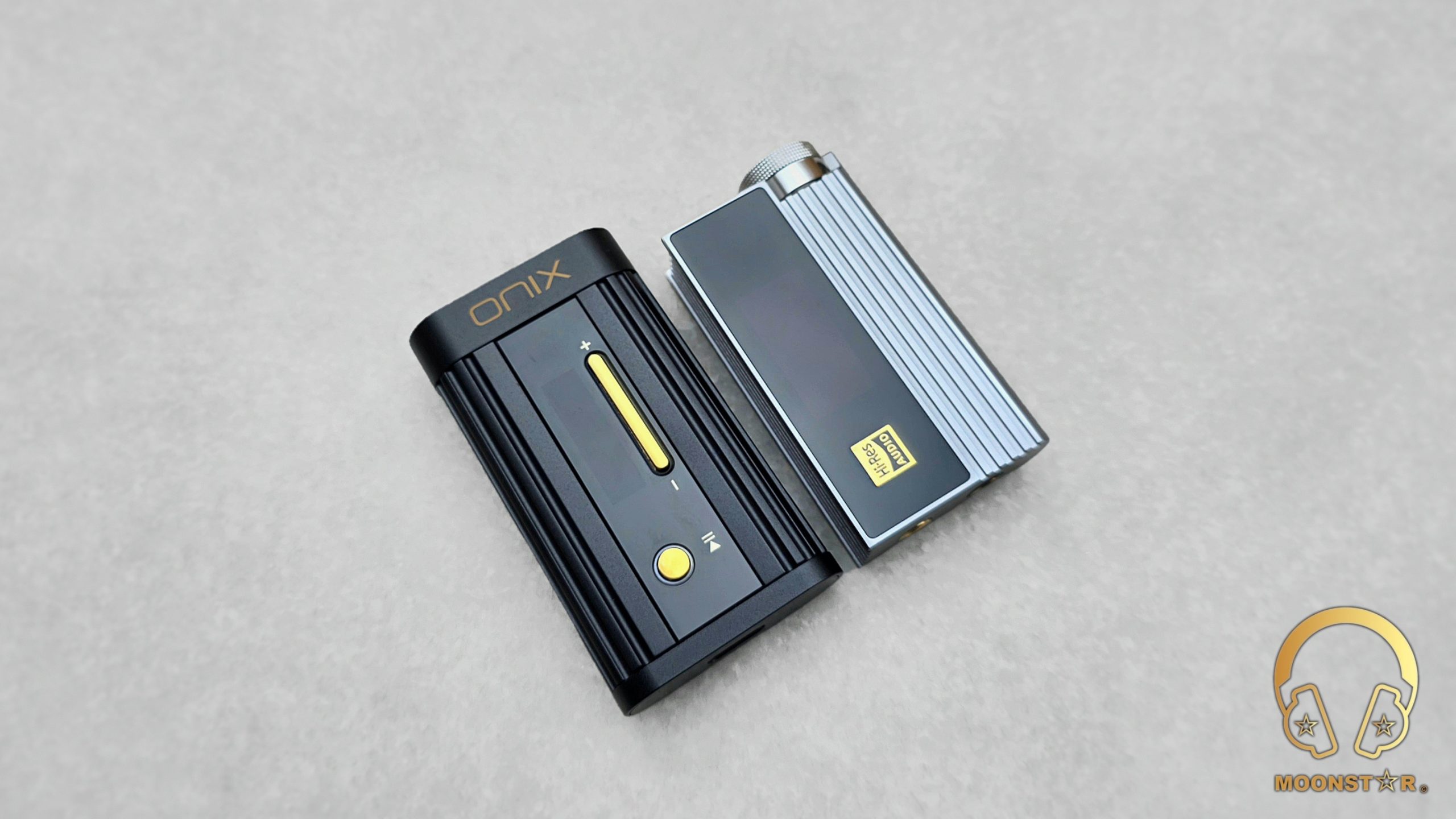
Treble in Beta Xi2 tube stays smooth with balanced extension and lower crosstalk in balanced mode. Nunchaku tube adds sparkle and liveliness. Transistor mode favors Beta Xi2 for control and low distortion with quad buffers. Nunchaku provides lively highs with good air. The ONYX Beta Xi2 maintains consistency across modes.
Soundstage on Beta Xi2 tube offers width and depth, with the vertical design aiding height perception. Nunchaku tube focuses the center image better for vocals. Transistor mode keeps Beta Xi2 wide with sharp layering and separation, while the Nunchaku narrows the stage slightly for precision.
In the end, neither device outperforms the other; they simply speak with different voices. Choose the Beta Xi2 if you value a relaxed, harmonic-rich signature with instant tactile control; pick the Nunchaku when you prefer a more energetic, forward presentation with refined knob navigation. Both earn their place in a serious portable rig.
Conclusion:
The ONIX Beta Xi2 stands out as a dependable and versatile choice in the portable DAC/Amplifier market, successfully blending the classic appeal of vacuum tube sound with the precision of modern solid-state technology. The collaboration with Shanling ensures the tube implementation is reliable and effective, while the overall build quality and thoughtful design details make it a pleasure to use daily. At $349, it delivers excellent value with high power output, broad compatibility, and high-resolution support that covers PCM up to 768kHz and native DSD512. The instant mode switching between tube and transistor profiles works without issues, giving users the flexibility to match the sound to their mood or music library. Hardware controls are complete and responsive, reducing reliance on apps, and the accessory package is practical for real-world scenarios. While minor hum can appear with certain phones, it does not detract from the strong performance across laptops and most mobile devices. For anyone seeking a compact yet capable upgrade to their portable setup, the Beta Xi2 provides consistent results and lasting satisfaction.
Pros & Cons:
- + Overall Sonic Performance & Flexibility
- + Clear tube and solid-state options
- + Warm tube character
- + Detailed transistor output
- + Solid build quality
- + ONIX OL USB Type-C Cable
- – A protective case with MagSafe would be welcome
Thank you for the Read!