TWISTURA D-Minor Review
TWISTURA D-Minor Review
Introduction:
The TWISTURA D-Minor represents a confident and distinctive entry-level offering from a brand that consistently challenges expectations in the budget segment. This affordable In-Ear Monitor distinguishes itself through thoughtful engineering and an unusually complete package, featuring a single 10mm dual-magnetic dynamic driver with an LCP composite diaphragm. Adding to its appeal are four interchangeable tuning nozzles that provide meaningful adjustments for different music styles, along with a practical USB-C DAC adapter that turns it into a ready-to-go solution for modern devices. Housed in a hybrid zinc alloy and resin shell, the D-Minor delivers an energetic, versatile sound that prioritizes enjoyment and accessibility without sacrificing competence.
Let’s take a deeper look at the packaging, design, and most importantly the sonic performance of the TWISTURA D-Minor.
Disclaimer:
I would like to thank AOSHIDA Audio and TWISTURA for providing the D-Minor for review purposes. I am not affiliated with AOSHIDA Audio and TWISTURA beyond this review, and the opinions expressed here are my honest and unbiased impressions of the product.
Price & Availability:
The MSRP price for the TWISTURA D-Minor is $31.90 US (standard version) or slightly higher with microphone option. More information can be found under the link below;
Unboxing Experience:
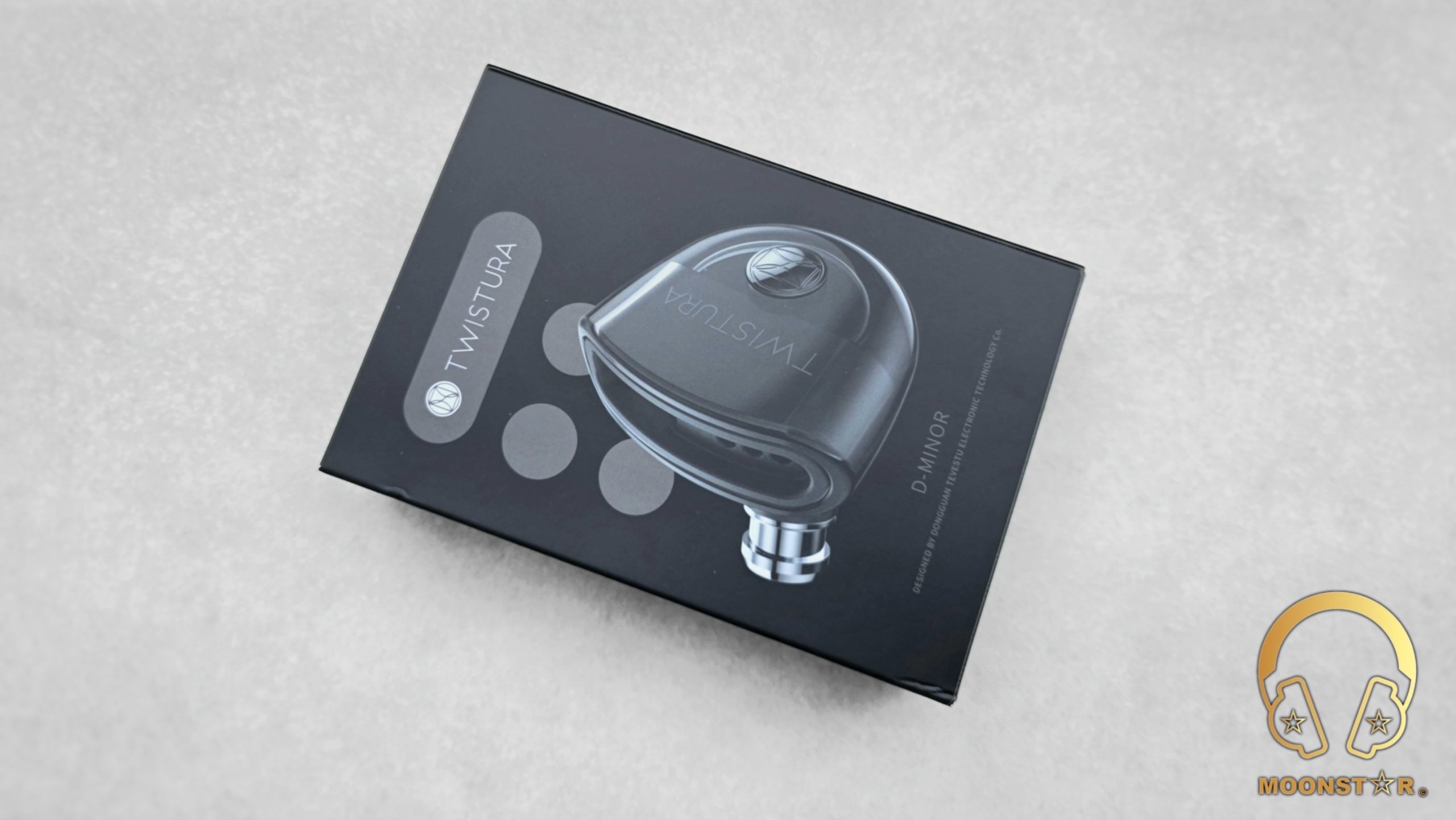
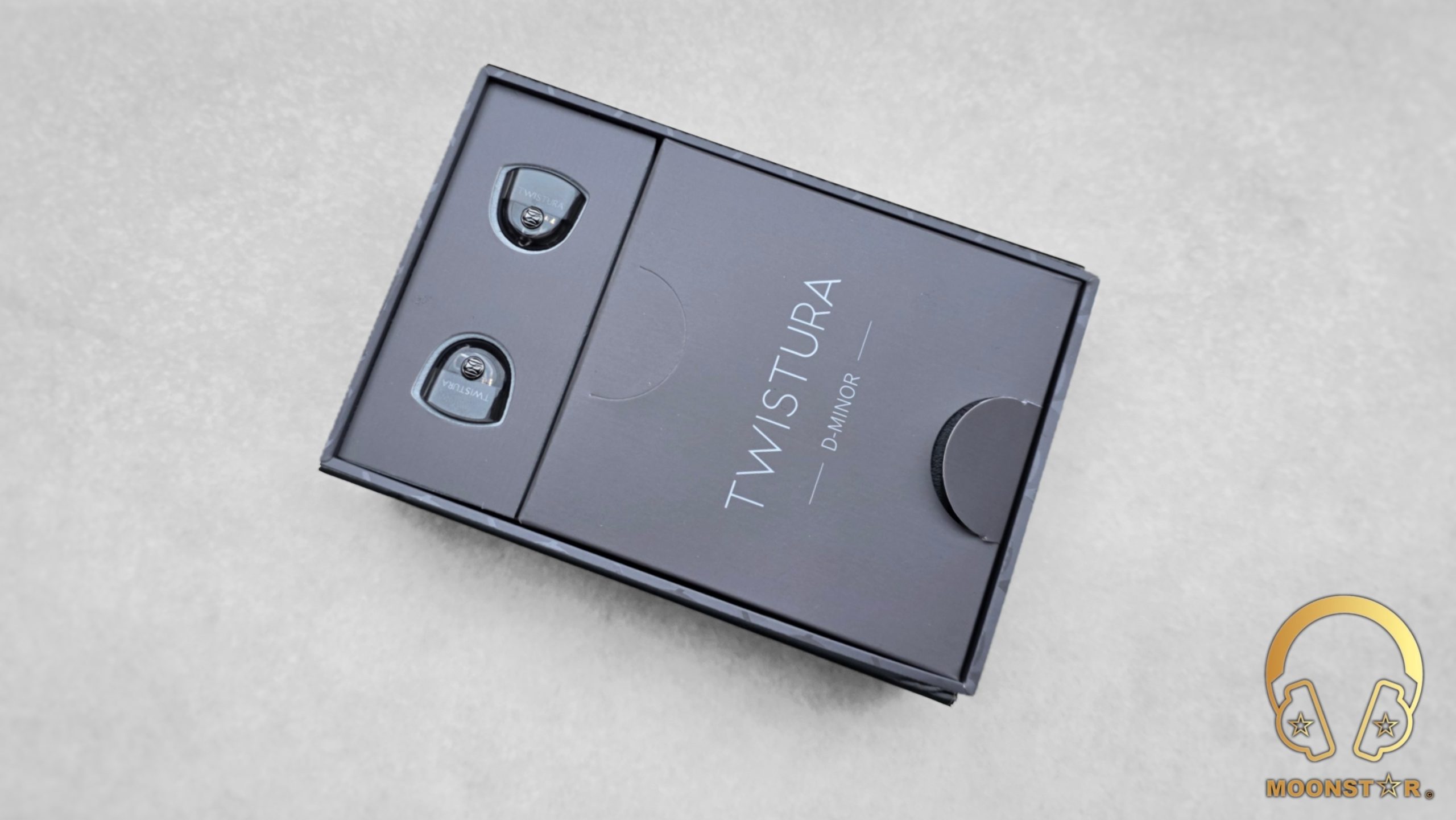
The TWISTURA D-Minor arrives in a compact, matte black box that maintains a clean and understated appearance while hinting at the value inside. The unboxing experience feels surprisingly generous for the price range, with everything neatly organized and protected.
Inside the box are the following items/accessories;
- 1 x pair of TWISTURA D-Minor IEMs
- 1 x Detachable high-purity oxygen-free copper silver-plated cable
- 5 x pairs of silicone ear tips in various sizes and bore widths
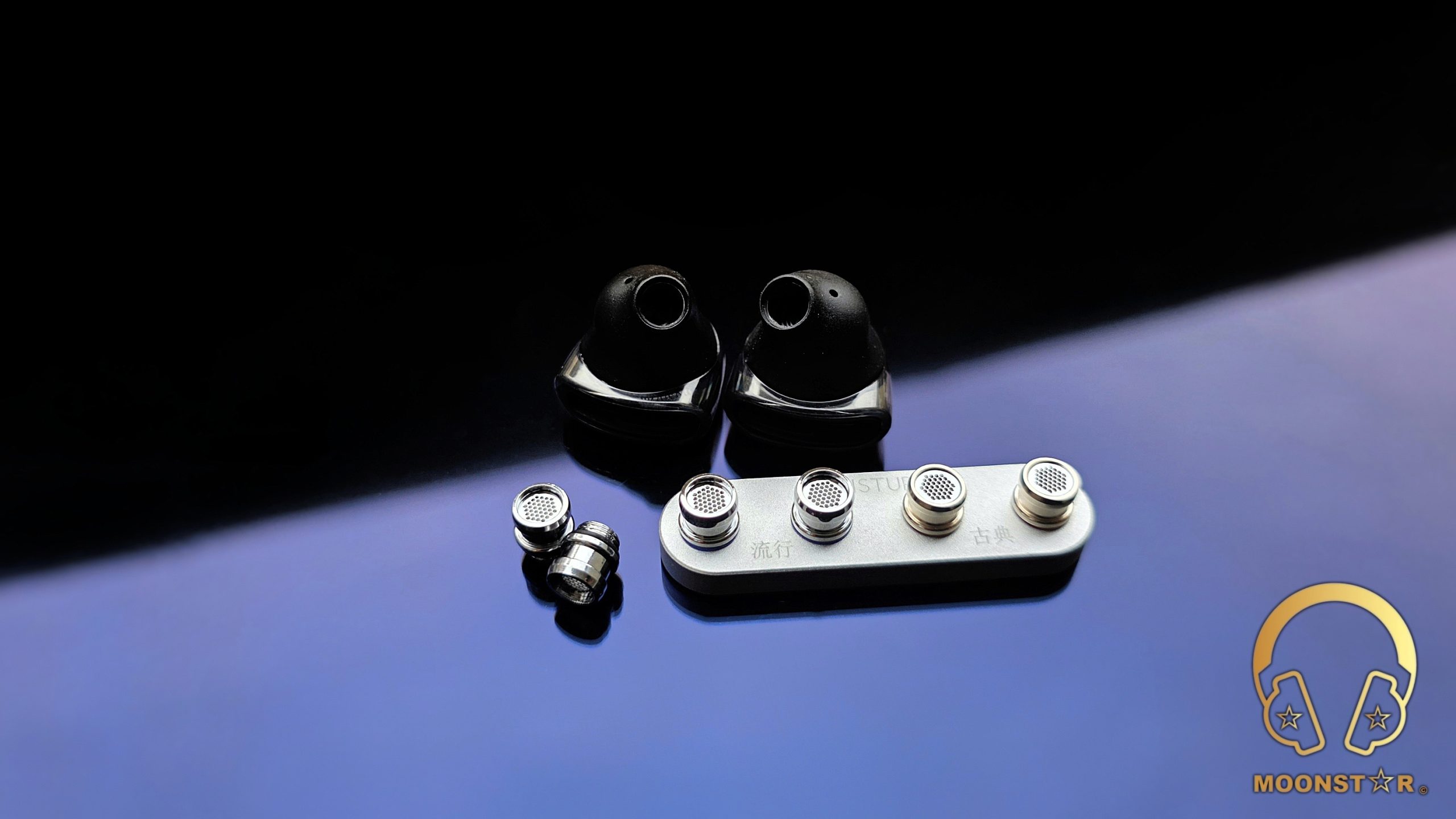
- 3 x Tuning Nozzles (Reference, Classical, Pop)
- 1 x USB-C to 3.5mm DAC adapter cable (CX31993 chipset)
- 1 x Soft carrying pouch with drawstring
- 1 x User Manual
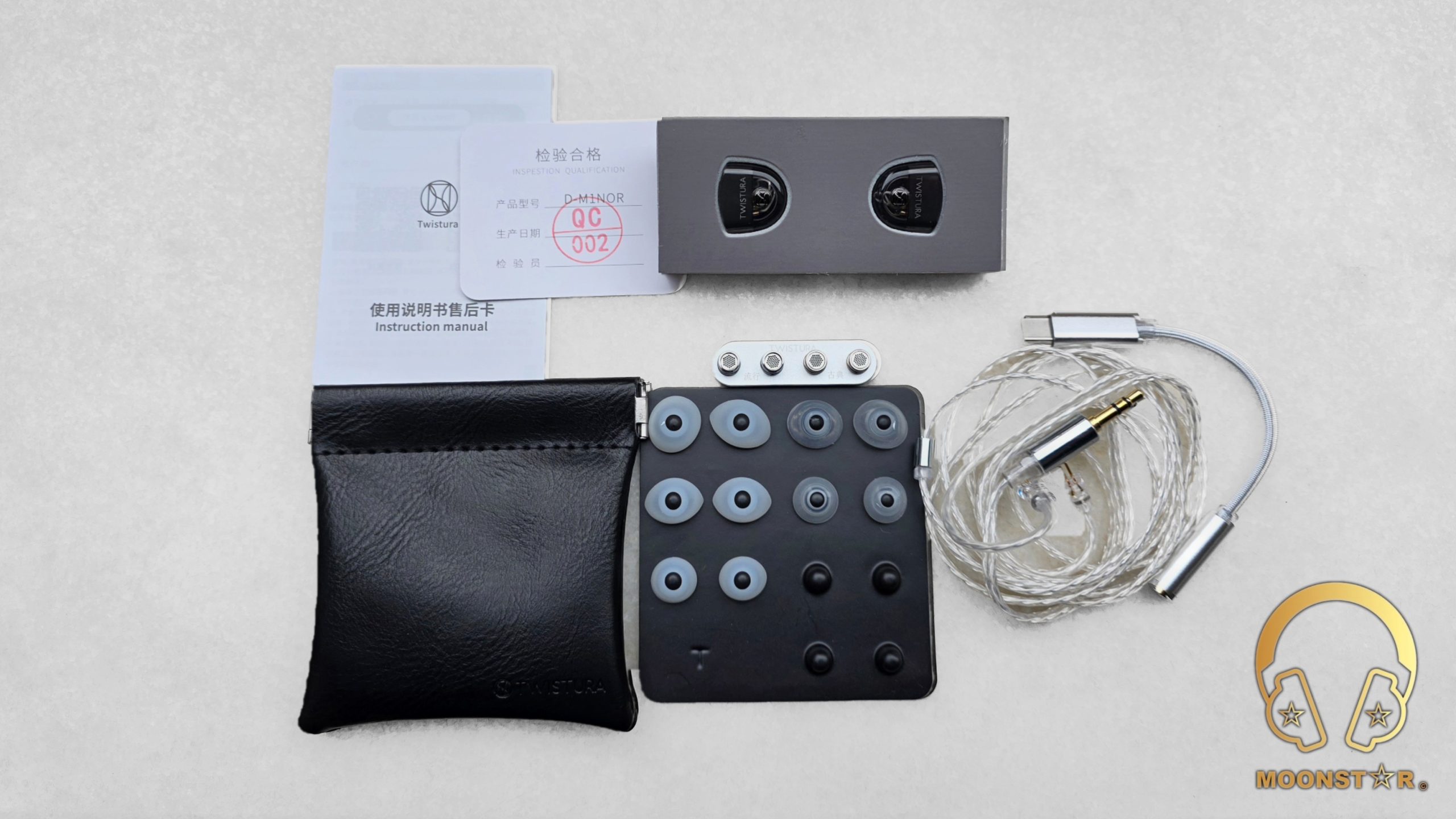
The inclusion of a functional DAC adapter and multiple nozzle options makes this feel like a complete audio starter set rather than just an IEM.
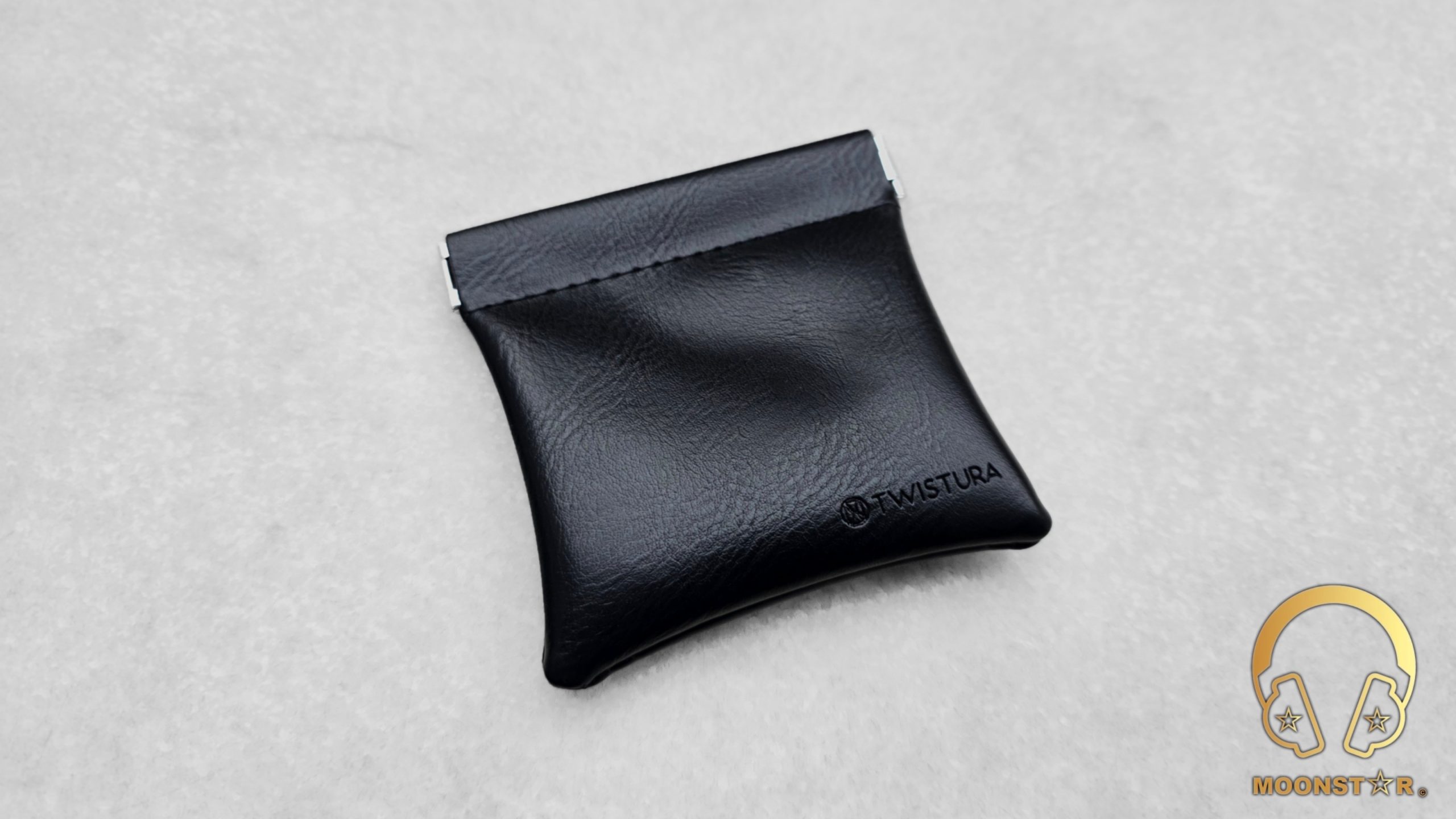
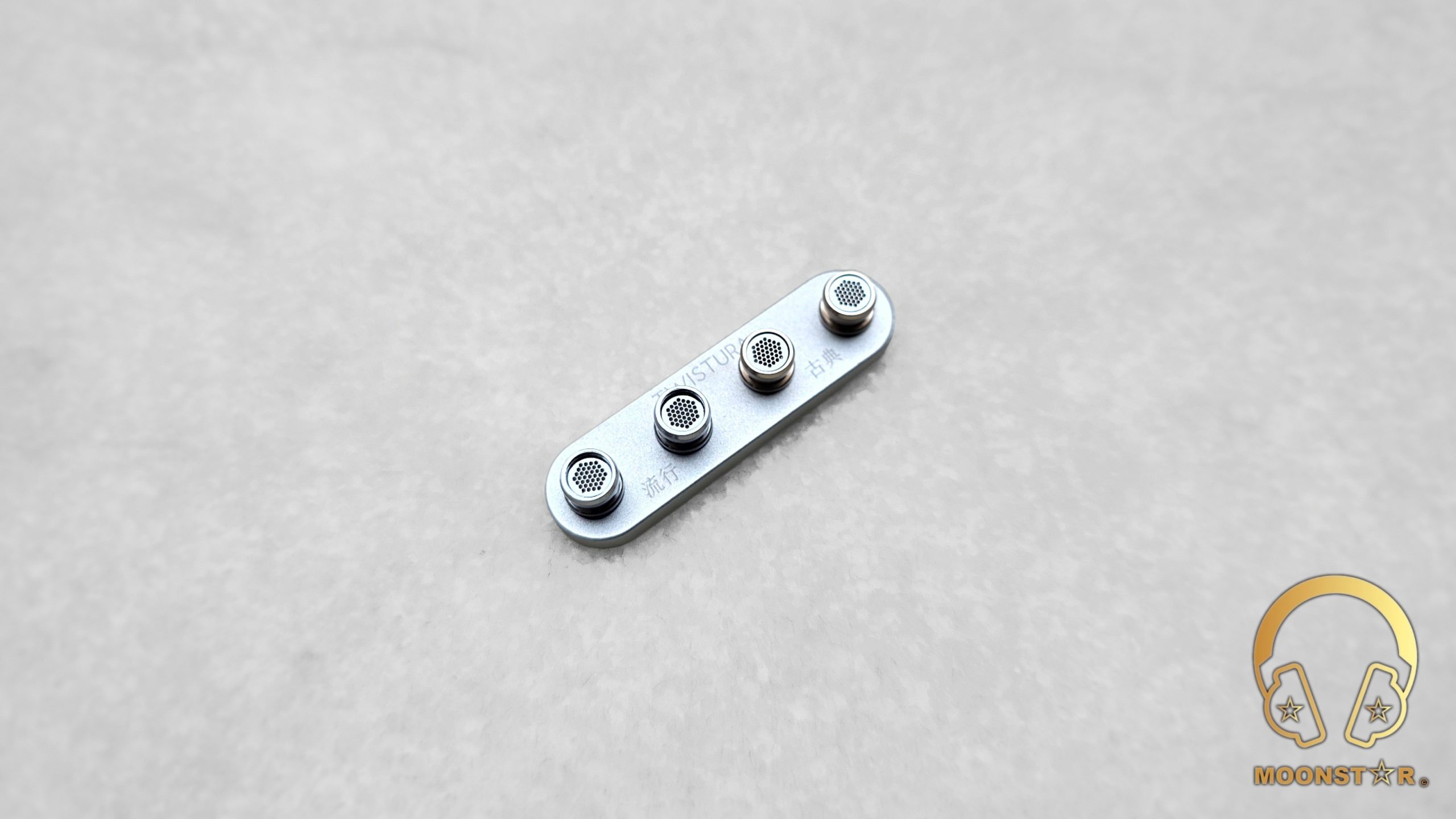
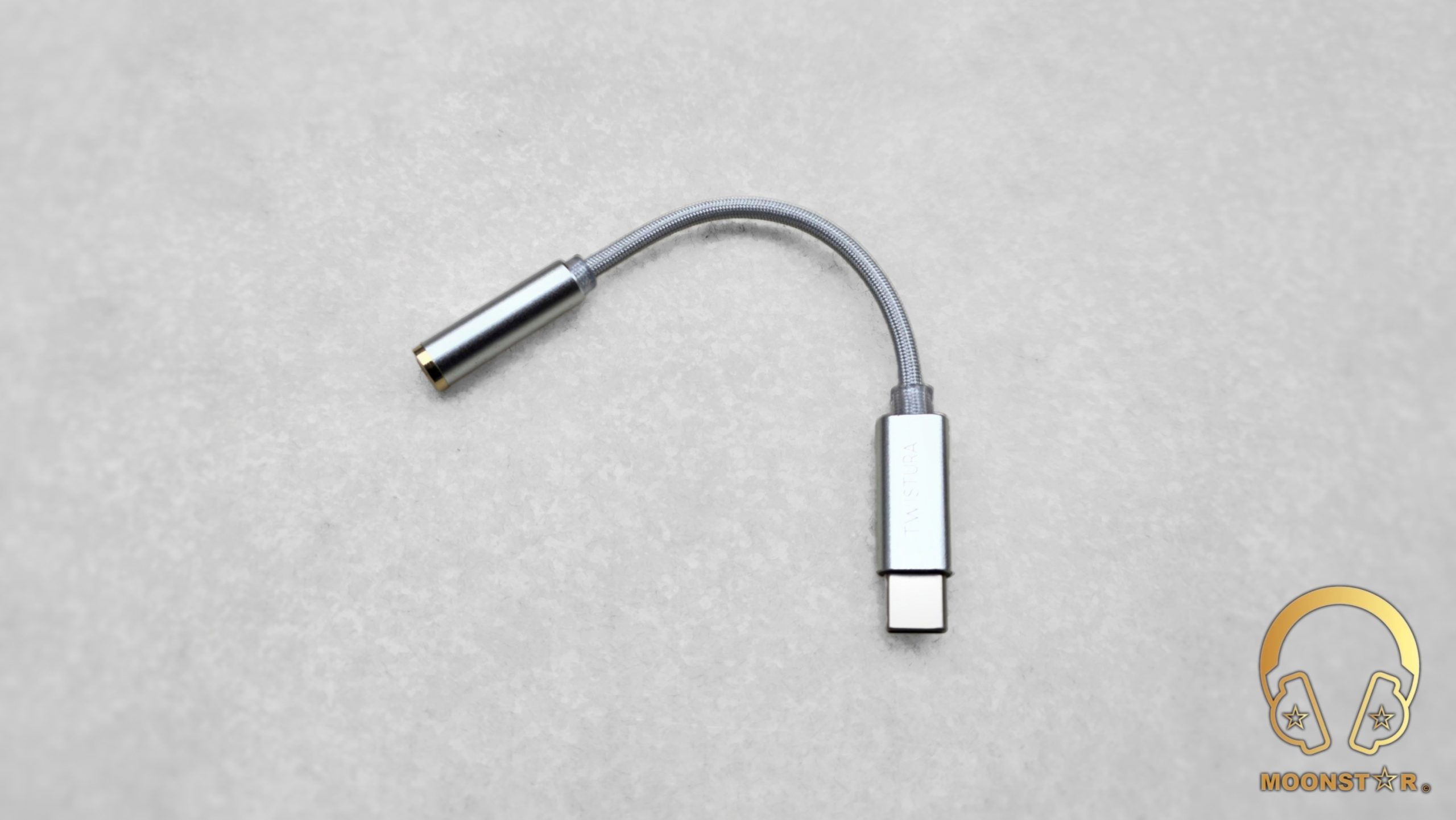
Design & Build Quality:
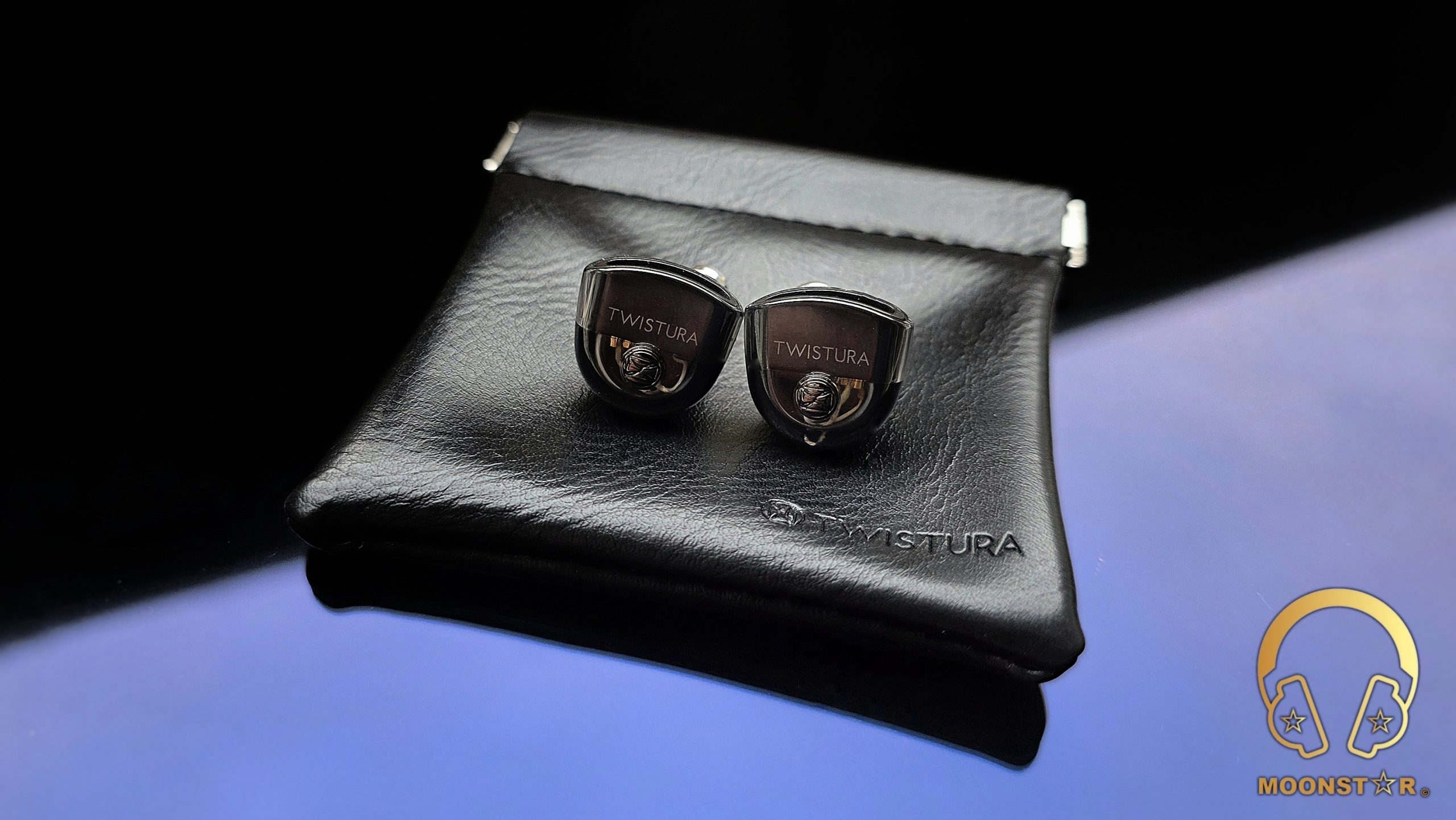
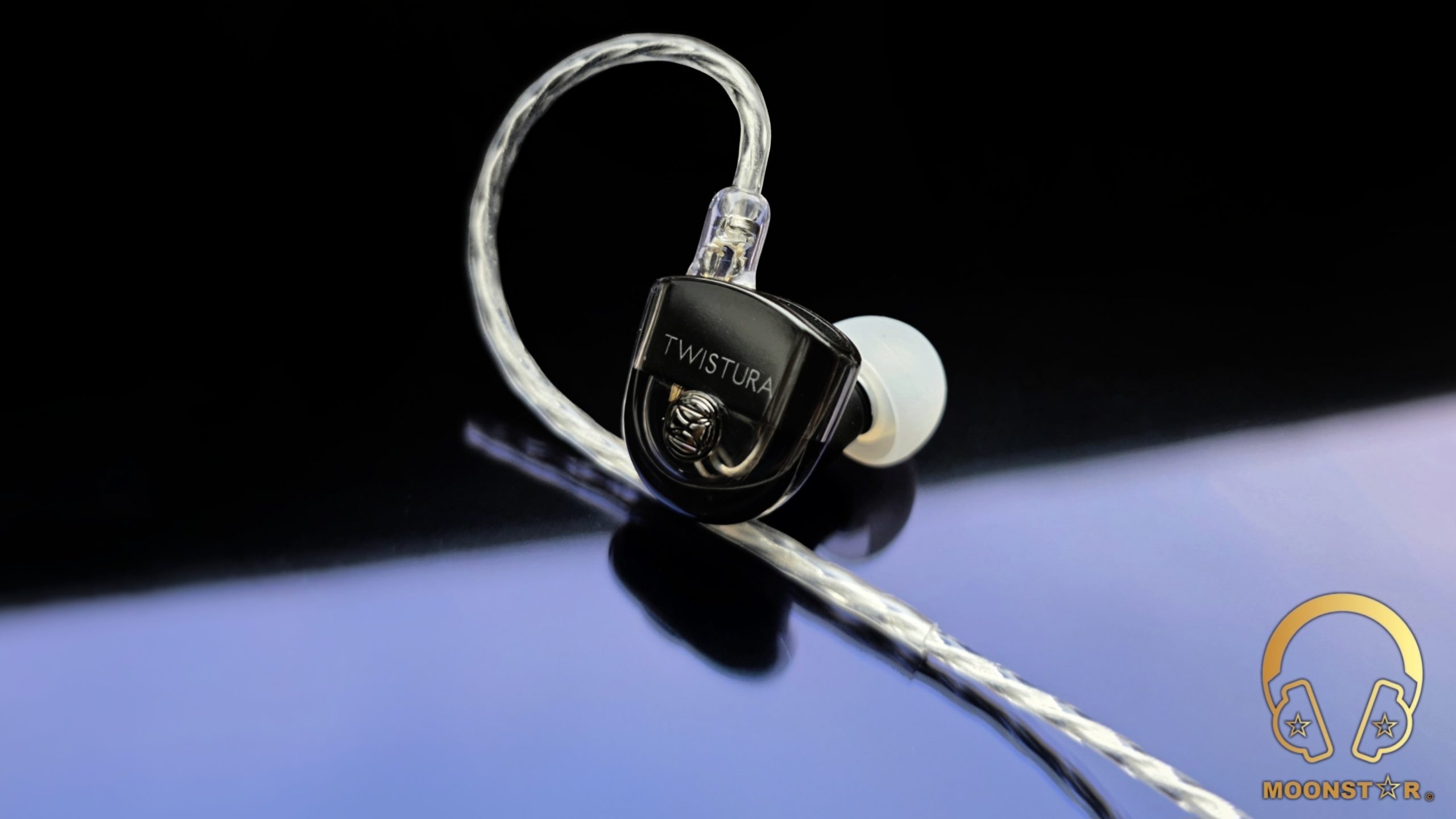
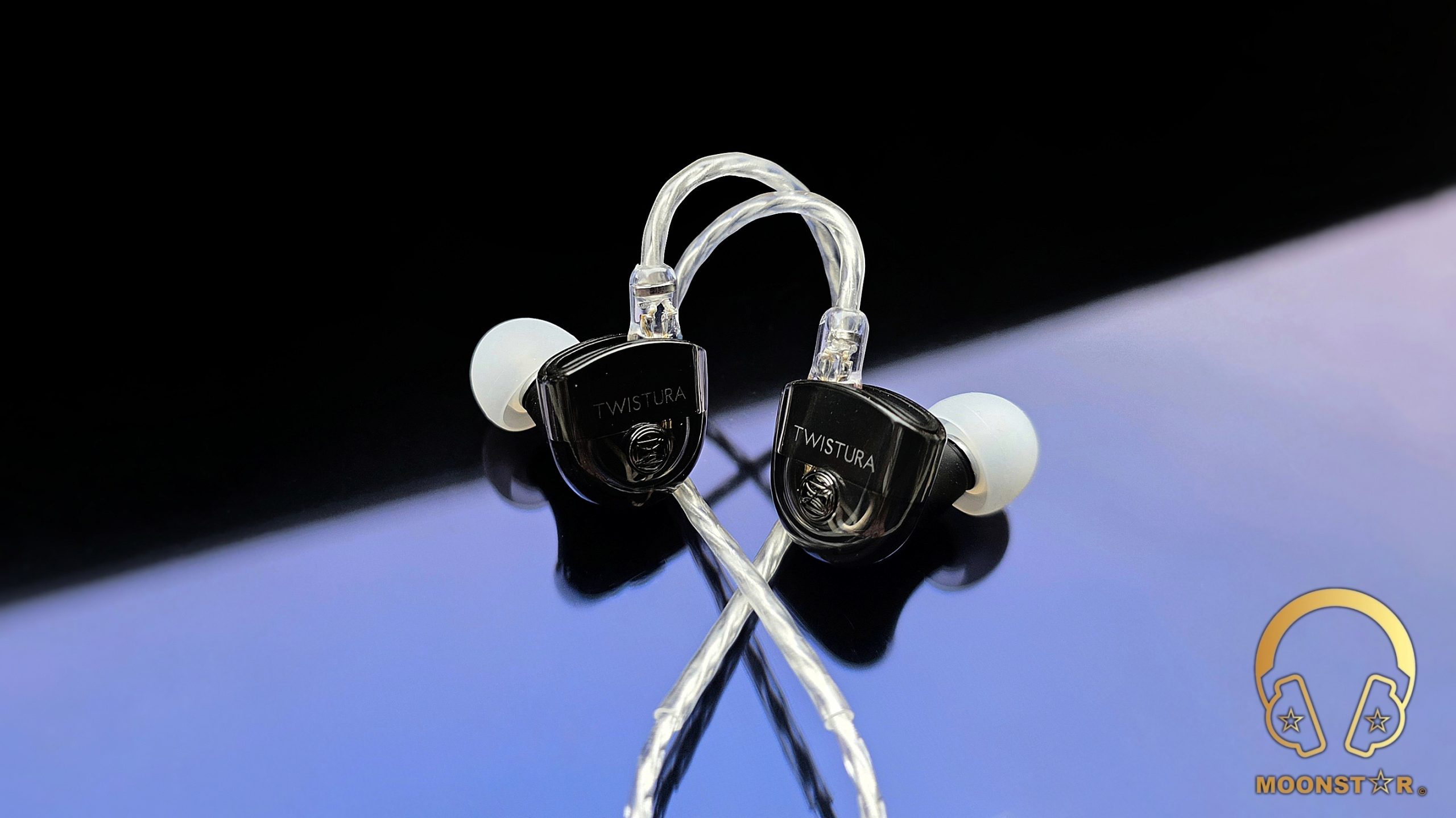
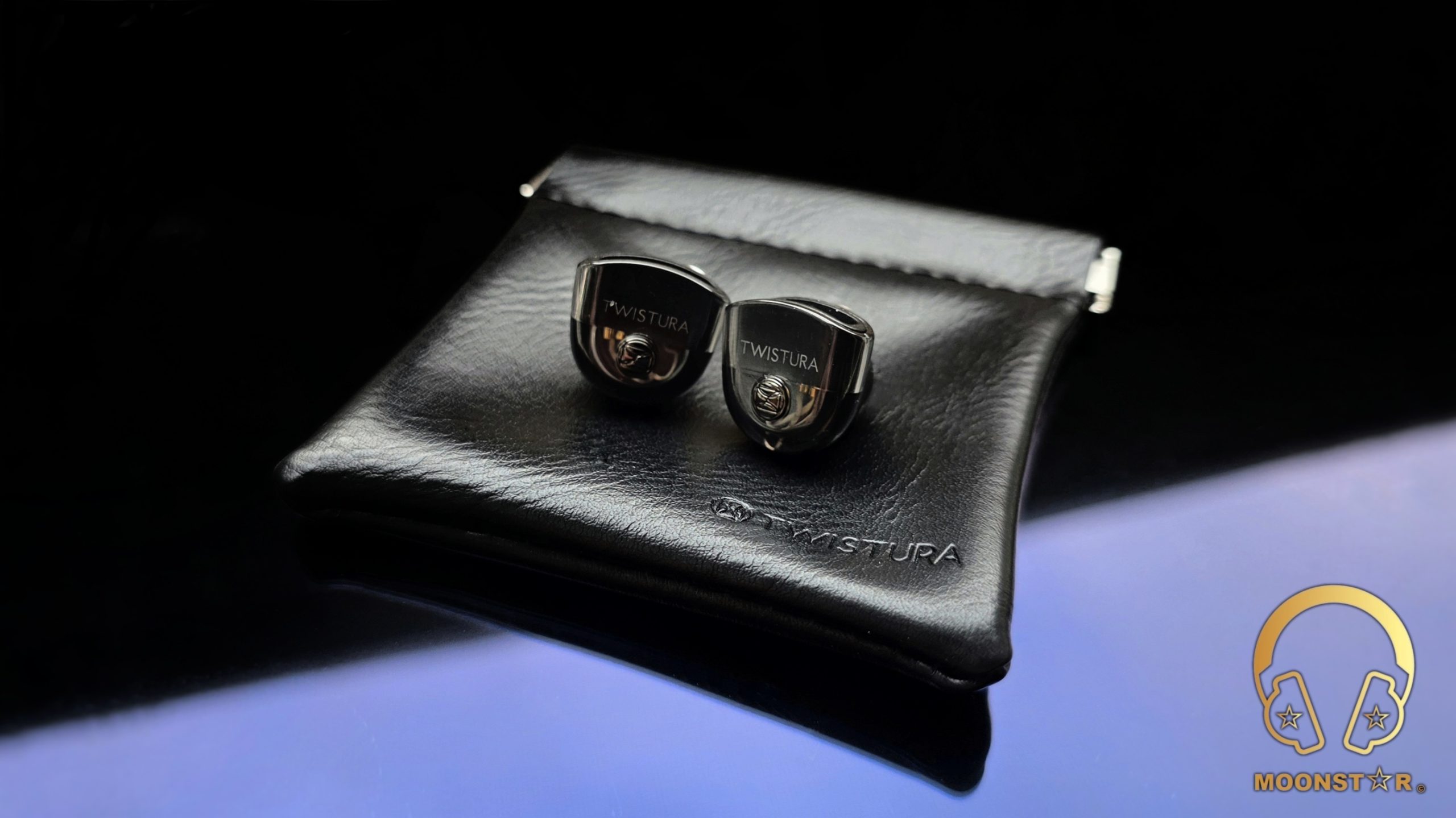
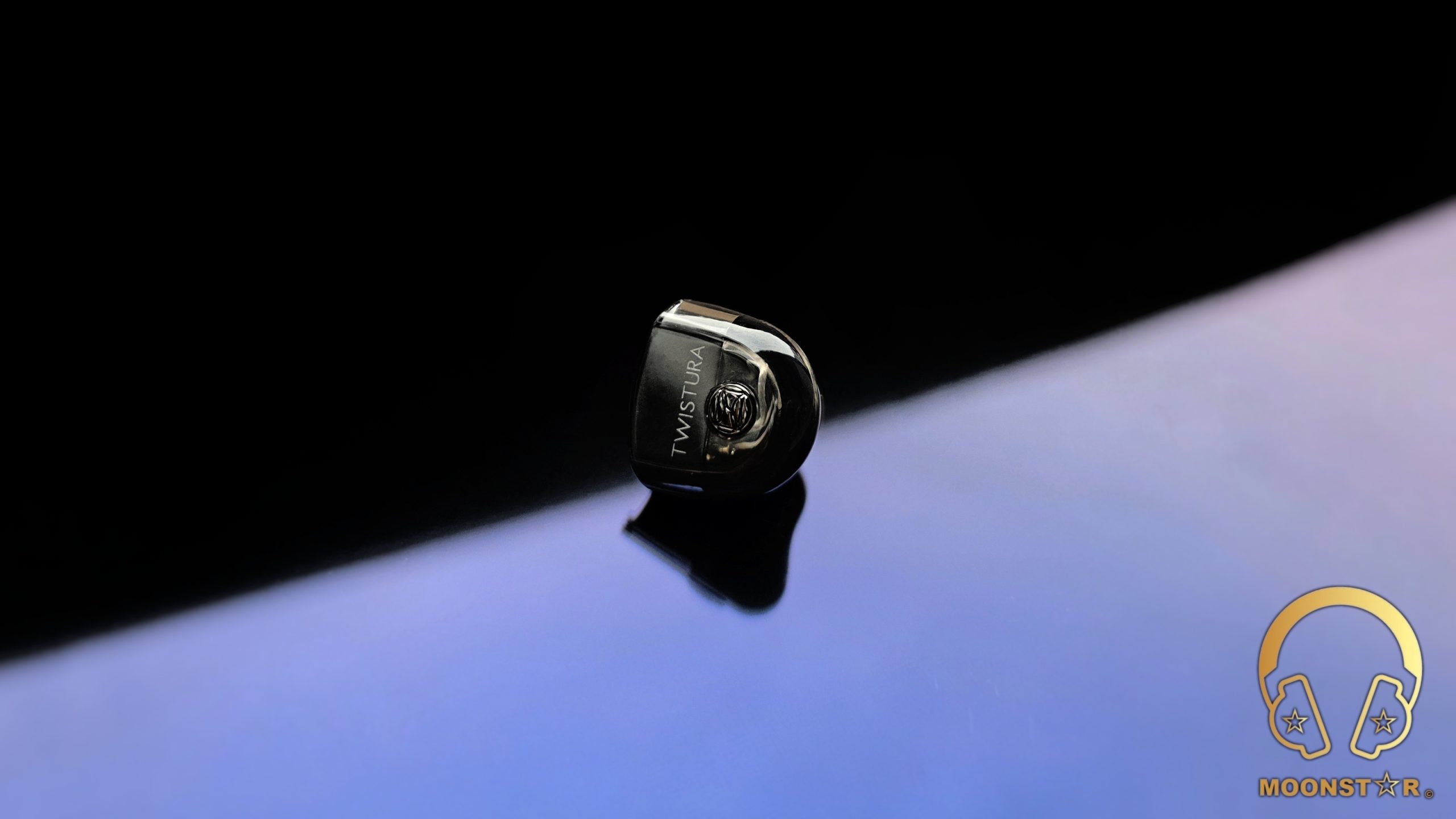
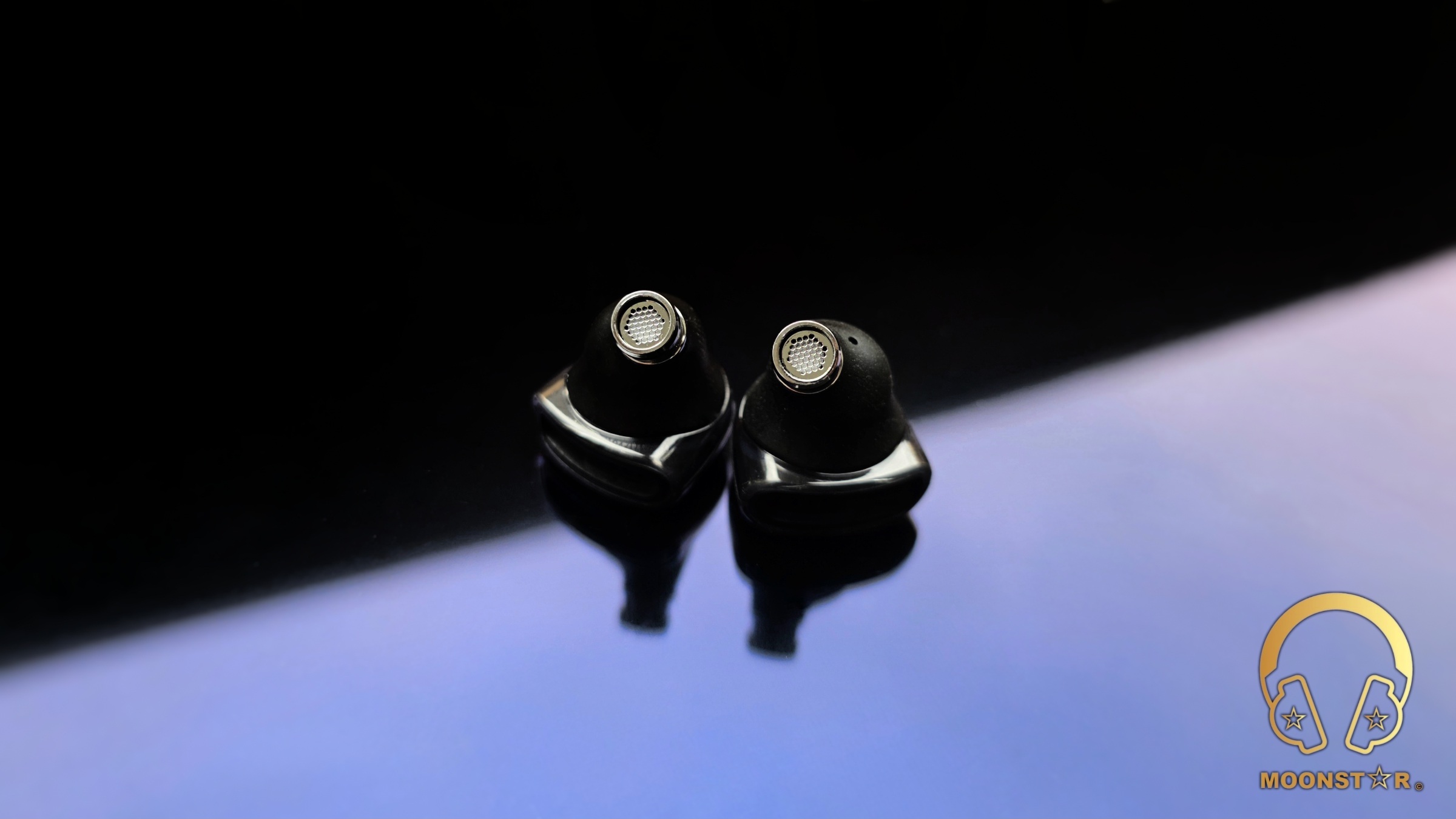
The shell construction consists of a zinc alloy front chamber combined with a 3D-printed resin rear section, creating a dual-material finish. This design choice provides a distinct aesthetic for the D-Minor that differs from typical entry-level IEMs. The housing features an angular geometry with specific edges designed to catch light, alongside a small transparent window integrated into the faceplate. This window provides a view of the internal driver assembly, serving as a functional design element. The materials are selected to provide a specific tactile feel and visual profile that deviates from standard monochromatic budget offerings.
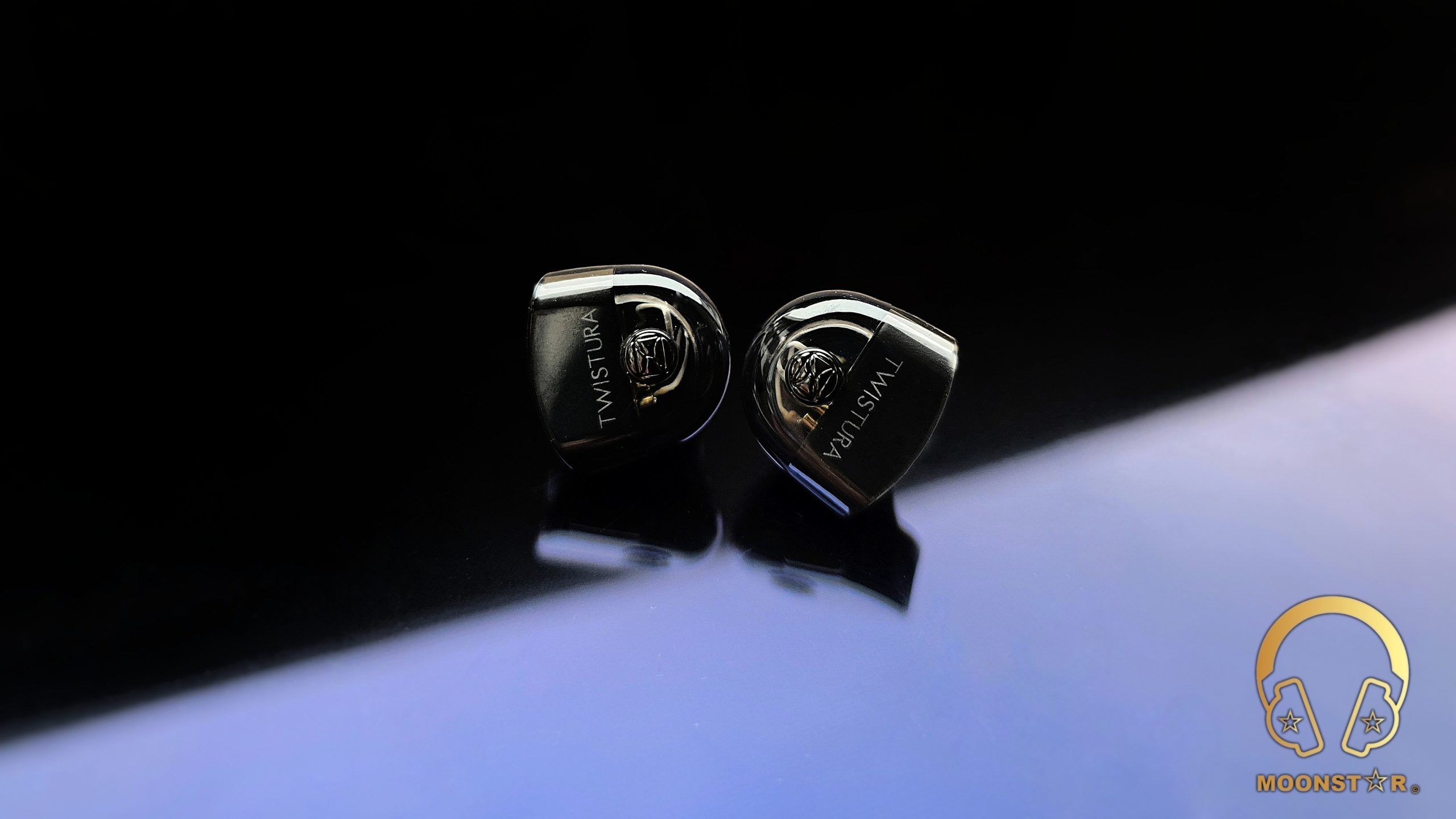
The branding is executed through a laser-etching process on the outer shell, which ensures that the labeling is permanent and remains legible over time. Located near the base of the unit, the TWISTURA name is presented in a simple script intended to provide brand identification without being overly prominent. Positioned above the text is a small circular emblem that serves as an additional design accent. These elements are integrated into the shell to give the IEM a specific product identity, moving away from the aesthetic of generic or unbranded shells commonly found in this price category.
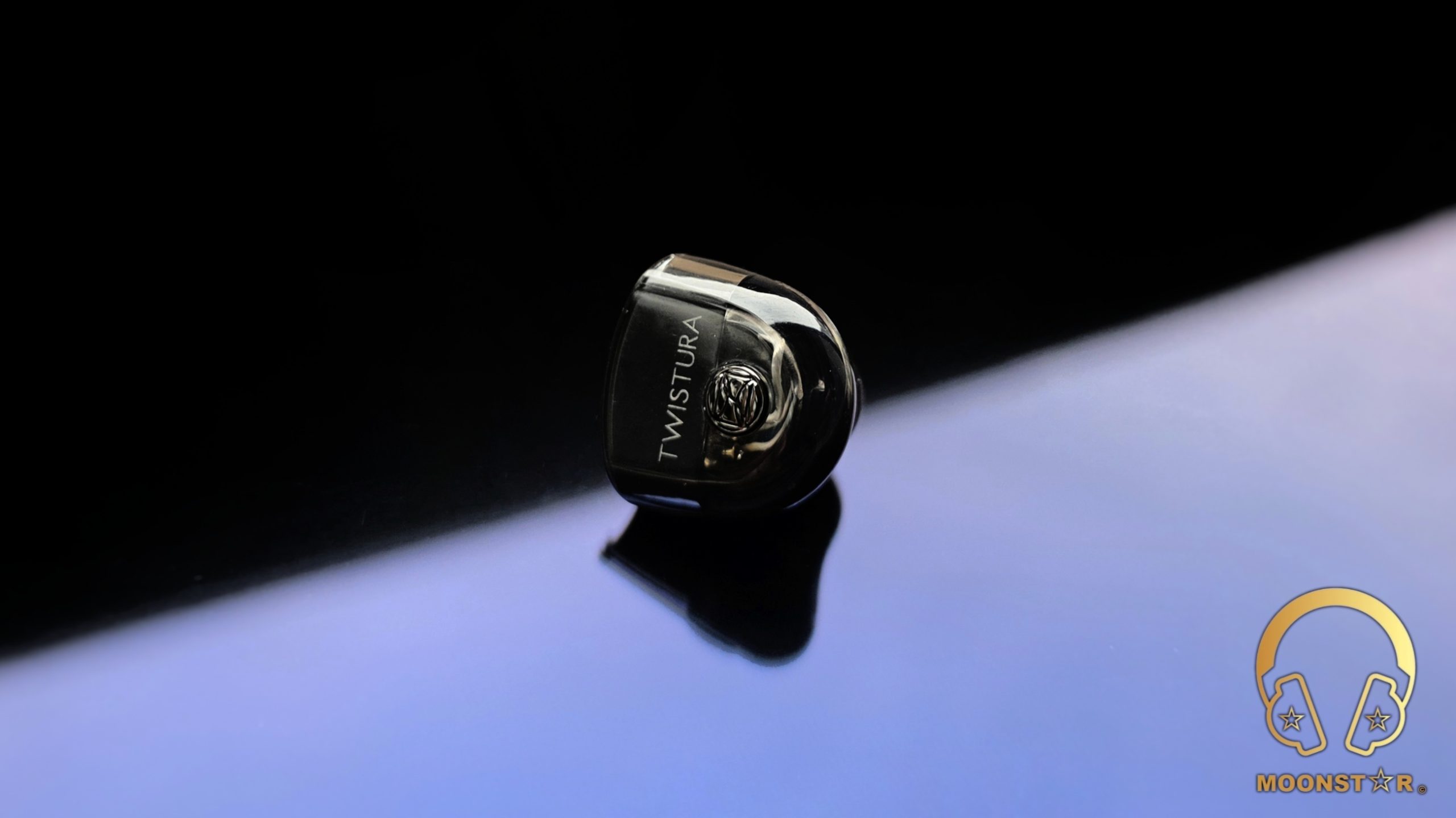
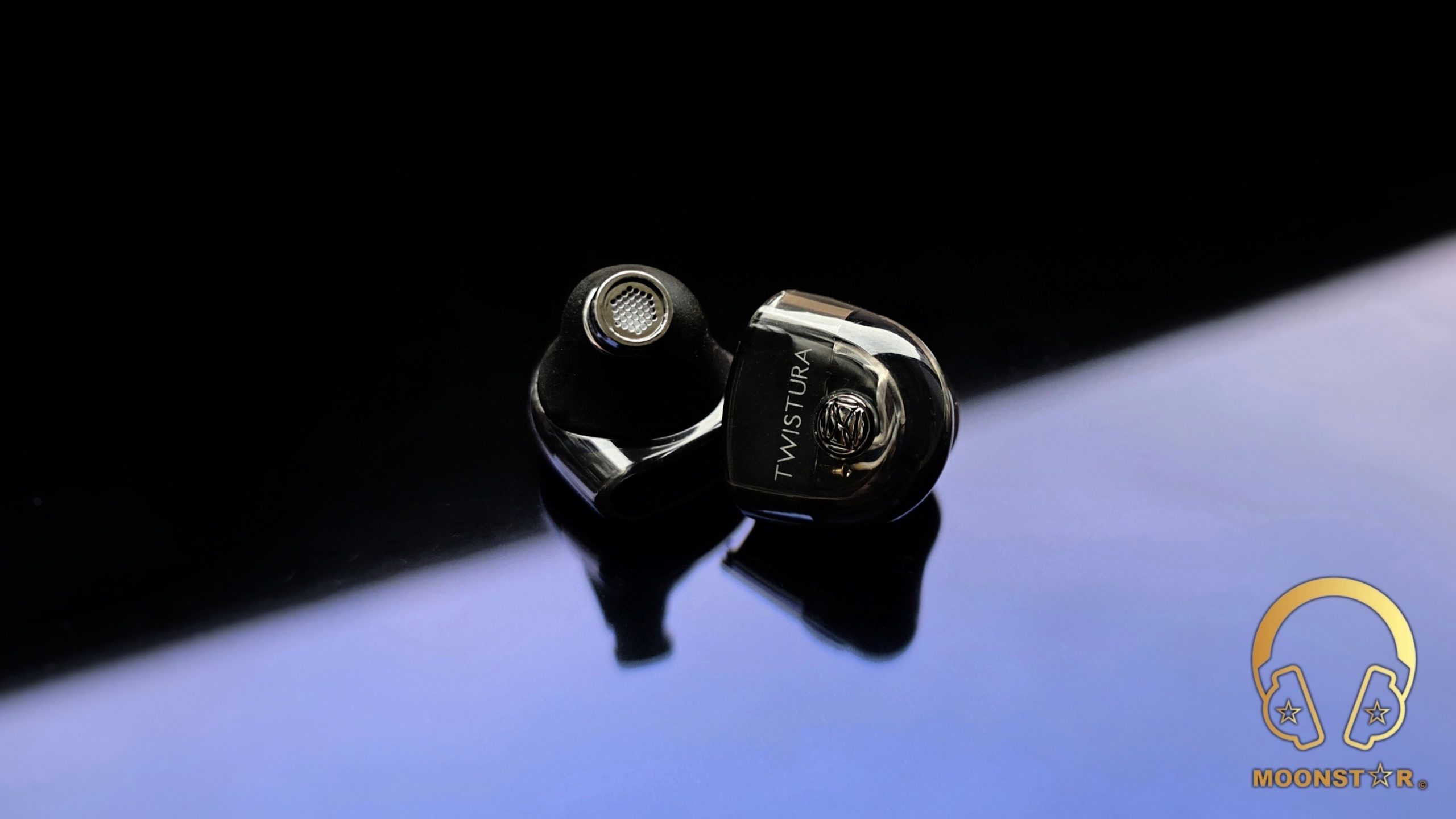
A primary functional feature is the integrated venting system, which includes a side vent protected by a fine mesh that is flush with the shell’s surface. This vent is an integral part of the dual-chamber acoustic architecture, designed to manage internal air pressure and regulate the driver’s frequency response.
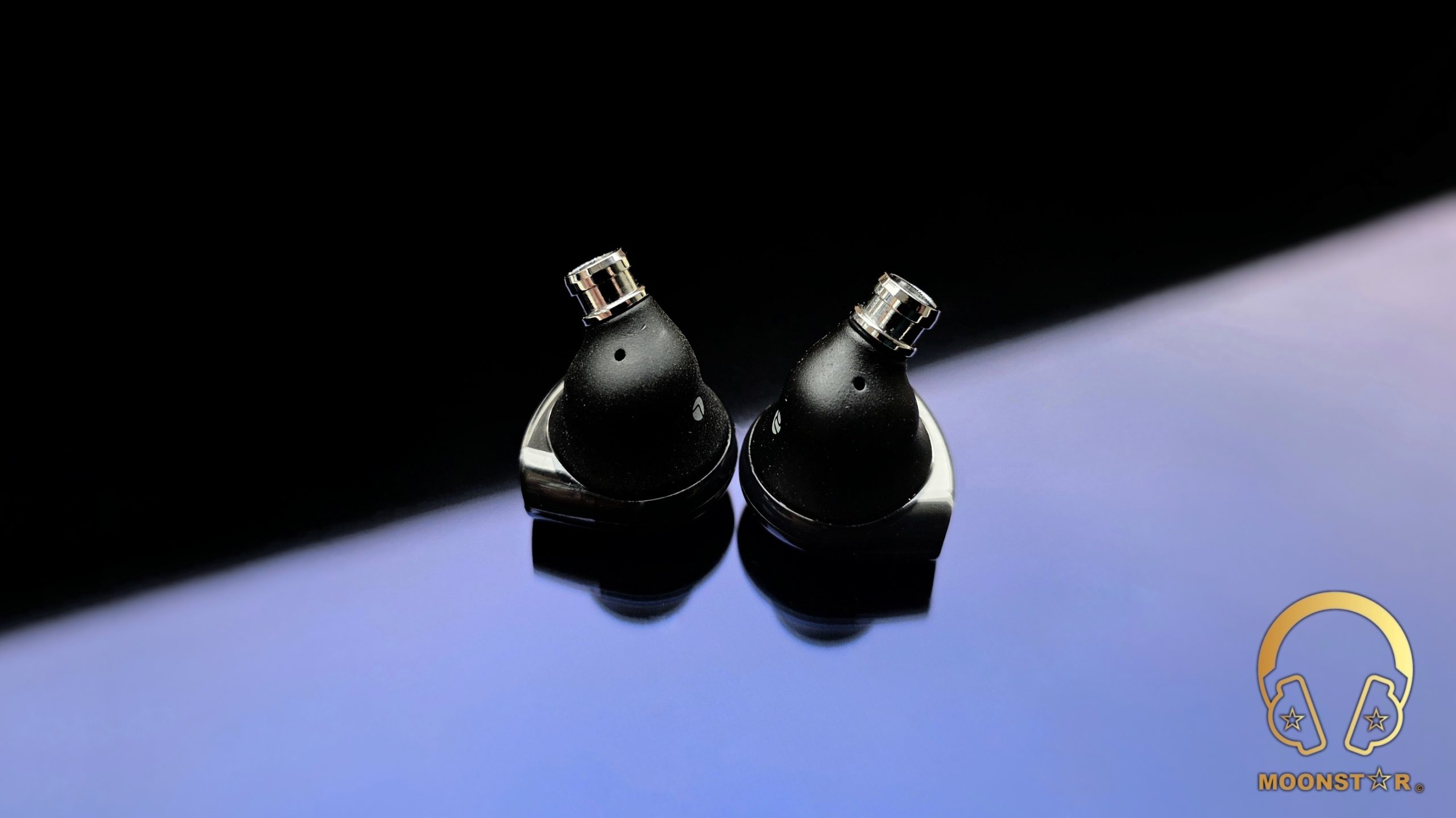
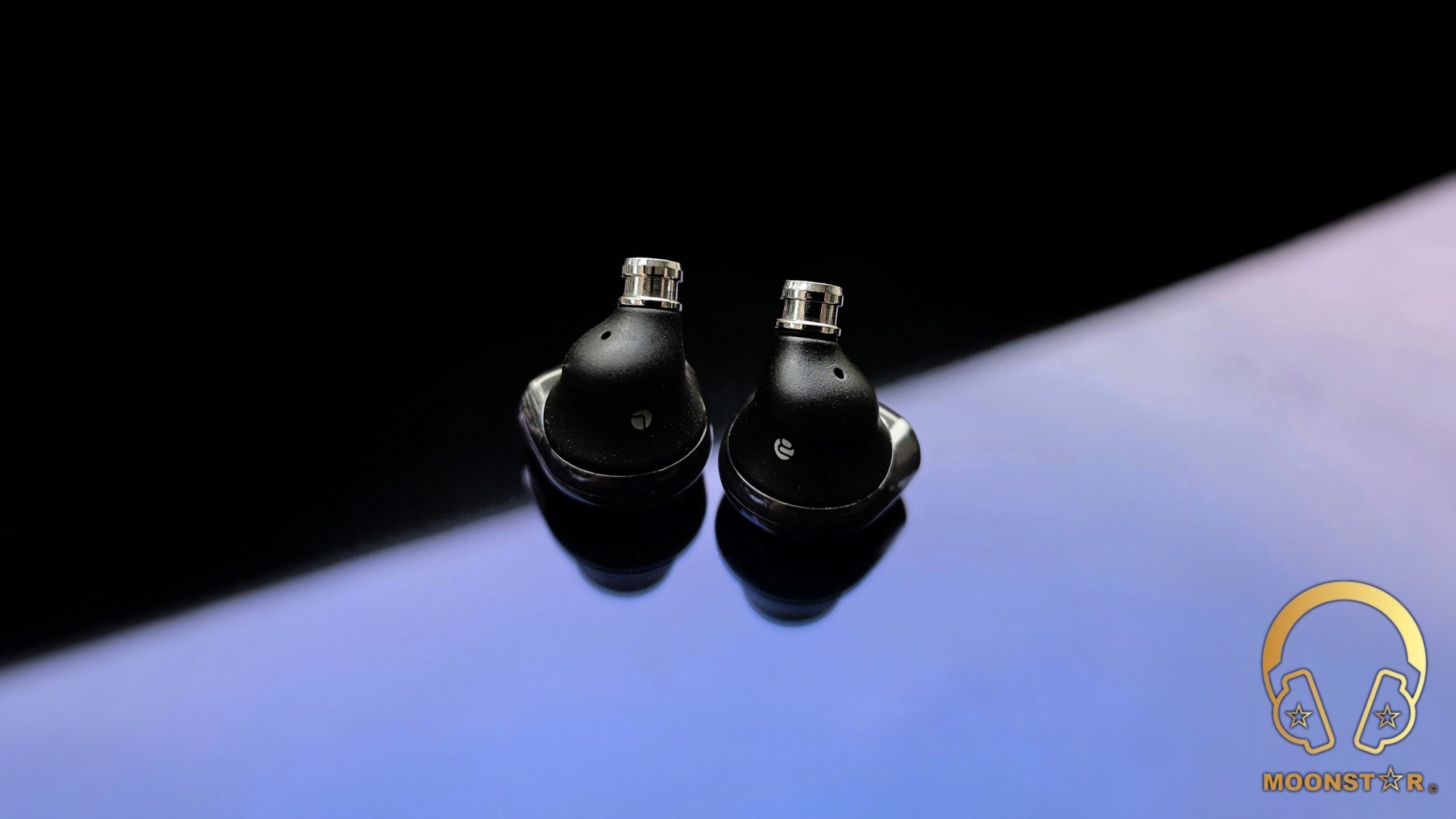
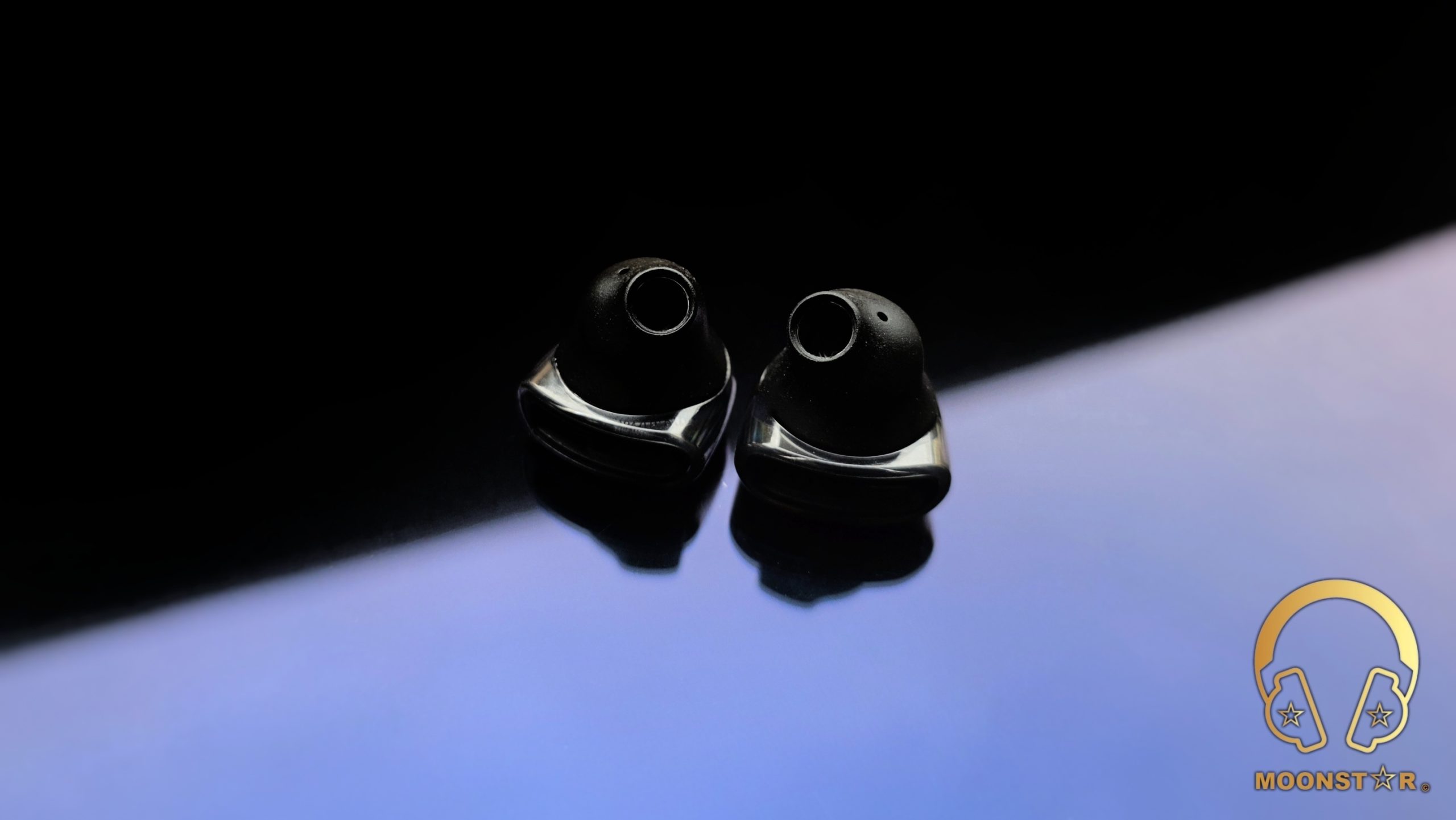
The nozzles are constructed to be short and structurally reinforced, featuring a specialized twist-lock mechanism. This system is designed to hold the interchangeable tuning filters securely in place during use, ensuring that the acoustic path remains sealed and the filters do not become loose.
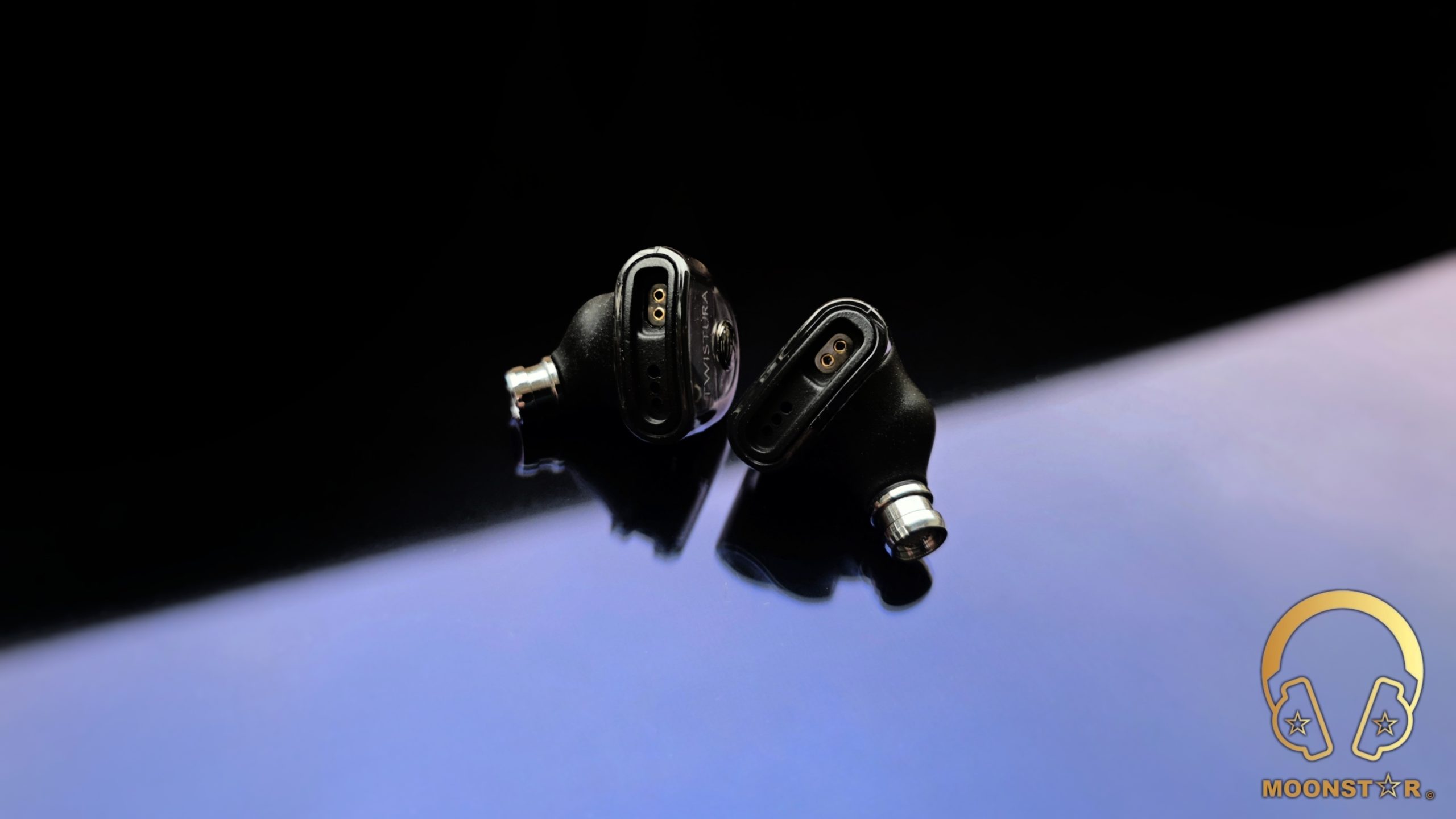
The connection to the earphone shells is established through 0.78mm 2-pin connectors. These connectors are designed to fit firmly into the sockets with a mechanical click, ensuring a stable connection that is resistant to wobbling or accidental detachment.
The choice of hybrid materials is intended to minimize the overall weight of the unit to facilitate comfort during long-term use while maintaining structural durability against daily handling. The manufacturing process ensures that there are no sharp edges or inconsistent seams at the junction of the metal and resin parts, which helps prevent physical irritation. The combination of the cool-to-the-touch zinc alloy and the smoother resin back provides a contrast in material density and texture. Many users find that this specific construction provides a unique physical presence compared to other budget-tier options.
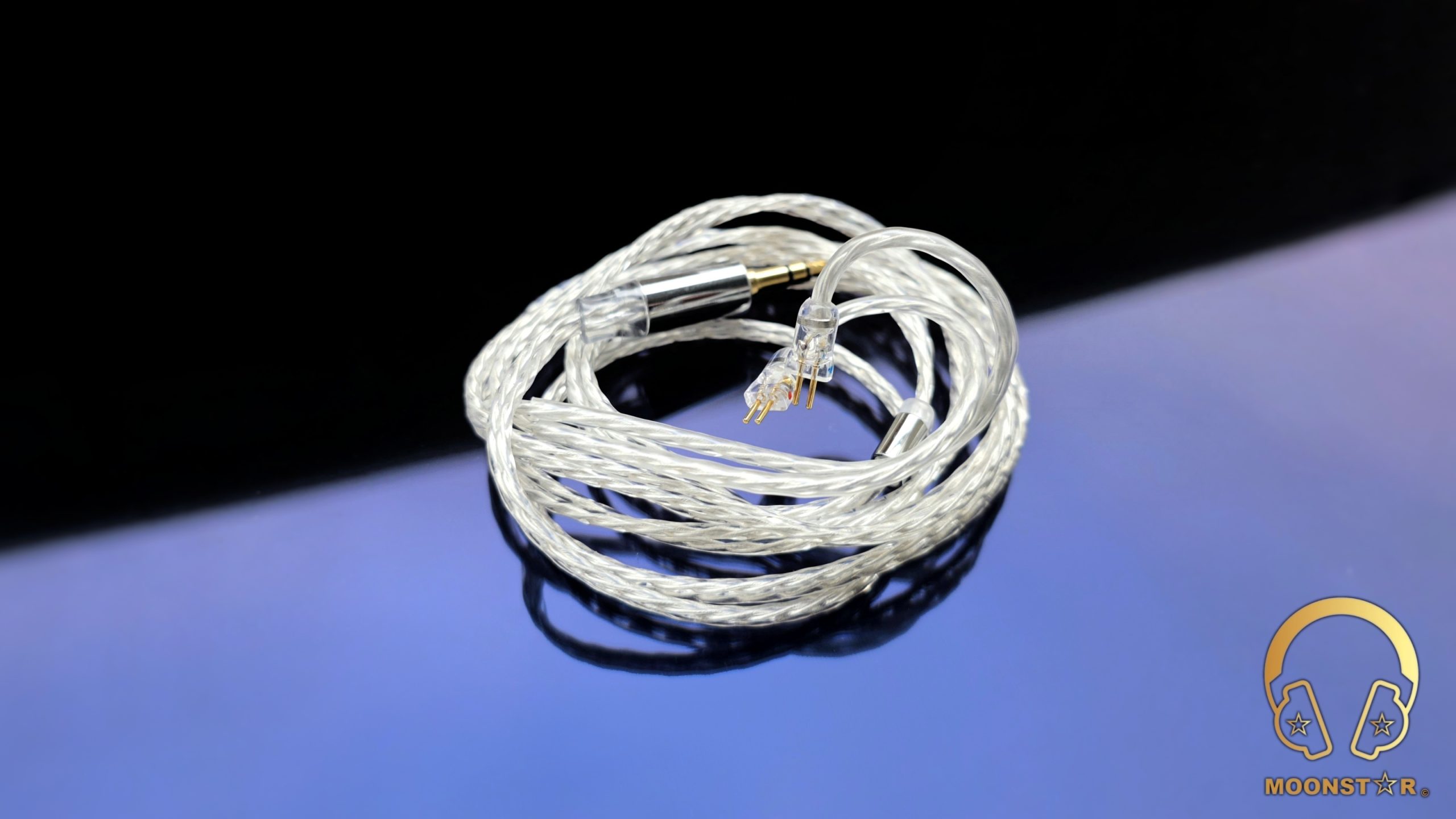
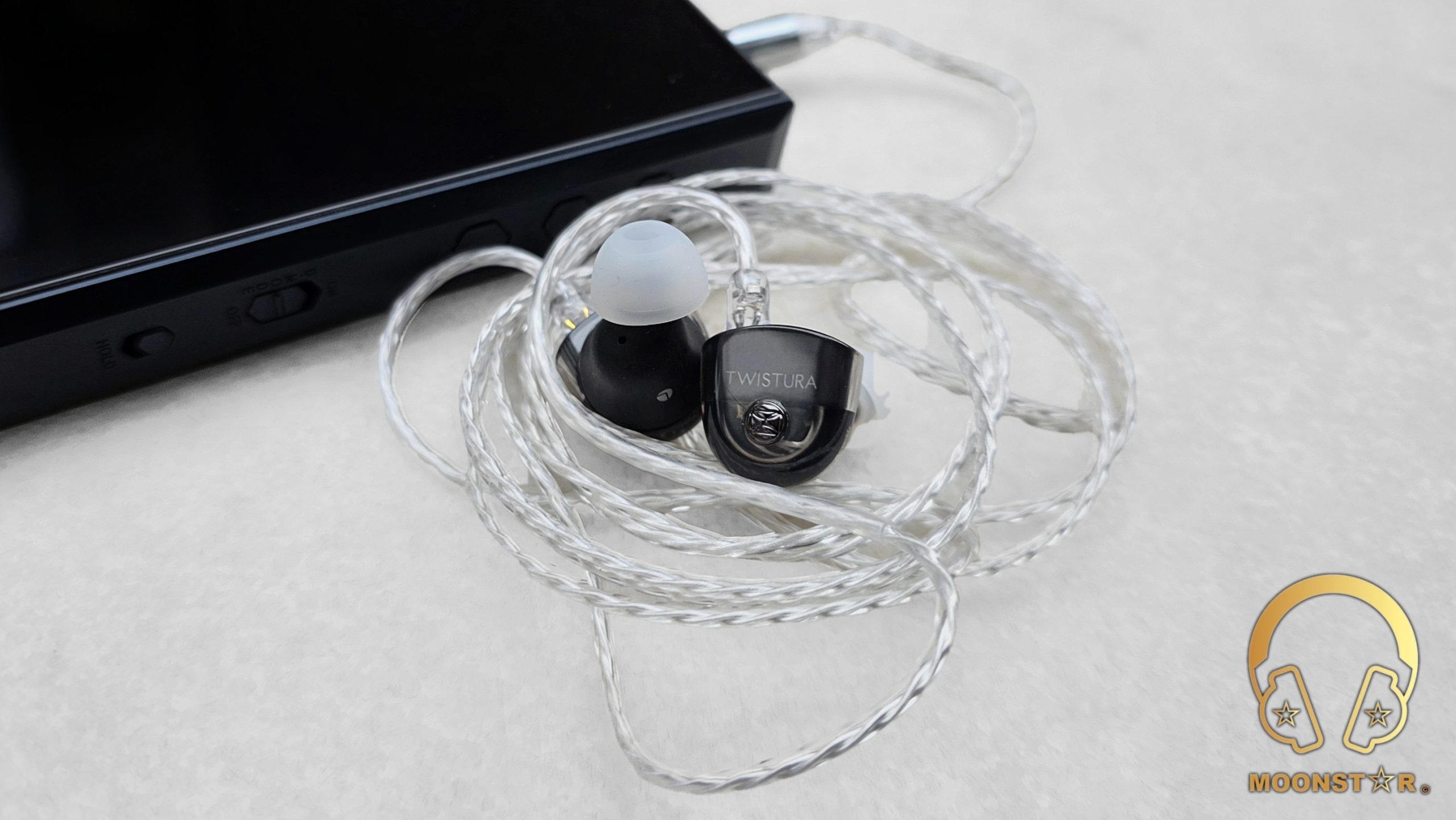
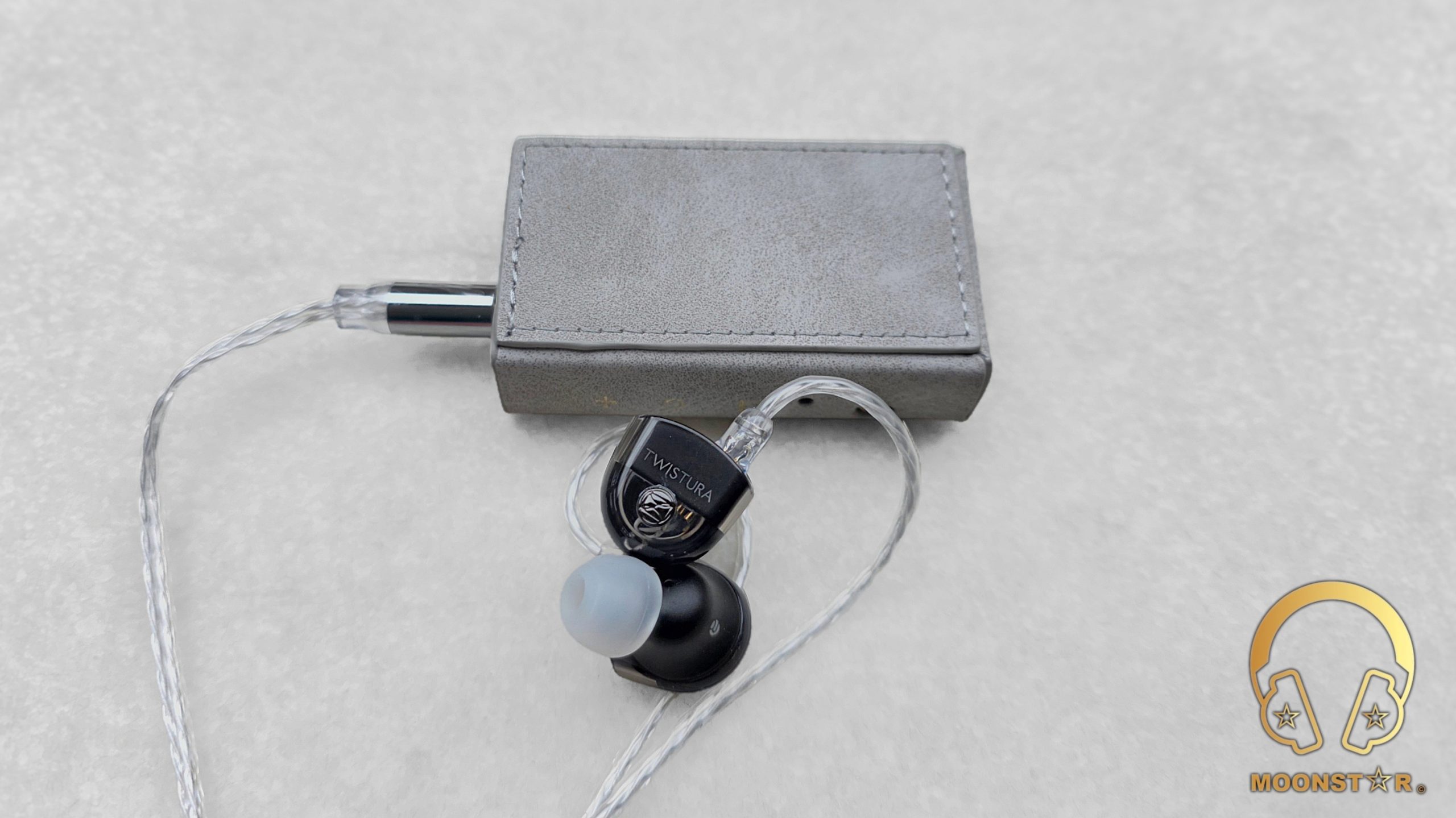
The D-Minor includes a stock cable designed to complement the technical specifications of the IEM. It is a 1.2-meter braided cable utilizing high-purity oxygen-free copper (OFC) with silver plating, a combination chosen for its specific conductivity and durability. The braided structure is intended to improve flexibility and reduce the occurrence of tangling during storage. Additionally, the cable is designed to have low microphonics, meaning it minimizes the transmission of mechanical noise through the wire when the user is in motion, making it suitable for both stationary and mobile listening scenarios.
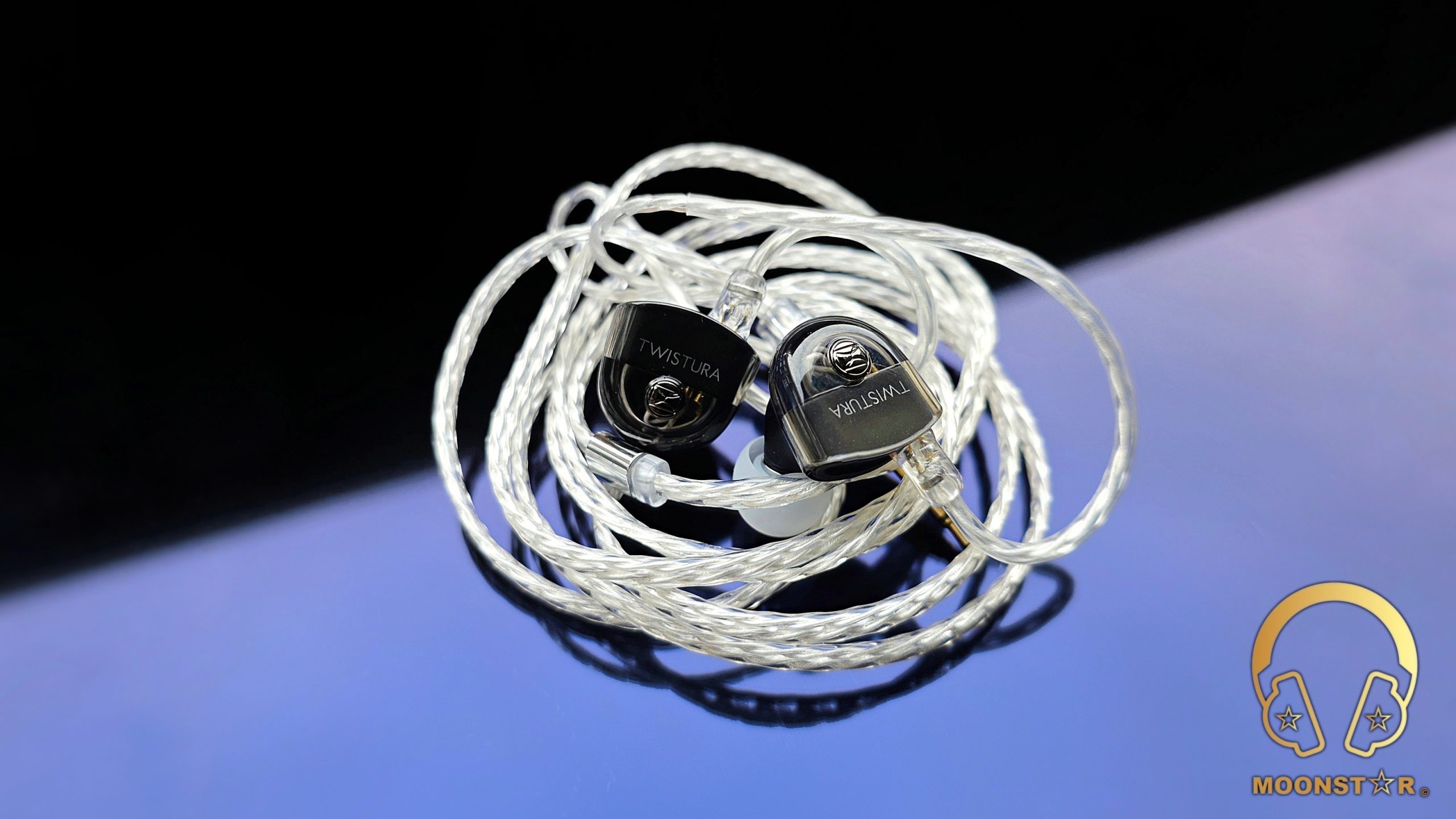
The cable is terminated with a standard 3.5mm single-ended plug, which uses a right-angle housing to provide strain relief and protect the connection point. Depending on the specific version purchased, the cable may include an inline microphone and a remote for handling voice calls and media playback on mobile devices.
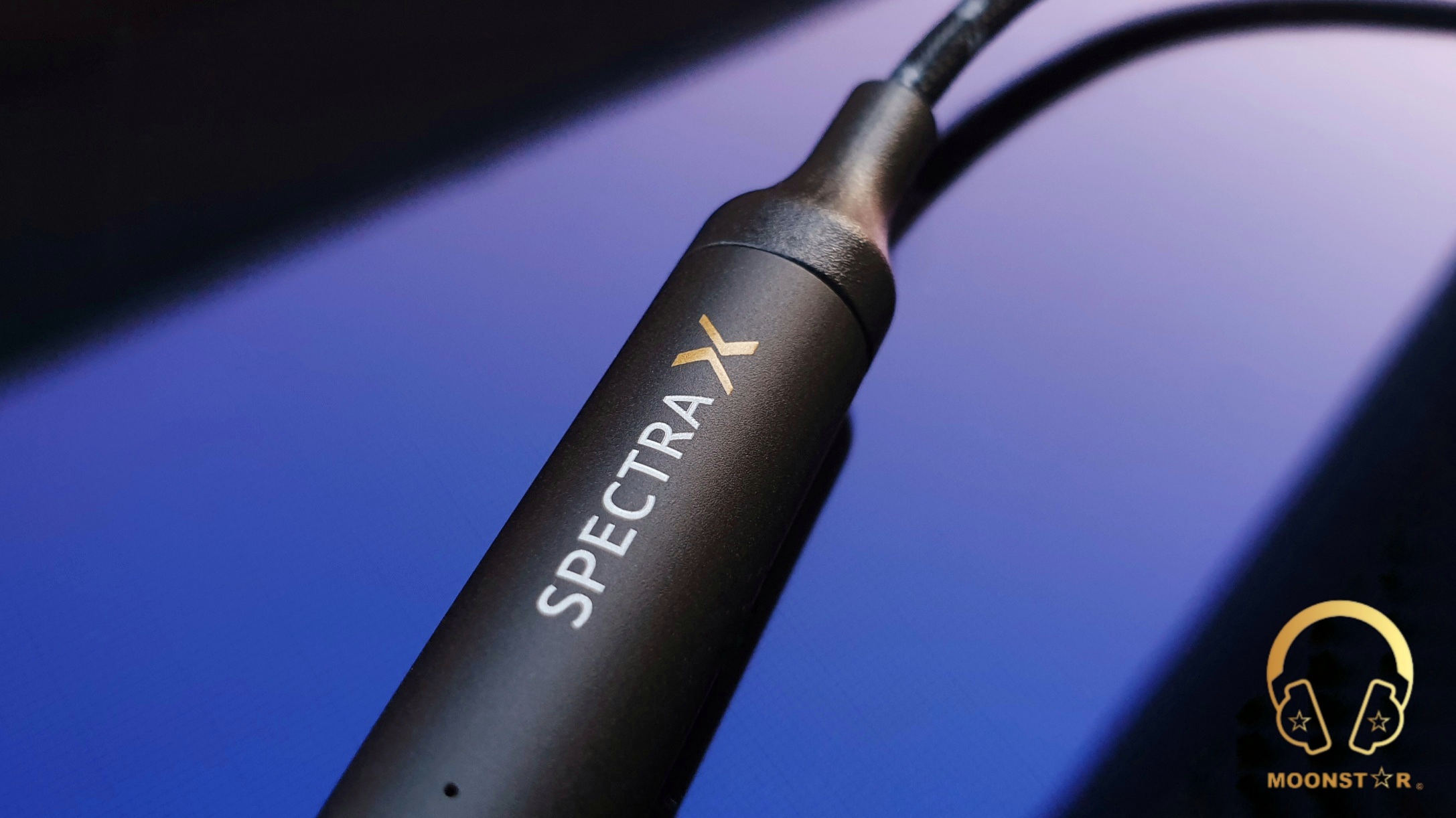
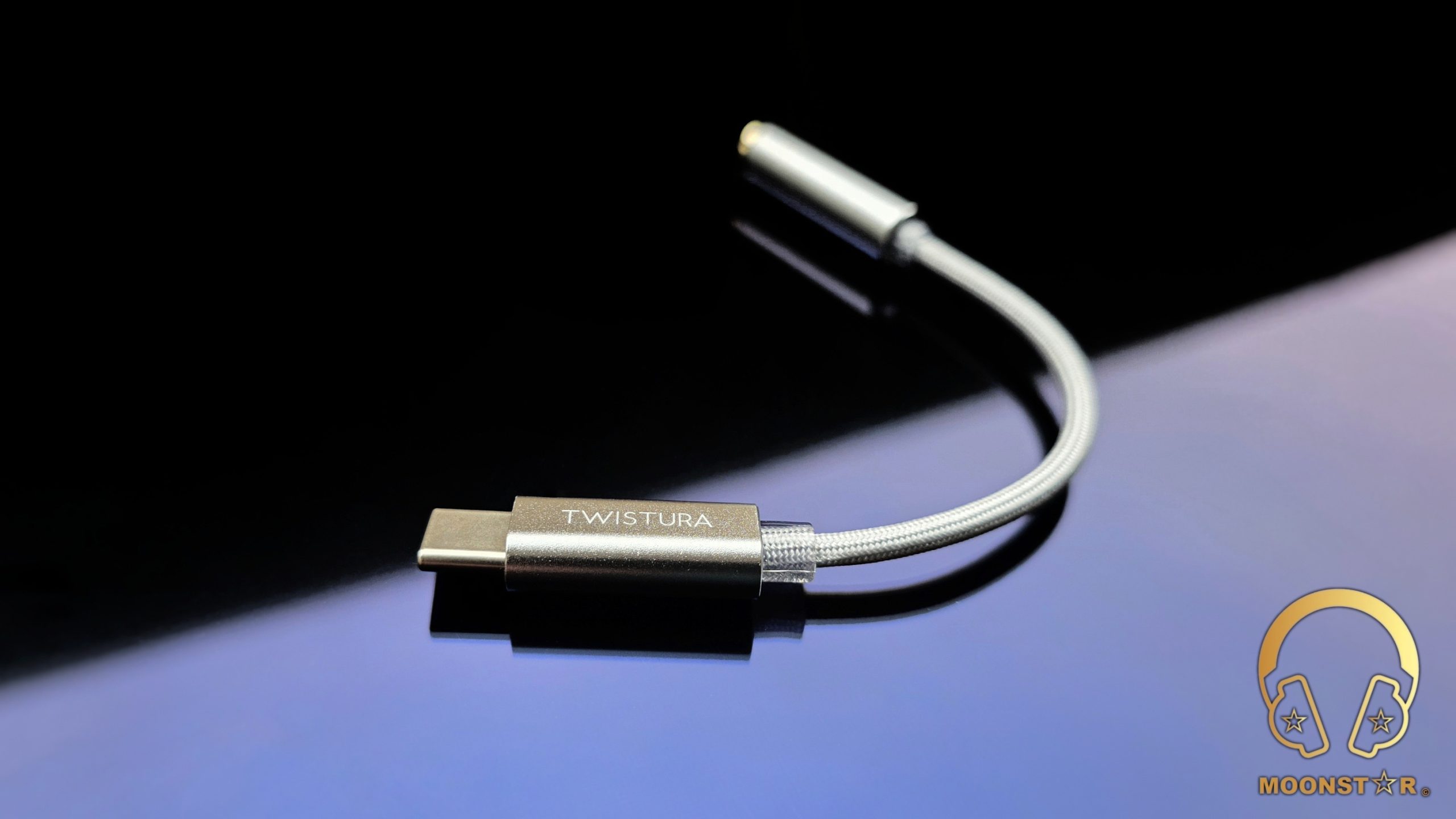
Included in the package is a USB-C to 3.5mm DAC adapter, which is powered by the CX31993 chipset. This chipset is recognized for providing clean amplification and maintaining a low noise floor for high-fidelity audio. The adapter features a braided exterior for increased cable protection and is sized for portability. It supports high-resolution audio playback and is engineered to provide sufficient power to drive the D-Minor effectively from mobile devices. In technical tests, this DAC has shown improved signal clarity and dynamic range over standard smartphone outputs, serving as a functional solution for devices lacking a dedicated headphone jack.
Driver Configuration:
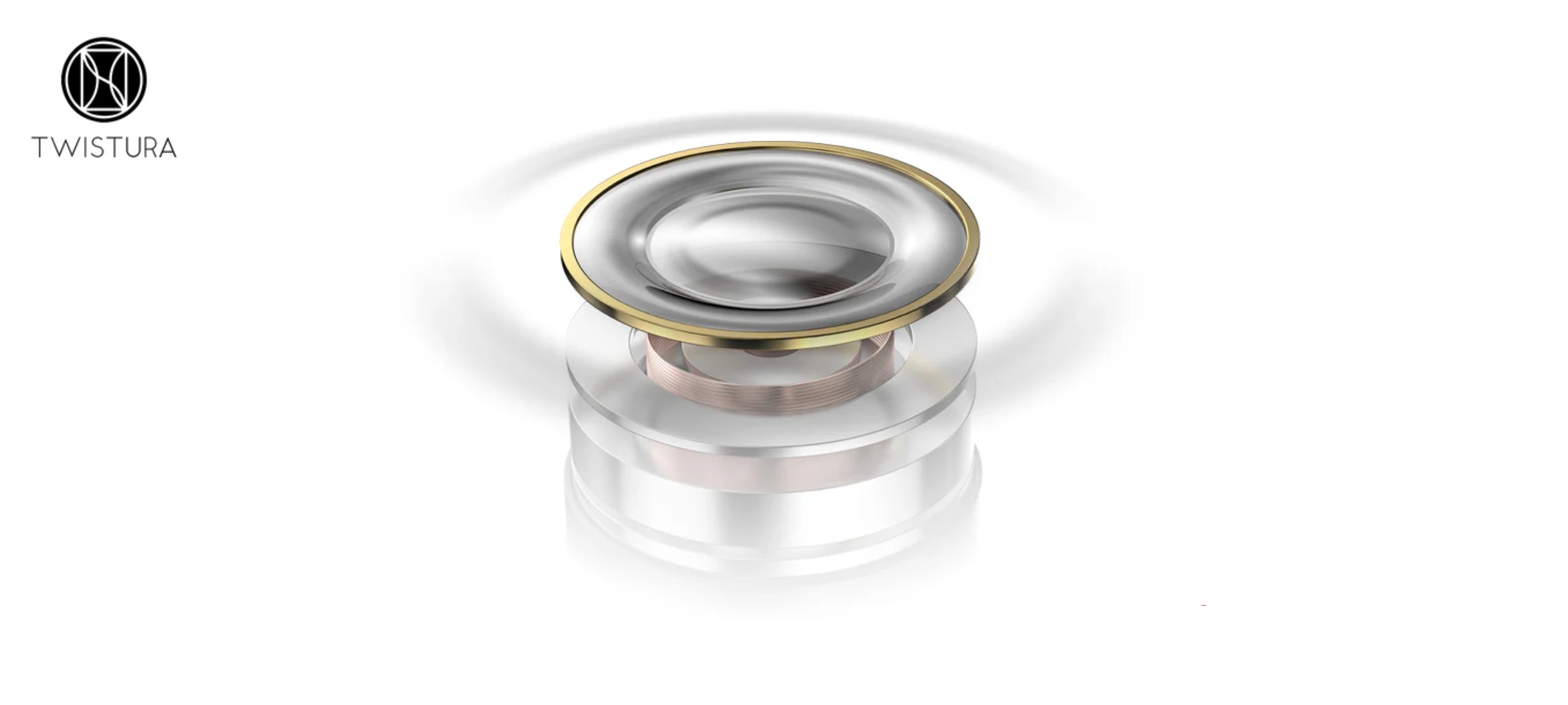
The TWISTURA D-Minor relies on a single 10mm dynamic driver equipped with dual magnetic circuits and an LCP composite diaphragm. The dual-magnet design creates a stronger, more uniform magnetic field around the voice coil, delivering higher driving force, lower distortion, and faster transients while keeping power needs minimal. This results in precise control, quick note attacks, and clean dynamics even from modest sources.
The LCP (Liquid Crystal Polymer) dome diaphragm adds high rigidity with very low mass, minimizing unwanted flexing for clearer reproduction across frequencies. Its excellent damping reduces resonances, while thermal stability ensures consistent performance over long sessions. Together, these elements give the D-Minor impressive speed, resolution, and balance that feel remarkably mature for its price range.
Fit, Comfort & Isolation:
The D-Minor provides good comfort once the optimal tips are found, thanks to its moderate weight and contoured angles. The shorter nozzles can demand some experimentation for a deep seal, particularly with smaller ear canals. With the right combination, it stays secure during movement and offers adequate passive isolation for everyday environments like commuting or office use.
Pairing & Drivability:
The D-Minor features an impedance of 30Ω and a sensitivity of 108dB, making it efficient enough to be powered by most consumer devices. While it is compatible with standard smartphone DAC adapters, performance scales when paired with dedicated portable sources. During testing, the FiiO M23 provided the most optimal results. Compared to the BTE-9, the M23 increased the D-Minor’s dynamic range and expanded the perceived soundstage width.
Technical Specifications:
- Model: TWISTURA D-Minor
- Driver: Single 10mm Dual-Magnetic Dynamic Driver with LCP Composite Diaphragm
- Sensitivity: 108 dB/Vrms
- Impedance: 30Ω Frequency
- Response: 15 Hz – 37 kHz
- Connection: 0.78mm 2 Pin connector
- Cable: Detachable OFC Silver-Plated (3.5mm SE)
Sources used for this review:
- IEM’s : TWISTURA Woodnote, oopusX OP.24
- DAP/DAC’s : FiiO M23, TimeEar BTE-9, TWISTURA USB DAC
Albums & tracks used for this review:
- Norah Jones – Come Away With Me (Flac 24bit/96kHz)
- Norah Jones – Don’t Know Why (Flac 24bit/96kHz)
- Adele – My Little Love (Deezer HiFi)
- Sarah McLachlan – Angel (Flac 24bit/48kHz)
- Sertap Erener – Aşk (Flac 16bit/44.1kHz)
- Edith Piaf – Non Je Ne Regrette Rien (Flac 16bit/44.1kHz)
- Diana Krall – So Wonderful (DSF)
- Aretha Franklin – I Say A Little Payer (Flac 24bit/96kHz)
- Michael Jackson – Billie Jean (Flac 24bit/96kHz)
- George Michael – Don’t Let the Sun Go Down on Me (Flac 24bit/192kHz)
- David Bowie – Heroes (Flac 24bit/192kHz)
- Elton John – Rocket Man ((Flac 24bit/96kHz)
- Barry White – Just The Way You Are (Flac 24bit/48kHz)
- Isaac Hayes – Walk On By (Flac 16bit/44.1kHz)
- Sting – Englishman in New York – (Flac 24bit/48kHz)
- Eric Clapton – Wonderful Tonight (Flac 24bit/96kHz)
- Dave Gahan – Kingdom (Tidal Hi-Fi)
- Radiohead – Live in Berlin “Album” (Deezer HiFi)
- Radiohead – Pyramid Song (Deezer HiFi)
- U2 – Sunday Bloody Sunday (Flac 16bit/44.1kHz)
- Muse – Hysteria (Flac 24bit/96kHz)
- Red Hot Chili Peppers – Nobody Weird Like Me (Flac 24bit/48kHz)
- Michael Jackson – Billie Jean (Flac 24bit/96kHz)
- Bear McCreary’s – Valkyries (Deezer HiFi)
- Bro Safari, UFO! – Drama (Deezer HiFi)
- Armin Van Buuren – Vini Vici (Flac 16bit/44.1kHz)
- Daft Punk – Instant Crush (Flac 24bit/96kHz)
- Daft Punk – Doin’ it Right (Flac 24bit/96kHz)
- Lorde – Royals (Flac 24bit/48kHz)
- Massive Attack – Angel (Flac 24bit/48kHz)
- Toutant – Rebirth (Deezer HiFi)
- Gogo Penguin – Raven (Flac 24bit/192kHz)
- Gogo Penguin – Murmuration (Flac 24bit/192kHz)
- Portishead – It Could Be Sweet (Spotify)
- Max Richter – On the Nature of Daylight (Flac 24bit/96kHz)
- Charly Antolini – Duwadjuwandadu (Flac 24bit/192kHz)
- Tchaikovsky – Symphony No. 5 (Flac 16bit/44.1kHz)
- Stevie Ray Vaughan – Riviera Paradise (Flac 16bit/44.1kHz)
- Ferit Odman – Look, Stop & Listen (Flac 24bit/192kHz)
- Chopin – Nocturn No. 20 In C-Sharp Minor (Flac 16bit/44.1kHz)
- Clair de Lune – Claude Debussy (Spotify)
- Fazıl Say – Nazım Oratoryosu (Live) (Flac 16bit/44.1kHz)
- Vivaldi – Le QuarttroStagioni “The Four Season” (Deezer HiFi)
- Miles Davis – So What (Deezer HiFi)
- Otto Liebert& Luna Negra – The River (Flac 24bit/192kHz)
- Lunatic Soul – The Passage (Flac 16bit/44.1kHz)
- Deftones – My Own Summer (Shove it) (Flac 16bit/44.1kHz)
- Metallica – Dyers Eve (Flac 24bit/96kHz)
- Metallica – Sad but True (Flac 24bit/96kHz)
- Opeth – Windowpane (Flac 16bit/44.1kHz)
- Megadeth – Sweating Bullets (Tidal Hi-Fi)
- Rush’s – Tom Sawyer (Flac 16bit/44.1kHz)
- Slayer – Angel of Death (Spotify)
- Liquid Tension Experiment 2 – Acid Rain (Spotify)
- Yosi Horikawa – Bubbles (Spotify)
The Sound:
After considerable listening time and nozzle experimentation, I settled on the Reference mode with medium wide-bore tips as the most versatile and enjoyable configuration. All impressions below refer to this setup, though I frequently switched among the three nozzles to explore their distinct influences on various genres and recordings.
The D-Minor offers a lively mild V-shaped signature that feels energetic and fun from the first note, yet it never crosses into harshness or fatigue even during extended sessions. The tuning emphasizes punchy bass, clear and present mids, and sparkling treble that keeps the presentation engaging without becoming overwhelming or etched. Technical performance impresses for the price, delivering surprising resolution, separation, and spatial capability that make it feel far more expensive than it actually is. The overall sound is cohesive and musical, with a youthful energy that suits modern pop, rock, electronic, and hip-hop particularly well, while remaining competent enough for jazz, classical, and acoustic material. The three-nozzle system adds meaningful variety, allowing you to shift the character noticeably without needing new tips or cables.
Bass:
The low frequencies strike a delightful balance between fun and discipline, providing a foundation that energizes music without dominating it or losing composure. Sub-bass reaches down with credible extension and rumble, giving electronic and cinematic tracks a satisfying physical presence while remaining tight and composed throughout demanding passages. Mid-bass delivers punch and texture to drums and bass guitars, adding drive to rock and pop without sluggishness or bloom that could cloud the rest of the spectrum. The overall quantity sits at an enjoyable level that enhances rhythm sections yet never masks higher frequencies or creates bloat. Decay feels natural and quick, contributing to good note definition even during fast passages or layered arrangements. Separation from the midrange remains clean, preserving clarity across busy mixes and allowing complex rhythms to breathe.
The Reference nozzle provides the most neutral and controlled low-end response, ideal for everyday balanced listening. Switching to Pop mode brings a noticeable boost in quantity and slam, making bass-heavy playlists feel more visceral and exciting without sacrificing speed. Classical mode tames the emphasis slightly for a smoother, more linear presentation that prioritizes subtlety over impact. This three-nozzle flexibility makes the D-Minor remarkably versatile for its class, capable of delivering excitement when wanted, restraint when needed, or a perfect middle ground for general use.
Midrange:
The midrange presents itself with admirable clarity and forwardness, ensuring vocals and core instruments stay prominent and involving throughout the listening experience. Male voices carry natural warmth and body, conveying emotional weight without artificial thickness or chestiness that could make them sound forced. Female vocals benefit from good openness and detail, allowing nuances in breath and phrasing to come through clearly while maintaining smoothness across the upper registers. Instruments like acoustic guitars and pianos retain realistic timbre and texture, avoiding thinness or shoutiness that plague many budget tunings. The tuning keeps the mids lively rather than recessed, which works wonderfully for pop, jazz, and singer-songwriter material while handling denser arrangements with commendable organization and layering.
There is no veil or congestion; even in complex recordings with multiple overlapping elements, individual layers remain distinguishable and well-placed. The Reference nozzle offers the most balanced and transparent midrange presentation, serving as an excellent all-rounder. Pop mode adds a touch of extra energy and presence that can make vocals pop in modern productions, while Classical brings subtle additional warmth and body that enhances intimacy in slower, vocal-focused tracks. This thoughtful implementation ensures the mids always feel engaging and human, contributing significantly to the D-Minor’s addictive musical character.
Treble:
The upper range adds sparkle and energy that lifts the overall presentation, bringing life to percussion and high harmonics without ever becoming aggressive or piercing. Extension is respectable, delivering air and shimmer to cymbals and strings without falling off abruptly or leaving the sound feeling closed-in. Attack on hi-hats and snares feels crisp and defined, contributing to rhythmic drive in faster genres while maintaining natural decay that prevents splashiness. The Reference nozzle maintains excellent control, preventing harsh peaks or sibilance even on brighter recordings or poorly mastered tracks. Pop mode introduces additional lift and excitement when extra energy is desired, ideal for modern productions that benefit from heightened sparkle, while Classical smooths things considerably for longer, fatigue-free sessions where relaxation takes priority.
Overall, the treble contributes significantly to perceived detail and openness, making the sound feel lively and resolved far beyond typical budget expectations. It never fatigues, even after hours of continuous listening, and adds just enough air to keep the presentation fresh and engaging across extended playlists. The three-nozzle approach allows meaningful customization here as well, letting you dial in more brilliance for analytical moments or pull it back for pure enjoyment.
Soundstage & Imaging:
The D-Minor creates a surprisingly expansive spatial presentation for its price, offering good width and credible depth that allows music to breathe and develop atmosphere. Instruments occupy distinct positions within a believable three-dimensional field, with strong separation that prevents congestion even in complex tracks. Imaging proves precise and stable, enabling easy tracking of individual elements across various productions. The open character enhances immersion in atmospheric and live-style recordings, delivering a sense of scale that feels genuinely competitive in the budget segment. While it lacks the ultimate holographic refinement of higher-end models, the staging consistently punches above its weight, contributing significantly to the overall enjoyment and technical appeal.
Comparison:
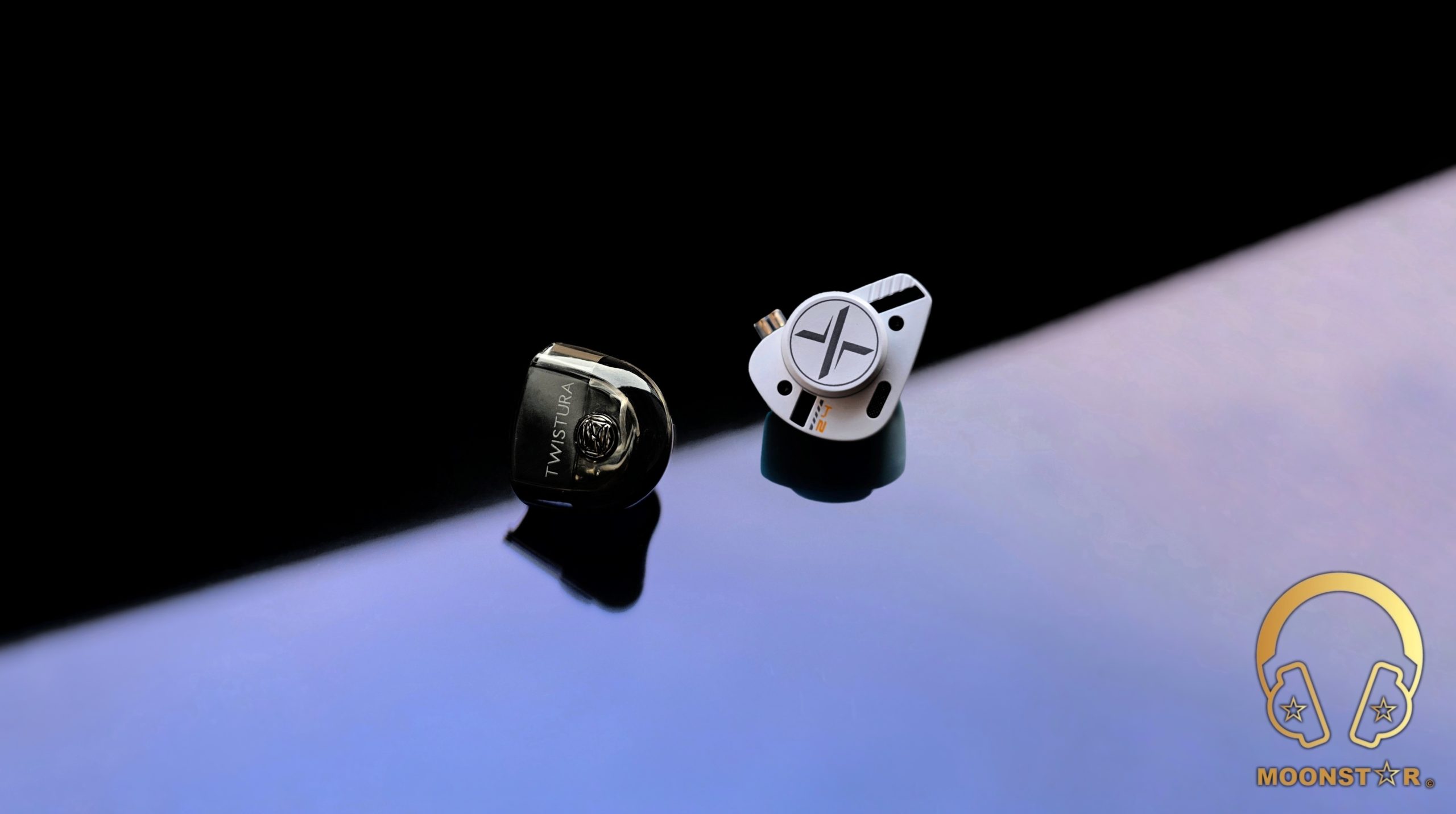
TWISTURA D-Minor versus oopusX OP.24:
The TWISTURA D-Minor and the oopusX OP.24 are both standout budget single-driver and hybrid IEMs respectively, offering impressive performance and tuning flexibility around the $30-50 mark. The D-Minor is the choice for cohesive single-DD musicality and outstanding accessory value, while the OP.24 is built for hybrid technical detail and innovative dial-based adaptability. The low end on the D-Minor is quick and textured with natural punch, delivering enjoyable rumble and drive that stays clean across genres. The OP.24 takes a more boosted approach in its bass-focused mode, offering greater sub-bass emphasis and slam thanks to its dual dynamic drivers. If you prefer agile, balanced bass that integrates seamlessly without bleed, the D-Minor satisfies, but if you crave fuller quantity and physical impact for electronic or modern tracks, the OP.24 provides the more exciting foundation.
The D-Minor delivers clear and forward mids with lively vocal presence and natural timbre, keeping voices and instruments engaging and well-organized. The OP.24’s midrange is slightly recessed in its V-shaped profile, with warm and silky vocals that gain presence in the smoother mode but often sit behind the boosted extremes. This makes the D-Minor the better option for vocal-centric or mid-focused listening, while the OP.24 lets the overall energy frame the voices for a more layered flow. One of the D-Minor’s strongest advantages is its four effective tuning nozzles, allowing quick shifts from balanced to bass-forward or relaxed profiles. The OP.24 counters with its physical dial offering two distinct modes that adjust bass quantity and treble emphasis meaningfully. While both provide genuine customization, the D-Minor’s nozzles feel more granular for daily tweaks, whereas the OP.24’s dial delivers broader character changes with hybrid resolution. The D-Minor impresses with wide and precise staging that feels expansive and immersive for a single-DD budget set. The OP.24 offers credible width and good instrument placement enhanced by its BA drivers, though it can vary slightly between modes. Ultimately, the D-Minor delivers remarkable cohesion and value as a complete starter package, while the OP.24, with its multi-driver setup and tuning dial, becomes the go-to for those seeking extra technical sparkle and hybrid excitement in entry-level playback.
Conclusion:
The TWISTURA D-Minor stands as one of the most complete and enjoyable budget IEMs available, combining meaningful accessories, genuine tuning flexibility, and sound that genuinely captivates across genres. Its strengths in spatial presentation, clarity, and sheer value make it far more than a simple entry-level option. It earns an enthusiastic recommendation for anyone starting their audio journey or seeking maximum enjoyment on a tight budget. The thoughtful package and capable performance demonstrate TWISTURA’s commitment to accessible quality without compromise.
Pros & Cons:
- + Energetic, engaging V-shaped tuning with good resolution
- + Wide soundstage and precise imaging beyond price expectations
- + Three sound tuning nozzles for versatility
- + Outstanding value with complete accessory package including DAC adapter
- – Angular shape and short nozzles may require tip experimentation for perfect fit
- – Sub-bass extension good but not class-leading in quantity
Thank you for the Read!