DEKONI Audio Ensemble Cable Review
DEKONI Audio Ensemble Cable Review
Introduction:
DEKONI Audio is an established brand within the personal audio market, widely recognized for manufacturing aftermarket replacement earpads and various headphone accessories. The company has recently expanded its product line with the introduction of the Ensemble Modular Cable System, which is an ecosystem engineered to provide in-ear monitor users with modular physical versatility while aiming to protect signal integrity along the transmission path.
The combination of the Post-Split 2-Pin IEM Connectors with Silver Braided Cable and the Presplit USB-C 132 cm (52″) CS43131 DAC AMP Silver Braided Cable forms an integrated, multi-component replacement option for portable audio setups. This specific modular architecture is built to offer direct, driver-free connectivity across multiple electronic platforms, including Android devices, tablets, and desktop personal computers.
Technically, the system manages signal routing and digital-to-analog conversion via an 8-strand Silver Plated Copper braided wire configuration working in tandem with an integrated Cirrus Logic CS43131 DAC AMP chipset housing assembly. This review offers a factual, detailed, and balanced evaluation of the physical design, build tolerances, component hardware specifications, and objective sonic properties of this specific configuration within the Ensemble system.
In this review, we will take a closer look at the design, hardware features, and sonic performance of this specific Ensemble combination.
Disclaimer:
I would like to thank DEKONI Audio and Jackrabbit Media for providing the Ensemble Post-Split 2-Pin and Presplit USB-C CS43131 cables for review purposes. I am not affiliated with either company beyond this review, and these words reflect my true, unaltered opinions about the product.
Price & Availability:
The DEKONI Audio Ensemble system consists of the Post Split 2 Pin IEM Connectors with Silver Braided Cable priced at $34.99 USD and the Presplit USB C 132 cm (52″) CS43131 DAC AMP Silver Braided Cable priced at $64.99 USD; furthermore, since the system offers a wide variety of options including different cable materials like Nylon Jacket, Silver Plated Copper Twist, and PCUHD Copper Braided along with various termination types, you can choose and order the one that best suits your needs, and you can access more information from the link below:
Package & Accessories:
The cables arrive in clean, DEKONI packaging with minimalist branding.
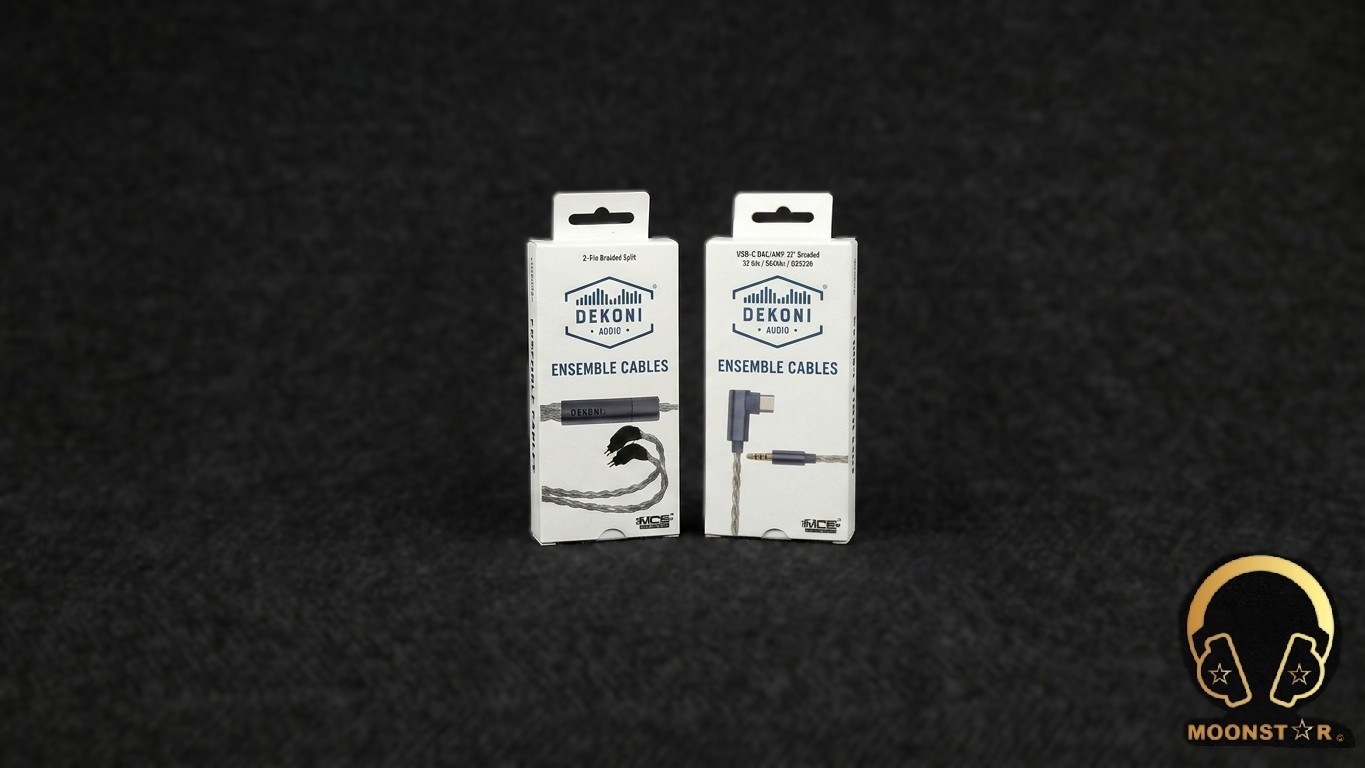
Inside the boxes, you will find:
- 1x Post-Split 2-Pin Silver Braided Cable with 0.78mm connectors
- 1x Presplit USB-C 132 cm (52″) CS43131 DAC AMP Silver Braided Cable
- User manual and warranty documentation
No additional accessories are required, as the modular ecosystem is ready to use right out of the box.
Design & Build Quality:
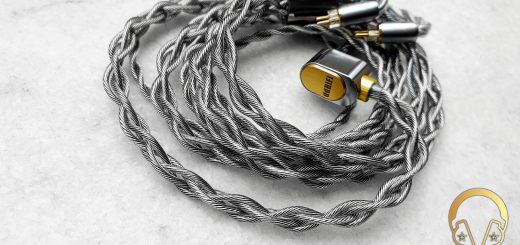
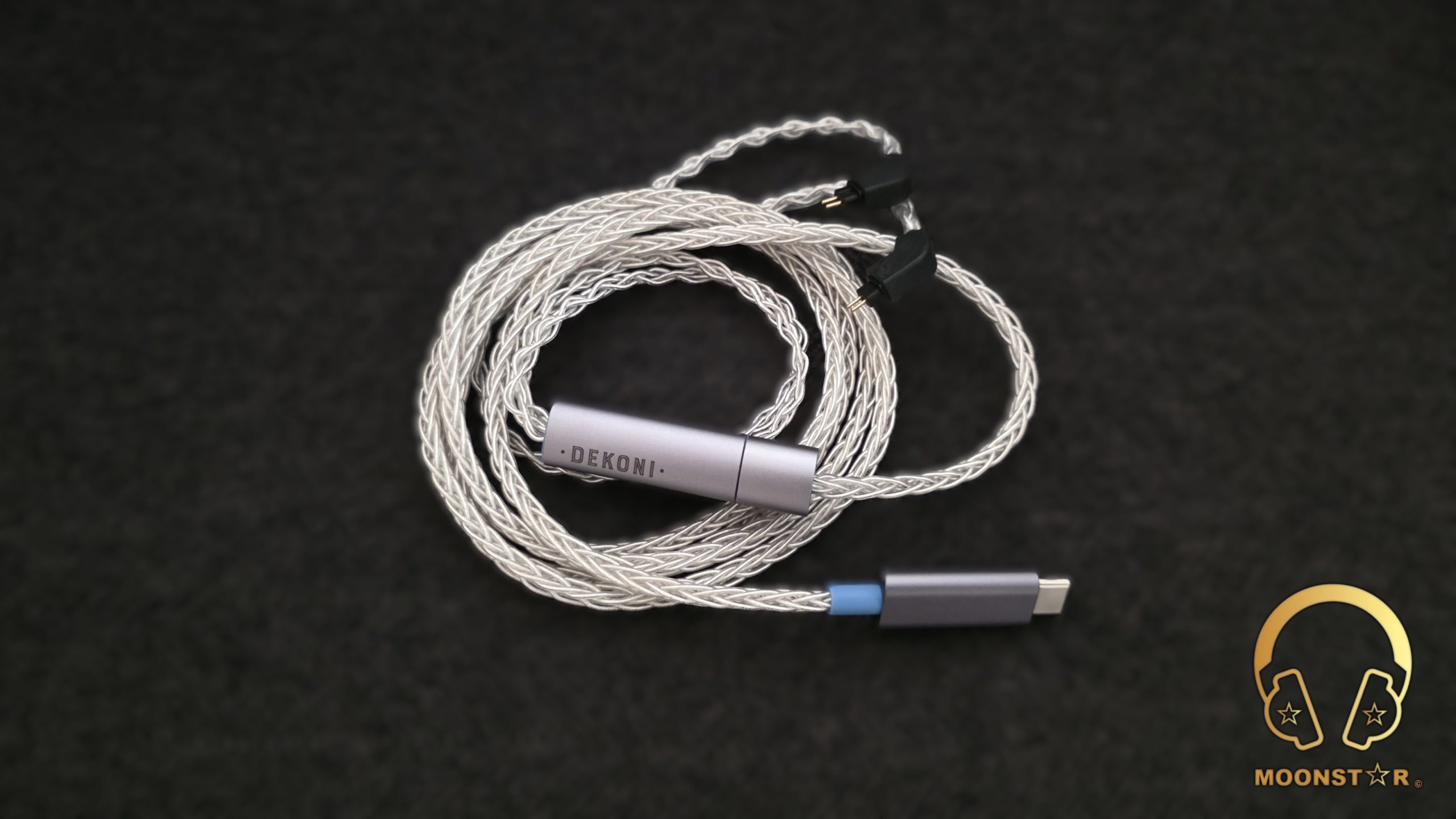
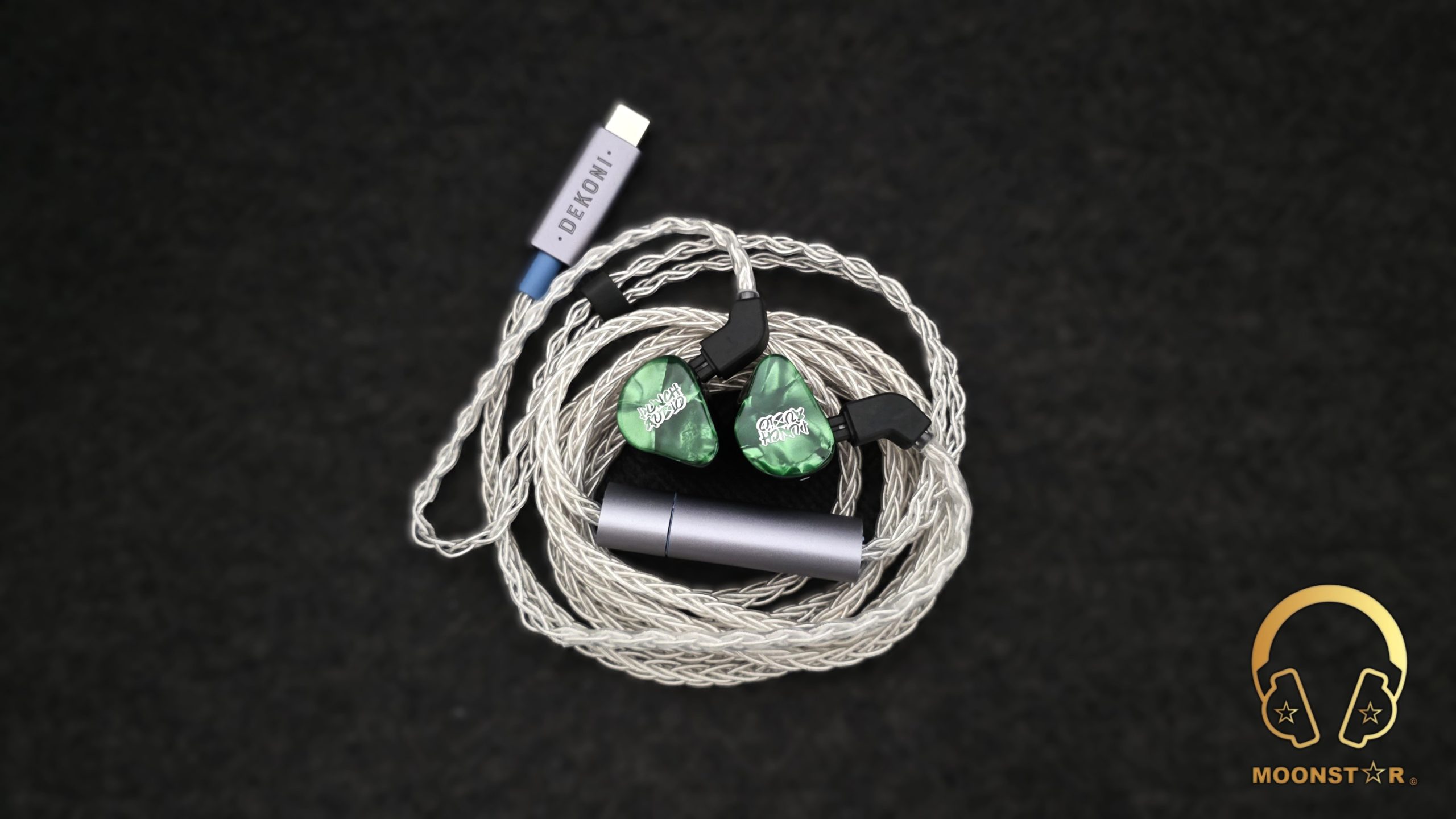
The DEKONI Ensemble cables utilize a Silver Plated Copper braided construction that presents a clean, functional aesthetic. The silver braiding provides standard physical flexibility while effectively minimizing microphonics during routine movement.
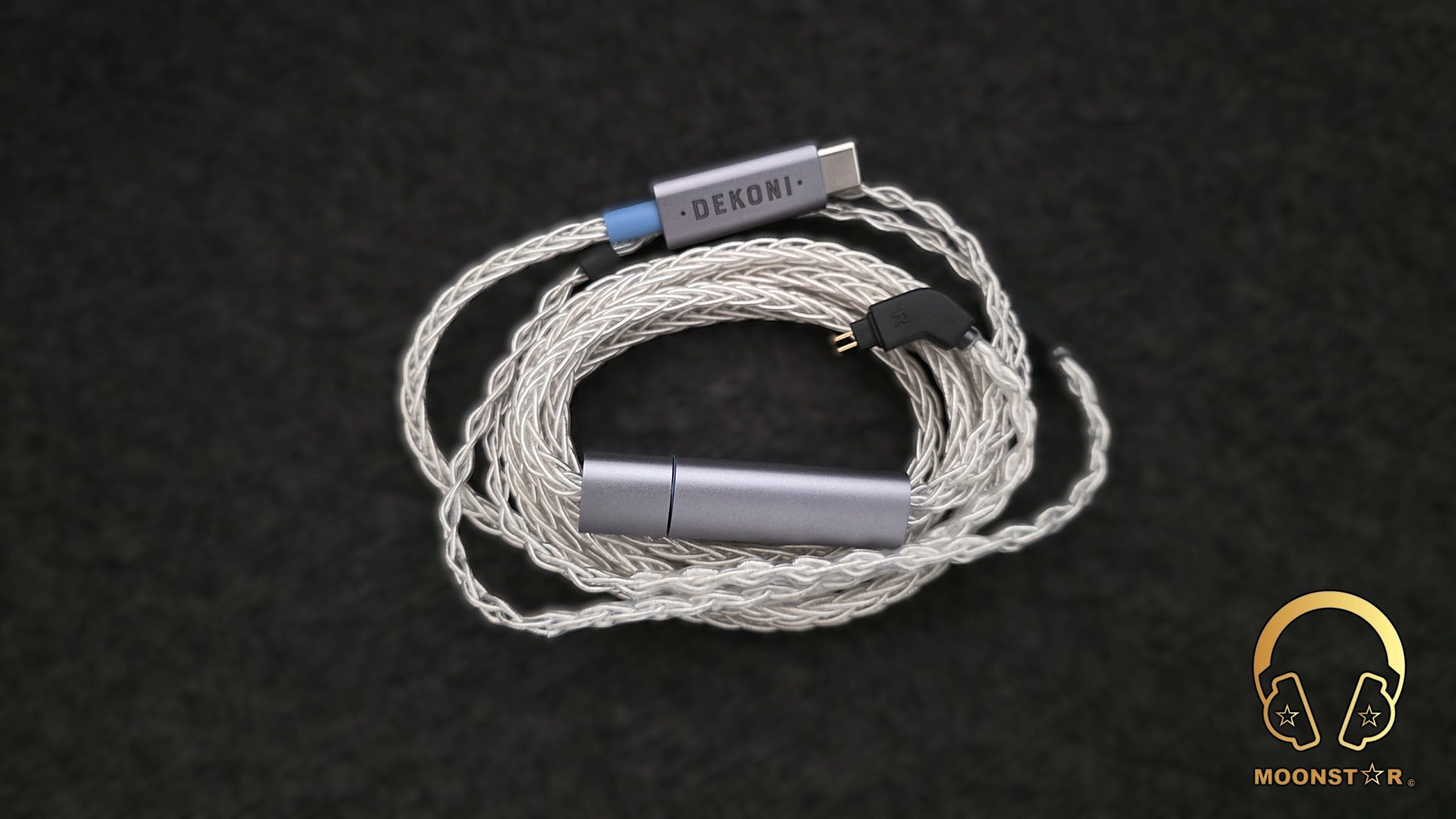
The outer jacket material is supple to the touch, resisting permanent kinks or the retention of rigid memory wire shapes.
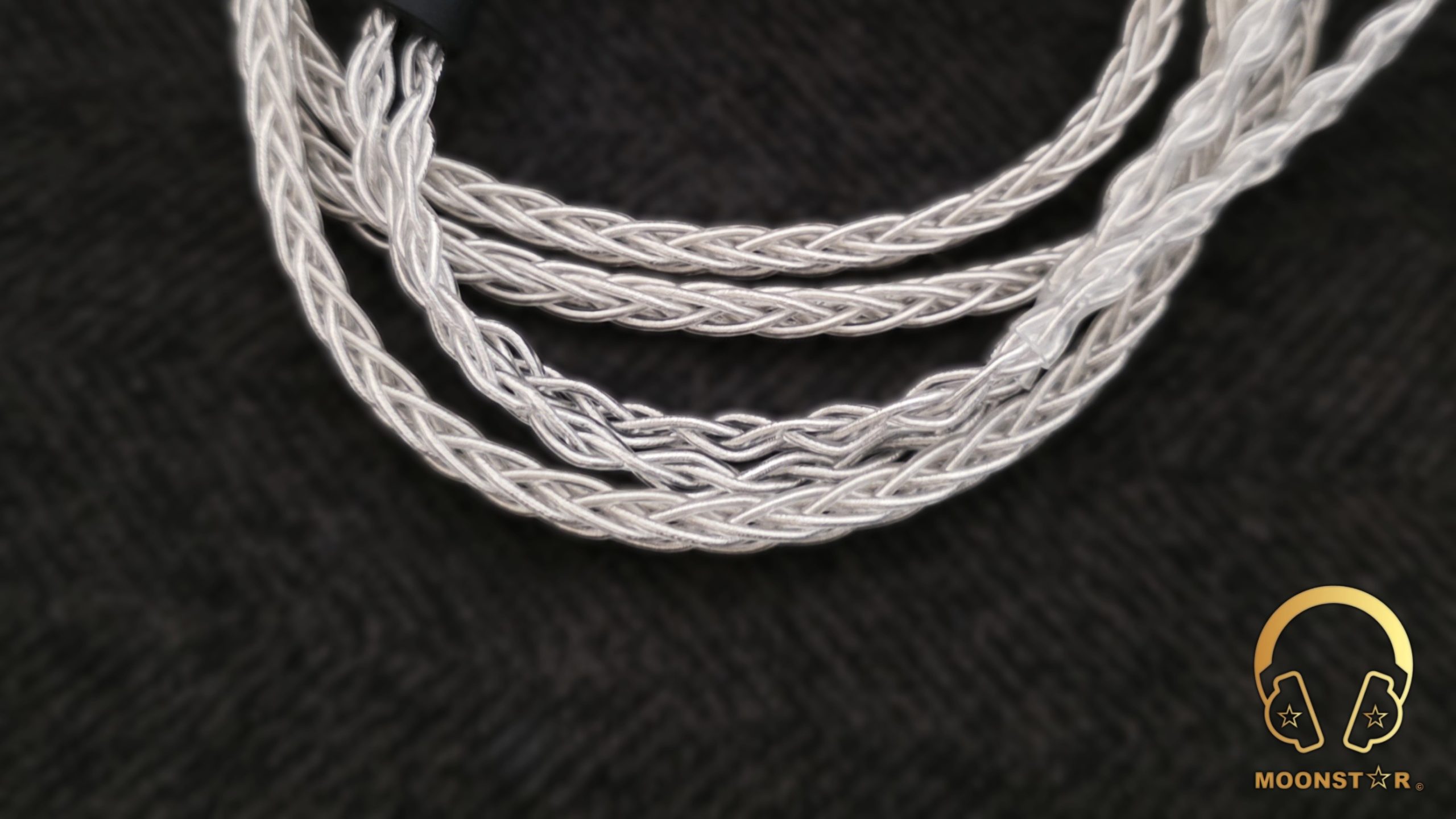
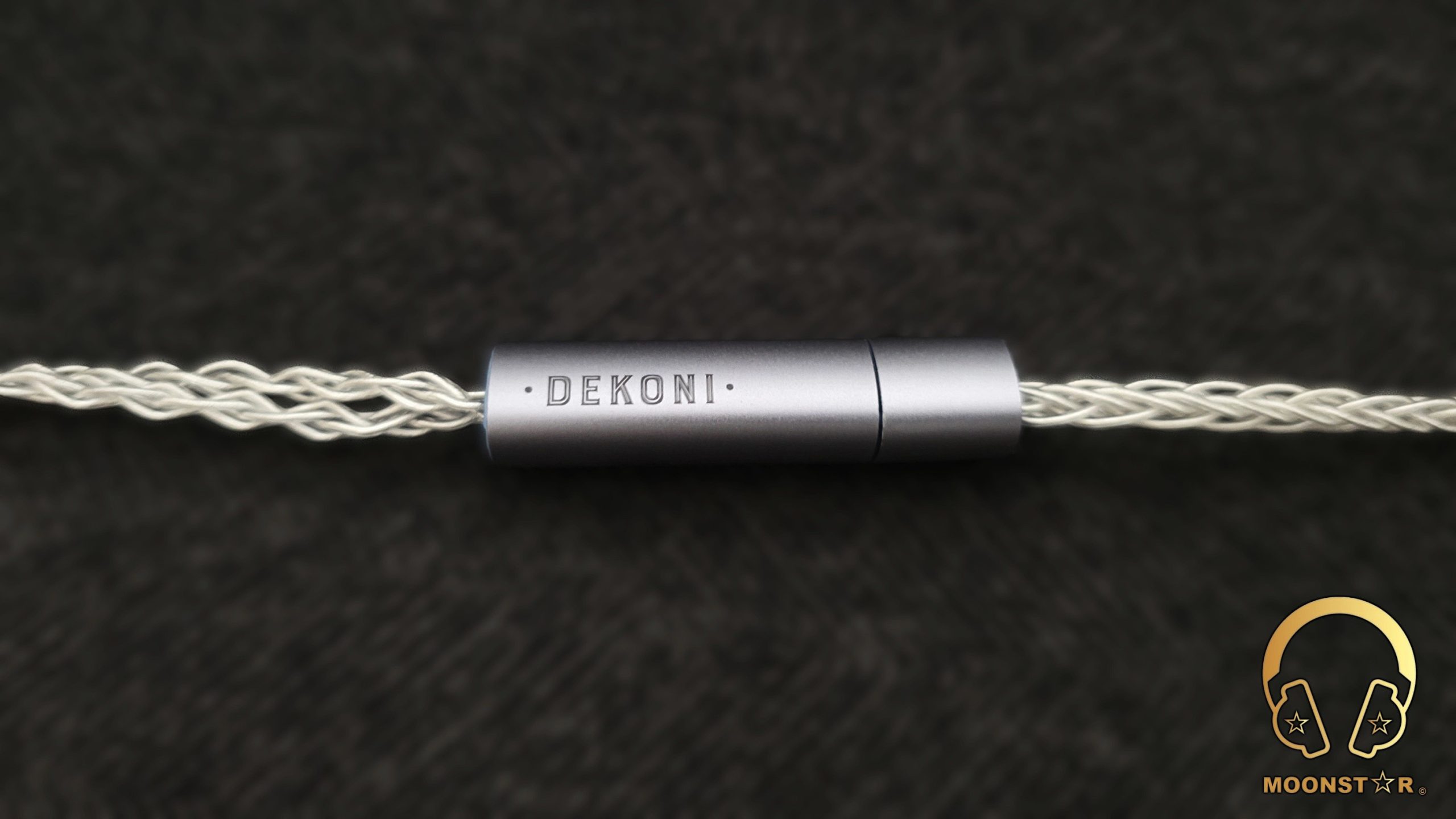
While the braiding technique keeps the cable body flexible, the structural metal twist and lock connection mechanism introduces a localized, noticeable amount of weight to the overall assembly.
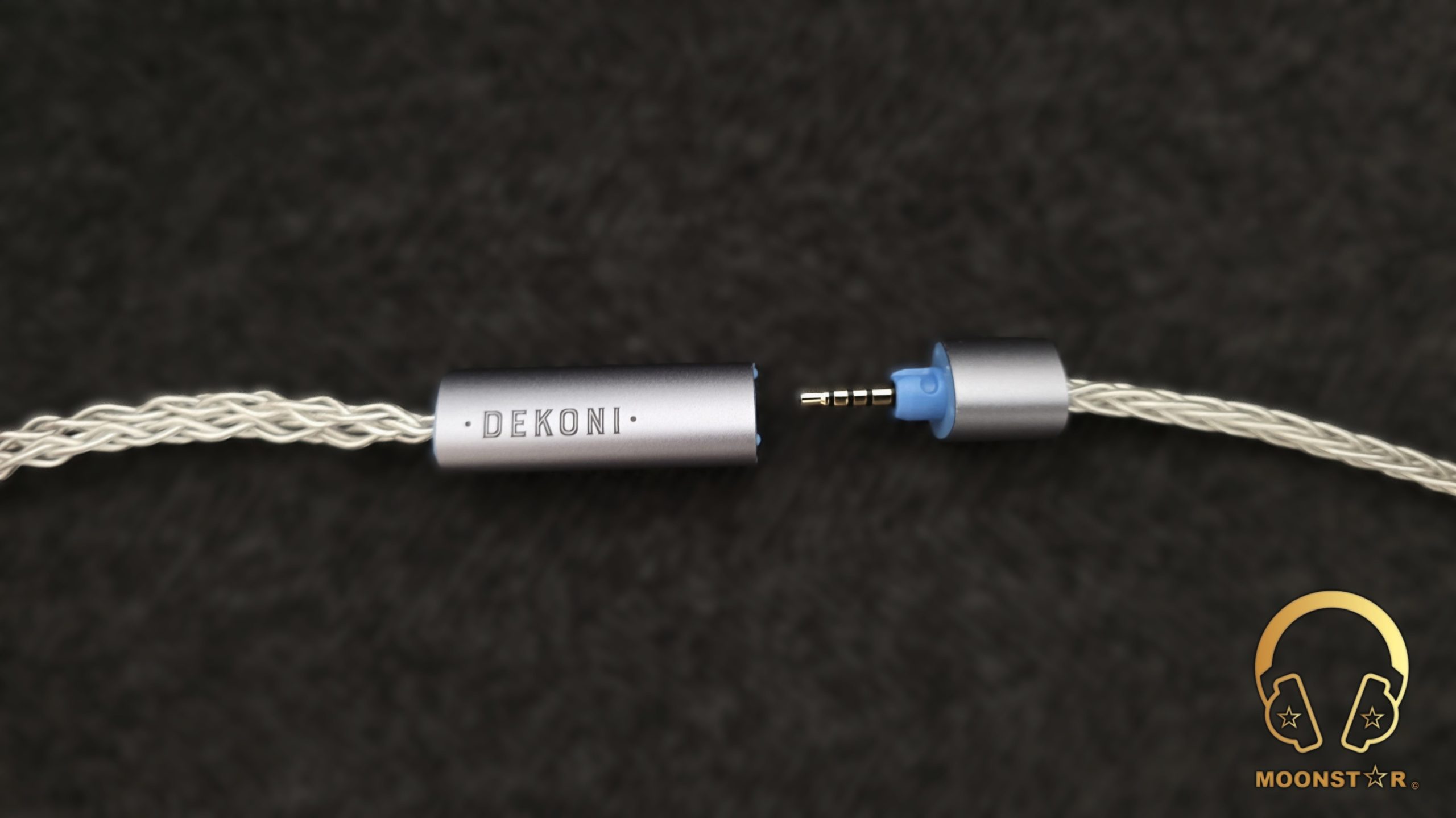
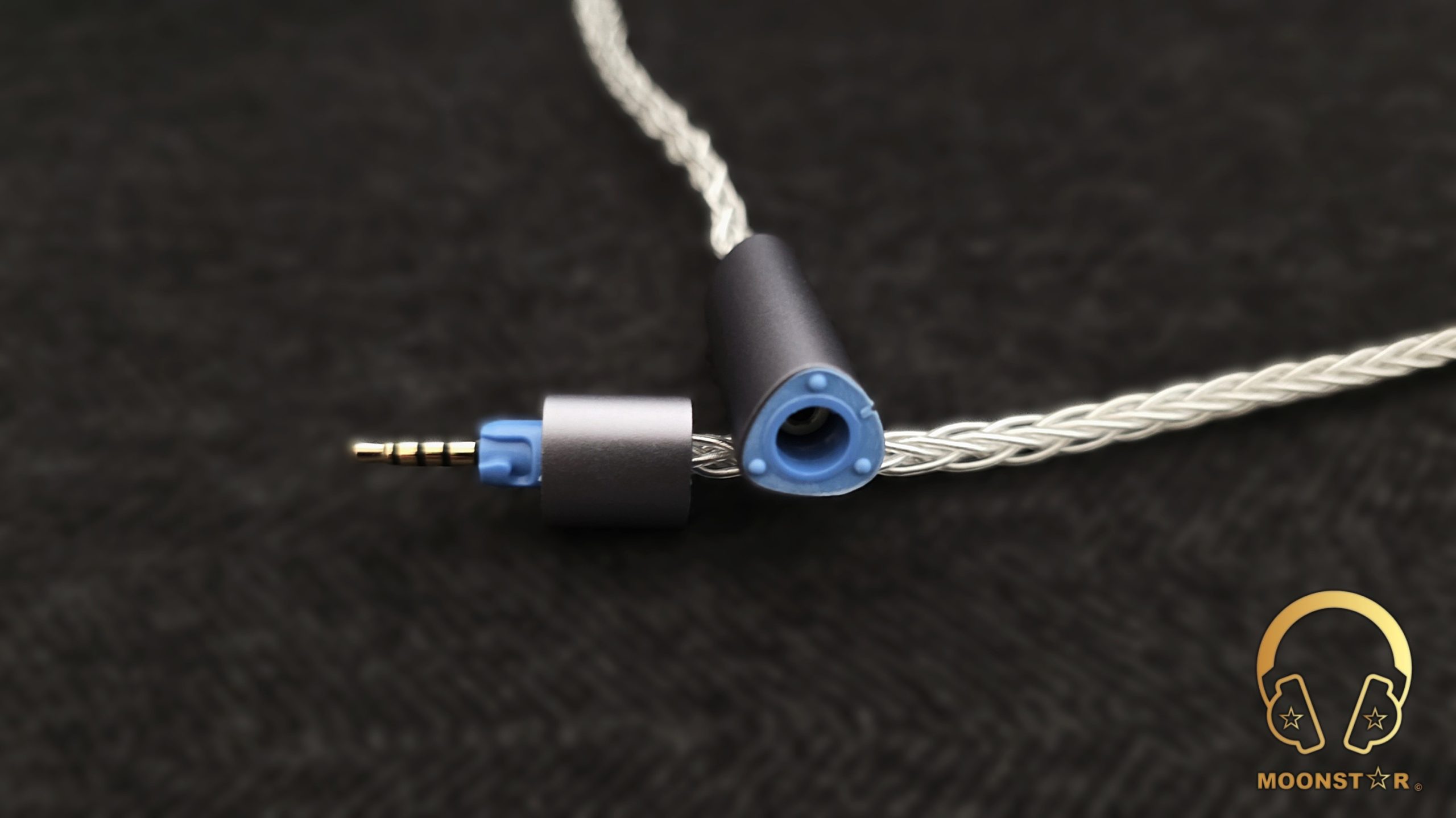
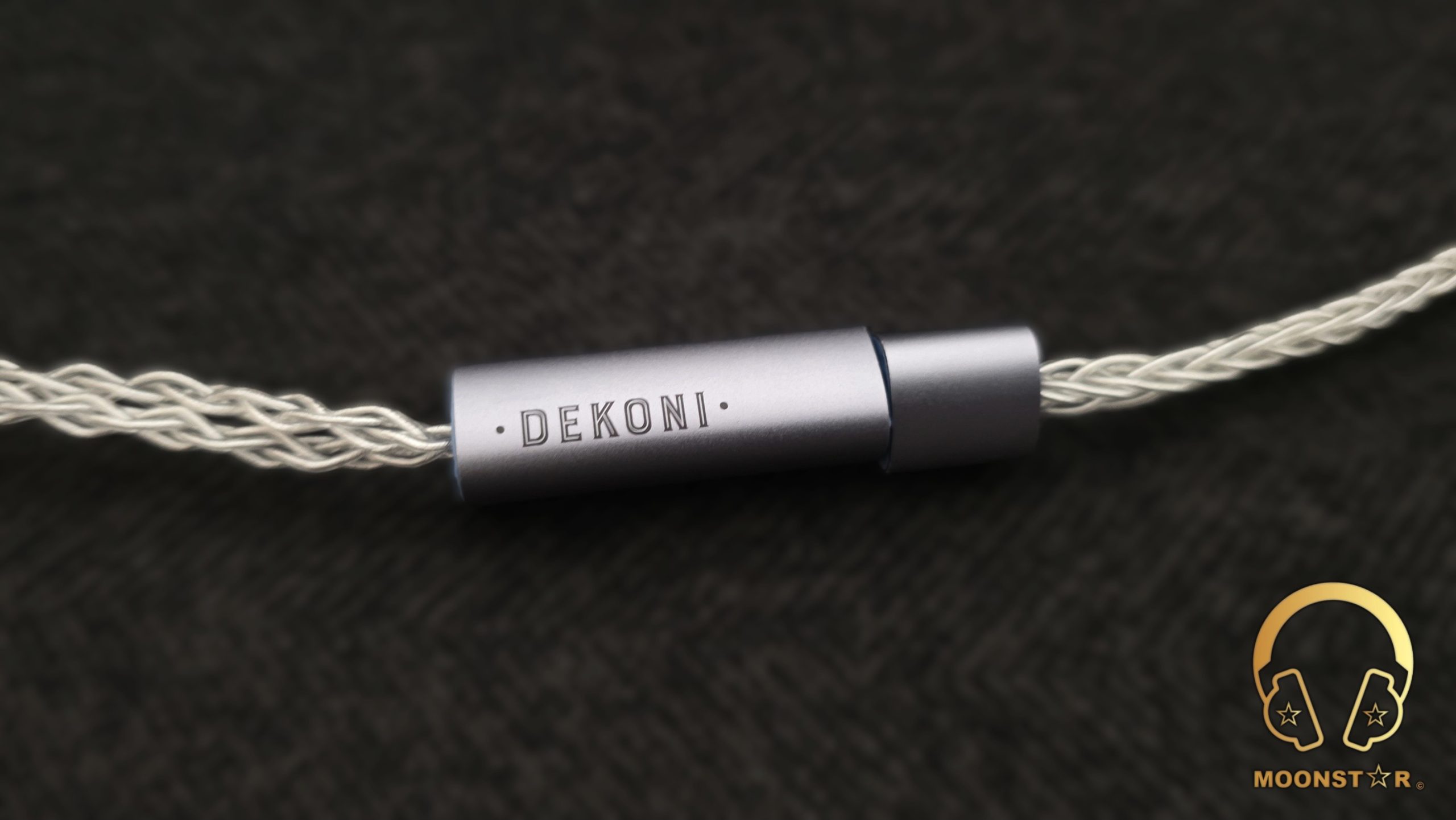
This added weight remains distributed in a manner that allows the cable to stay reasonably comfortable during typical, long-term listening sessions.
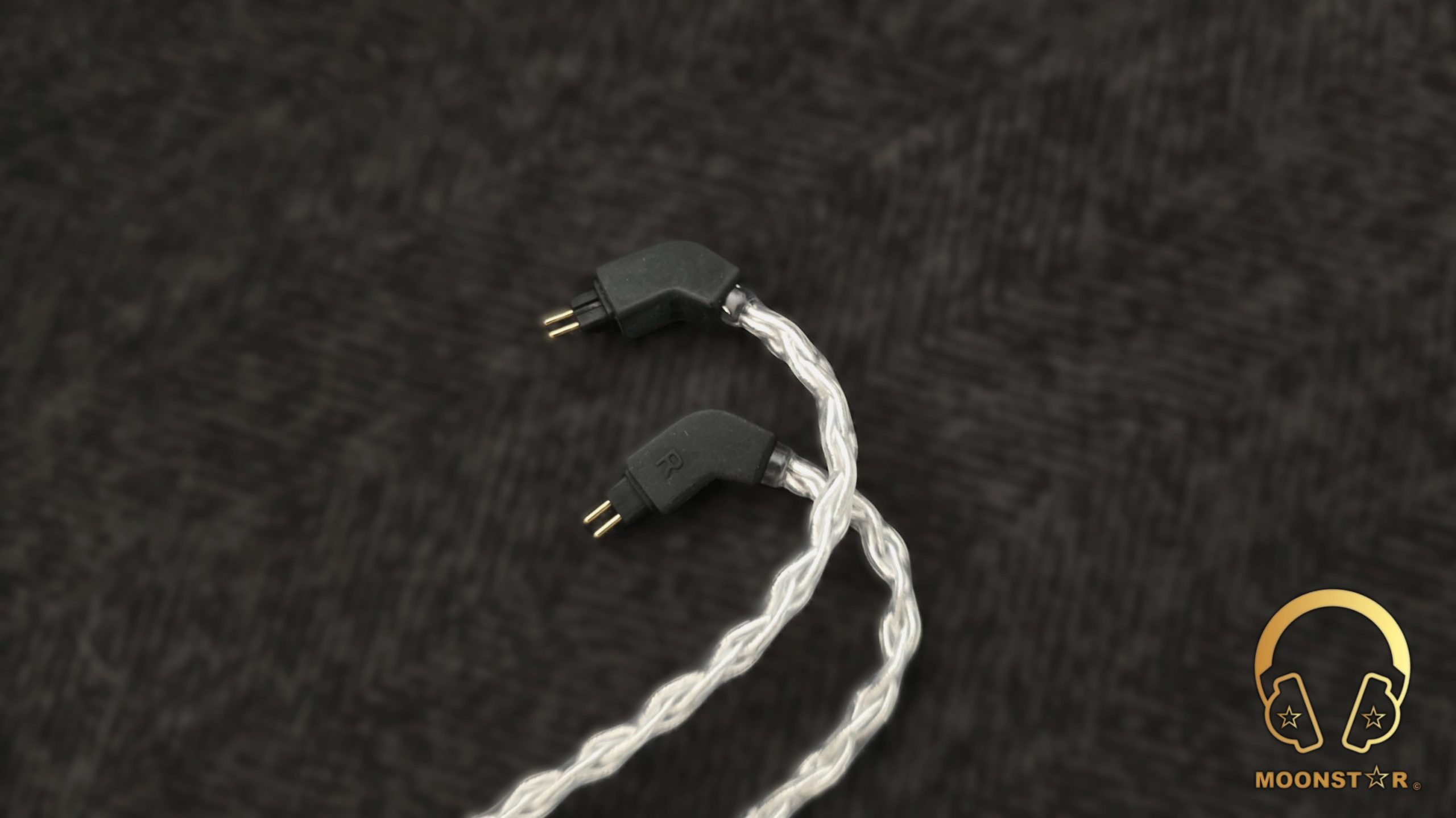
The Post Split section features standard 0.78mm 2 pin connectors equipped with molded strain relief and clear Left and Right orientation indicators, ensuring a stable fit on a wide variety of compatible IEMs. The ear guides are pre formed using smooth heat shrink tubing without stiff internal wiring, resulting in a gentle drape over the outer ear that distributes physical pressure evenly.
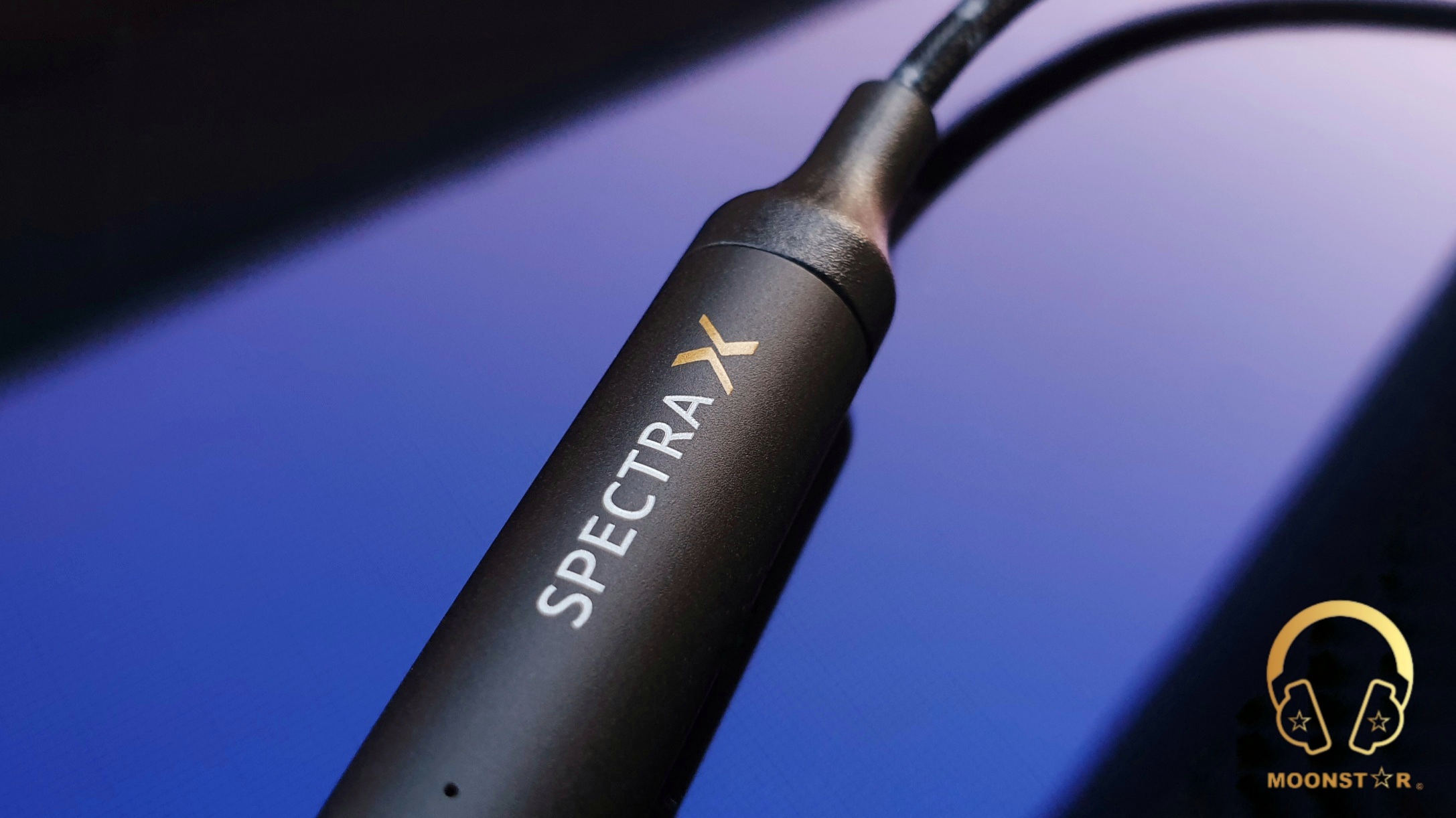
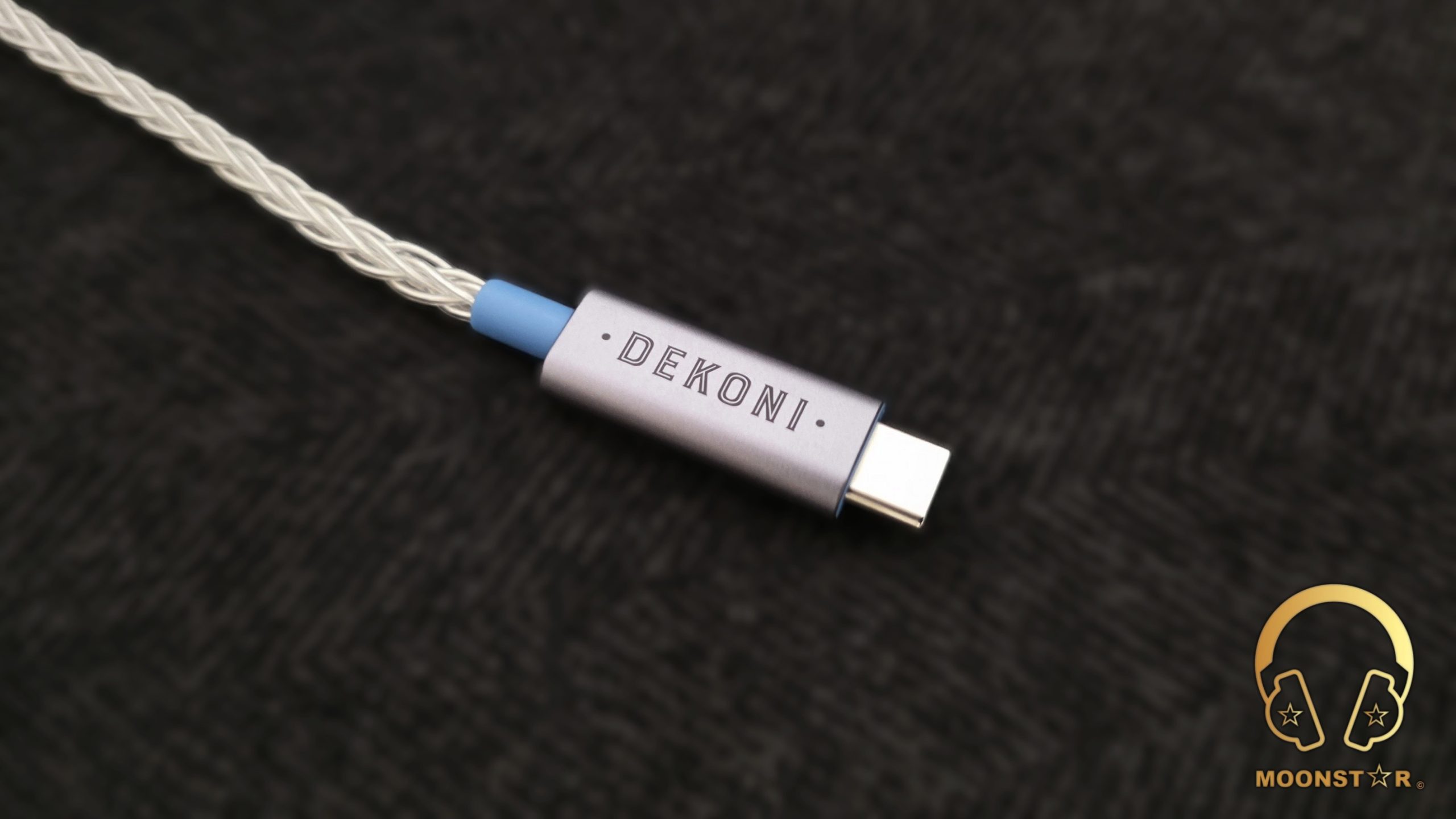
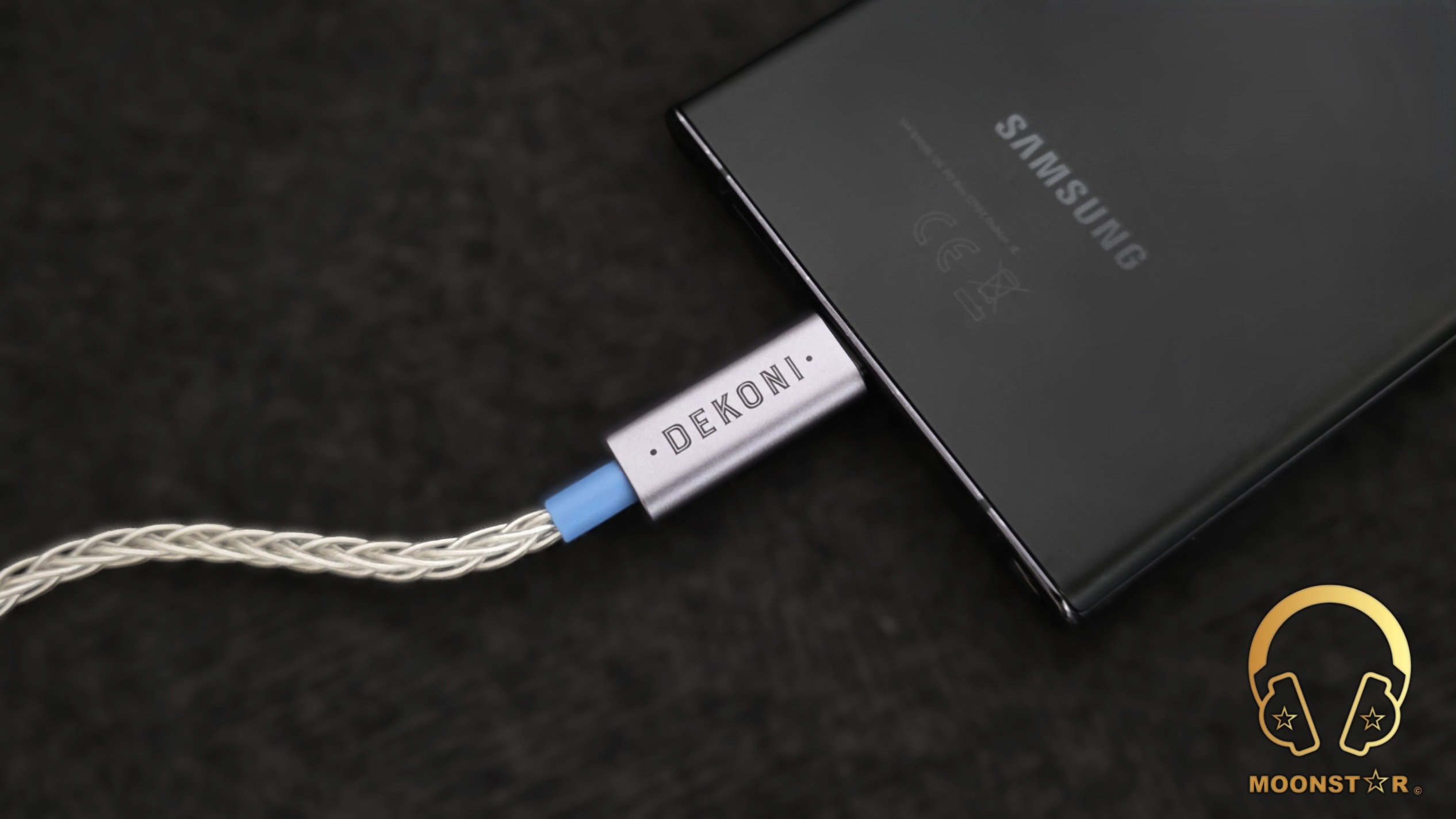
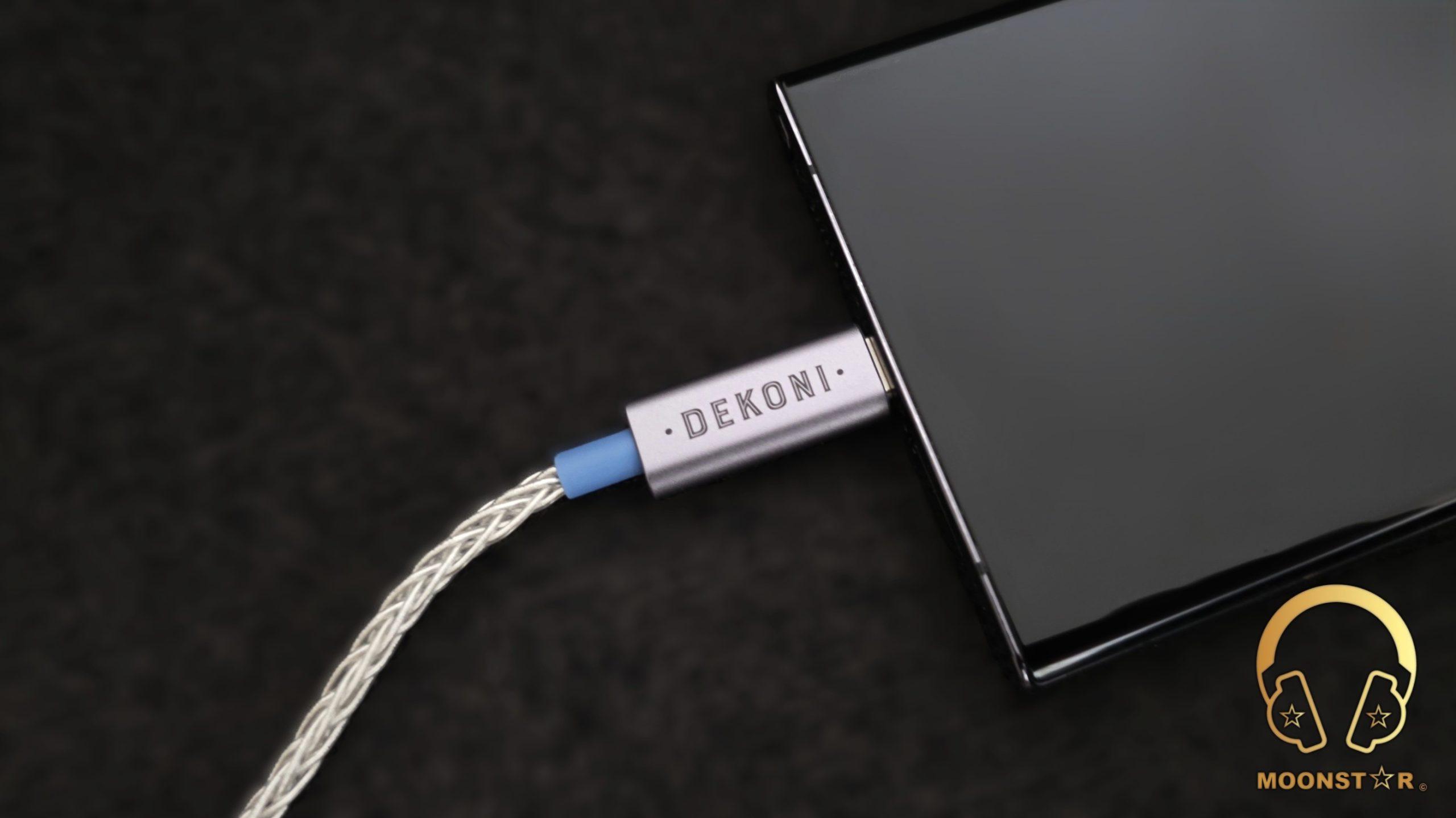
On the source side, the Presplit USB C housing integrates the compact CS43131 DAC/AMP circuitry within a protective, low profile metal shell. While the total length of 132 cm (52″) can feel somewhat long for specific mobile pocket carry applications, it serves as a practical asset for desktop configurations, providing sufficient slack when routed to a personal computer tower or a laptop station.The interface between the two cable halves uses a structural locking mechanism that snaps together and twists to secure, preventing accidental disconnections during active use.
Overall manufacturing and build quality demonstrate solid assembly tolerances, aligning with standard expectations for durable personal audio accessories.
Technical Specifications:
Post-Split 2-Pin IEM Connectors with Silver Braided Cable
- Conductor: Silver Plated Copper braided
- Length: 132 cm (52″)
- Weight: Lightweight and flexible
- Connector: 0.78mm 2-Pin Post-Split
Presplit USB-C 52″ CS43131 DAC/AMP Silver Braided Cable
- DAC Chip: Cirrus Logic CS43131
- PCM Support: Up to 32 bit / 384kHz
- Dynamic Range: 130 dB
- Output Power: Sufficient for most IEMs, approx. 30mW @ 32Ω
- Performance: Low noise floor and excellent SNR
Equipment Used for This Review:
- Cables: DEKONI Post-Split 2-Pin Silver Braided + Presplit USB-C CS43131 DAC AMP
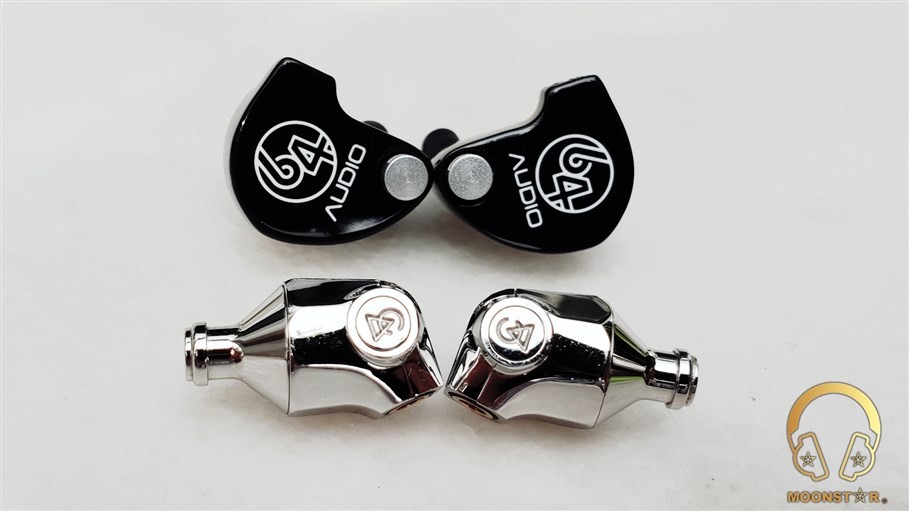
- IEMs: PUNCH Audio Portazo, ZiiGaat x Hangout Audio Odyssey 2, HIDIZS MP145 Pro
The Sound & DAC Performance:
This evaluation is based on extended listening sessions with the complete Ensemble chain across various musical genres and high resolution tracks. When compared to standard stock cables or basic factory phone outputs, the silver plated braided cable paired with the integrated CS43131 DAC provides a clean, detailed, and highly refined presentation.
CS43131 DAC/AMP Silver Braided Cable Implementation:
The centerpiece of this modular system’s technical capability is the implementation of the Cirrus Logic CS43131 chipset. While many standard inline type C cables compromise on processing power by using c heap, low tier codecs, Dekoni has successfully integrated a highly regarded, ultra low distortion audio architecture directly into the slim metal shell of the Presplit cable. The tuning philosophy here leans strictly toward neutrality, opting for a transparent, uncolored, and perfectly balanced rendering rather than artificially boosting the bass or sharpening the upper registers to give a false sense of resolution.
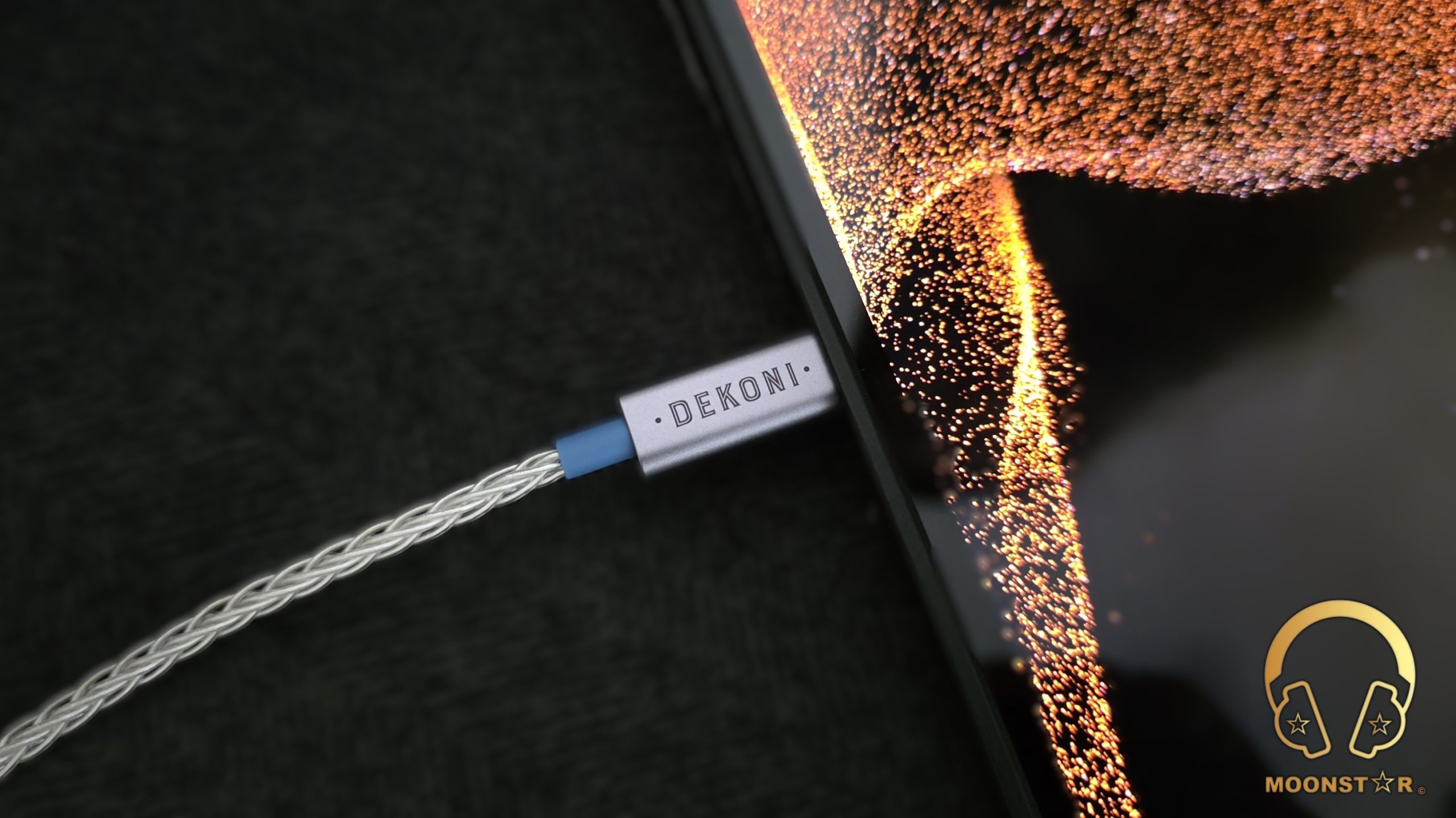
The most prominent advantage of this DAC implementation is its exceptionally low noise floor and pretty black background. Even when paired with highly sensitive, low impedance multi driver in ear monitors, there is absolutely no background hiss, electrical interference, or digital artifacts. This high Signal to Noise Ratio and the native 130 dB dynamic range allow faint micro details, room acoustics, and trailing instrument decays to emerge naturally out of the darkness. Furthermore, the power delivery, while optimized to preserve mobile battery life, feels robust and completely linear. It handles demanding dynamic transitions effortlessly, providing transient attacks with immediate speed and impact. It ensures that multi driver hybrids or complex planar setups do not feel starved for current, flat, or structurally compressed in terms of soundstage width. Instead, the CS43131 acts as a rock solid foundation, squeezing out every bit of technical capability the connected IEM possesses without adding any digital glare or unwanted grain.
Bass / Midrange / Treble / SOundstage & Imaging:
The low end shows a steady baseline of control, presenting a slightly deeper and tighter texture while maintaining its native speed. Sub bass extension feels cleanly defined, offering a subtle improvement in slam and decay characteristics without altering the core frequency response of the connected monitors. On the PUNCH Audio Portazo, the inherently fun and powerful bass presentation receives a modest layer of refinement; it gains a bit more structural definition, ensuring that heavy bass drums hit with clean control without bleeding significantly into the lower mids. With the HIDIZS MP145 Pro, the signature planar bass speed is entirely preserved while gaining a touch of extra weight and texture on low cello notes. On the more balanced ZiiGaat x Hangout Audio Odyssey 2, the bass tightens up marginally, adding a subtle touch of warmth and presence to double bass recordings without overpowering the midrange.
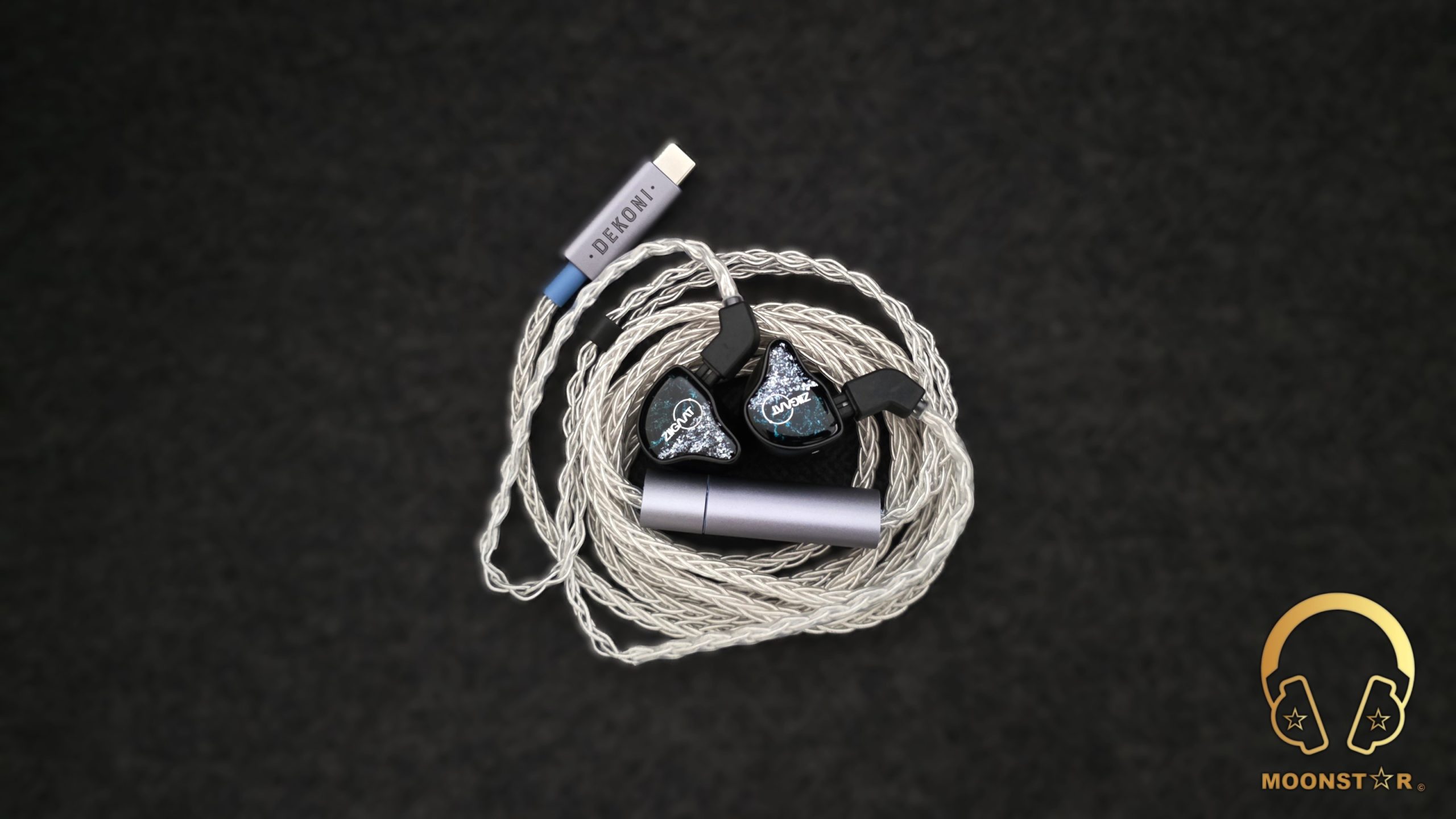
The midrange performance benefits from stable clarity and clean instrument separation, leading to a slightly more natural timbre. Vocals sound clean and nicely positioned, showing a minor improvement in tonal density and layering over standard factory phone outputs. Acoustic guitars and grand pianos display a smooth character, which helps gently reduce any perceived congestion in the lower midrange. The ZiiGaat x Hangout Audio Odyssey 2 shows a positive pairing here, as its technical midrange presents a clean, transparent delivery that allows female vocal textures to come through clearly. The Portazo retains its signature presentation while gaining a slight touch of warmth in the lower registers of male vocals, while the MP145 Pro shows steady string instrument separation during complex orchestral passages.
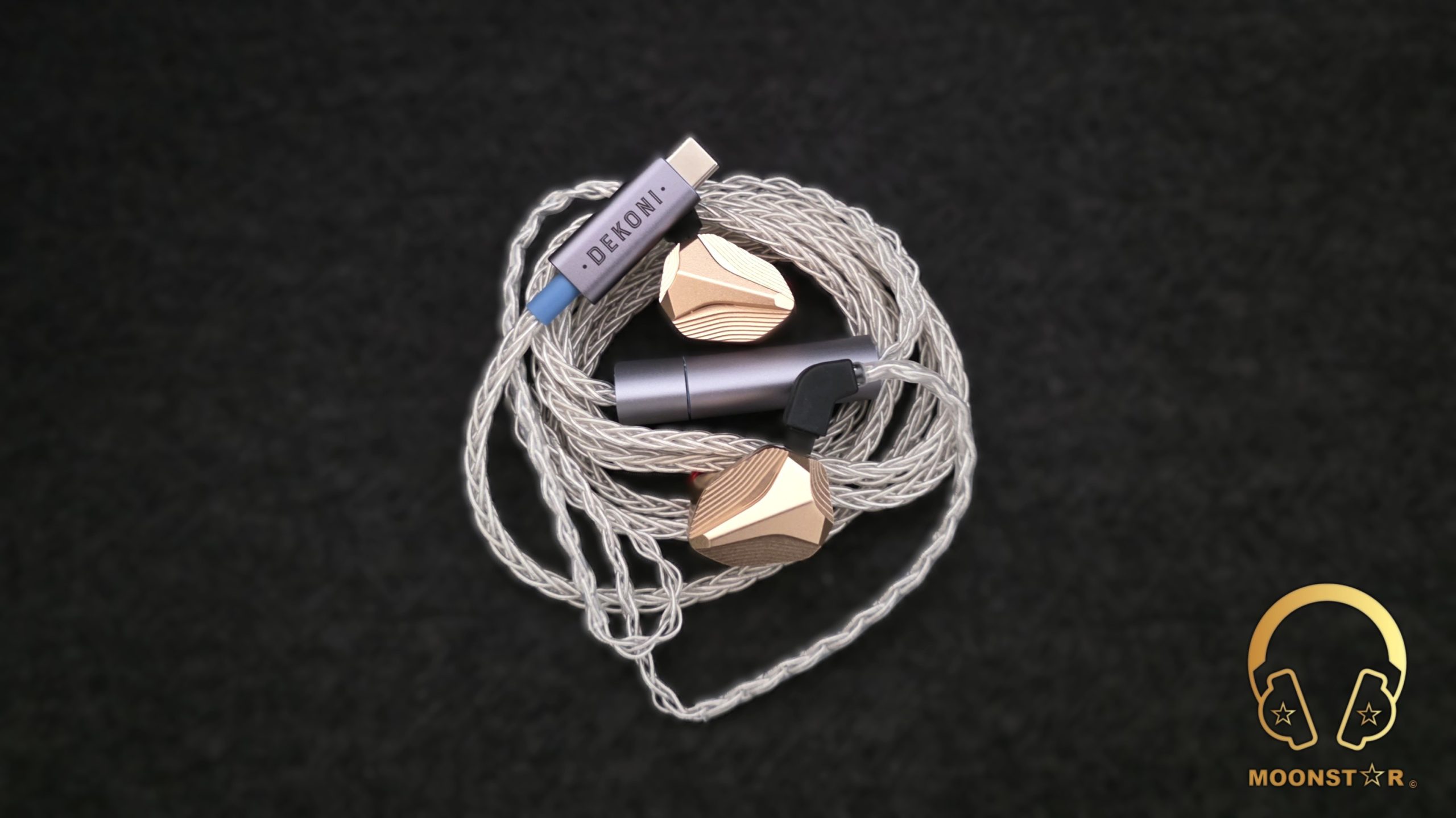
The treble presentation is smooth and properly extended, introducing a balanced sense of air and micro detail retrieval without introducing harshness or listening fatigue. The silver braiding working in tandem with the clean output of the CS43131 allows high frequencies to breath naturally, though without artificially boosting the upper registers. Cymbals, hi hats, and violin overtones gain a clean sparkle and natural decay. This subtle refinement is noticeable on the HIDIZS MP145 Pro, where the planar treble extends smoothly with steady control. The Odyssey 2 delivers clear transient responses on electronic hi hats along with delicate nuances, while the Portazo’s brighter tendencies are gently polished into a more balanced and comfortable presentation.
The soundstage properties show a well organized layout with a proportional sense of width and depth. Instruments are placed with reliable spatial accuracy across the stereo field, avoiding any artificial stretching. This stable staging capability is most apparent on the ZiiGaat x Hangout Audio Odyssey 2 and HIDIZS MP145 Pro. Both of these technically capable IEMs utilize the clean signal delivery to let their soundstage properties open up naturally, delivering a reliable listening experience from a mobile source. The Portazo also gains a stable, organized stage that neatly accommodates brass and percussion ensembles without overlapping.
Conclusion:
The DEKONI Audio Ensemble Post Lip 2-Pin + Presplit USB-C CS43131 combination stands out as a highly practical and effective upgrade for both mobile and desktop listening. It offers exceptional build quality, modular versatility, and genuine sonic improvements in terms of clarity, soundstage openness, and overall refinement, all without the need for bulky, standalone dongles. If you are searching for a convenient, well constructed, and great sounding all in one USB-C cable solution for your IEM collection, the DEKONI Ensemble series comes highly recommended in its price segment.
Pros & Cons:
- + Convenient modular, plug and play design that is compatible with a wide list of cable modules
- + Clean, transparent, and neutral sound signature powered by the CS43131
- + Black background with ultra low noise floor and low background hiss
- + Solid Silver Plated Copper construction
- + Decent value proposition for a modular premium cable and DAC combination
- – The 132 cm length may feel slightly long for some pocket carry scenarios but remains a major advantage for desktop setups
- – The metal twist and lock connection mechanism adds a noticeable amount of extra weight to the physical profile of the cable assembly
- – Power output is highly sufficient for IEMs but naturally limited compared to heavy, desktop class sources
Thank you for the Read!