Campfire Audio Andromeda 10 Review
Campfire Audio Andromeda 10 Review
Introduction:
In the fast paced world of high fidelity audio, few names carry as much weight as the Andromeda. Since its inception in Portland, Oregon, Campfire Audio has built a global reputation for blending meticulous craftsmanship with a “function meets art” philosophy. Now, marking a definitive milestone in the brand’s history, the Andromeda 10 emerges as the 10th anniversary evolution of this iconic lineage.
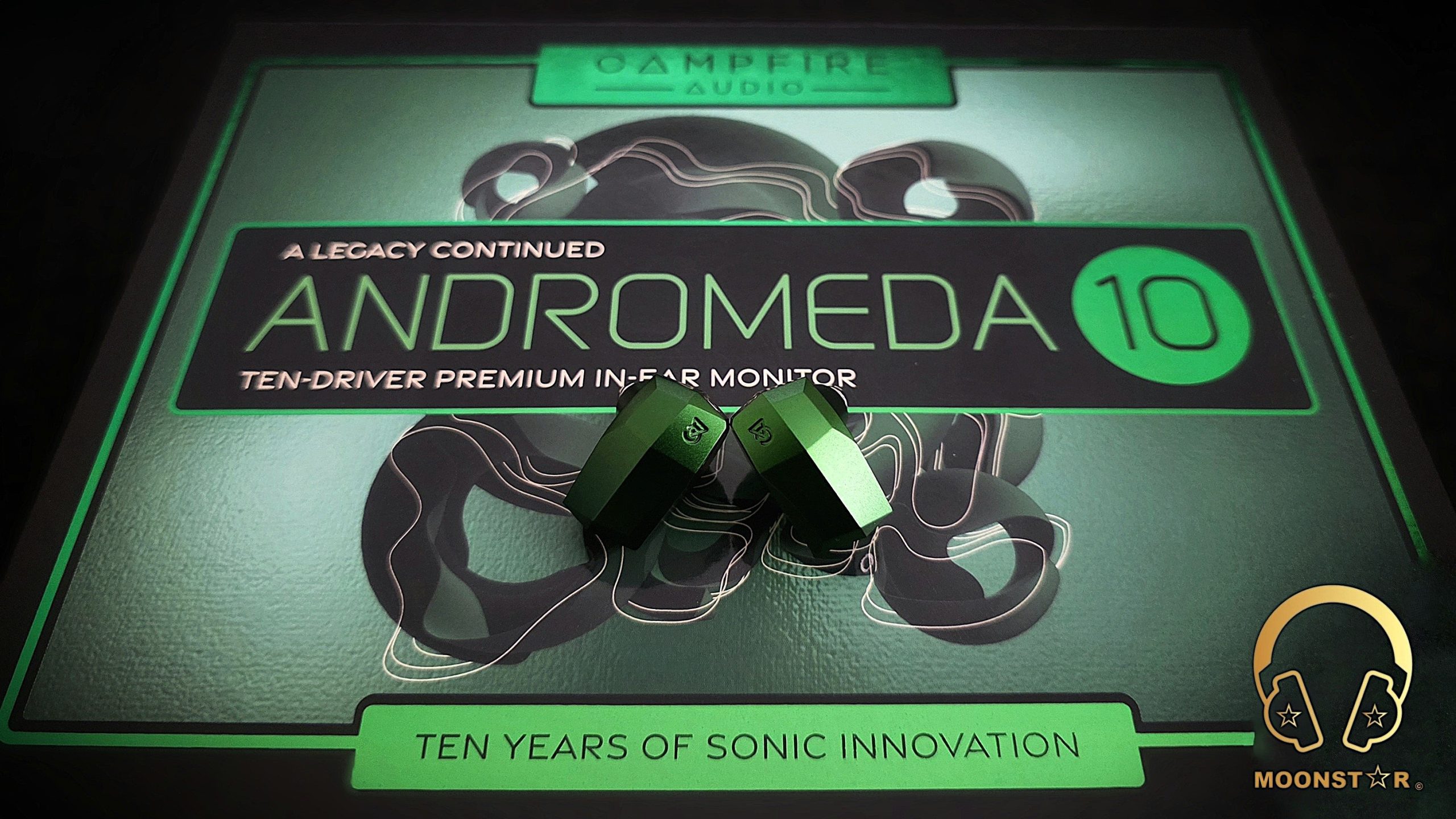
This model is far more than a celebratory badge; it represents a bold architectural leap. By doubling the driver count of the original design, the Andromeda 10 houses a massive 10 Balanced Armature configuration (4 Low, 4 Mid, and 2 High) within its precision machined, emerald green housing. Perhaps the most significant nod to the modern audiophile community is the transition to a 2 pin connector system, moving away from the traditional MMCX standard to offer enhanced durability and cable versatility.
Priced at $1,799.00 USD, the Andromeda 10 steps forward as the new brand ambassador. It promises a “speaker like” immersion that seeks to balance technical resolution with the soulful, musical character that made the original a global benchmark. As we dive into this review, the question remains: Can this expanded ten driver array preserve the magic of the five driver classic while pushing the boundaries of sonic performance?
Disclaimer:
I would like to thank Campfire Audio for providing the Andromeda 10 as review sample. I am not affiliated with Campfire Audio beyond this review and these words reflect my true and unaltered, opinions about the product.
Price & Availability:
The Campfire Audio Andromeda 10 is offered in three distinct tiers to mark this decade-long milestone. While each version provides a unique aesthetic and material experience, it is important to note that the internal architecture remains identical across the entire lineup. Whether you choose the classic aluminum or the premium steel editions, you are getting the same advanced 10-driver configuration and NEMC circuit tuning.
- Andromeda 10 (Standard Edition): Priced at $1,799.00 USD, this model features the iconic ‘Andromeda Green’ CNC machined aluminum housing. It remains the quintessential choice for those who value the classic lightweight comfort and signature look of the series.
- Andromeda 10 Special Launch Editions (Black & Gold): Priced at $2,499.00 USD, these limited versions are crafted from PVD-coated, mirror-polished stainless steel. They feature genuine Damascus steel faceplates in either a stealthy Black or a striking Gold finish.
The $700.00 USD price premium for the Black and Gold models reflects the transition from aluminum to high-density stainless steel and the inclusion of exclusive, gold-plated copper cables. Beyond these premium exterior materials and luxury accessories, the sonic performance and technical specifications are consistent across all three models.
Package & Accessories:
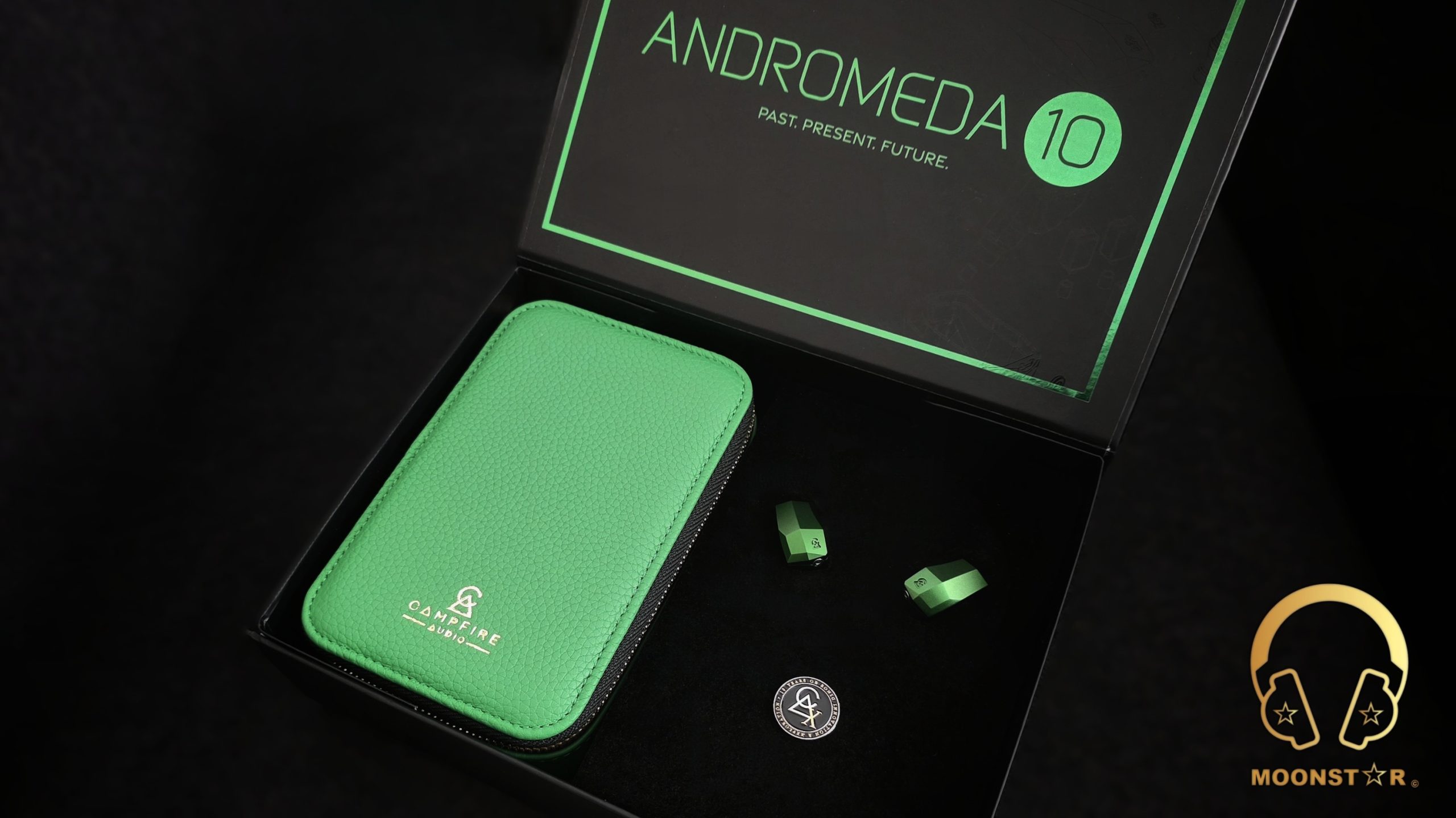
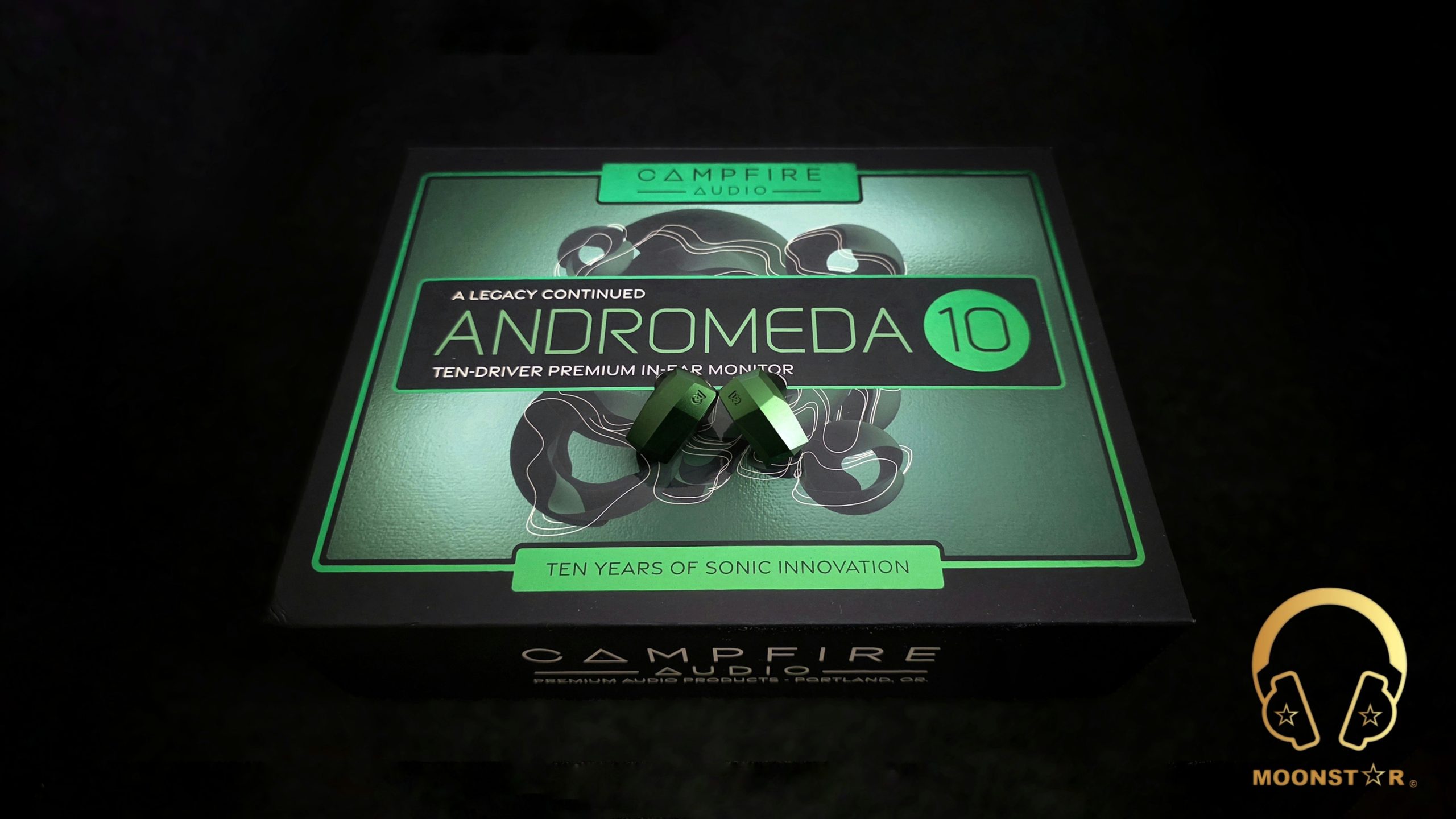
The unboxing experience of the Andromeda 10 is a masterclass in boutique luxury. It arrives in a large, square-themed box made from premium USA-made paper, featuring the brand’s signature artistic Oregon-inspired aesthetic.
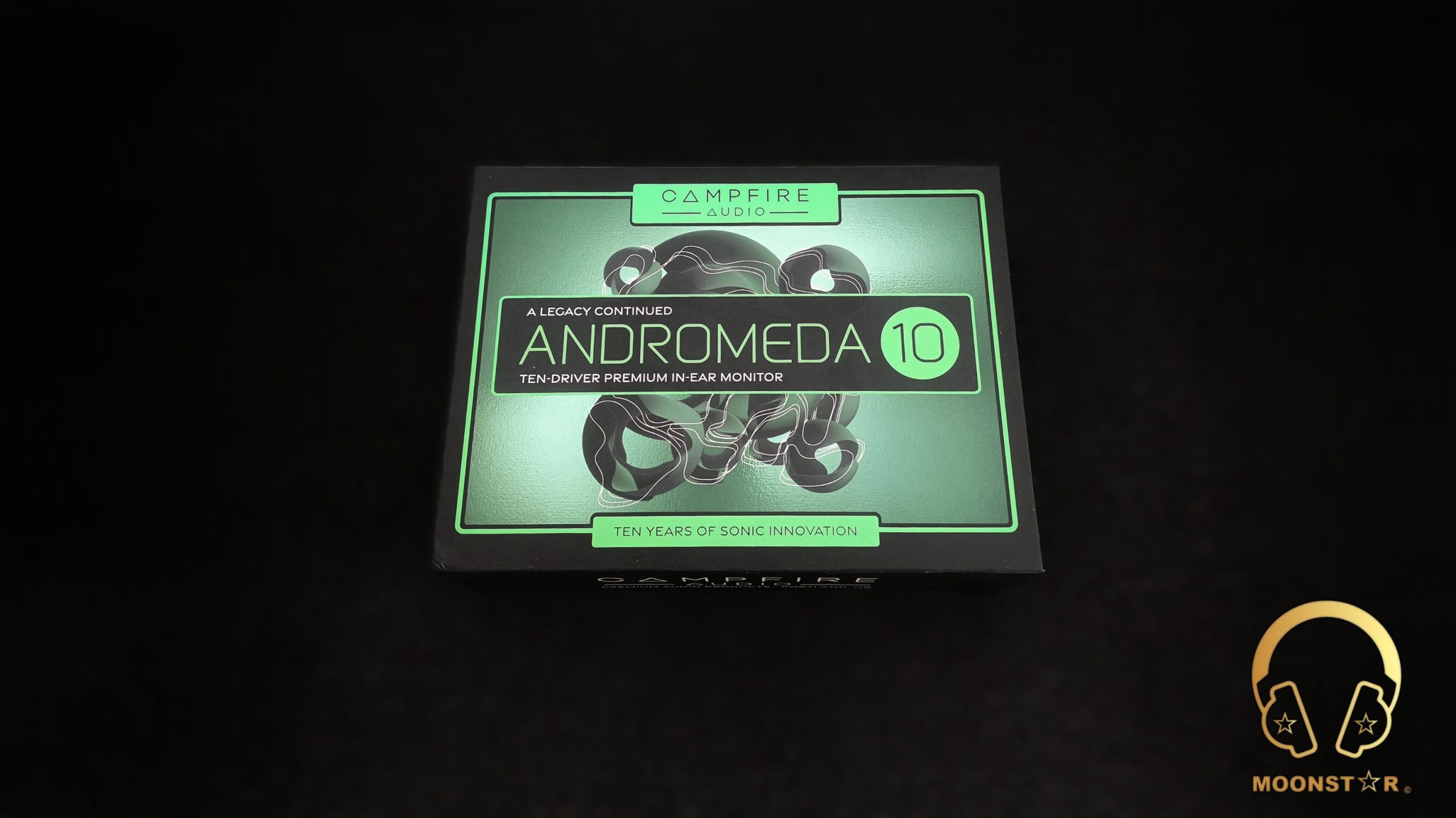
Inside the box, you will find:
- Andromeda 10 Ten-driver in-ear monitor
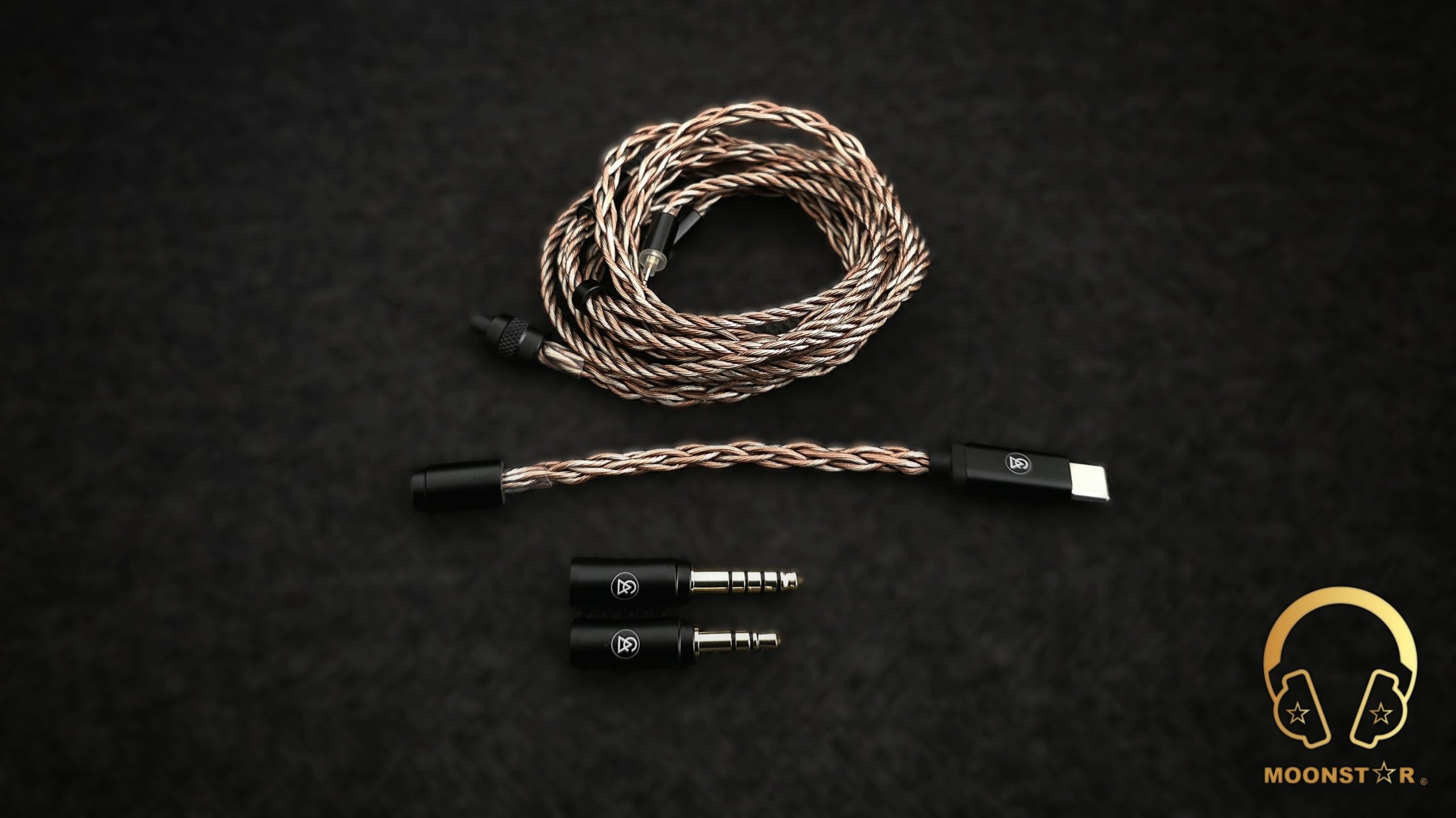
- Time Link Cable- Silver-plated and pure copper modular cable with 3.5mm, 4.4mm, and USB-C DAC
- USB-C DAC – Cirrus logic master hifi DAC chip
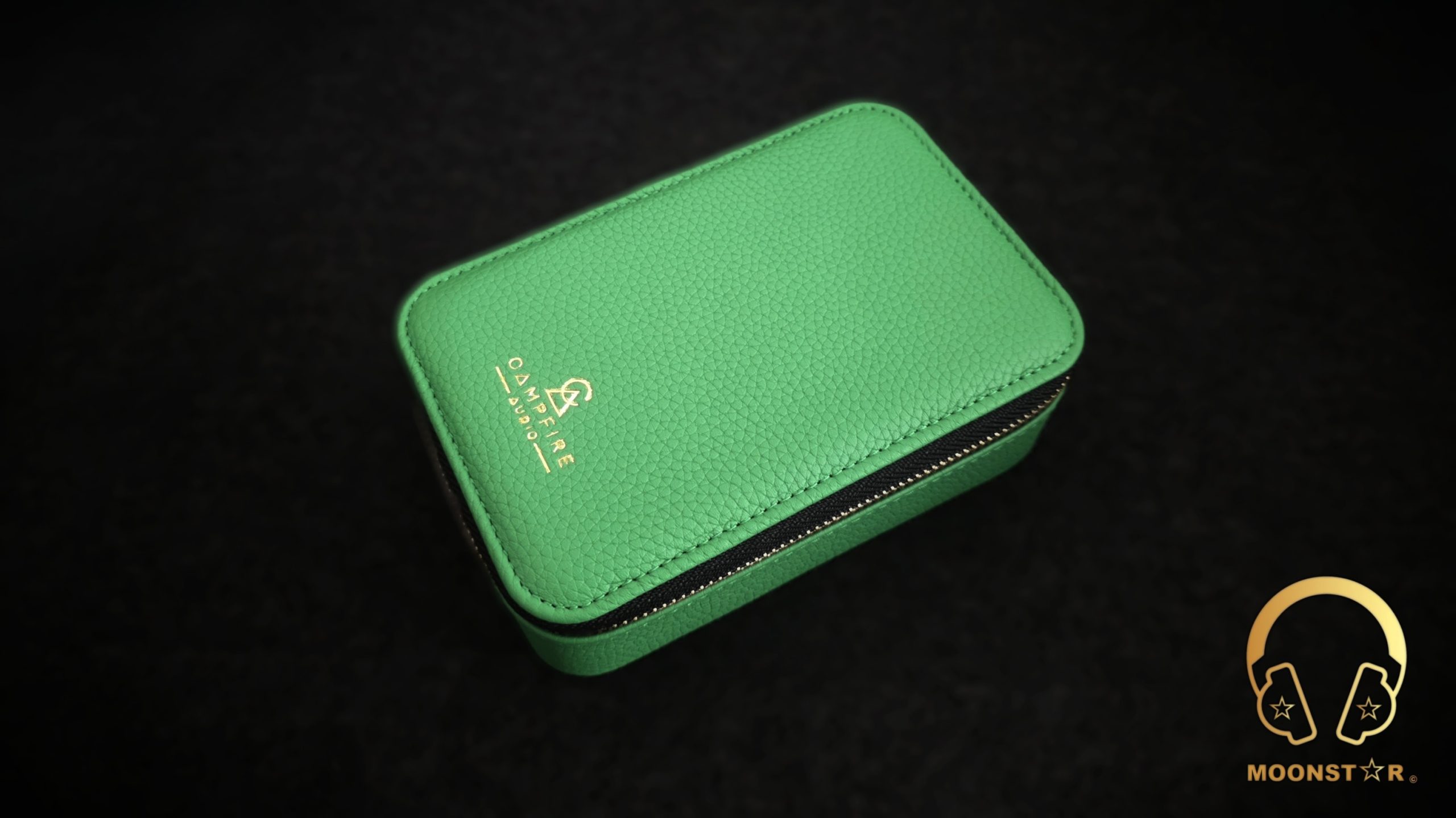
- New Large Leather Zipper Carrying Case (green)
- Foam Eartips (S, M, L)
- Silicone Eartips (S, M, L)
- New High & Clear traction silicone eartips (S, M, L)
- IEM Cleaning Tool
- Microfiber cleaning cloth
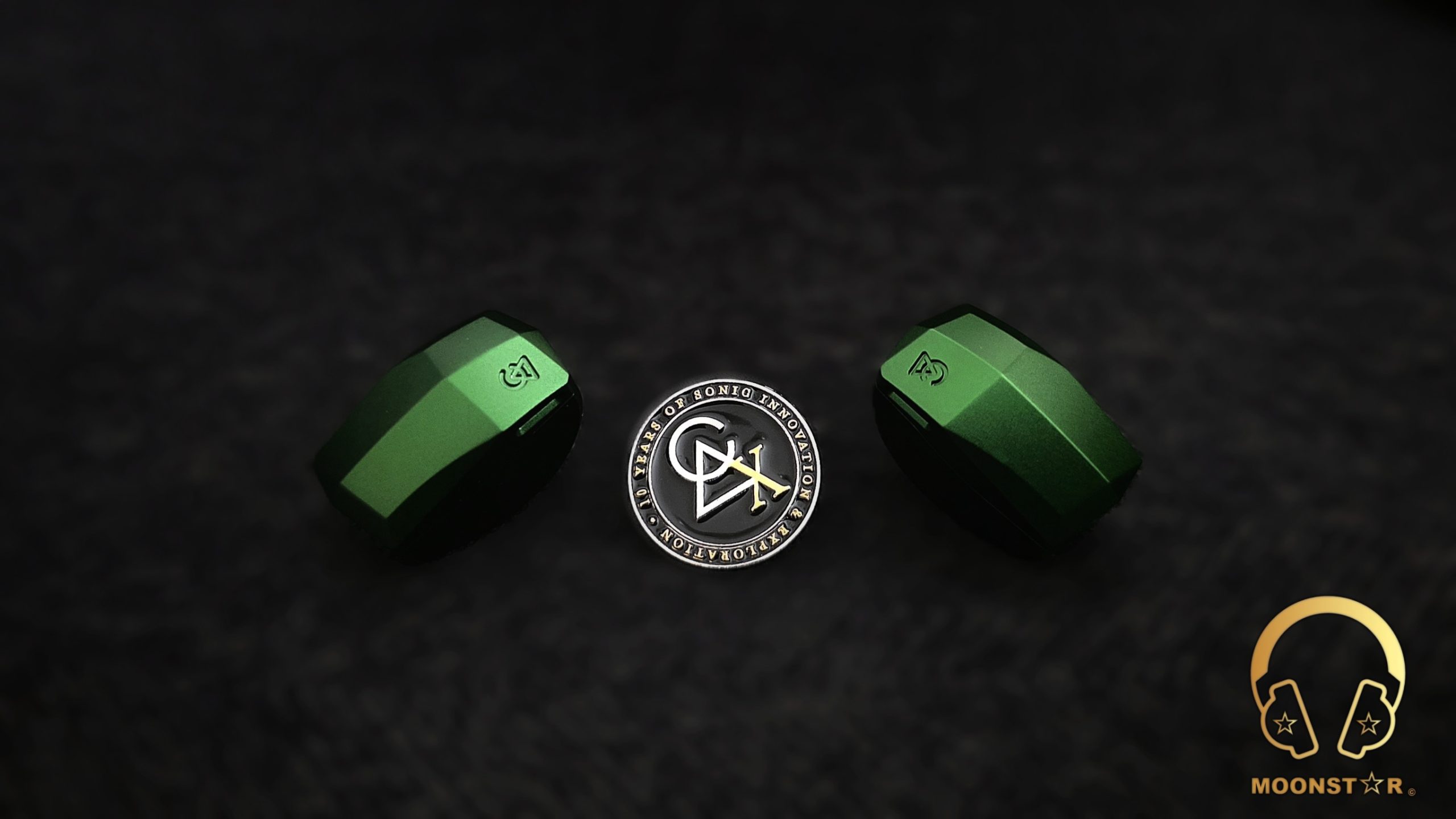
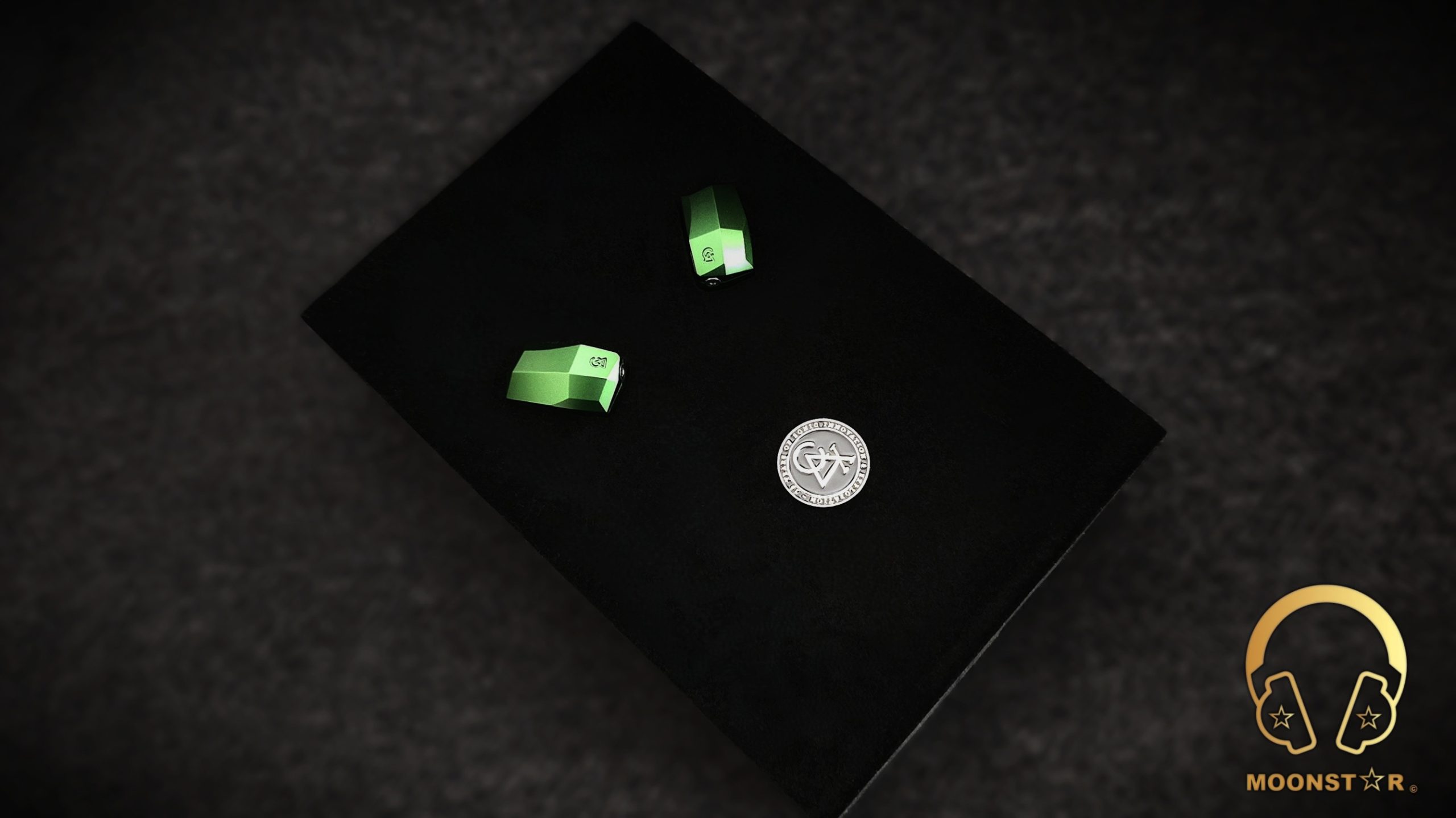
- Ten-year CA commemorative pin
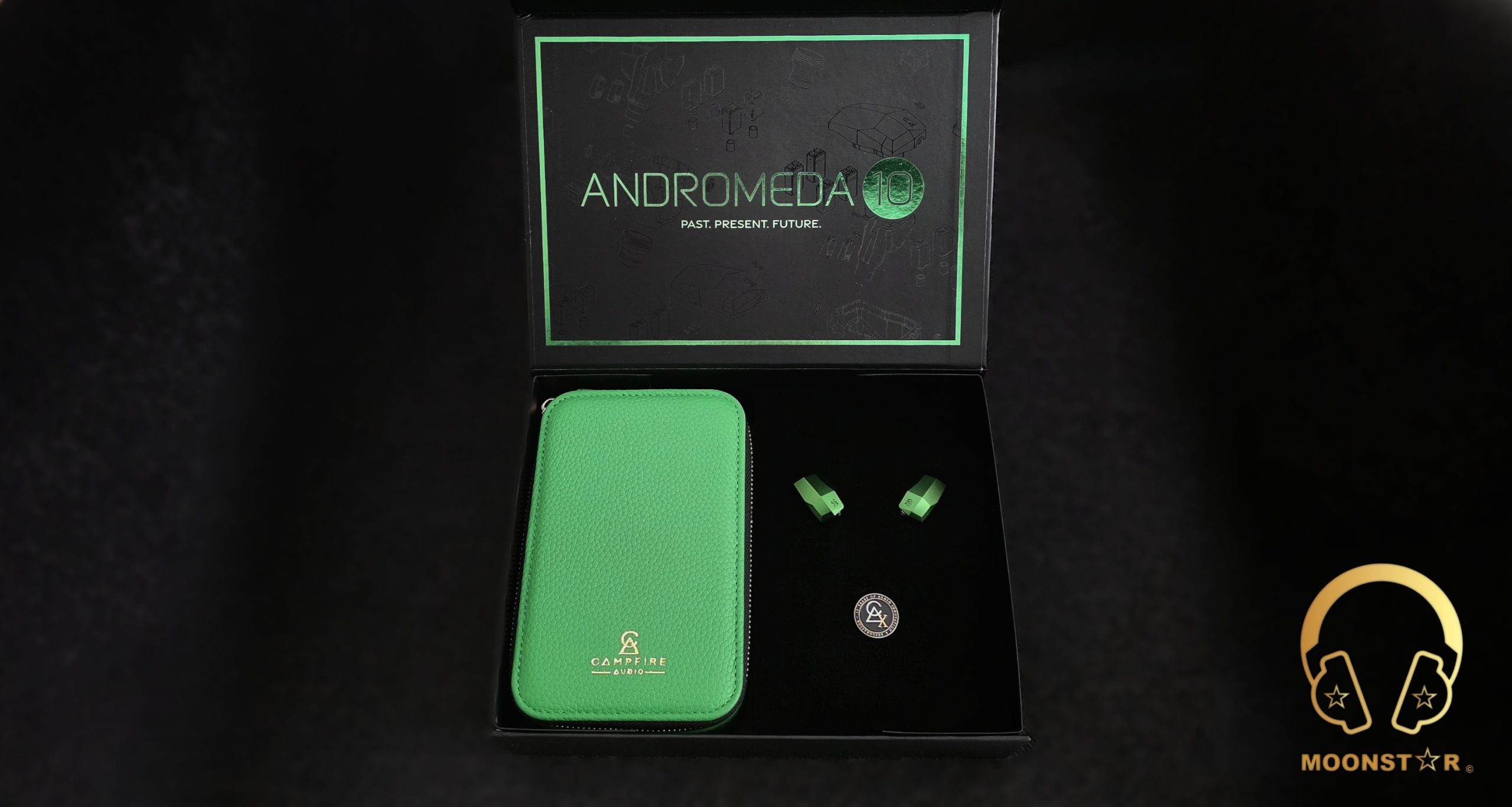
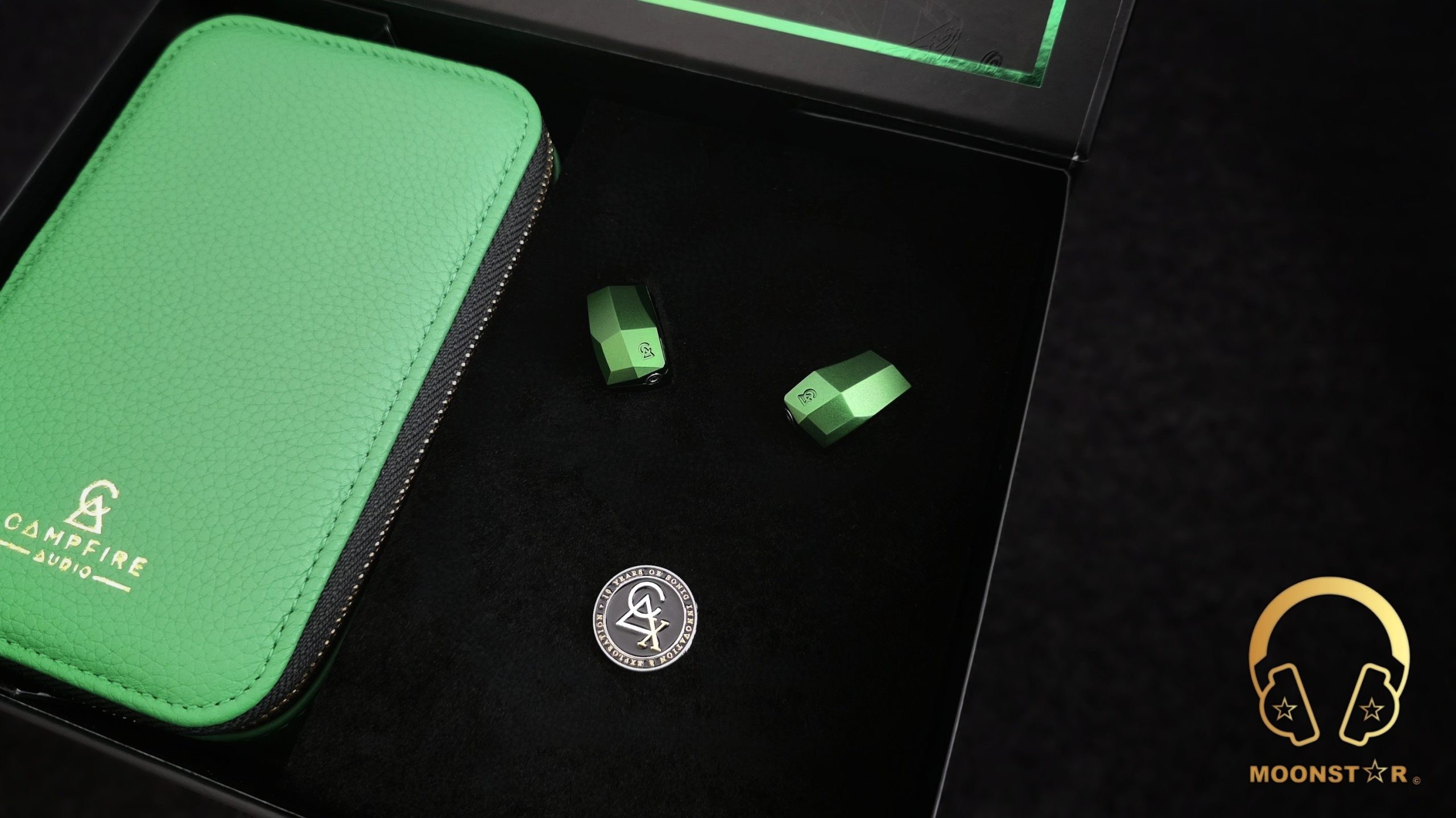
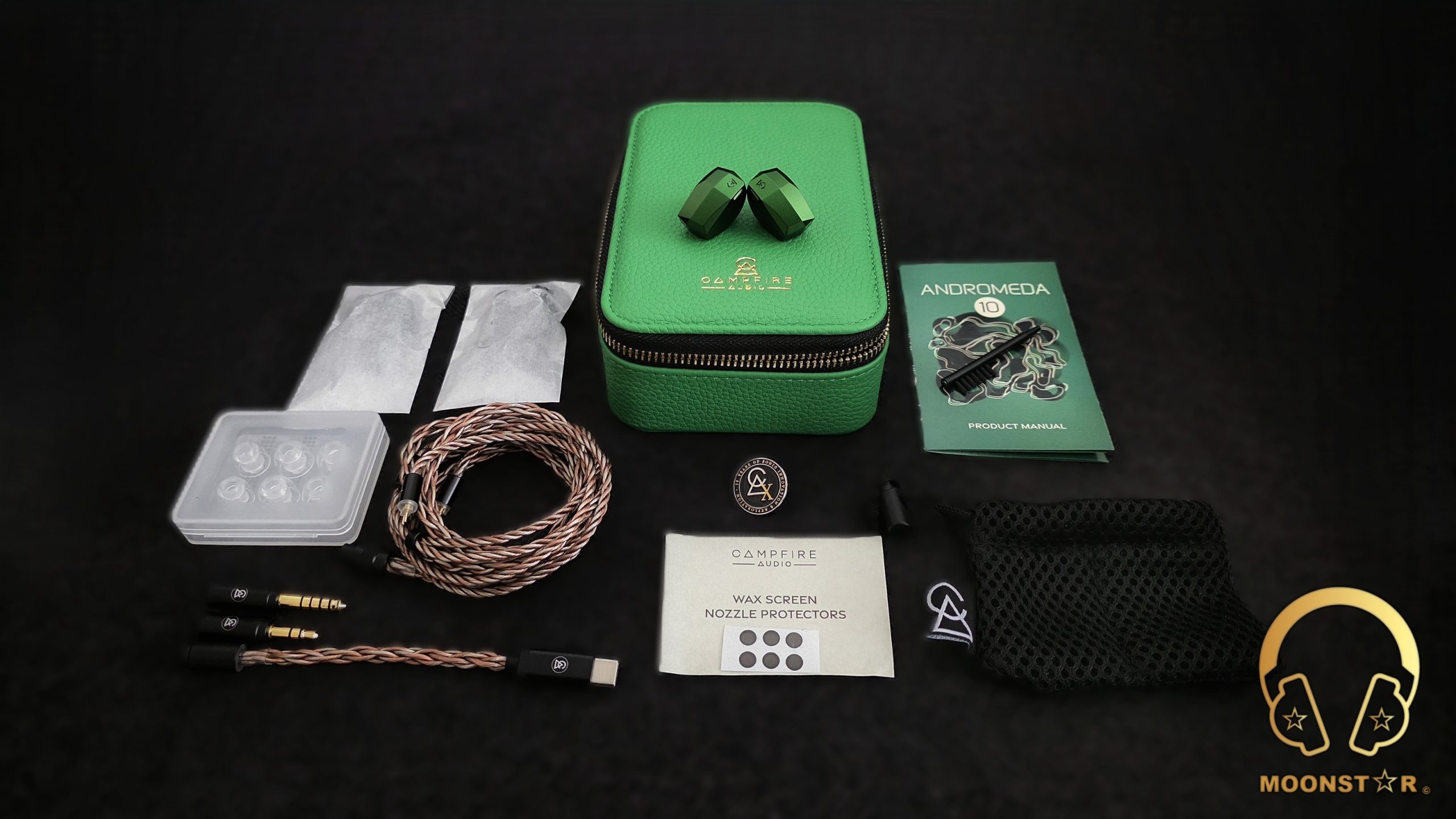
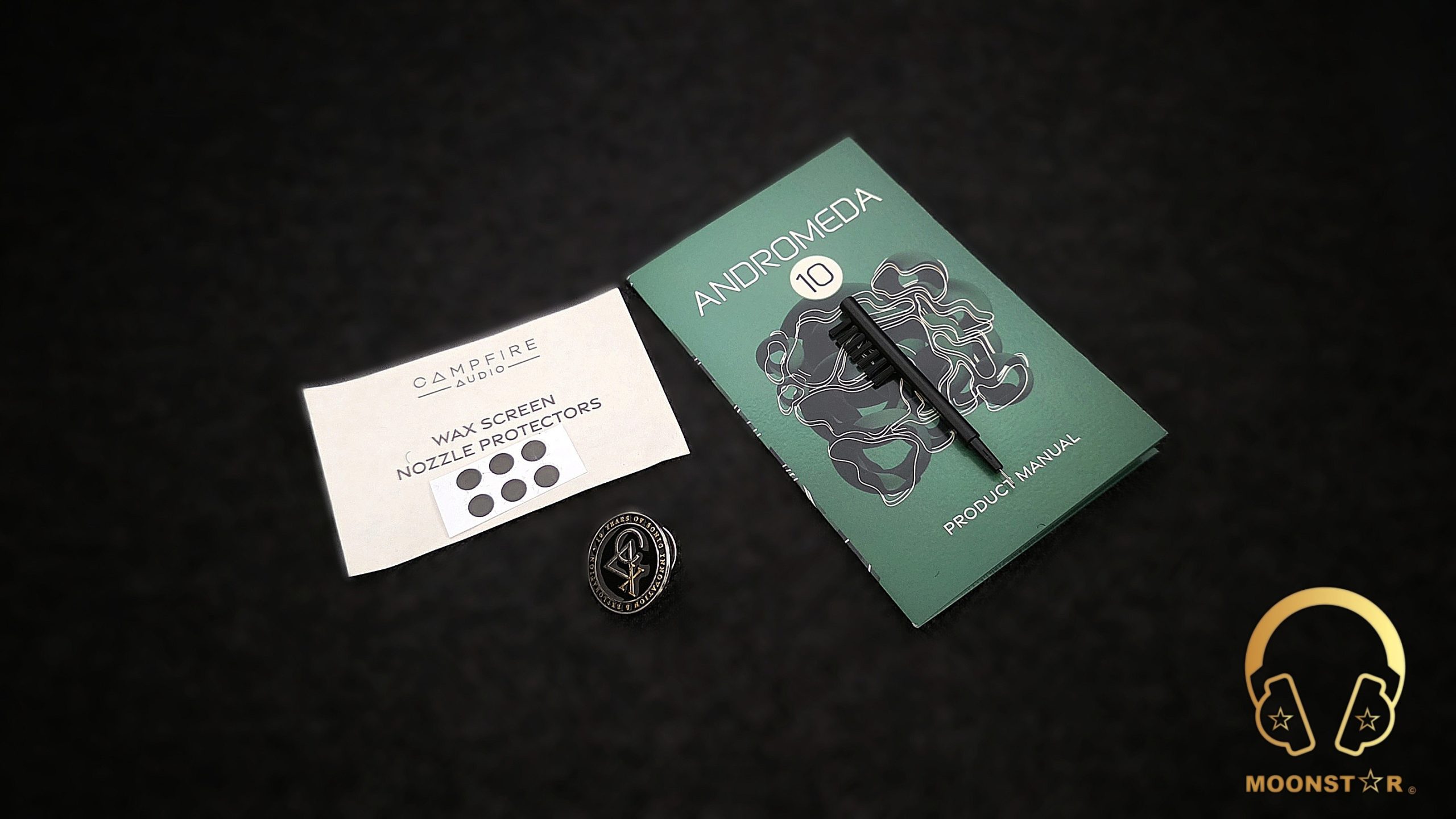
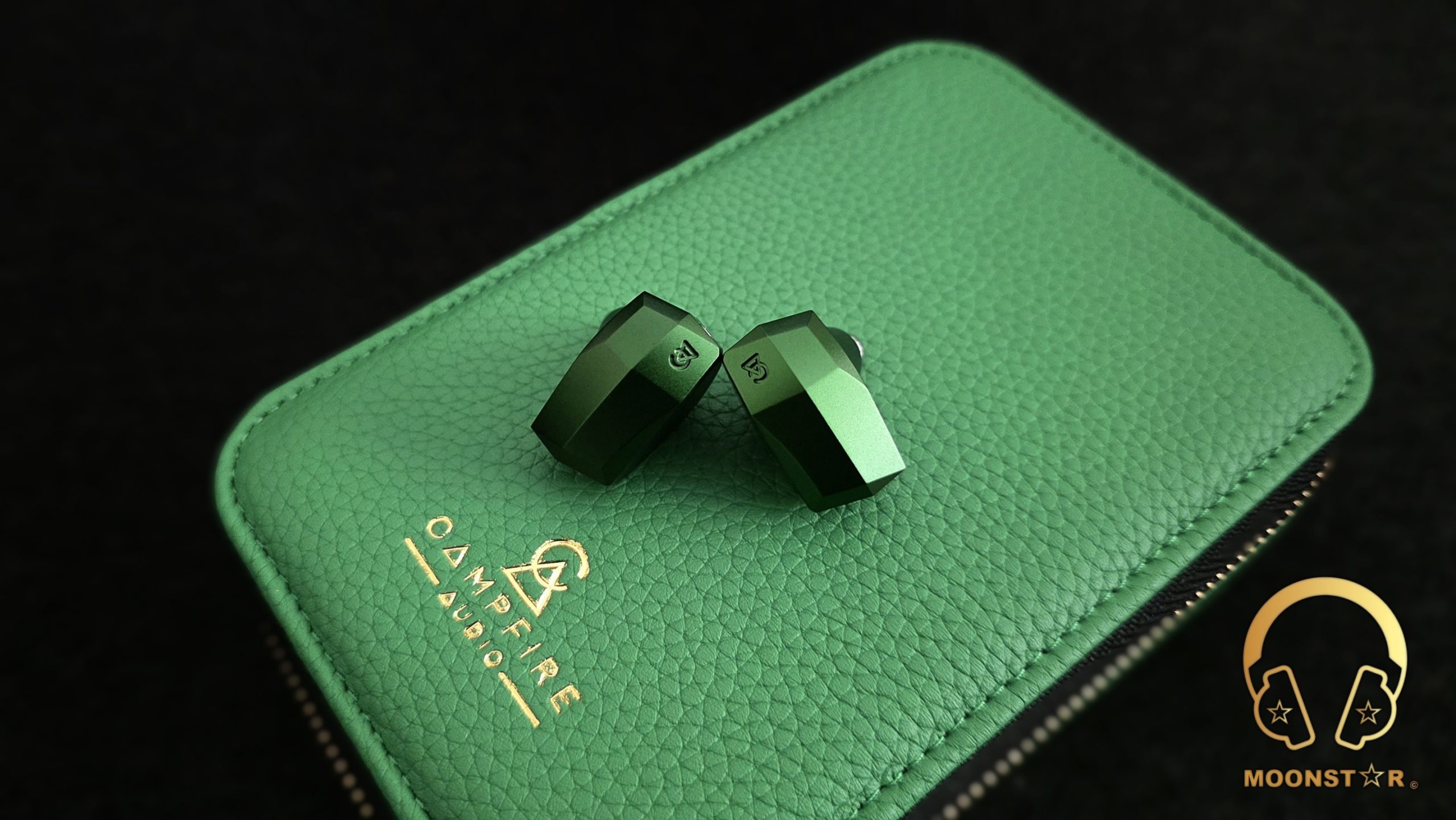
The Andromeda 10 comes packaged with a premium seafoam green leather zipper case, handmade in Portugal. This case is lined with faux wool to protect the zirconium blasted finish of the earphones.
The new TimeLink Modular Cable is a highlight, featuring a high strand count of silver plated copper. The modular system allows users to swap between 3.5mm, 4.4mm balanced, and USB C terminations with a simple friction based pull mechanism.
Features, Design and Build Quality:
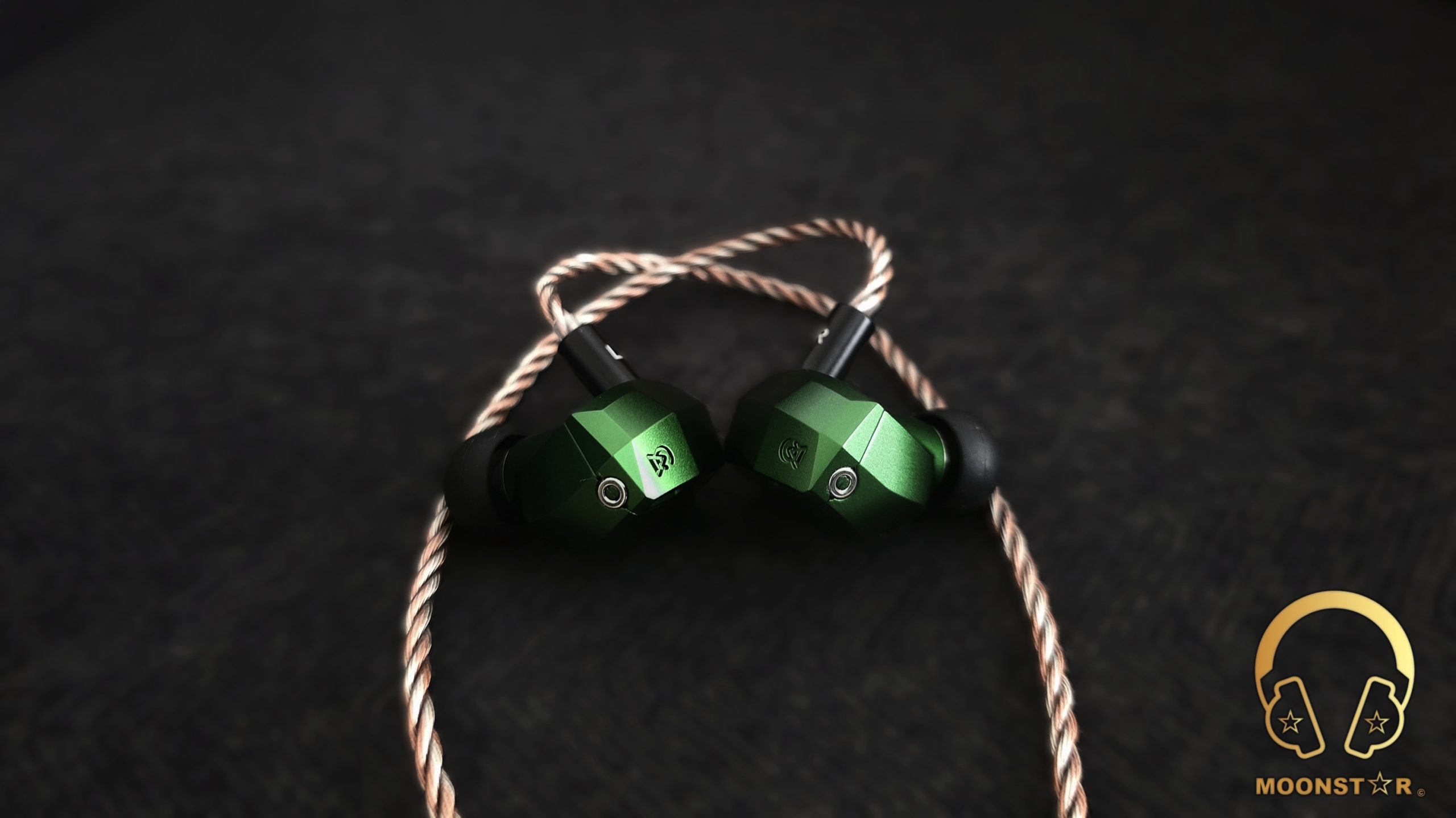
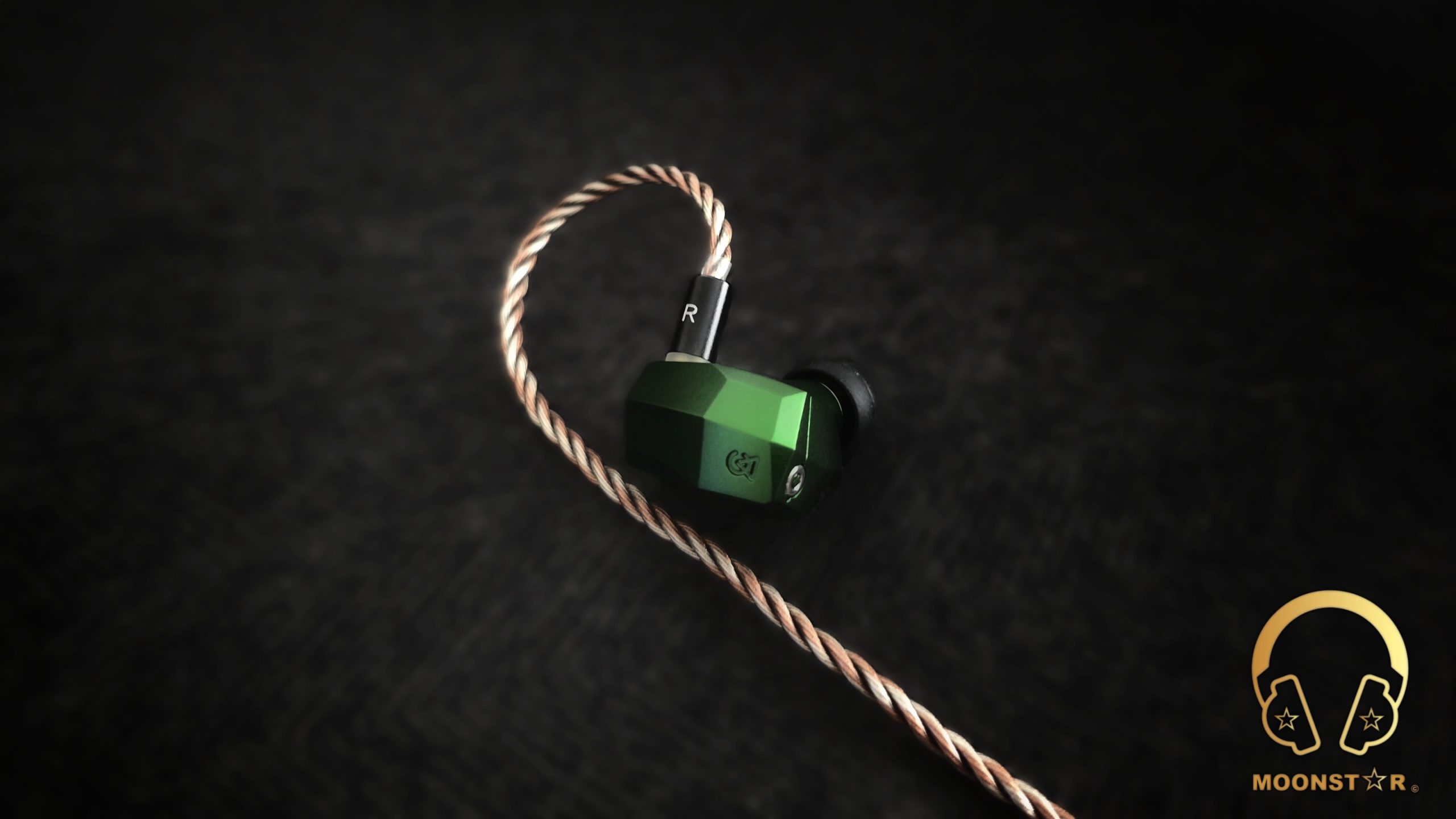
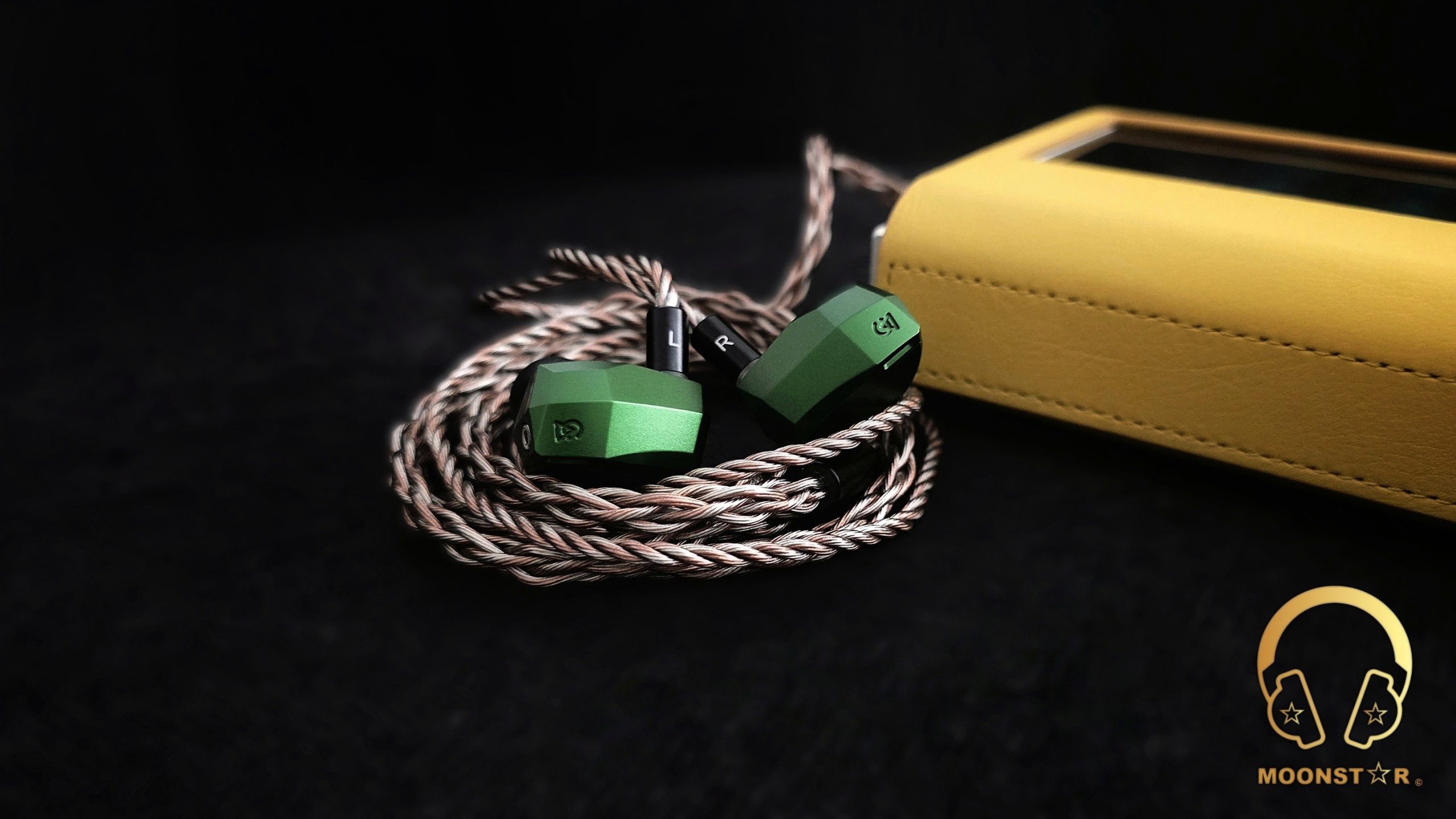
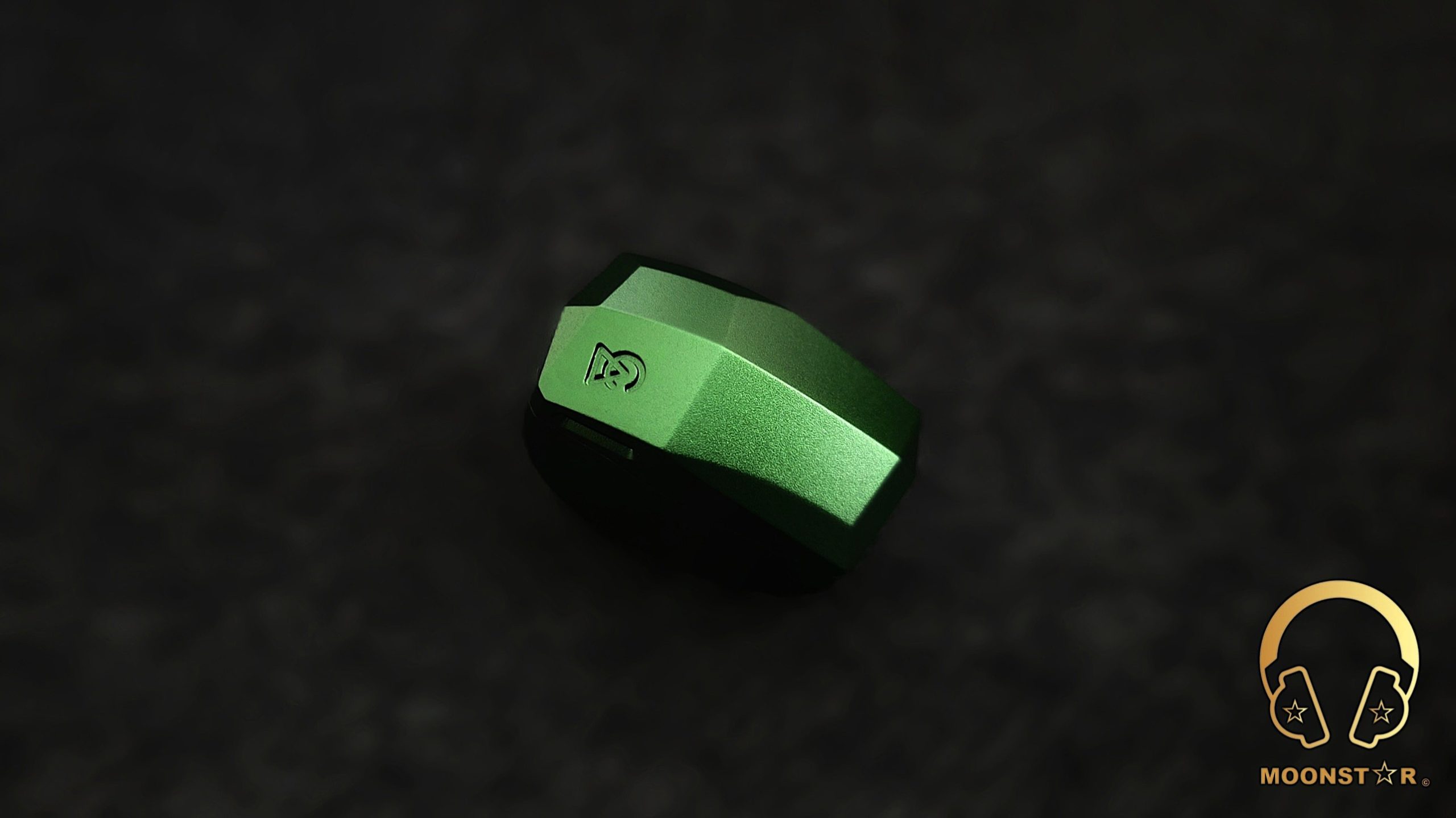
The design of the Andromeda 10 serves as a visual tribute to its predecessors, retaining the iconic angular CNC machined aluminum housing. For this anniversary edition, Campfire Audio has utilized an anodized aluminum finish in classic Andromeda green, directly referencing the deep and rich aesthetic of the original 2016 release. While the exterior remains familiar, the internal engineering has been completely overhauled to accommodate the new 10 driver array. This ensures that the legacy of the emerald shell continues while supporting a much more complex acoustic architecture.
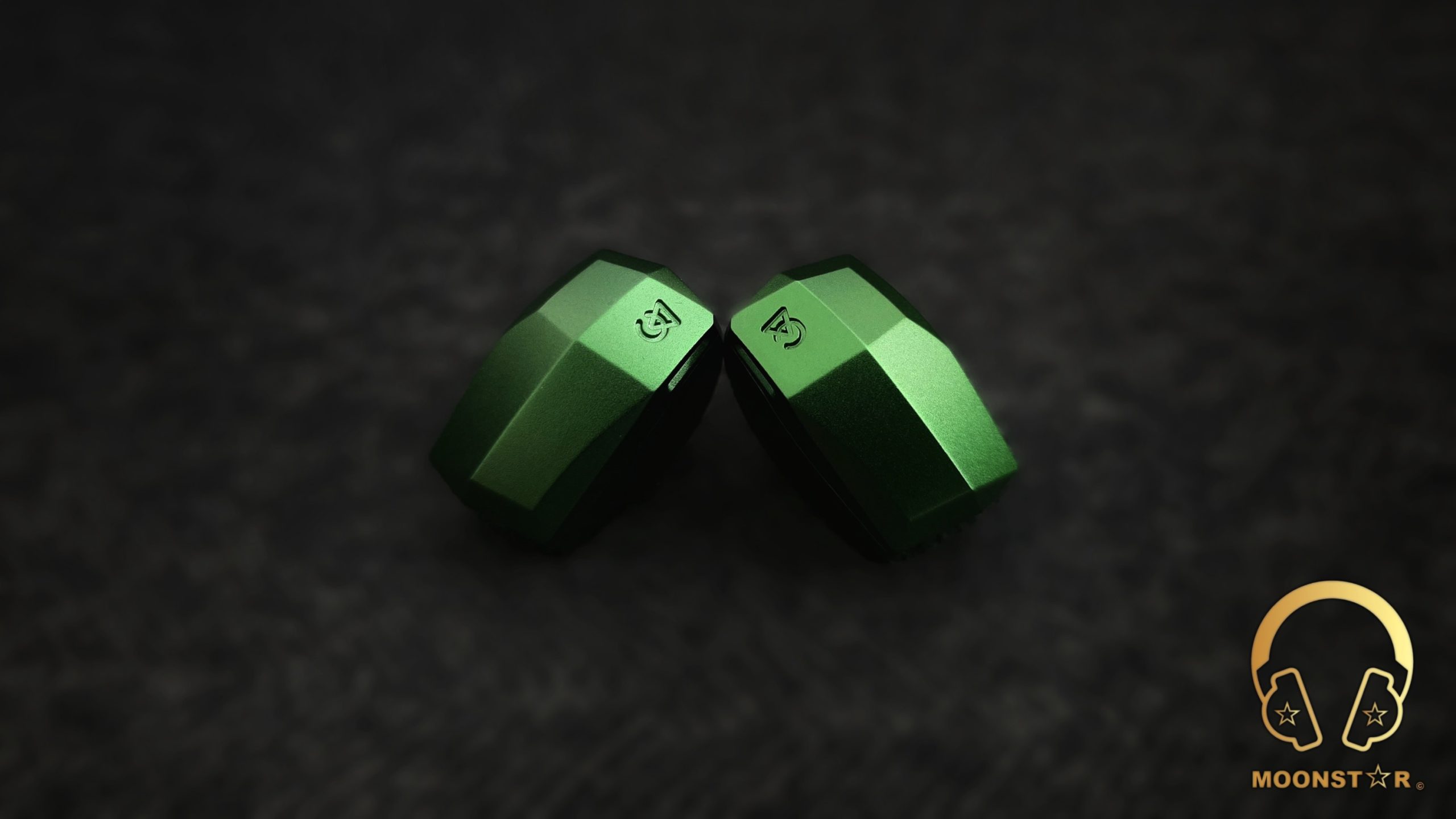
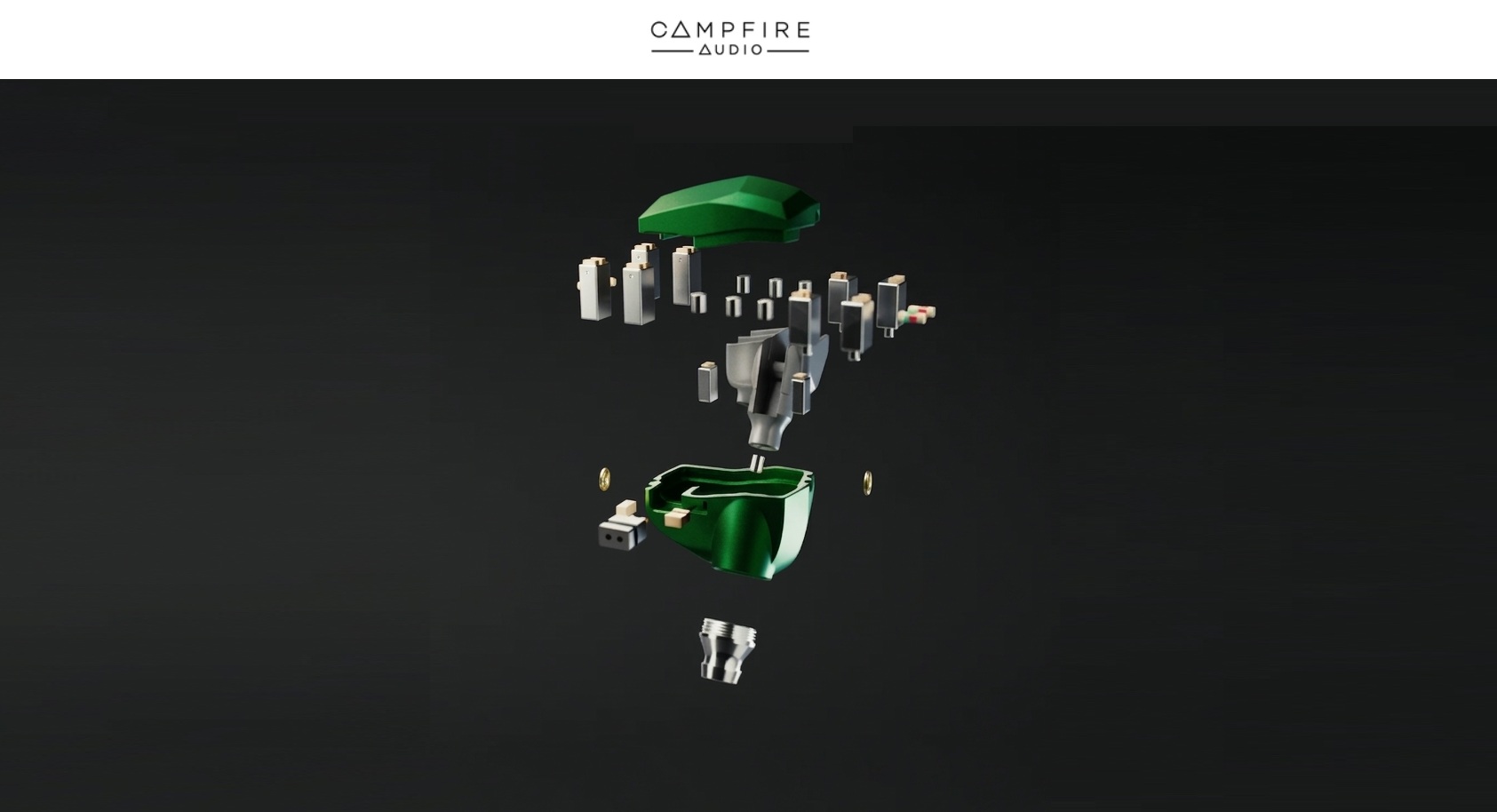
The shell remains remarkably compact, which is a significant achievement considering the doubled driver count. This miniaturization is made possible through an advanced Solid Body internal engine. By replacing the traditional maze of plastic tubes and dampers with a single, high precision 3D printed chamber, the brand aims to eliminate the phase issues often associated with multi driver designs. This internal block ensures that every driver is aligned and that airflow is optimized, though the high density of the assembly suggests that any internal maintenance would likely require specialized factory support.
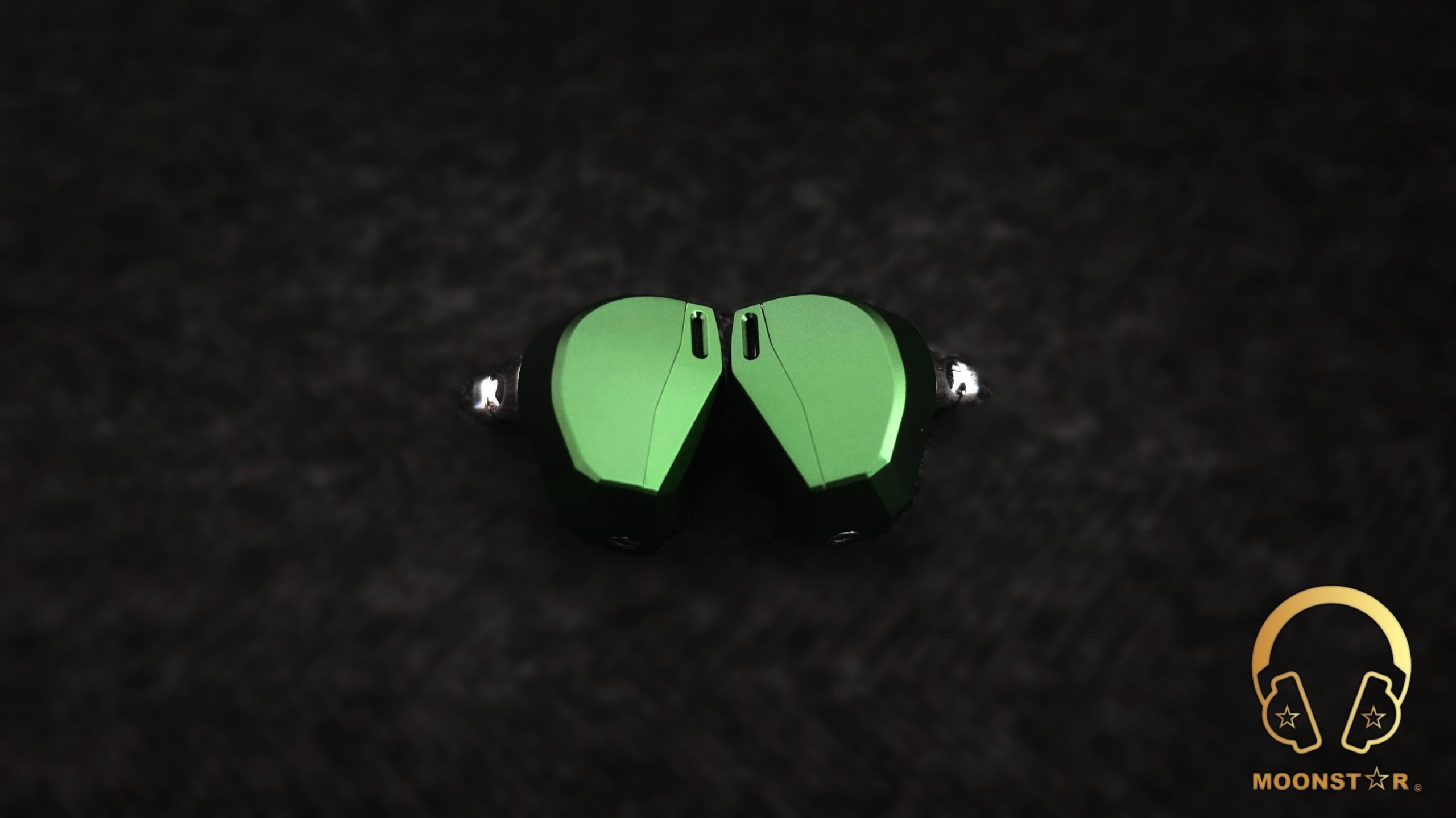
Externally, the most significant change is the transition to recessed 0.78mm 2 pin connectors. This move away from the long standing MMCX tradition responds directly to the preferences of the audiophile community, where 2 pin systems are generally perceived as offering better long term durability and a broader range of aftermarket cable compatibility. While some users might miss the 360 degree rotation of the MMCX snap, the stability of the 2 pin connection provides a more secure feel during daily use.
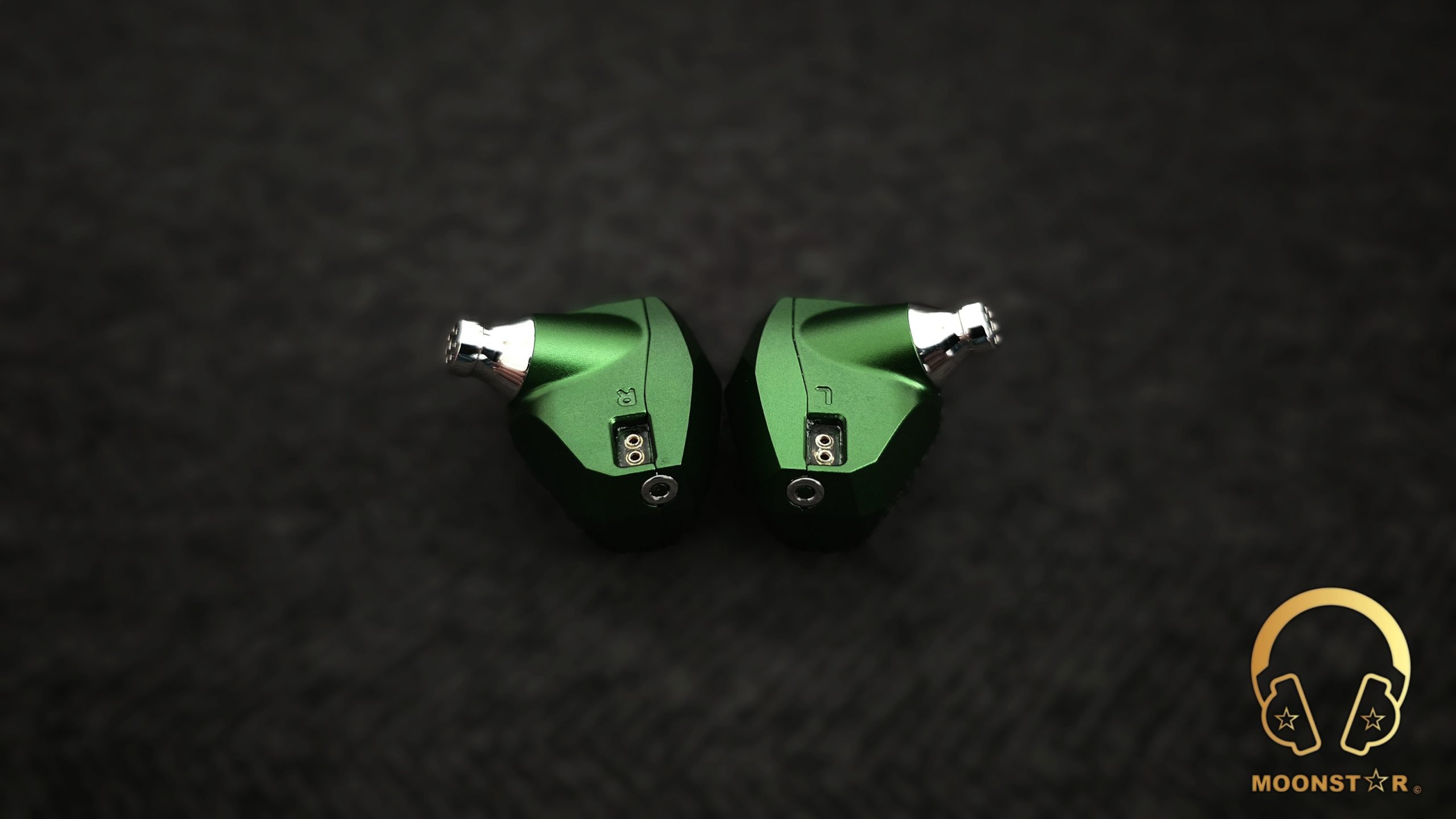
The facets of the shell are sharp and purposeful, giving the Andromeda 10 a quality that reflects light with a jewelry like brilliance. However, these sharp edges, while aesthetically striking, can occasionally create pressure points for users with particularly small ear anatomy over very long listening sessions.
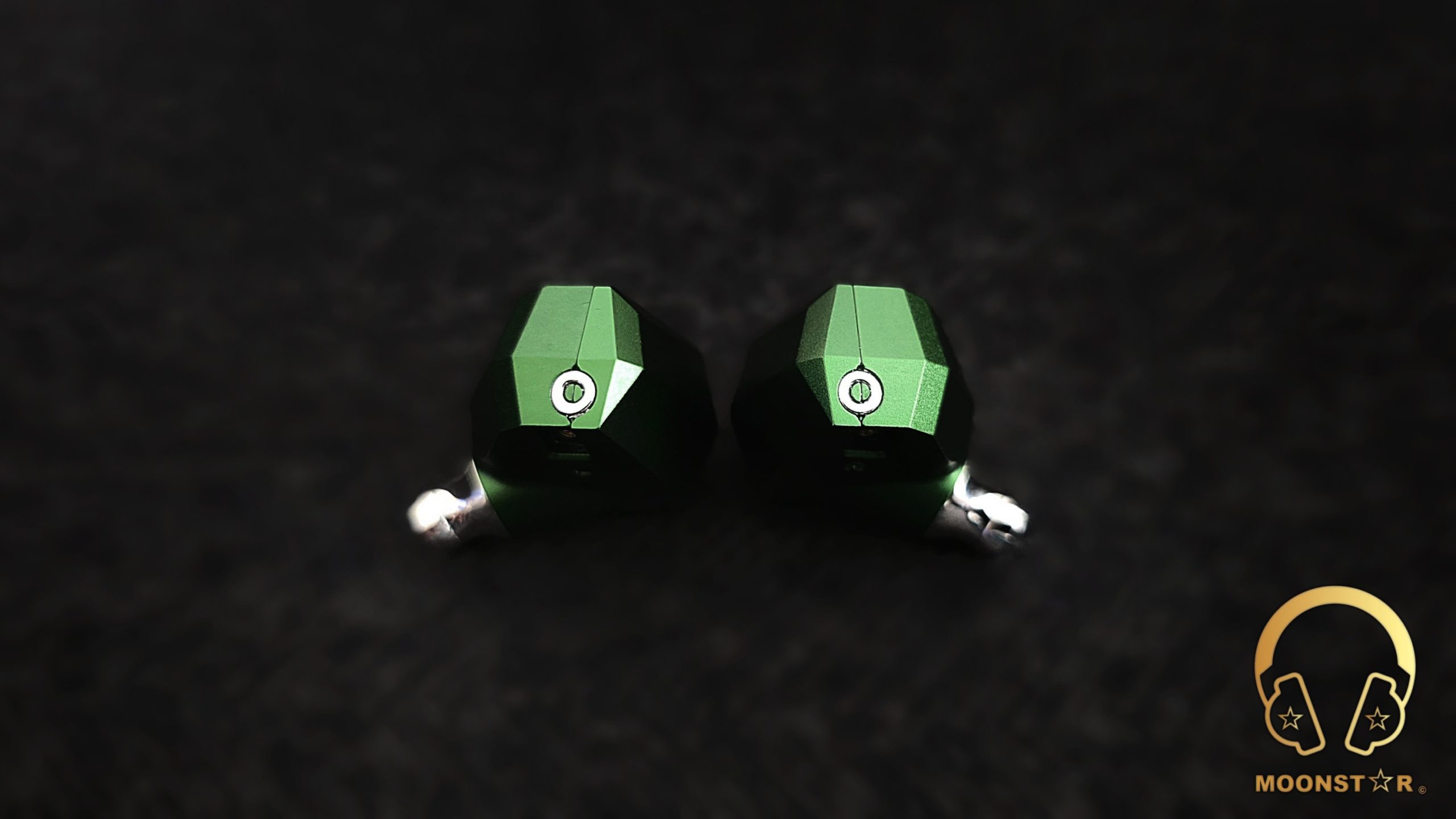
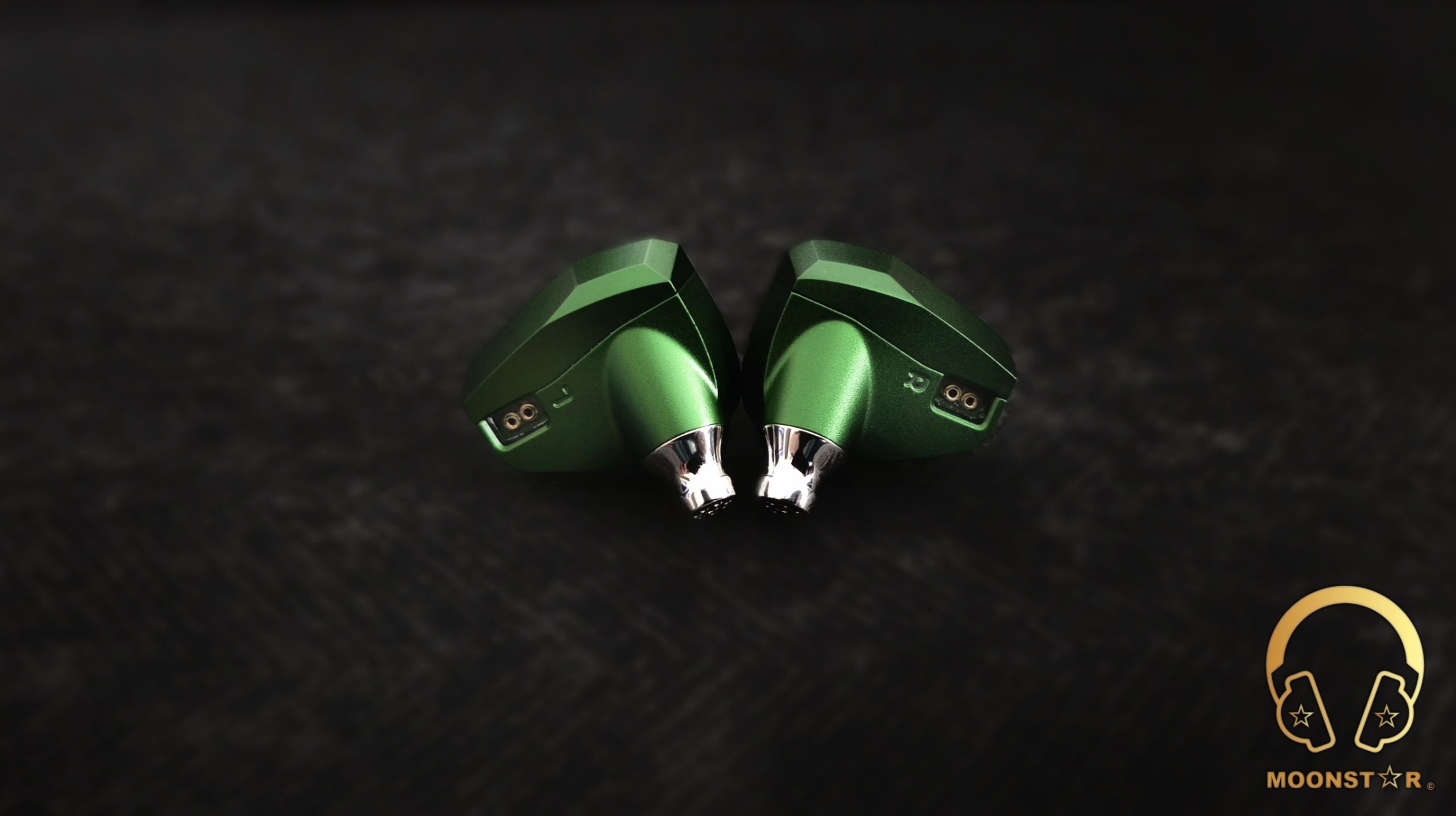
The nozzle is constructed from polished stainless steel and features a newly designed signature grill with a multi port pattern. This pattern is intended to protect the internal components without obstructing sound waves, ensuring that the acoustic path remains clear.
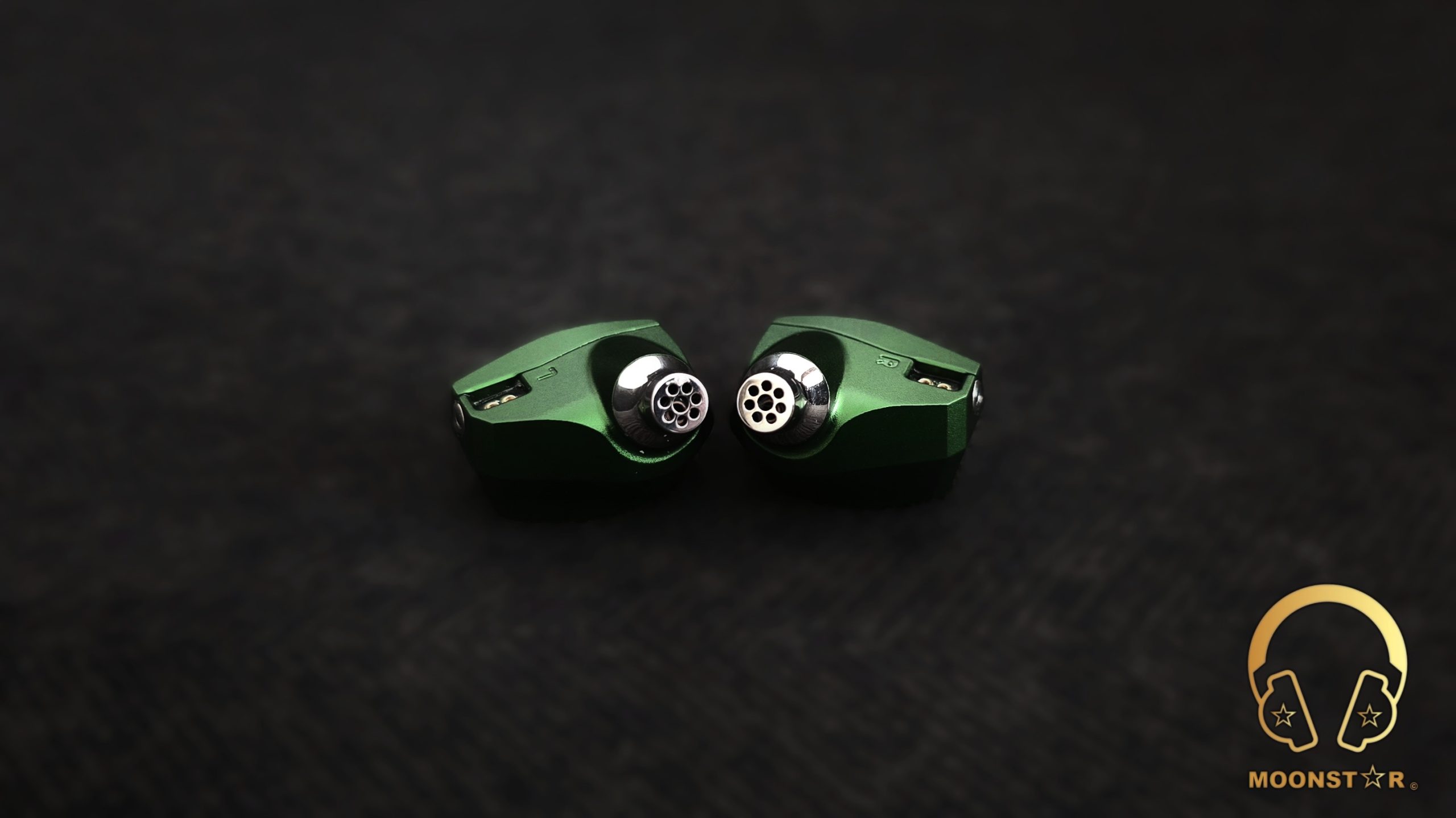
Every screw and seam is perfectly aligned, highlighting a level of craftsmanship that aligns with the prestigious pedigree of the series. The build quality feels exceptionally robust, suggesting that the Andromeda 10 is designed to withstand years of regular use while maintaining its premium finish.
Internal Architecture:
The Andromeda 10 represents a significant shift in Campfire Audio’s engineering approach, moving from the traditional five-driver arrangement to a 10-balanced armature array. This design choice aims to enhance resolution and soundstage width while attempting to retain the specific note weight and slight warmth associated with the original model’s tuning.
The low-frequency foundation is handled by four dedicated drivers. These are tuned for sub-bass extension, prioritizing a textured and controlled response. The low end provides a steady presence without masking the rest of the frequency spectrum, utilizing a relatively fast decay to maintain clarity during complex musical passages.
For the midrange, the brand introduces the New NEMC (New Electronic Mid-driver Circuitry) assembly. This system governs four mid-drivers, with the goal of isolating the armatures to minimize mechanical resonances and electrical noise. This technical implementation results in a more transparent midrange, focusing on vocal clarity and instrument separation.
The high frequencies are managed by two armatures paired with the signature TAEC (Tuned Acoustic Expansion Chamber) technology. By utilizing a tubeless chamber for high-frequency expansion, the system is designed to increase the sense of air and spatial depth. Without the use of traditional acoustic dampening, the TAEC system allows for precise instrument positioning within the soundstage.
The Time Link Cable System:
The Andromeda 10 comes equipped with the Time Link Cable System, representing a significant leap in portable HiFi versatility. This premium solution allows users to effortlessly transition between 3.5mm single ended and 4.4mm balanced connections. For digital native setups, the system includes a high performance USB C modular termination featuring an integrated Cirrus Logic DAC. This DAC supports an impressive 32 bit / 384kHz bitrate and DSD 256 playback, delivering a 2 Vrms output level that provides ample power for the sensitive Andromeda drivers while maintaining a clean signal path.
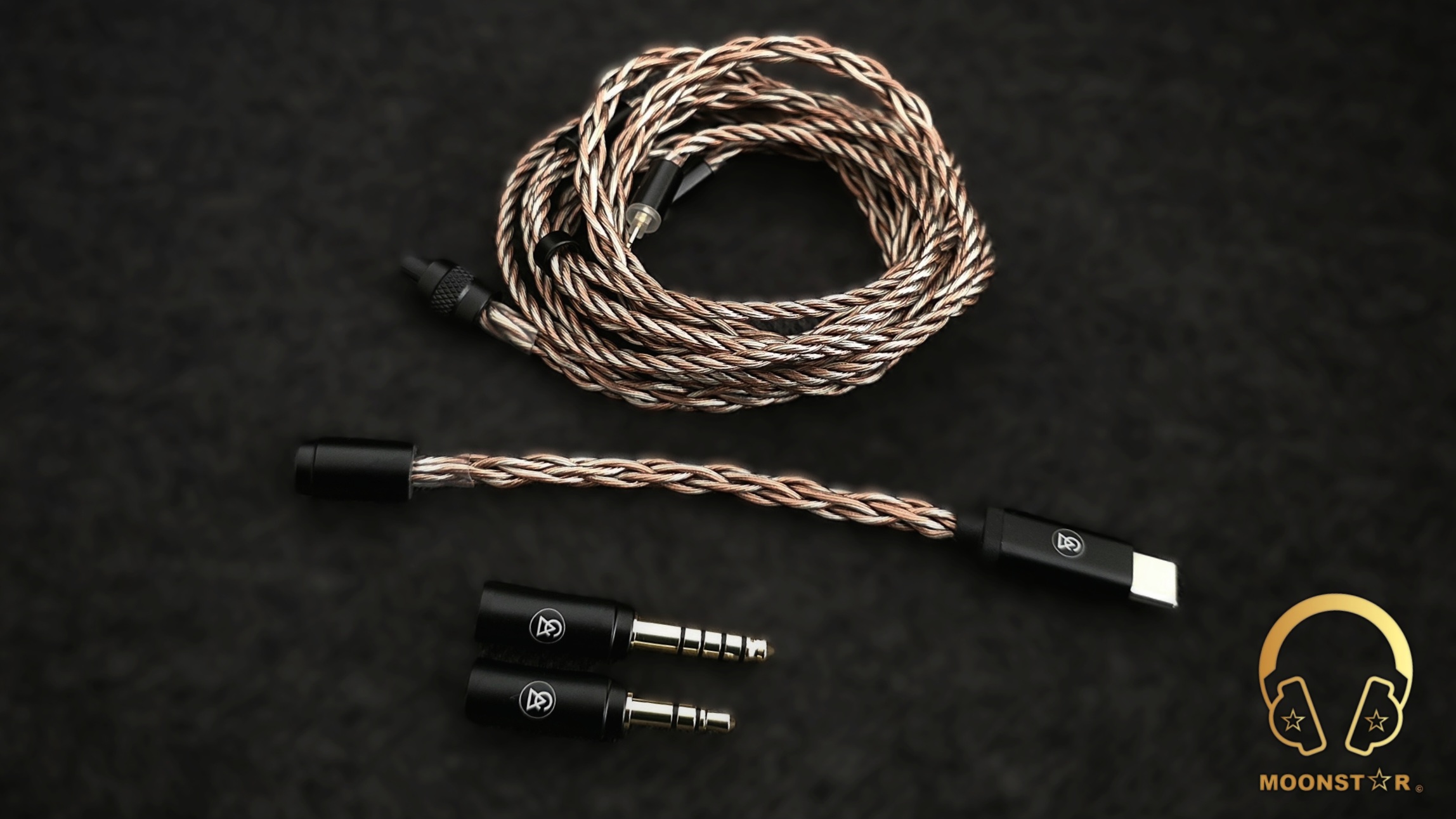
The internal construction of the Time Link cable is equally refined, featuring six high purity conductors. By combining three copper and three silver plated copper strands, the cable achieves a sonic signature that is smooth, detailed, and highly resolving. This hybrid metallurgy ensures that the technical capabilities of the 10 driver array are fully realized across the entire frequency spectrum.
Designed for convenience during mobile use, the cable utilizes custom four pin termination connectors for secure swapping of plugs. The hardware is finished with durable metal housings for the terminations and the Y split, while a soft and flexible jacket ensures excellent ergonomics. This modular approach provides a streamlined experience for those who switch between dedicated digital audio players and modern smartphones, making the Andromeda 10 a truly versatile companion for on the go listening.
Fit, Comfort and Isolation:
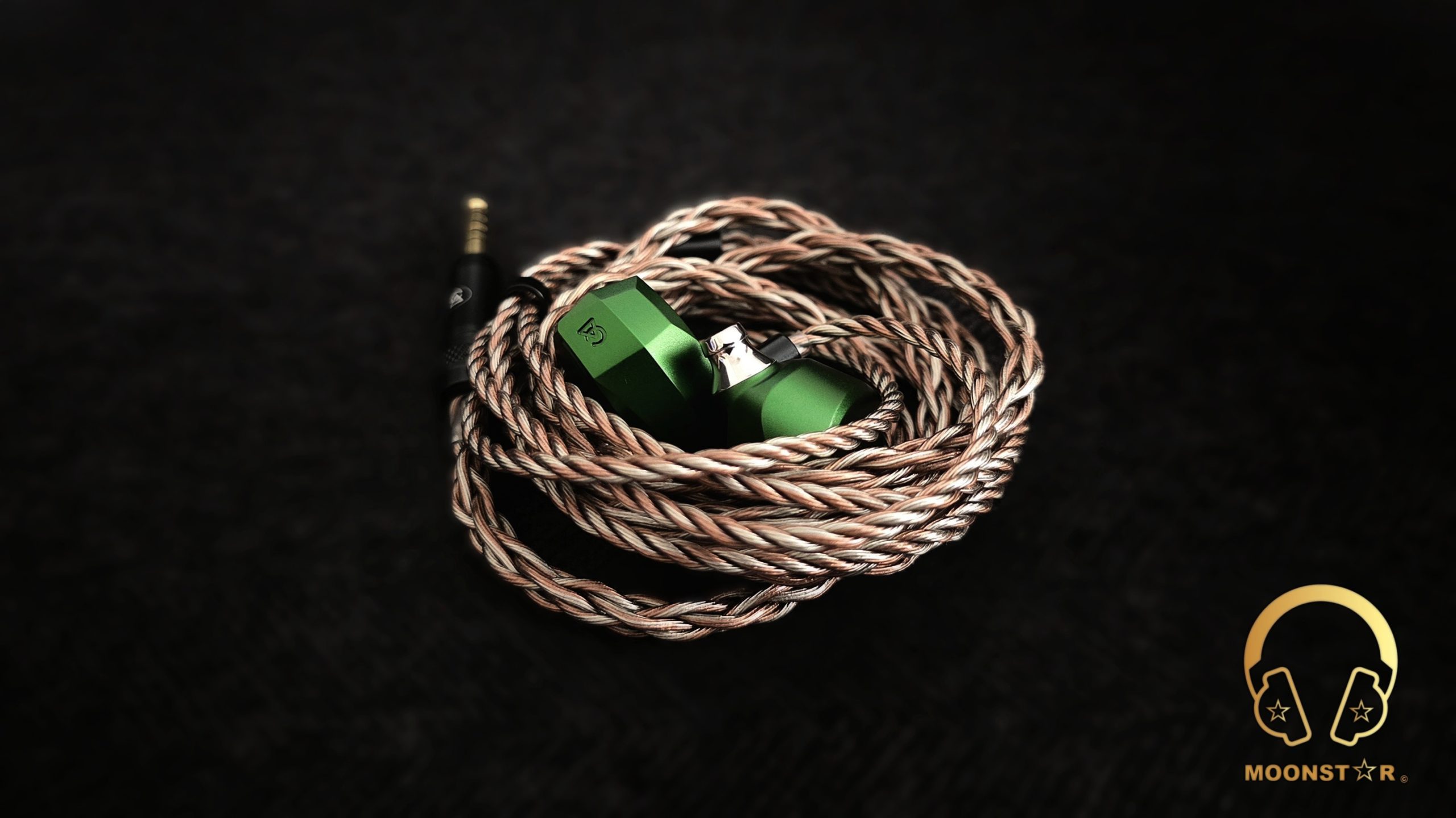
Despite the substantial increase in internal components, the Andromeda 10 is exceptionally comfortable. The ergonomic curves on the inner side of the shell sit naturally against the ear concha. It is light enough to disappear during long listening sessions, and the TimeLink cable is soft enough to avoid any microphonic noise or physical irritation. Passive isolation is excellent, blocking out a significant portion of ambient noise due to the dense, solid-body construction that acts as a natural sound barrier.
Technical Specifications:
- Model : Andromeda 10
- Drivers : 10x Balanced Armature (4x Low, 4x Mid, 2x High)
- Impedance : 8.5Ω @ 1kHz
- Sensitivity : 94dB @ 1kHz: 12.10 mVrms
- Frequency Response : 5Hz – 20kHz
- THD : less than 1%
- Headphone Plug : 3.5mm Single Ended, 4.4mm Balanced
Drivability & Pairing:
The Andromeda 10 continues the tradition of being an exceptionally sensitive monitor, featuring a low impedance of 8.5 Ohms. While this makes the IEM incredibly easy to drive with almost any device, it also means the unit remains true to the Andromeda reputation of being sensitive to “hiss” or background floor noise on less refined sources. Achieving the best results requires a source with a near zero output impedance to prevent unwanted shifts in the frequency response or audible electrical hum during quiet musical passages.
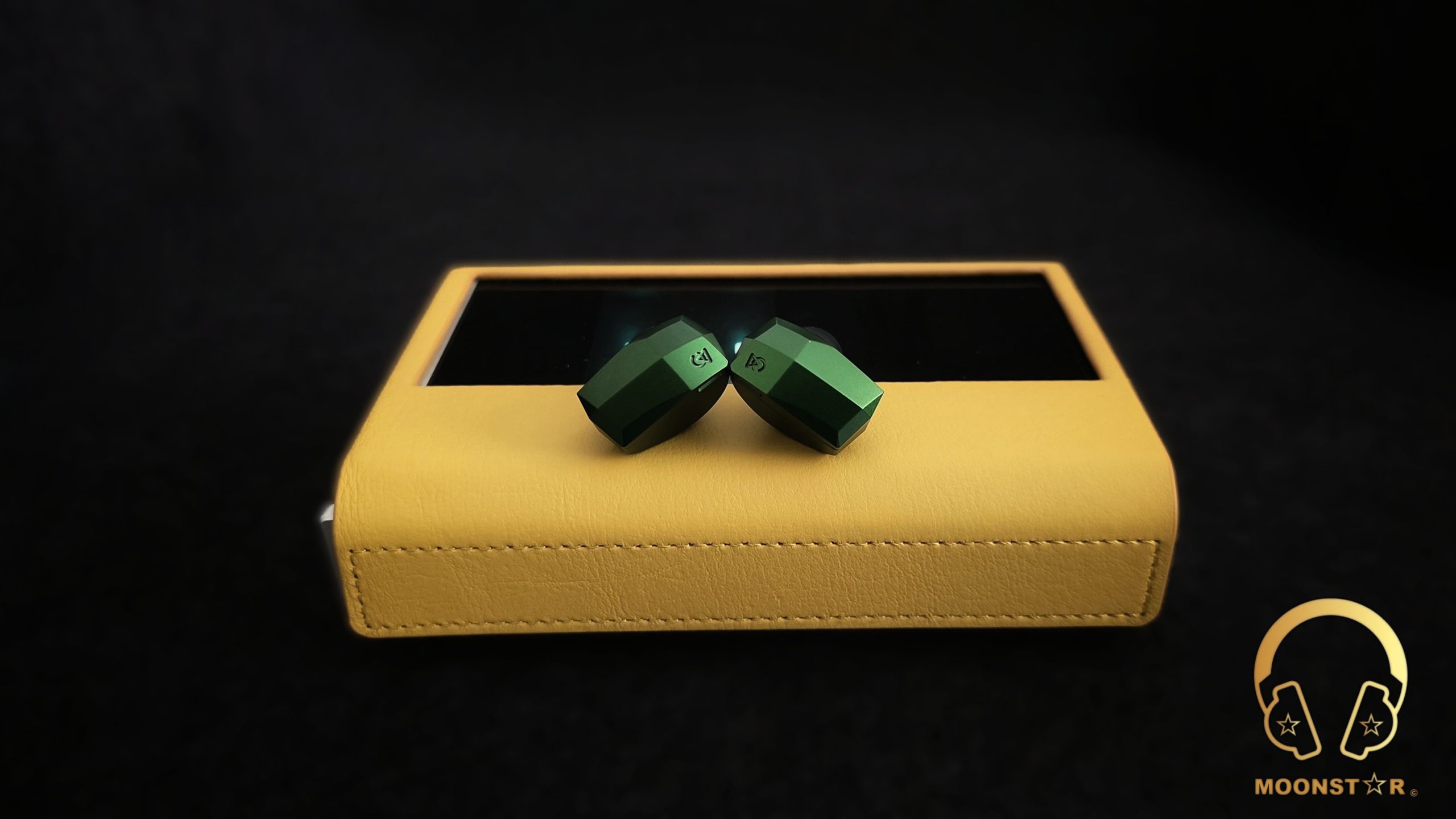
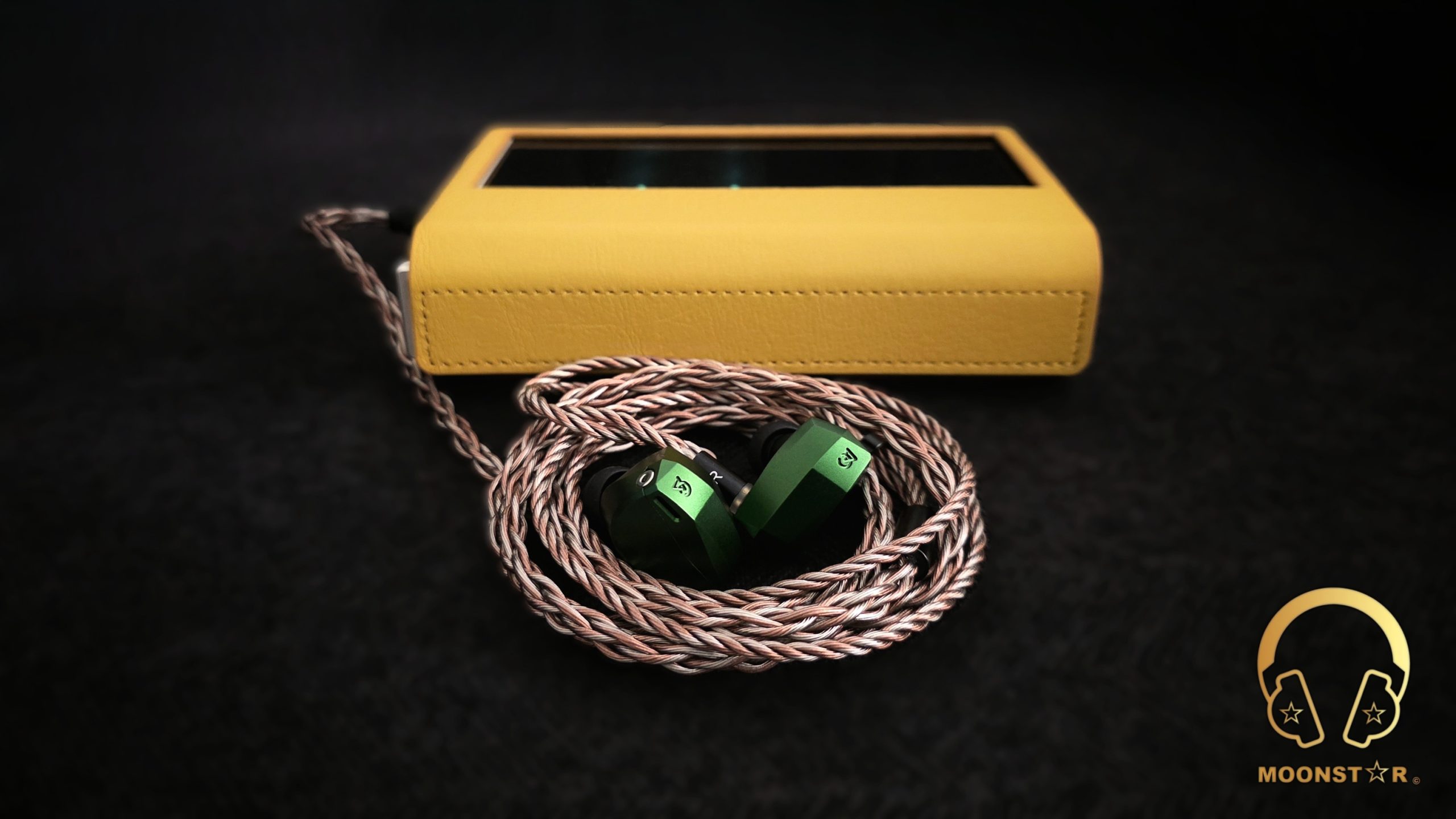
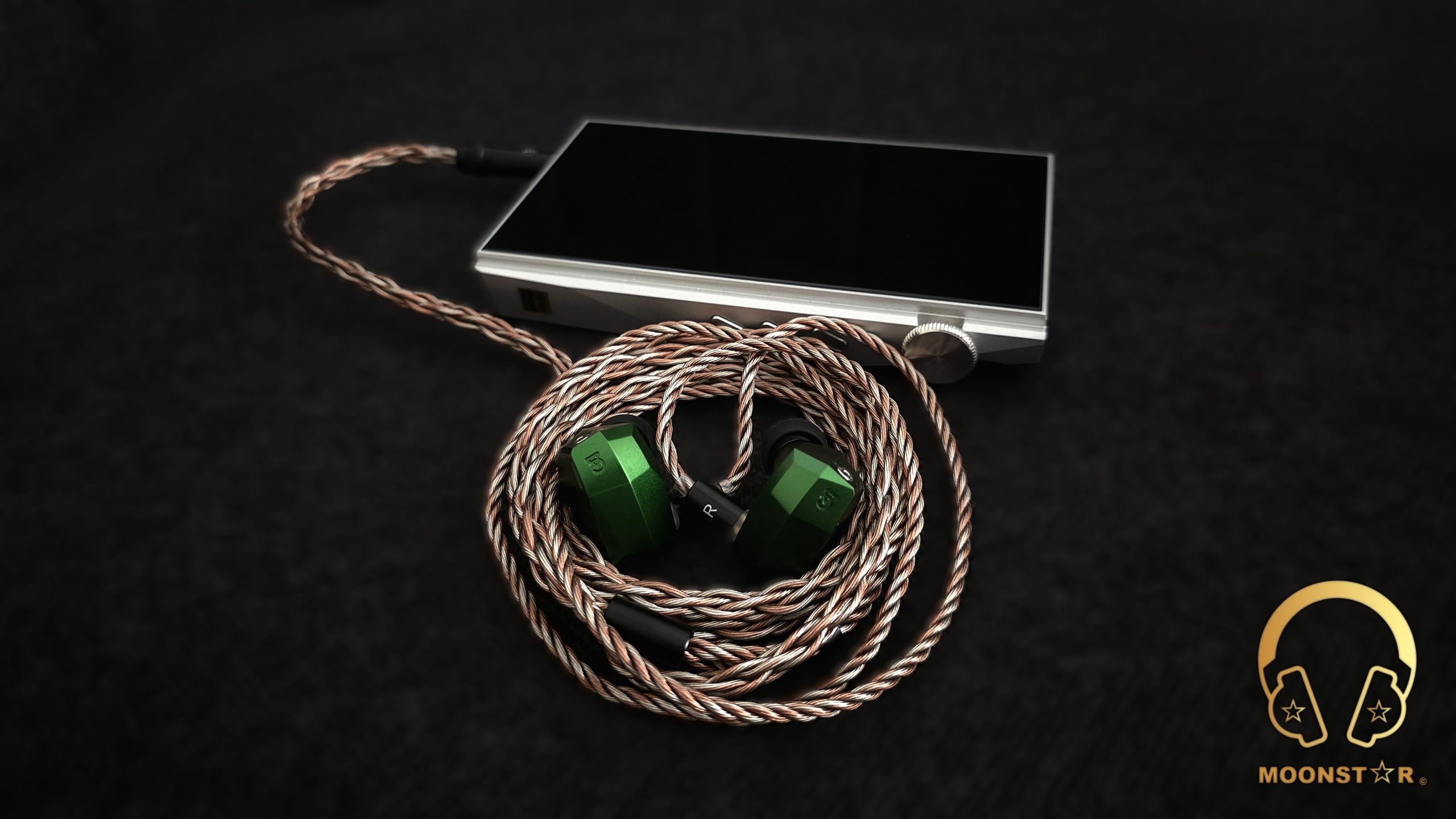
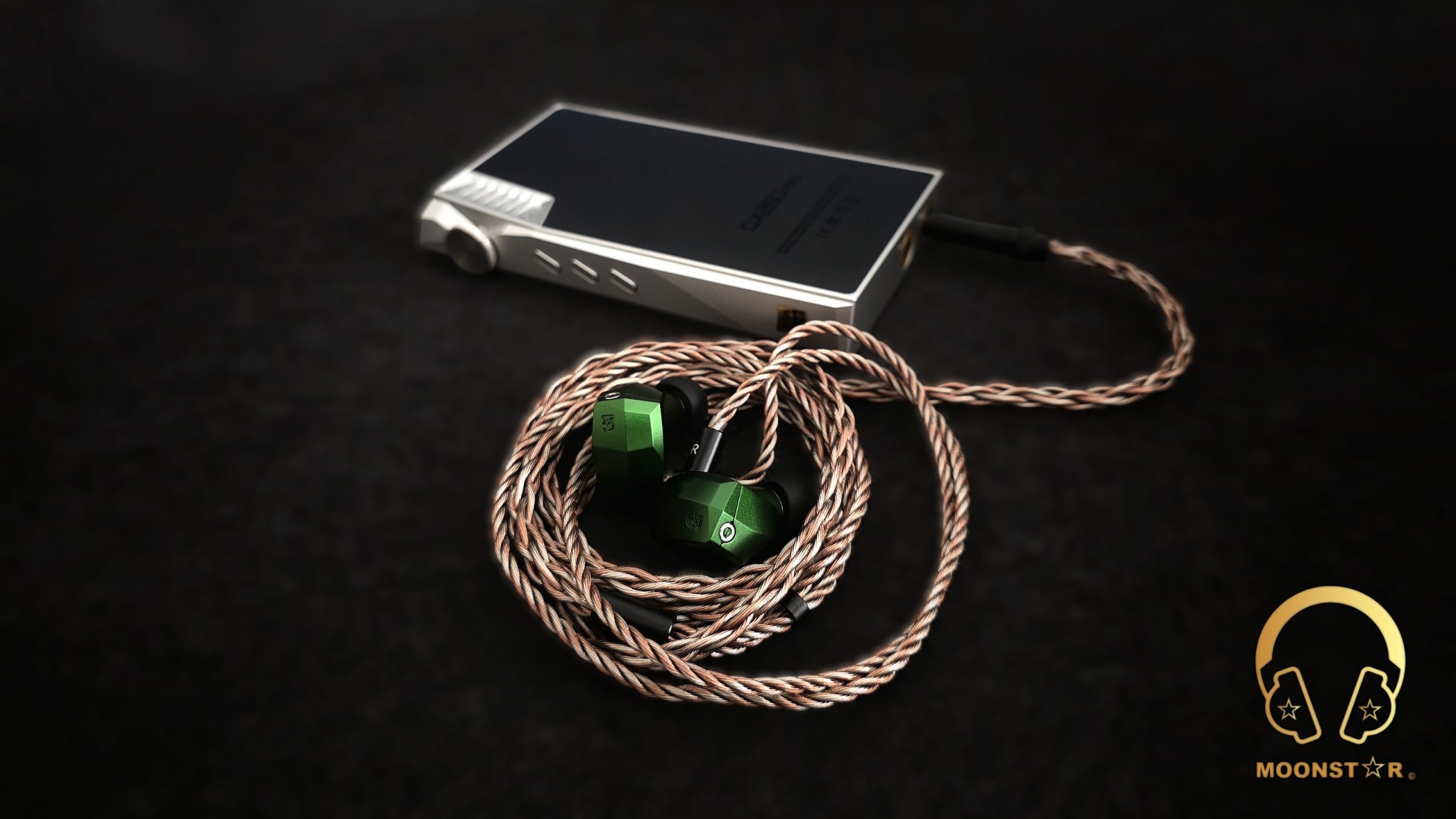
In practical application, the iBasso DX340 proves to be an excellent companion for this monitor. Its high resolution DAC and black background allow the Andromeda 10 to reach its full potential for detail retrieval without introducing hiss. The clean power delivery of the DX340 ensures that the quad bass engine remains tight and well controlled. Similarly, the iBasso D17 Atheris provides a transparent and natural pairing, offering enough finesse to handle the extreme sensitivity of the 10 driver array while maintaining a wide and airy soundstage.
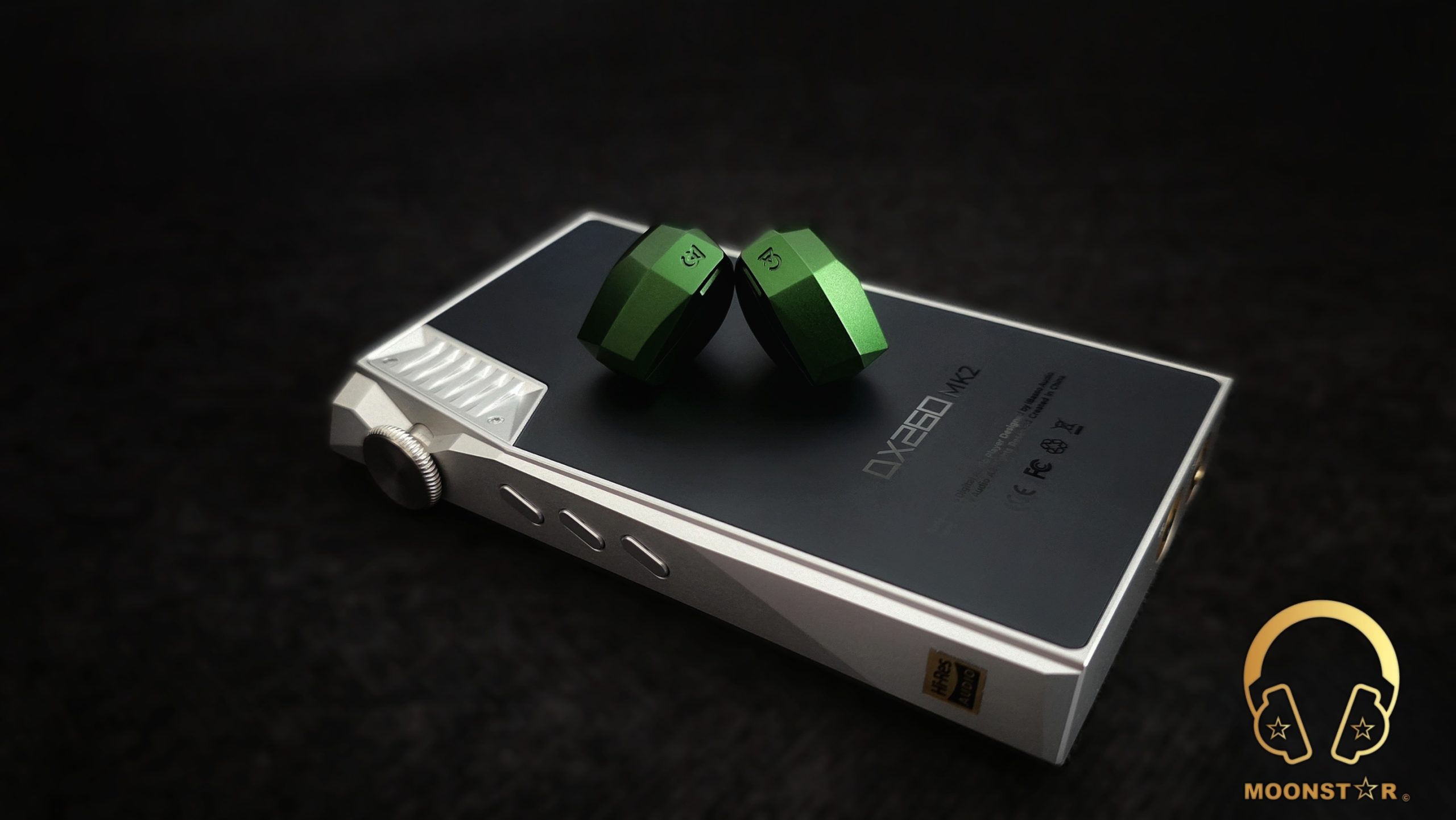
For those seeking a more portable or modular setup, the Questyle M15i is a highly effective choice. Its Current Mode Amplification technology handles the low impedance of the Andromeda 10 with ease, providing a stable and balanced signal. Using a high quality portable DAC like the M15i or the included USB C modular cable is essential for maintaining the intended tuning. When paired with these high end sources, the IEM reveals a level of technical depth that a standard smartphone or noisier laptop output simply cannot provide. While this high sensitivity demands careful equipment matching, the reward is a noise free experience that allows the micro details of the TAEC high frequency system to truly shine.
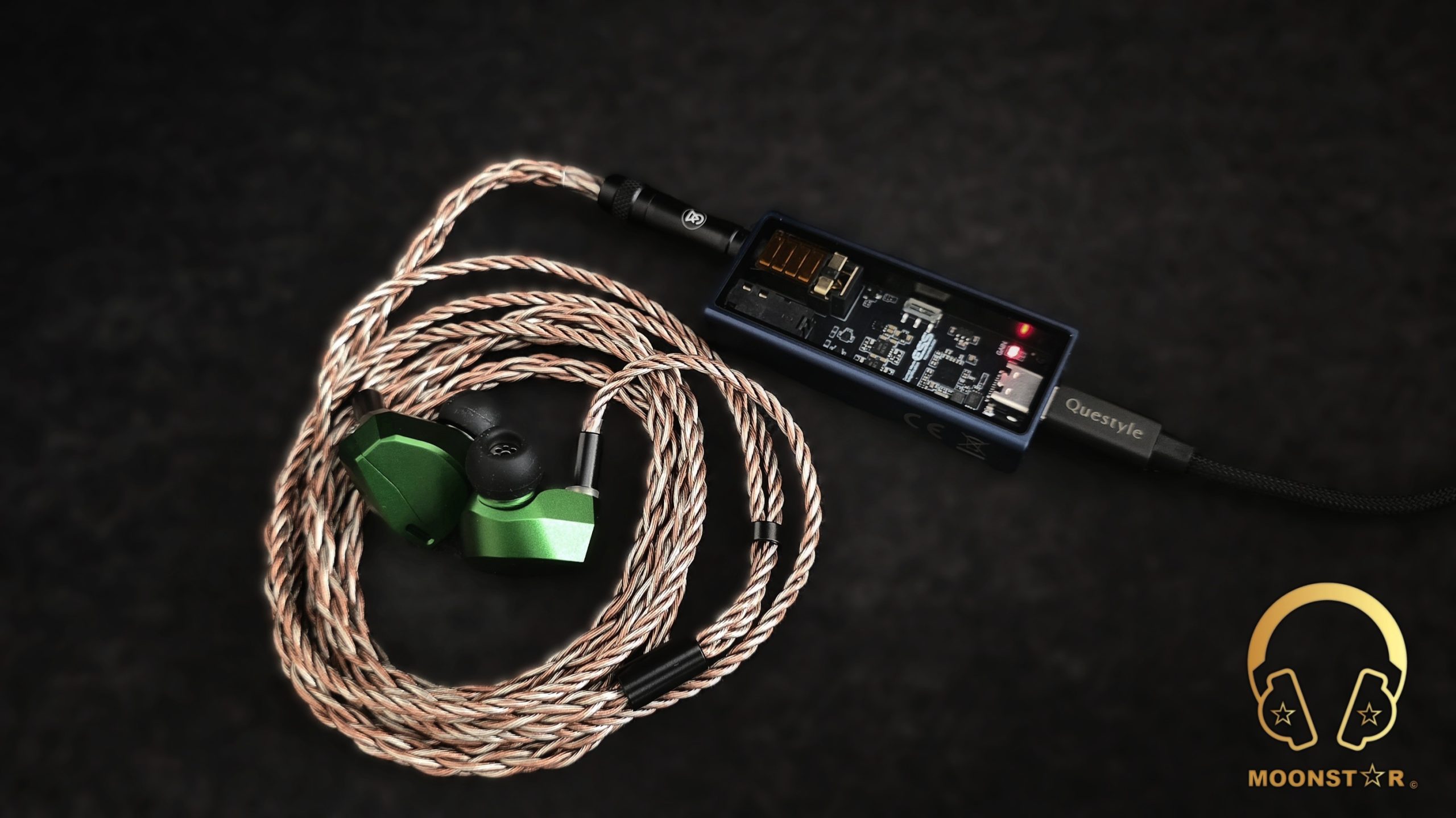
Equipment’s used for this review:
- In Ear Monitors : Campfire Audio Andromeda 10, Westone MACH10
- Sources (DAP/DAC) : iBasso DX340, iBasso D17 Atheris, Questyle M15i
Albums & Tracks Used for this Review:
Vocal Jazz / Smooth Jazz
- Norah Jones – Come Away With Me (Flac 24bit/96kHz)
- Diana Krall – So Wonderful (DSF)
- Barry White – Just The Way You Are (Flac 24bit/48kHz)
- Isaac Hayes – Walk On By (Flac 16bit/44.1kHz)
- Sting – Englishman in New York (Flac 24bit/48kHz)
- Otto Liebert & Luna Negra – The River (Flac 24bit/192kHz)
- Ferit Odman – Look, Stop & Listen (Flac 24bit/192kHz)
- Charly Antolini – Duwadjuwandadu (Flac 24bit/192kHz)
Soul / R&B
- Aretha Franklin – I Say A Little Prayer (Flac 24bit/96kHz)
- Adele – My Little Love (Apple Lossless)
- George Michael – Don’t Let the Sun Go Down on Me (Flac 24bit/192kHz)
- Eric Clapton – Wonderful Tonight (Flac 24bit/96kHz)
Pop / Rock Classics
- Michael Jackson – Billie Jean (Flac 24bit/96kHz)
- Elton John – Rocket Man (Flac 24bit/96kHz)
- David Bowie – Heroes (Flac 24bit/192kHz)
- U2 – Sunday Bloody Sunday (Flac 16bit/44.1kHz)
- Lorde – Royals (Flac 24bit/48kHz)
- Dave Gahan – Kingdom (Apple Lossless)
Electronic / Experimental
- Daft Punk – Instant Crush (Flac 24bit/96kHz)
- Daft Punk – Doin’ it Right (Flac 24bit/96kHz)
- Bro Safari, UFO! – Drama (Apple Lossless)
- Armin Van Buuren – Vini Vici (Flac 16bit/44.1kHz)
- Yosi Horikawa – Bubbles (Apple Lossless)
- Toutant – Rebirth (Apple Lossless)
Alternative / Indie / Art Rock
- Radiohead – Live in Berlin “Album” (Apple Lossless)
- Radiohead – Pyramid Song (Apple Lossless)
- Muse – Hysteria (Flac 24bit/96kHz)
- Red Hot Chili Peppers – Nobody Weird Like Me (Flac 24bit/48kHz)
- Lunatic Soul – The Passage (Flac 16bit/44.1kHz)
- Portishead – It Could Be Sweet (Apple Lossless)
- Gogo Penguin – Raven (Flac 24bit/192kHz)
- Gogo Penguin – Murmuration (Flac 24bit/192kHz)
- Massive Attack – Angel (Flac 24bit/48kHz)
- Bear McCreary – Valkyries (Apple Lossless)
Classical / Orchestral
- Max Richter – On the Nature of Daylight (Flac 24bit/96kHz)
- Chopin – Nocturne No. 20 in C-Sharp Minor (Flac 16bit/44.1kHz)
- Clair de Lune – Claude Debussy (Apple Lossless)
- Tchaikovsky – Symphony No. 5 (Flac 16bit/44.1kHz)
- Vivaldi – Le Quattro Stagioni “The Four Seasons” (Apple Lossless)
- Fazıl Say – Nazım Oratoryosu (Live) (Flac 16bit/44.1kHz)
Jazz / Instrumental
- Miles Davis – So What (Apple Lossless)
World / Traditional
- Sertap Erener – Aşk (Flac 16bit/44.1kHz)
- Edith Piaf – Non Je Ne Regrette Rien (Flac 16bit/44.1kHz)
Metal / Progressive Rock
- Metallica – Dyers Eve (Flac 24bit/96kHz)
- Metallica – Sad but True (Flac 24bit/96kHz)
- Megadeth – Sweating Bullets (Apple Lossless)
- Opeth – Windowpane (Flac 16bit/44.1kHz)
- Deftones – My Own Summer (Shove It) (Flac 16bit/44.1kHz)
- Rush – Tom Sawyer (Flac 16bit/44.1kHz)
- Slayer – Angel of Death (Apple Lossless)
The Sound:
The Andromeda 10 offers a sound profile that is characterized by its immense harmonic richness and spatial grandeur. It rejects the dry, clinical approach of studio monitors in favor of a vibrant and deeply immersive presentation. The result is a frequency response that feels thick, textured, and incredibly lifelike. Rather than presenting sound as a two dimensional flat plane, the Andromeda 10 treats every recording as a living, breathing acoustic environment. This is achieved through a meticulous tuning that prioritizes the “bloom” and “decay” of notes, ensuring that instruments possess a realistic weight and a tangible presence in the room.
The tonal balance is expertly curated to provide a sensation often described as “organic” or “analog.” It possesses a lushness that fills the gaps often left by more analytical monitors, creating a cohesive wall of sound that is both powerful and delicate. This multidimensional approach means that the listener is not just hearing a reproduction of a track, but is instead placed at the center of a holographic performance. Each frequency band works in tandem to build a sense of verticality and depth, where the low end provides a solid foundation, the midrange delivers the emotional heart, and the treble adds a crystalline ceiling of air.
This specific tuning philosophy ensures that the Andromeda 10 remains highly engaging across a vast array of genres. Whether it is the gritty, distorted textures of a rock guitar or the nuanced, airy reverberations of a solo cello in a cathedral, the monitor adapts with an uncanny ability to surface the soul of the music. It is a signature that celebrates the artistry of the recording process, emphasizing the harmonic overtones and spatial cues that make high fidelity audio so compelling. By avoiding the pitfalls of a strictly “flat” response, Campfire Audio has created a monitor that values the emotional impact of the music above all else, resulting in a listening experience that feels remarkably three dimensional and physically present.
Bass:
The transition to a four-driver low frequency array represents a fundamental shift in the sonic architecture of the Andromeda series. By distributing the acoustic workload across four distinct balanced armatures, Campfire Audio has achieved a level of low end authority that maintains stability down to 5Hz. This engineering choice is not intended to simply increase bass volume; rather, it aims to enhance the structural integrity of the lower octaves. While the sub bass rumble provides a visceral foundation that remains articulate even during chaotic crescendos, some listeners who are accustomed to the massive air movement of dynamic drivers might find the “slam” to be slightly more polite than a hybrid setup. Nevertheless, the quad-engine approach allows each armature to operate within its most linear range, reducing distortion significantly.
During critical listening with Massive Attack’s “Angel,” the sustained oscillations possessed a physical pressure that is atypical for balanced armature configurations. The mid bass carries a deliberate weight that adds a realistic “thump” to kick drums, though on certain poorly mastered tracks, this thickness can occasionally feel just a hair too prominent for those seeking a strictly flat monitoring experience. When analyzing the double bass work in Dave Brubeck’s “Take Five,” the instrument is presented as a localized event with a defined beginning and end to every pluck. This highlights the exceptional speed of the bass engine, where the lack of bleed into the midrange ensures that the warmth of the signature never turns into sonic bloat. The bass remains remarkably tight, providing a punchy transient response that ensures electronic and rock genres feel energetic and appropriately paced.
Midrange:
The midrange serves as the core beneficiary of the Noise Elimination Mid Circuit (NEMC). This sophisticated crossover technology manages the four dedicated mid drivers to effectively eliminate harmonic overlap and phase interference. The resulting “liquid” transparency creates a sense of realism that places the listener in the same acoustic environment as the artist. The midrange is presented with a forward and dense character, providing vocals with a startling sense of intimacy and a natural “bloom” that avoids being recessed.
When evaluating vocal performances from artists like Diana Krall or Aretha Franklin, the micro details are rendered with high resolution. The listener can perceive the subtle textures of the vocal delivery and the precise spatial positioning of the piano within the room. This level of detail focuses on the movement of air around the instruments, providing a more lifelike experience than a simple frequency reproduction. Male vocals are rendered with a believable chesty resonance, avoiding the thinness often found in analytical monitors. Simultaneously, female vocals possess a clear, non-sibilant lift that adds energy without harshness. Instruments like cellos and electric guitars exhibit a palpable body and a satisfying “crunch” that feels authentic to the recording. The separation is elite; each performer occupies a distinct pocket of air within the stage, creating a layered tapestry that never feels congested, even during complex orchestral swells.
Treble:
The high frequencies are managed by a dual driver array coupled with the proprietary Tuned Acoustic Expansion Chamber (TAEC). By removing traditional filters and firing the drivers directly into an open chamber, the treble is allowed to breathe without the muffling effects typically caused by mesh dampers. This creates an airy top end that brings out the finest micro details within the recording. While this extension feels effortless and provides the “shimmer” that defined the original Andromeda, the transparency can be quite revealing; it may occasionally highlight the flaws in lower quality recordings or “hot” mastering’s more than a darker, more forgiving treble would.
In tracks like “Take Five,” the ride cymbal exhibits a metallic realism that captures both the initial stick strike and the complex harmonic decay. It provides the necessary “bite” for brass instruments without ever crossing into sibilance or causing listener fatigue over long sessions. This high frequency resolution is essential for defining the edges of the soundstage, contributing to the perceived vastness of the acoustic space. The treble remains smooth yet crystalline, revealing subtle reverb cues and environmental details. This balance of extension and smoothness ensures that the Andromeda 10 remains a high-resolution tool, even if its honesty means that poor source material has nowhere to hide.
Soundstage & Imaging
The spatial capabilities of the Andromeda 10 are a primary technical highlight. Utilizing a Solid Body engine (a 3D printed internal chamber) the IEM aims for near perfect phase coherence. This design translates into a holographic soundstage that extends beyond the ear shells, offering a spherical presentation rather than a linear one.
In testing, this architecture provides high level precision across both horizontal and vertical planes. On complex tracks like Pink Floyd’s “Time,” the positional accuracy is distinct; clocks and alarms are localized with specific coordinates in the mix. This separation allows for the easy isolation of instruments within dense orchestral or jazz arrangements, providing a three-dimensional depth that avoids the flat delivery often found in standard monitors.
The Andromeda 10 organizes the acoustic environment with technical accuracy, successfully capturing the scale of different venues from intimate clubs to large halls. By balancing width and height, it provides a sense of immersion that emphasizes the “live” character of a recording while maintaining the controlled decay necessary for a detailed, analytical listen.
Comparison:
Campfire Audio Andromeda 10 versus Westone Audio MACH80:
The Andromeda 10 utilizes its quad driver bass engine to establish a low frequency foundation characterized by significant authority and physical texture. This configuration allows for a deep sub bass reach that feels impactful yet remains structurally sound during complex passages. In contrast, the Westone Audio MACH 80 employs a dual driver setup within its eight driver array to deliver a strictly linear and clinical bass response. While the MACH 80 offers exceptional speed and transient accuracy, it lacks the visceral weight and organic decay found in the Andromeda 10. The Campfire model targets a more engaging and rhythmic experience, providing a sense of scale that the Westone reference grade delivery does not prioritize.
In the midrange, the Andromeda 10 benefits from the NEMC circuit, which facilitates a transparent and slightly forward presentation. It manages to balance natural warmth with high level clarity, providing vocals with a sense of “bloom” and rich tonal density. The MACH 80 takes a different path, presenting a midrange that is entirely neutral and analytical. Westone’s tuning is designed to reveal every nuance without adding coloration, making it a powerful tool for professional stage use. While the MACH 80 provides raw precision, it can feel somewhat dry compared to the fluid transparency of the Andromeda 10. The ten driver assembly of the Andromeda 10 ultimately gives it an advantage in rendering a more emotive and holographic vocal image that feels more lifelike for casual listening.
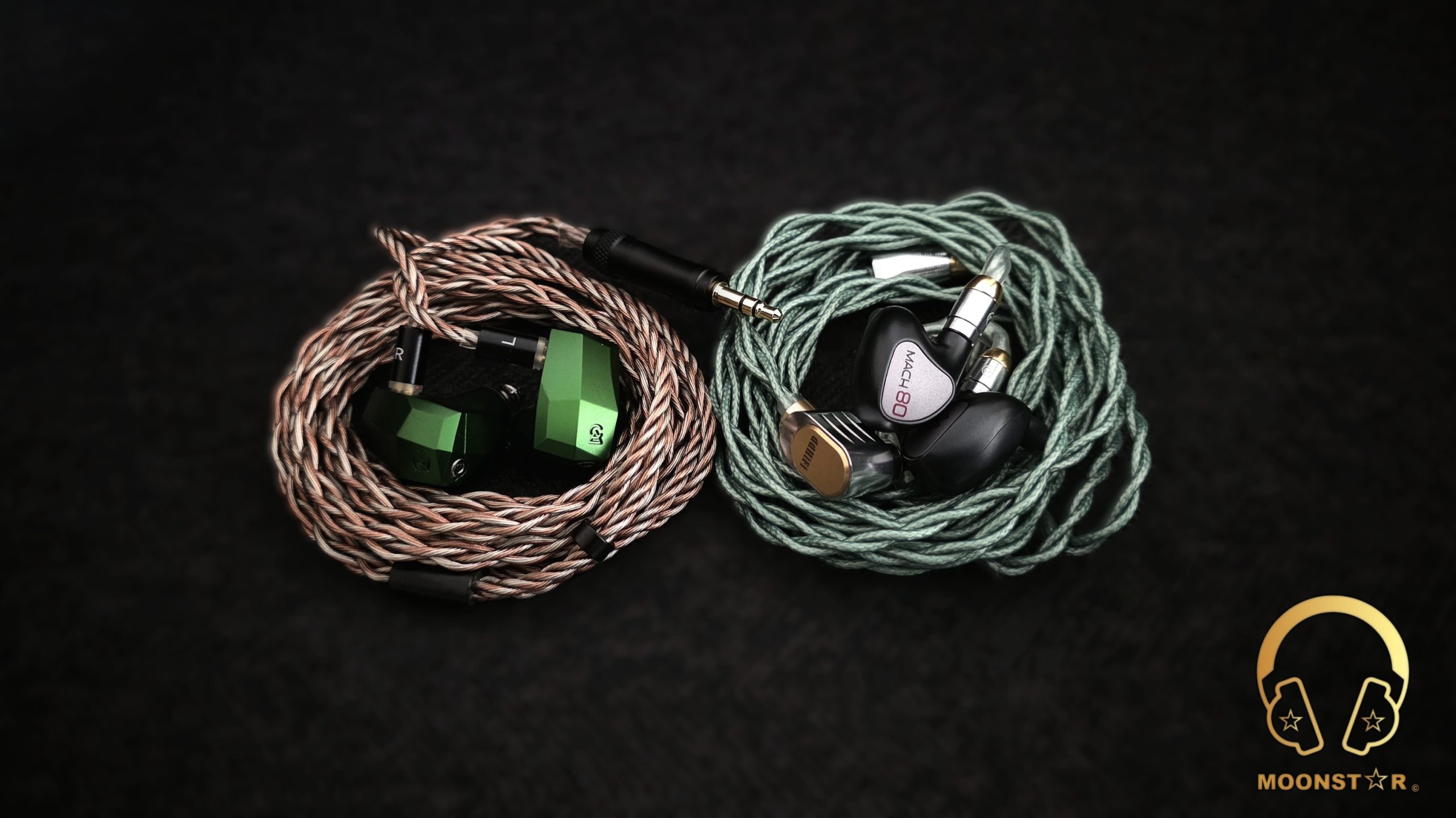
Regarding high frequencies, the Andromeda 10 stands out through the use of TAEC technology, which creates an airy and expansive treble response. This system highlights micro details with a signature shimmer while maintaining a sense of space that prevents listener fatigue. On the other hand, the MACH 80 features an extremely extended treble that stays true to its professional design. While the Westone is technically brilliant, it lacks the specific “ethereal” airiness that defines the Campfire sound. The TAEC system allows the Andromeda 10 to achieve a more three dimensional high frequency presence, whereas the MACH 80 prioritizes surgical accuracy and flat frequency extension at the expense of atmospheric depth.
The soundstage of the Andromeda 10 is arguably its most distinct feature, offering a wide and holographic environment with notable height and depth. This is supported by the Solid Body engine, which ensures pinpoint imaging and realistic localization of instruments. Conversely, the MACH 80 provides a more intimate and focused acoustic space. Westone’s approach is not about creating a vast hall, but rather about the perfect separation of layers within a controlled setting. While the MACH 80 is excellent for isolating individual elements for work, the Andromeda 10 offers a broader and more cinematic presentation. This extra dimension of space allows the Andromeda 10 to sound more effortless, as it organizes complex recordings with a level of spatial freedom that the more compact MACH 80 struggle to match.
Campfire Audio Andromeda 10 versus Campfire Audio Fathom:
The Campfire Audio Fathom is a 6 Balanced Armature driver IEM featuring 2x Knowles single-diaphragm tweeters for the high frequencies, 2x Sonion BA drivers for the mid frequencies and 2x Knowles dual-diaphragm woofers for the low frequencies. The Andromeda 10, on the other hand, is a 10 Balanced Armature driver flagship celebrating Campfire Audio’s 10th anniversary, featuring a 4-driver low-frequency array, a 4-driver mid-frequency assembly with a newly developed Noise Elimination Mid-driver Circuit (NEMC), and 2 high-frequency drivers paired with Campfire’s T.A.E.C tuning element. Both IEMs share the all-BA philosophy Campfire Audio is known for, yet they differ significantly in terms of driver complexity, technical ambition and sonic character.
In the bass region, both IEMs deliver a fast and controlled performance befitting their all-BA configurations, though the Andromeda 10 holds a clear advantage in terms of depth, texture and overall authority. The Andromeda 10’s four dedicated low-frequency drivers deliver subbass that reaches deep with a satisfying sense of weight and body, while the midbass remains tight and well-defined without bleeding into the midrange. The Fathom, though capable and well-controlled in the low end, offers a somewhat leaner subbass presence where the mid-bass is the more prominent element. Listeners who prioritize bass body and physical impact will find the Andromeda 10 to be the more convincing performer in this region.
The midrange is where both IEMs truly shine, albeit in slightly different ways. The Fathom delivers a sweet, smooth and richly detailed midrange that places vocals in a slightly forward position, making it particularly engaging for vocal-heavy genres and acoustic music. The Andromeda 10, equipped with its new NEMC mid-driver assembly, takes this a step further by offering a cleaner, more transparent and higher resolution midrange presentation. Male and female vocals alike come through with exceptional clarity and a natural, organic timbre that is hard to fault. Both IEMs avoid the dryness or artificial crispness that can sometimes plague all-BA designs, though the Andromeda 10 has the clear upper hand in terms of micro-detail retrieval and overall midrange refinement.
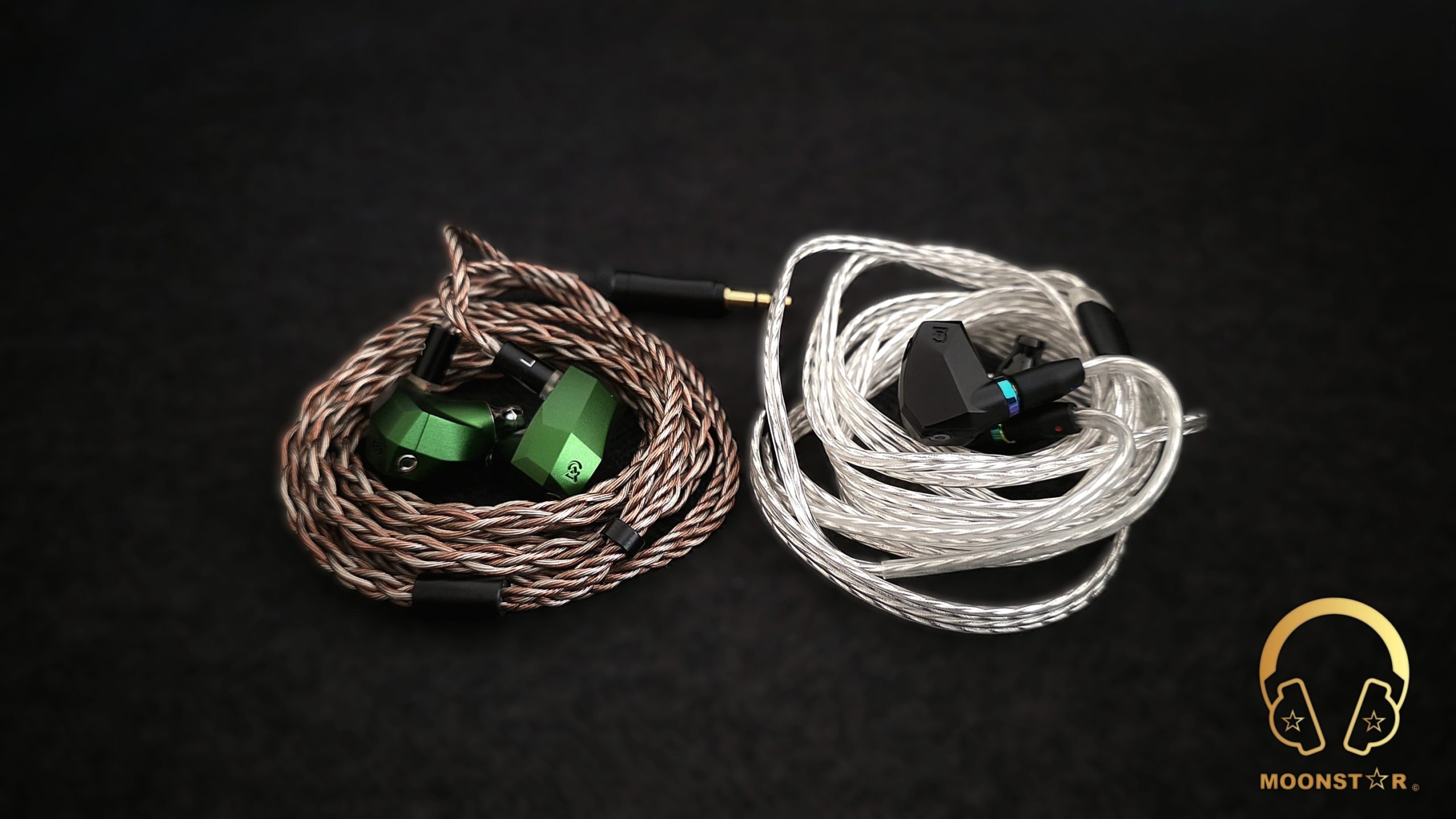
The treble region of the Andromeda 10 is energetic, extended and precise, with two high-frequency drivers working in tandem with T.A.E.C to produce an airy, spacious and well-controlled top end. Instruments such as hi-hats, crash cymbals and bowed strings are rendered with a lifelike sense of transient speed and definition. The Fathom also delivers a capable and detailed treble performance with good extension and clarity, though it does not quite match the Andromeda 10 in terms of upper treble airiness and overall sparkle.
In terms of soundstage and imaging, the Andromeda 10 is in a different league. It offers one of the widest and most expansive soundstages available in an IEM, with precise imaging, excellent layering and a convincing sense of three-dimensional space around the listener. The Fathom presents a more intimate and forward-leaning stage that, while precise and well-organized in its stereo imaging, does not quite offer the same sense of scale and holographic depth that the Andromeda 10 is capable of.
To summarize, the Fathom is a highly capable and musically engaging IEM that represents an excellent refinement of the classic Andromeda sound. The Andromeda 10, however, is a statement product in every sense of the word, delivering superior technical performance, greater bass authority, a more refined midrange and a significantly more expansive soundstage that clearly justifies its position at the top of the Campfire Audio lineup.
Conclusion:
The Andromeda 10 represents a significant milestone in high end audio, successfully evolving a legendary signature through a sophisticated ten driver architecture. The defining technical achievement here lies in the 3D printed internal acoustic chambers, which allow for precise phase alignment and a holographic soundstage that feels exceptionally vast. By eliminating traditional internal tubing in favor of this monolithic housing, the monitor achieves a level of transparency and spatial accuracy that sets a new benchmark for the series.
Sonically, the monitor strikes a rare balance between authority and airiness. The quad bass engine provides a stable, textured foundation, while the NEMC and TAEC technologies ensure a liquid midrange and an expansive treble. This iteration is more than just a tribute to its predecessors; it is a refined, high resolution instrument that offers a deeply immersive listening experience. With its durable 2 pin connection and iconic emerald aesthetic, the Andromeda 10 stands as a polished and definitive expression of modern acoustic design.
Pros & Cons:
- + Engaging, musical, emotive tuning across genres
- + High resolution and excellent micro-detail retrieval
- + Liquid, transparent, forward midrange
- + Rich, textured, organic bass (quad drivers, good extension/speed)
- + High density midrange with zero harmonic distortion via NEMC
- + Significant upgrade to recessed 2 pin connectors for durability
- + Compact shells despite 10 BA drivers
- + Iconic emerald green design + premium build quality
- + Premium unboxing + generous accessories (modular TimeLink cable with USB-C DAC, premium case, etc.)
- – Sensitive to source noise, requiring ultra low floor hiss DAPs
- – Transparency can highlight flaws in poor quality recordings.
- – All BA setup lacks the extreme sub bass “slam” found in hybrid dynamic driver models
Thank you for the Read!