ddHiFi BC130 Eryx Review
ddHiFi BC130 Eryx OFC & RhP Review
Introduction:
ddHiFi’s BC130 cable series has built up a fairly deep bench over the past few years, from the entry-level BC130B Air Nyx through the mid-tier BC130 Net, known among enthusiasts as Nyx Net, and the higher-end BC130 Pro, or Nyx Pro, each step adding conductor complexity and refining the brand’s interchangeable Nyx-Pin connector system along the way. The Eryx, internally designated BC130C, sits above all of them as ddHiFi’s new flagship upgrade cable, and unlike the single-conductor approach of its predecessors, it moves to a four-conductor hybrid design combining German OFC, OCC, gold-plated OCC, and pure silver in a single braid.
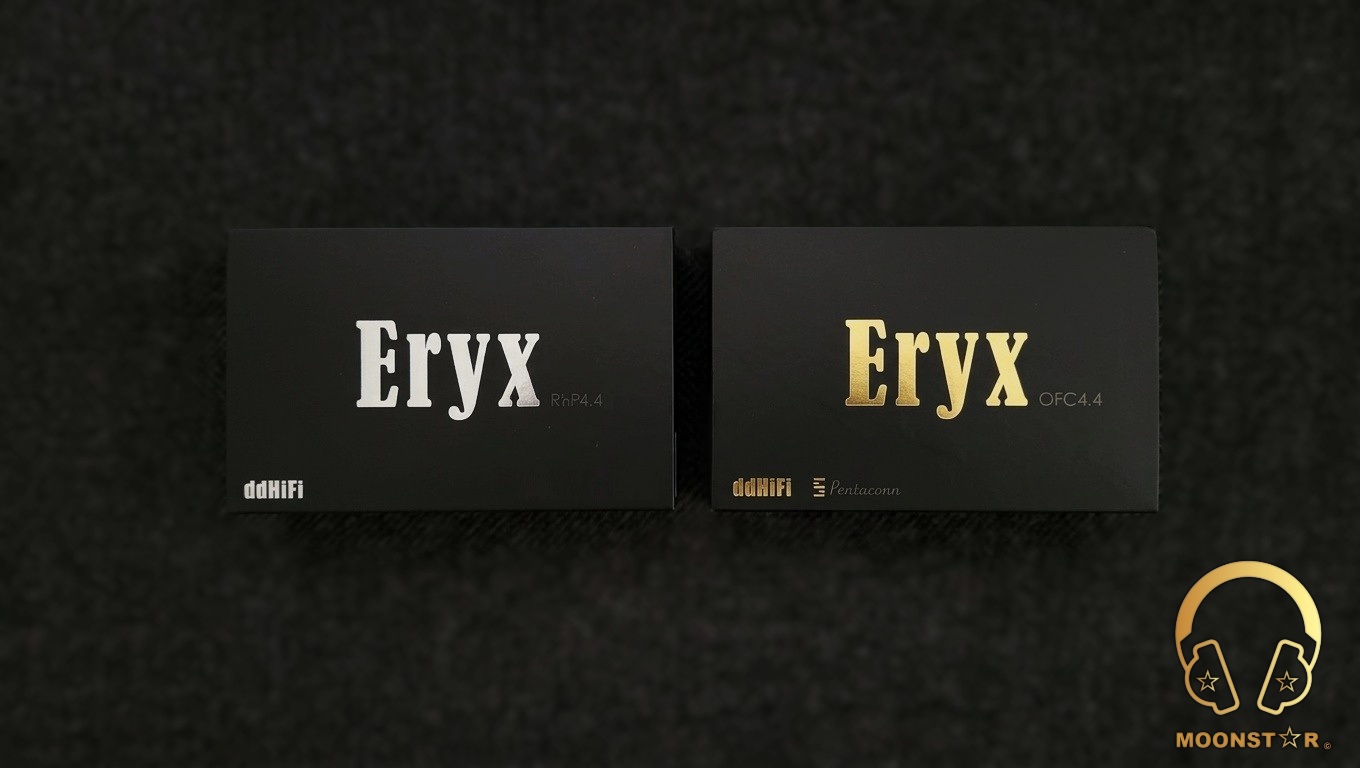
The Eryx ships in two versions that share an identical cable, connector system, and accessory hardware, differing only in the material used for the fixed 4.4mm plug. The RhP version uses a rhodium-plated copper plug, while the OFC version swaps in a gold-plated oxygen-free copper plug sourced from Pentaconn, a Japanese connector specialist. ddHiFi positions the two plug materials as a genuine sonic choice rather than a cosmetic one, and this review covers both variants side by side, alongside how each pairs against the stock cables of three very different flagship IEMs.
Disclaimer:
I would like to thank ddHiFi for providing me the Eryx OFC and RhP upgrades cable for review purposes. I am not affiliated with ddHiFi beyond this review and these words reflect my true, unaltered opinions about the product.
Price & Availability:
The ddHiFi BC130 Eryx is priced at $499.99 for the RhP version and $549.99 for the OFC version. More information can be found through the link below:
Package & Accessories:
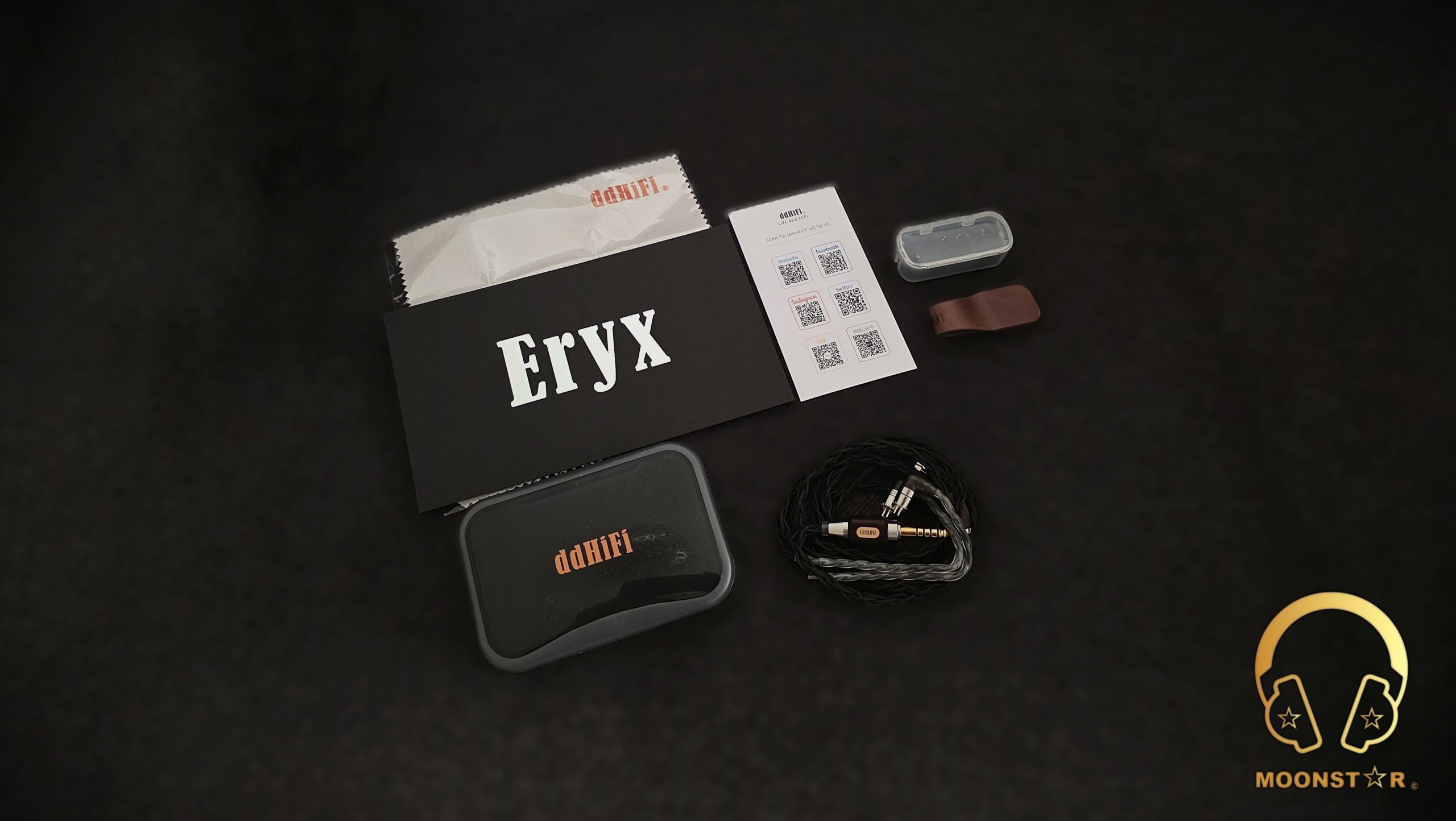
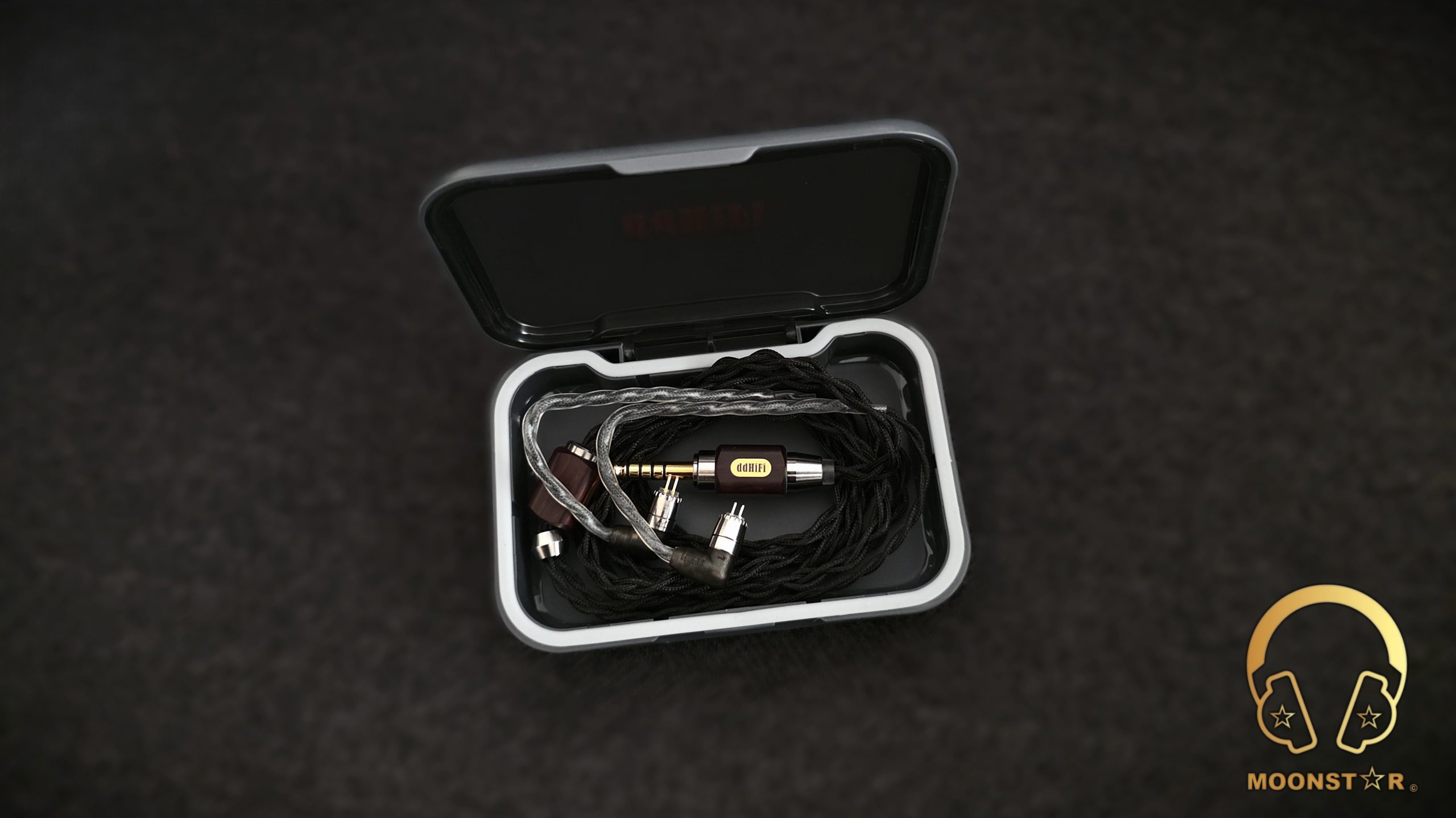
Both Eryx variants arrive in ddHiFi’s standard flagship-tier presentation box, with the cable coiled inside a fitted insert and the connector hardware visible through a cutout in the card backing rather than hidden away. The unboxing experience is restrained compared to some competing cable makers, putting the visual focus on the rosewood and titanium hardware rather than on the box itself.
The full package includes:
- 1 x ddHiFi BC130 Eryx 4.4mm balanced cable (OFC or RhP plug, per variant purchased)
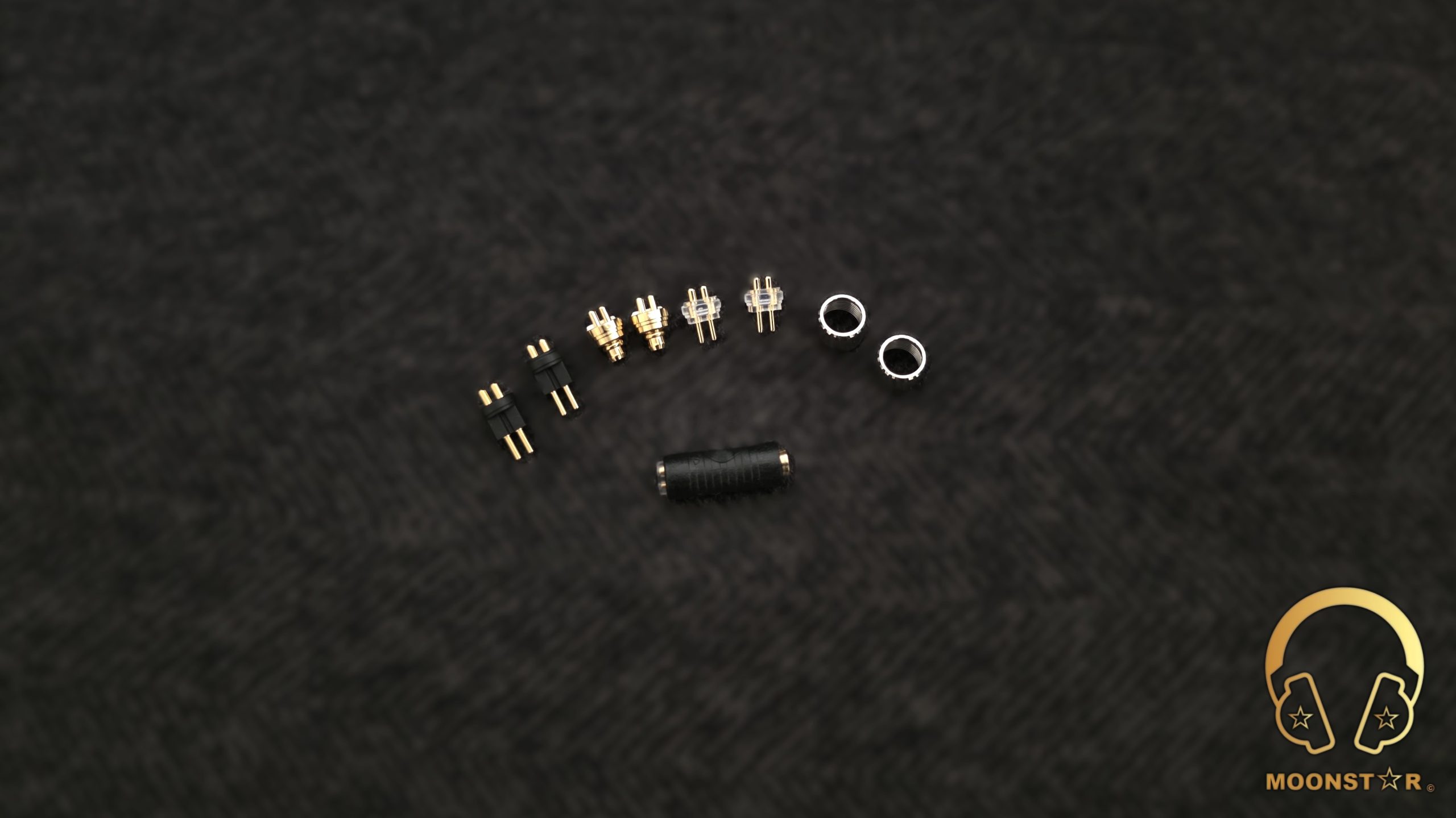
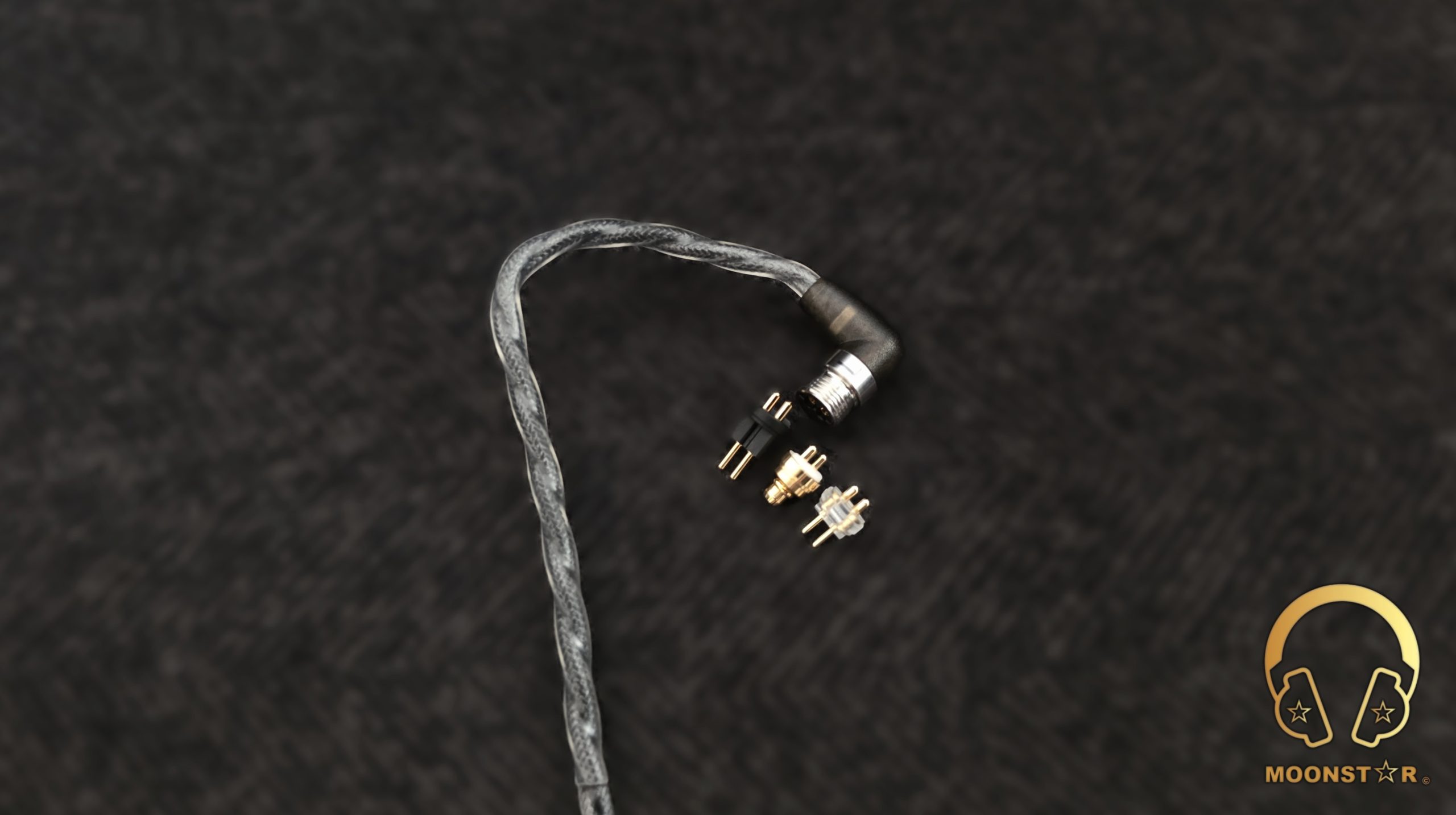
- 1 x pair Nyx-Pin 0.78mm 2-pin connectors (recessed housing)
- 1 x pair Nyx-Pin 0.78mm 2-pin connectors (flush housing)
- 1 x pair Nyx-Pin MMCX connectors
- 1 x Nyx-Pin removing tool
- 1 x carrying case
- 1 x cleaning cloth
Including three separate Nyx-Pin housing options rather than a single fixed connector is the standout part of the bundle, since it means the same cable can follow a listener across IEMs with recessed 2-pin sockets, flush 2-pin sockets, or MMCX without needing a second cable or an adapter. Swapping a Nyx-Pin connector is a twist-and-pull operation rather than anything requiring tools, and the mechanism felt secure with no looseness or rattle through repeated swaps during this review. An extremely useful NYX pin removing tool comes bundled in the box.
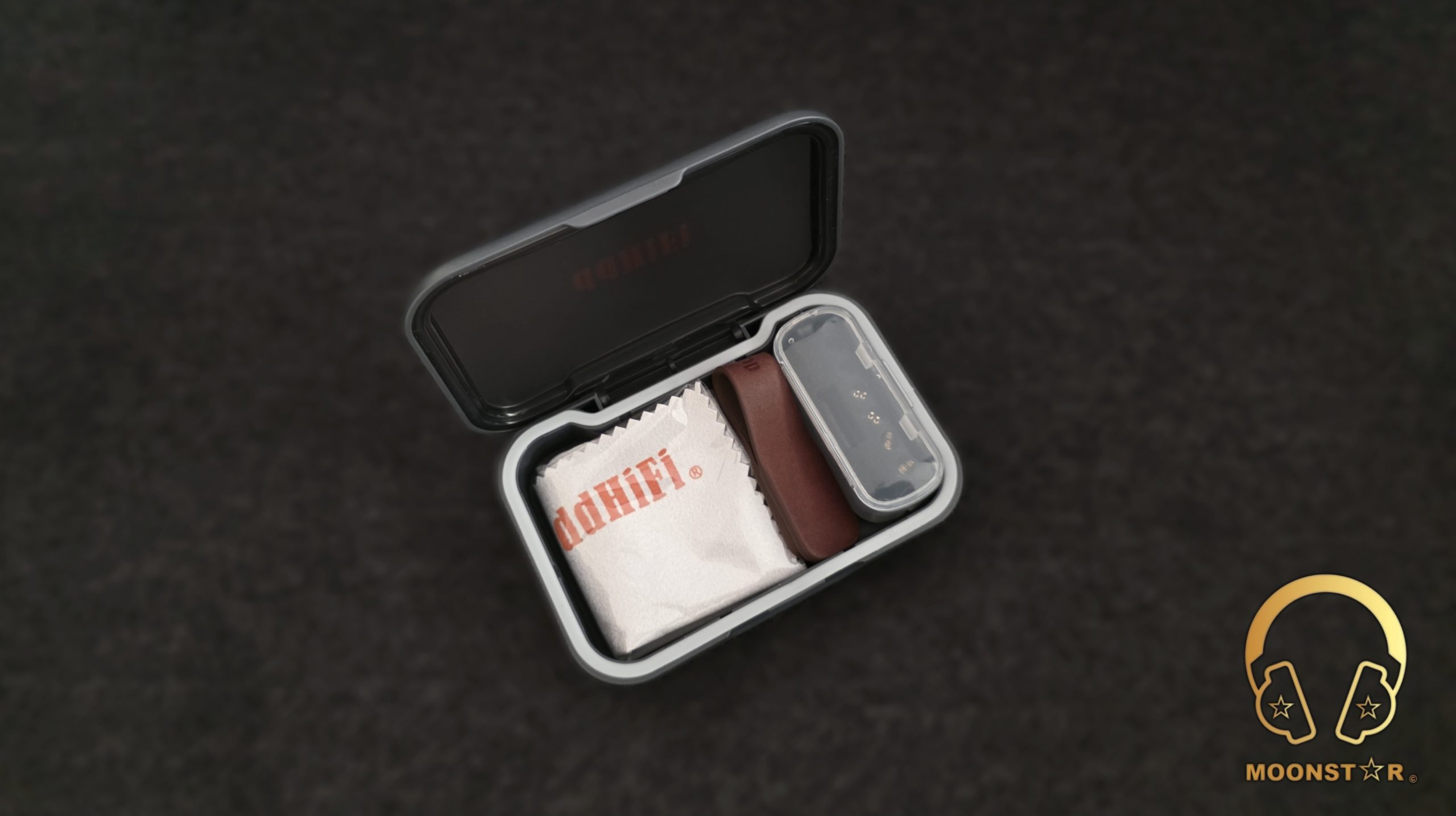
The included carrying case is compact, stylish, and premium-looking, though its storage capacity is quite limited, offering a bare-minimum fit for the contents.
Design & Build Quality:
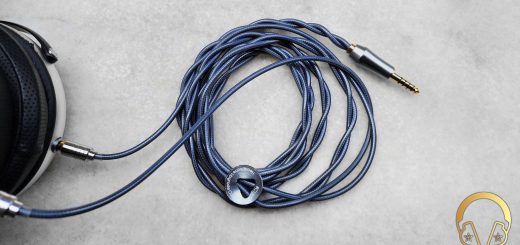
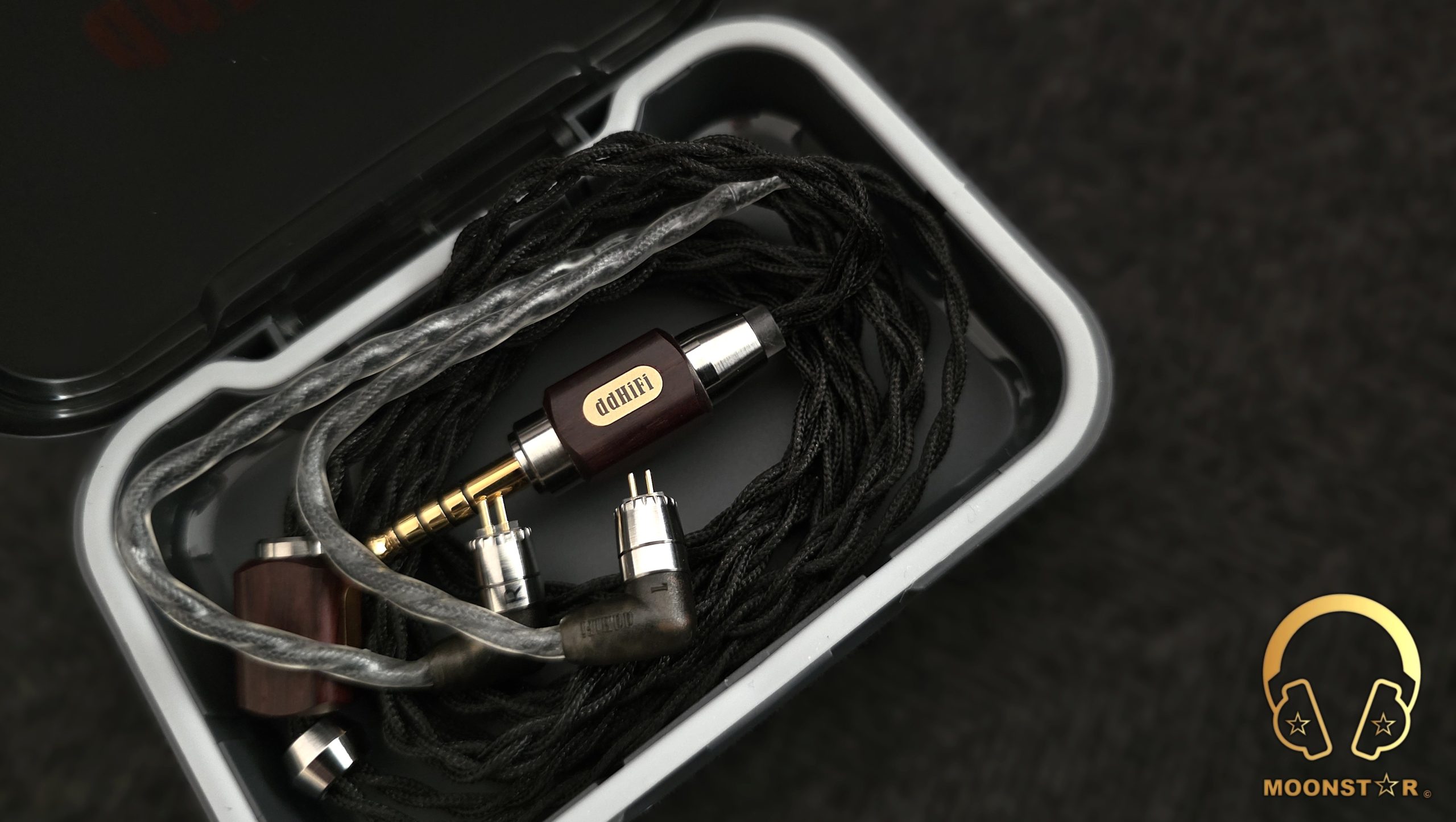
The Eryx is built around a four-strand braided geometry, with each strand combining four separately stranded conductor types, German OFC, OCC, gold-plated OCC, and pure silver, for a total of 25 AWG per conductor group. That is a meaningfully more complex internal structure than ddHiFi’s own previous flagship cables, which generally relied on a single high-purity copper or silver-plated copper conductor rather than a deliberate hybrid blend, and the stated logic behind the mix is that the OFC and plain OCC strands carry the bulk of the signal’s weight and fullness while the pure silver and gold-plated OCC strands are there for transmission speed and top-end clarity, a fairly common rationale in hybrid cable design but one ddHiFi has not applied to this degree in its earlier BC130 models.
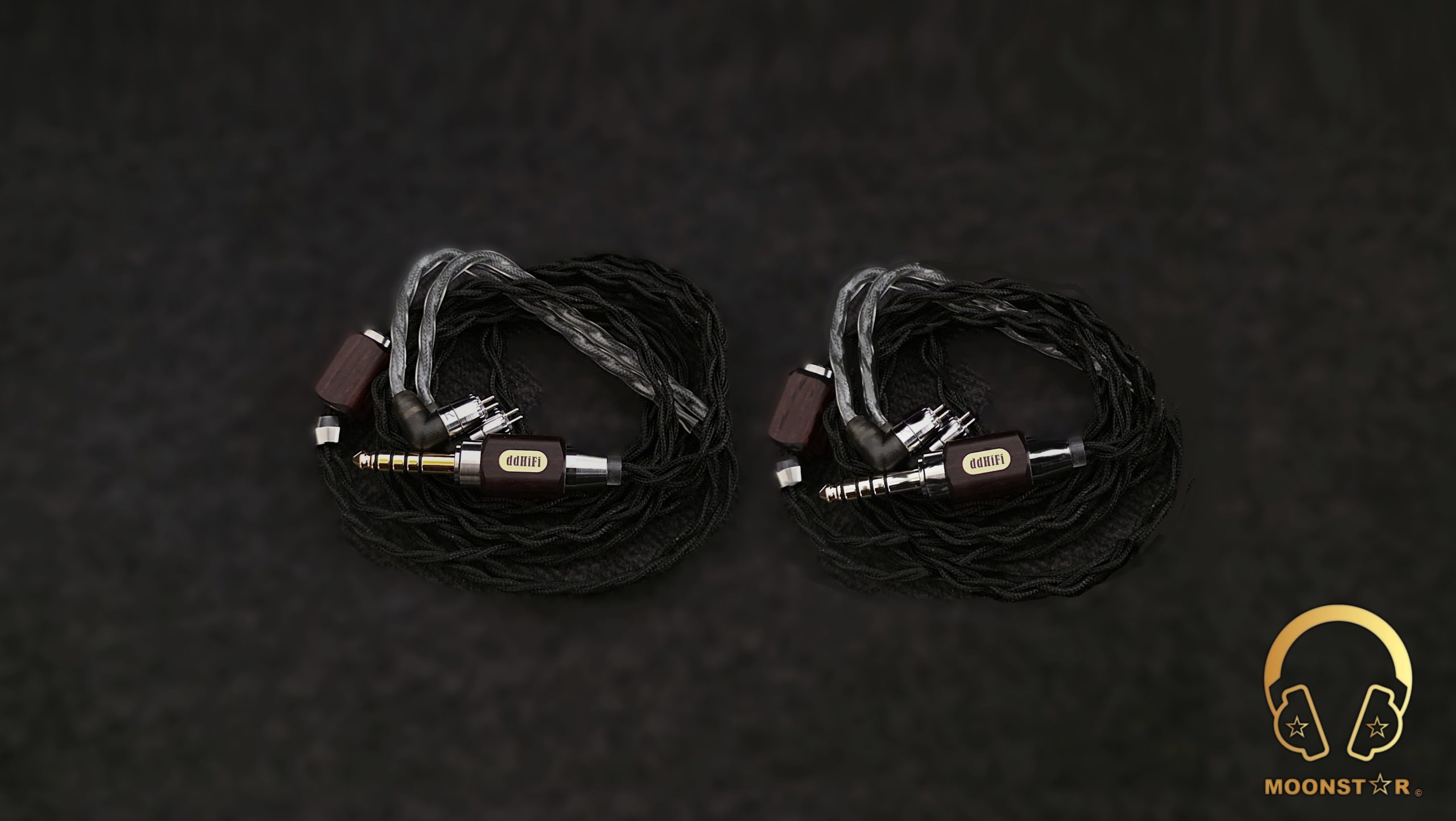
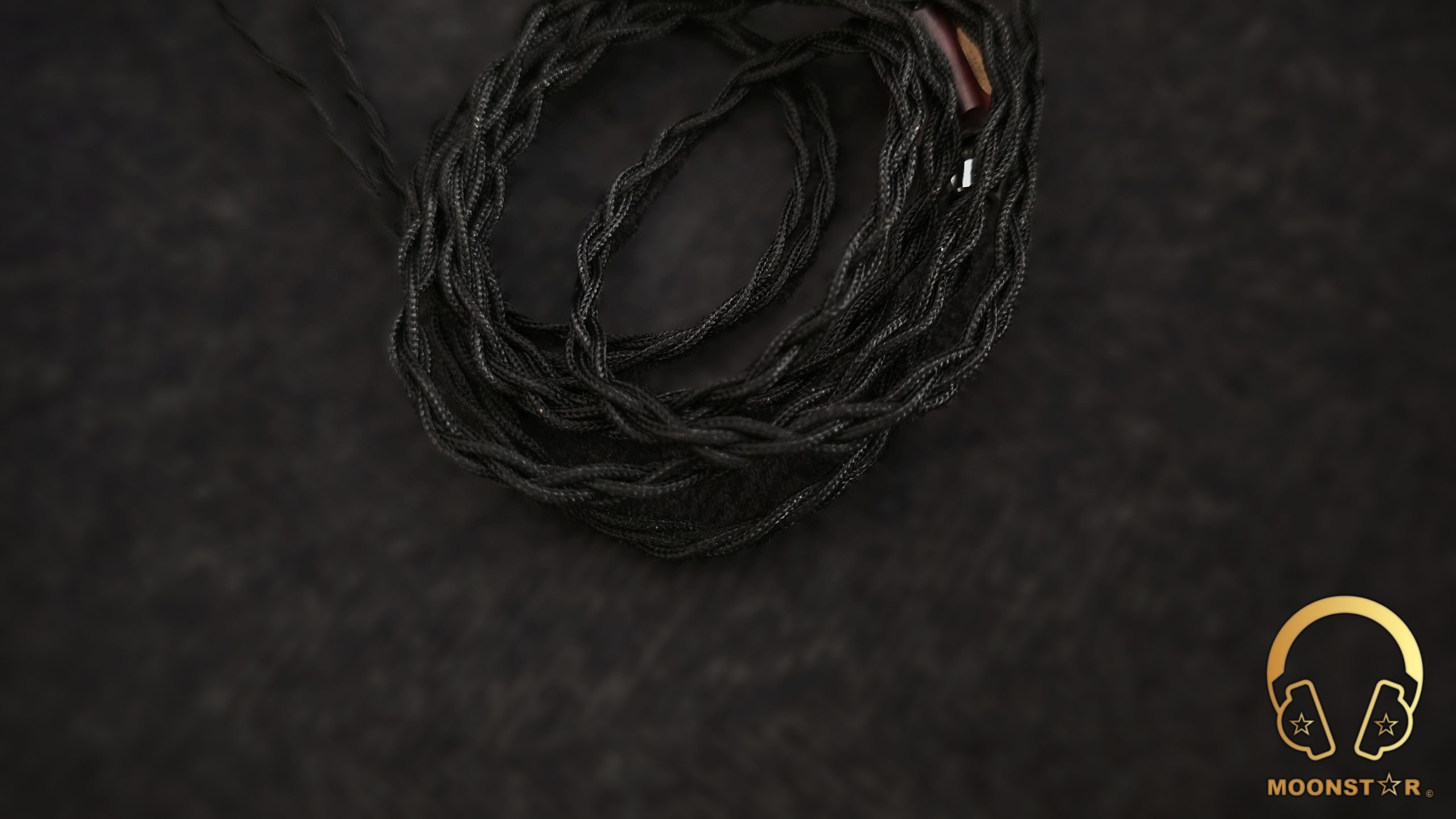
Insulation is handled in two layers, an inner American-made PVC jacket around each conductor group followed by an outer black braided mesh sleeve over the assembled cable. In hand, the result is supple rather than stiff, with enough give to drape naturally over the ear without the springy, want-to-return-to-its-coiled-shape behavior that some braided cables exhibit fresh out of the box. Microphonics, the thump and rustle transmitted up the cable from contact with clothing or movement, are well controlled for a four-conductor braid of this thickness, helped by the cable’s moderate overall diameter rather than the closer-to-rope thickness some flagship hybrid cables settle on.
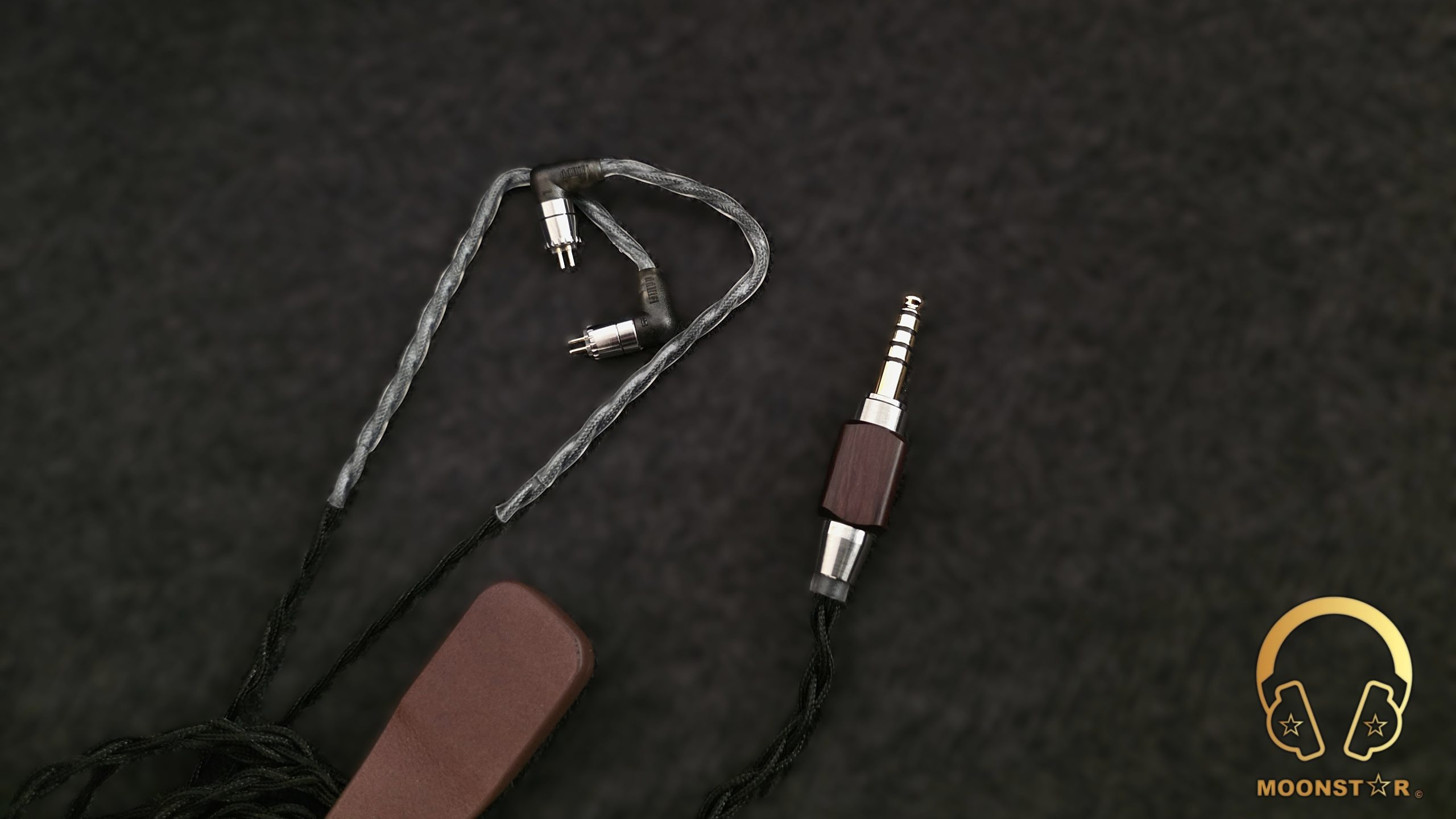
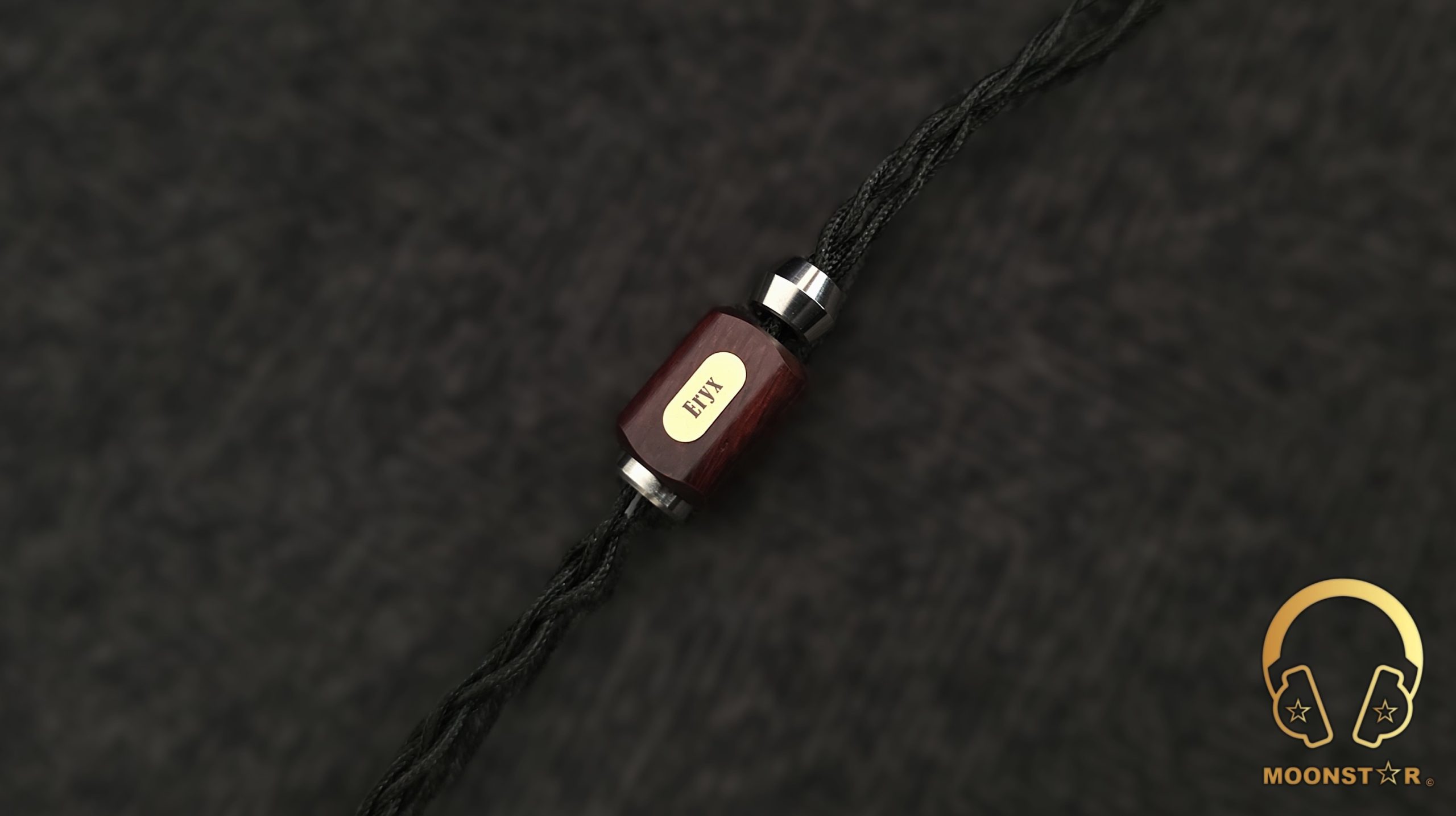
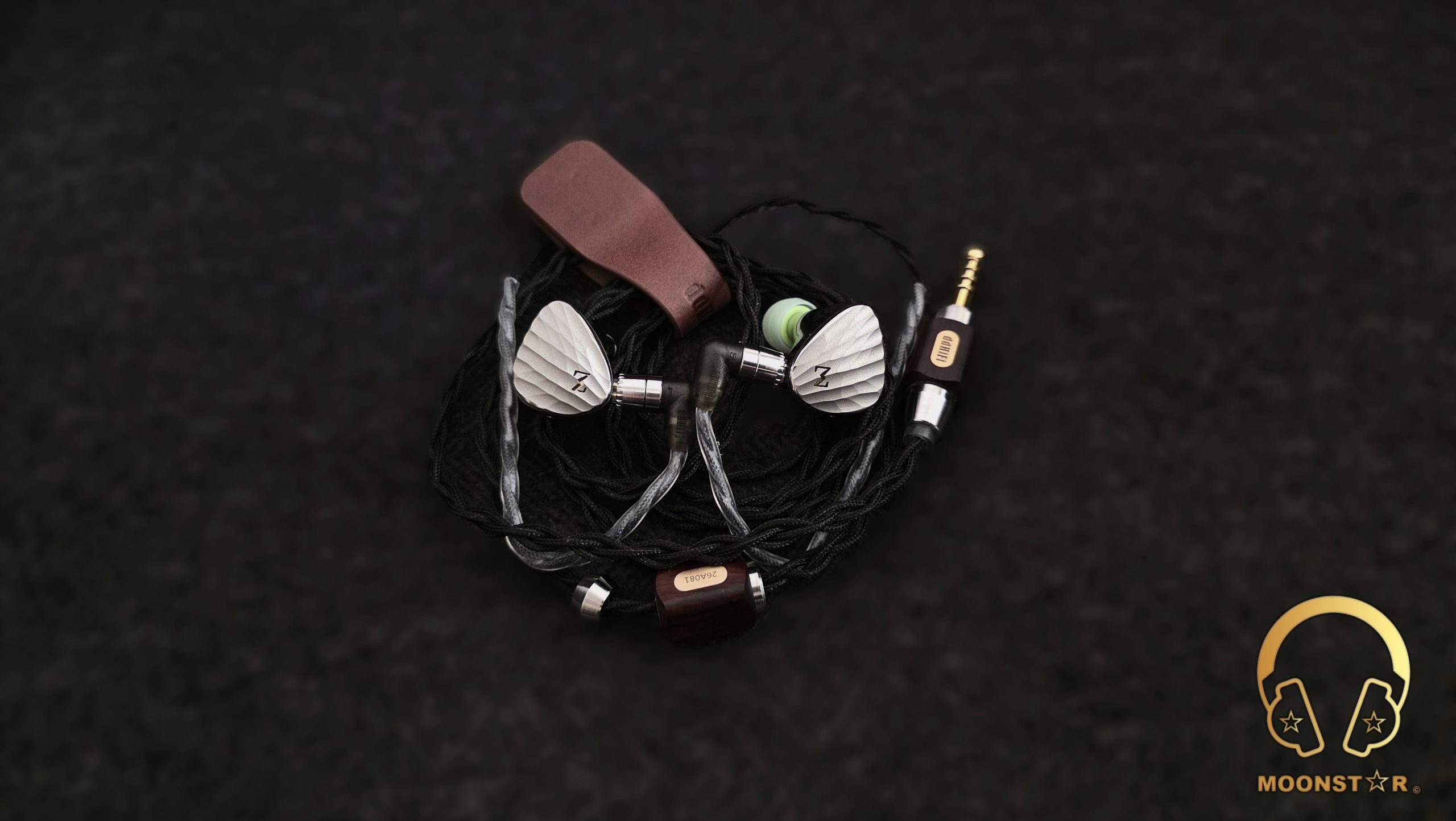
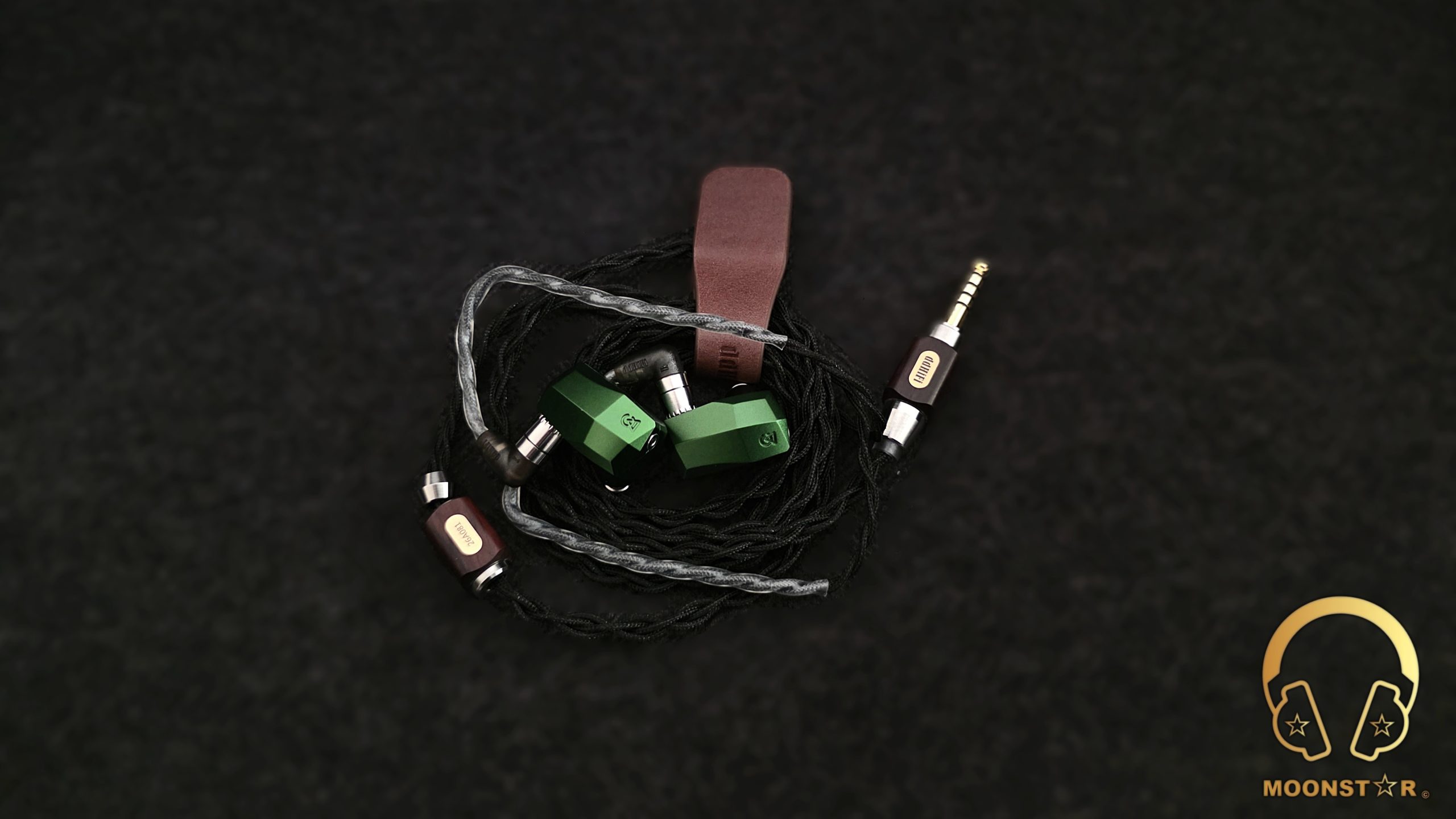
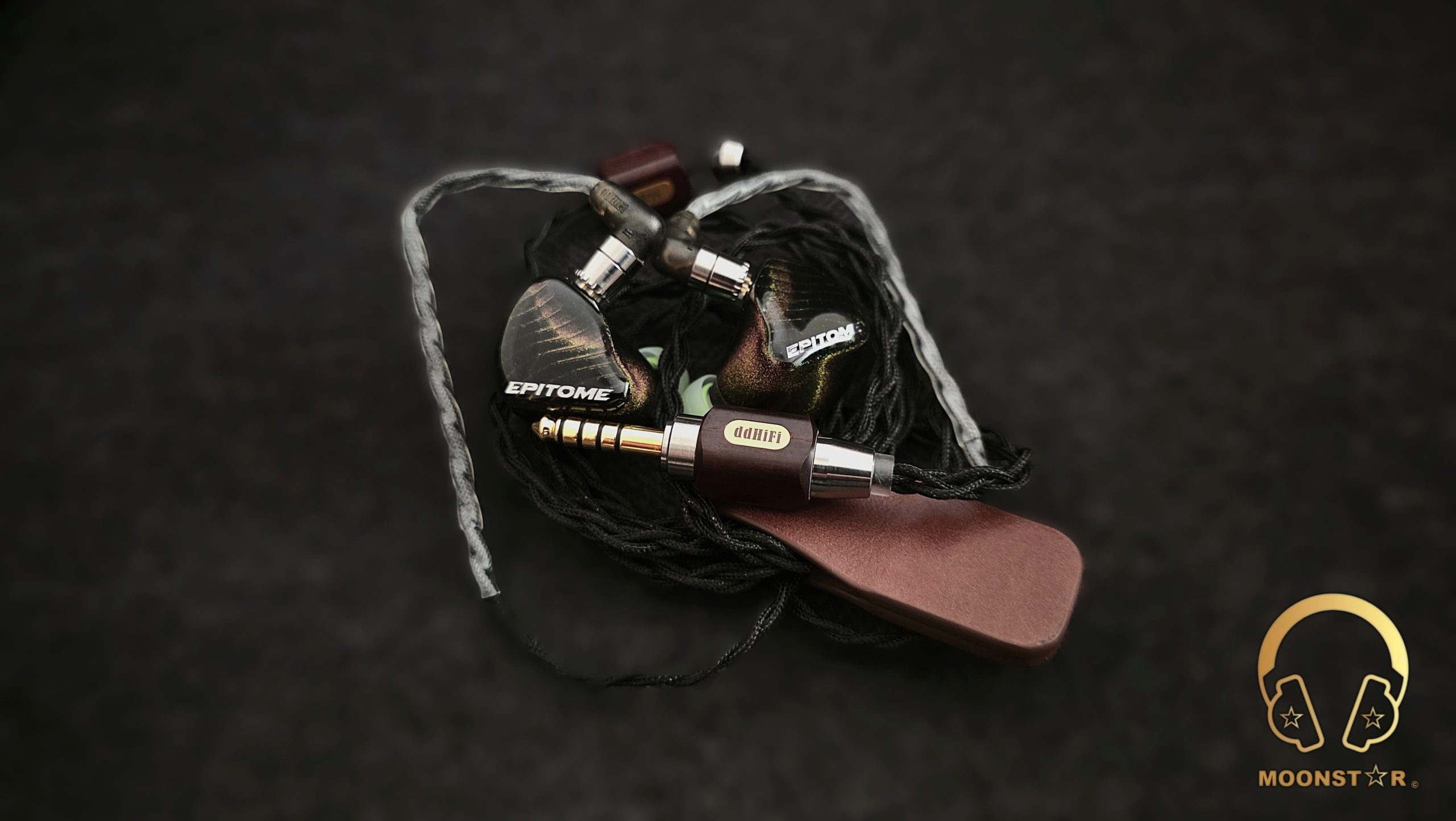
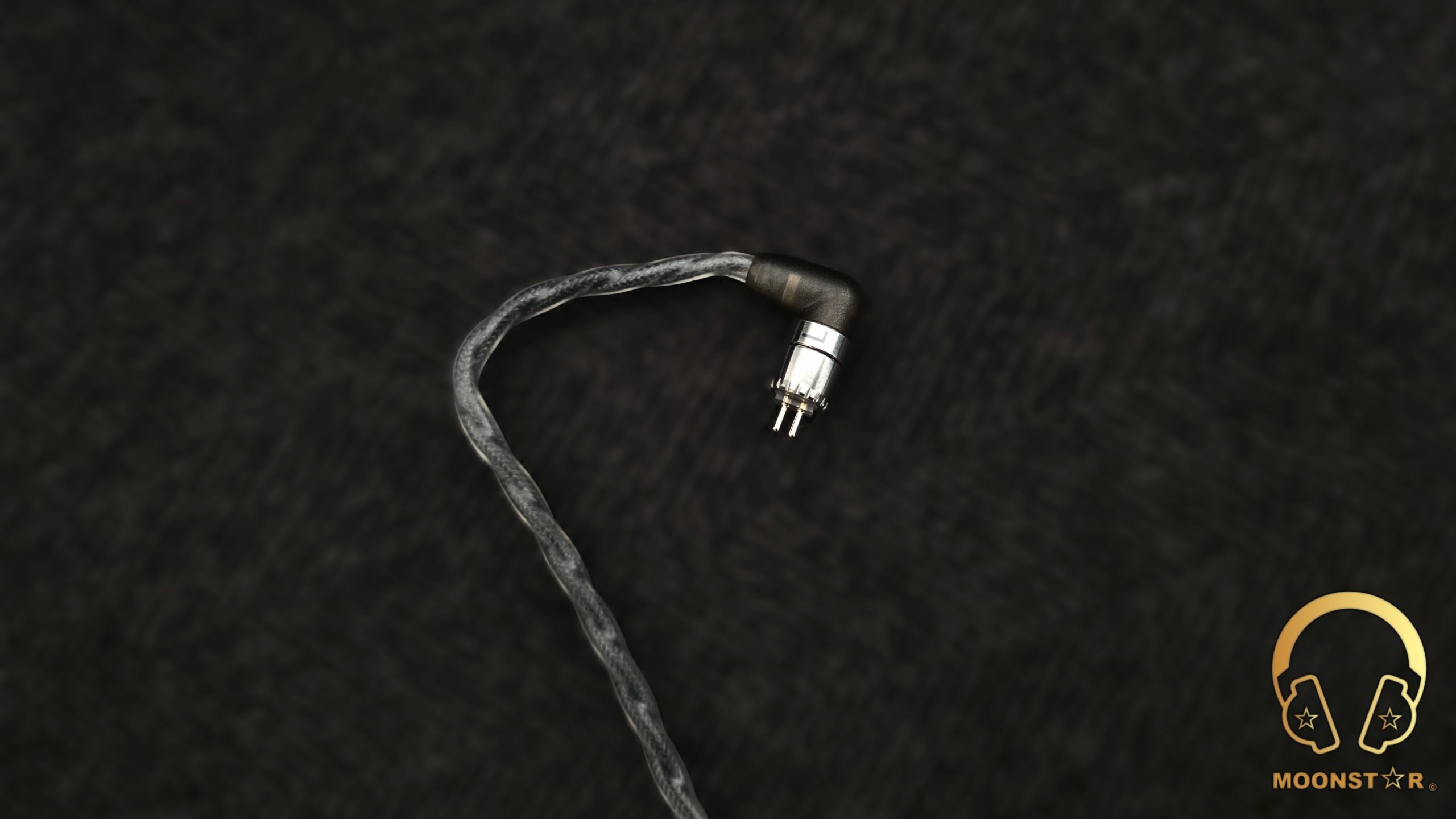
The hardware is where the Eryx visually distinguishes itself from nearly everything else in this price bracket. The y-split and chin slider are both machined from rosewood paired with titanium alloy fittings, a combination ddHiFi states is chosen specifically to damp micro-vibrations generated during signal transmission, reducing the kind of subtle distortion and phase shift that mechanical resonance in a cable’s hardware can theoretically introduce. Whether or not that vibration damping is audible in isolation, the rosewood sections are genuinely striking in hand, with visible grain that makes each individual cable unit slightly unique, and the titanium fittings around them are finished to a tight, gap-free standard with no sharp edges or rough machining marks anywhere along the assembly.
At 120cm in length and 28g including the plug and all hardware, the Eryx sits at a fairly typical weight for a four-conductor flagship cable, noticeably heavier than a thin single-conductor stock cable but not so heavy that it pulls at the ear over a long session, particularly once routed through the included ear guides.
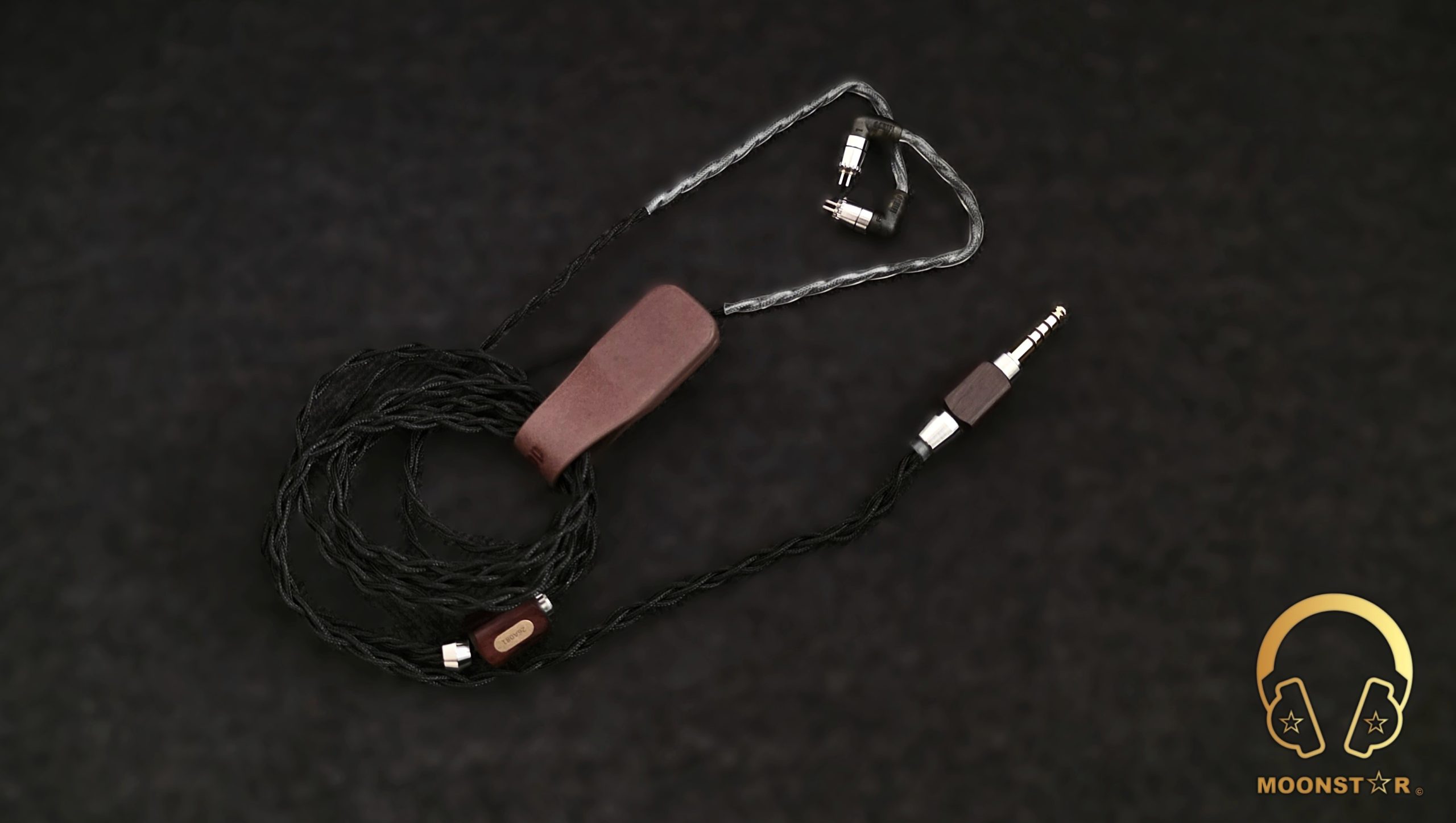
The over-ear hook section retains its shape well without being so stiff that it fights a listener’s own ear geometry, settling into place in a few seconds rather than requiring repeated adjustment. The integration of three separate Nyx Pin housing options rather than a single fixed connector stands out as a highly functional design choice, since it means the same cable can follow a listener across IEMs with recessed 2 pin sockets, flush 2 pin sockets, or MMCX without needing a second cable or an adapter. Swapping a Nyx Pin connector is a simple twist and pull operation rather than anything requiring tools, and the mechanism feels thoroughly secure with no looseness or rattle through repeated swaps.
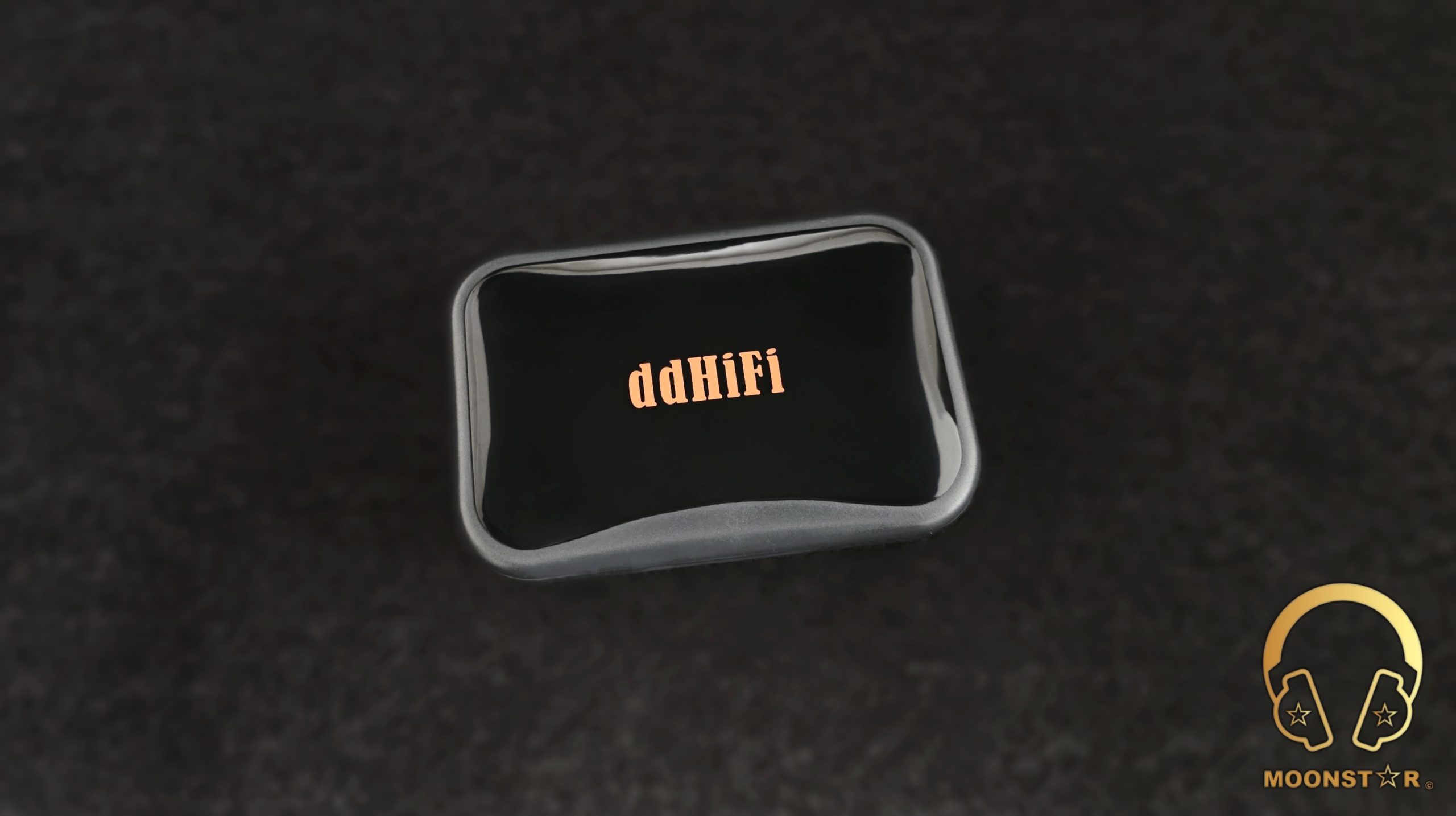
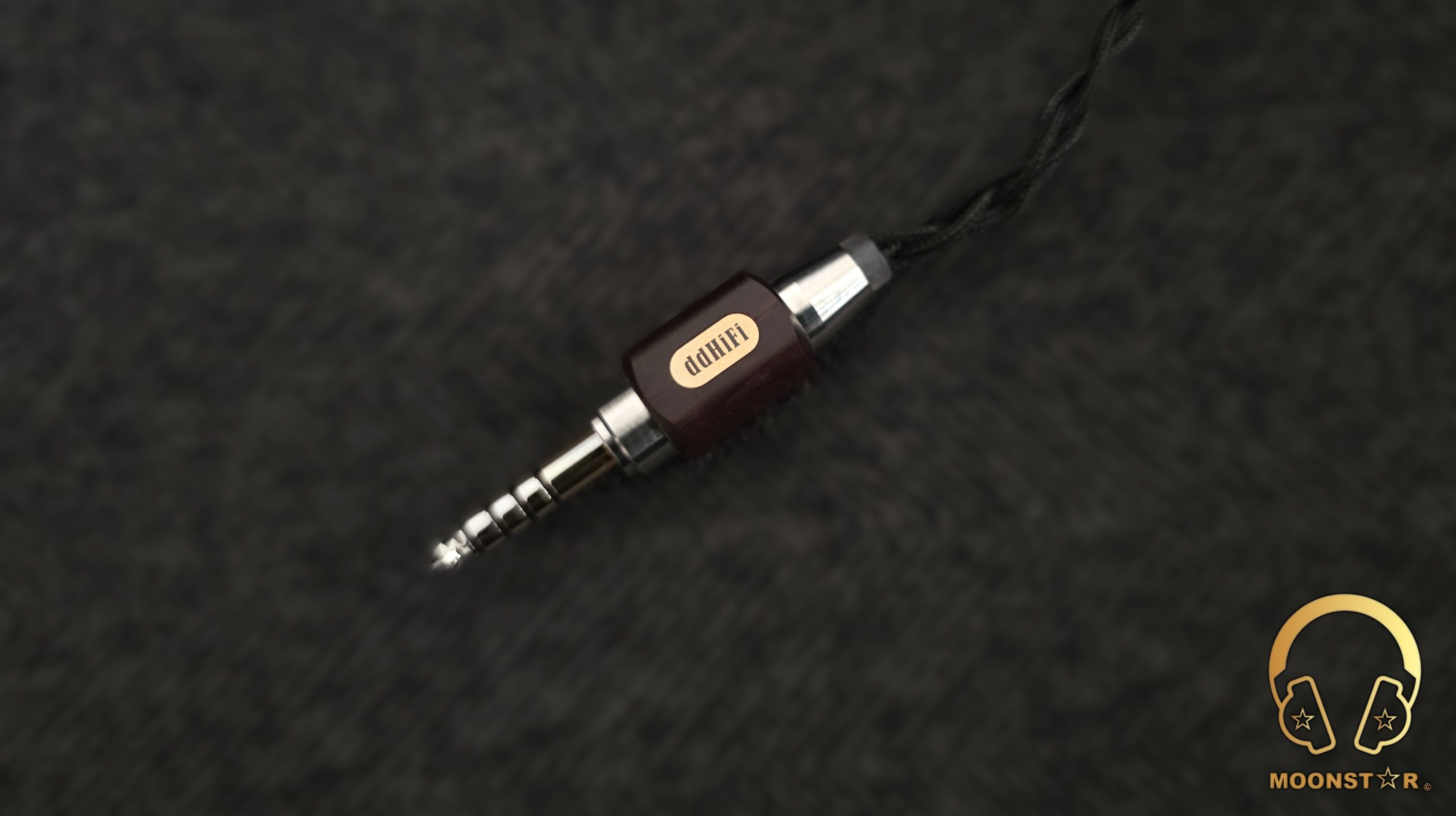
The two plug variants are where the Eryx asks a buyer to make an actual choice rather than just a cosmetic one. The RhP version uses a rhodium-plated copper 4.4mm plug with a cool, silver-toned finish that matches the titanium hardware elsewhere on the cable, giving the whole assembly a consistent, monochrome look. The OFC version instead uses a gold-plated oxygen-free copper plug sourced from Pentaconn, a connector specialist with a strong reputation in higher-end Japanese cable manufacturing, and the warm gold finish creates a more obvious visual contrast against the rosewood and titanium sections rather than blending into them. Both plugs are barrel-style 4.4mm five-pole designs with a secure, low-play fit into every balanced output tested for this review, and neither plug showed any looseness or wobble after repeated insertion and removal over the review period.
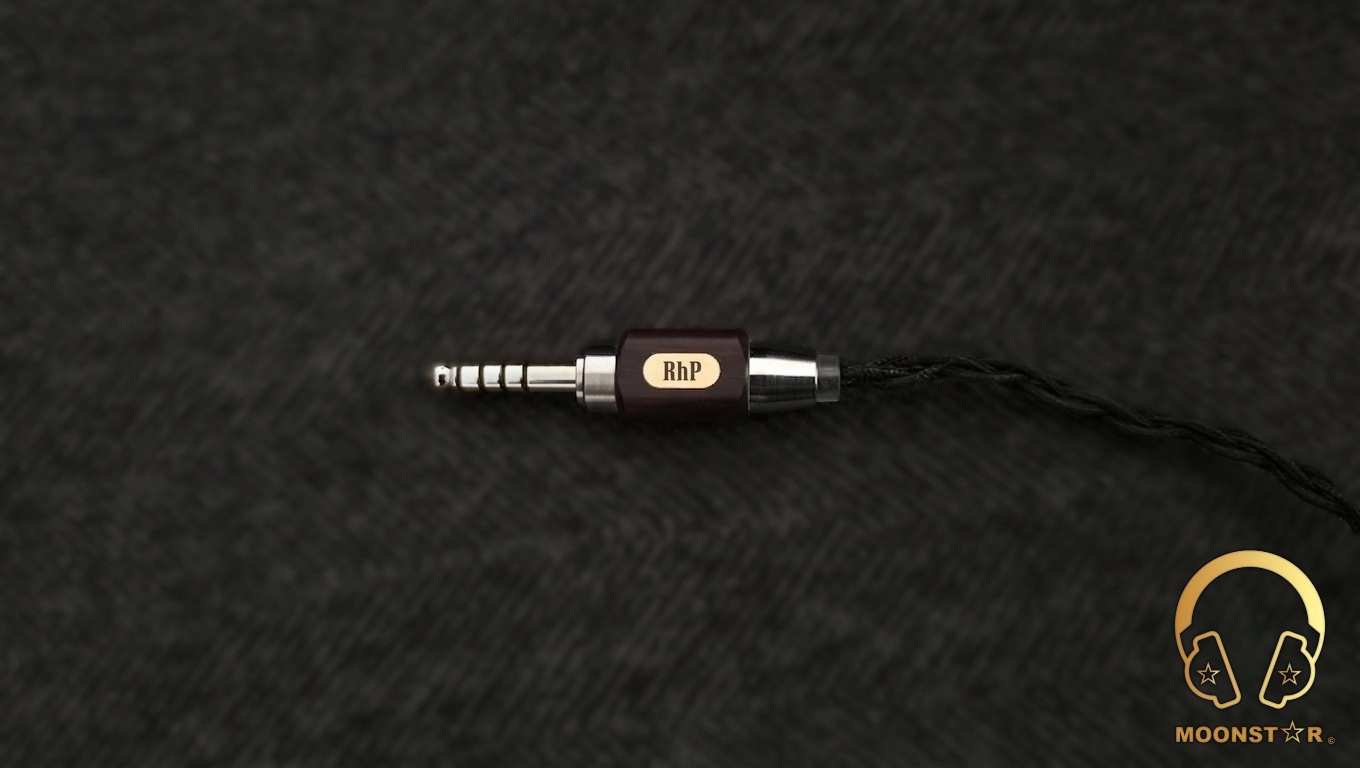
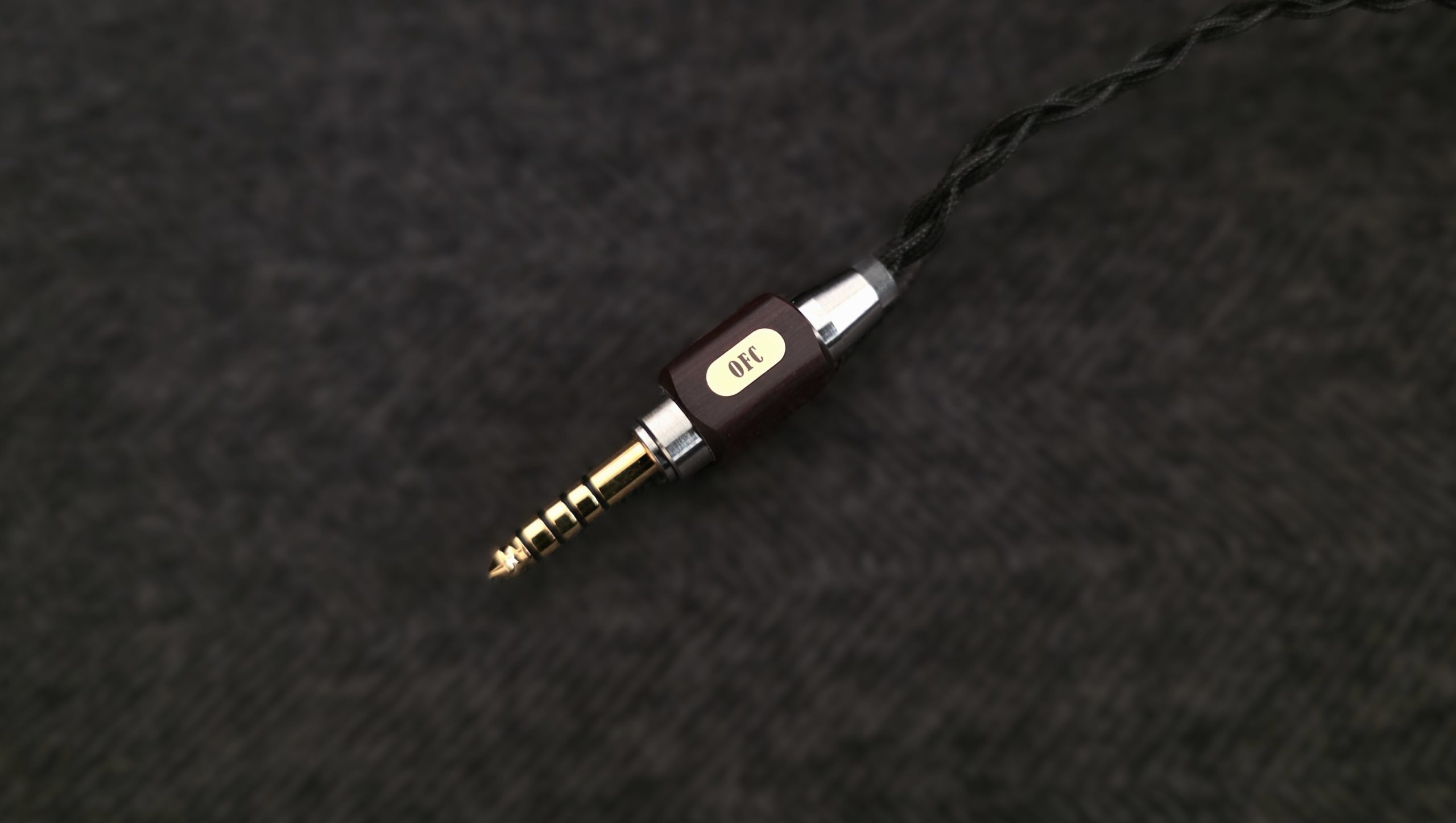
Build quality across both samples used for this review was excellent and consistent between the two variants, which is exactly what should be expected given that the only difference between them is the plug material rather than the cable, connectors, or hardware. Anyone choosing between the two on build quality alone has nothing to differentiate, the decision genuinely comes down to finish preference and, as the sound section below covers, plug material’s role in the cable’s tonal character.
Technical Specifications:
- Model: BC130C (Eryx)
- Conductors: German OFC, OCC, Gold-Plated OCC, Pure Silver (Hybrid 4-Strand)
- Conductor Gauge: 25 AWG × 4
- Insulation: American PVC + Black Braided Mesh (Dual Layer)
- Hardware: Rosewood & Titanium Alloy (Y-Split, Chin Slider)
- Connectors: Nyx-Pin Interchangeable System (0.78mm 2-Pin × 2 Housings, MMCX × 1)
- Plug (RhP Version): Rhodium-Plated Copper, 4.4mm Balanced
- Plug (OFC Version): Gold-Plated OFC, Pentaconn NBP1-04-004, 4.4mm Balanced
- Length: 120cm
- Weight: 28g
Equipment Used for This Review:
- IEM’s : Campfire Audio Andromeda 10, HiBy Zeta II, iBasso Epitome
- Cables Reviewed : ddHiFi BC130 Eryx OFC, ddHiFi BC130 Eryx RhP
- Sources : FiiO M33 R2R
Albums & Tracks Used for this Review:
Vocal Jazz / Smooth Jazz
- Norah Jones – Come Away With Me (Flac 24bit/96kHz)
- Diana Krall – So Wonderful (DSF)
- Barry White – Just The Way You Are (Flac 24bit/48kHz)
- Isaac Hayes – Walk On By (Flac 16bit/44.1kHz)
- Sting – Englishman in New York (Flac 24bit/48kHz)
- Otto Liebert & Luna Negra – The River (Flac 24bit/192kHz)
- Ferit Odman – Look, Stop & Listen (Flac 24bit/192kHz)
- Charly Antolini – Duwadjuwandadu (Flac 24bit/192kHz)
Soul / R&B
- Aretha Franklin – I Say A Little Prayer (Flac 24bit/96kHz)
- Adele – My Little Love (Apple Lossless)
- George Michael – Don’t Let the Sun Go Down on Me (Flac 24bit/192kHz)
- Eric Clapton – Wonderful Tonight (Flac 24bit/96kHz)
Pop / Rock Classics
- Michael Jackson – Billie Jean (Flac 24bit/96kHz)
- Elton John – Rocket Man (Flac 24bit/96kHz)
- David Bowie – Heroes (Flac 24bit/192kHz)
- U2 – Sunday Bloody Sunday (Flac 16bit/44.1kHz)
- Lorde – Royals (Flac 24bit/48kHz)
- Dave Gahan – Kingdom (Apple Lossless)
Electronic / Experimental
- Daft Punk – Instant Crush (Flac 24bit/96kHz)
- Daft Punk – Doin’ it Right (Flac 24bit/96kHz)
- Bro Safari, UFO! – Drama (Apple Lossless)
- Armin Van Buuren – Vini Vici (Flac 16bit/44.1kHz)
- Yosi Horikawa – Bubbles (Apple Lossless)
- Toutant – Rebirth (Apple Lossless)
Alternative / Indie / Art Rock
- Radiohead – Live in Berlin “Album” (Apple Lossless)
- Radiohead – Pyramid Song (Apple Lossless)
- Muse – Hysteria (Flac 24bit/96kHz)
- Red Hot Chili Peppers – Nobody Weird Like Me (Flac 24bit/48kHz)
- Lunatic Soul – The Passage (Flac 16bit/44.1kHz)
- Portishead – It Could Be Sweet (Apple Lossless)
- Gogo Penguin – Raven (Flac 24bit/192kHz)
- Gogo Penguin – Murmuration (Flac 24bit/192kHz)
- Massive Attack – Angel (Flac 24bit/48kHz)
- Bear McCreary – Valkyries (Apple Lossless)
Classical / Orchestral
- Max Richter – On the Nature of Daylight (Flac 24bit/96kHz)
- Chopin – Nocturne No. 20 in C-Sharp Minor (Flac 16bit/44.1kHz)
- Clair de Lune – Claude Debussy (Apple Lossless)
- Tchaikovsky – Symphony No. 5 (Flac 16bit/44.1kHz)
- Vivaldi – Le Quattro Stagioni “The Four Seasons” (Apple Lossless)
- Fazıl Say – Nazım Oratoryosu (Live) (Flac 16bit/44.1kHz)
Jazz / Instrumental
- Miles Davis – So What (Apple Lossless)
World / Traditional
- Sertap Erener – Aşk (Flac 16bit/44.1kHz)
- Edith Piaf – Non Je Ne Regrette Rien (Flac 16bit/44.1kHz)
Metal / Progressive Rock
- Metallica – Dyers Eve (Flac 24bit/96kHz)
- Metallica – Sad but True (Flac 24bit/96kHz)
- Megadeth – Sweating Bullets (Apple Lossless)
- Opeth – Windowpane (Flac 16bit/44.1kHz)
- Deftones – My Own Summer (Shove It) (Flac 16bit/44.1kHz)
- Rush – Tom Sawyer (Flac 16bit/44.1kHz)
- Slayer – Angel of Death (Apple Lossless)
The Sound:
Because both Eryx variants share an identical conductor structure, connector system, and length, the overwhelming majority of their tonal character is identical between the two, and that shared character is consistent with ddHiFi’s own stated design intent: a mellow, crisp, and detailed presentation rather than one that leans aggressively toward either warmth or brightness. Swapped in across all three IEMs used for this review in place of each unit’s stock cable, the Eryx consistently added a small but noticeable sense of weight and density to the lower registers, a touch of extra smoothness through the midrange, and a cleaner, slightly more extended top end, without ever feeling like it was overriding the underlying tuning of the IEM it was attached to.
The differences between the RhP and OFC plug variants are real but considerably smaller in scale than the differences either cable makes relative to a given IEM’s stock cable. Across repeated back-to-back swaps on all three IEMs, the OFC version’s gold-plated Pentaconn plug consistently rendered a touch more warmth and a slightly smoother, more rounded treble than the RhP version, in keeping with ddHiFi’s own description of the OFC plug as the more lush and gorgeous-sounding of the two options. The RhP version’s rhodium-plated plug, in turn, presented a marginally cleaner and more neutral top end with a touch more apparent separation on busy passages. The difference was consistently audible in direct comparison but subtle enough that most listeners would be satisfied choosing between the two on finish and aesthetic preference alone, treating the sonic difference as a pleasant bonus rather than the deciding factor.
Bass:
Low-end weight is the most immediately obvious change the Eryx brings to all three IEMs tested, consistent with ddHiFi’s stated reasoning that the German OFC and plain OCC conductors in the hybrid blend are there specifically to add sound weight and fullness. On the Campfire Audio Andromeda 10, whose ten-driver balanced armature array already trends toward a fast, well-controlled low end rather than overt warmth, the Eryx added a noticeable amount of perceived density and physical presence to kick drums and bass synth lines without softening the Andromeda 10’s characteristically quick decay, effectively filling in some of the leanness that an all-BA bass response can have relative to a dynamic driver.
On the HiBy Zeta II, whose single 8mm DLC dynamic driver already provides a reasonably full and physical low end on its own stock cable, the Eryx’s added weight stacked on top of that existing fullness rather than correcting for a deficiency, producing a bass that leaned closer to lush than the Zeta II’s stock tuning alone, an effect some listeners chasing maximum technical separation in the low end may find slightly excessive, while listeners who enjoy a fuller, more physical bass presentation will likely consider it a clear upgrade. The iBasso Epitome, built around eight Sonion electrostatic drivers and twelve balanced armatures with no dynamic driver in the mix at all, showed the most dramatic change of the three: a low end that is naturally lean and fast on the Epitome’s own stock 5N copper cable gained real perceived weight and a more rounded, less clinical character through the Eryx, which is arguably the pairing where this cable’s bass-forward conductor blend does the most practical work.
Comparing the OFC and RhP plug variants specifically in the bass region, the difference was minimal across all three IEMs, both plug materials carry the same four conductors and the same overall low-end character, and any small variation between them was well within the margin of normal listening fatigue and source-level volume matching rather than a clearly repeatable distinction.
Midrange:
The midrange is where the Eryx’s mellow, smoothed-over character described in ddHiFi’s own concept statement is most clearly audible, and the effect held up consistently across all three IEMs despite their very different baseline midrange tunings. On the Andromeda 10, whose midrange is built around Campfire’s new energized mid-driver chamber and tends toward a fairly forward, detailed presentation on its stock Time Link cable, the Eryx softened that forwardness very slightly, trading a small amount of immediacy for a smoother, more relaxed delivery that some listeners coming from brighter source chains may specifically appreciate, while listeners who prize the Andromeda 10’s analytical edge may notice the cable taking a small amount of that edge away.
On the HiBy Zeta II, whose stock tuning is already smooth and composed through the midrange, the Eryx’s added mellowness pushed the presentation further in that same direction, and on a small number of busier tracks this combination occasionally read as slightly too laid-back, with female vocals losing a touch of the presence they carry on the Zeta II’s own stock cable. The iBasso Epitome, frequently described by other listeners as a midrange and vocal-focused IEM in its own right, paired extremely well with the Eryx’s midrange character, male vocals picked up additional body and warmth without becoming thick or congested, and female vocals retained clarity while gaining a small amount of additional smoothness that suited the Epitome’s already vocal-forward identity.
Between the two plug variants, the OFC version’s midrange carried a marginally fuller, warmer quality than the RhP version on all three IEMs, most noticeable on male vocals and lower midrange instruments, which lines up with ddHiFi’s description of the gold-plated OFC plug producing a more lush sonic signature. The RhP version’s midrange was very slightly more reserved and neutral by comparison, a difference that was consistently identifiable in direct A/B switching but small enough that it would likely go unnoticed without a back-to-back comparison.
Treble:
Treble extension and detail retrieval benefit from the pure silver and gold-plated OCC strands in the Eryx’s conductor blend, and the effect was audible as a genuine, if moderate, improvement in perceived air and sparkle across all three IEMs relative to each unit’s stock cable. On the Andromeda 10, whose two-driver high-frequency section is already tuned for extension and detail, the Eryx added a small additional sense of air above the existing treble without introducing any new harshness or sibilance, a clean improvement rather than a tradeoff. The HiBy Zeta II’s quad enhanced EST super tweeter array, already among the more extended treble sections in this price range on its own merits, showed the Eryx’s treble character clearly: cymbal decay and string harmonics carried a touch more shimmer and air, though the difference here was the smallest of the three IEMs tested, likely because the Zeta II’s own electrostatic tweeters are already operating close to the ceiling of what most cables can meaningfully add.
The iBasso Epitome showed the most noticeable treble change of the group, its eight Sonion EST drivers gained a clearer sense of separation and sparkle through the Eryx that was genuinely easy to identify even in casual listening rather than only in close back-to-back comparison, suggesting the Epitome’s particular driver configuration is more sensitive to the kind of high-frequency conductor improvements the Eryx’s silver and gold-plated OCC strands are aiming for. Sibilance control remained good across every pairing tested, with no instance of the Eryx introducing harshness that was not already present in the source recording.
The plug material comparison was most audible in this region out of the four frequency areas covered here. The RhP version’s rhodium-plated plug consistently presented a slightly cleaner, more neutral treble with marginally crisper transient edges, while the OFC version’s gold-plated plug rounded those same transients very slightly, trading a small amount of outright crispness for a smoother, less fatiguing top end on brighter recordings. Listeners with treble-sensitive ears or a preference for a more forgiving top end will likely lean toward the OFC version specifically because of this difference, while listeners chasing maximum technical extension will likely prefer the RhP version.
Soundstage and Imaging:
Soundstage and imaging improvements were the most consistent benefit the Eryx delivered across all three IEMs, and ddHiFi’s stated rationale, that the rosewood and titanium hardware reduces micro-vibration and signal phase shift, lines up reasonably well with what was actually audible during testing, regardless of whether the specific mechanism behind it is vibration damping or simply the cable’s conductor geometry. On the Andromeda 10, already a wide and well-layered performer on its own stock cable thanks to its ten-driver array, the Eryx added a modest but real improvement to center image stability and depth layering rather than outright width, sharpening the sense of exactly where a given instrument sat in the stereo field.
The HiBy Zeta II showed a similar pattern, with imaging precision benefiting more than outright stage size, vocal placement felt slightly more locked-in and stable through the Eryx compared to the stock cable, which already has a reasonably spacious presentation of its own. The iBasso Epitome, again the pairing that responded most dramatically to the cable swap, gained a more layered and three-dimensional presentation through the Eryx, with better separation between closely spaced instruments in denser passages and a more convincing sense of depth from front to back rather than a flat, side-to-side-only image.
Between the two plug variants, soundstage and imaging differences were negligible, both the OFC and RhP versions delivered essentially the same spatial improvement over each IEM’s stock cable, which makes sense given that imaging is driven primarily by the cable’s conductor geometry and channel separation rather than by the plug material at the very end of the signal path.
Comparisons:
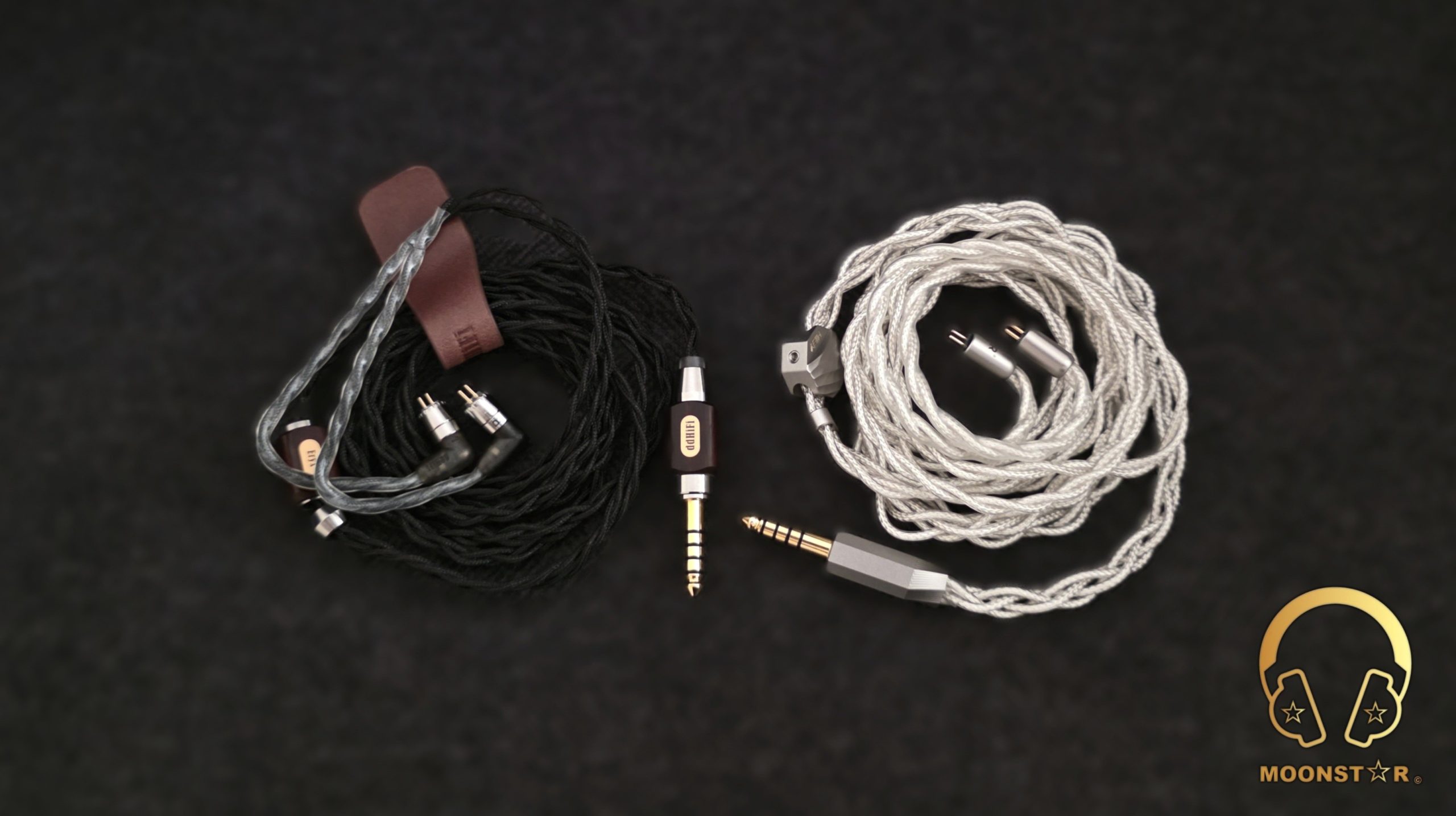
ddHiFi BC130 Eryx vs. HiBy Zeta II Stock Cable:
The HiBy Zeta II ships with an 8-core Litz-structured OCC copper cable terminated in a fixed 4.4mm balanced plug, a cable HiBy specifically tuned to complement the Zeta II’s own quadbrid driver array rather than treating as a generic accessory. It is a cable that already punches above typical stock-cable expectations, which makes the Eryx’s improvements here a noticeably tighter contest than with either of the other two IEMs in this review.
In the bass, the Zeta II’s stock cable already delivers a full, physical low end thanks to its 8mm DLC dynamic driver and the cable’s own copper-driven warmth, and the Eryx’s additional weight here was the smallest gain recorded across the three pairings, since there was simply less headroom for improvement to begin with. Some listeners specifically chasing the absolute tightest, most controlled bass may actually prefer the stock cable’s slightly leaner low end over the Eryx’s added density in this particular pairing.
The midrange comparison favors the stock cable more than in either other pairing tested. HiBy’s own cable keeps the Zeta II’s naturally smooth, composed midrange clear and present, while the Eryx’s added mellowness pushed that same midrange further toward laid-back than ideal on a handful of busier tracks, with female vocal presence softening slightly more than this reviewer would prefer. This is the one regime across the whole review where the stock cable’s own tuning synergy with its matched IEM made a stronger case for staying stock rather than upgrading.
Treble tells the opposite story. The Zeta II’s quad enhanced EST tweeters are already excellent on the stock cable, but the Eryx’s silver and gold-plated OCC strands added a small, genuine improvement in air and shimmer that was consistently identifiable, even if it was the smallest treble gain recorded among the three IEMs given how strong the starting point already was.
Soundstage and imaging favored the Eryx by a modest but real margin, with vocal placement and center image stability improving slightly over the already spacious stock presentation. Taken as a whole, the HiBy Zeta II is the pairing in this review where the case for upgrading away from the stock cable is weakest, the stock cable is simply unusually well matched to its own IEM, and the Eryx’s gains in treble air and imaging precision need to be weighed against a real, if modest, step back in midrange immediacy to make the swap worthwhile.
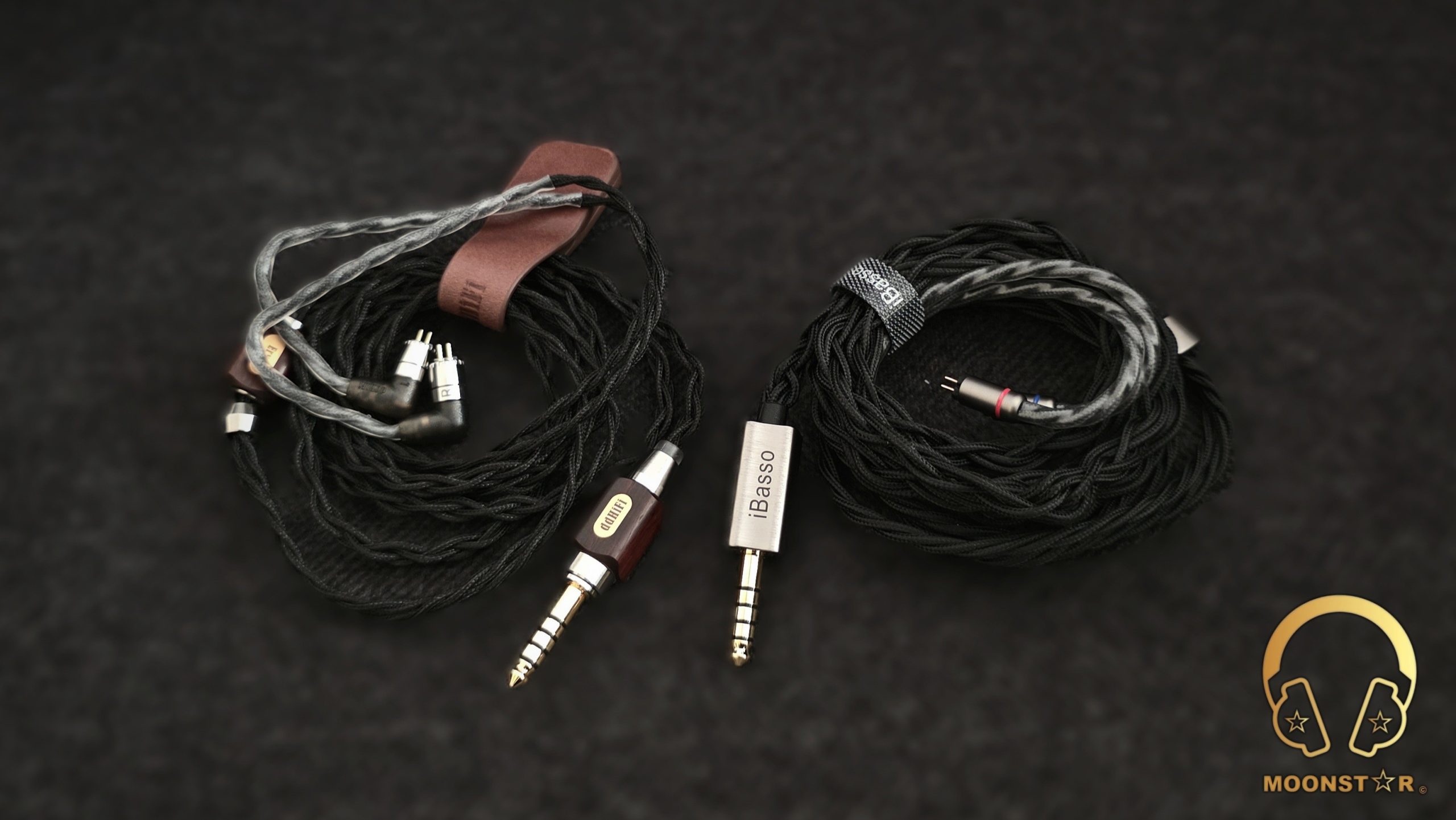
ddHiFi BC130 Eryx vs. iBasso Epitome Stock Cable:
The iBasso Epitome ships with a 5N mono-crystal copper Litz cable built around a modular plug system covering 3.5mm, 4.4mm, and USB-C terminations, the latter with a built-in DAC chip for direct phone or laptop use without an external dongle. It is a genuinely useful, flexible cable on paper, but in hand it is noticeably thinner and lighter than the Eryx, and it lacks the kind of premium, substantial feel that a flagship-tier IEM at the Epitome’s price point might be expected to ship with.
This was consistently the pairing where the Eryx made the largest audible difference across every frequency region tested. In the bass, the Epitome’s twenty-driver array, built entirely from electrostatic and balanced armature drivers with no dynamic driver to anchor the low end, produces a naturally lean, fast bass on its stock cable, and the Eryx’s added weight and density filled that in more convincingly than on either other IEM in this review, giving the Epitome’s low end a sense of physical presence that its own stock cable does not quite reach on its own.
The midrange pairing was similarly the strongest match of the three. The Epitome already has a reputation as a vocal and midrange-focused flagship, and the Eryx’s mellow, smoothed-over character complemented that identity rather than working against it, adding body to male vocals and a touch of extra warmth to female vocals without sacrificing the clarity that the Epitome’s stock cable already provides.
Treble showed the single largest gain recorded anywhere in this review. The Epitome’s eight Sonion EST drivers responded to the Eryx’s silver and gold-plated OCC strands with a clear, easily noticed improvement in separation and sparkle, audible even without close back-to-back switching, which suggests the Epitome’s particular electrostatic-heavy driver configuration is unusually sensitive to the kind of high-frequency conductor refinement the Eryx is built around.
Soundstage and imaging followed the same pattern, with the Eryx adding a more convincing sense of depth and separation between closely spaced instruments than the Epitome’s stock cable manages on its own. Across all four frequency regions, the iBasso Epitome is the clearest case in this review for the Eryx as a genuine upgrade rather than a sidegrade, the Epitome’s stock cable is competent but unremarkable, and the gap between it and the Eryx was consistently the widest of the three IEMs tested.
ddHiFi BC130 Eryx vs. Campfire Audio Andromeda 10 Stock Time Link Cable:
The Andromeda 10’s stock Time Link cable is a six-braid blend of silver-plated copper and pure copper built around a modular swap mechanism that lets a listener change between 3.5mm, 4.4mm, and a USB-C DAC termination without needing a separate cable for each. It is a genuinely versatile, well-engineered stock cable in its own right, lightweight and tangle-resistant, and Campfire clearly prioritized everyday flexibility over chasing a specific tonal signature with it.
In the bass, the Time Link’s silver-copper blend produces a fast, well-controlled low end that suits the Andromeda 10’s already quick balanced armature bass character, but it stays comparatively lean next to the Eryx’s added weight, the Eryx fills in a sense of physical presence underneath kick drums and bass-heavy passages that the Time Link does not really attempt to provide, prioritizing accuracy over impact.
The midrange tells a similar story. The Time Link keeps the Andromeda 10’s naturally forward, detailed midrange intact without adding any of its own coloration, which suits listeners who specifically bought the Andromeda 10 for that analytical edge. The Eryx’s added mellowness softens that forwardness slightly in exchange for a smoother, more relaxed vocal presentation, a clear trade rather than a strict improvement, and the right choice between the two depends entirely on whether a listener wants the Andromeda 10’s most neutral, unfiltered character or a touch of added warmth layered on top of it.
Treble is where the comparison becomes closer to a wash. The Time Link does not roll off or dull the Andromeda 10’s already extended high-frequency section, and the gap between it and the Eryx in outright treble air was the smallest difference recorded across any frequency band in this comparison, suggesting the Time Link’s silver-copper blend is already doing a reasonably similar job to the Eryx in this specific region.
Soundstage is where the Eryx pulls clearly ahead. The Time Link delivers a respectably wide image on its own, but the Eryx’s improvement in depth layering and center image stability was consistently audible in back-to-back switching, giving the Andromeda 10 a more three-dimensional sense of space than its stock cable manages alone. For an Andromeda 10 owner who values the stock tuning’s analytical character and modular convenience, the Time Link remains a genuinely good cable with no pressing need to replace it. For an owner who wants more low-end weight and a more layered soundstage and is willing to give up some of that forwardness and the modular termination swapping to get it, the Eryx is a clear and worthwhile upgrade.
Conclusion:
The ddHiFi BC130 Eryx is a genuinely well-engineered flagship cable, with a hybrid four-conductor design that delivers a real, repeatable improvement in bass weight, midrange smoothness, treble air, and soundstage depth across three very different IEMs, and rosewood and titanium hardware that looks and feels every bit as premium as the asking price suggests. The choice between the OFC and RhP plug variants is a genuine one rather than a marketing gimmick, the gold-plated OFC plug measurably warms and smooths the top end relative to the rhodium-plated version, and listeners should choose based on whichever character better complements their own IEM and listening preference rather than treating one as objectively superior to the other.
How much of an upgrade the Eryx represents depends heavily on which IEM it is paired with. Against the iBasso Epitome’s stock cable the improvement was consistently the largest and easiest to justify, against the Campfire Audio Andromeda 10 it offered a clear but more situational trade between neutrality and added warmth and depth, and against the HiBy Zeta II’s unusually well-matched stock cable the case for upgrading was the least clear-cut of the three. Anyone considering the Eryx should weigh that pairing-dependent variation against the cost of entry, since the cable’s strengths are real but its impact is not uniform across every IEM it might be connected to.
Pros & Cons:
+ Hybrid four-conductor design delivers a genuine, repeatable improvement in bass weight and soundstage depth
+ Striking rosewood and titanium alloy hardware with excellent fit and finish
+ Nyx-Pin system includes three connector housings, covering 2-pin recessed, 2-pin flush, and MMCX in one package
+ OFC and RhP plug variants offer a genuine, audible tonal choice rather than a cosmetic one
+ Comfortable, well-controlled microphonics for a four-conductor braided cable of this thickness
+ Largest gains land specifically on IEMs with lean, electrostatic or all-balanced-armature bass, where the cable’s added weight does real work
– Benefit over stock cable varies significantly by IEM, smallest on already well-matched stock cables like the HiBy Zeta II’s
– Midrange mellowness can occasionally read as slightly too laid-back on IEMs that are already smooth-tuned
– Fixed 4.4mm-only termination per variant, no swappable 3.5mm or single-ended option included