EPZ P40 Review

EPZ P40 Review
Introduction:
EPZ is a brand that has built its credibility incrementally across a series of releases that consistently punch above their price tier in terms of driver engineering and tuning discipline. The P40 is the brand’s most ambitious IEM to date, marking its first use of a four-driver, four-technology configuration in a single housing: two dynamic drivers, one micro planar magnetic driver, and one PZT piezoelectric ceramic driver, all governed by a 4-way electronic crossover. This is not a driver count inflated for marketing purposes. Each driver type in the P40 is assigned a specific and non-overlapping role, and the crossover network that manages the handoffs between them has been designed to minimize interference between stages rather than simply dividing the frequency band at convenient points.
The 9mm dynamic driver handles sub-bass duty exclusively, providing the low-frequency extension and physical weight that dynamic drivers achieve more convincingly than any other technology. A separate 7mm dynamic driver manages the mid-bass and lower midrange region, keeping bass body and vocal fundamentals on independent amplification paths so that neither compromises the other. The micro planar driver contributes treble speed and texture through its characteristic fast transient response. The PZT ceramic driver extends the upper air and provides the shimmer and fine detail that sits above the planar’s operating range. The tuning philosophy behind all four operating together targets a Harman-inspired balance (aligned with Harman 2019 target curve adjustments), adjusted with more mid-bass body than the target curve alone would produce, and a smoother treble roll-off intended to prevent the upper frequencies from becoming aggressive or fatiguing. EPZ has described the P40 as tuned specifically with vocal fidelity in mind, and the tuning decisions across the frequency range reflect that priority.

Disclaimer:
I would like to thank EPZ for providing the P40 as a review sample. I am not affiliated with EPZ beyond this review, and these words reflect my true and unaltered opinions about the product.
Price & Availability:
The EPZ P40 is priced at $160 USD. It is available through the official EPZ Audio website and authorized dealers worldwide. For more details:
Package & Accessories:
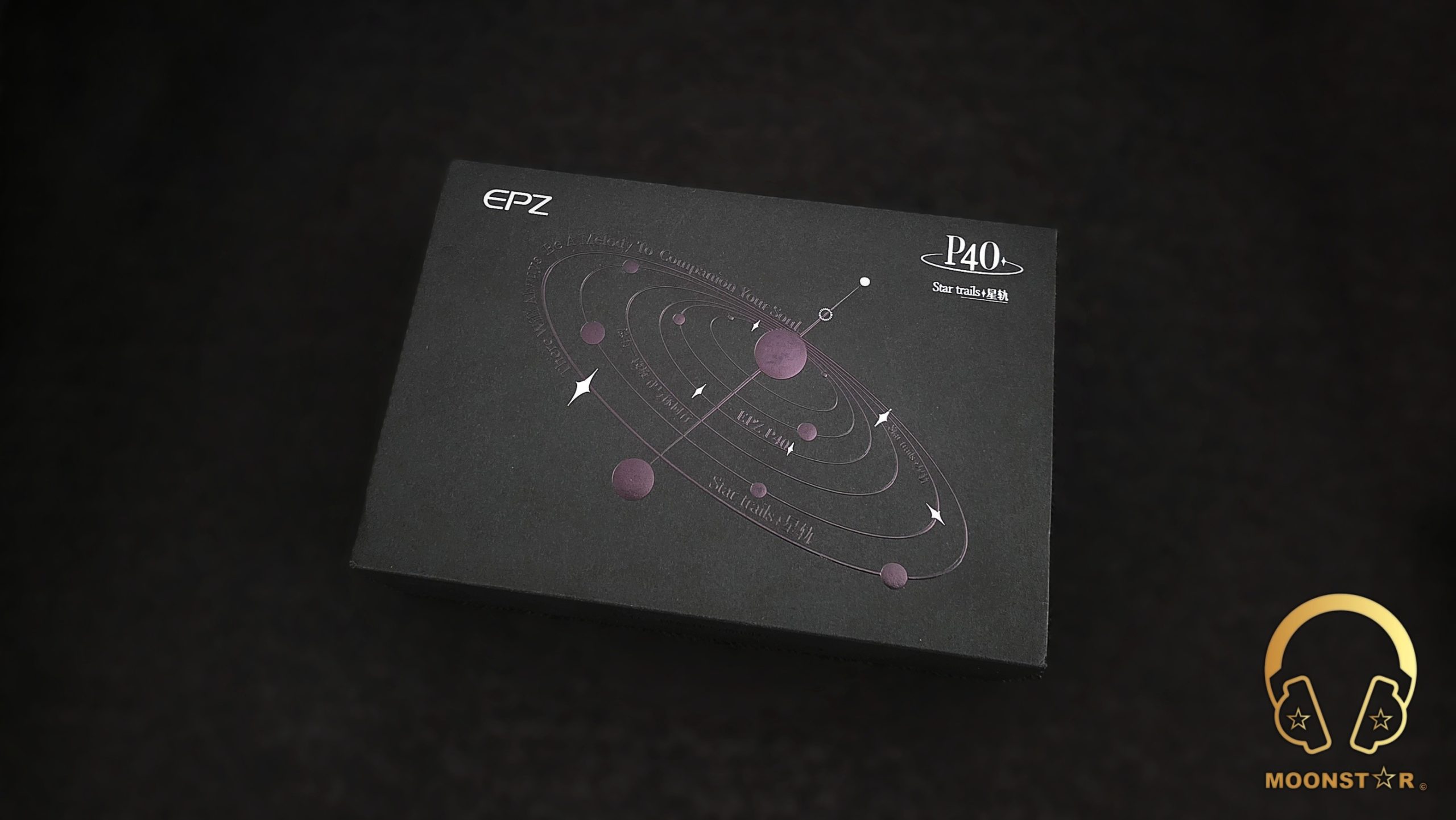
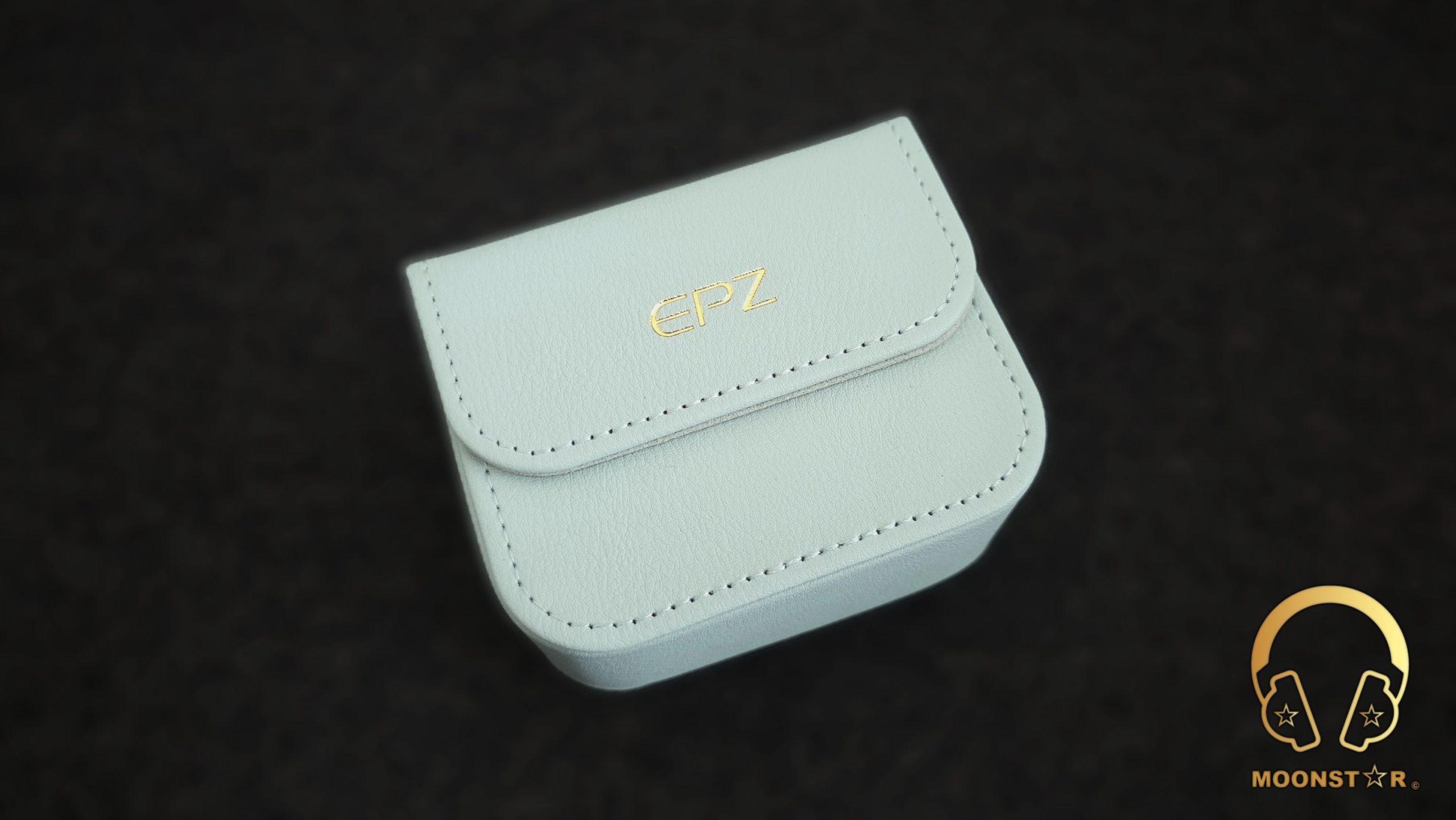
The P40 ships in a compact, clearly branded box that presents the product with appropriate seriousness for its price tier. The outer packaging carries the EPZ branding and a driver configuration diagram that communicates the engineering behind the IEM without requiring the buyer to hunt for technical details after the fact. Inside, the IEMs sit in a shaped foam insert alongside a well-organized accessory set. The carrying case is a compact zipper case finished in a material consistent with the shell aesthetic, providing adequate protection for daily transport.

The full package includes:
- 1 pair x EPZ P40 IEM
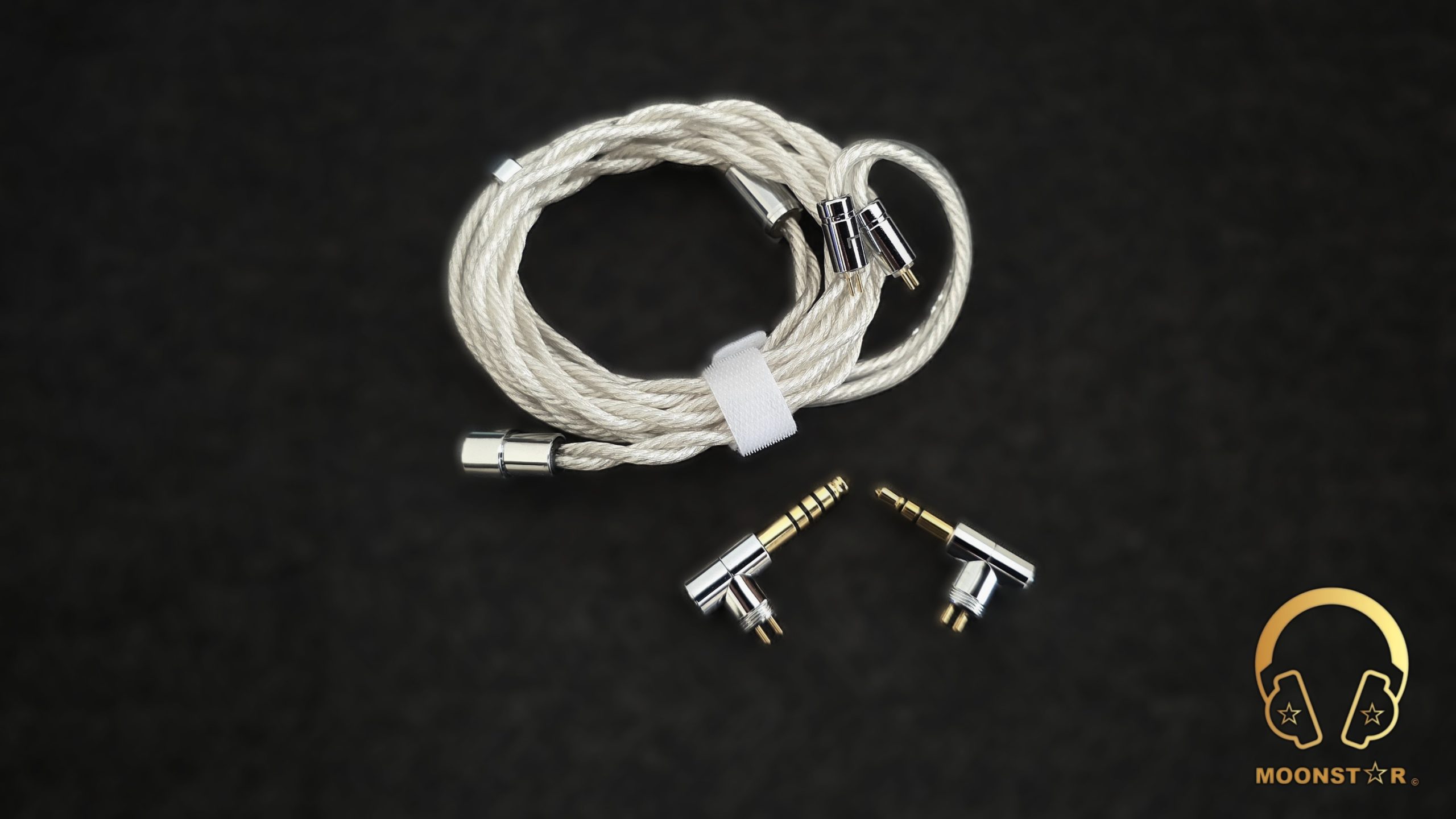
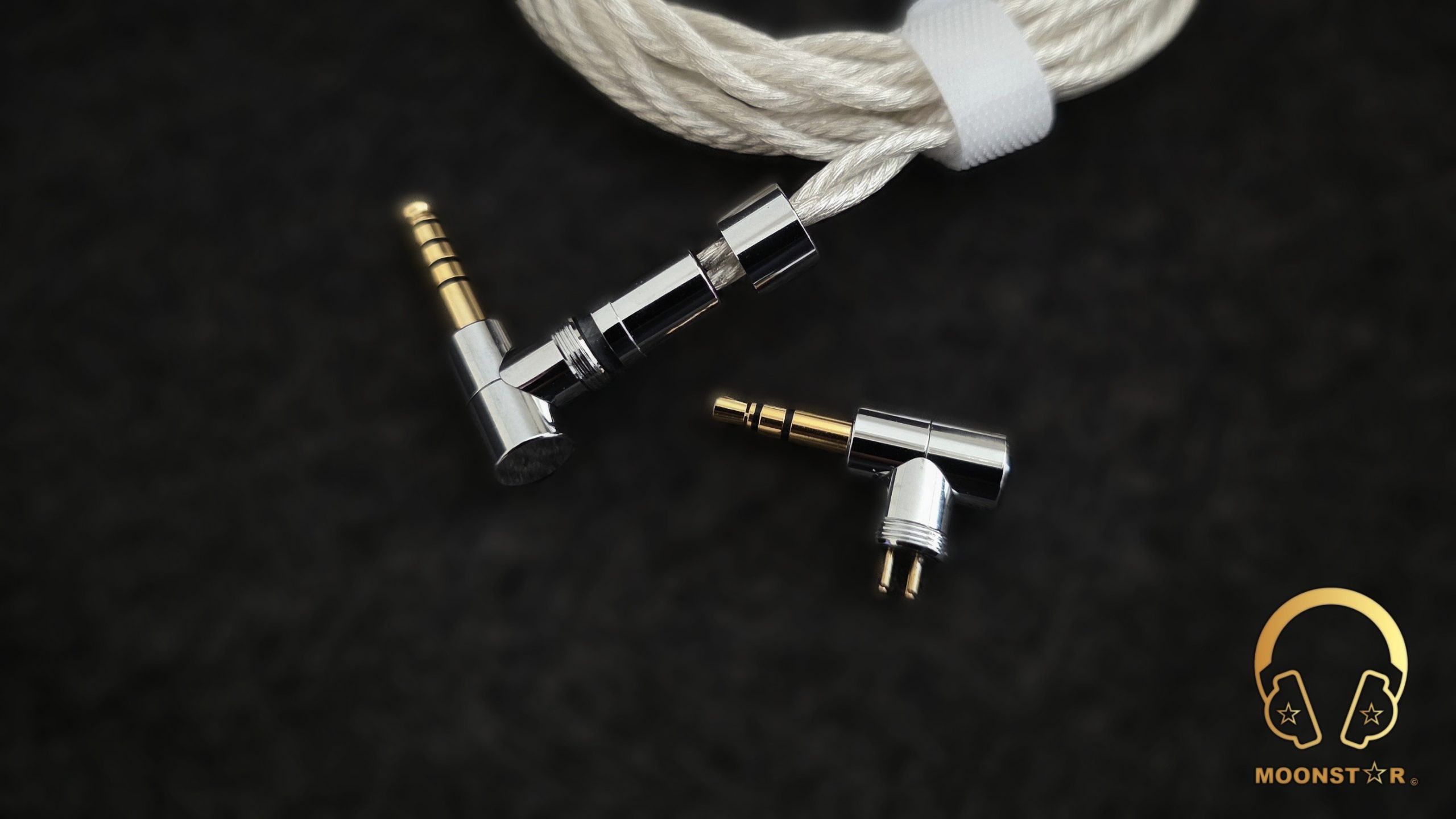
- 1 x Furukawa Silver-Plated OFC Cable with Modular 3.5mm Single-Ended and 4.4mm Balanced Termination
- 3 pairs x Wide Bore Silicone Ear Tips (S/M/L)
- 3 pairs x Narrow Bore Silicone Ear Tips (S/M/L)
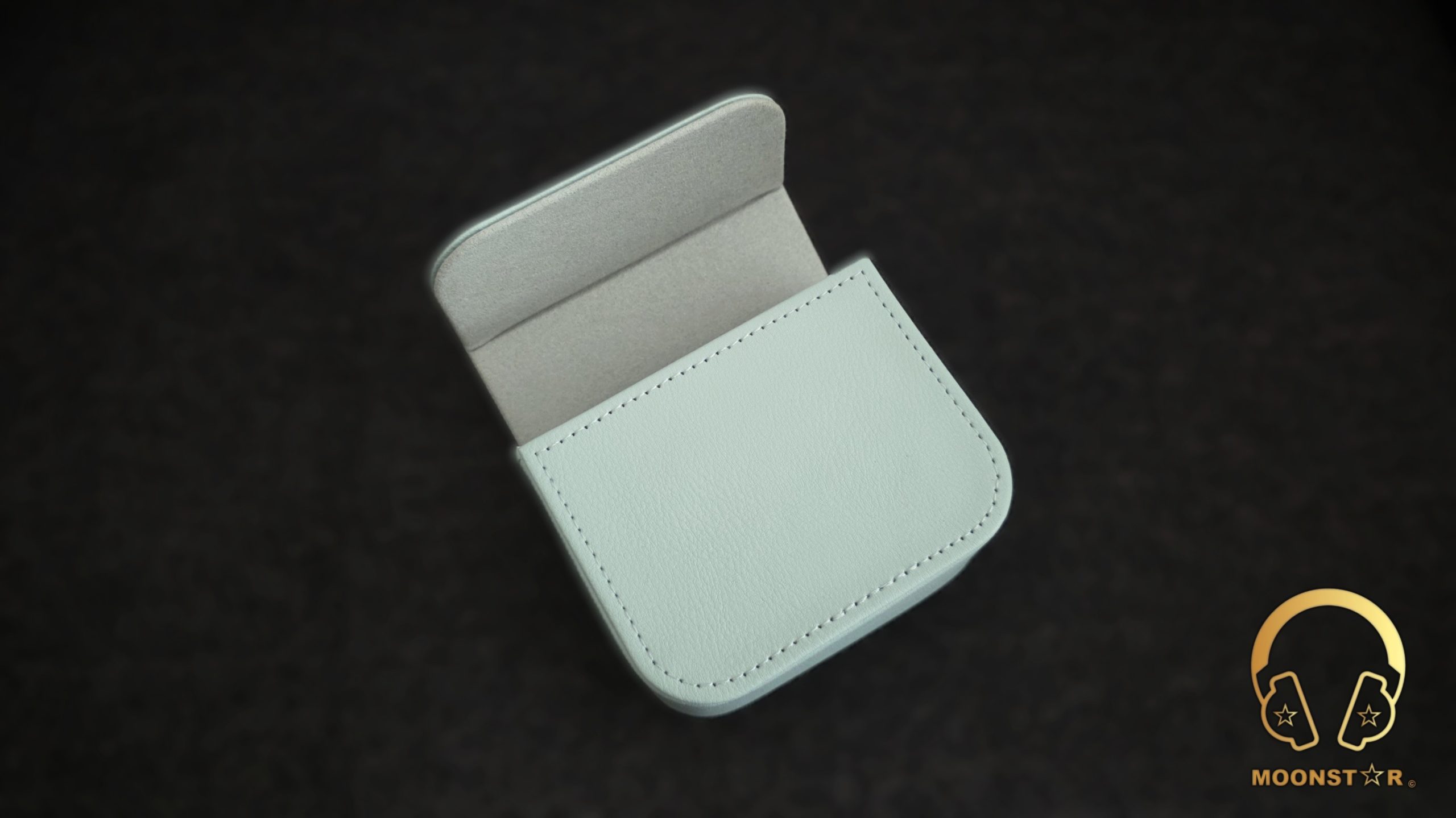
- 1 x Compact Zipper Carrying Case
- 1 x User Manual and Documentation

The modular cable is the standout accessory. Pairing a Furukawa OFC silver-plated cable with a modular termination system at $160 is a deliberate choice that adds genuine value without increasing the purchase price, and it means the P40 is ready for both single-ended and balanced source configurations from the moment of unboxing. The cable’s material quality is noticeably above the plastic-jacket cables that accompany many competing IEMs at this price.
 Two ear tip types allow initial tonal adjustment before any source-level changes are made: wide bore tips produce a more open, airier presentation, while narrow bore tips add low-frequency body and a warmer overall character.

The carrying case is functional and compact without being a premium addition, which is consistent with a product that has focused its budget on the hardware rather than the presentation.
Optional Accessory Recommendation:
For users sensitive to high frequencies, the optional EPZ M100 Liquid Silicone Eartips are an ideal recommendation to refine the P40’s sound profile. These premium wide-bore tips feature a soft, adaptive seal that ensures superior comfort during extended listening sessions. Acoustically, the M100s help smooth out the treble output by maintaining the air and detail produced by the micro planar and PZT drivers while reducing the risk of harshness or sibilance. These tips provide a balanced, controlled listening experience for those seeking to temper treble energy.

Design & Build Quality:
The P40 shell is built from solid-cast 3D-printed resin, a material that EPZ has processed with greater density than the hollow-shell resin housings that characterize many IEMs in this price bracket. The shells do not flex under pressure, do not produce any hollow resonance when tapped, and show no seam lines or surface irregularities on the review unit. The added density contributes a quality of solidity in hand that reads as reassuring rather than merely heavy, and the ergonomic geometry of the shells is well-executed for a resin-bodied IEM.

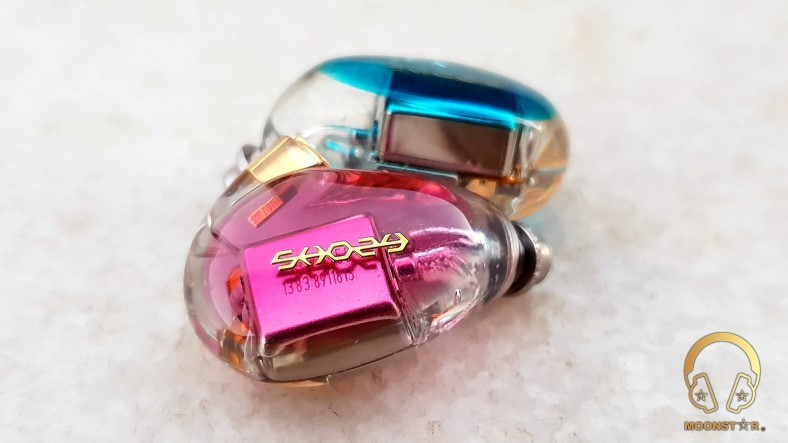
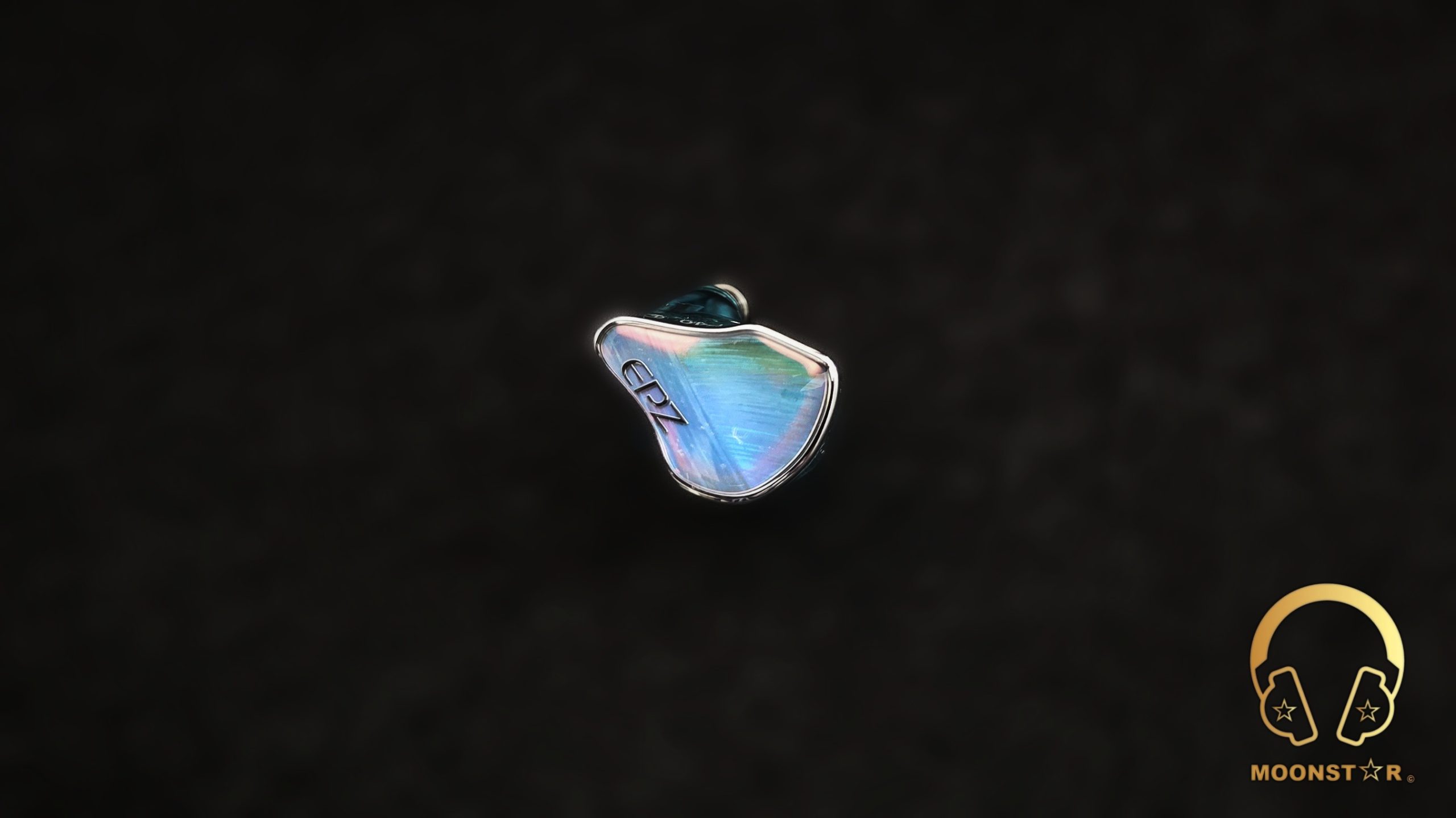
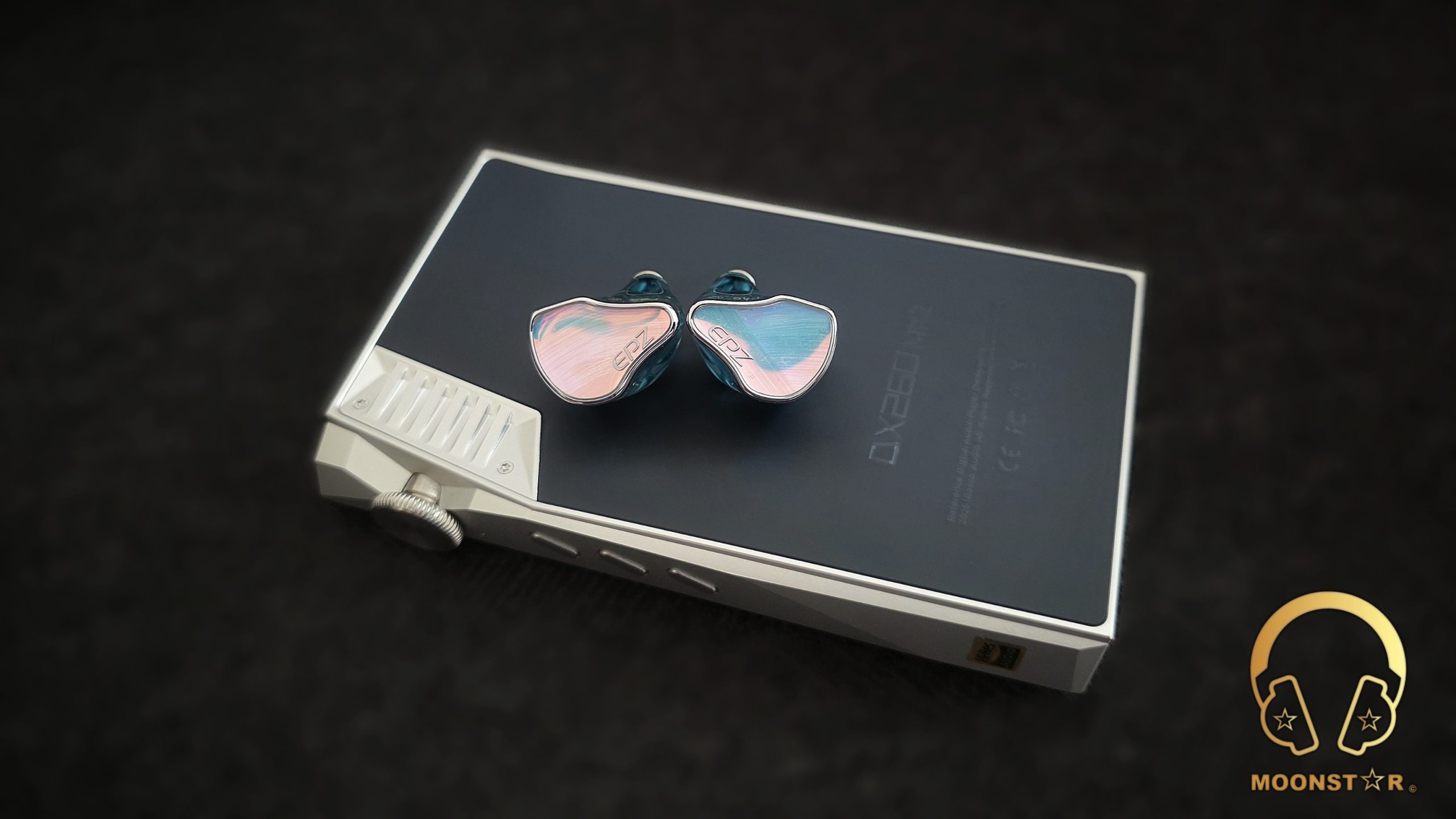
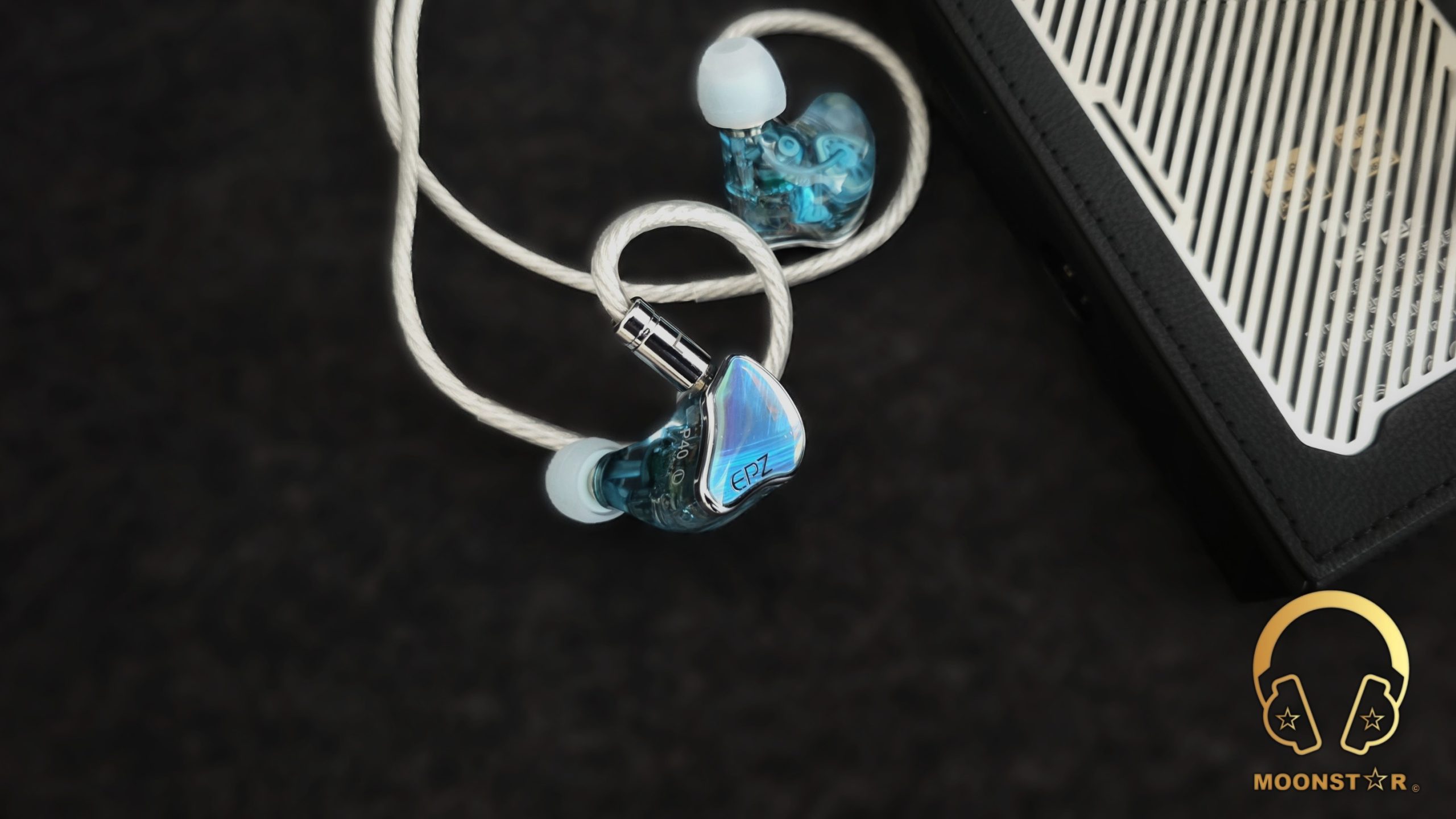
The faceplate design of the P40 uses a laser-textured metallic panel embedded beneath a clear resin coating, a construction that creates a visual depth effect when the light angle changes. The pattern is described by EPZ as a Star Trails motif, rendered in a blue-silver gradient that shifts between a deep matte character in flat light and a more animated, refractive appearance under directional illumination. The metallic panel beneath the clear resin is smooth and consistent in its finish, and the resin layer above it is polished without visible bubbling or inclusion. The EPZ branding is rendered on the faceplate in a small but cleanly executed format that does not compete with the visual character of the star trails design.

The shell body follows a compact, ergonomic form that sits naturally in the concha without requiring the listener to force the housing into position. The inner face of each shell is contoured to follow the average ear anatomy, and the nozzle exits at an angle that directs the sound bore toward the canal during a standard over-ear wear configuration without requiring an unusually deep insertion.

The 2-pin connector sockets are located on a dedicated flat area of the shell body, positioned on the upper rear face in a way that provides a stable mechanical platform for cable connection without creating a fragile junction point. L and R channel markings are clearly printed on the inner face of each shell near the nozzle.
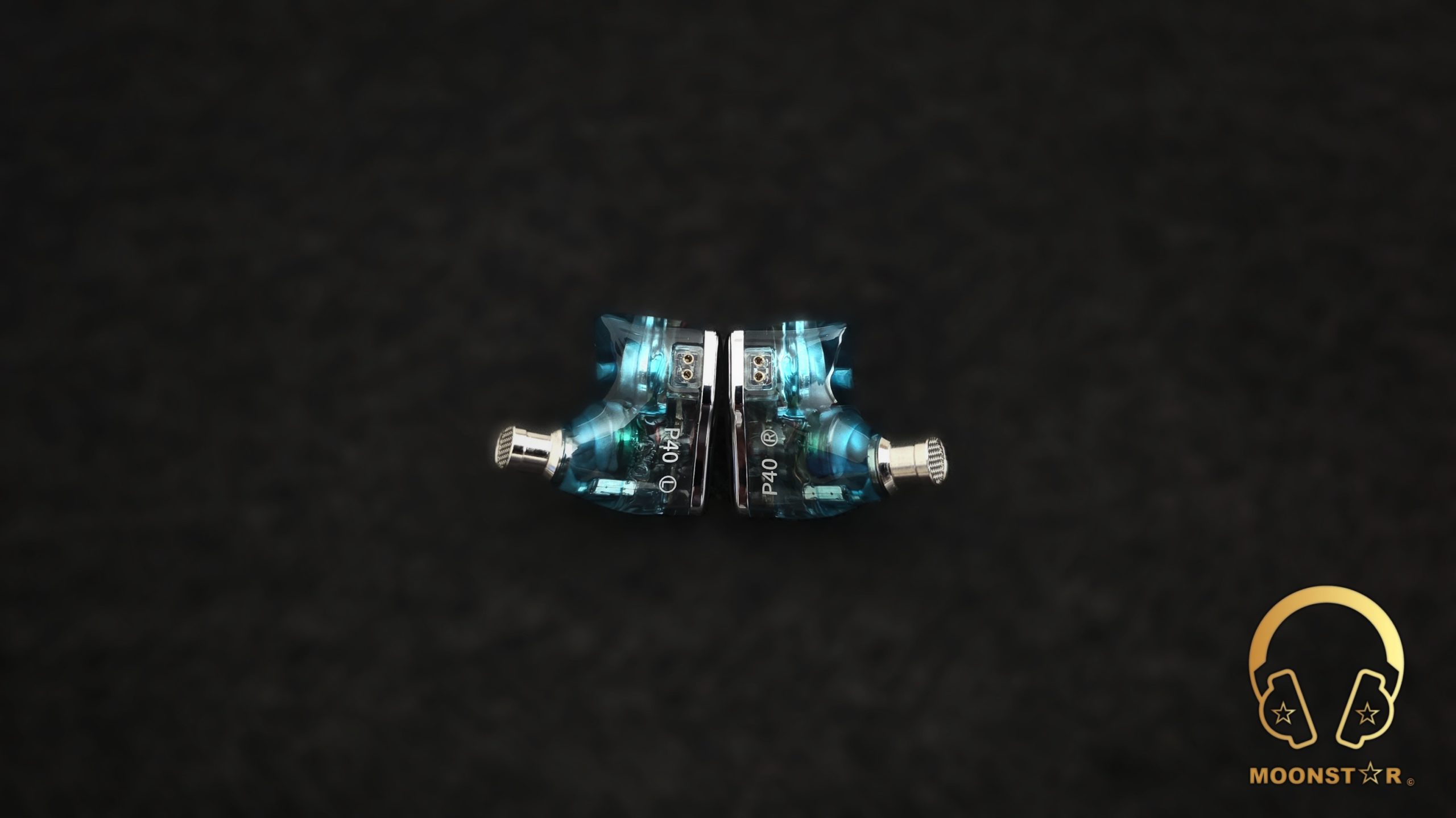
A pressure equalization vent is located on the shell body, serving the dual dynamic driver configuration’s acoustic requirements.
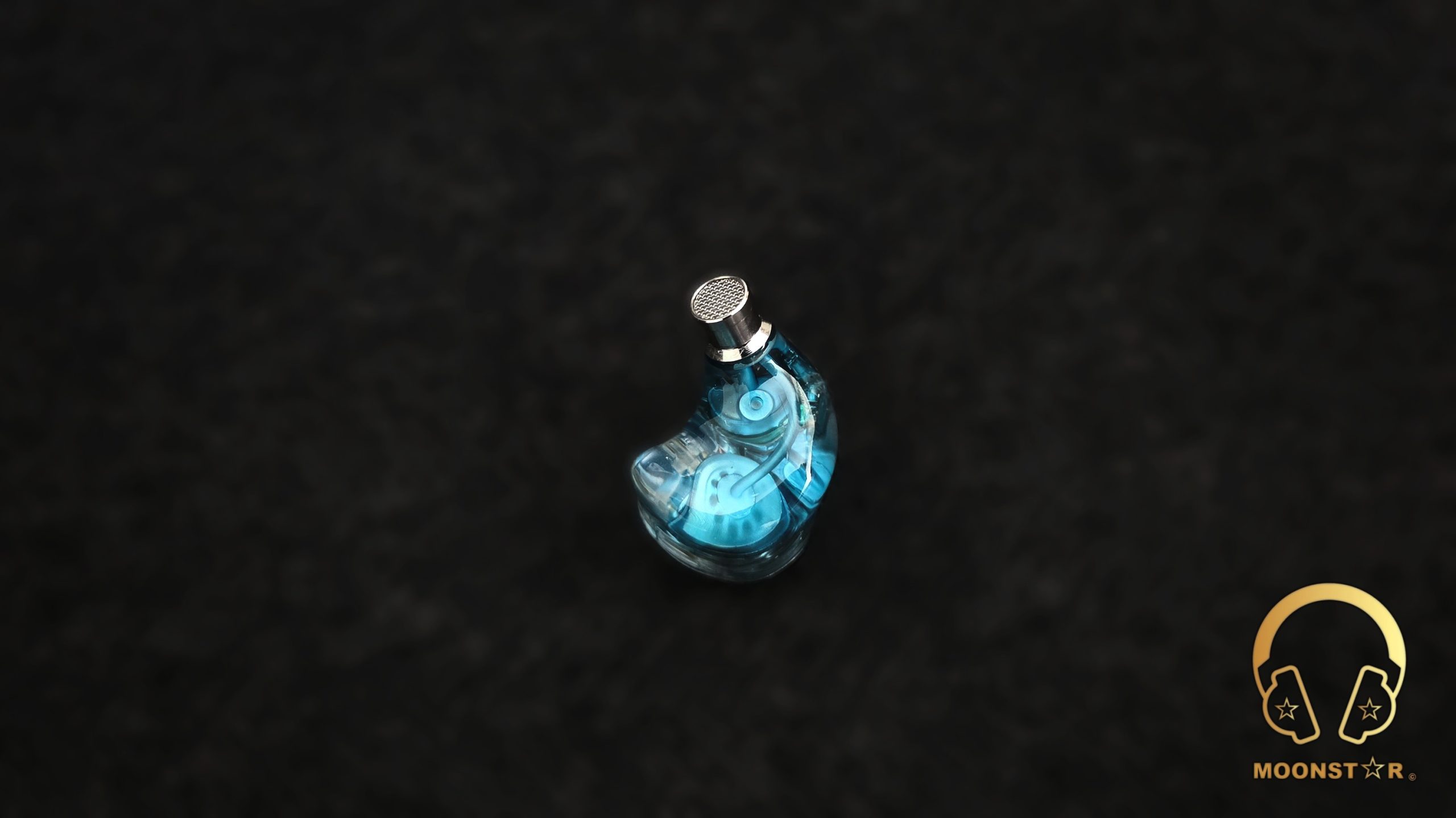
The nozzle of the P40 carries the output of all four drivers through what EPZ calls a separate acoustic tube arrangement within the bore, allowing each driver group’s acoustic output to be directed to the canal entry without complete mixing at the nozzle junction. A metal mesh wax guard is fitted at the nozzle tip for driver protection.
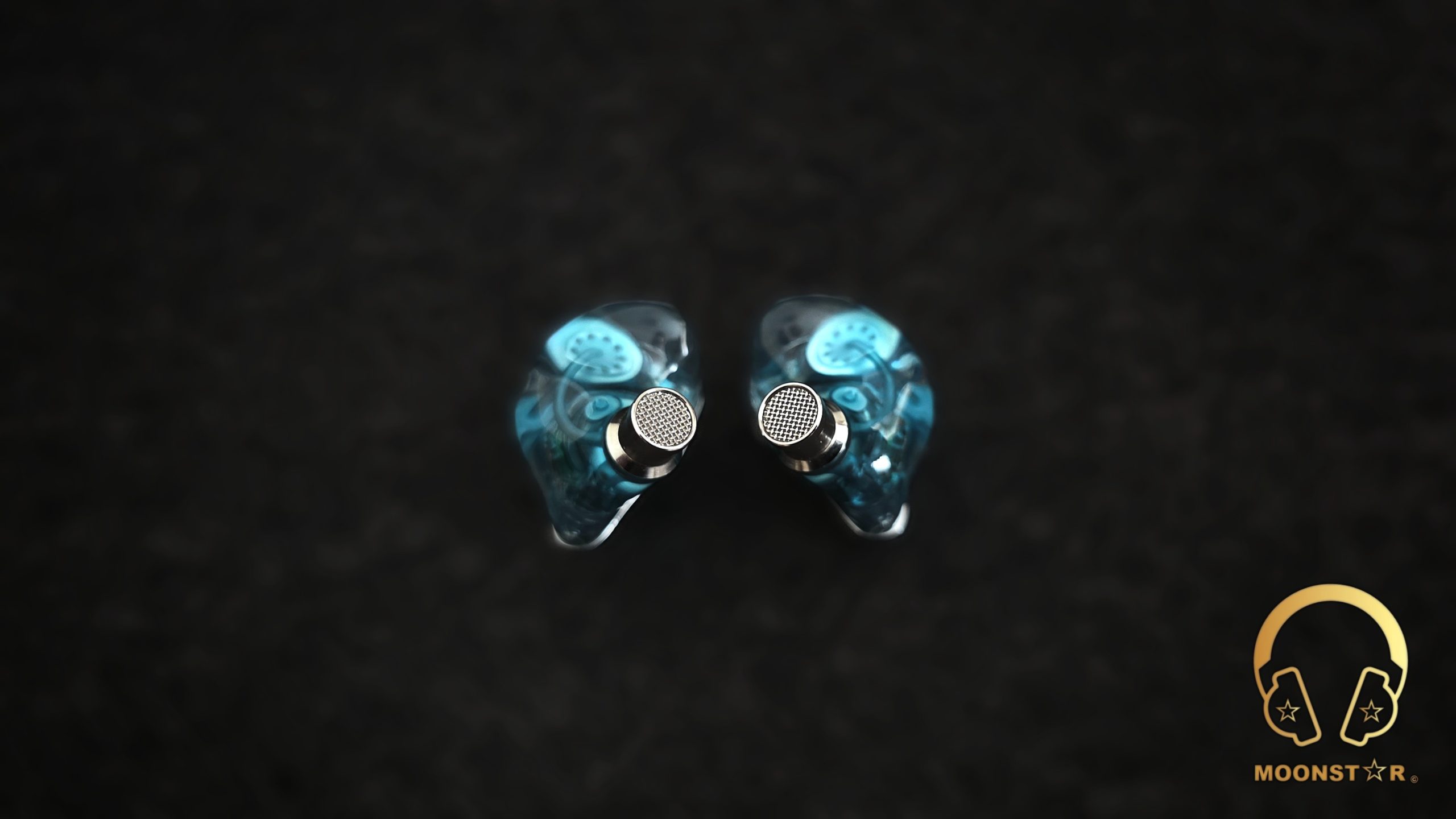
The nozzle diameter is compatible with a wide range of standard third-party ear tips, and the moderate nozzle length suits most ear canal geometries without requiring unusually deep insertion for a stable acoustic seal. The wider bore geometry aids upper-frequency airflow for the planar and PZT drivers and contributes to the P40’s sense of treble air and extension.

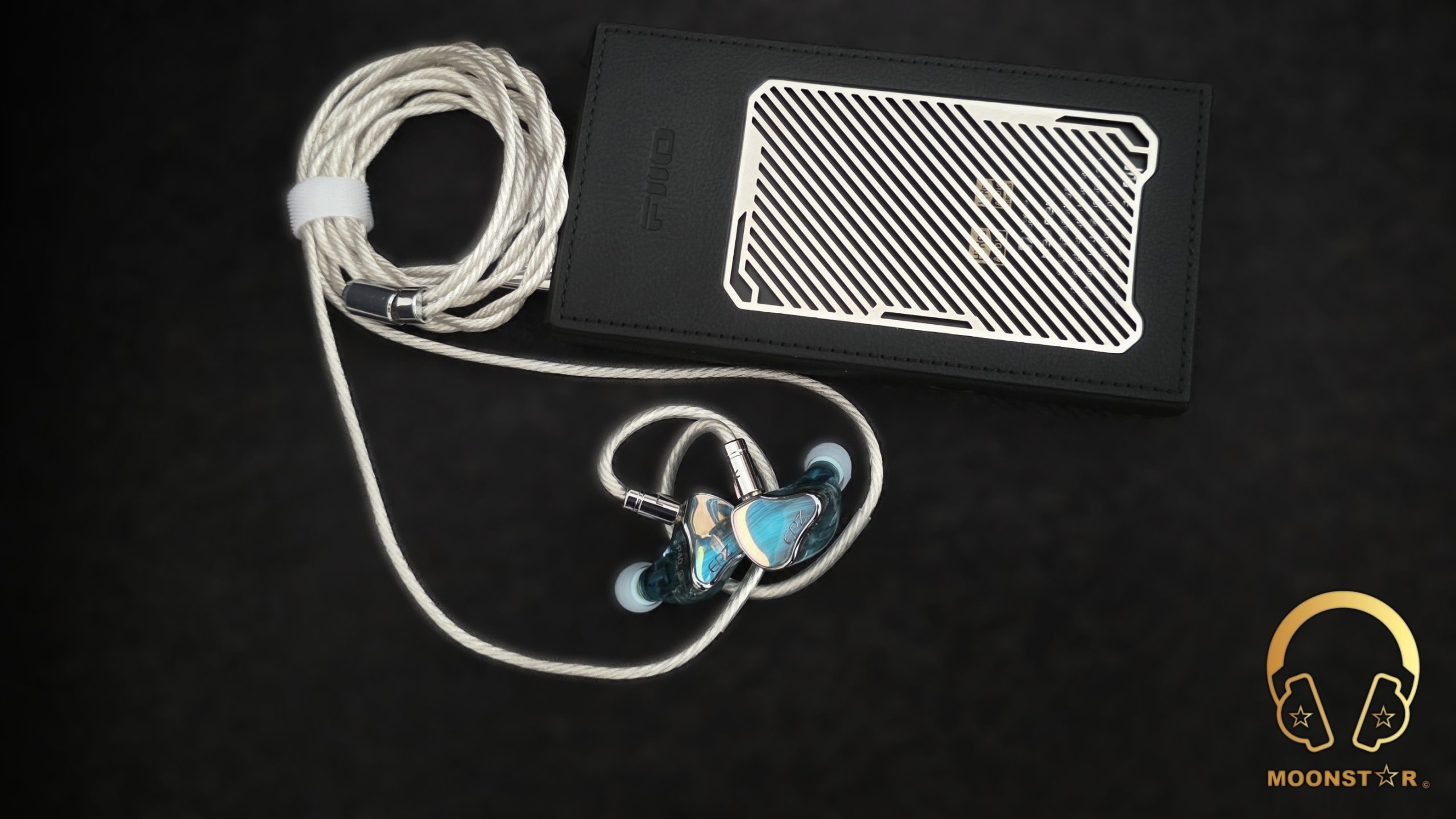
The P40 includes a Furukawa silver-plated OFC cable in its standard package. This cable utilizes high-purity, Japanese-produced copper, a material frequently found in professional and high-end audio hardware for its electrical conductivity properties. The physical construction features a tight and consistent braiding pattern along its entire length. This design contributes to a supple feel in the hand and a low memory effect, ensuring the cable resists retaining rigid coils when stored. The silver-plated exterior also provides a smooth surface texture, which helps minimize microphonic noise typically caused by friction against clothing during use.
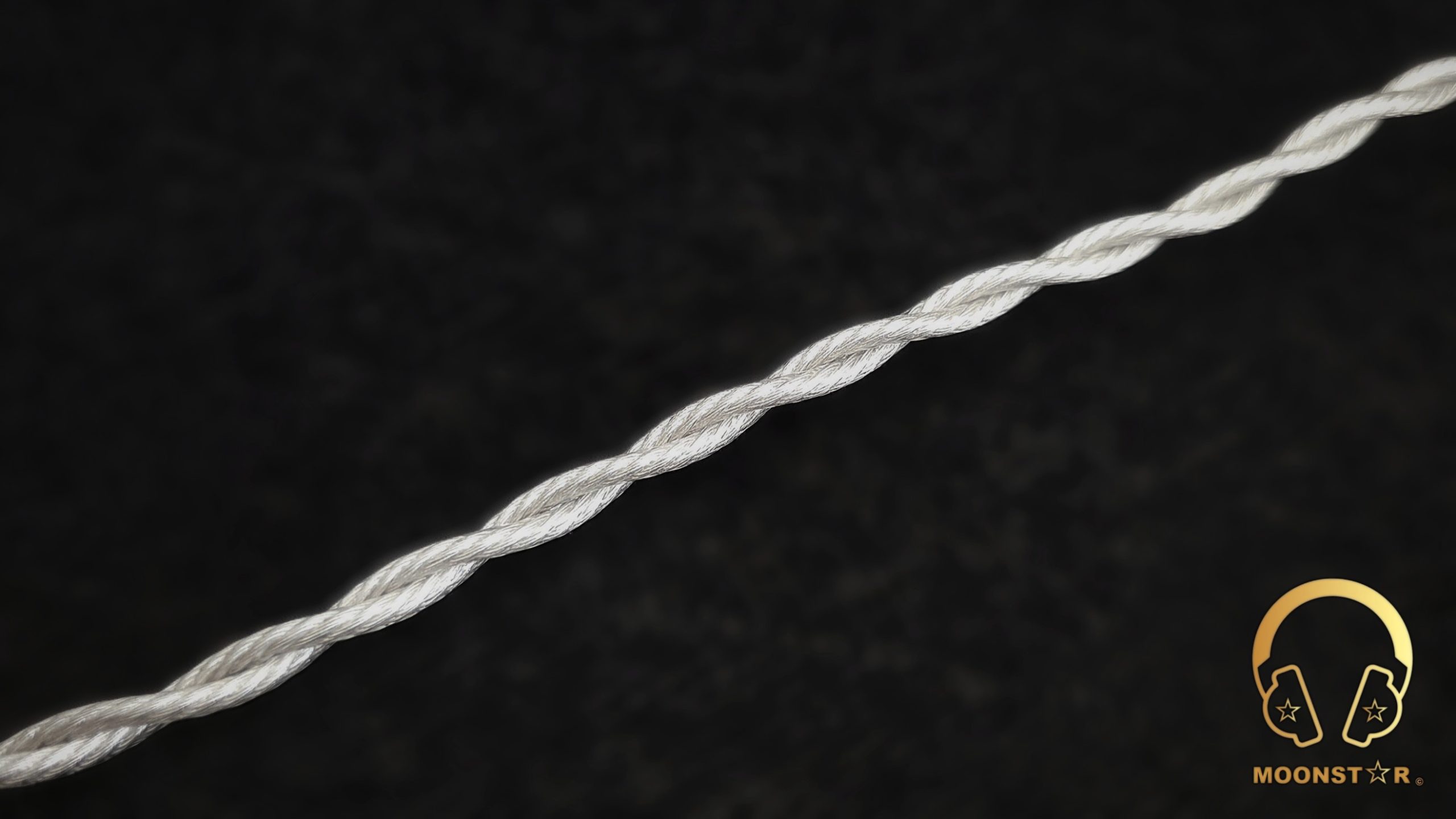
Regarding connectivity, the modular plug housing uses a threaded screw mechanism. While this design requires deliberate alignment when attaching the plugs, it creates a very secure connection once fully tightened.

The 0.78mm 2-pin connectors located at the earphone end are clearly color-coded to allow for immediate channel identification. Furthermore, the integrated chin slider is designed to operate with a smooth, controlled resistance for stable adjustment.

Fit, Comfort & Isolation:
The P40 fits comfortably for users with average to larger ear canals. The compact shell geometry and ergonomic inner contour produce a settled, natural fit that holds its position without requiring the listener to wedge the housing against the concha walls. The solid-cast resin adds a slight weight premium over hollow-shell competitors, but the weight per earpiece remains low enough that extended sessions across two to three hours produce no meaningful fatigue at the ear contact points. The nozzle angle and length are well-suited to a standard over-ear wear style, and insertion depth falls within the range that most listeners achieve comfortably without deliberate effort.
Ear tip selection has a clear and audible effect on both isolation and tonal character. The wide bore tips are the recommended starting point for listeners evaluating the P40 on its own terms, as they preserve the treble extension and airiness that the planar and PZT drivers contribute. The narrow bore tips add warmth and low-frequency body that suits colder or more neutral sources and genres where additional bass density is welcome. Passive isolation with a properly seated tip is good, providing adequate attenuation for office, transit, and casual outdoor use. For very high ambient noise environments, the isolation falls within the typical range for a vented dynamic driver IEM rather than the deeper isolation of sealed all-BA designs.

Technical Specifications:
- Model: P40
- Driver Configuration: Tribrid, 4 Drivers Per Side
– Sub-Bass: 1 x 9mm Dynamic Driver
– Mid-Bass / Lower Midrange: 1 x 7mm Dynamic Driver
– Treble: 1 x 2nd Generation Micro Planar Magnetic Driver
– Upper Air / Super Tweeter: 1 x PZT Piezoelectric Ceramic Driver
- Crossover: 4-Way Electronic Crossover (independent frequency separation per driver)
- Acoustic Architecture: Separate acoustic tube arrangement per driver group within the nozzle bore
- Frequency Response: 20Hz to 20kHz
- Impedance: 14 Ohms at 1kHz
- Sensitivity: 100 dB SPL / mW
- Shell Material: Solid-Cast 3D-Printed Resin (high-density)
- Faceplate: Laser-Textured Metallic Panel under Clear Resin Coating (Star Trails design)
- Connector: Standard 0.78mm 2-Pin (Flush Mount, dedicated flat area on shell body)
- Cable: Furukawa Silver-Plated OFC, Modular 3.5mm SE and 4.4mm Balanced Termination

Drivability & Pairing:
At 14 ohms and 100dB sensitivity, the P40 sits in an unusual position on the drivability spectrum. The low impedance makes it easy to reach adequate volume from smartphone outputs and compact dongle DACs, but the 100dB sensitivity figure is lower than the 108 to 115dB range typical of similarly priced IEMs, which means it requires a slightly higher output level from the source for matched listening volume. This combination of low impedance and moderate sensitivity makes the P40 relatively forgiving of source output impedance while still benefiting from sources with meaningful current delivery.
The primary sources used for this review were the iBasso DX260 MK2 and the FiiO M33 R2R, with the xDuoo Link3 used as a third source for additional comparison. The xDuoo Link3 here is the full-size flagship model: a dual ES9039Q2M plus XMOS XU316 16-core USB processor dongle that delivers 700mW per channel balanced in normal mode and 1000mW per channel via its independent Super Power Mode USB-C input, alongside a built-in MicroSD card slot for up to 2TB of direct local library storage. It is meaningfully larger than a conventional dongle and sits closer in capability to a compact portable DAC/amp than to a typical phone adapter.

The iBasso DX260 MK2, built around an octa-DAC CS43198 matrix with FPGA-Master 2.0 controller, delivered the P40 with a clean, analytically inclined character that communicated the driver configuration’s separation and technical precision with clarity. The DX260 MK2’s slightly neutral-to-cool presentation kept the P40’s treble from becoming excessively forward while allowing the micro planar and PZT drivers to express their upper-frequency detail fully.
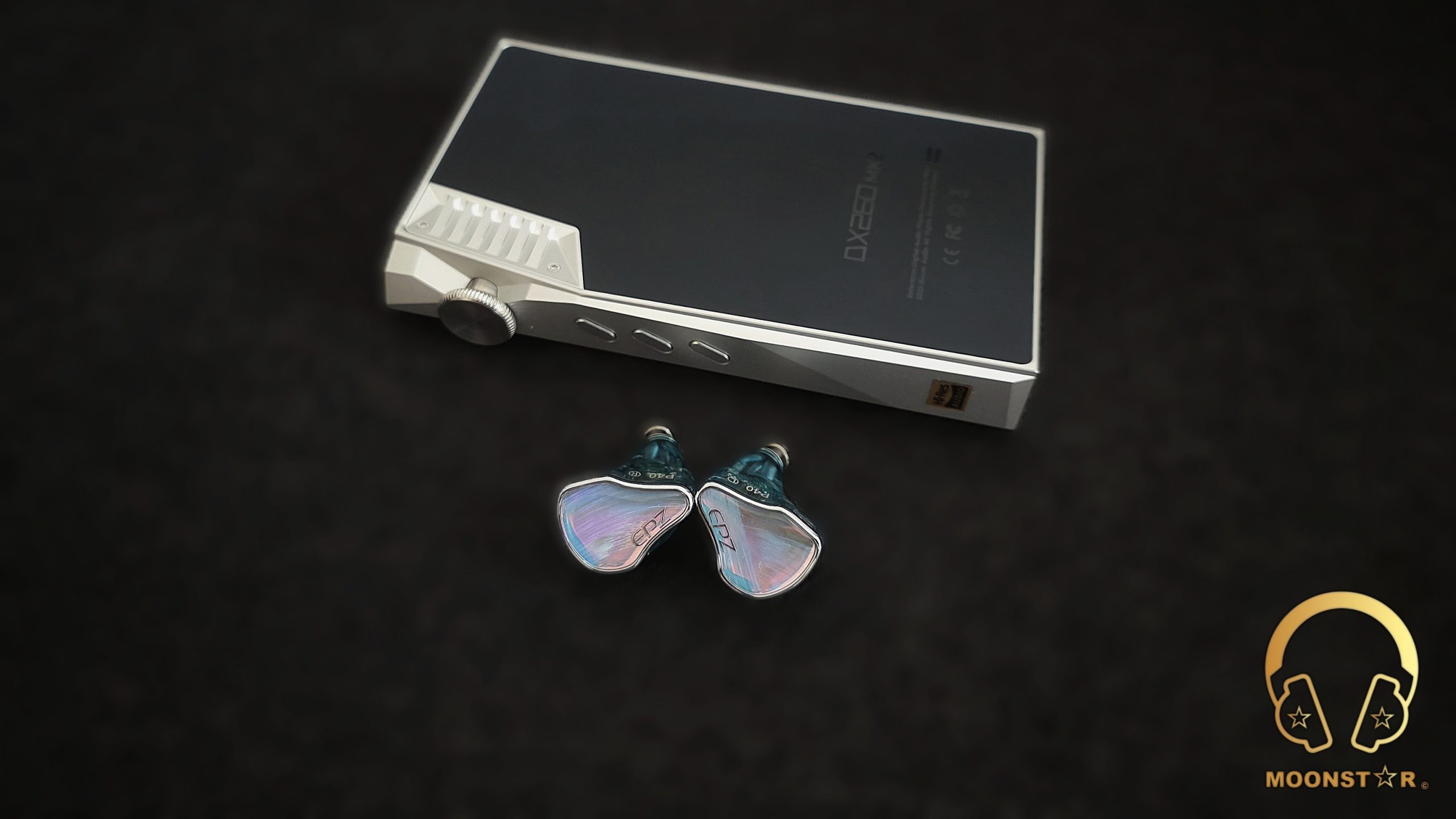
The FiiO M33 R2R, with its 24-bit discrete resistor array and TI multi-stage amplifier, added tonal warmth and lower-midrange body that suited vocal-centric material well. The xDuoo Link3’s dual ES9039Q2M configuration and XMOS XU316 processor delivered a clean, high-resolution, and dynamically confident signal at the P40’s modest impedance, with the 700mW balanced output providing an amplifier headroom that is uncommon for a dongle-class device. All three sources demonstrated that the P40 scales meaningfully with source quality and that its treble character responds perceptibly to source warmth.
Equipment Used for This Review:
- IEMs: EPZ P40, Noble Audio Knight, PUNCH Audio Portazo, RUMAUDIO Blues
- Sources: iBasso DX260 MK2, FiiO M33 R2R, xDuoo Link3

Albums & Tracks Used for this Review:
Vocal Jazz / Smooth Jazz
- Norah Jones – Come Away With Me (Flac 24bit/96kHz)
- Diana Krall – So Wonderful (DSF)
- Barry White – Just The Way You Are (Flac 24bit/48kHz)
- Isaac Hayes – Walk On By (Flac 16bit/44.1kHz)
- Sting – Englishman in New York (Flac 24bit/48kHz)
- Otto Liebert & Luna Negra – The River (Flac 24bit/192kHz)
- Ferit Odman – Look, Stop & Listen (Flac 24bit/192kHz)
- Charly Antolini – Duwadjuwandadu (Flac 24bit/192kHz)
Soul / R&B
- Aretha Franklin – I Say A Little Prayer (Flac 24bit/96kHz)
- Adele – My Little Love (Apple Lossless)
- George Michael – Don’t Let the Sun Go Down on Me (Flac 24bit/192kHz)
- Eric Clapton – Wonderful Tonight (Flac 24bit/96kHz)
Pop / Rock Classics
- Michael Jackson – Billie Jean (Flac 24bit/96kHz)
- Elton John – Rocket Man (Flac 24bit/96kHz)
- David Bowie – Heroes (Flac 24bit/192kHz)
- U2 – Sunday Bloody Sunday (Flac 16bit/44.1kHz)
- Lorde – Royals (Flac 24bit/48kHz)
- Dave Gahan – Kingdom (Apple Lossless)
Electronic / Experimental
- Daft Punk – Instant Crush (Flac 24bit/96kHz)
- Daft Punk – Doin’ it Right (Flac 24bit/96kHz)
- Bro Safari, UFO! – Drama (Apple Lossless)
- Armin Van Buuren – Vini Vici (Flac 16bit/44.1kHz)
- Yosi Horikawa – Bubbles (Apple Lossless)
- Toutant – Rebirth (Apple Lossless)
Alternative / Indie / Art Rock
- Radiohead – Live in Berlin “Album” (Apple Lossless)
- Radiohead – Pyramid Song (Apple Lossless)
- Muse – Hysteria (Flac 24bit/96kHz)
- Red Hot Chili Peppers – Nobody Weird Like Me (Flac 24bit/48kHz)
- Lunatic Soul – The Passage (Flac 16bit/44.1kHz)
- Portishead – It Could Be Sweet (Apple Lossless)
- Gogo Penguin – Raven (Flac 24bit/192kHz)
- Gogo Penguin – Murmuration (Flac 24bit/192kHz)
- Massive Attack – Angel (Flac 24bit/48kHz)
- Bear McCreary – Valkyries (Apple Lossless)
Classical / Orchestral
- Max Richter – On the Nature of Daylight (Flac 24bit/96kHz)
- Chopin – Nocturne No. 20 in C-Sharp Minor (Flac 16bit/44.1kHz)
- Clair de Lune – Claude Debussy (Apple Lossless)
- Tchaikovsky – Symphony No. 5 (Flac 16bit/44.1kHz)
- Vivaldi – Le Quattro Stagioni “The Four Seasons” (Apple Lossless)
- Fazıl Say – Nazım Oratoryosu (Live) (Flac 16bit/44.1kHz)
Jazz / Instrumental
- Miles Davis – So What (Apple Lossless)
World / Traditional
- Sertap Erener – Aşk (Flac 16bit/44.1kHz)
- Edith Piaf – Non Je Ne Regrette Rien (Flac 16bit/44.1kHz)
Metal / Progressive Rock
- Metallica – Dyers Eve (Flac 24bit/96kHz)
- Metallica – Sad but True (Flac 24bit/96kHz)
- Megadeth – Sweating Bullets (Apple Lossless)
- Opeth – Windowpane (Flac 16bit/44.1kHz)
- Deftones – My Own Summer (Shove It) (Flac 16bit/44.1kHz)
- Rush – Tom Sawyer (Flac 16bit/44.1kHz)
- Slayer – Angel of Death (Apple Lossless)

The Sound:
The P40’s tonal balance is best described as a modified Harman curve with deliberate mid-bass reinforcement and a treble roll-off that smooths the PZT’s upper energy. It is not a flat reference presentation, nor is it a dramatically V-shaped one. The sub-bass and mid-bass together provide a low-end foundation that is present and physically engaging without obscuring the vocal range above it. The midrange sits at a natural, forward position that reflects the 7mm driver’s dedicated role in this frequency band. The treble has genuine extension and air from the micro planar and PZT contributions, but EPZ has tuned the upper frequencies to remain smooth rather than assertive. The overall character is engaged and musical, suited to a wide range of genres without requiring significant EQ adjustment for any of them.
For those sensitive to high frequencies or looking to refine the treble response, the EPZ M100 Liquid Silicone Eartips are an recommendation. While the stock experience is solid, these optional wide-bore tips offer specific adjustments that can enhance comfort and acoustic control. The liquid silicone construction provides an adaptive, comfortable seal that aids in long listening sessions. Regarding audio performance, these tips offer a more controlled bass response compared to the stock narrow-bore options, while simultaneously refining the midrange texture and vocal clarity. Most importantly for sensitive listeners, they help smooth out the treble output; they maintain the air and detail produced by the micro planar and PZT drivers while reducing the risk of harshness or sibilance. These tips are a practical choice for listeners aiming to tailor the P40 toward a cleaner, more balanced profile.

Sound impressions were formed after approximately 50 hours of burn-in, using the modular cable in 4.4mm balanced configuration with the wide bore silicone tips as the primary configuration. The iBasso DX260 MK2 served as the primary source, with the FiiO M33 R2R and xDuoo Link3 used for cross-referencing and comparison. Tip impressions with the narrow bore options were conducted across all three sources.
Bass:
The dual dynamic driver architecture in the P40 is the technical feature that most directly shapes the low-end character, and the separation of sub-bass and mid-bass duties between two independent drivers with their own dedicated crossover paths produces a bass presentation that is more clearly structured than single dynamic driver configurations at this price typically achieve. The 9mm sub-bass driver has genuine extension into the lower registers, delivering the physical weight and pressure that gives bass-heavy material its intended atmospheric scale. Sub-bass decay is controlled and resolves cleanly rather than blurring into the mid-bass region, which allows the two bass layers to remain individually identifiable under close attention.
Mid-bass punch from the 7mm driver is satisfying and well-timed. Kick drums land with a rounded, natural impact that carries a sense of skin and body rather than a synthesized thud, and the driver’s dedicated crossover boundary keeps its output from interfering with the vocal fundamentals handled above it. Bass lines on acoustic double bass and electric bass guitar retain their pitch definition and tonal character within complex arrangements. The deliberate mid-bass boost above the Harman target curve fills out the lower midrange in a way that prevents vocals from sounding thin or detached from the bass layer below them, a practical tuning decision that pays off noticeably in vocal-centric and acoustic genres. The quantity of mid-bass emphasis is not excessive: it adds warmth and physical presence without crossing into the loose, bloomed character that over-boosted mid-bass produces.
With the FiiO M33 R2R as source, the bass gains additional tonal warmth and density from the R2R architecture’s inherent character, and the combination is particularly satisfying on jazz and acoustic material where the physical presence of bass instruments benefits from the layered warmth the two driver groups and the R2R source contribute together. With the iBasso DX260 MK2, the bass is somewhat tighter and more analytically defined, which suits complex electronic and rock material where tracking individual bass elements within a busy mix is the priority. The xDuoo Link3’s high output headroom brings an amplifier authority to the P40 that most dongles at any price cannot match: the dual dynamic bass receives a control and dynamic confidence from the 700mW balanced output that is perceptible in transient recovery speed and in the sense that the amplifier is never working against its limits even on demanding low-frequency passages.
Midrange:
The midrange is the P40’s most carefully considered frequency region and the one where EPZ’s stated tuning intent is most clearly realized. The 7mm dynamic driver, operating exclusively in the mid-bass and lower midrange, provides a tonal foundation that prevents the vocal range from sounding hollow or recessed despite the elevated sub-bass below it. The crossover transition between the 7mm driver’s output and whatever driver the P40’s design assigns to the core midrange is handled smoothly, with no audible discontinuity in tonal character across the transition. Voices occupy a forward, present position in the soundfield without being pushed unnaturally close or given an artificial brightness that would compromise long sessions.
Female vocals are the P40’s most consistently impressive attribute. The upper midrange clarity and the presence that the overall tuning delivers gives soprano and mezzo-soprano voices a natural, well-projected quality that communicates the performance’s emotional detail clearly. Upper-register notes carry brightness and definition without the edginess that a poorly managed 3 to 5kHz peak can introduce. The subtle dynamic variations within a sustained vocal phrase, the transition between chest and head resonance, and the quality of breath between phrases are communicated with a fidelity that reflects both the driver’s speed and the crossover’s precision at the mid-to-treble boundary. Recordings featuring intimate, close female vocal performances benefit particularly from this quality, where the physical closeness of the microphone and the spatial character of the recording venue are both rendered with convincing accuracy.
Male vocals from bass-baritone through tenor are served well by the P40’s low-end body. Deep voices have the tonal weight and resonance in the lower midrange that communicates the physical character of the voice, and the 7mm driver’s contribution to this frequency range ensures that the fundamental pitch and its supporting lower harmonics are reproduced with presence rather than being overshadowed by the sub-bass energy below. Mid-baritone voices sit clearly in the midrange with good intelligibility and tonal definition, and the P40’s upper midrange clarity keeps male vocal consonants and diction sharp without introducing sibilance. The M33 R2R’s warmer lower-midrange character added further tonal body to male vocals on this source, and the combination with the P40’s own forward midrange produced a convincing and physically present vocal rendering on recordings where the voice was the primary focus of the mix.
Acoustic instrumental midrange reproduction reflects the dual dynamic driver architecture’s strengths. Guitar body resonance has warmth and string texture that communicates the instrument as a physical object in a room. Piano across its full keyboard range retains appropriate key weight and harmonic depth. String instruments in orchestral contexts carry a bowed, woody character that avoids the false smoothness that some IEMs apply to this material. The P40 is not an analytically inclined midrange presentation in the sense of prioritizing resolution of micro-detail over tonal accuracy, but it communicates the tonal character of well-recorded instruments with a fidelity that rewards careful listening without demanding it.
Treble:
Treble is where the P40’s driver diversity is most audible as a technical benefit and where its tuning decisions require the most nuanced assessment. The micro planar driver contributes the speed and textural detail of its technology type: cymbal transients arrive with defined leading edges and natural metallic shimmer, and the rapid hi-hat sequences in uptempo jazz and electronic music remain clearly articulated rather than blurring together. The planar’s characteristic fast decay allows these transient events to resolve quickly and cleanly, which contributes to the P40’s strong sense of instrument separation in complex upper-frequency content.
The PZT ceramic driver extends the upper air frequencies above the planar’s primary operating range, adding the shimmer and fine atmospheric detail that sits above 12kHz in well-recorded material. The contribution of the PZT to this region is genuinely useful and audible in recordings with natural acoustic environments, where the sense of room air and the decay of notes in a reverberant space is communicated with a dimensionality that narrower-bandwidth IEMs do not provide. EPZ has tuned the PZT’s output to avoid the aggressive, metallic edge that poorly integrated piezoelectric drivers can introduce, and the result is upper-frequency detail that sounds like a natural extension of the treble band rather than a separate, bolted-on layer.
The treble tuning does carry a degree of sensitivity to source character and recording content. On bright or analytically inclined sources, the P40’s upper frequencies can develop a mild forward energy in the lower treble region that some listeners with treble sensitivity will find less comfortable over extended sessions. The DX260 MK2’s clean, moderately bright character required tip selection attention to manage this: the narrow bore tips reduced the lower treble presence sufficiently to make the combination comfortable across a full listening session, while the wide bore tips were better suited to the FiiO M33 R2R’s warmer output. The xDuoo Link3’s dual ES9039Q2M character is clean and neutral with a slight warmth at the lower midrange that sits between the DX260 MK2 and the M33 R2R on the tonal spectrum: the wide bore tips produced a comfortable result across most material, and the 700mW output headroom meant that the amplifier’s own character remained stable and uncolored regardless of the listening volume or load the P40 presented. Sibilance was not a consistent concern with any of the three sources, but close vocal recordings with inherent sibilance were reproduced with that characteristic intact rather than smoothed away.

Soundstage and Imaging:
The P40 presents a soundstage that is wider than average and a good sense of lateral extension that gives complex arrangements a convincing impression of physical breadth. Depth is moderate but present, and the sense of front-to-back layering is sufficient to make live recordings and acoustically produced material feel spatially believable rather than collapsed onto a flat surface. The four-driver configuration’s separation of frequency duties contributes to a sense of instrument placement within the soundfield that is more clearly defined than single or dual driver designs typically achieve: bass content has its own spatial location, midrange elements are positioned distinctly within the mid-stage, and treble sits with a sense of height and air above the midrange layer that the PZT driver’s upper extension contributes.
Imaging precision is a genuine strength of the P40 at its price. Instrument positions are stable and well-defined across dynamic passages, and the electronic crossover’s contribution to driver separation translates into a soundfield where individual voices and instruments occupy consistent, readable positions. The background is clean and quiet across all three sources used in this review, and the absence of audible noise floor at listening volumes allows low-level spatial information and the ambient character of recordings to come through without competition.
Comparisons:
EPZ P40 vs. Noble Audio Knight:
The Noble Audio Knight ($289) and the P40 represent two distinct design philosophies in the sub-$300 hybrid IEM market. While the Knight utilizes a 10mm dynamic driver, a Sonion 23 Series BA, and a piezo tweeter in a CNC aluminum shell, the P40 leverages a different architecture to achieve its signature sound.
In the bass region, the P40’s dual dynamic driver configuration is designed to prioritize sub-bass texture and mid-bass impact. This results in a more resonant and physically present low end compared to the Knight, which opts for a tighter, more monitor-like bass response. Listeners who prefer a more visceral, “head-filling” bass will likely find the P40’s approach more engaging, while the Knight is tuned for those who prioritize clinical separation.
The midrange performance highlights the core difference between the two models. The Knight employs the Sonion 23 Series BA to achieve a high degree of tonal transparency and analytical honesty. Conversely, the P40 presents a fuller, warmer midrange. Rather than focusing on strictly neutral vocal reproduction, the P40 aims for a richer, more intimate vocal texture that emphasizes the natural timbre of instruments and voices, making it a strong choice for those who value musicality.
Regarding treble and technicality, the P40’s PZT integration provides a sense of “air” and extension that creates a wider soundstage, contributing to an expansive acoustic environment. The Knight, meanwhile, focuses on precision and imaging density, offering a more compact but tightly defined sound field.
Ultimately, the choice comes down to preference. The Knight offers a premium build and a classic, analytical hybrid signature. The P40, however, justifies its place in the market by offering a more harmonically dense, punchy, and expansive sound. Coupled with its high-quality Furukawa silver-plated OFC cable and sophisticated crossover design, the P40 provides a highly competitive alternative for those who prefer an immersive and dynamic listening experience over a strictly neutral one.

EPZ P40 vs. PUNCH Audio Portazo:
The PUNCH Audio Portazo ($189) is a tribrid IEM utilizing a large dynamic driver and dual micro-planar tweeters, characterized by a high-energy, V-shaped signature that emphasizes sub-bass impact and treble presence. Comparing the P40 to the Portazo highlights two distinct acoustic approaches: one favoring raw, energetic intensity and the other focusing on tonal cohesion and mid-range engagement.
In the bass region, the Portazo is tuned for immediate, visceral slam, prioritizing sub-bass extension. In contrast, the P40 utilizes a 7mm driver to provide a more integrated low-end response, balancing sub-bass depth with mid-bass warmth. While the Portazo excels in raw physical impact, the P40 offers a more structured and tonally consistent bass profile that bridges the gap between the low end and the vocal range effectively.
The midrange is where the two models diverge significantly. The Portazo’s V-shaped tuning often places vocals slightly back in the mix, providing a more distant presentation. The P40, however, adopts a more forward and well-bodied approach, ensuring that vocals retain their texture and prominence. For listeners who prioritize midrange clarity and intimate vocal performances, the P40 provides a more involving and coherent experience.
Regarding treble, the Portazo leverages its micro-planar drivers for a brighter, more aggressive sparkle. The P40 takes a more refined route, delivering a treble response that remains detailed but significantly smoother and more forgiving during extended listening.
Overall, both IEMs serve different goals. The Portazo is an effective choice for those seeking high-energy, bass-driven excitement. The P40, however, offers a more versatile, balanced, and vocally focused signature. At a lower price point, the P40 provides a more comprehensive acoustic performance for listeners who value harmonic richness and a natural, coherent presentation over extreme V-shaped shaping.

EPZ P40 vs. RUMAUDIO Blues:
The RUMAUDIO Blues ($199) is an all-balanced-armature (BA) IEM featuring six drivers per side, presenting a stark contrast in design philosophy to the P40’s four-technology hybrid architecture. While the Blues prioritizes a specific brand of tonal accuracy, the P40 leverages its hybrid design to offer a more dynamic and expansive acoustic profile.
In the bass region, the P40’s dual dynamic driver configuration delivers a resonant, physical depth that is inherently difficult for all-BA systems to match. While the Blues offers a precise low-end response, it often lacks the visceral weight and air-moving capability of dynamic drivers. For listeners who find traditional BA bass somewhat lean or clinical, the P40’s low end provides a significantly more engaging and lifelike foundation.
The midrange comparison highlights the distinct goals of each IEM. The Blues utilizes its six BA drivers to achieve a high level of uniformity and coherence across the vocal spectrum. Conversely, the P40 opts for a warmer, more physically present midrange. Rather than focusing solely on clinical accuracy, the P40 prioritizes emotional connection and vocal richness, making it a more immersive choice for those who value the “body” and texture of a performance.
In the upper registers, the P40’s combination of planar and PZT drivers creates a superior sense of extension and “air” that defines a grander soundstage. The Blues, while capable of precise imaging, can feel somewhat more restricted and subdued in the absolute top end.
In terms of overall value, the P40 presents a compelling case for listeners who prioritize natural, high-impact sound. While the Blues aims for an intimate, monitor-like presentation, the P40 delivers a more versatile and technically expansive experience. By offering greater bass physicality, enhanced treble air, and a more harmonically rich midrange, the P40 establishes itself as a highly competitive and rewarding choice, particularly given its more accessible price point.

Conclusion:
The EPZ P40 is priced at $160 and offers a solid level of engineering for its category. It utilizes a four-way electronic crossover paired with a multi-driver array, including a dedicated dynamic bass duo, micro-planar treble, and a PZT super-tweeter. This design achieves a level of coherence that is competitive for this price point.
The tuning is versatile and well-judged. It features a vocal-forward midrange, a full-bodied low end, and smooth, extended treble that performs reliably across diverse genres. The package is further elevated by quality build choices: the solid-cast resin shells, the visually striking Star Trails faceplate, and the included Furukawa silver-plated OFC cable, which provides better value than many stock cables in this range.
The P40 is a well-designed product, though it is best suited to those who appreciate its specific sound profile. Its 100dB sensitivity means it benefits from a bit more amplification, and treble-sensitive listeners may prefer pairing it with warmer sources or narrow-bore tips to temper its energy. While it may not offer the clinical transparency found in more expensive, specialized BA designs, the P40 succeeds where many others struggle: it turns complex, multi-driver technology into a cohesive and physically engaging listening experience.

Pros & Cons:
- + Good implementation of the tribrid configuration with a 4‑way electronic crossover delivers quite precise driver separation and coherent sound.
- + Dual dynamic drivers provide structured, physically engaging bass with clean sub-bass extension and well-defined mid-bass punch.
- + Forward, vocal-centric midrange offers natural presence and excellent tonal body for both male and female voices
- + Micro planar driver brings fast transients, clean cymbal articulation and rich treble texture
- + PZT ceramic driver adds extended upper air, shimmer and atmospheric detail without harshness
- + Wide, well-organized soundstage with strong imaging precision for a closed hybrid IEM
- + Furukawa silver-plated OFC modular cable provides excellent stock performance
- + Solid high-density resin shells offer rigid, resonance-free build
- – Treble can become mildly forward on bright sources; benefits from warmer pairing or narrow bore tips
- – Midrange transparency and tonal accuracy fall short of dedicated BA-midrange designs at higher price points
- – PZT upper treble shows occasional brightness depending on source and tip choice
Thank you for the Read!