Grell OAE2 Review
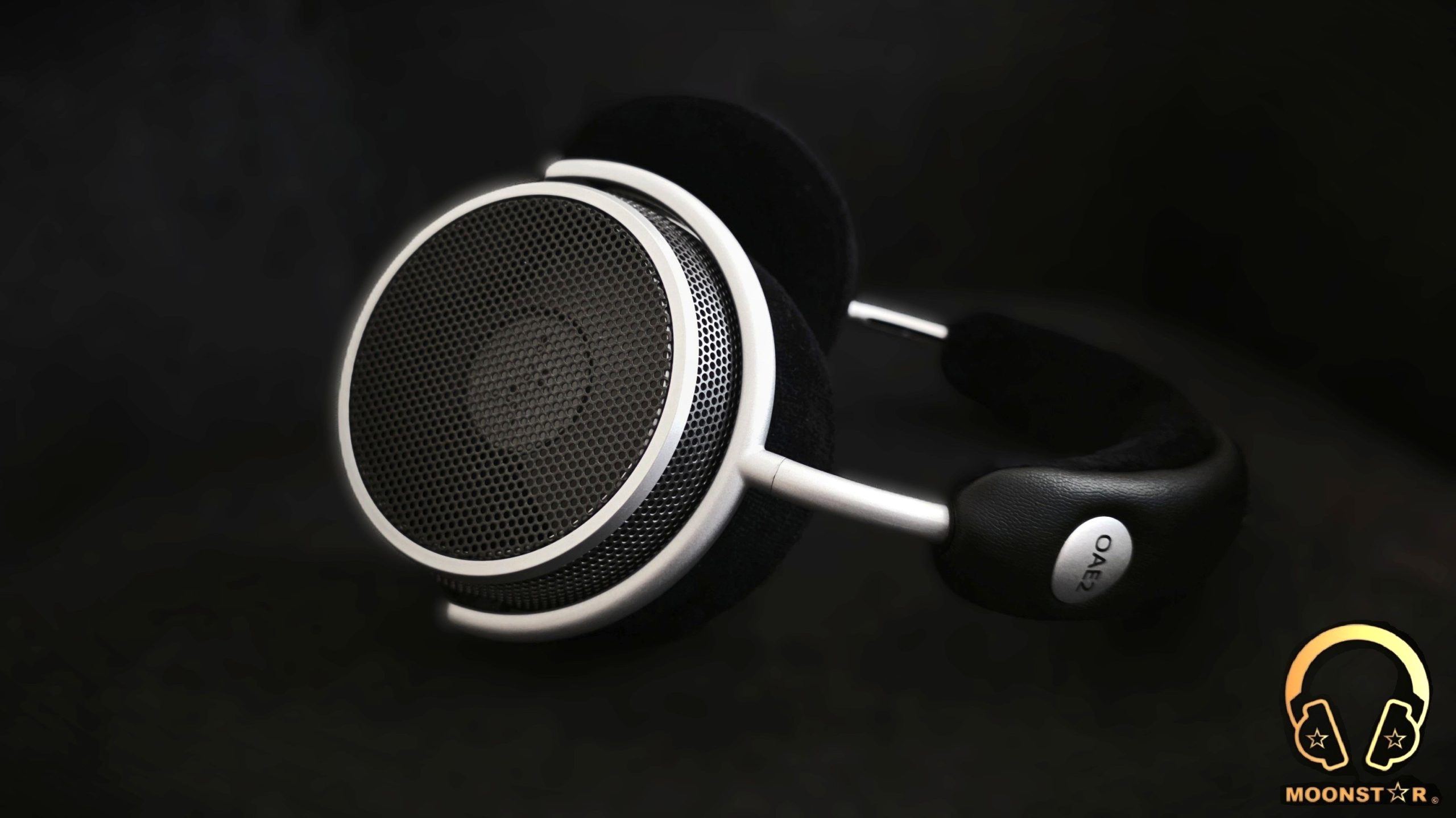
Grell OAE2 Review
Introduction:
Axel Grell built his reputation at Sennheiser through headphones like the HD600, HD650, and HD800, and after leaving the company he started Grell Audio to keep working on a question that runs through several of those earlier designs: whether a headphone can recreate the spatial feel of a loudspeaker in a room rather than the more typical sensation of sound originating inside the listener’s head. The OAE2 sits alongside the original OAE1 in Grell’s lineup rather than replacing it, sharing the same 40mm driver but adopting a more conventional, broadly neutral tuning aimed at a wider audience than the OAE1’s more deliberately speaker-like signature.
Both models build on a concept Grell calls Front-Sided Sound Field Modulation, where the driver is angled toward the front of the earcup instead of firing straight into the ear canal, intended to let sound interact with the outer ear the way it would when listening to a pair of nearfield monitors rather than headphones. The OAE2 launched first in Germany and Austria before a wider international rollout, with its first North American public appearance coming at CanJam NYC in March 2026.
Disclaimer:
I would like to thank Grell Audio and Jackrabbit Media for providing the Gell OAE2 headphone for review purposes. I am not affiliated with either company beyond this review, and these words reflect my true, unaltered opinions about the product.
Price & Availability:
The Grell OAE2 is priced at $599 / €499 / £499. It has been available since 31 March 2026 through Grell’s official store and select specialist audio retailers. For more details:
Package & Accessories:
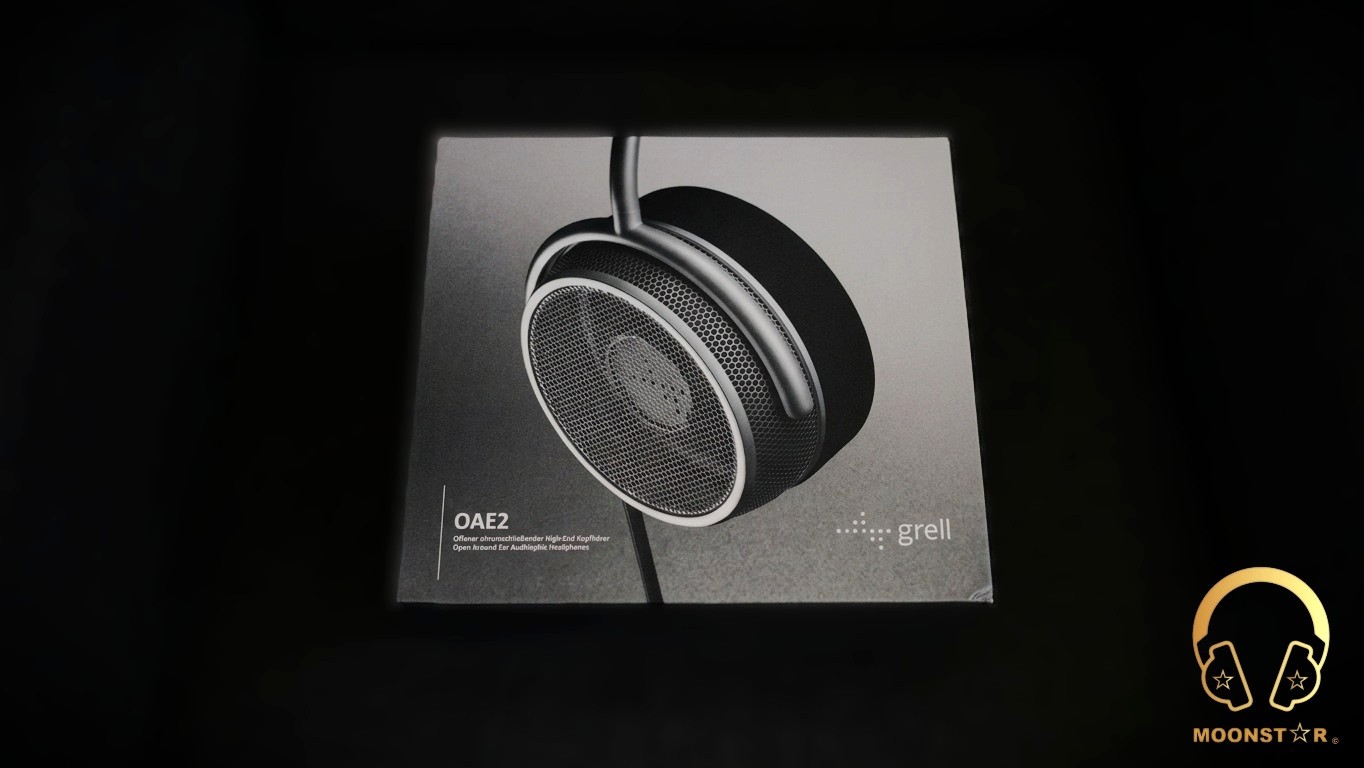
Grell ships the OAE2 in plastic-free packaging that lines up with the modular, repair-first philosophy behind the headphone itself rather than treating the box as disposable. Inside, the headphone sits alongside a deliberately generous accessory set for something positioned well below flagship territory.
The full package includes:
- 1 x Grell OAE2 open-back headphone
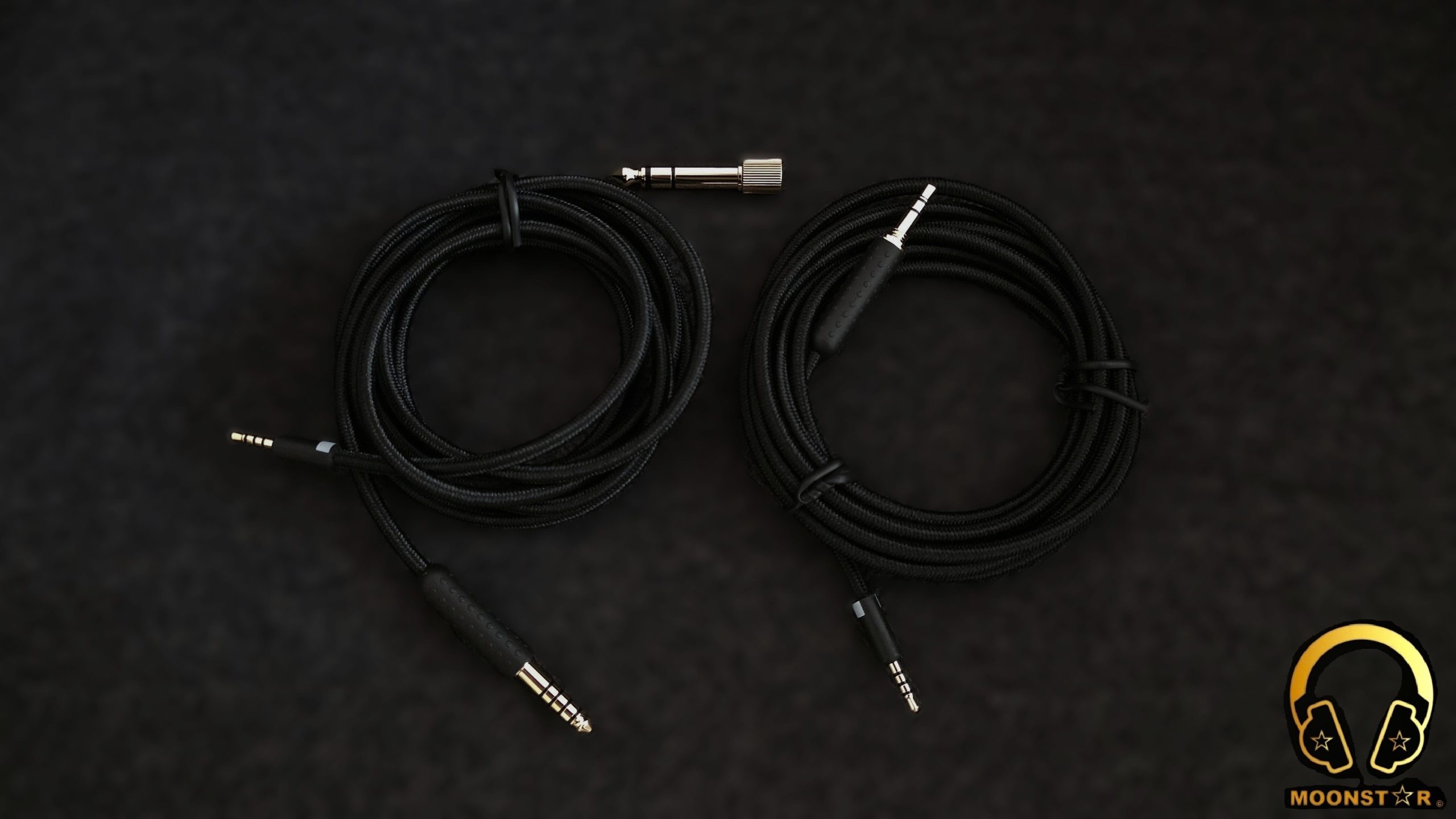
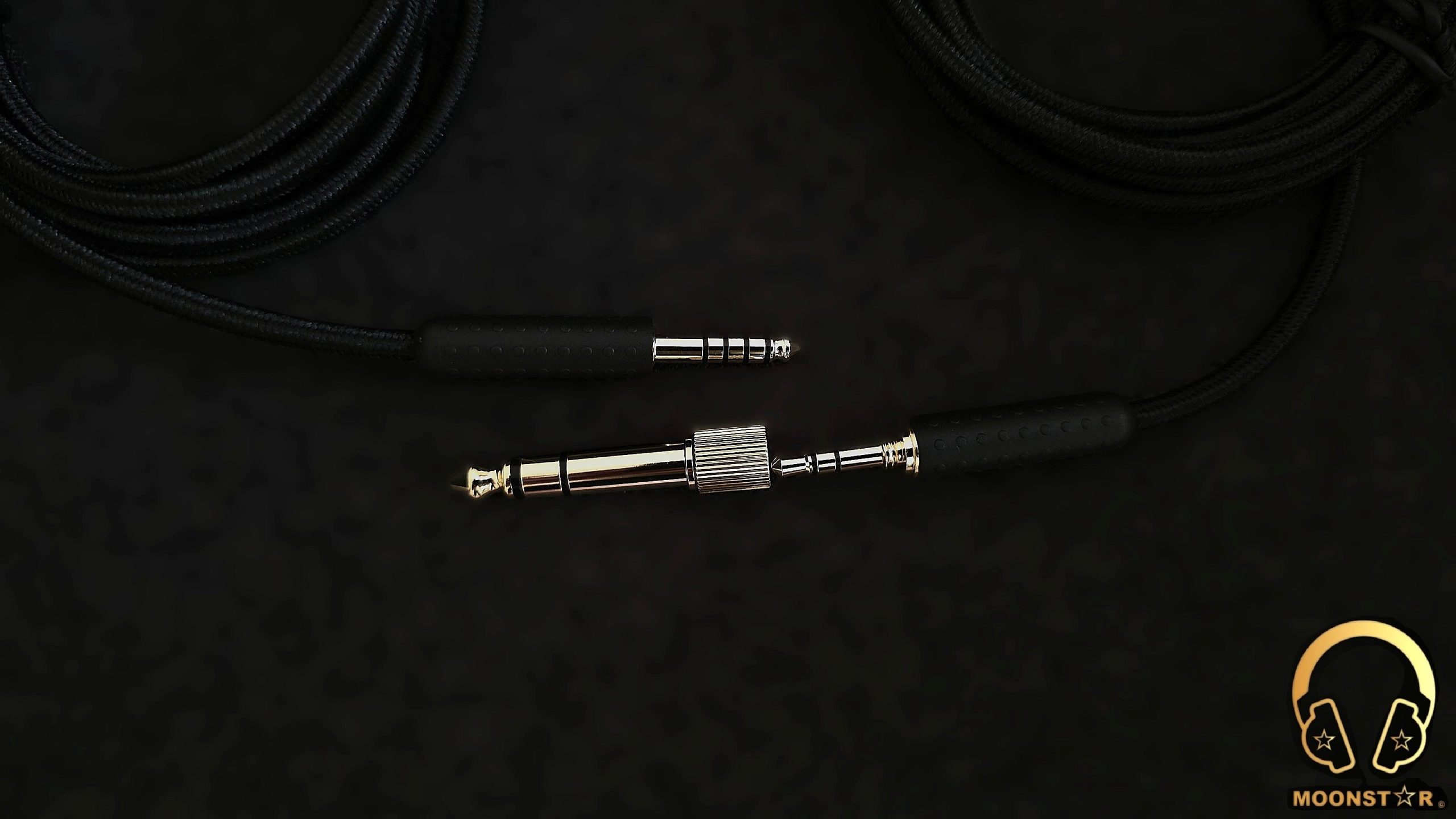
- 1 x 1.8m cable with 3.5mm single-ended termination
- 1 x 1.8m cable with 4.4mm balanced termination
- 1 x 6.3mm screw-on adapter
- 1 x carrying case
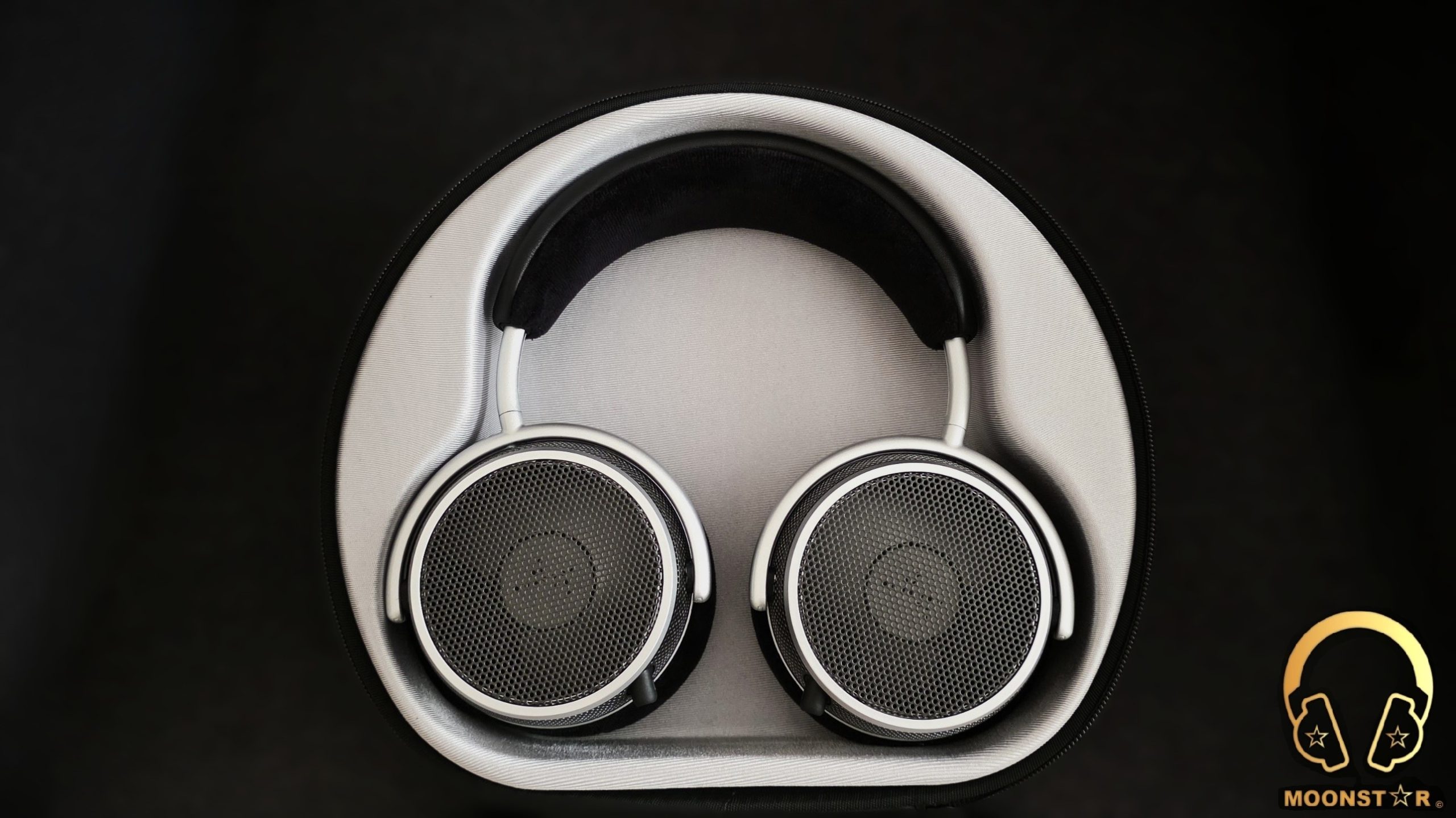
Shipping two full-length cables rather than one cable plus a loose adapter is a small but useful touch, since it means a balanced source can be used directly without hunting down a separate cable. Both cables are cloth-covered, silver-plated OFC runs at 1.8m, and the screw-on 6.3mm adapter covers home amplifiers without relying on a fragile slip-on barrel.
Design & Build Quality:
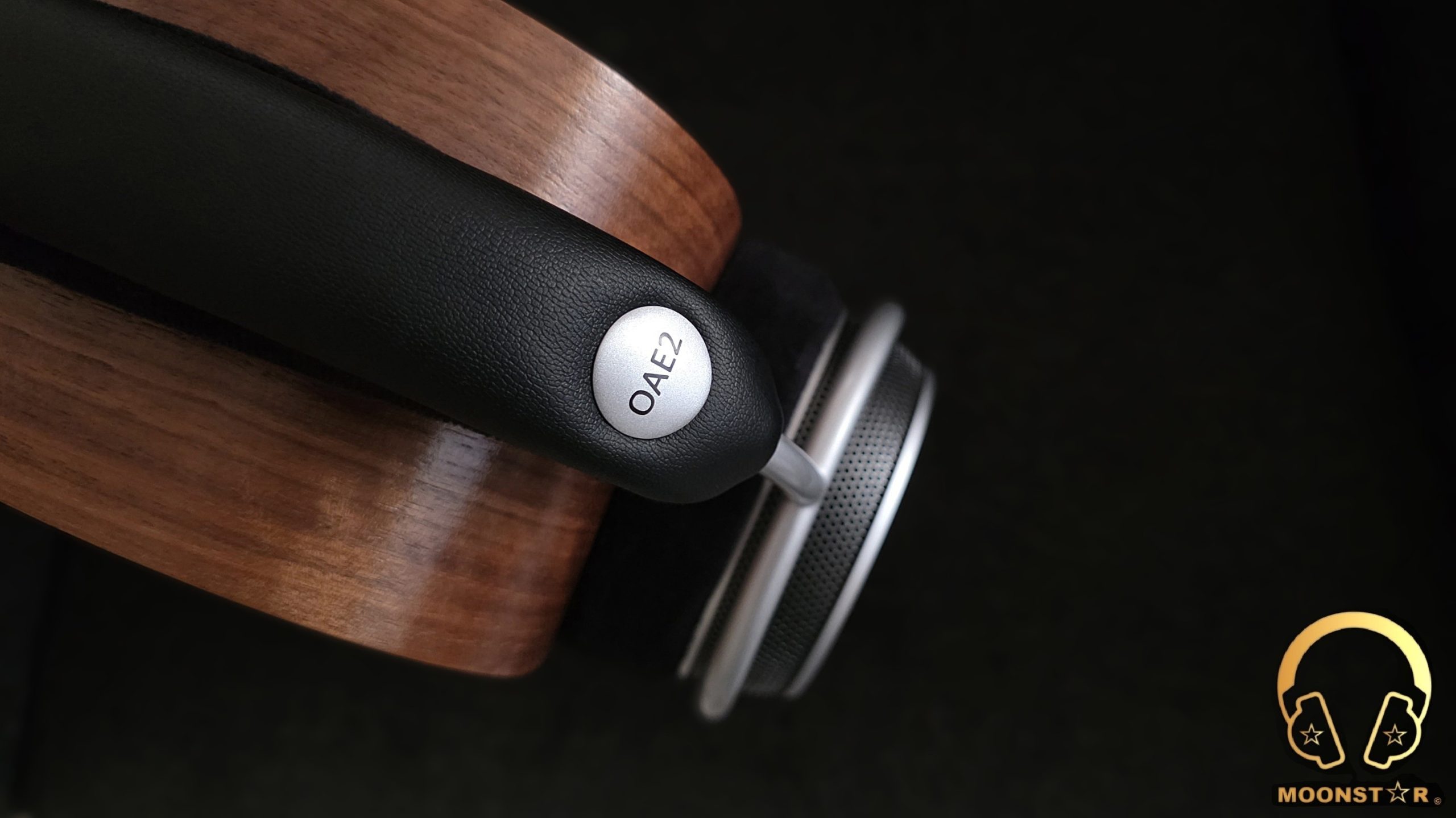
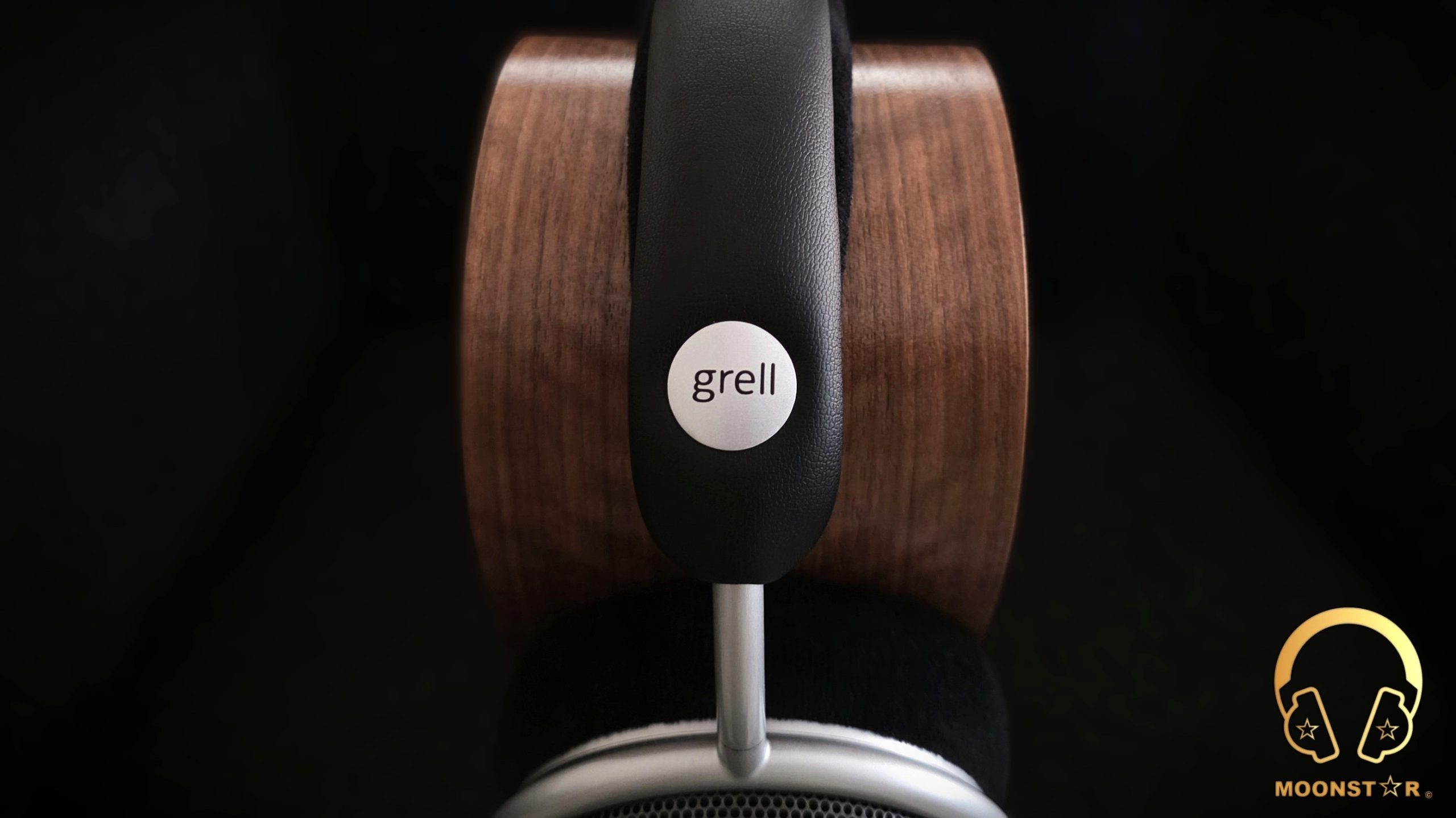
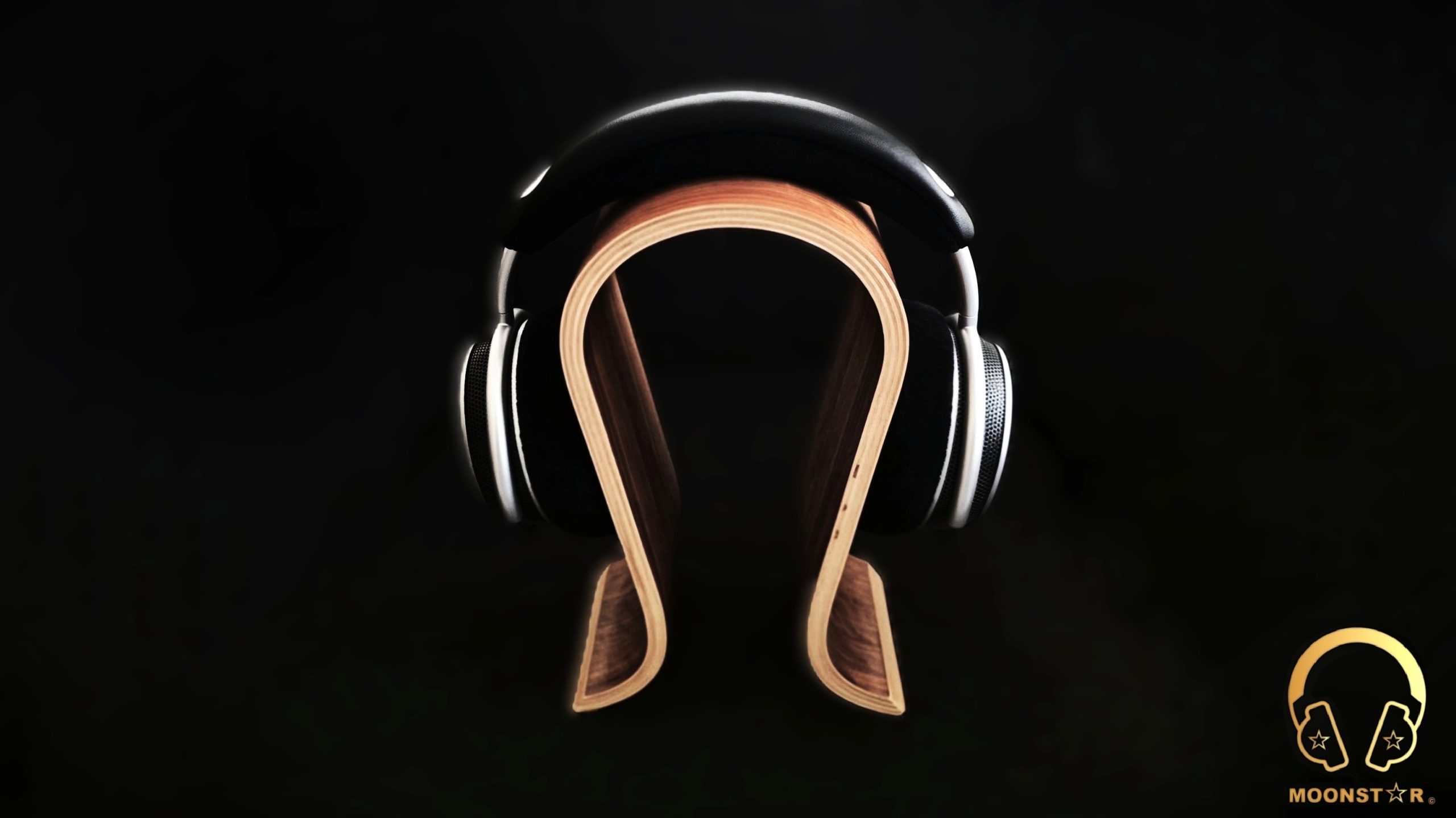
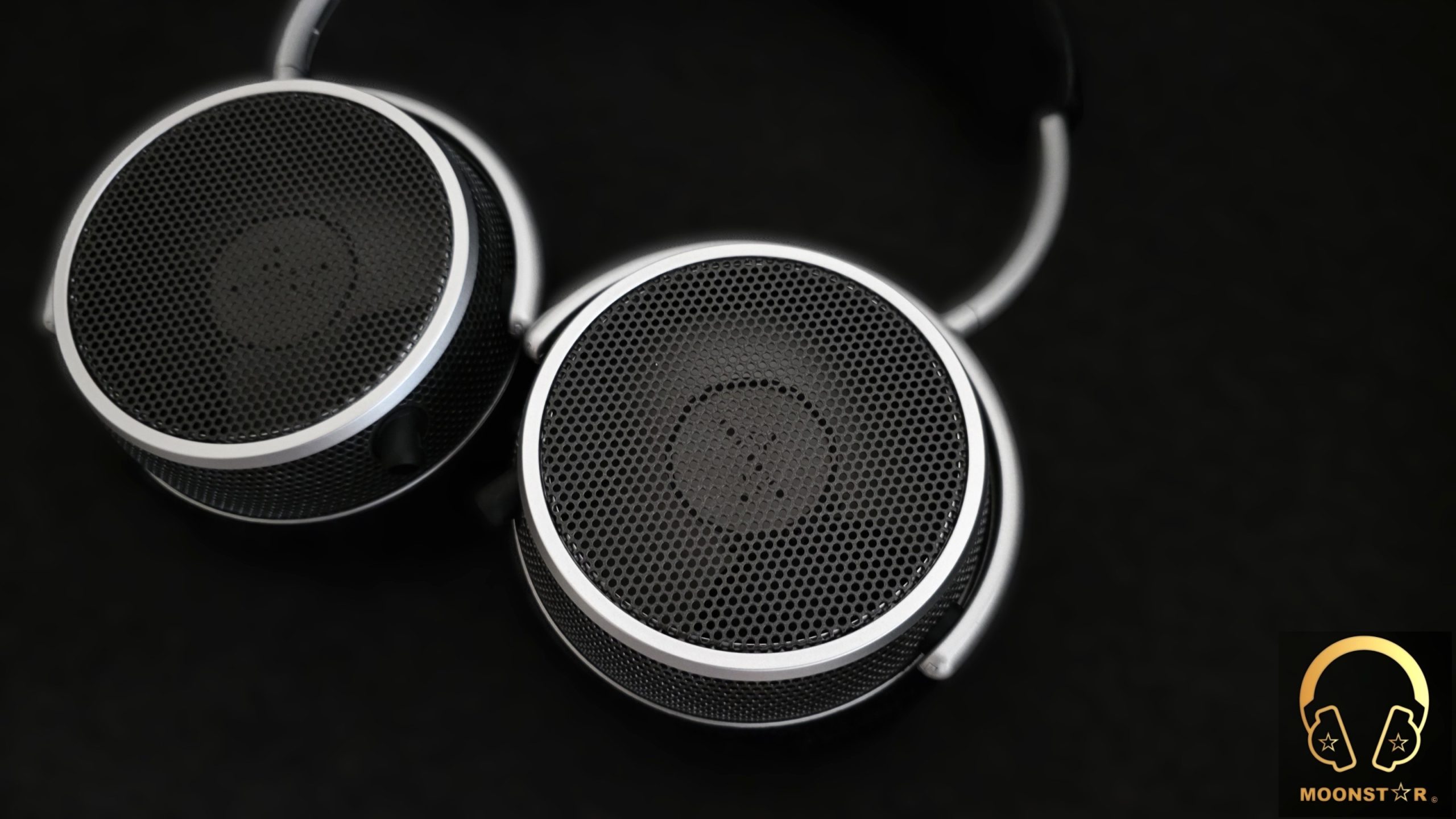
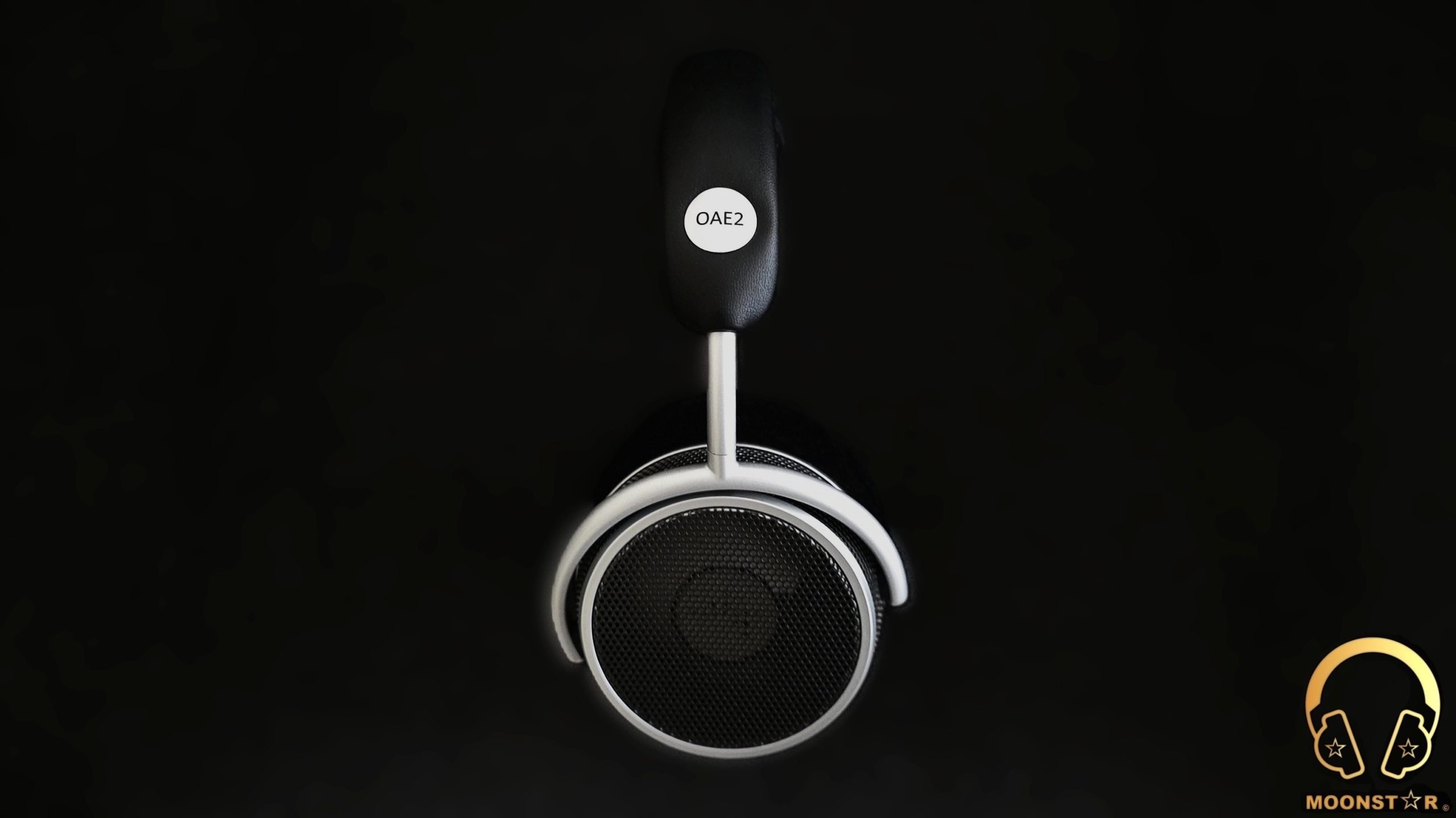
The OAE2 carries over the open, circumaural shape of the OAE1, with a fully metal frame and modular construction that lets the earpads, headband wrap, and other wearable parts be replaced individually rather than retiring the whole headphone once one component wears out. At 378 grams without cable, it sits in fairly normal territory for a full-size open-back design, neither feather light nor unusually heavy for the category, and the increase of roughly three grams over the OAE1 is not something that registers on the head in any meaningful way.
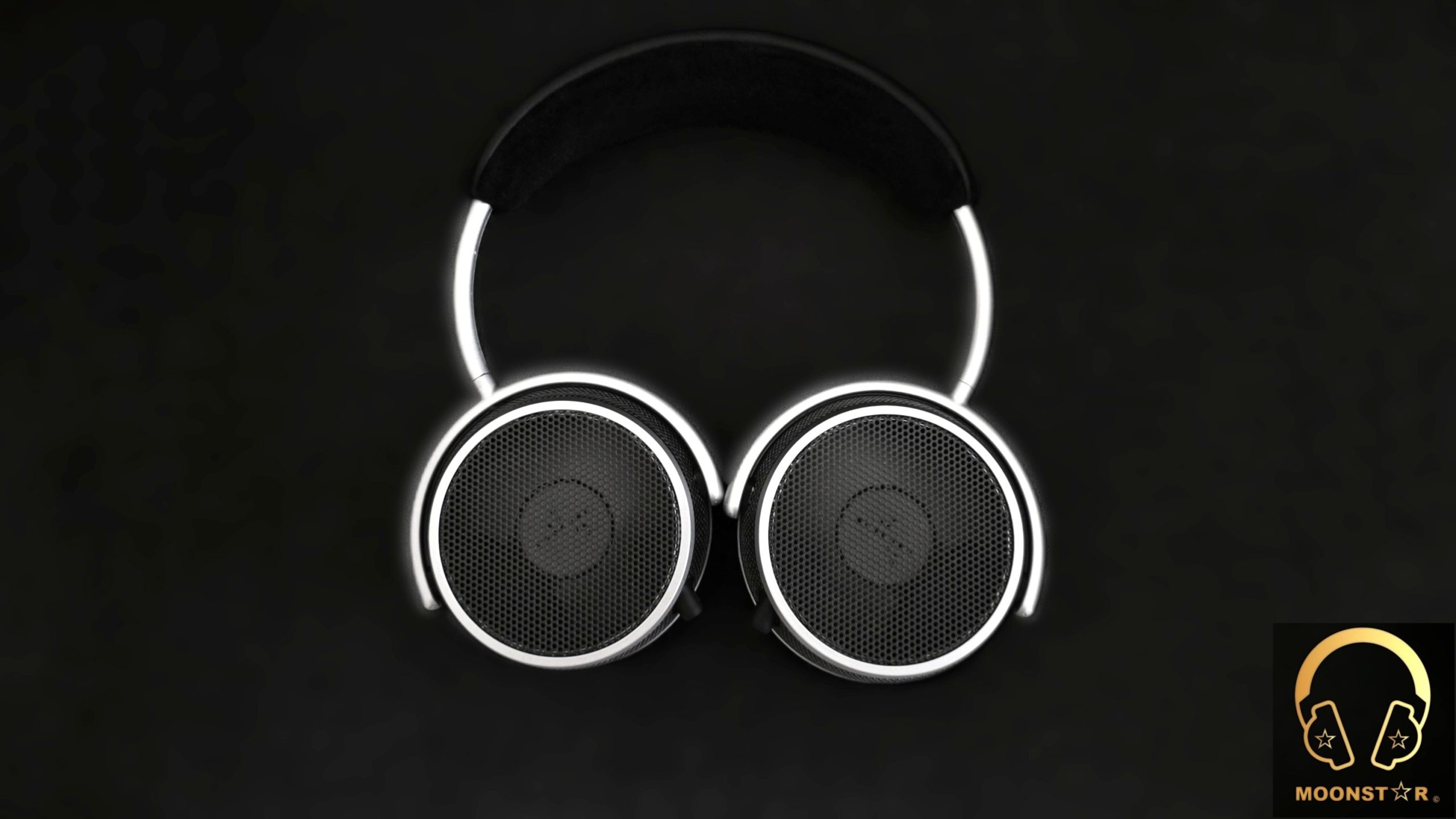
A wide memory foam headband spreads that weight across the top of the head rather than concentrating it at a single point, which keeps the clamping sensation gentle during long sessions.
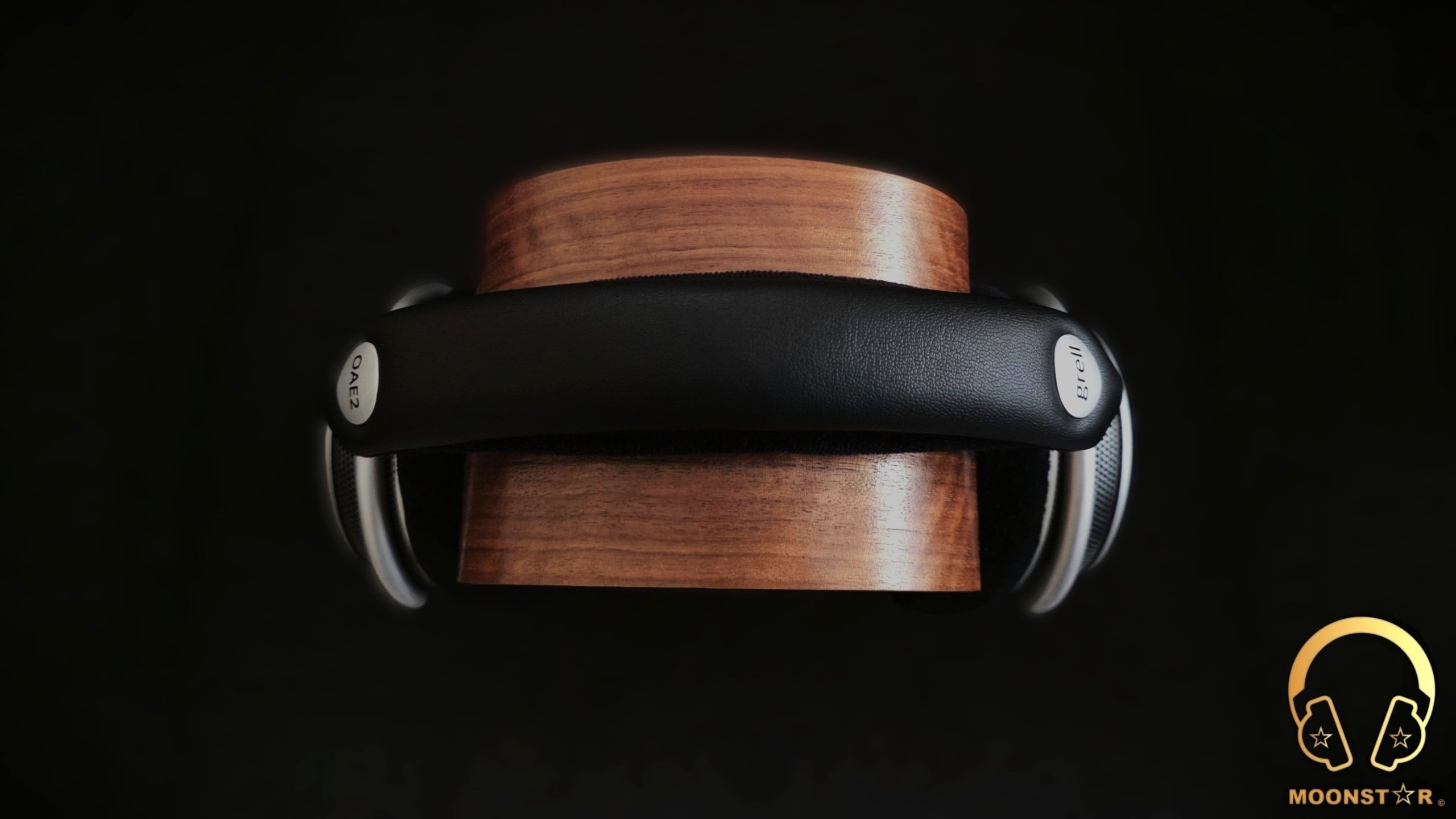
The headband slides through a metal yoke on each side rather than relying on a single adjustment point, and the earcups themselves have enough swivel range to settle against the side of the head without leaving a gap at the front or rear of the pad, which matters more than usual here given how directly the seal, or lack of one, interacts with the angled driver underneath.
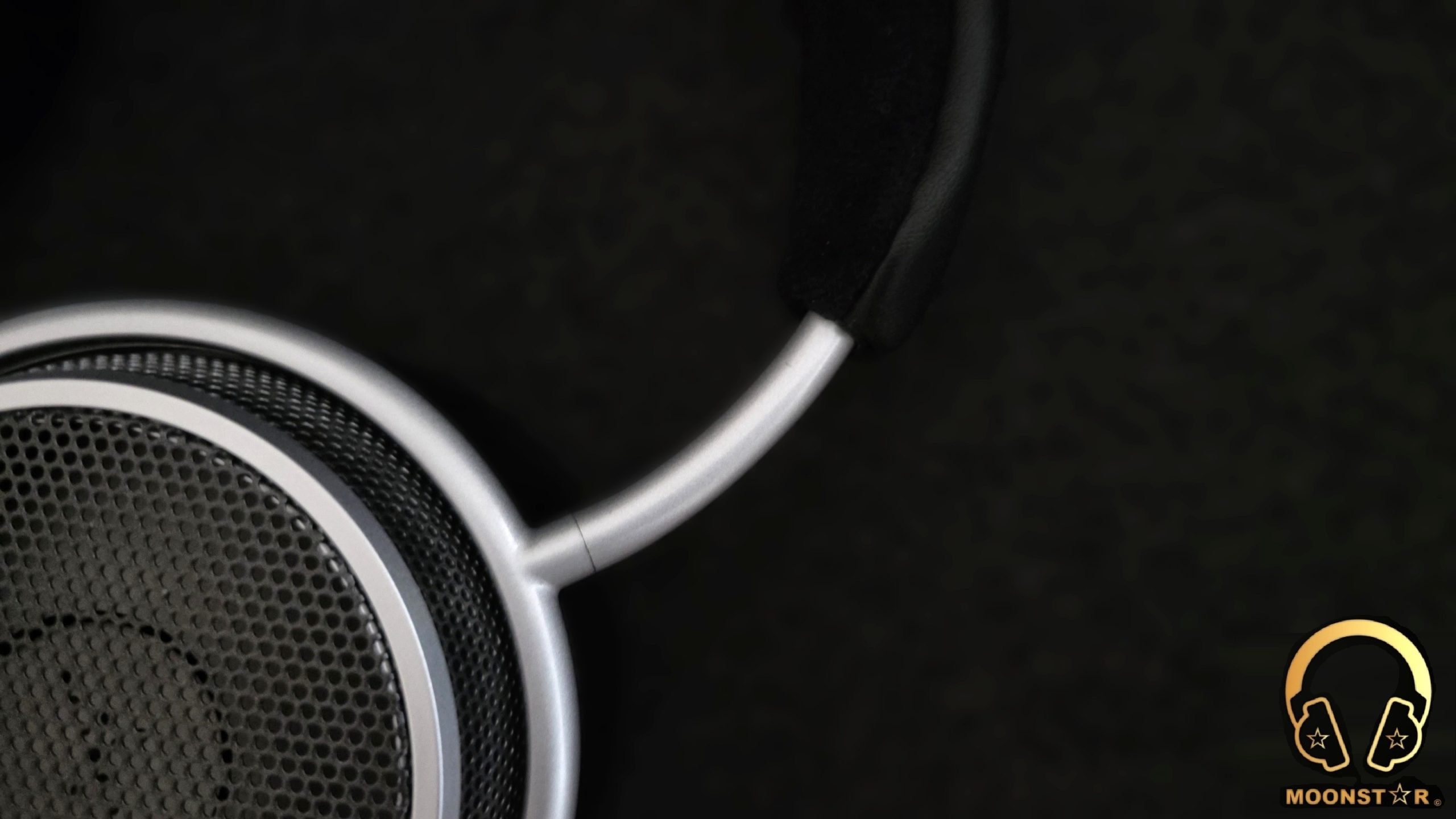
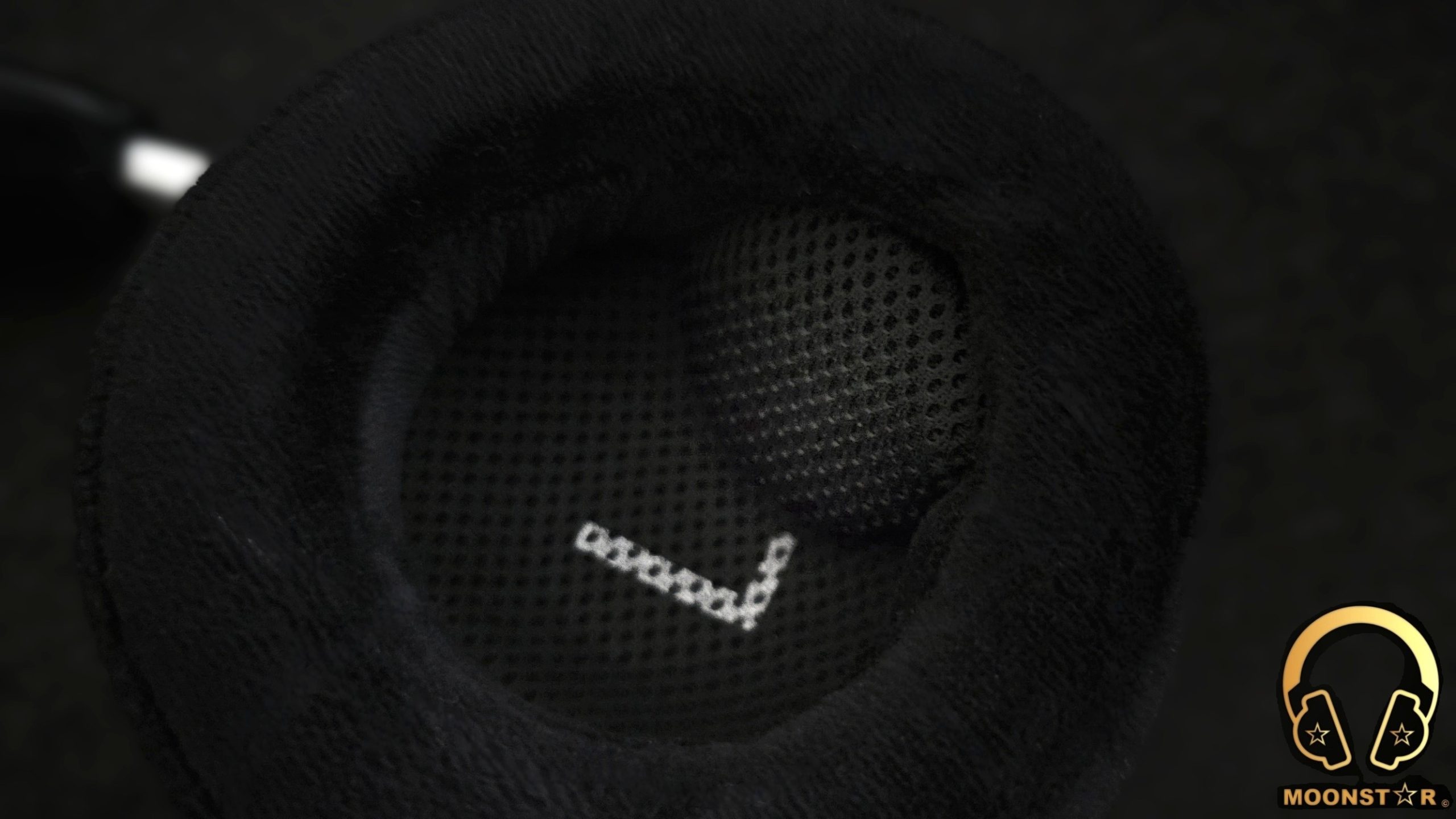
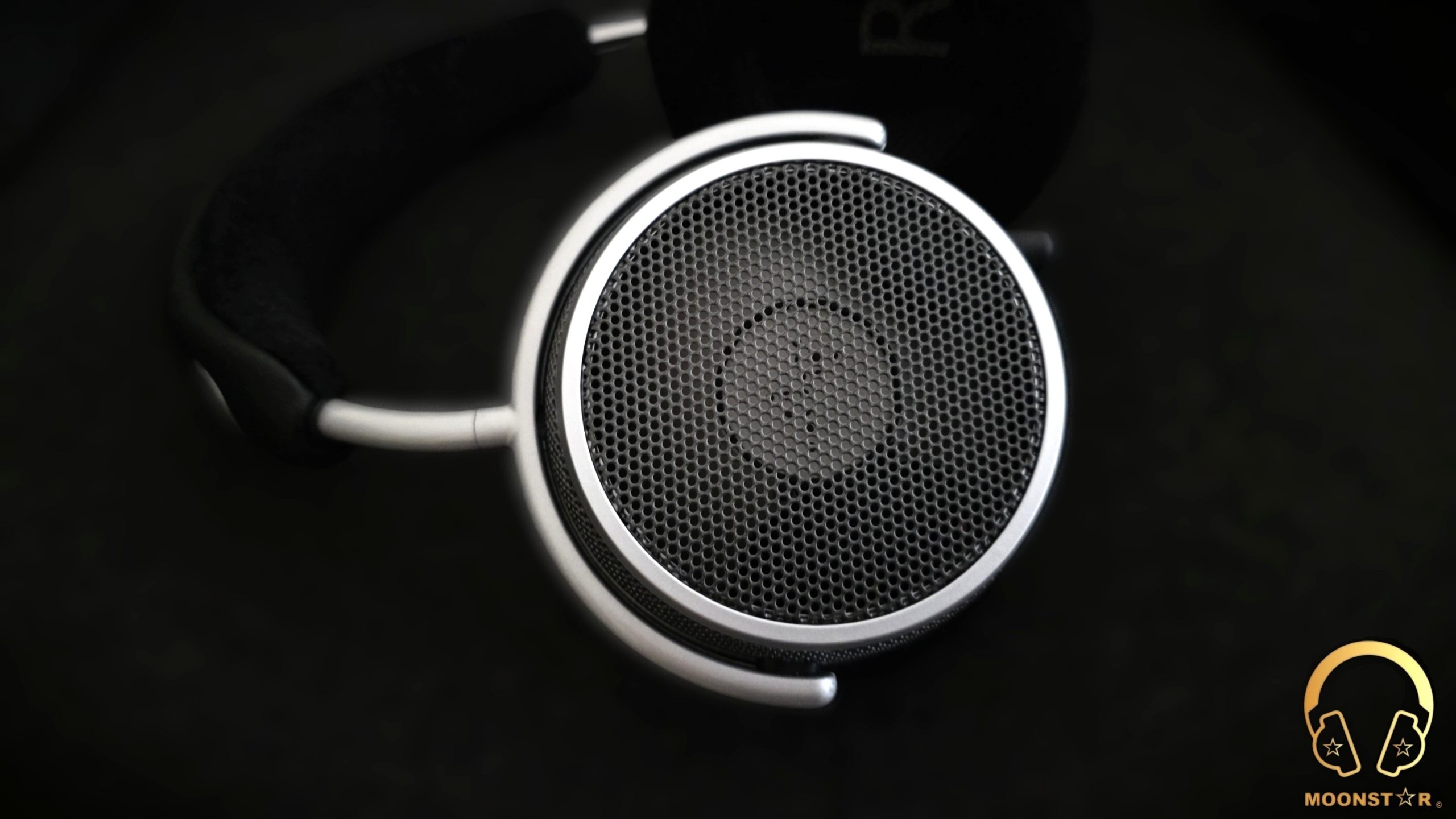
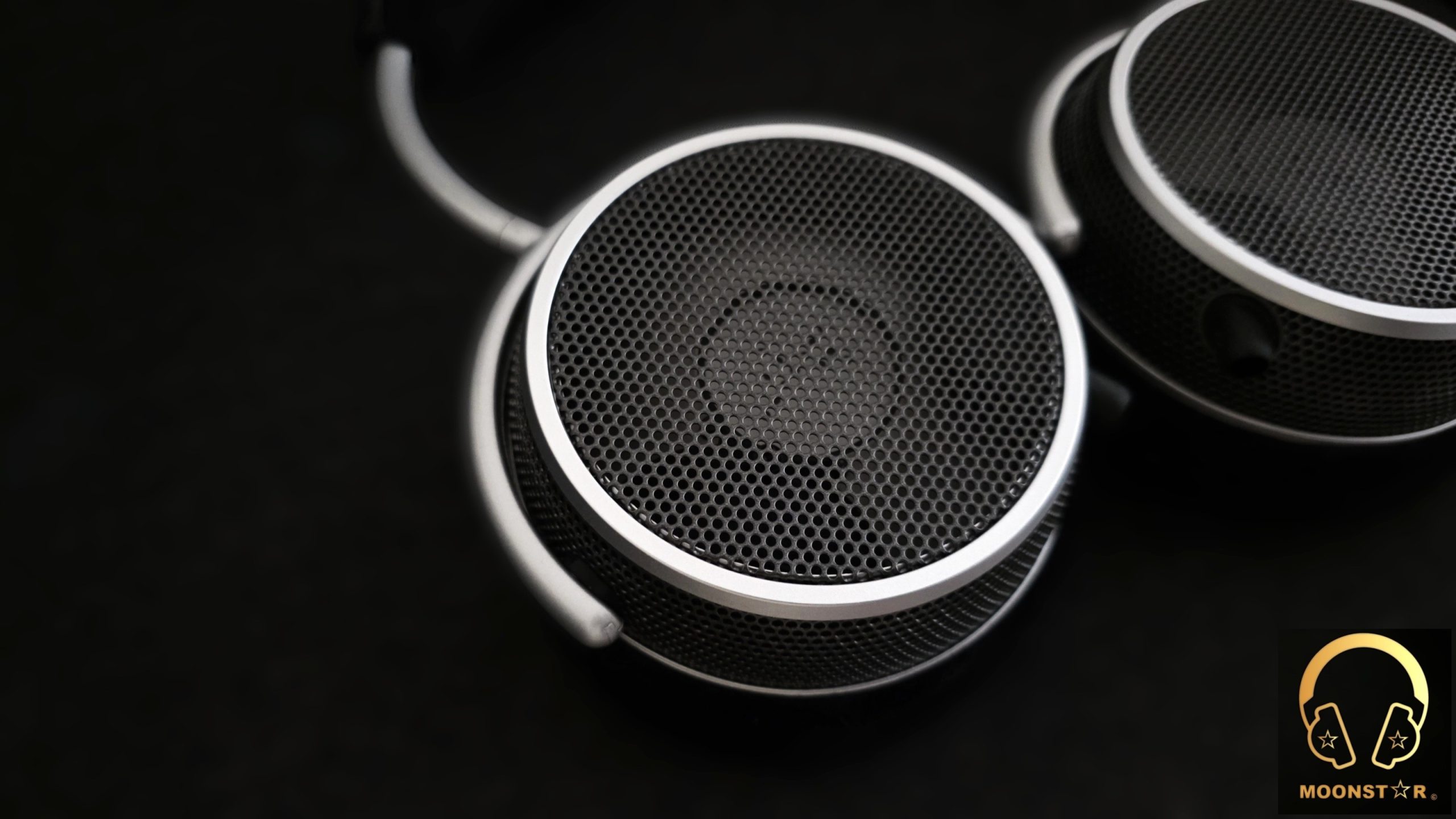
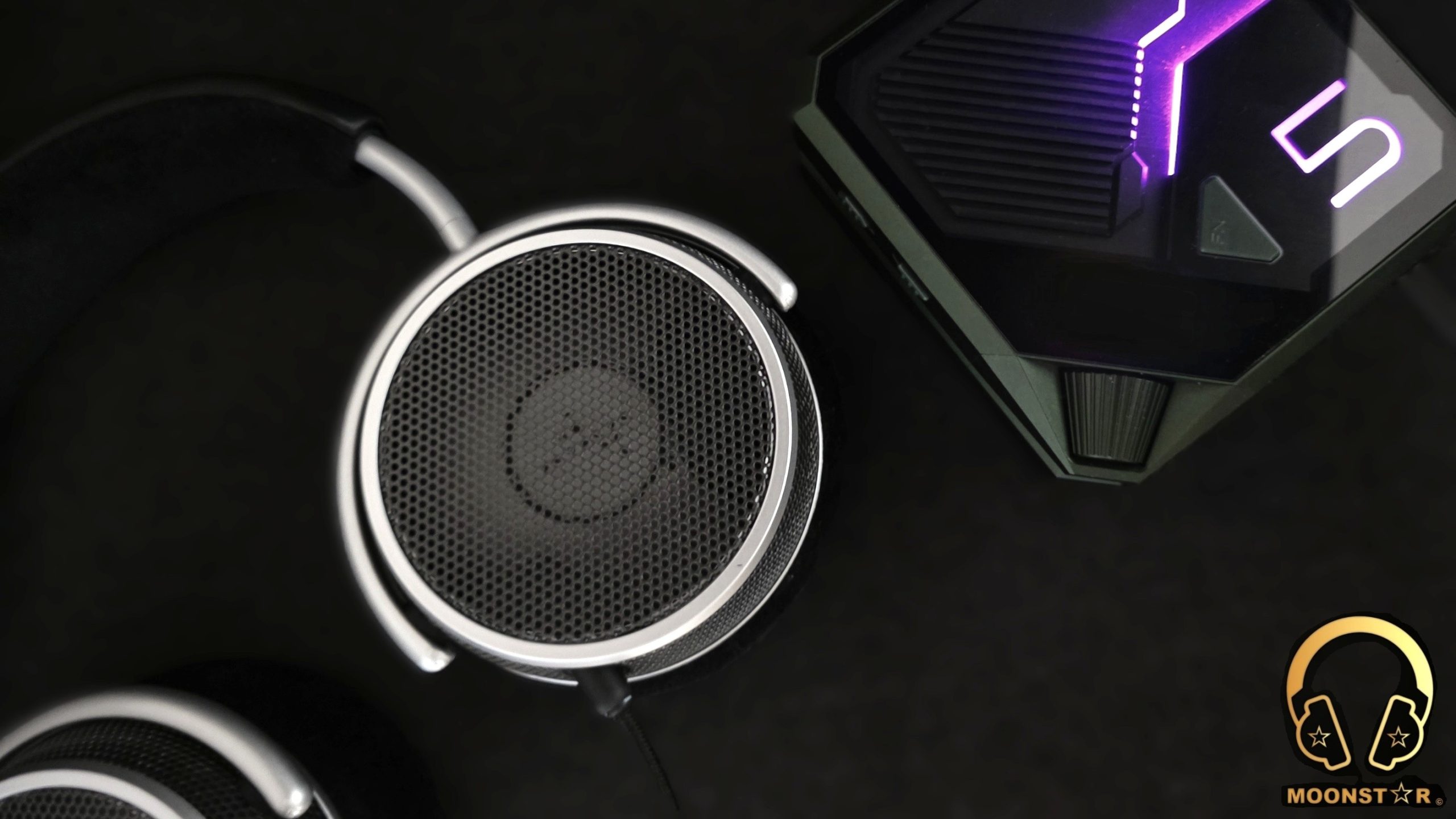
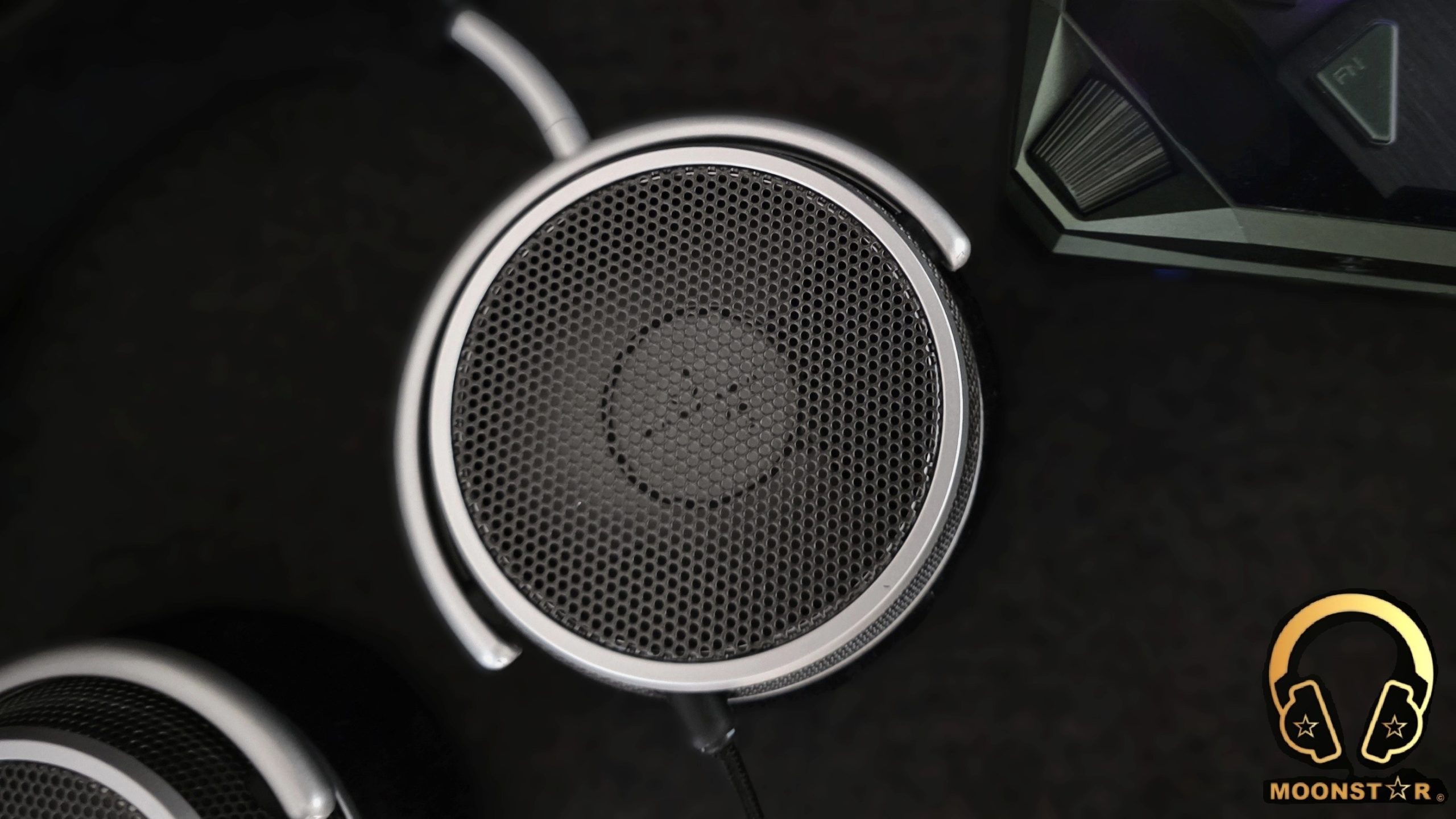
The defining engineering decision sits inside the earcup rather than on the outside. Instead of mounting the 40mm dynamic driver to face straight into the ear canal, Grell angles it toward the front of the cup, aiming the bio-cellulose diaphragm at the outer ear at roughly the angle sound would arrive at from a speaker placed in front of the listener.
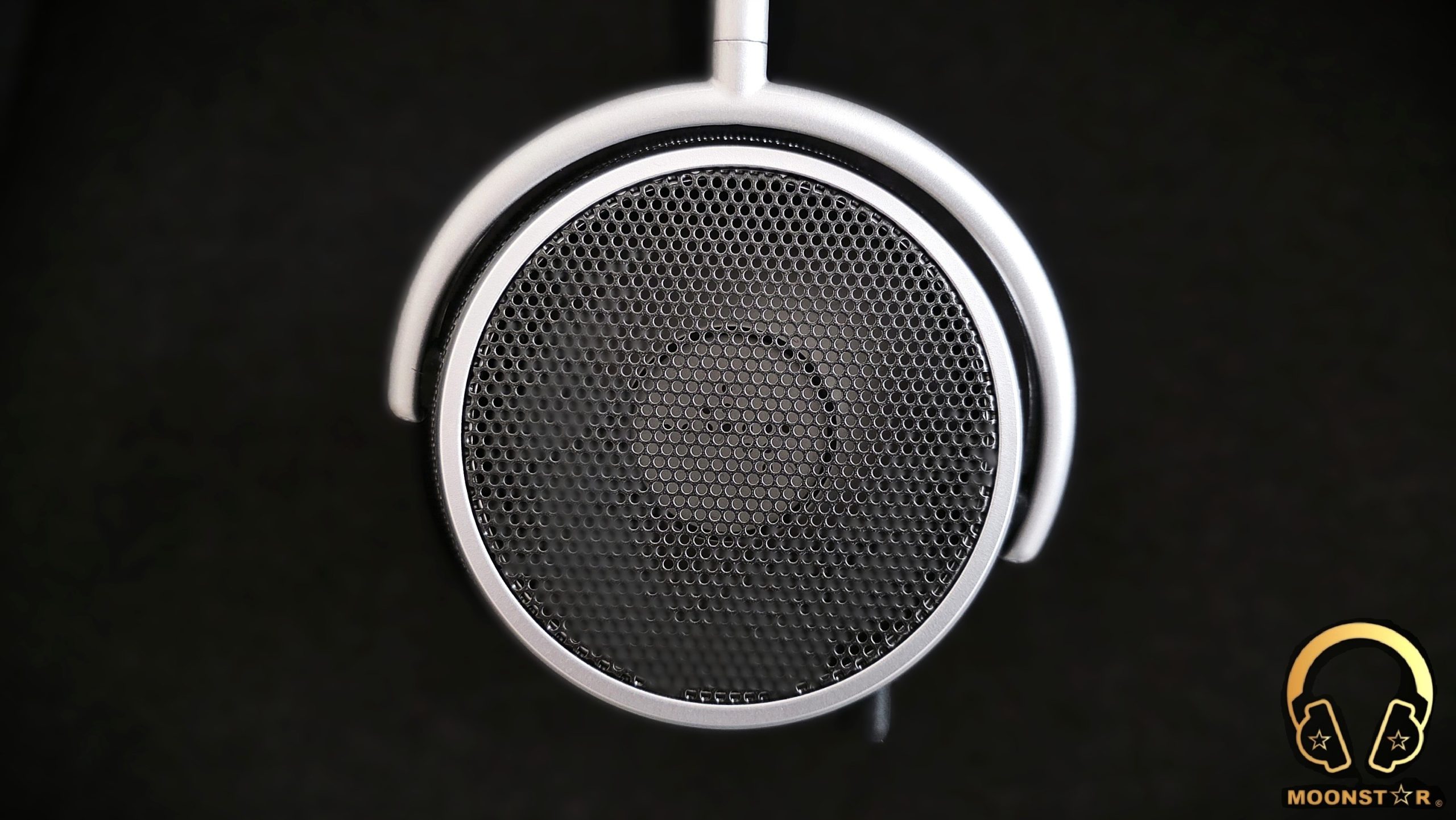
The idea has roots in Axel Grell’s earlier work at Sennheiser, where the HD800 used an angled ring driver positioned ahead of the ear specifically to manage resonances and widen perceived staging, and the OAE2 pushes that same underlying principle considerably further with a driver geometry and housing built around it from the ground up rather than adapted from a conventional design.
The open section of the baffle is built noticeably larger than on most open-back designs, by Grell’s own account roughly twice the open area of comparable headphones, specifically to let that angled output propagate with fewer internal reflections bouncing back toward the ear. Damping is handled by a precision stainless steel mesh manufactured in Germany rather than the foam or fabric layers more commonly used for this job, chosen for being acoustically transparent enough not to color the angled output while still controlling resonance inside the cup.
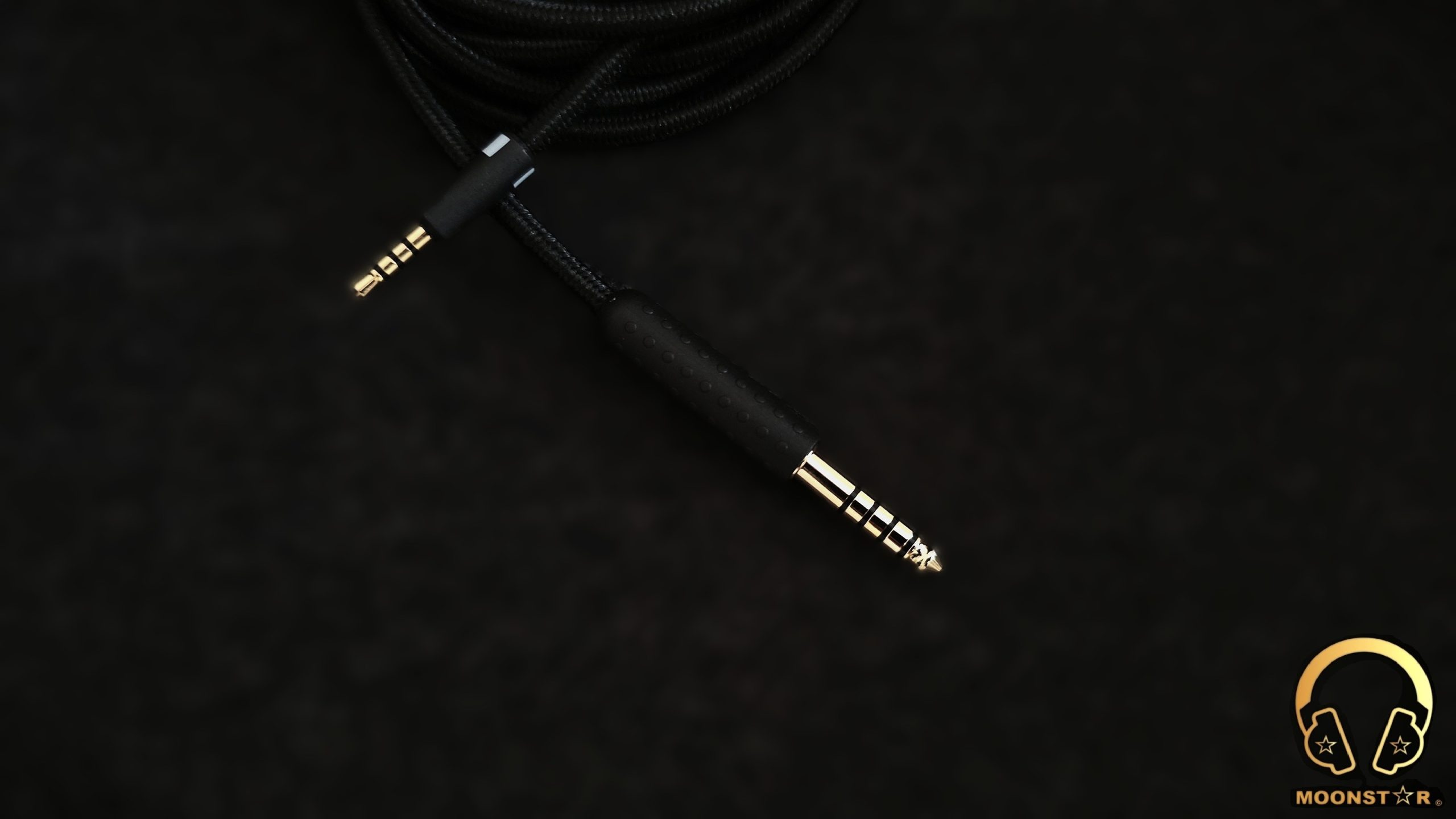
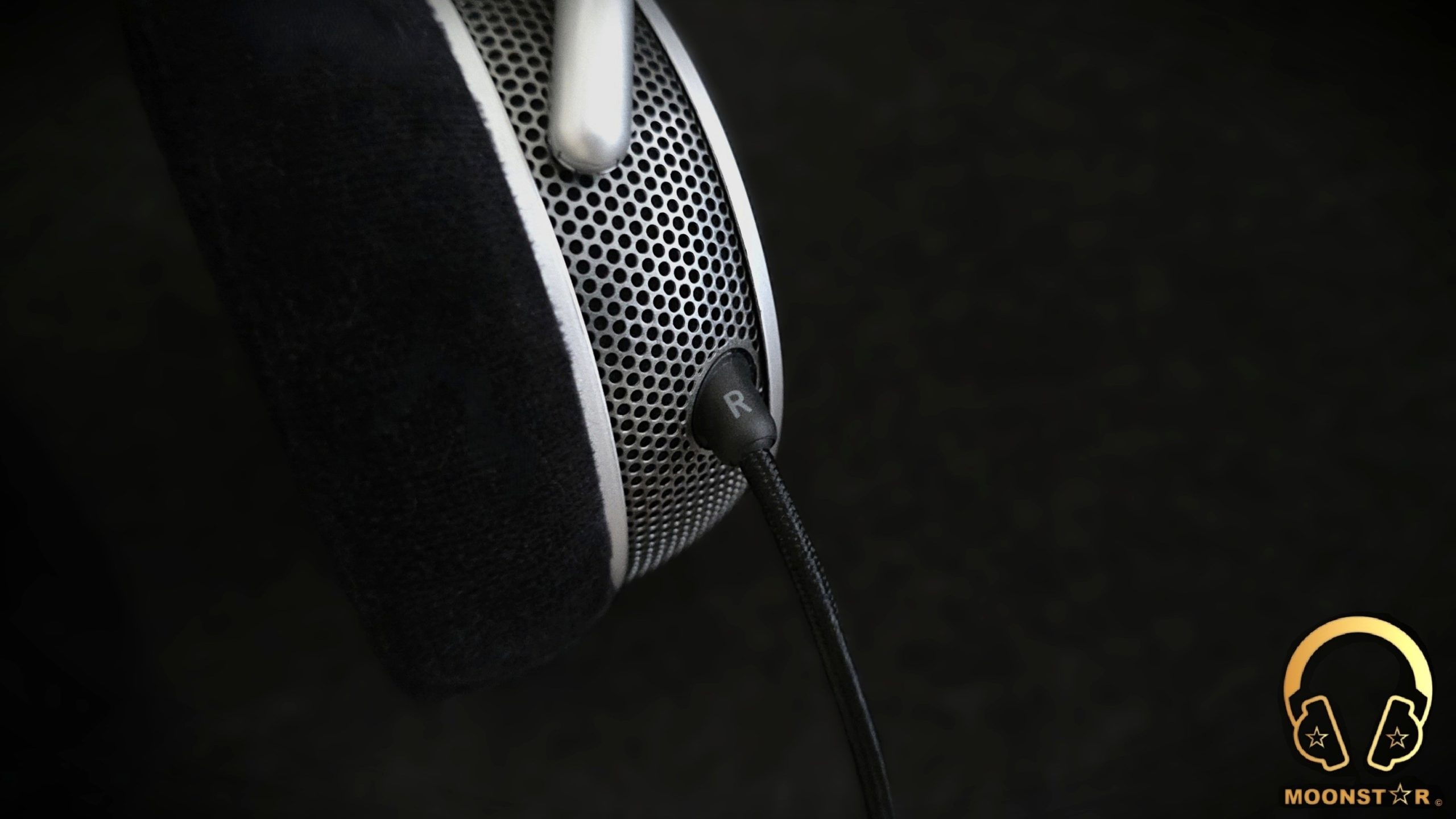
The OAE2 comes with two cables: one with a 4.4mm Pentaconn Balanced plug and one with a 3.5mm Unbalanced plug that includes a screw on 6.25mm adapter. The cable attachment uses a single 2.5mm TRRS connector recessed into a slim entry sleeve at the base of one earcup, and either earcup can accept the connector depending on which side you prefer to route the cable from, with internal wiring then carrying both channels across the headband to the opposite driver.
While this single entry approach is genuinely convenient for day to day use, it is a less common format than the dual 3.5mm or 2 pin per earcup connectors used by many similarly priced open back headphones, including some of the Sennheiser designs Axel Grell’s own background traces back to. The narrow entry sleeve compounds this issue, since most third party cables built for dual entry standards will not physically fit without a Grell specific plug, meaning anyone planning to build a personal cable collection around the OAE2 should expect a noticeably smaller pool of compatible aftermarket options than a standard dual entry headphone would offer.
Fit and finish on the review unit was consistent with the price bracket, with even gaps around the grille, no creak from the yoke or headband under normal handling, and a clamping mechanism that held its adjustment position reliably across repeated sessions. The modular philosophy extends beyond marketing language: individual wear parts are designed to be ordered and swapped without specialist tools, which is a meaningfully different proposition from headphones in this range that treat the earpads and headband as fixed for the product’s working life.
Comfort & Isolation:
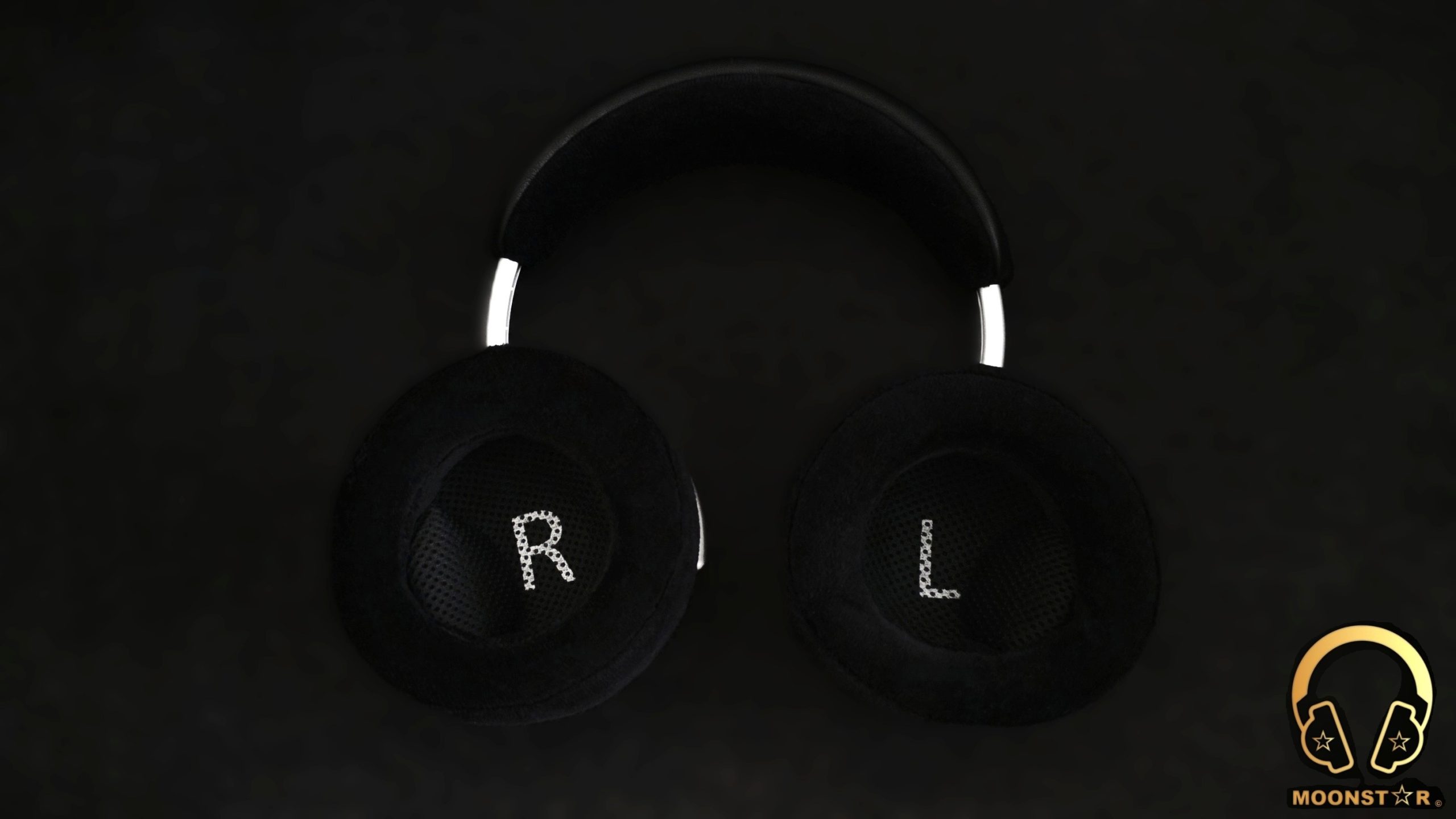
The memory foam headband and the open earpad design keep clamping pressure light, and the OAE2 settled in comfortably across multi-hour sessions without the hot-spot pressure that heavier or more tightly clamped open-backs can produce. The earpads themselves are noticeably more open than a typical circumaural pad, which helps the front-facing driver concept do its acoustic job but also means less material sits between the ear and the outside world.
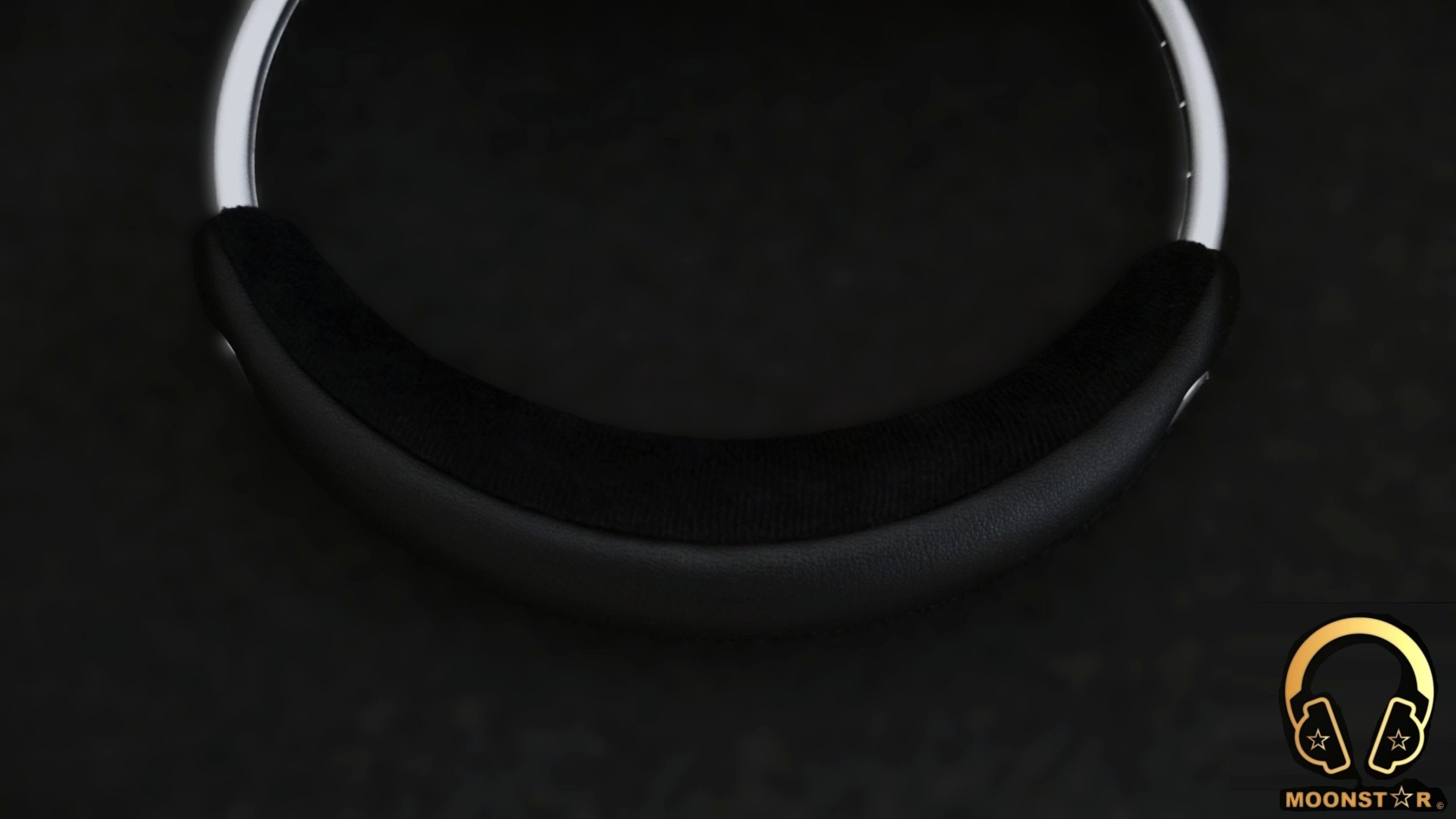
As an open-back design built around an unusually open baffle and pad structure, isolation is essentially nonexistent, and a meaningful amount of the OAE2’s own output is audible to anyone sitting nearby. That is a deliberate trade-off rather than an oversight, since the entire point of the front-facing driver concept depends on letting sound move with minimal obstruction, and anyone considering the OAE2 for shared spaces or noisy environments should treat that as a hard limitation rather than a minor footnote.
Technical Specifications:
- Driver: 40mm Dynamic, Bio-Cellulose Diaphragm
- Acoustic Concept: Front-Sided Sound Field Modulation (FSFM)
- Frequency Response: 12Hz – 34kHz (±3dB), 6Hz – 46kHz (-10dB)
- Impedance: 38 Ohms
- Sensitivity: 100 dB (1kHz, 1VRMS)
- THD: 0.05% (1kHz, 100dB)
- Weight: 378g (without cable)
- Cables Included: 1.8m 3.5mm Single-Ended, 1.8m 4.4mm Balanced (Silver-Plated OFC)
- Headphone-Side Connector: 2.5mm TRRS, Single-Entry (Either Earcup)
- Adapter: 6.3mm Screw-On
Drivability & Pairing:
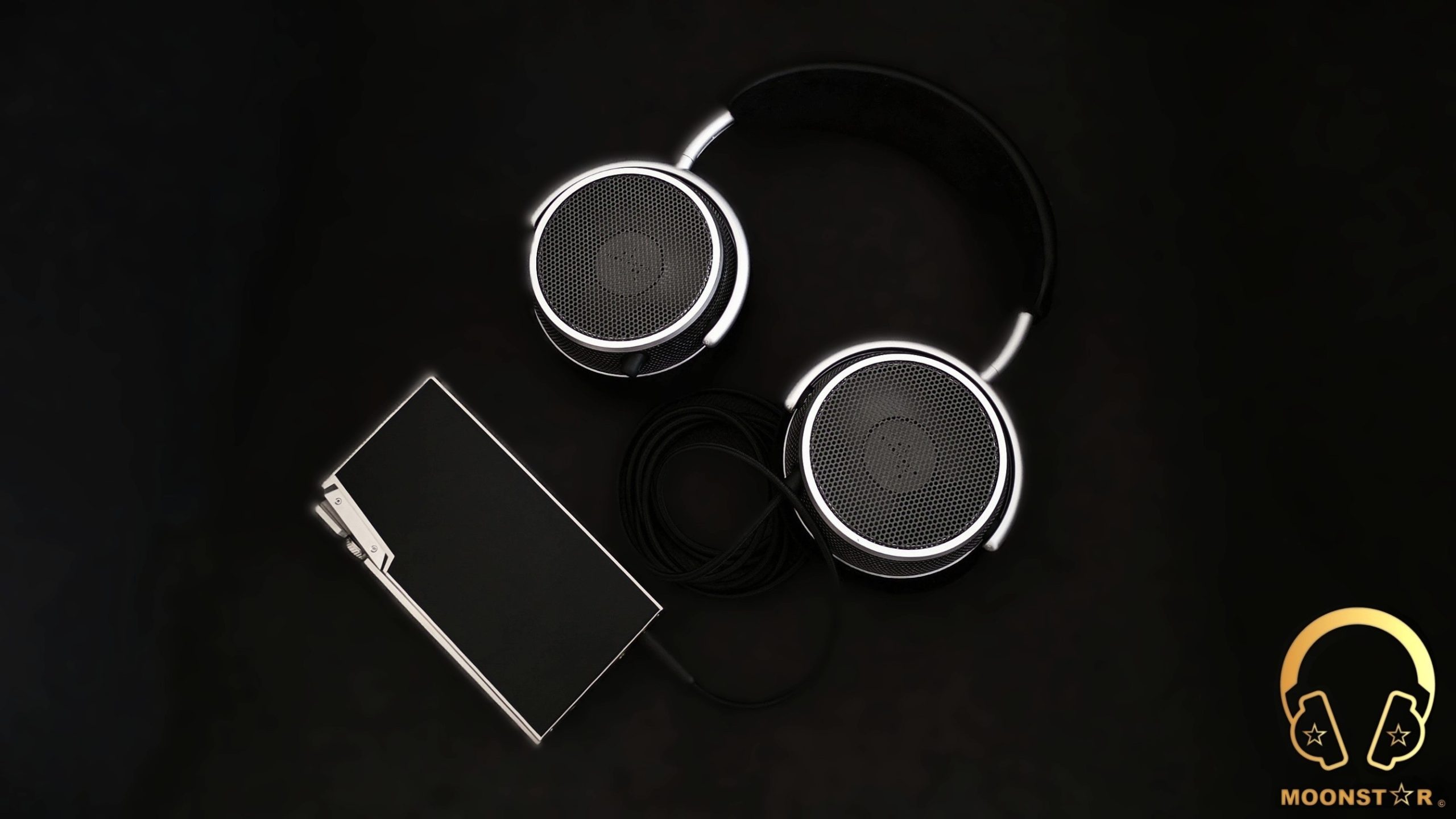
At 38 ohms and 100dB sensitivity, the OAE2 does not demand a particularly powerful amplifier to reach comfortable listening levels, but the driver’s wide frequency window and the front-facing acoustic design reward the kind of control and headroom that better amplification provides, particularly in the bass. Two pairings were used for this review to represent fairly different points on the desktop and portable spectrum.
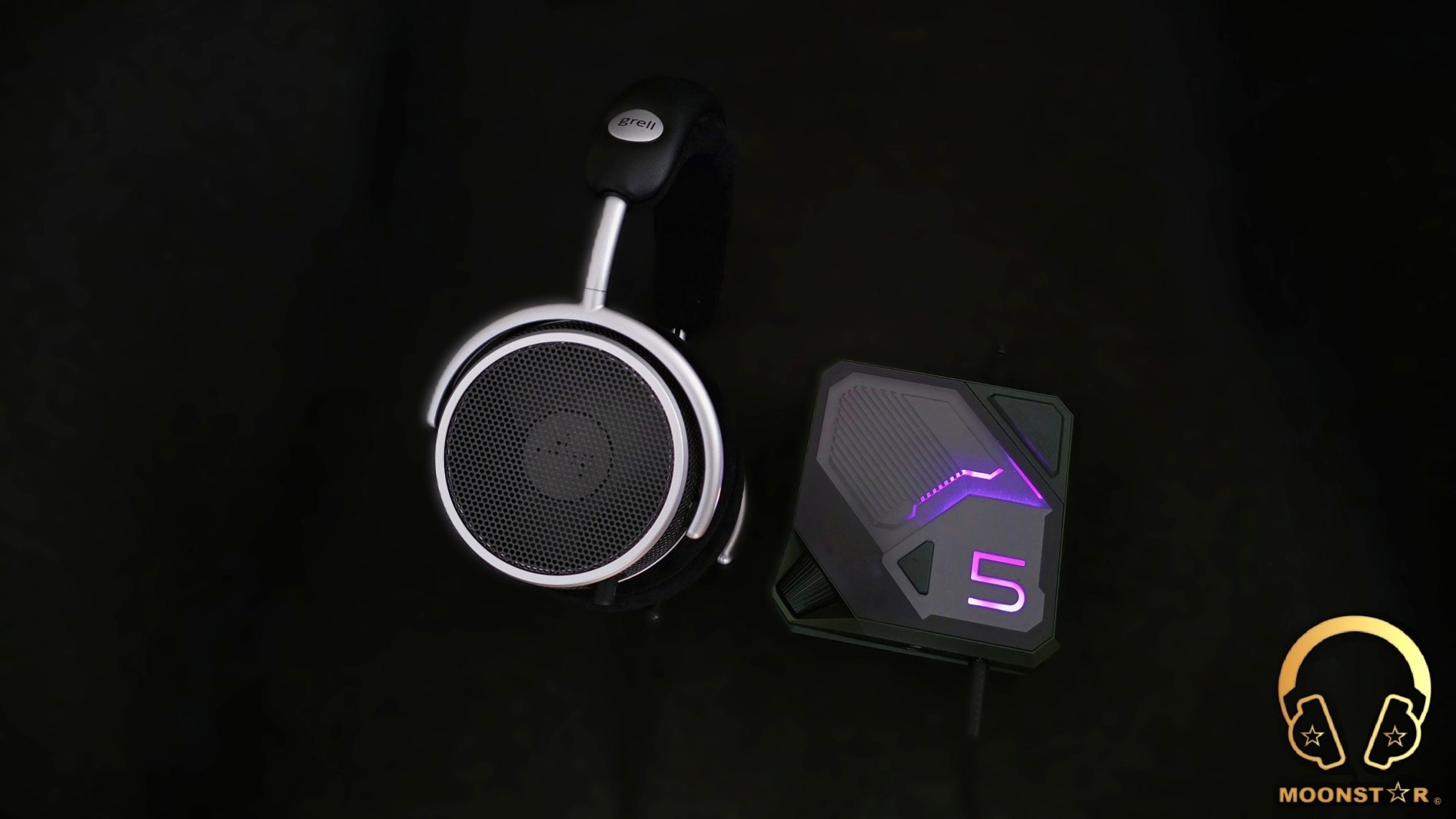
The HiBy FD5 served as the primary desktop pairing, a compact two-piece DAC and amplifier built around a quad AK4493 DAC array and an isolated power supply, capable of up to 1523mW from its balanced 4.4mm output. Run through the OAE2’s included balanced cable, the FD5’s power reserves were never remotely tested, and the pairing’s main contribution was a low noise floor and a stable, unstrained presentation even at higher volumes.
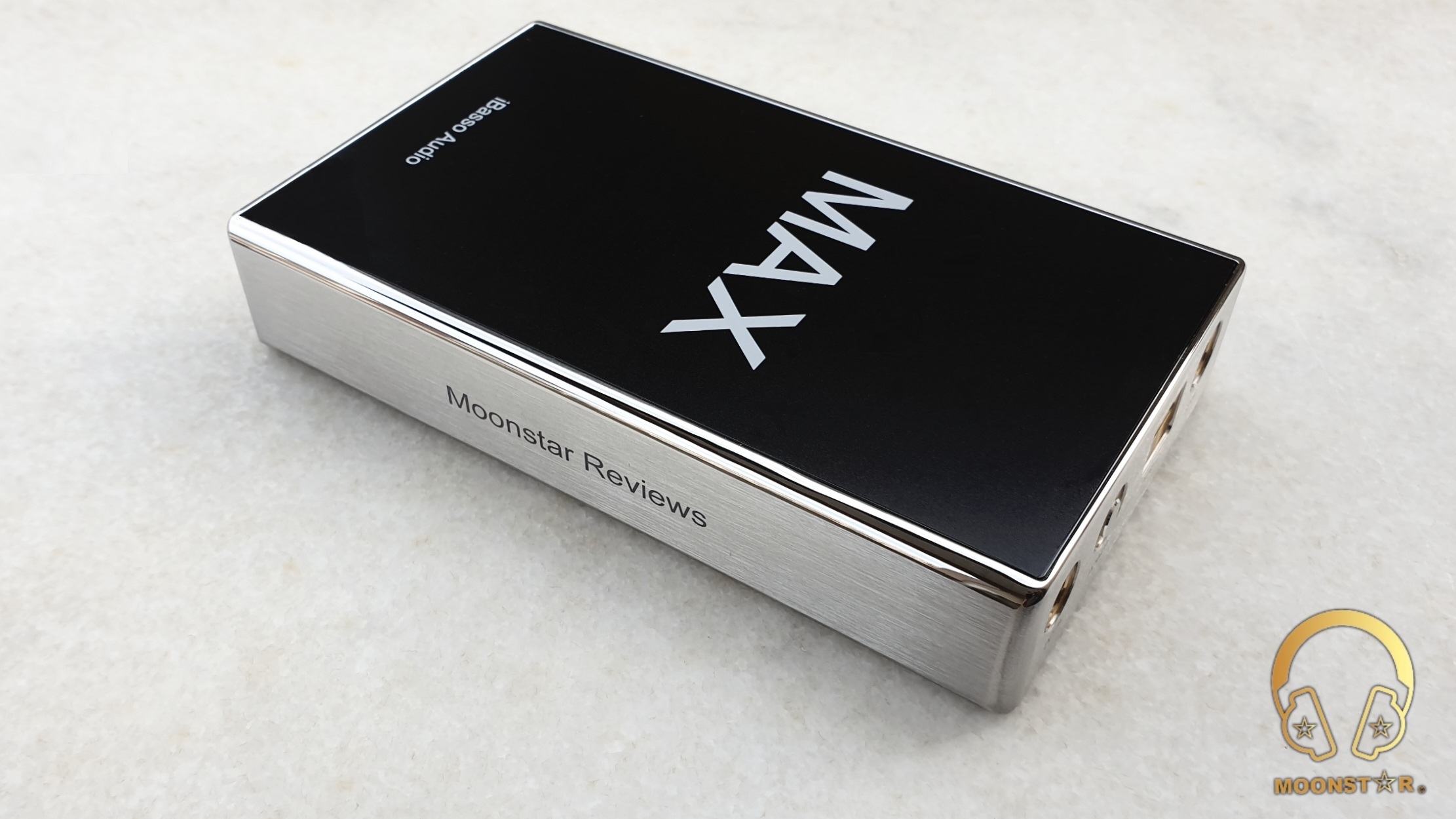
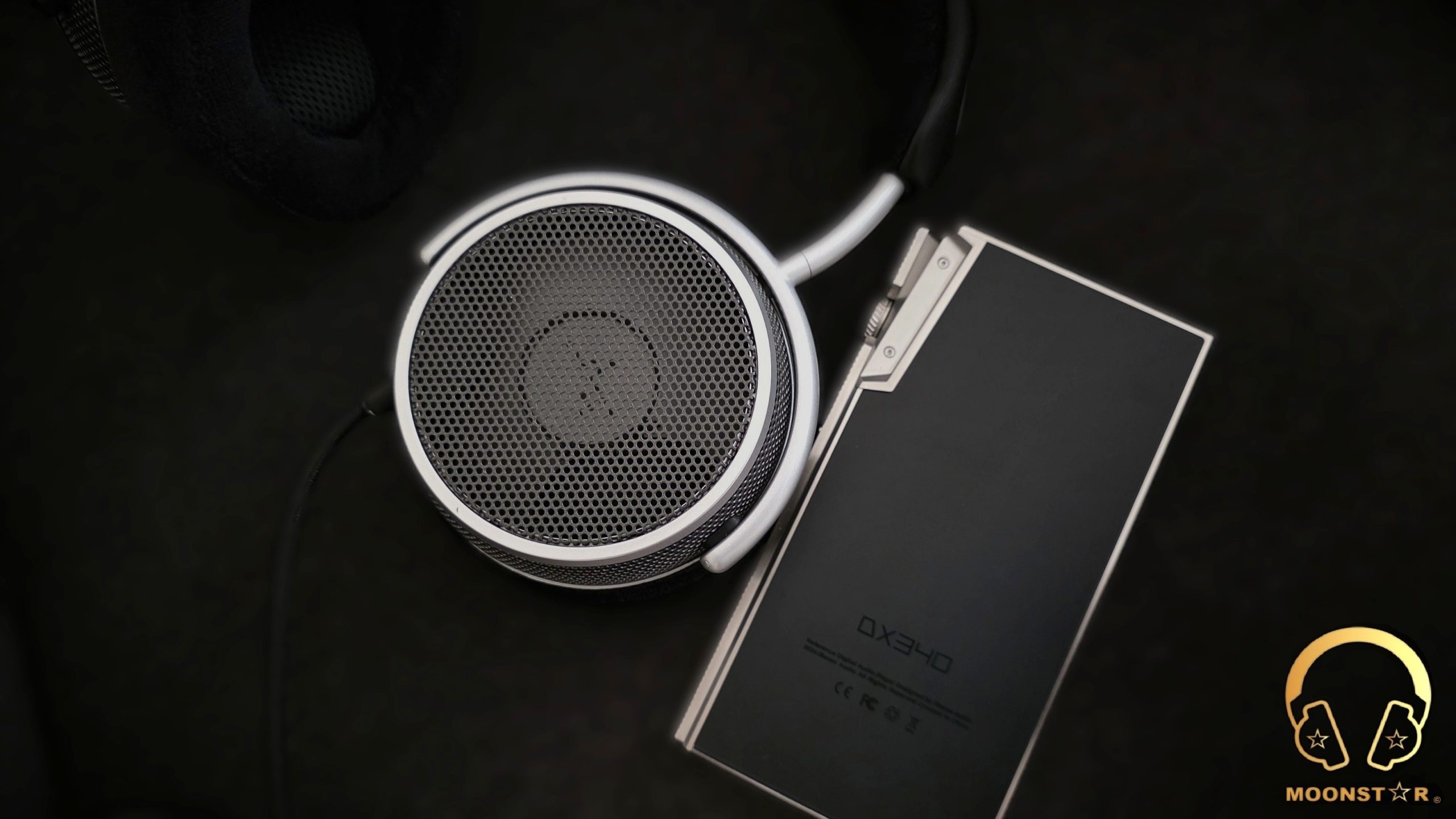
The iBasso DX340, paired with its stock AMP15 amplifier module, represented the portable side of testing. AMP15 uses eight BUF634 buffer chips and can supply up to 1200mW per channel balanced from battery power alone, with iBasso’s discrete PWM-DAC architecture handling conversion ahead of it. Even without engaging the module’s external 12V super gain mode, the DX340 drove the OAE2 with no audible compression or loss of control, suggesting that most modern dongles and portable DAPs in this power range will be sufficient for the OAE2 without needing to chase desktop-level output figures.
Equipment Used for This Review:
- Headphones : Grell OAE2, FiiO FT5, Moondrop Para
- Sources : HiBy FD5, iBasso DX340 + AMP15 amplifier module
Albums & Tracks Used for this Review:
Vocal Jazz / Smooth Jazz
- Norah Jones – Come Away With Me (Flac 24bit/96kHz)
- Diana Krall – So Wonderful (DSF)
- Barry White – Just The Way You Are (Flac 24bit/48kHz)
- Isaac Hayes – Walk On By (Flac 16bit/44.1kHz)
- Sting – Englishman in New York (Flac 24bit/48kHz)
- Otto Liebert & Luna Negra – The River (Flac 24bit/192kHz)
- Ferit Odman – Look, Stop & Listen (Flac 24bit/192kHz)
- Charly Antolini – Duwadjuwandadu (Flac 24bit/192kHz)
Soul / R&B
- Aretha Franklin – I Say A Little Prayer (Flac 24bit/96kHz)
- Adele – My Little Love (Apple Lossless)
- George Michael – Don’t Let the Sun Go Down on Me (Flac 24bit/192kHz)
- Eric Clapton – Wonderful Tonight (Flac 24bit/96kHz)
Pop / Rock Classics
- Michael Jackson – Billie Jean (Flac 24bit/96kHz)
- Elton John – Rocket Man (Flac 24bit/96kHz)
- David Bowie – Heroes (Flac 24bit/192kHz)
- U2 – Sunday Bloody Sunday (Flac 16bit/44.1kHz)
- Lorde – Royals (Flac 24bit/48kHz)
- Dave Gahan – Kingdom (Apple Lossless)
Electronic / Experimental
- Daft Punk – Instant Crush (Flac 24bit/96kHz)
- Daft Punk – Doin’ it Right (Flac 24bit/96kHz)
- Bro Safari, UFO! – Drama (Apple Lossless)
- Armin Van Buuren – Vini Vici (Flac 16bit/44.1kHz)
- Yosi Horikawa – Bubbles (Apple Lossless)
- Toutant – Rebirth (Apple Lossless)
Alternative / Indie / Art Rock
- Radiohead – Live in Berlin “Album” (Apple Lossless)
- Radiohead – Pyramid Song (Apple Lossless)
- Muse – Hysteria (Flac 24bit/96kHz)
- Red Hot Chili Peppers – Nobody Weird Like Me (Flac 24bit/48kHz)
- Lunatic Soul – The Passage (Flac 16bit/44.1kHz)
- Portishead – It Could Be Sweet (Apple Lossless)
- Gogo Penguin – Raven (Flac 24bit/192kHz)
- Gogo Penguin – Murmuration (Flac 24bit/192kHz)
- Massive Attack – Angel (Flac 24bit/48kHz)
- Bear McCreary – Valkyries (Apple Lossless)
Classical / Orchestral
- Max Richter – On the Nature of Daylight (Flac 24bit/96kHz)
- Chopin – Nocturne No. 20 in C-Sharp Minor (Flac 16bit/44.1kHz)
- Clair de Lune – Claude Debussy (Apple Lossless)
- Tchaikovsky – Symphony No. 5 (Flac 16bit/44.1kHz)
- Vivaldi – Le Quattro Stagioni “The Four Seasons” (Apple Lossless)
- Fazıl Say – Nazım Oratoryosu (Live) (Flac 16bit/44.1kHz)
Jazz / Instrumental
- Miles Davis – So What (Apple Lossless)
World / Traditional
- Sertap Erener – Aşk (Flac 16bit/44.1kHz)
- Edith Piaf – Non Je Ne Regrette Rien (Flac 16bit/44.1kHz)
Metal / Progressive Rock
- Metallica – Dyers Eve (Flac 24bit/96kHz)
- Metallica – Sad but True (Flac 24bit/96kHz)
- Megadeth – Sweating Bullets (Apple Lossless)
- Opeth – Windowpane (Flac 16bit/44.1kHz)
- Deftones – My Own Summer (Shove It) (Flac 16bit/44.1kHz)
- Rush – Tom Sawyer (Flac 16bit/44.1kHz)
- Slayer – Angel of Death (Apple Lossless)
The Sound:
The OAE2 favors a broadly neutral tuning over the more overtly speaker-like character Grell built into the original OAE1, and the front-facing driver concept shows up less as an obvious tonal signature and more as a difference in how positioned the music feels rather than how it is voiced. Bass is controlled and reasonably extended for an open-back design, the midrange stays uncolored enough to let vocals and instruments sit at a natural distance, and the treble extends with detail rather than obvious peaks. None of the three regions reach for an exaggerated character on their own, which is consistent with Grell’s stated approach of treating tonal accuracy as the foundation the spatial concept sits on top of rather than something to be sacrificed for it.
The headline characteristic, in keeping with Grell’s stated design goal, is a sense that instruments and voices sit in front of the listener at a stable distance rather than wrapping around the head, which is the more interesting story here than any single frequency region. That sense of placement is consistent across genres and recording styles rather than appearing only on material specifically mixed for a wide stage, which suggests the effect is coming from the headphone’s acoustic geometry rather than from any particular synergy with certain recordings.
Bass:
Low-end extension benefits from a resonance frequency tuned lower than most open-back dynamic driver headphones, and the result is a bass that reaches further down than the open, breathable design might suggest without ever sounding boosted to compensate. Mid-bass stays controlled rather than warm, kick drums and bass guitar lines come through with reasonable weight and clean decay, and the open baffle keeps the low end from building up the kind of boxy resonance that can affect more sealed designs.
Texture in the bass is good rather than exceptional, individual bass notes in walking bass lines or layered electronic production stay distinguishable from one another, but the very last degree of micro-detail that the best planar and electrostatic designs can pull out of a bassline is not quite present here. What the OAE2 does instead is keep the low end disciplined enough that it never intrudes on the midrange sitting above it, even on bass-heavy material, which matters more for the front-facing imaging concept than ultimate texture would, since a bloated low end would be the fastest way to collapse the sense of separation between the bass and everything happening in front of it.
Through the HiBy FD5’s balanced output the bass picked up a touch more density and authority than through the DX340 and AMP15 running on battery power, though the difference was one of degree rather than character, and neither pairing left the low end sounding thin or underpowered. Engaging the AMP15’s external super gain mode was not necessary to extract full-sounding bass from the OAE2, which lines up with the headphone’s relatively modest 38 ohm impedance and suggests most reasonably competent sources will reach a similar result.
Midrange:
The midrange is where the OAE2’s neutral-leaning intent is clearest. Male vocals sit with natural body and none of the chestiness that some open-back designs introduce around the lower midrange, while female vocals come through clear and present without being pushed forward artificially. Instrument timbre across guitars, pianos, and strings stays even rather than spotlighting any particular register, which keeps the presentation honest on a wide range of recordings rather than flattering any one genre disproportionately.
Dynamic contrast within the midrange is handled well, the difference between a quietly sung passage and a fuller, more powerful delivery from the same vocal registers comes through clearly rather than being compressed into a narrower range, which helps both male and female vocal performances retain a sense of effort and expression rather than sounding flattened. Layering between a lead vocal and supporting instruments in the same general frequency range is resolved cleanly enough that busier mixes do not collapse into a single wall of midrange, though listeners coming from a more forward-voiced headphone may initially read this evenness as slightly reserved before settling into it.
Because the midrange does not lean warm or bright in either direction, it acts as a fairly neutral foundation for the front-facing imaging effect to operate on top of, vocals are positioned by the acoustic geometry rather than by any deliberate midrange coloration, which is part of why the placement effect holds up so consistently across different genres and recording styles.
Treble:
Treble extends well past the audible range on paper, and in practice that translates to a sense of air and detail retrieval rather than obvious sparkle or emphasis. Cymbals and string harmonics resolve with good texture, and the angled driver placement appears to play a role here as well, since high-frequency transients arrive with a sense of natural decay rather than the more direct, occasionally clinical character that straight-firing drivers can produce. Sibilance was not an issue across either source used for this review.
The low distortion figure Grell quotes for the driver, 0.05 percent at 1kHz and 100dB, is consistent with how clean the treble stays as volume increases, there is no sense of the upper registers becoming harsh or congested at higher listening levels the way some dynamic drivers can when pushed. Brushed cymbals, bowed strings, and breath noise on vocal recordings all come through with a believable sense of decay rather than being cut short, and the overall impression is of a treble built for extended listening rather than for an initial demo impression.
Compared to headphones that chase treble extension as a selling point on its own, the OAE2’s top end reads as more restrained on a first listen, but that restraint is consistent rather than inconsistent across material, and nothing in the upper registers calls attention to itself in a way that becomes fatiguing over a multi-hour session.
Soundstage and Imaging:
This is the section the OAE2 is built around, and it delivers on the core premise. Rather than the wide-but-flat presentation many open-back headphones produce, with instruments arranged in a line around the sides of the head, the OAE2 places most of the stereo image in front of the listener with a believable sense of distance and depth. Vocals in particular sit at a stable, externalized point rather than appearing to originate inside the head, and the effect holds up consistently across both the desktop and portable sources used for testing.
Depth layering is where the design earns most of its credibility. Rather than a flat plane of instruments at a single distance, which is the more common outcome on conventional open-back headphones, the OAE2 separates a lead vocal or solo instrument from the supporting layers behind it with a believable sense of front-to-back space, closer to how a small ensemble would be arranged on a stage in front of a listener than to the inside-the-head image most headphones default to. On orchestral and acoustic recordings in particular, this depth cue does more to convince the ear of a real space than the headphone’s width alone.
Width is good but not exaggerated, and the overall impression is closer to listening to a modest pair of nearfield monitors in a treated room than to a conventional headphone, which is precisely the comparison Grell is chasing with this design. Switching back to a conventional side-firing headphone immediately after extended time with the OAE2 makes the difference obvious: the more familiar headphone’s image collapses back toward the sides and inside the head, which is the clearest demonstration that the OAE2’s spatial character comes from its driver geometry rather than from equalization or any other tonal trick.
Comparisons:
Grell OAE2 vs. Moondrop Para:
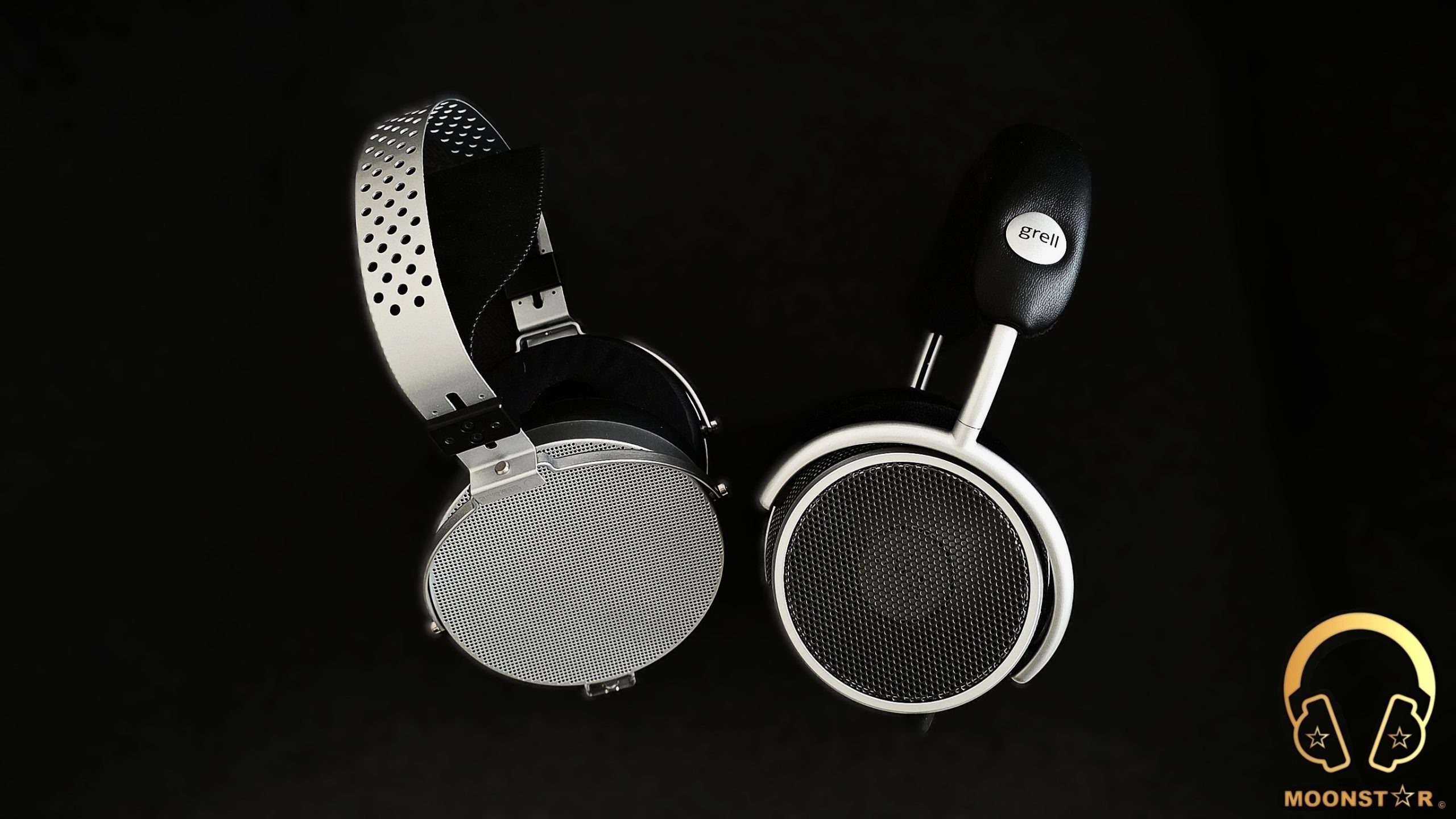
The Moondrop Para takes an entirely different technical route to a similar price bracket. It uses a 100mm planar magnetic driver built around Moondrop’s Full Drive Technology diaphragm rather than a dynamic transducer, and it fires conventionally rather than adopting any front-facing acoustic concept. At a structural level, the two headphones could not be more different: one full-surface planar driver covering nearly the entire earcup against one angled 40mm dynamic driver aimed at the front of it. That difference is audible the moment I switch between them back to back.
In the bass, I find the Para’s planar diaphragm produces a flatter, more linear low end with noticeably faster transient response. Kick drums and bass notes start and stop with very little overhang, which reads to my ears as tight and controlled rather than physical. The OAE2’s dynamic driver cannot match that outright speed, but it compensates with a rounder sense of body and a touch more perceived weight beneath male vocals and lower-register instruments, helped by the lower resonance frequency Grell tuned into the design. To me, neither headphone leans heavy in this region; the difference is closer to precision against warmth rather than quantity.
The midrange is where the gap in character becomes most obvious to me. The Para sits on the neutral-to-bright side of neutral, which sharpens perceived clarity but also pushes female vocals and upper-string instruments slightly forward. It can also read as a little thin on male vocals that the OAE2 renders with a more natural chest weight. I hear the OAE2’s midrange staying more evenly balanced front to back, with male vocals carrying believable body and female vocals remaining present without the same forward push, though it does trade away some of the Para’s sense of immediacy and bite.
Treble follows the same pattern during my listening sessions. I find the Para’s planar tweeter region brighter and more energetic, which flatters cymbal decay and adds a sense of sparkle that can tip toward fatiguing on already bright recordings, particularly from sources without a smooth top end of their own. The OAE2’s treble feels calmer and more rolled into the rest of the presentation, trading some of that sparkle for a top end that holds up better during my longer listening sessions and across a wider range of recordings.
Technically, I consider the Para the more resolving headphone in a narrow sense. Its planar driver pulls out fine detail and separates closely spaced instruments with an ease the OAE2’s single dynamic driver cannot fully match, and it rewards my proper amplifiers more obviously than the OAE2 does. Where the OAE2 wins decisively for me is in spatial presentation. The Para’s soundstage is respectably wide for the price, but it stays a conventional side-oriented image with instruments arranged around my head rather than projected forward. The OAE2’s externalized, in-front placement of vocals and lead instruments is simply a different kind of staging that the Para’s design was never built to attempt.
If you prioritize raw resolution, planar speed, and a brighter, more analytical tonality, paired with a capable amplifier, I think you will likely prefer the Para. If you are specifically chasing a more speaker-like, externalized sense of space, which is the OAE2’s entire reason for existing. I find that to be the clearer and more decisive differentiator between the two rather than any single frequency region.
Grell OAE2 vs. FiiO FT5:
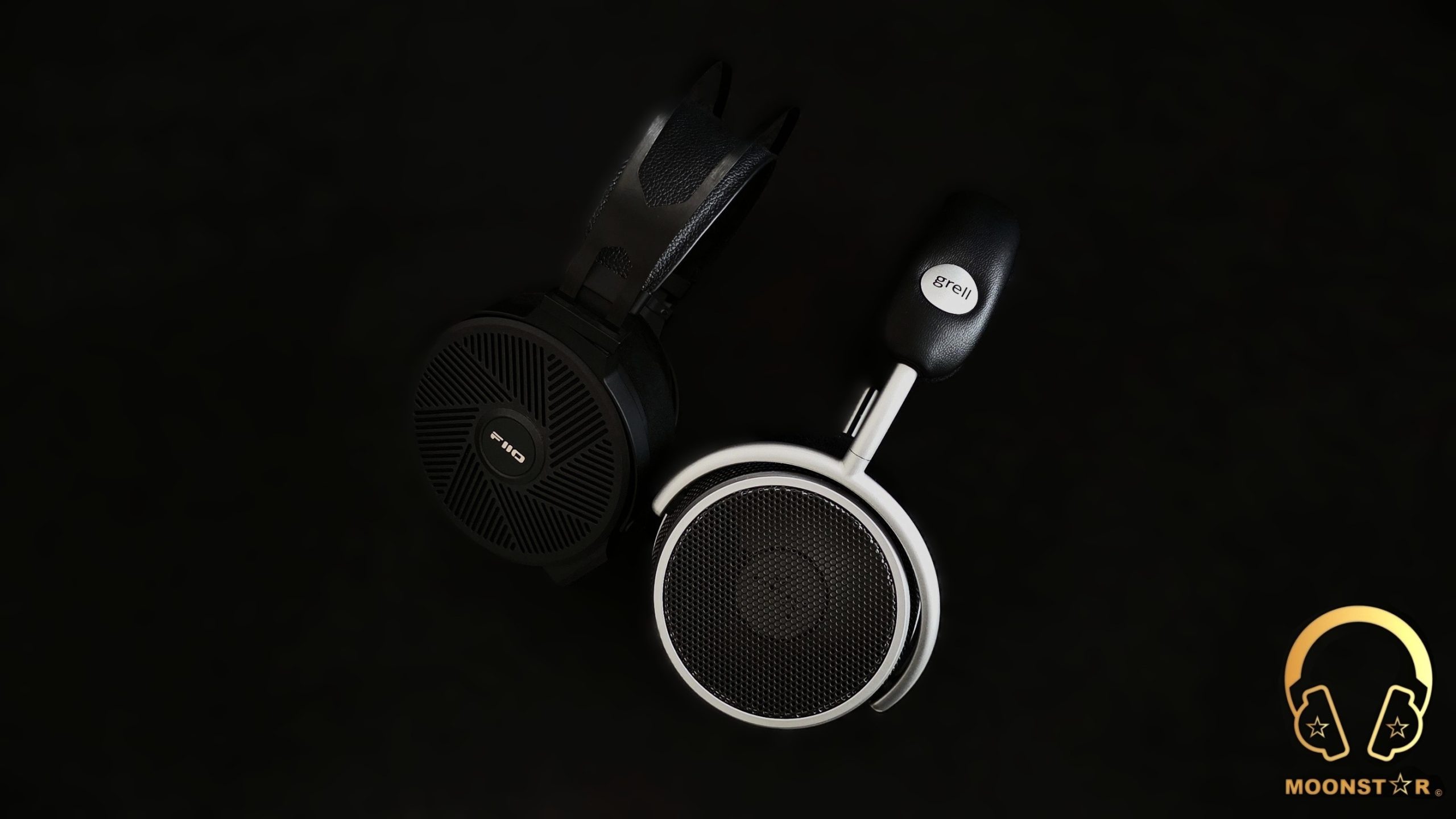
The FiiO FT5 is closer to the OAE2 in general market position, being an open-back full-size headphone aimed at a similar audience and price, but it is built around a 90mm planar magnetic driver with an ultra-thin diaphragm. Both headphones feature an all-metal build, but when I put them on, the FT5’s larger 90mm driver and aluminum-magnesium alloy chassis push its weight to around 456 to 467 grams. This makes it noticeably heavier than the OAE2’s 378 grams, which is a major factor I have to consider for long listening sessions.
In the bass, I hear the FT5 leaning into a fuller, warmer midbass than the OAE2, offering a sense of richness and texture that comes across as resolving and nuanced rather than lightning fast. By comparison, the OAE2’s bass feels leaner and quicker to decay, prioritizing control and a lower-tuned resonance point over outright fullness. When I want to feel low-end presence in a track, I notice the FT5’s extra weight immediately, whereas if I am aiming to avoid bloat or boxiness, I prefer the OAE2’s tighter presentation.
The midrange tells a similar story to my ears. I find the FT5’s tuning to be warm and somewhat forgiving rather than strictly neutral. This gives male vocals a fuller, more rounded character, but it can soften the leading edge of transients and occasionally blur fine detail between closely spaced instruments. The OAE2 keeps male vocals weighty without that added warmth, and female vocals come through with similar clarity but less of the gentle haze the FT5 introduces. In my view, the OAE2 trades some of FiiO’s smoothness for a midrange that stays more neutral and analytical across a wider range of my source material.
Treble is where the FT5’s character becomes most apparent during my tests. I notice that the FT5 prioritizes smoothness over outright extension, rolling off slightly earlier than headphones built for maximum air. This suits my ears well when I am sensitive to sibilance, but it does limit the sense of sparkle on cymbals and high-frequency detail. The OAE2 extends further and renders treble transients with a more natural sense of decay rather than FiiO’s smoother, slightly darker top end, giving it an edge in perceived detail retrieval at the cost of some of the FT5’s fatigue-free presentation during marathon listening blocks.
The most consequential difference, just as I noticed with the Para comparison, sits in soundstage construction rather than tonal balance. The FT5’s 90mm planar driver produces a spacious, well-layered image that I find impressive for its scale and depth, but it remains a conventionally headphone-shaped presentation, arranging sound around and beside my head rather than projecting it forward. The OAE2’s angled, front-facing driver produces a comparatively more externalized image, pulling vocals and lead instruments toward a stable point in front of me rather than to the sides. To me, this is the defining trait separating the two once tonal preferences are set aside.
If you want a larger, warmer, more conventionally spacious open-back sound and don’t mind extra weight on the head, I find the FT5 to be the more immediately satisfying listen. However, if you are specifically drawn to the OAE2’s externalized, speaker-like staging concept, and are willing to trade some midbass fullness and treble smoothness for it, that is exactly the audience I believe the OAE2 is built for.
Conclusion:
The OAE2 is not trying to win a frequency response chart or out-resolve the planar competition at a similar price, and listeners coming from that angle may find the tonal presentation pleasant but unremarkable on paper. What it is doing is pursuing a specific, narrower goal: making a headphone feel less like sound trapped inside the listener’s head and more like a pair of speakers positioned in front of them, and on that specific measure it delivers something genuinely different from most of what else exists in this price bracket.
The modular, repairable construction reinforces that the OAE2 is meant to be lived with rather than cycled through, which fits a headphone whose appeal is built around a particular listening experience rather than chasing the newest measurement-friendly tuning trend.
Pros & Cons:
- + Genuinely distinctive forward-projected soundstage that delivers on its core design premise
- + Neutral, uncolored midrange that stays honest across genres
- + Easy to drive from both desktop amplifiers and portable DAPs without sounding underpowered
- + Modular, fully repairable construction backed by replaceable parts
- + Comfortable memory foam headband and light clamping force for long sessions
- + Generous accessory set including two full-length cables and a 6.3mm adapter
- – Single 2.5mm TRRS connector limits aftermarket cable choices compared to dual-entry standards
- – Earpads are noticeably more open than typical, which may not suit listeners wanting more conventional pad comfort
- – Tonal presentation alone, separate from the soundstage concept, is unremarkable rather than exceptional for the price
Thank you for the Read!