iBasso Jr. KLEE KiSEKi (KLEE 2) Review
iBasso Jr. KLEE KiSEKi (KLEE 2) Review
Introduction:
In the sub $100 segment, where marketing noise is loud and genuine engineering is rare, iBasso’s Jr. line has built a quiet reputation for taking ideas from the brand’s more expensive products and delivering them at a price almost anyone can reach. The original Jr. KLEE, released in early 2025, became the clearest example of that philosophy. A stainless steel shell, a lithium magnesium alloy diaphragm and a modular cable at under $100 was a combination few expected, and it earned the model a loyal following among listeners who wanted metal build quality without the premium price tag.
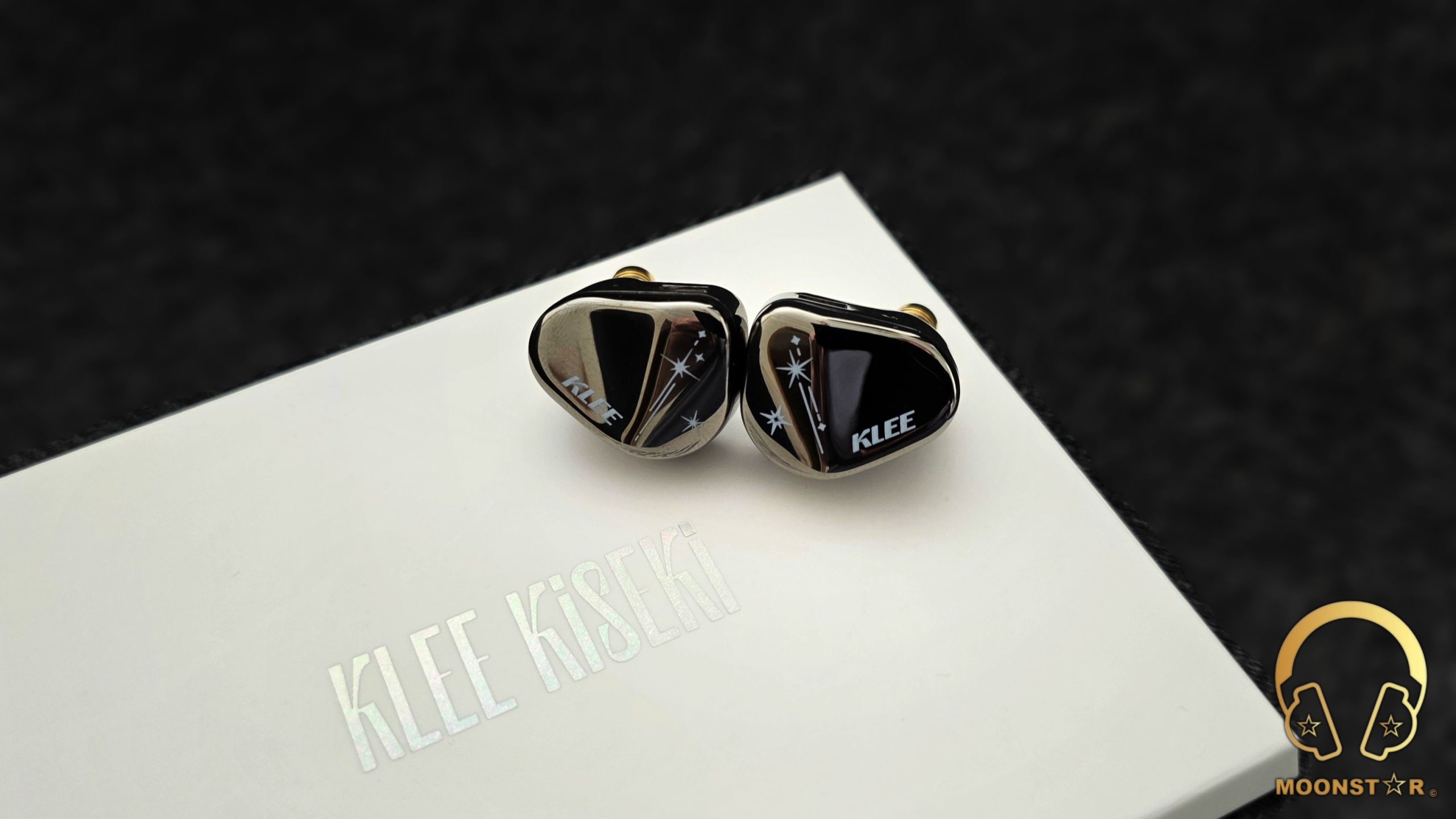
The KLEE KiSEKi, identified on its packaging as the KLEE 2, is the successor to that formula. The name itself evokes the Japanese word for miracle, which sets a high bar, and iBasso answers with a deep blue stainless steel shell, gold nozzles and constellation inspired faceplates, wrapped around a 10mm dual magnetic circuit dynamic driver with a lithium magnesium alloy dome and a 0.03mm CCAW voice coil. First shown at the 2026 SIAS exhibition in Shenzhen, the KiSEKi keeps the single dynamic driver philosophy of its predecessor while moving toward a tuning that puts clarity and precision ahead of warmth and weight.
Positioned below the $80 mark, the KiSEKi enters a segment that is crowded with strong single dynamic and dual dynamic competitors. As we dive into this review, the question remains: Can a compact stainless steel IEM with a clarity first tuning stand out against the established favorites of the budget category, and does it reward the listener who is willing to match it carefully with sources and tips?

Disclaimer:
I would like to thank iBasso for providing the Jr. KLEE KiSEKi as review sample. I am not affiliated with iBasso beyond this review and these words reflect my true and unaltered, opinions about the product.
Price & Availability:
The iBasso Jr. KLEE KiSEKi is positioned below $80 USD, which keeps it in the same price territory as the original KLEE and places it firmly in the budget segment. It is offered through iBasso’s official channels and authorized dealers worldwide.
Package & Accessories:
The unboxing experience of the KiSEKi is better than the price would suggest. The packaging carries the same playful, anime inspired artwork that iBasso introduced with the Jr. line, and the contents are arranged with more care than one usually finds at this price. Nothing feels like an afterthought, and the accessory selection is clearly designed for people who plan to experiment with the IEM rather than simply plug it in.

Inside the box, you will find:
- 1 pair x iBasso Jr. KLEE KiSEKi In-Ear Monitors
- 1 piece x Braided Cable, 0.78mm 2 Pin (Replaceable 3.5mm Single Ended and 4.4mm Balanced Plugs)
- A generous selection of Silicone Ear Tips in multiple sizes
- 1 piece x Protective Carrying Case
- 1 set x Quick Start Guide and Warranty Card

The carrying case deserves a mention of its own. It is substantial, protective and attractive enough that it will probably stay in use long after the first week, which is not something that can be said of the flimsy pouches included with many competitors. The tip selection is equally useful rather than decorative, because the KiSEKi proves to be quite responsive to the choice of tips, and having several options available straight out of the box makes that experimentation easy.

The cable uses a replaceable plug system, allowing the listener to switch between a 3.5mm single ended termination and a 4.4mm balanced termination without buying a second cable. This is especially practical for anyone who moves between a smartphone dongle and a balanced DAP. The cable has a braided, rope like texture and a noticeable amount of memory, so it does not drape as softly as the most supple aftermarket cables. It feels rugged and distinctive rather than generic, but listeners who prefer a limp, flexible cable may want to replace it eventually.

Features, Design and Build Quality:
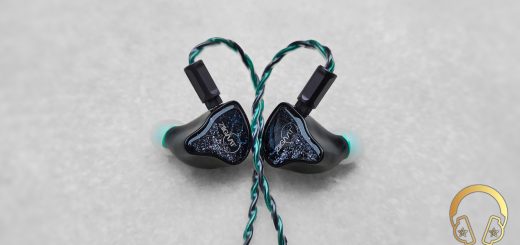
The KiSEKi continues the design direction established by the original KLEE, with a stainless steel shell that feels far more expensive than its price suggests. For this second generation, iBasso has chosen a deep blue finish paired with gold nozzles, and the faceplates carry a constellation inspired pattern that gives each earpiece a sense of depth and character. The combination of blue and gold is striking without becoming flashy, and it sets the KiSEKi apart from the plain metal finishes that dominate this segment. In the hand, the shells have the cool, dense feel that only solid metal provides, and the finishing is clean, with tight seams and no rough edges anywhere on the housing.

Stainless steel is a demanding material at this price point. It is harder to machine and polish than aluminum or zinc alloy, and it is generally reserved for products that cost considerably more. Using it here gives the KiSEKi excellent durability and a reassuring solidity, and it also contributes to resonance control, since the dense shell does not flex or ring the way a thin plastic housing might.
The earpieces are shaped with a gentle, ergonomic curve on the inner face that sits naturally against the concha, and the nozzle length and angle allow a comfortable and secure seal with a wide range of tips. The gold nozzles are not just decorative, since they provide a clean visual contrast against the blue body and make it easy to identify the left and right sides at a glance. A fine mesh protects the driver from debris, and the overall construction gives the impression of a product that was designed to be used daily rather than admired on a shelf.

The cable connection uses the universal 0.78mm 2 pin standard. This is a welcome choice for a budget IEM, because it opens the door to the entire aftermarket cable ecosystem, from simple upgrade cables to Bluetooth adapters and modular systems. Listeners who enjoy cable rolling will find the KiSEKi a willing platform, and those who simply want a different plug can use the included replaceable terminations instead.

Overall, the build quality is one of the strongest arguments for the KiSEKi. The metal shell, the careful finishing and the thoughtful accessories combine into a package that competes with products costing noticeably more. It is a reminder that iBasso approaches even its most affordable models with the same attention to manufacturing that it applies to its flagship DAPs.

Internal Architecture:
At the heart of the KiSEKi is a single 10mm dynamic driver built around a dual magnetic circuit. By using two magnetic structures, the driver achieves a higher magnetic flux density than a conventional single magnet design, and the original KLEE was specified with a magnetic flux of 1.6 Tesla. A stronger magnetic field gives the voice coil more control over the diaphragm, which in practice translates into better transient response, lower distortion and a quicker start and stop of each note.
The diaphragm is a dome made from a lithium magnesium alloy, a material chosen for its combination of low mass and high rigidity. A lighter diaphragm can respond more quickly to the electrical signal, while a rigid one resists the flexing that causes distortion and uneven frequency response at higher frequencies. This is an unusual material in the IEM world, where beryllium, titanium, DLC coated and liquid crystal polymer diaphragms are far more common, and it gives the KiSEKi a distinct technical identity at its price.
The driver is paired with a 0.03mm CCAW voice coil, a very fine copper clad aluminum wire that keeps the moving mass low. Reducing the weight of the voice coil complements the lightweight diaphragm and helps the driver reach the clean, fast presentation that defines the KiSEKi’s character. The result is a driver that favors speed, definition and detail retrieval, which also explains why the IEM responds so readily to changes in source, tips and equalization.
The Interchangeable Cable System:
The KiSEKi ships with a cable that uses replaceable 3.5mm and 4.4mm plugs, an approach that makes sense for a product aimed at listeners with more than one source. Switching between terminations is simple, and it avoids the need to buy a second cable when moving from a single ended device to a balanced one. The mechanical connection feels secure once the plug is seated, and the plug housings are tidy and well finished.

The cable itself has a more rugged character than the average stock cable. Its braided construction and firm texture give it a substantial feel, though the memory in the jacket means it keeps its shape after being coiled, which may be a nuisance for some users.

Fit, Comfort and Isolation:
Despite being built from stainless steel, the KiSEKi is a comfortable IEM. The shells feel dense in the hand, yet once they are in the ear they settle into the concha with a natural fit and the sensation of weight largely disappears. During long listening sessions I did not experience hot spots or pressure points, and the earpieces stayed stable during walking and normal head movement. Listeners with very small ears may still find the metal bodies slightly heavy, but for the average ear they are well balanced.
Passive isolation is good for a closed design. With a proper seal, the KiSEKi attenuates office noise, conversations and moderate street sounds effectively, making it a practical companion for commuting. Tip selection plays a role here as well, and tips with a deeper insertion profile provide the best seal and the most consistent bass response.

Technical Specifications:
- Model : KLEE KiSEKi (KLEE 2)
- Driver : 10mm Dual Magnetic Circuit Dynamic Driver
- Diaphragm : Lithium Magnesium Alloy Dome
- Voice Coil :03mm CCAW
- Impedance : 22Ω
- Sensitivity : 112dB/mW @ 1kHz
- Frequency Response : 20Hz to 40kHz
- THD :5% or less
- Shell Material : Stainless Steel (Deep Blue Finish, Gold Nozzles)
- Connector :78mm 2 Pin
- Cable Plug :5mm Single Ended, 4.4mm Balanced (Replaceable)
Drivability & Pairing:
With a rated impedance of 22 ohms and a sensitivity of 112dB/mW, the KiSEKi is easy to drive and reaches comfortable listening volumes from almost any source, including smartphones and small dongles. Ease of driving, however, should not be confused with indifference to the source. This is a highly source dependent IEM, and the character of the upstream equipment changes the presentation more noticeably than with many competitors at this price, so it would be unwise to judge it after a few minutes with a single device.
For this review, I used two iBasso sources with very different personalities. The iBasso DC04 Ultra proved to be the more natural partner. Its warmer, more organic presentation adds body to the lower midrange and softens the upper treble just enough to make the KiSEKi easier to enjoy, while the IEM’s clarity remains intact. The iBasso DX260 MK2, built around eight CS43198 DAC chips and delivering roughly 1015mW from its balanced output, painted a cleaner, more clinical and more revealing picture. It exposed the full extent of the KiSEKi’s resolving ability, but it also emphasized the brightness and leanness of the stock tuning.
The KiSEKi scales with power, and more headroom brought more presence, authority and substance in the low end. The balanced 4.4mm connection delivered a slightly more dynamic and spacious result than the 3.5mm option on both sources. Because the IEM responds so readily to changes in the chain, it also rewards experimentation with tips and equalization, and a modest adjustment in either can move the sound a long way toward a listener’s preference.

Equipment’s used for this review:
- In Ear Monitors : iBasso Jr. KLEE KiSEKi, TRUTHEAR x Crinacle Zero:BLUE2, Hidizs MK10 ArcSonic
- Sources (DAP/DAC) : iBasso DC04 Ultra, iBasso DX260 MK2
Albums & Tracks Used for This Review:
Vocal Jazz / Smooth Jazz
- Norah Jones – Come Away With Me (Flac 24bit/96kHz)
- Diana Krall – So Wonderful (DSF)
- Barry White – Just The Way You Are (Flac 24bit/48kHz)
- Isaac Hayes – Walk On By (Flac 16bit/44.1kHz)
- Sting – Englishman in New York (Flac 24bit/48kHz)
- Otto Liebert & Luna Negra – The River (Flac 24bit/192kHz)
- Ferit Odman – Look, Stop & Listen (Flac 24bit/192kHz)
- Charly Antolini – Duwadjuwandadu (Flac 24bit/192kHz)
Soul / R&B
- Aretha Franklin – I Say A Little Prayer (Flac 24bit/96kHz)
- Adele – My Little Love (Apple Lossless)
- George Michael – Don’t Let the Sun Go Down on Me (Flac 24bit/192kHz)
- Eric Clapton – Wonderful Tonight (Flac 24bit/96kHz)
Pop / Rock Classics
- Michael Jackson – Billie Jean (Flac 24bit/96kHz)
- Elton John – Rocket Man (Flac 24bit/96kHz)
- David Bowie – Heroes (Flac 24bit/192kHz)
- U2 – Sunday Bloody Sunday (Flac 16bit/44.1kHz)
- Lorde – Royals (Flac 24bit/48kHz)
- Dave Gahan – Kingdom (Apple Lossless)
Electronic / Experimental
- Daft Punk – Instant Crush (Flac 24bit/96kHz)
- Daft Punk – Doin’t it Right (Flac 24bit/96kHz)
- Bro Safari, UFO! – Drama (Apple Lossless)
- Armin Van Buuren – Vini Vici (Flac 16bit/44.1kHz)
- Yosi Horikawa – Bubbles (Apple Lossless)
- Toutant – Rebirth (Apple Lossless)
Alternative / Indie / Art Rock
- Radiohead – Live in Berlin “Album” (Apple Lossless)
- Radiohead – Pyramid Song (Apple Lossless)
- Muse – Hysteria (Flac 24bit/96kHz)
- Red Hot Chili Peppers – Nobody Weird Like Me (Flac 24bit/48kHz)
- Lunatic Soul – The Passage (Flac 16bit/44.1kHz)
- Portishead – It Could Be Sweet (Apple Lossless)
- Gogo Penguin – Raven (Flac 24bit/192kHz)
- Gogo Penguin – Murmuration (Flac 24bit/192kHz)
- Massive Attack – Angel (Flac 24bit/48kHz)
- Bear McCreary – Valkyries (Apple Lossless)
Classical / Orchestral
- Max Richter – On the Nature of Daylight (Flac 24bit/96kHz)
- Chopin – Nocturne No. 20 in C-Sharp Minor (Flac 16bit/44.1kHz)
- Clair de Lune – Claude Debussy (Apple Lossless)
- Tchaikovsky – Symphony No. 5 (Flac 16bit/44.1kHz)
- Vivaldi – Le Quattro Stagioni “The Four Seasons” (Apple Lossless)
- Fazıl Say – Nazım Oratoryosu, Live (Flac 16bit/44.1kHz)
Jazz / Instrumental
- Miles Davis – So What (Apple Lossless)
World / Traditional
- Sertap Erener – Aşk (Flac 16bit/44.1kHz)
- Edith Piaf – Non Je Ne Regrette Rien (Flac 16bit/44.1kHz)
Metal / Progressive Rock
- Metallica – Dyers Eve (Flac 24bit/96kHz)
- Metallica – Sad but True (Flac 24bit/96kHz)
- Megadeth – Sweating Bullets (Apple Lossless)
- Opeth – Windowpane (Flac 16bit/44.1kHz)
- Deftones – My Own Summer, Shove It (Flac 16bit/44.1kHz)
- Rush – Tom Sawyer (Flac 16bit/44.1kHz)
- Slayer – Angel of Death (Apple Lossless)

The Sound:
Sound impressions were formed after a burn in period of roughly 50 hours, using the stock cable in balanced 4.4mm configuration and the included silicone tips. The iBasso DC04 Ultra served as the primary source, with the iBasso DX260 MK2 used for cross referencing. The overall signature of the KiSEKi can be summed up as bright, clear, lean and precise. It is a reference leaning tuning that puts information ahead of impact and definition ahead of density, and it is the kind of sound that makes the recording easy to read rather than easy to sink into.
The first impression is one of cleanliness. There is very little haze in the presentation, no audible artifacts, and the background is quiet enough that low level details emerge without effort. Individual notes are well defined, and the speed of the lightweight diaphragm gives transients a crisp, immediate quality. This clarity is the KiSEKi’s greatest strength, but it also defines its limitations. The stock balance trades some note weight and low-end authority for that transparency, and listeners who expect a warm, romantic or bass heavy sound should adjust their expectations before buying.
What keeps the KiSEKi interesting is how much of its character depends on the rest of the chain. On the DC04 Ultra, the same IEM becomes smoother, fuller and more emotionally engaging, without losing the clarity that defines it. On the DX260 MK2, it becomes sharper, more analytical and more demanding of the recording quality. This flexibility makes the KiSEKi a rewarding choice for the listener who enjoys shaping the sound through tips, sources and equalization, though it also means that anyone who prefers a ready-made, effortlessly musical signature may find it requires some work.

Bass:
The bass of the KiSEKi is clean, controlled and focused on the mid bass rather than the deep sub bass. There is little in the way of physical rumble below the lowest octave, and the emphasis sits in the region where kick drums and bass guitars live. On bass heavy electronic tracks and synthetic low frequency tracks, the sustained low drone was present but lacked the visceral pressure that a more sub bass focused IEM delivers, although each pulse remain distinct and free of bloom. On classic soul and vocal tracks, the sound was tidy and well defined, but the warmth and richness of the baritone male voice and bass line were more reserved than the recording suggests.
Mid bass impact is satisfying without being aggressive. Kick drums on fast metal tracks arrived with a clean leading edge and a quick decay, and the double bass on vintage jazz and blues numbers kept its plucked texture and note definition. Electronic material revealed the limits of the low end more clearly. Fast synth-bass sweeps and modern electronic dance tracks rely on air movement and slam, and on the KiSEKi they were clear and controlled but lacked the physical weight to feel truly impactful. The DC04 Ultra added noticeable body and warmth to the low end compared with the DX260 MK2, and more power on either source produced more authority. Bassheads should look elsewhere, but listeners who value clean, quick bass over quantity will find it well behaved.

Midrange:
The midrange is clear, intelligible and lifted forward by the bright tuning, though it is also on the lean side. Vocals are exceptionally easy to understand, and lyrics, breaths and small inflections come through without effort. Female vocals benefit the most from this treatment. Intimate acoustic singer-songwriter tracks and emotional contemporary female vocal pieces had a clean, delicate quality rendered with a sense of closeness and clarity, with every catch in the voice easy to follow. Upbeat gospel and soul tracks retained their energy and separation between the lead and backing vocals, although a little of the grain and soulful weight that makes the performance special was reduced on the brighter source.
Male vocals and lower midrange instruments are where the leanness is most apparent. Classic rock anthems and orchestral vocal tracks were intelligible and well placed, but their chesty weight and authority were more modest than on warmer IEMs. Acoustic instruments fared better, and the steel-string acoustic guitar on unplugged blues and folk tracks showed crisp pick attack and good detail in the string resonance. Solo piano pieces in classical and impressionistic piano repertoires were clean and precise, with a clear but slightly light tone. Powerful middle-eastern ballads and classic French chanson recordings were communicated with excellent clarity, though they sometimes lacked some of the warmth and emotional density that the iBasso DC04 Ultra was able to restore. Overall, the midrange rewards clean, modern recordings and can feel somewhat clinical with rougher material.

Treble:
The treble is where the KiSEKi shows its character most strongly. It is bright, extended and full of air, and it is responsible for much of the clarity that defines the IEM. Small percussion details, string overtones and the decay of cymbals are all rendered with crisp precision. On dynamic drum solo tracks, the cymbal work had a defined strike and a long, well resolved shimmer, and straight-ahead jazz drum tracks showed excellent brush and ride cymbal texture. Strings were equally revealing, with classical violin concertos and large romantic orchestral symphonies displaying plenty of bite and harmonic detail in the violin sections.
The same energy that makes the KiSEKi so resolving can become sharp with the wrong material. Solo brass instruments like a close-miked jazz trumpet had a pronounced bite, and aggressive extreme metal recordings pushed the upper registers to a point that some listeners will find fatiguing. Close-miked pop vocals could show a hint of edge on the brighter DX260 MK2. Warmer sources such as the iBasso DC04 Ultra and tips with a narrower bore smoothed these peaks considerably, and the treble then felt better integrated rather than simply tamed. The KiSEKi remains a bright IEM in every configuration, and listeners who are sensitive to treble should audition it before buying.

Soundstage & Imaging:
The soundstage of the KiSEKi has a good balance of width and height, with neither dimension dominating the other. The perspective is slightly pushed back, so the listener tends to feel positioned a few rows from the stage rather than directly in front of it. This contributes to the reference style presentation, since everything is audible and well organized but the sense of being inside the performance is more reserved than with IEMs that present a more intimate and forward stage.
Imaging is a clear strength. Instruments hold stable, precise positions in the mix, and the quiet background helps low level spatial cues come through. Live rock concert recordings were rendered with clear separation between the guitars, vocals and crowd ambience, and modern instrumental jazz tracks kept the piano, bass and drums distinct as the track built in intensity. Binaural percussive demo tracks showed excellent localization of small sounds across the stage. Separation is good, although the layering is less dimensional than the best multi driver IEMs.

Comparisons:
iBasso Jr. KLEE KiSEKi versus TRUTHEAR x Crinacle Zero:BLUE2:
The TRUTHEAR x Crinacle Zero:BLUE2 is a $64.99 USD dual dynamic driver IEM that pairs a 10mm driver dedicated to the bass with a 7.8mm driver handling mids and highs, using liquid crystal polymer composite domes. It follows a Harman inspired tuning curve. The KiSEKi, conversely, relies on a single 10mm lithium magnesium alloy dynamic driver housed in a stainless steel shell, representing a different design approach focused on clarity and precision.
the KiSEKi features a robust stainless steel build compared to the BLUE2’s lightweight 3D printed resin body, alongside a sturdy carrying case and modular plugs. The BLUE2 counters with a 5.8 ohm impedance that requires careful source pairing, along with an included 5 ohm adapter for bass adjustment.
In the bass, the Zero:BLUE2 provides more physical quantity and a deeper sub-bass extension, suiting electronic and hip-hop genres well. The KiSEKi offers a cleaner, more controlled mid-bass response that keeps complex passages tidy and prevents muddy bleed. Listeners wanting heavier low-end mass may prefer the BLUE2, while those valuing a disciplined and agile bass presentation will lean toward the KiSEKi.
The midrange differs in presentation style. The BLUE2 has a smooth and relaxed tuning, though its mids can occasionally feel a bit subdued in vocal prominence. The KiSEKi places vocals slightly more forward with good intelligibility and natural clarity. On intimate acoustic and close-miked tracks, the BLUE2 sounds pleasant and smooth, whereas the KiSEKi delivers strong textural detail in the voice. Both maintain moderate note weights, but the KiSEKi offers a slightly more articulate delivery.
The treble reflects different design priorities. The BLUE2’s smoother upper register suits long, fatigue-free listening sessions, though it can feel somewhat restrained for detail-oriented listeners. The KiSEKi provides more air, extension, and top-end detail, though it benefits from careful source matching with brighter recordings. In terms of overall resolution, the KiSEKi holds an advantage, while the BLUE2 offers a more forgiving top-end presentation.
Soundstage and imaging favor the KiSEKi for spatial precision and instrument separation, while the BLUE2 provides a spacious presentation with comfortable diffusion.
To summarize, the BLUE2 is a warm, forgiving, and bass-focused option for relaxed casual listening. The KiSEKi stands out as a clean, highly resolving alternative for listeners who prioritize detail, build quality, and fine-tuning flexibility through their equipment chain.

iBasso Jr. KLEE KiSEKi versus Hidizs MK10 ArcSonic:
The Hidizs MK10 ArcSonic is another single dynamic driver IEM in the same price bracket, retailing around $69 USD. It utilizes a 10mm dual magnetic circuit and dual cavity driver with a silicon carbide crystal diaphragm, housed in a mirror-finished ZA12 zinc alloy shell. Its notable feature is a set of interchangeable pneumatic nozzles that allow users to adjust the tuning toward higher, balanced, or lower frequency emphases.
Build-wise, both utilize metal housings and offer swappable 3.5mm/4.4mm plugs, but the KiSEKi’s stainless steel construction feels particularly solid. The MK10 offers nozzle-based tuning flexibility, whereas the KiSEKi provides a refined physical build and a comprehensive accessory package.
In the bass, the MK10 leans toward a fuller presentation, particularly when using its bass-focused nozzle, while the KiSEKi delivers a clean, quick, and controlled low-end response. For listeners seeking more physical weight, the MK10 is a satisfying choice, whereas those who prefer a tighter and more agile bass texture will find the KiSEKi well-suited to their tastes.
In the midrange, the MK10 provides a full and grounded character with solid lower-mid body, making male vocals sound natural. The KiSEKi offers a clean and transparent presentation where female vocals and upper-mid instruments benefit from its forward lift. Expressive vocal performances carry a pleasant fullness on the MK10, while the KiSEKi renders those passages with precise micro-detail and separation.
The treble of the MK10 is energetic, utilizing its silicon carbide diaphragm for fast transient delivery, though certain nozzles can occasionally introduce some brightness on demanding tracks. The KiSEKi’s treble is similarly extended yet maintains a controlled presentation with less splashiness, representing a refined execution of a lively top-end.
Soundstage and imaging are broadly comparable, with both offering precise spatial placement and clean localization for the price class. The MK10 presents a slightly more forward and intimate stage, while the KiSEKi adopts a slightly more reserved perspective with a bit more breathing room around instruments.
In conclusion, the MK10 is an adaptable and full-bodied choice with useful tuning options for casual enjoyment. The KiSEKi serves as a clean, precise, and well-constructed option well-suited to listeners who prioritize transparency and clarity.

Conclusion:
The iBasso Jr. KLEE KiSEKi is an IEM with a very clear identity. It combines a beautifully finished stainless steel shell, a technically ambitious lithium magnesium alloy driver and a generous accessory package into a product that feels considerably more expensive than it is. Few IEMs at this price offer such a convincing mix of build quality, thoughtful extras and genuine technical capability, and the interchangeable plug system and universal 2 pin connection add real practical value.
Sonically, the KiSEKi prioritizes clarity, offering clean bass, transparent mids, and a detailed, energetic treble. Its precise imaging and quiet background make it a great pairing for acoustic tracks and well-produced modern music. While its bright character prefers careful source matching, pairing it with a warm source like the DC04 Ultra, the right eartips, or subtle EQ reveals a smooth, highly engaging sound without sacrificing detail. For listeners who value technical precision, the KiSEKi is a compelling and rewarding package.
Pros & Cons:
- + Exceptional clarity with a clean, artifact free presentation
- + Premium stainless steel shells with an attractive deep blue and gold finish
- + Precise, stable imaging with a quiet background
- + Excellent with acoustic instruments and well recorded modern music
- + Highly responsive to source, tips and equalization
- + Replaceable 3.5mm and 4.4mm plugs with a universal 0.78mm 2 pin connector
- + Generous accessory package including a substantial carrying case
- + Easy to drive from almost any source
- – Stock tuning leans a bit bright, with a hint of energy in the upper end on certain tracks.
- – Midrange is clean and transparent, showing a slightly leaner note profile with brighter pairings.
- – Soundstage offers a relaxed, slightly distant vantage point rather than a forward presentation.
Thank you for the Read!