Meze Audio Introduces ASTRU: A Full-Titanium Single Dynamic Driver IEM

Meze Audio, the Romanian high-end audio manufacturer known for its Empyrean and Elite planar magnetic headphones, has officially announced the ASTRU, a new flagship in-ear monitor (IEM) that sits at the top of the brand’s in-ear lineup. Built around a single dynamic driver housed in a full titanium shell, the ASTRU represents the company’s most technically ambitious in-ear monitor to date, and a clear statement of intent in an increasingly competitive segment dominated by multi-driver hybrid designs.
The Name: ASTRU
The product’s name is drawn directly from the Romanian language. ASTRU [ˈas.tru] is a Romanian noun meaning “star,” and carries a dual definition: it refers both to a celestial body and to an illustrious soul. Meze Audio, itself a Romanian company, uses this layered meaning to frame the product’s identity as a convergence of physical precision and artistic intent.
Positioning and Context:
The ASTRU enters a crowded market where multi-driver configurations, combining balanced armature, dynamic, and planar drivers, have become increasingly common even at mid-range price points. Rather than following this trend, Meze Audio has opted for a single dynamic driver approach, a choice that reflects a deliberate sonic philosophy: prioritizing tonal coherence, natural timbre, and a unified presentation over the technical complexity of crossover-dependent multi-driver systems.
Within Meze Audio’s own lineup, the ASTRU sits above the ALBA, the brand’s entry-level in-ear monitor, and inherits ergonomic lessons from both the ALBA and the earlier ADVAR model. It is, however, a significantly more ambitious product in terms of materials, manufacturing complexity, and driver technology.
Housing: CNC-Machined Pure Titanium:
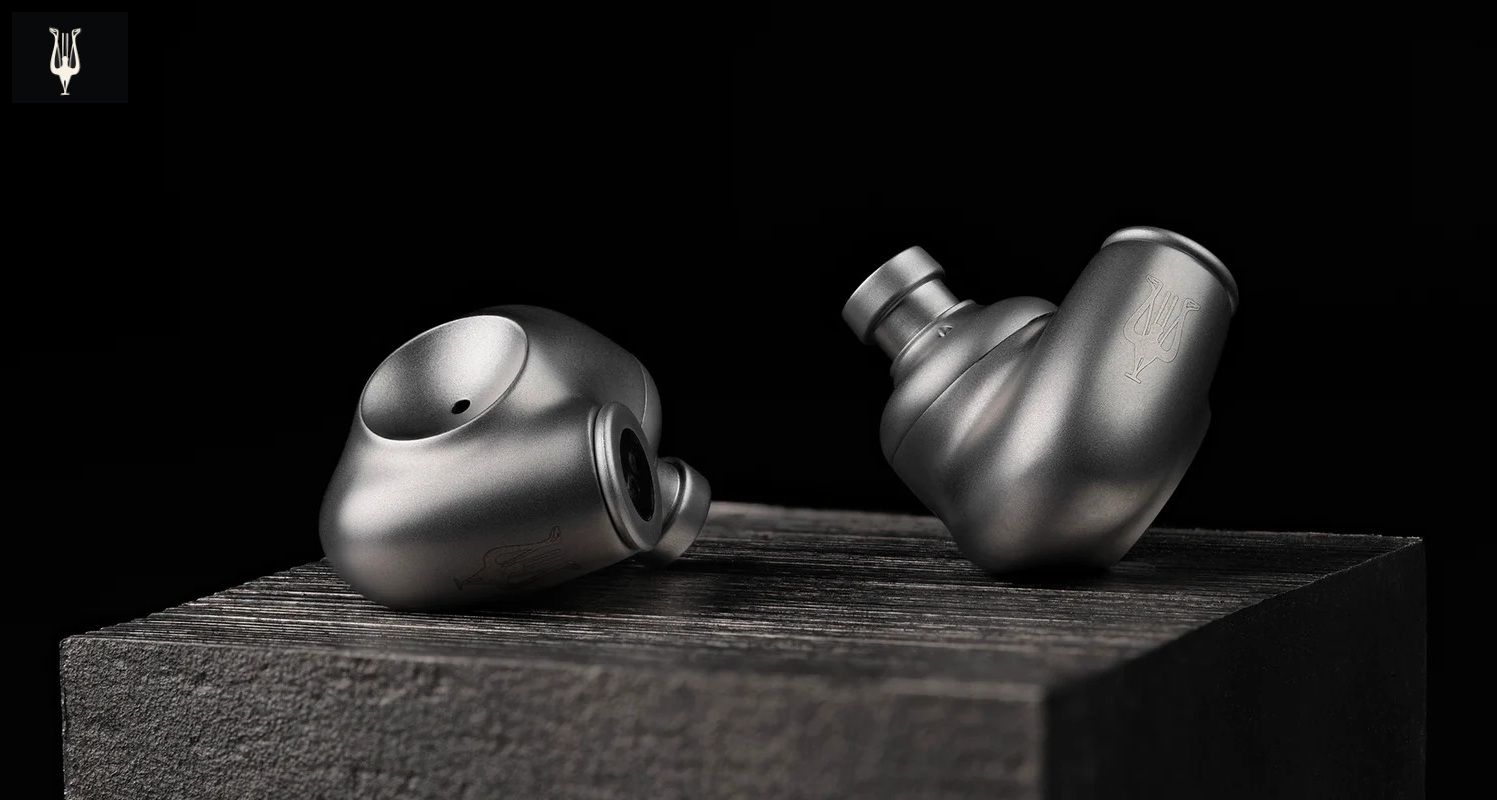
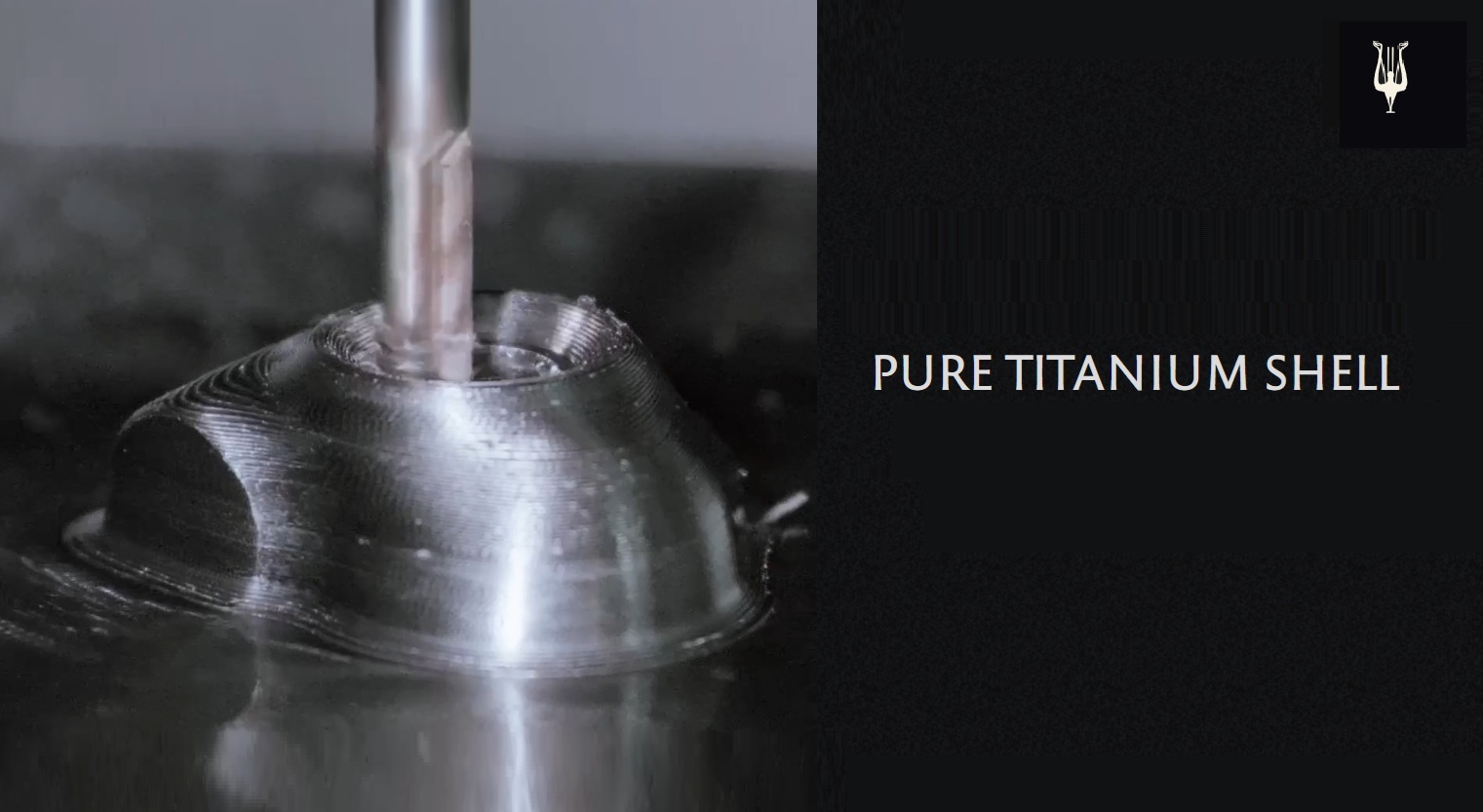
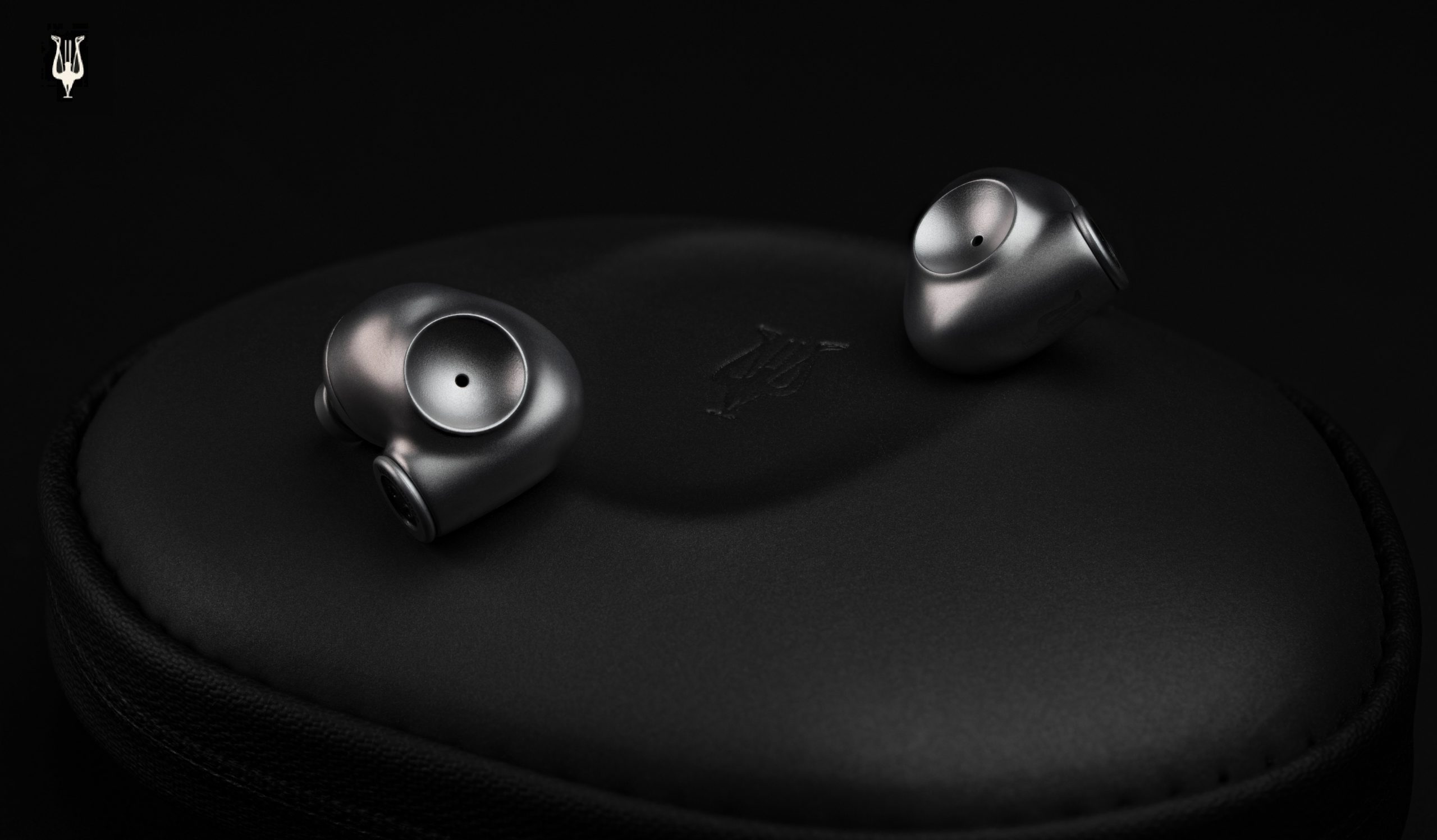
The ASTRU’s housing is machined from a single block of pure titanium using CNC processing, resulting in a one-piece construction with no seams or joins. Following the machining stage, each shell undergoes a multi-stage electroplating process to achieve a smooth satin finish that Meze Audio says enhances wearing comfort by eliminating sharp edges and surface irregularities.
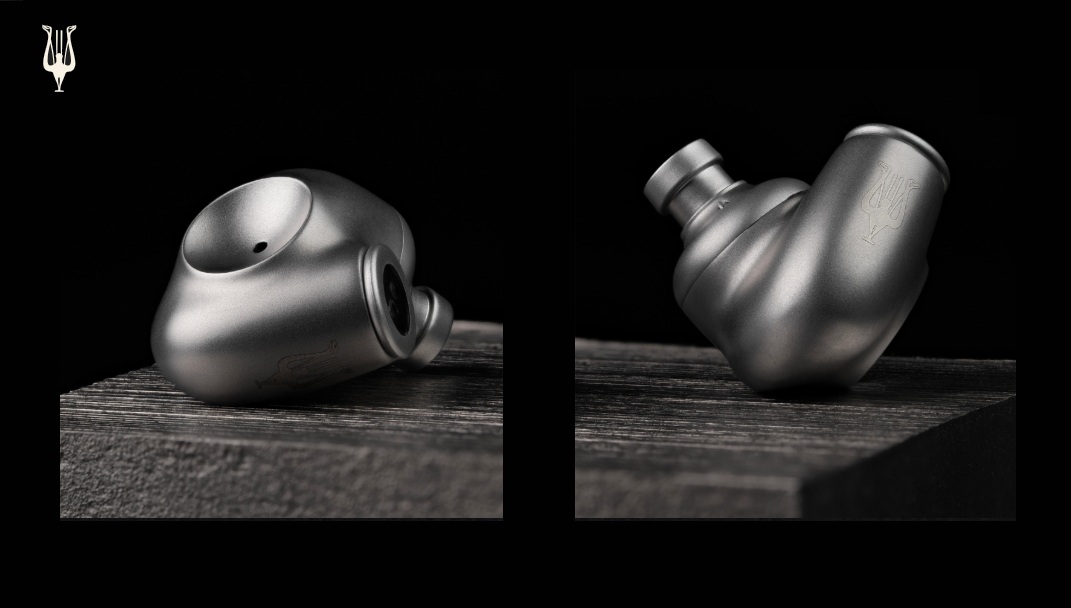
The manufacturing timeline is notable: producing one matched pair of shells requires up to 7 days of processing. This extended production cycle reflects both the difficulty of working with titanium, a material harder and more resistant to tooling than aluminum or brass, and the precision required to achieve consistent acoustic and ergonomic results across units.
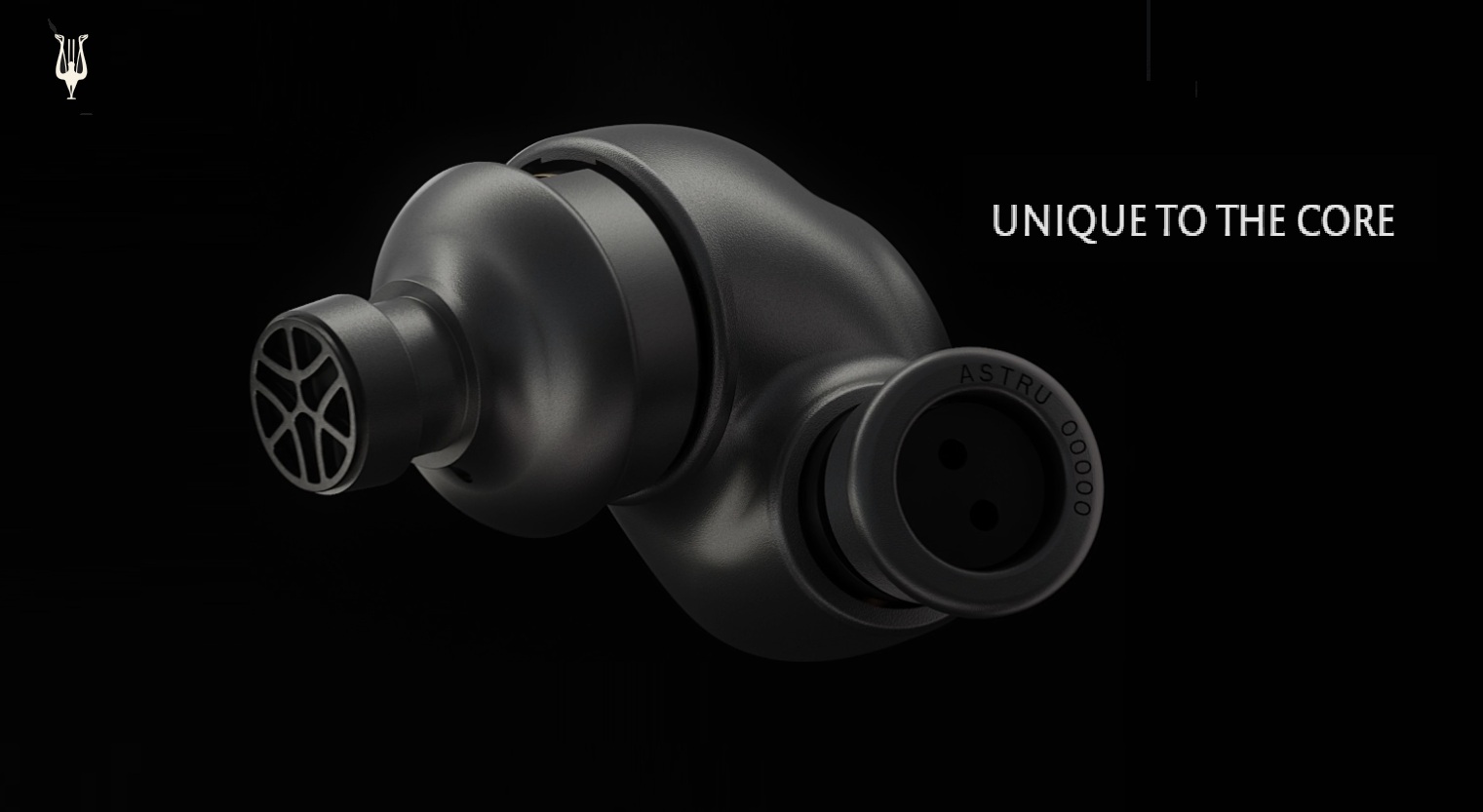
At 13.4 grams, the finished monitor is lightweight despite the density of its material, a balance made possible by the thin-walled CNC construction. Titanium’s high strength-to-weight ratio allows for thinner walls compared to what would be required with softer metals, contributing to both the low mass and the structural integrity of the housing.
Driver Technology: Multilayer Metal-Coated Composite Diaphragm:
At the heart of the ASTRU is a 10 mm dynamic driver built around a multilayer metal-coated composite diaphragm, which is the most technically distinctive element of the product.
The diaphragm dome is constructed in three stages. The base layer is PEEK (Polyether Ether Ketone), a high-performance polymer valued in acoustic applications for its combination of rigidity and low mass. A titanium layer is then bonded to the PEEK base, adding stiffness and altering the resonant characteristics of the dome. Finally, 80 ultra-thin layers of gold coating are applied over the titanium via physical vacuum DC magnetron sputtering, a process that takes 48 hours to complete.
DC magnetron sputtering is a physical vapor deposition technique commonly used in semiconductor and optical coating industries. In this context, it allows for extremely precise, uniform deposition of gold at a molecular level, layer by layer, without introducing the thermal stress that alternative coating methods might cause. The result is a diaphragm with a highly controlled mass distribution and surface uniformity.
Meze Audio states that this multi-stage architecture delivers smoother high-frequency response, greater frequency extension up to 35 kHz, and a more natural transient response compared to conventional single-material diaphragm designs.
Rear Venting System:
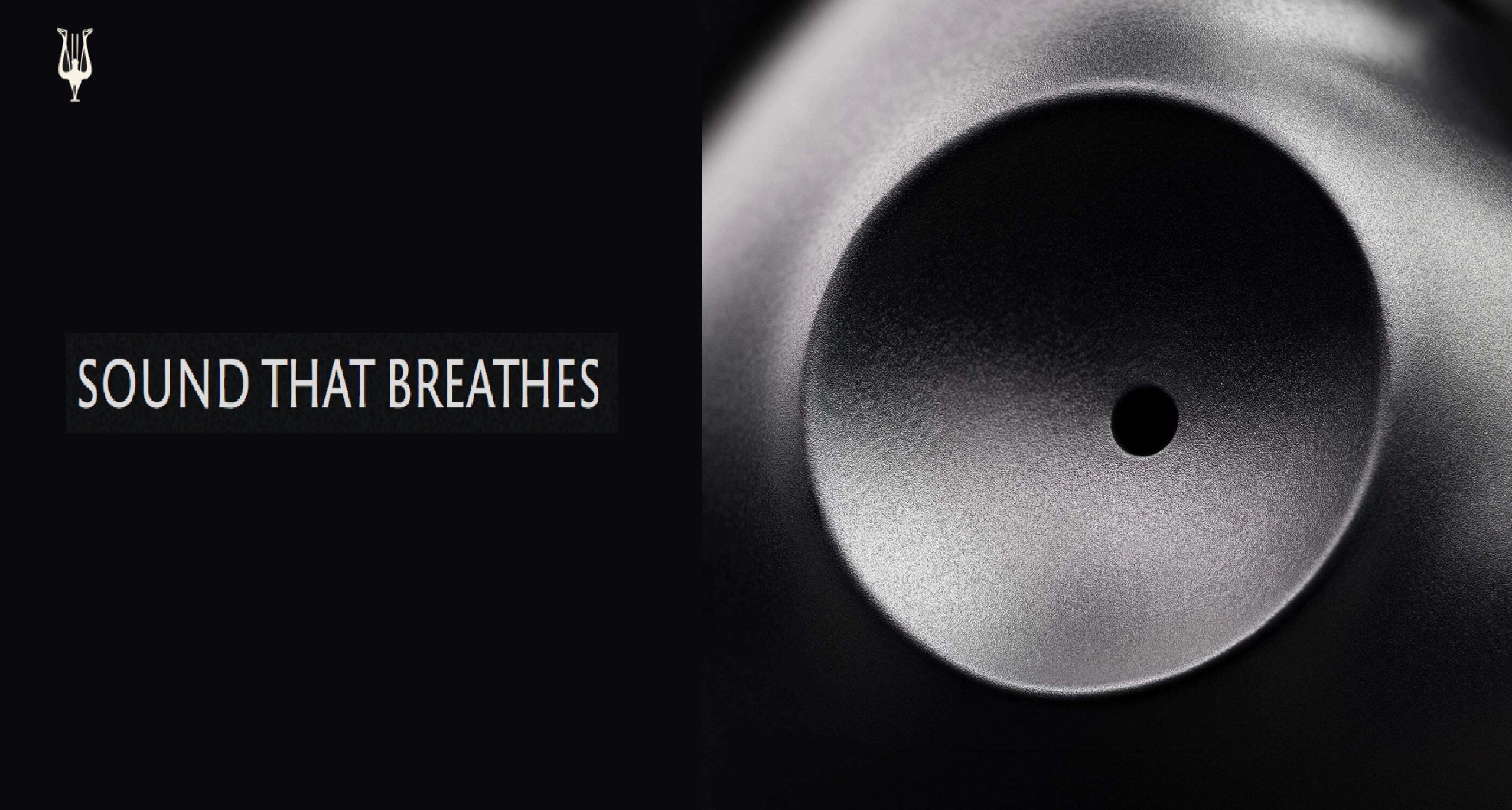
A rear vent is integrated into the housing to equalize pressure between the driver’s back cavity and the exterior environment. In sealed or semi-sealed IEM designs, the air trapped behind the driver can limit its excursion range, particularly at low frequencies, and can also create a pressure buildup against the ear canal during insertion and extended use.
By continuously venting this pressure, the ASTRU’s design allows the driver to move more freely at low frequencies, which Meze Audio states contributes to extended sub-bass output below 200 Hz. The venting also serves a comfort function, relieving the sensation of ear canal pressure that some users experience with deeply-inserted in-ear monitors over long listening sessions.
Ergonomics:
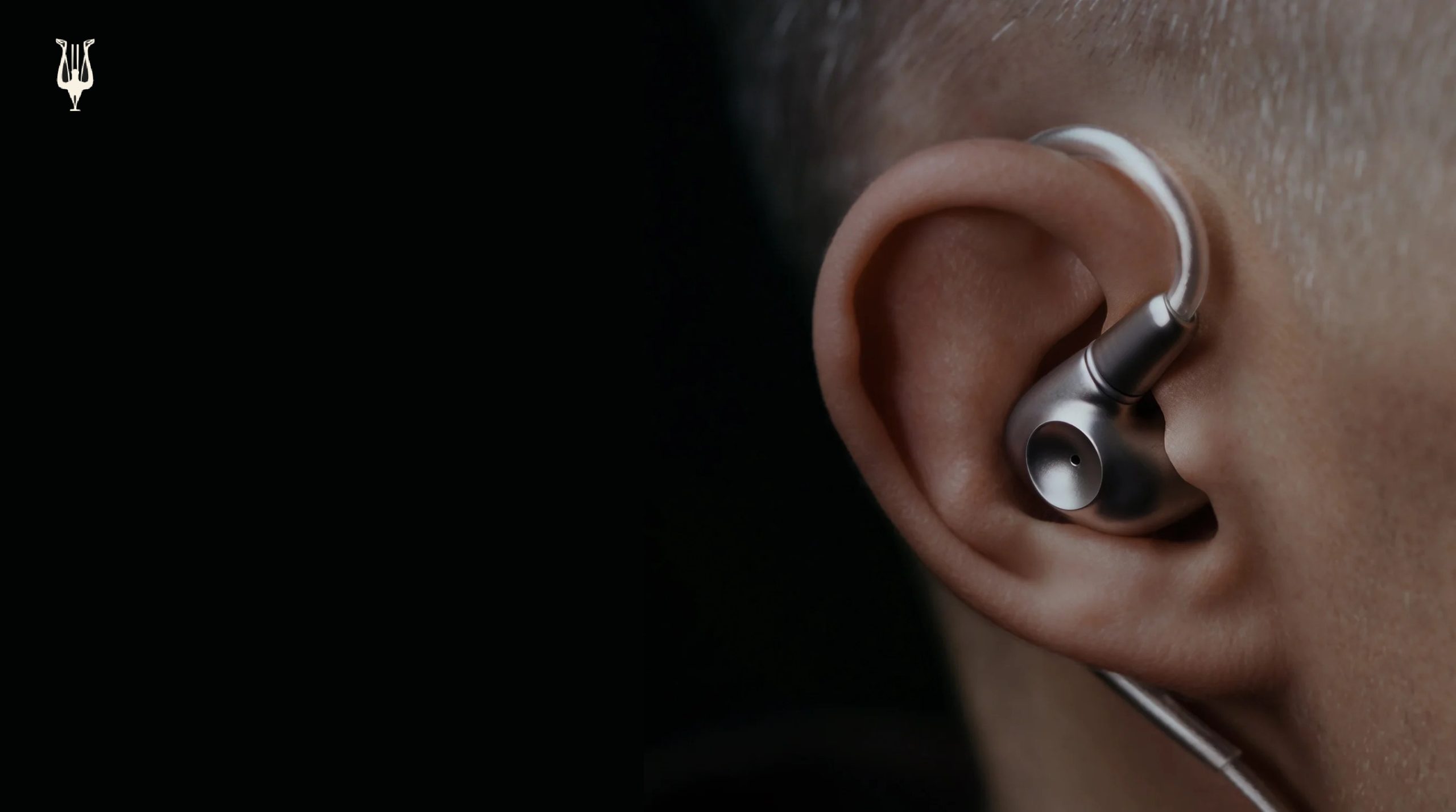
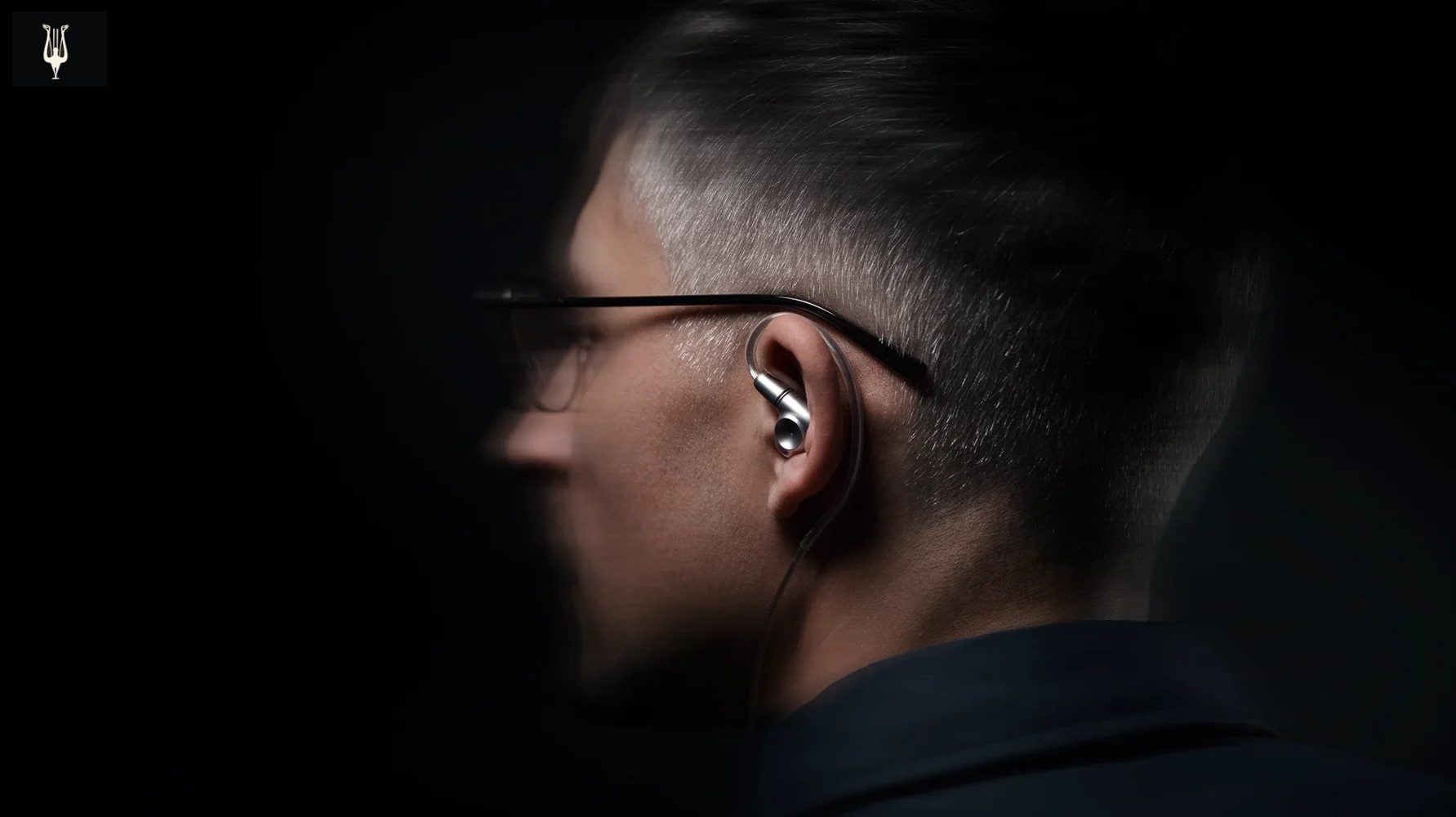
The shell geometry of the ASTRU draws on the ergonomic research conducted for the ADVAR and ALBA, but has been developed further. Meze Audio describes the fit as mapping to the natural contours of the ear with precision, aiming for what the company calls a passive, pressure-free seal where the monitor effectively disappears from physical awareness during use.
The 2-pin connector system allows for cable replacement or upgrade, a standard feature in the audiophile IEM segment that extends the usable life of the monitor and enables users to tailor the cable to their specific source equipment.
Detachable Cable:
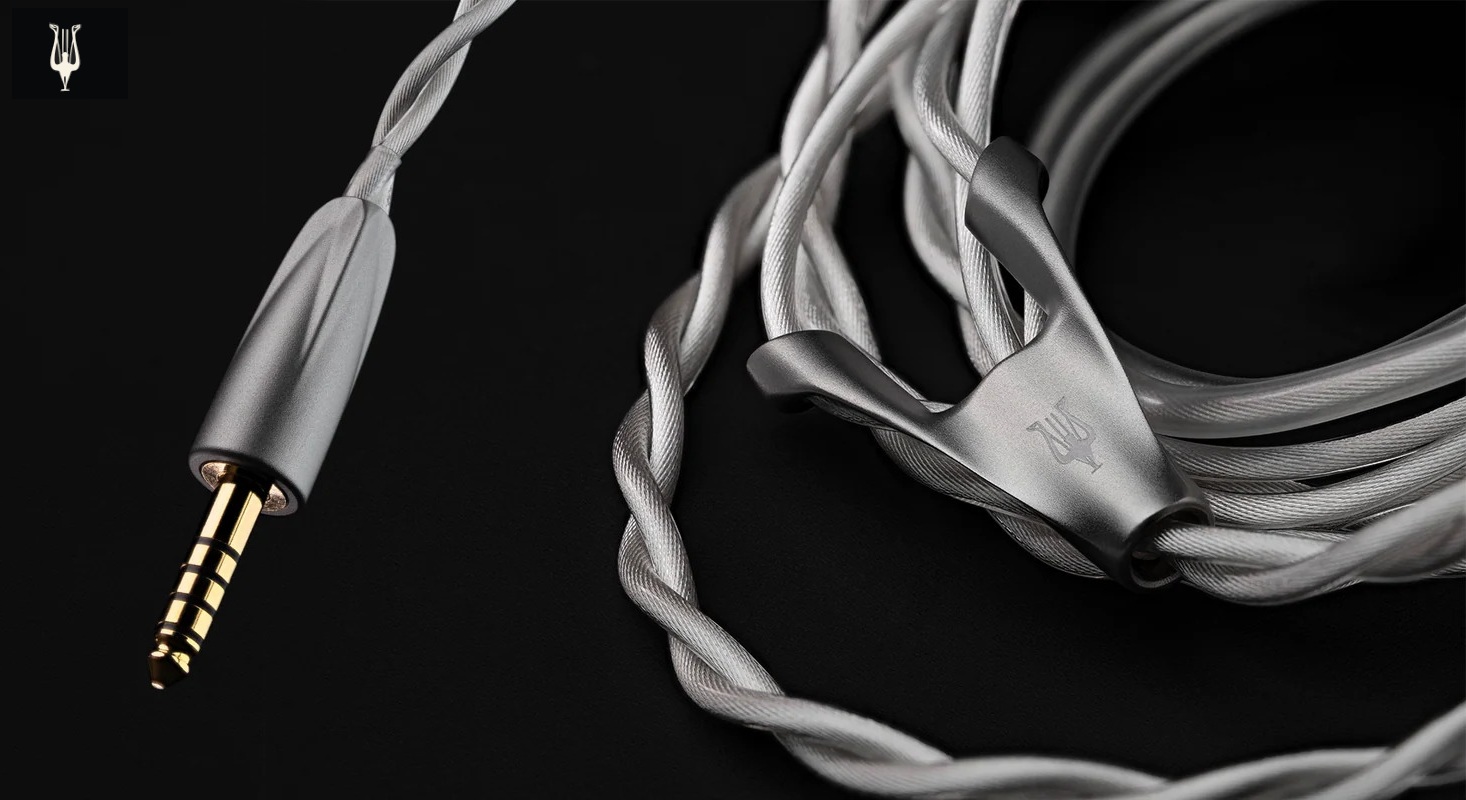
The included cable measures 1.2 meters and is constructed from silver-plated Linear Crystal Oxygen-Free Copper (LC-OFC) conductors arranged in a dual-strand configuration, with 161 individual conductors per strand. LC-OFC is a high-purity copper variant with a large crystal grain structure, which proponents argue reduces signal degradation over the length of the cable compared to standard OFC.
The cable is insulated in SoftFlex PVC for flexibility and tactile comfort, and terminated with a gold-plated 4.4 mm balanced jack with CNC-anodized aluminum housings. The balanced termination is notable as a default inclusion, as it enables use with the balanced outputs found on many modern digital audio players (DAPs) and portable amplifiers without requiring an aftermarket cable purchase.
A female 4.4 mm to male 3.5 mm adapter is included in the package, maintaining compatibility with single-ended sources.
Accessories:
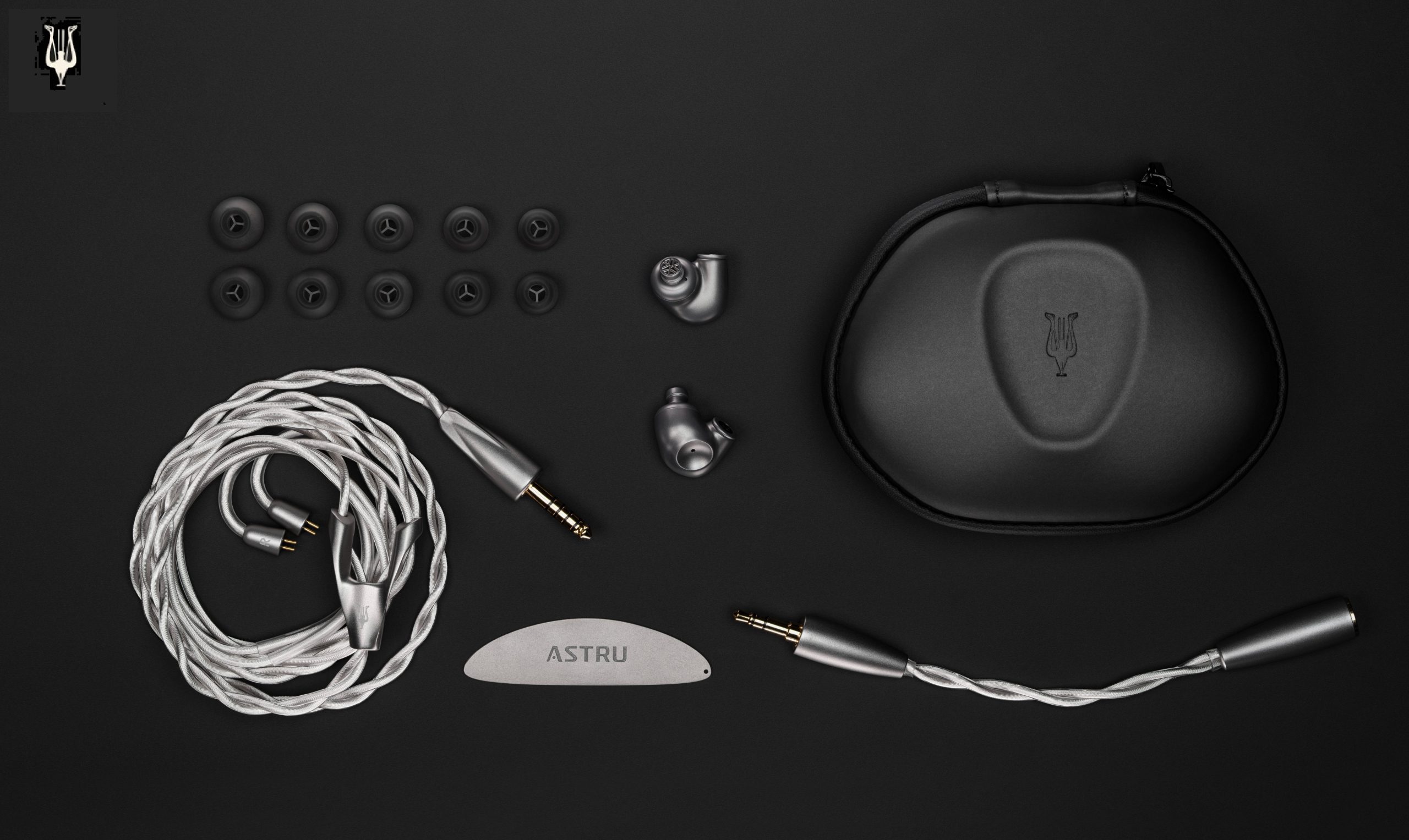
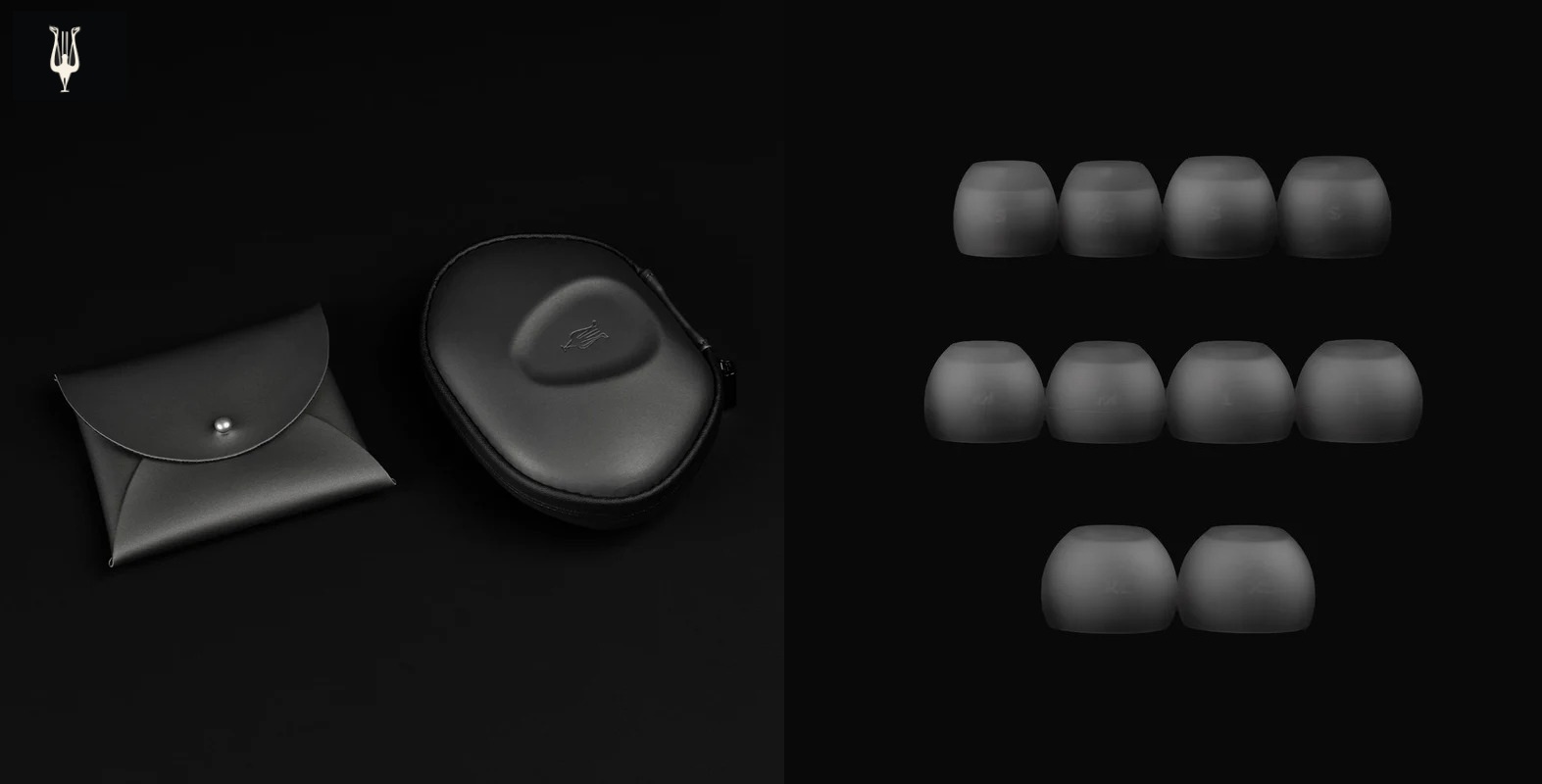
Beyond the cable and adapter, the ASTRU ships with five pairs of custom-made liquid silicone ear tips in XS, S, M, L, and XL sizes. Liquid silicone is softer and more conforming than standard silicone, and Meze Audio notes that achieving a proper seal is essential to realizing the monitor’s full bass response and passive noise isolation capability.
A wax guard, precisely etched from nickel and then electroplated to complement the titanium nozzle, is included to protect the acoustic filter from debris and cerumen buildup over time. For storage and transport, the package includes both a sturdy carry pouch for travel and a softer PU leather envelope for everyday carry.
Technical Specifications:
| Specification | Value |
| Driver Type | Dynamic |
| Driver Size | 10 mm |
| Frequency Range | 5 Hz – 35 kHz |
| Impedance | 32 Ω |
| Sensitivity | 111 dB SPL/mW @ 1 kHz |
| Total Harmonic Distortion | <0.1% @ 1 kHz |
| Connector | 2-pin |
| Weight | 13.4 g (0.47 oz) |

Pricing and Availability:
The ASTRU carries a retail price of $899/899€ and is currently available through Meze Audio’s official website and authorized dealers and distributors worldwide. The package includes the full accessory set described above, meaning the balanced 4.4 mm cable, adapter, liquid silicone ear tips, wax guard, and both carrying cases are bundled at that price rather than sold separately. Installment payment via Klarna is also available through the brand’s direct store.
About Meze Audio:
Founded in 2011 in Baia Mare, Romania, Meze Audio designs and manufactures headphones across open-back, closed-back, and in-ear categories. The company first gained widespread recognition in the audiophile community with its 99 Classics, a wood-cupped dynamic headphone that became notable for its combination of aesthetics and sound quality at its price point. Subsequent products, including the Empyrean and Elite planar magnetic headphones, established Meze as a credible presence in the upper tiers of the personal audio market. The ASTRU represents the brand’s most significant investment in the in-ear monitor category to date.
Thank you for the Read!